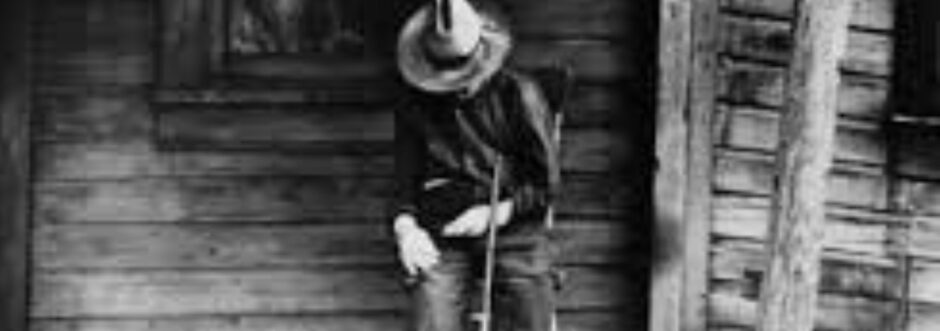
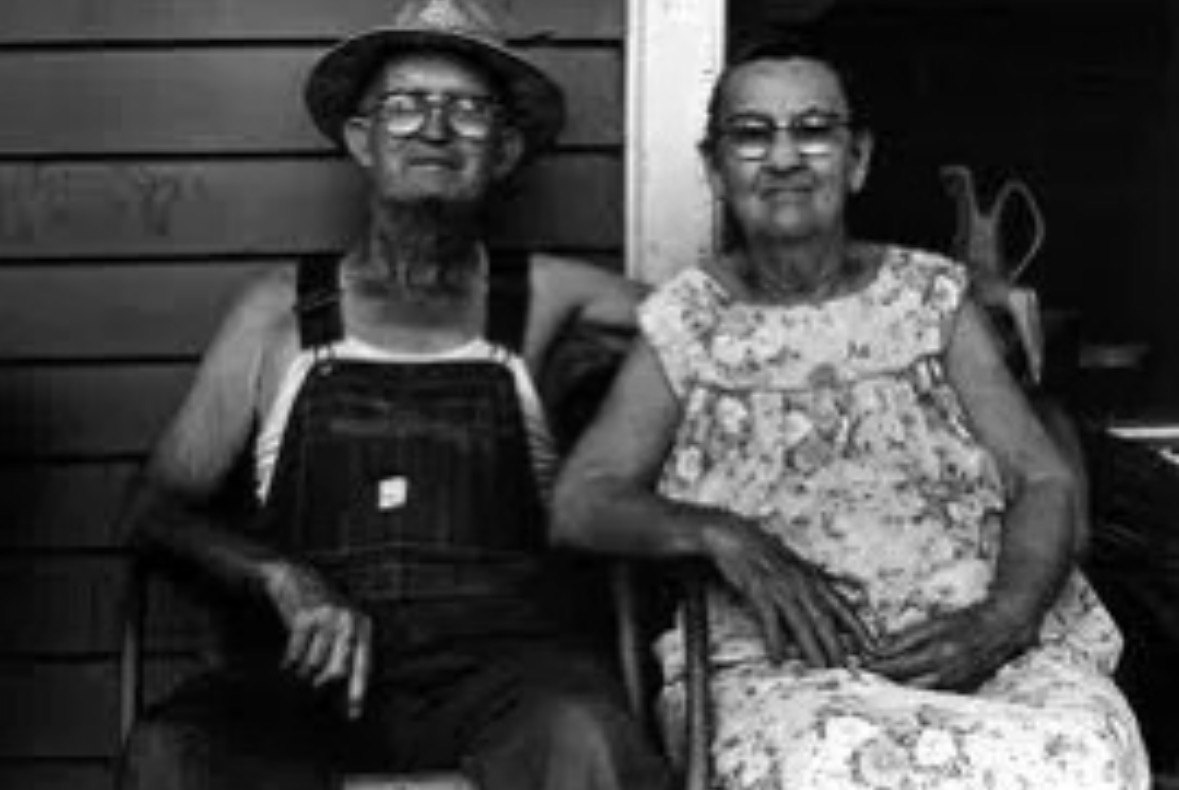
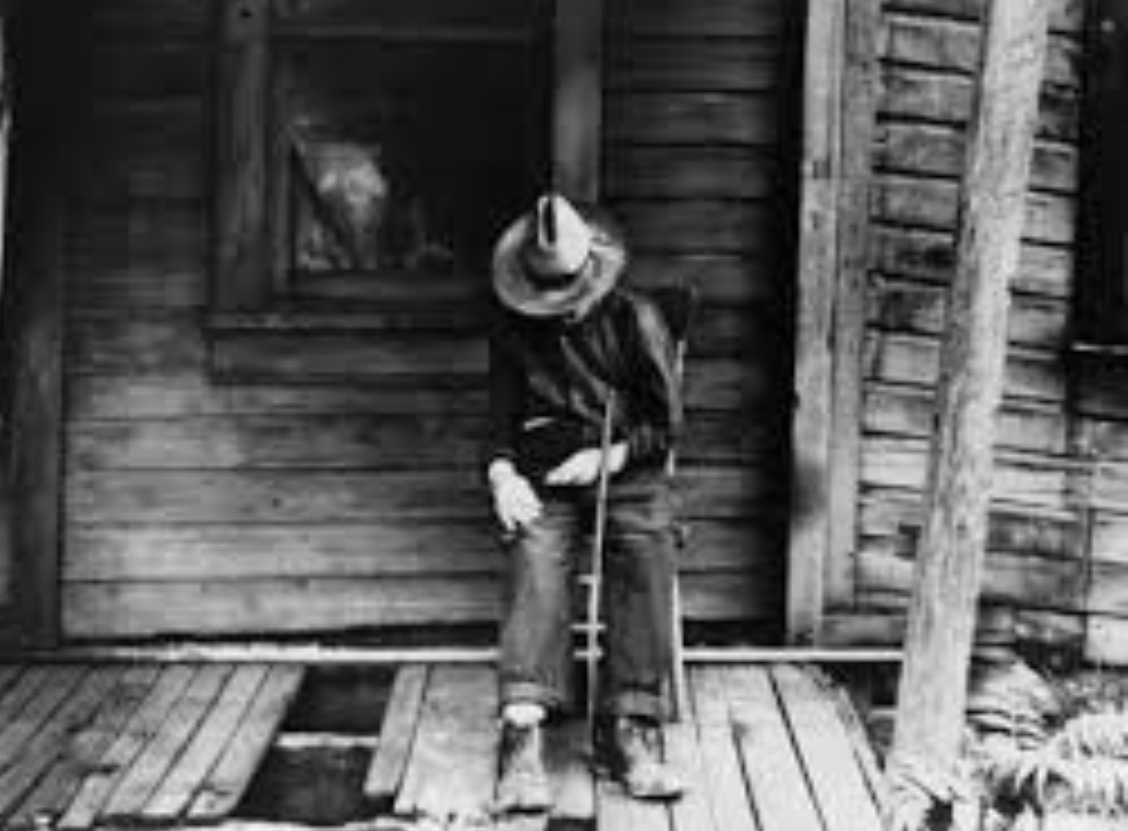
Observations from a Porch of an Aging Farmer in a Changing South

Read More
Screenshot

By Mark A Leon

The porch is still there. Weathered boards, a couple of rocking chairs, maybe a ceiling fan that hums more out of habit than necessity. But everything beyond that porch—everything that once defined a Southern farmer’s life—has changed.

Where fields once stretched uninterrupted to the horizon, there are now subdivisions, solar farms, and “For Sale” signs that don’t stay up long. The land is still rich, but its purpose feels less certain. Farming, once a way of life passed down like a family recipe, is now a business measured in margins, data, and global markets.

And yet, the porch remains a place to sit and think.

An aging Southern farmer today doesn’t just watch the weather roll in—he checks it on his phone first. He tracks crop prices before sunrise and reads about droughts halfway across the world that will somehow affect his own yield. The rhythm of the land is still there, but it now beats alongside the pulse of technology and uncertainty.

What hasn’t changed is the weight of memory.

From that porch, he remembers when neighbors didn’t need invitations—just a slowing truck and a wave. When evenings meant stories instead of screens. When the only noise was cicadas and distant laughter, not the steady hum of traffic creeping closer year by year.


Rural America is shrinking in some ways and stretching in others. Young people leave for cities, chasing opportunity, while newcomers arrive looking for quiet they don’t quite understand yet. The culture shifts, subtly at first, then all at once.

Still, the porch offers perspective.

It’s where past and present sit side by side. Where a man can hold onto what was while trying to make sense of what is. The land may no longer define life the way it once did, but it still shapes the soul of those who’ve worked it.

And maybe that’s the truth of it.

The South isn’t disappearing—it’s evolving. Faster than some would like, slower than others expect. But on that porch, with the same wide sky overhead, there’s a quiet understanding:

Some things are worth holding onto.

Even as everything else changes.

Stay connected and subscribe to Charleston Daily.

Charleston Reimagined: A Playful New Vision for a Family-Friendly Downtown

Read More
Screenshot


By Mark A Leon

Downtown Charleston, SC is on the cusp of a bold and imaginative transformation, as city leaders and community planners continue shifting their focus toward creating more engaging, family-friendly public spaces. While Charleston has long been celebrated for its history and architecture, a new vision is emerging—one that blends tradition with interactive, playful experiences designed for residents and visitors of all ages.

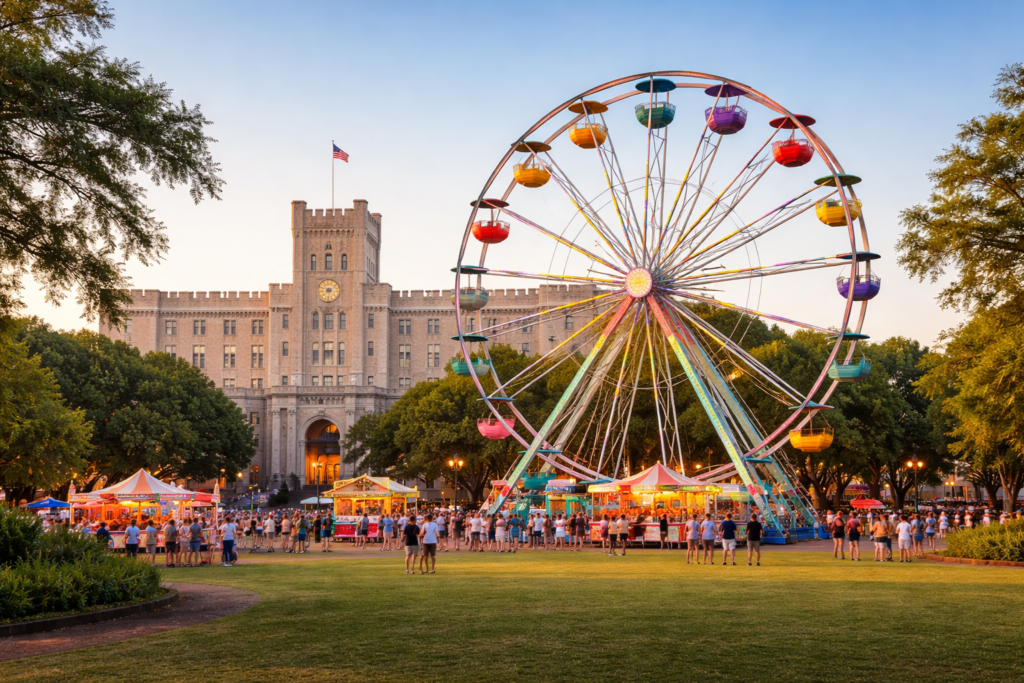
At the heart of this reimagining is Marion Square, the city’s central gathering space. Already known for hosting festivals, markets, and community events, the square has historically served as a flexible urban park connecting multiple neighborhoods.  Plans now imagine a permanent Ferris wheel rising above its iconic lawn, offering sweeping views of the peninsula and adding a dynamic, year-round attraction that brings energy both day and night.

Water-based recreation is also central to the city’s evolving identity. Along the Ashley River, Brittlebank Park —traditionally a passive waterfront green space—is envisioned as the future home of a family-oriented water park. This concept builds on the city’s ongoing investments in upgrading parks and playgrounds to create safer, more vibrant recreational environments for children and families. 


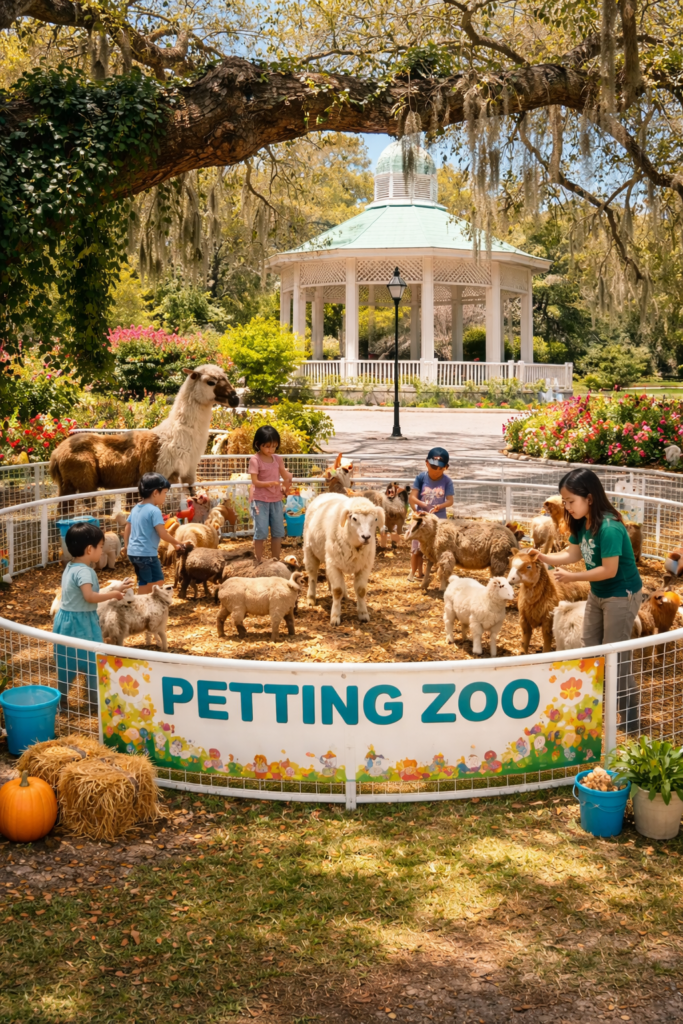
Further north, Hampton Park, already one of Charleston’s most beloved green spaces, could take on an even more interactive role. Known for its gardens and walking paths, the park has previously undergone planning efforts to expand amenities and attract broader community use.  A proposed petting zoo would introduce an educational, hands-on experience for younger visitors, reinforcing the park’s role as a destination for families.

Even Charleston’s smaller, picturesque spaces are part of the vision. Colonial Lake, a serene neighborhood retreat, could see a whimsical addition in the form of a water slide, blending playful recreation with the city’s historic charm.

These ideas—while imaginative—reflect a broader and very real trend: Charleston’s continued investment in parks, public spaces, and community-centered design. With more than 100 parks across the city and ongoing capital improvements, officials are prioritizing accessibility, safety, and enjoyment for all residents. 


As Charleston evolves, the balance between preservation and innovation remains key. By leaning into family-friendly experiences, the city is not only enhancing quality of life but also ensuring that its historic downtown remains vibrant, welcoming, and full of joy for generations to come

Stay connected and subscribe to Charleston Daily.

Disclaimer: This story was written for entertainment purposes and is not based on factual or research based content. Happy April Fool’s Day.

Guardians of Charleston: How the Preservation Society of Charleston Protects the City’s Past While Shaping Its Future

Read More

By Mark A Leon

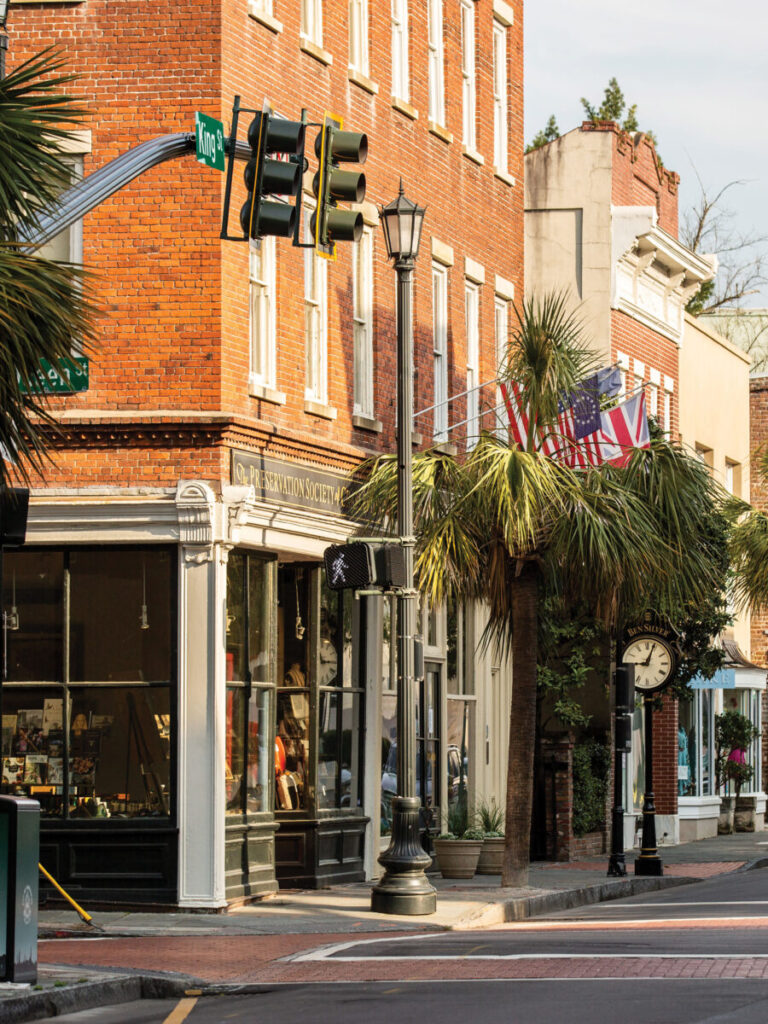
Few organizations are as deeply woven into the fabric of Charleston’s identity as the Preservation Society of Charleston. For more than a century, it has stood as both guardian and guide—protecting the city’s architectural heritage while shaping thoughtful growth for future generations.

Origins: A Grassroots Movement That Changed America

The story of the Preservation Society begins in 1920 with a single act of defiance. Charleston native Susan Pringle Frost rallied a small group of citizens to save the historic Joseph Manigault House, which was slated for demolition to make way for a gas station. 

That effort sparked the creation of what was originally called the Society for the Preservation of Old Dwellings—widely recognized as the first grassroots historic preservation organization in the United States. 

From the outset, the Society’s mission extended beyond saving a single building. It ignited a movement that would define Charleston’s future. By 1931, the organization successfully advocated for the nation’s first historic zoning ordinance, establishing Charleston’s “Old and Historic District” and creating the Board of Architectural Review—tools that cities across America would later adopt. 

A Century of Advocacy and Impact

Over the decades, the Preservation Society has evolved from a reactive preservation group into a proactive civic leader. Today, it works at the intersection of history, planning, and community advocacy—ensuring that Charleston remains both livable and authentic. 

Its influence can be seen in:

  • Protecting historic neighborhoods from incompatible development
  • Guiding zoning and architectural decisions
  • Educating residents on preservation tools and processes
  • Celebrating excellence through the Carolopolis Awards

Perhaps most importantly, the Society reframed preservation as a “living” concept—not freezing the city in time, but allowing it to evolve without losing its soul.

Properties and Preservation Wins in the Last Five Years

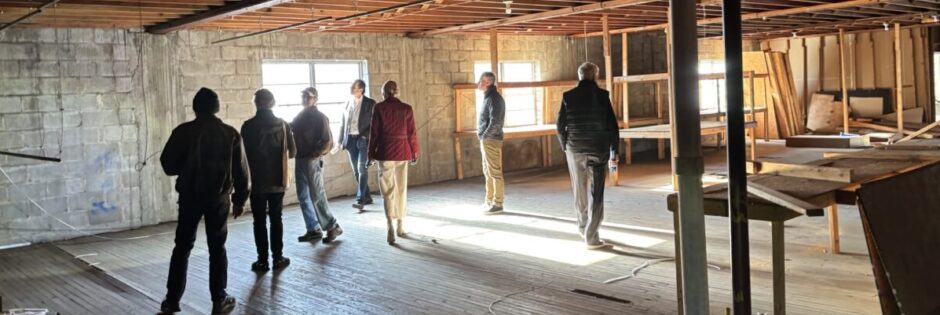
Unlike organizations that directly purchase and restore buildings, the Preservation Society often works through advocacy, public pressure, and collaboration. Its victories are frequently measured in prevented demolitions and improved outcomes, rather than ownership.

In the past five years, several notable efforts highlight its ongoing importance:

  • Historic Homes on Cannon and Sheppard Streets – The Society has actively fought proposals that would have led to demolition, pushing instead for rehabilitation and adaptive reuse.  
  • Philip Simmons-related structures and cultural sites – Advocacy efforts have focused on protecting properties tied to Charleston’s African American heritage, ensuring these stories remain visible within the city’s landscape.  
  • Multiple Carolopolis Award-winning restorations – While not always the developer, the Society has influenced and recognized dozens of preservation projects, helping ensure historic buildings are restored rather than replaced.  

Additionally, individual properties such as the John Ravenel House have undergone award-winning preservation work in recent years, reflecting the broader ecosystem the Society helps sustain. 

These efforts collectively represent a quieter but powerful form of preservation: stopping loss before it happens.

Why the Preservation Society Still Matters

Charleston’s popularity has brought rapid growth, rising property values, and intense development pressure. Without a strong advocate, the very qualities that make the city special—its scale, craftsmanship, and sense of place—could easily be eroded.

The Preservation Society plays a critical role by:

  • Acting as a watchdog in public planning decisions
  • Giving residents a voice in development debates
  • Protecting not just buildings, but cultural identity
  • Promoting equitable preservation across all neighborhoods

Its founding principle remains as relevant today as it was in 1920: that cities are strongest when their past informs their future.

A Legacy Still Being Written

More than 100 years after Susan Pringle Frost took her stand, the Preservation Society of Charleston continues to shape the city in visible—and invisible—ways. Every preserved façade, protected streetscape, and restored home is part of that legacy.

In Charleston, preservation is not just about saving old buildings. It is about protecting a way of life. And thanks to the Preservation Society, that story is still being told—one building, one block, and one community at a time.

Follow their journey on Instagram.

Stay connected and subscribe to Charleston Daily.