Read More
8th Annual Charleston Beer Fest, Riverfront Park, North Charleston, SC
Charleston Beer Fest Has Biggest Event Yet Annual beer festival draws more than 4,000 to new venue at Riverfront Park
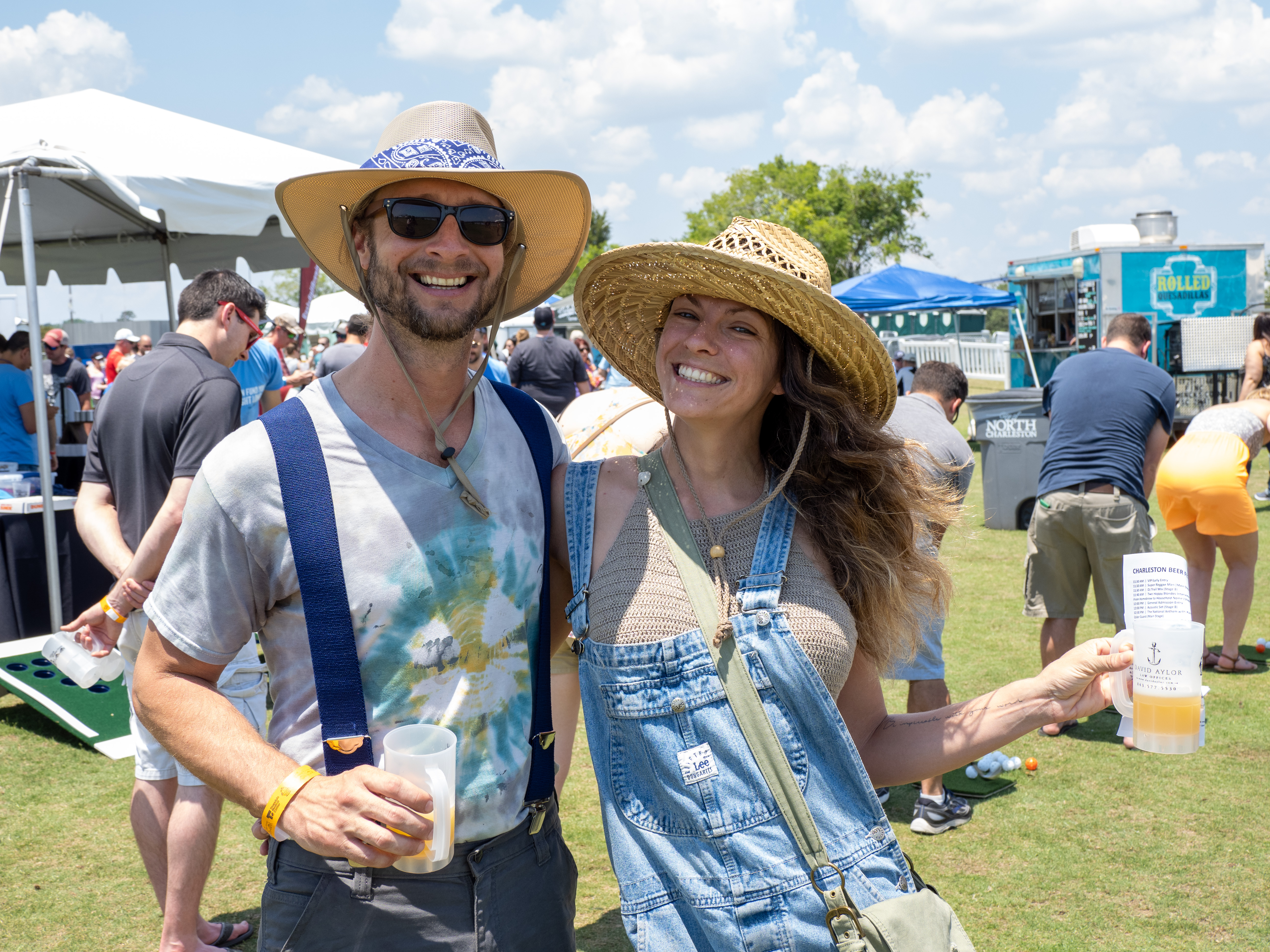
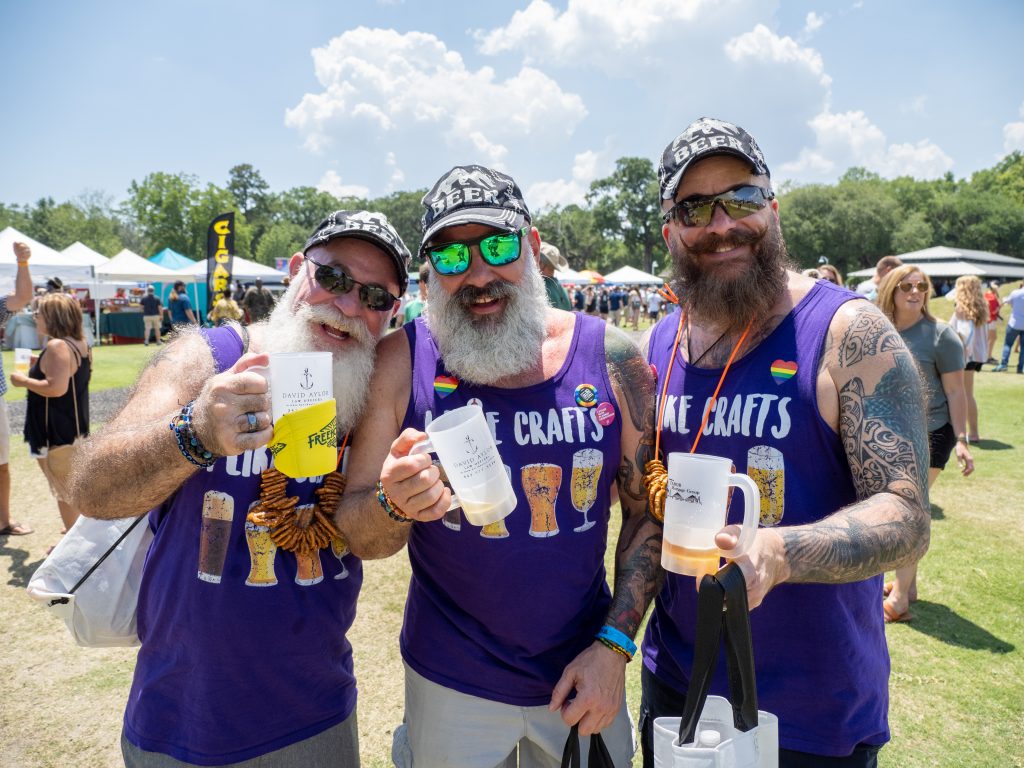
NORTH CHARLESTON, S.C. – About 4,100 people filled Riverfront Park in North Charleston on May 18 to sample more than 80 beers from around the Carolinas, making it the largest event in the festival’s eight-year history. People came from all over the region and well beyond, with ticket buyers from Wisconsin, Illinois, Pennsylvania, Alabama, Michigan, California, New York, Texas and more.
The 2019 Charleston Beer Fest presented by Tabor Mortgage Group moved to Riverfront Park this year to accommodate the growing event and the region’s growing beer scene. More than 40 breweries participated in this year’s event, including more than 20 breweries from the Charleston area. Festival-goers consumed 2,356 gallons of beer while also enjoying games, a dozen musical acts and entertainment, craft vendors, food trucks and a Homebrewers’ Village.
All proceeds from the Charleston Beer Fest benefit Palmetto Community Care in its work providing complete compassionate HIV care and prevention education awareness across the tri-county area. This year’s festival generated more than $140,000 for the nonprofit organization.
“We’re really thrilled with this year’s Charleston Beer Fest,” said Jason Kirk, director of development & marketing for Palmetto Community Care. “We are already hard at work planning for the 2020 event and looking at ways to make the festival even better. This event is truly Charleston’s premiere beer festival.”
8th Annual Charleston Beer Fest, Riverfront Park, North Charleston, SC
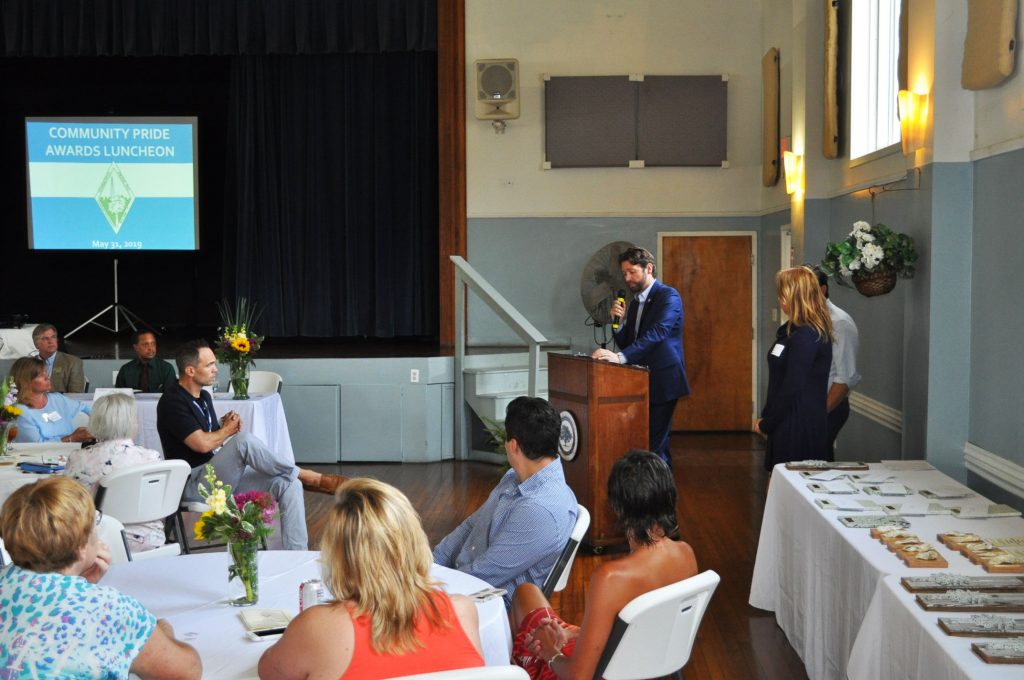
As a part of an environmental awards ceremony put on by
Charleston Community Pride, local 10 year old Trip Ostergard was awarded for
his work cleaning up litter on Johns Island.
This past winter, Trip informed his parents that he was
tired of seeing litter around his home on Johns Island, “Every day I would just
go to school down River Road and I’d see lots of trash,” he said. “I’d see
people throw trash out their car window, and I’d get really mad about it.”. Instead
of waiting for someone else to pick up the trash – Trip took action.
With the help of his dad & mom, Warren and Kate Ostergard, and a few friends, the family and neighbors grabbed a trailer one day and spent four hours on River Road doing a trash clean up. They collected 500 pounds of litter. They have been doing this once a month (and sometimes more) ever since. See more on Trip in his video: https://vimeo.com/314240027
Local conservationist, Carolee Williams was also awarded the
top honor at the awards ceremony presented by Representative Joe Cunningham.
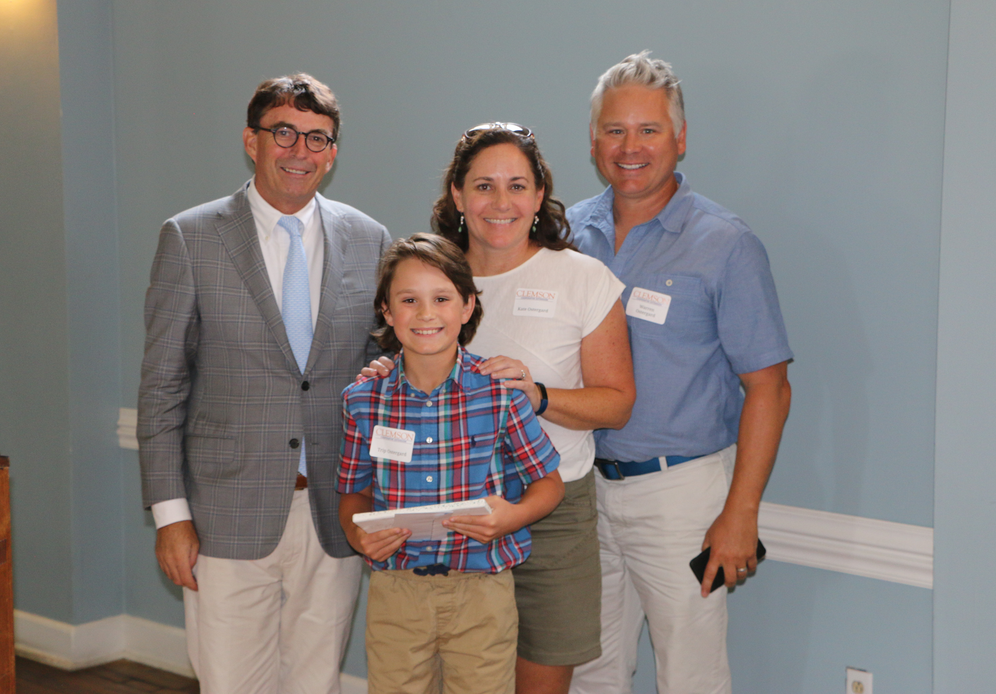
Header Image Caption: Charleston City Councilman Mike Seekings with 10-year-old Trip Ostergard and parents receiving the “Johnnie Dodds Education Award” at the 2019 Charleston Community Pride Awards Ceremony. Photo by Shawn Smetana
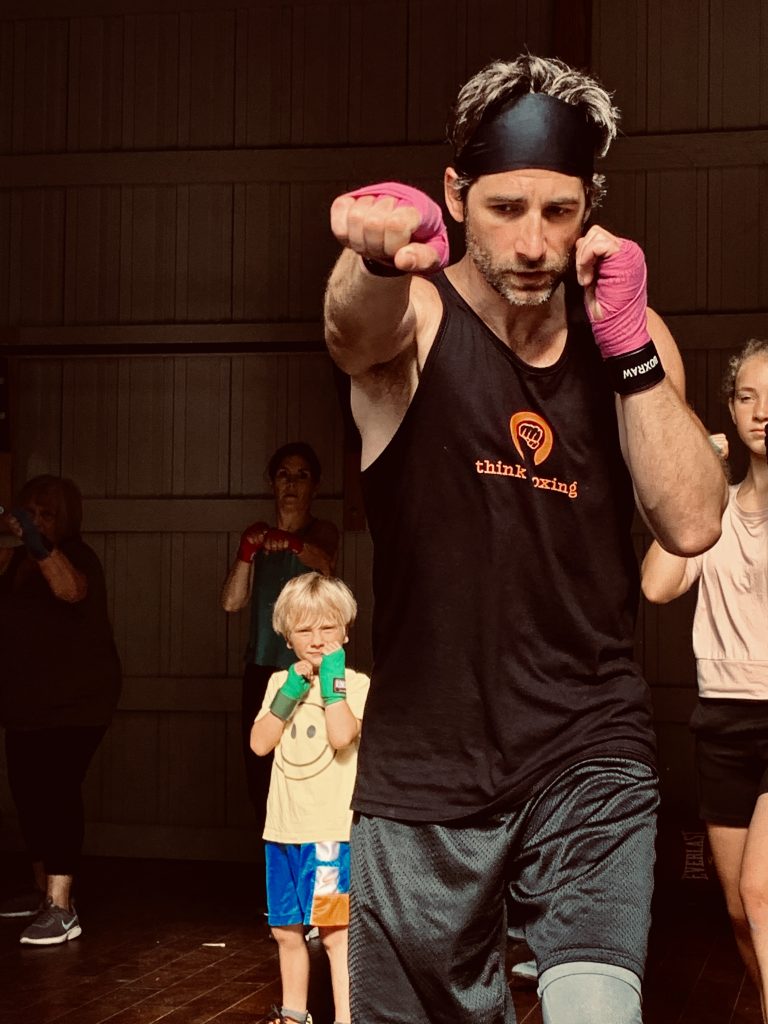
MOUNT PLEASANT, S.C. – When most people think of boxing, they envision heavyweight hitters battling it out in the boxing ring. But there’s much more to boxing than the “fight.” Learning the skill of boxing equips individuals with focus, discipline, resilience, determination and perseverance. And for individuals battling stress, anxiety, depression, post-traumatic stress disorder, or addiction, boxing can become a powerful healing tool.
Think Boxing by Innerpoint is a new curriculum launched this spring by Mount Pleasant counselor Beth Matenaer and entrepreneur and coach Jason Scalzo. Think Boxing is a non-contact curriculum that uses specific patterns of movement and cognition found in traditional boxing to foster brain regulation.
“In our method, boxing is less about the ‘fight’ and more about helping people learn how to win their inner emotional battles,” Matenaer said. “Think Boxing uses patterned boxing movements to increase concentration, improve emotional regulation, and provide meaningful relief of stress and tension. The curriculum draws on elements of mindfulness as well as various ways that exercise can be beneficial to overall improvements in mental health.”
Matenaer has been working to find creative approaches to helping others with mental health challenges for 25 years. She has a background in animal-assisted therapy and experiential approaches to psychotherapy. She currently has a private practice in Mount Pleasant, treating individuals and families dealing with trauma, attachment, recovery and personal growth
Scalzo has trained and coached both in boxing and Tae Kwon-Do for 30 years and was a member of the U.S. National Tae Kwon-Do team from ages 14 to 16. In 2017, he left a 12-year career in the medical technology industry to pursue his dream of starting a youth boxing program in West Africa for rehabilitated child soldiers and orphans of war. That program is still active today.
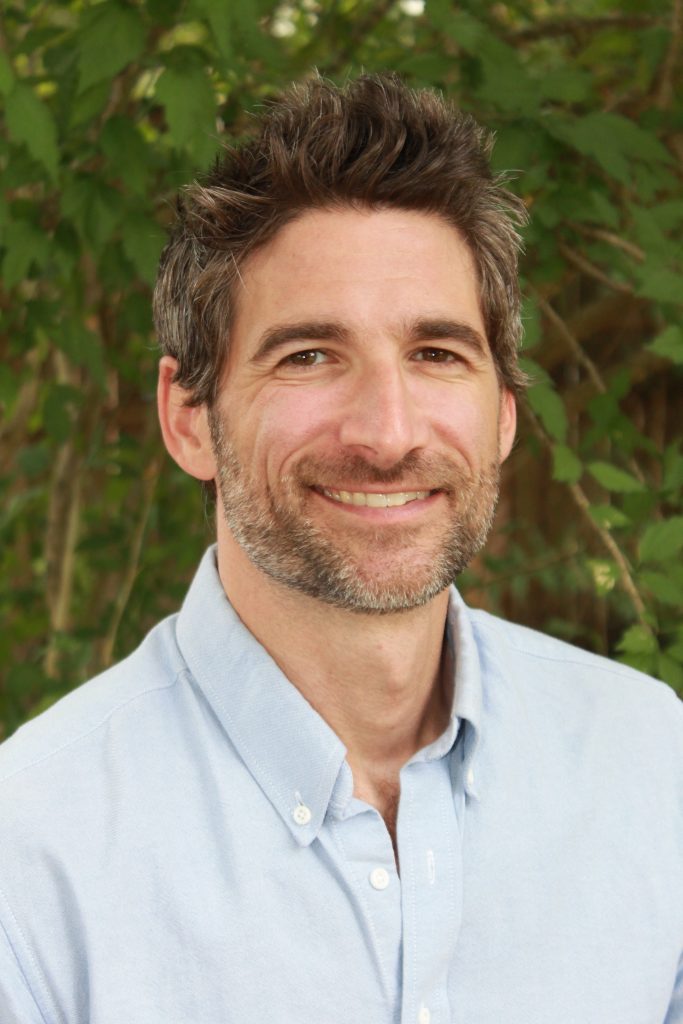
“Because boxing is a sport that requires synchronization of one’s body and mind, the physical and mental skills learned while boxing can improve our wellbeing across multiple aspects of our lives,” Scalzo said.
Together, Matenaer and Scalzo are using boxing as a treatment and healing mechanism for children and adults dealing with mental health challenges or recovering from emotionally traumatic events. They are currently using fitness spaces, CrossFit gyms and boxing studios around Charleston. Their goal is to certify additional instructors in their custom curriculum.
While Think Boxing does not involve actual fighting, the training curriculum does allow for the release of tension through the controlled kinetic contact and the added self confidence that comes with the ability to defend oneself.
To learn more about Think Boxing by Innterpoint and how to schedule a session, visit www.ThinkBoxing.co or call 843-696-6127.
Washington, D.C. (June 3, 2019) – National Geographic Traveler is constantly in search of qualities that make for an unforgettable travel experience for its readers. Travel is rooted in hospitality, so for this issue, Traveler partnered with Resonance Research Consultancy to develop a unique, data-backed index of the 28 friendliest neighborhoods in the U.S. From the pale-colored houses of Charleston’s French Quarter to the byways of Back Bay in Boston to the 3 miles of powdery sand of Waikiki, these open-minded and open-hearted neighborhoods make travelers feel at home.
In a survey created just for Traveler, Resonance Research Consultancy combined its proprietary Best Cities analytics with statistics and user-generated data that included walkability, home affordability, public spaces and prevalence of third spaces, such as cafes and restaurants. In addition, it examined social media and perception data from TripAdvisor and Yelp. The combination of this research produced a list of zip codes that National Geographic Traveler editors then correlated with existing neighborhoods to create a list of America’s Friendliest Neighborhoods.
“Friendliness and goodwill go a long way. We want the traveling world to discover destinations that embrace diversity and hospitality when they extend a warm welcome. That’s why we’re excited to share this list of the 28 most welcoming neighborhoods in the U.S. These vibrant, unique enclaves are friendly, surprising and rewarding for locals and visitors alike,” says George Stone, National Geographic Traveler editor in chief. “These destinations offer starting points to experience local city culture through food, people, art, history and outdoor spaces.”
National Geographic Traveler’s Friendliest City Neighborhoods are:
• Historic Oldtown – Albuquerque, New Mexico • Rogers Park – Anchorage, Alaska • “The Block” – Asheville, North Carolina • Second Street – Austin, Texas • Hyde Park – Boise, Idaho • Back Bay – Boston, Massachusetts • French Quarter – Charleston, South Carolina • Wicker Park – Chicago, Illinois • Broadmoor/Stratton Springs – Colorado Springs, Colorado • Chihuahuita and El Segundo Barrio – El Paso, Texas • Waikiki – Honolulu, Hawaii • The Heights – Houston, Texas • The Strip – Las Vegas, Nevada • Downtown LA – Los Angeles, California • University Area – Madison, Wisconsin • Brickell/Hammock – Miami, Florida • Old Naples – Naples, Florida • Times Square & Hell’s Kitchen – New York, New York • West Omaha – Omaha, Nebraska • Thornton Park – Orlando, Florida • Little Italy – San Diego, California • North Beach – San Francisco, California • Japantown – San Jose, California • North Historic District – Savannah, Georgia • Capitol Hill – Seattle, Washington • Downtown – Tulsa, Oklahoma
• Downtown – Myrtle Beach, South Carolina • Logan Circle – Washington, D.C.
The June/July 2019 issue of Traveler magazine is available now on newsstands and online at natgeotravel.com/neighborhoods National Geographic Traveler publishes six issues per year and is the world’s most widely read travel magazine, with 18 international editions. National Geographic Travel shares its inspiring and authoritative digital content, including trip inspiration, travel news, photo galleries and more with its @NatGeoTravel community of more than 50 million people.
About National Geographic Partners LLC National Geographic Partners LLC (NGP), a joint venture between Disney and the National Geographic Society, is committed to bringing the world premium science, adventure and exploration content across an unrivaled portfolio of media assets. NGP combines the global National Geographic television channels (National Geographic Channel, Nat Geo WILD, Nat Geo MUNDO, Nat Geo PEOPLE) with National Geographic’s media and consumer-oriented assets, including National Geographic magazines; National Geographic studios; related digital and social media platforms; books; maps; children’s media; and ancillary activities that include travel, global experiences and events, archival sales, licensing and e-commerce businesses. Furthering knowledge and understanding of our world has been the core purpose of National Geographic for 131 years, and now we are committed to going deeper, pushing boundaries, going further for our consumers … and reaching millions of people around the world in 172 countries and 43 languages every month as we do it. NGP returns 27 percent of our proceeds to the nonprofit National Geographic Society to fund work in the areas of science, exploration, conservation and education.
 by
by