by
By Mark A. Leon
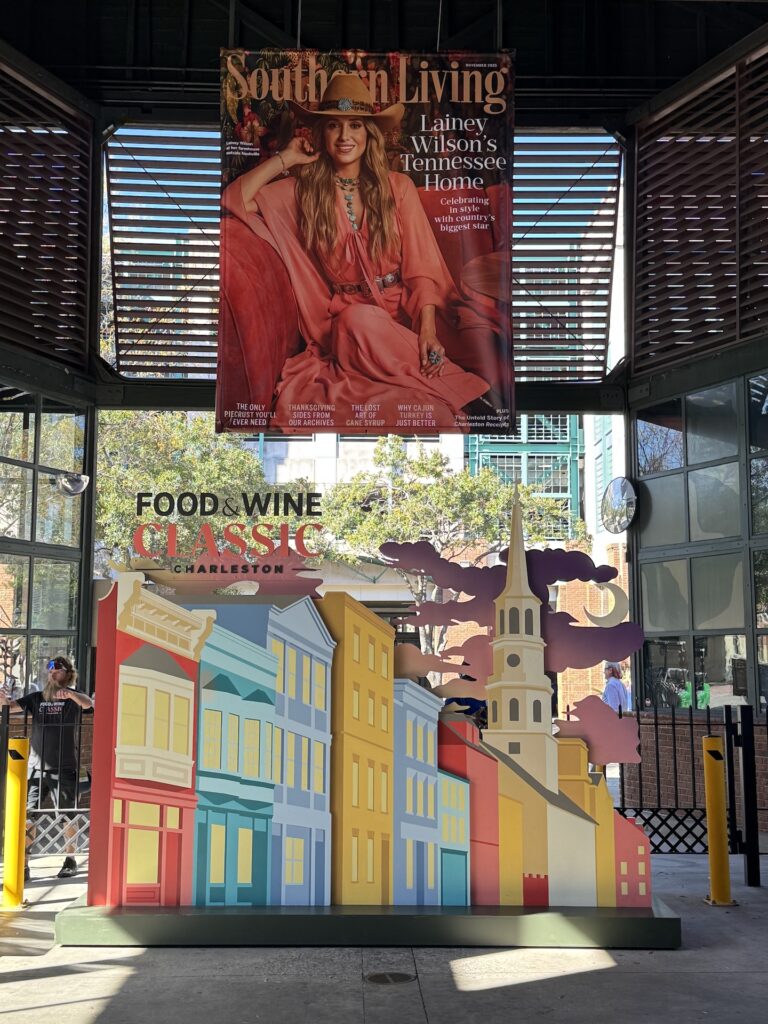
Ahead of this weekend’s Food & Wine Classic in Charleston, Food & Wine Editor in Chief Hunter Lewis shares his perspective on the evolving American food scene, the chefs shaping the industry and why Charleston continues to stand out as one of the country’s most compelling culinary destinations.
Charleston has long been recognized as a city where food is inseparable from its history, culture and sense of place. From its coastal seafood traditions and Lowcountry ingredients to the influence of Gullah Geechee cooks and farmers, the Holy City has developed a culinary identity that continues to attract national attention.
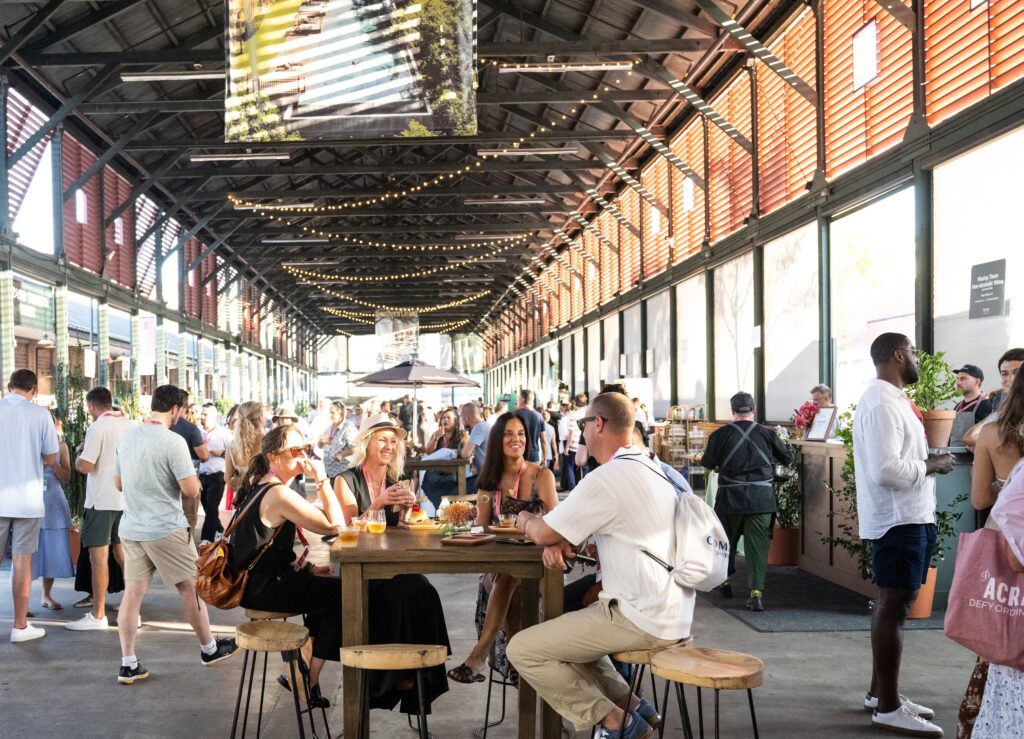
As the city prepares to welcome chefs, culinary enthusiasts and food lovers for this weekend’s Food & Wine Classic, there is perhaps no better time to explore what makes Charleston such an important part of America’s food conversation.
We spoke with Hunter Lewis, Editor in Chief of Food & Wine, about the changing tastes of American diners, the chefs creating destination-worthy experiences, the importance of hospitality and how food journalism is evolving in an increasingly digital world.
Charleston Daily: After years of watching American food culture evolve, what trends do you believe are genuinely changing the way Americans eat rather than simply being temporary fads?
Hunter Lewis: Food is getting more personal. Many restaurant menus are moving away from overly precious cooking toward nostalgia, regional specialties, comfort and dishes that resonate with the chefs and restaurant owners on a more personal level.
Global flavors are becoming everyday American cooking. The most exciting chefs are cooking from their own backgrounds and experiences, and the ingredients they use will be on supermarket shelves in the near future.
Hospitality matters, too. People still care about great food, but what they really want is an escape from the coarseness of daily life. They care about how a restaurant makes them feel.
People also want more options for drinks. A menu that feels inclusive must have low- and no-alcohol options to account for how customers are drinking now.
Charleston Daily: What makes a restaurant or chef worthy of becoming a national destination today? Has that definition changed?
Hunter Lewis: It starts with great cooking, but the places that stay with you have a clear point of view. You can taste the chef’s perspective and get a real sense of place.
A great example of this in Charleston is Weltons Tiny Bakeshop. Hannah and Zachary Welton create world-class pastries and breads that highlight local and regional seasonal ingredients. That gives their cooking and baking a real sense of place.
The same goes for Dano and Bethany Heinze at Vern’s. Discovering something you couldn’t experience the same way anywhere else is worth planning a trip around. And Charleston has that in spades.
Charleston Daily: Charleston has become an important part of the national food conversation. What do you think the city is doing particularly well right now?
Hunter Lewis: It all comes back to the history of the city and the way the water shapes the land, the culture and the people.
Charleston gives you so much to work with—incredible culinary talent, a culture of warm hospitality, seasonal seafood, a long growing season and the foundational contributions of Gullah Geechee cooks and farmers. It’s just unlike any other city.
So many of its dishes, right down to individual ingredients, tell the story of the city and how it’s evolved. What Charleston does particularly well is keep those connections alive while giving chefs room to add their own perspectives.
Charleston Daily: The era of the celebrity chef has changed considerably. What do you think audiences are looking for from chefs and restaurants today?
Hunter Lewis: Customers don’t want a transactional experience. They want a memorable one.
How a restaurant treats its staff, what it contributes to the industry and whether the experience feels worth the money are increasingly important to diners, as they’ve always been to Food & Wine.
I think now audiences want generosity from chefs: Teach me something, introduce me to something, make me feel welcome and smarter. That experience is what brings people back.
Charleston Daily: What do you see as the future of food journalism, and what role can publications like Food & Wine play as the way people discover restaurants, chefs and food continues to change?
Hunter Lewis: Trust is our most valuable asset. People come to Food & Wine because they trust our expertise and recommendations, and that becomes even more important as AI changes how people find information.
Food journalism reaches people through video, social, newsletters and events, alongside print and digital stories. Our role is to bring the same authority and curiosity to all of those experiences, helping people discover a chef, cook something new or plan a trip around a great meal. Moments like the Classic bring that work to life.
When it comes to programming at the Food & Wine Classic in Charleston, events have become another vital tool in journalism for us to share stories in a real live setting.
That’s emotionally powerful, because you’re experiencing the story of a dish while being able to see, smell and taste it and meet the person who made it.
A City That Tells Its Story Through Food
Lewis’s perspective reinforces something Charleston has demonstrated for generations: a memorable culinary destination is about much more than acclaimed restaurants or the latest dining trends. It is about identity, tradition, creativity and the people who bring those elements together.
Charleston’s culinary strength lies in its ability to honor its roots while welcoming new interpretations from chefs, bakers, farmers and hospitality professionals. That balance is what makes the city’s food scene distinctive—and what continues to draw national attention.
As the Food & Wine Classic returns to Charleston this weekend, guests will have an opportunity to experience exactly what Lewis describes: food as storytelling, hospitality as an essential ingredient and the opportunity to discover something that simply cannot be replicated anywhere else.
For Charleston, that is more than a culinary trend. It is part of the city’s identity.
ADDITIONAL FACTS ON THE EVENT
- Third annual Food & Wine Classic in Charleston, November 13–15
- Hosted by Food & Wine, Travel + Leisure, and Southern Living; presented by Explore Charleston
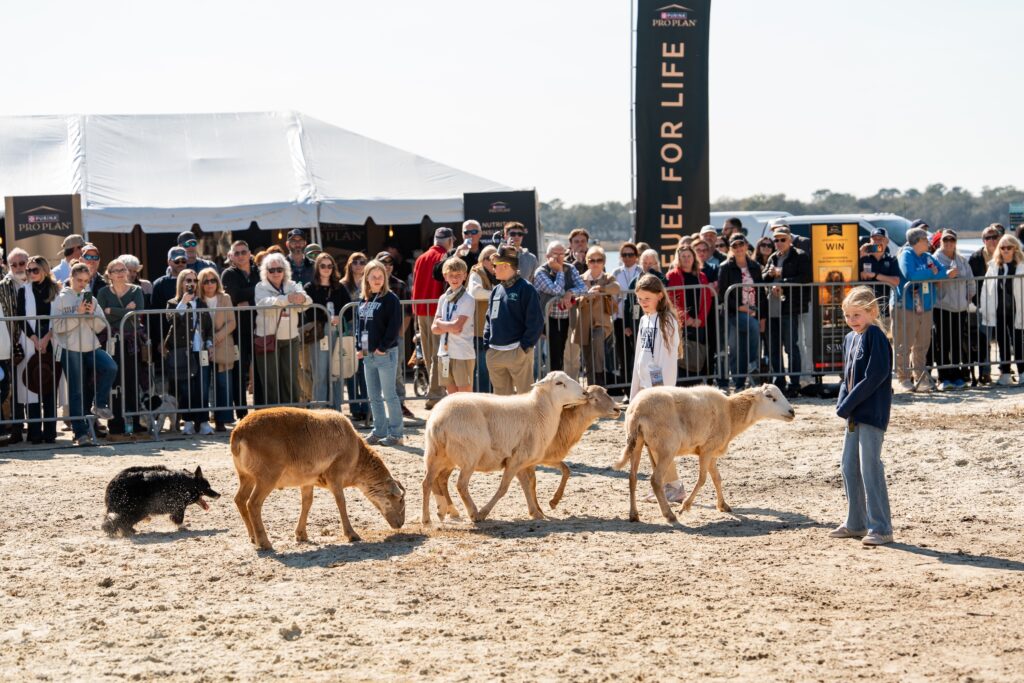
- 40+ cooking demos and beverage seminars, including 20+ wine, cocktail, and beverage seminars
- 4 Grand Tastings featuring 100+ winemakers, distillers, chefs, exhibitors, and cookbook signings
- A dozen special events, plus Night Out With F&W, curated by Hunter, November 12–15: single-night dining experiences celebrating the local restaurant community
- Limited passes and special event tickets still available at foodandwineclassicincharleston.com.
Photo Credit: Cameron Wilder / Mark A. Leon – Charleston Daily
Stay connected and subscribe to Charleston Daily.