Cannon Street and Spring Street situated in the Elliotborough and Cannonborough neighborhoods of the Charleston, South Carolina downtown peninsula is undeniably one of the fastest and most emerging urban communities.
With a diverse offering of dining, shopping, hair care, horticulture, coffee, piercings, jewelry and wellness, Cannon and Spring is becoming a Mecca, yet still unknown to many. We are about to change that.
One of the most immediate cultural observations is the inviting array of foot traffic which is made up of a mix of tourists (Stay Duvet Vacation Rentals), students and residents. This inviting mix coupled with outdoor dining at fabulous places like Pink Cactus, Xiao bao biscuit, Anthony’s insanely delicious Philly inspired sandwiches from The Pass, New York’s beloved bagel sandwiches from Holey City Bagels, unique shopping experiences (The Paper Canopy, The Tiny Tassel, The Mess Hall Hat Shop), boozy ice cream from Buzzed Bull Creamery, and two of the most incredible coffee shop experiences with babas on cannon and Bad Bunnies Coffee Shop make these two streets the next great Charleston evolution. What a buzz in the air with so much energy and life on these streets.
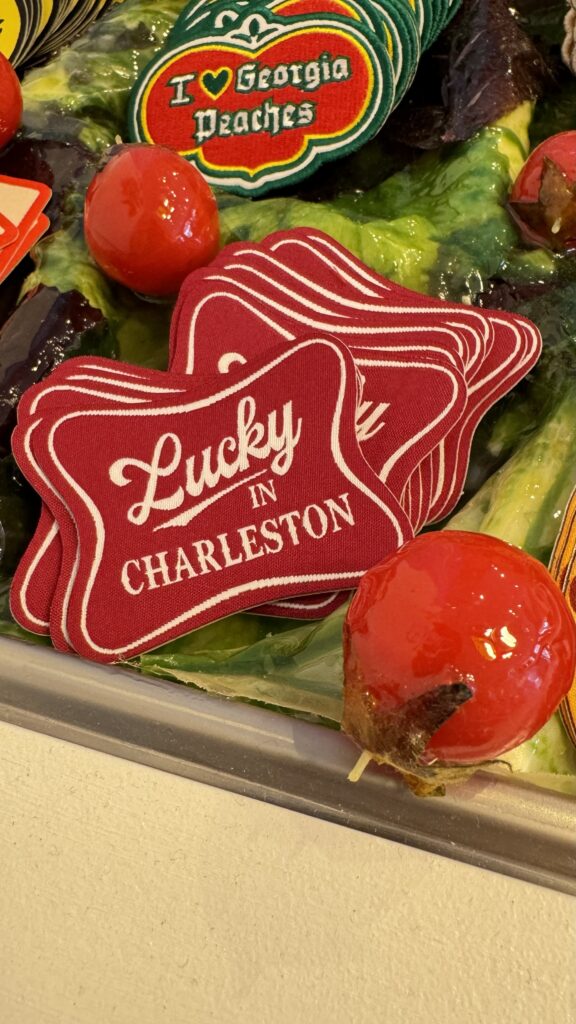
Feeling lucky at The Mess Hall
We must also include a beautiful recognization to Tiger Lily and the newly opened Rooted in Charleston for bringing natural beauty to our community every day with their passionate love of plants and flowers.
If that wasn’t enough, here are 5 incredible reasons to spend as much time as you can on Cannon Street and Spring Street
The Cannonborough and Elliotborough Collective of small business owners. This community is so strong and committed to awareness, growth and success that they have formed a collective to work toward bettering the neighborhood, enhancing awareness and working toward success for all small business owners. Not only do they bring their smiling faces every day, but every Second Thursday many stores offer extended hours from 5:00 PM – 7:00 PM for Second Thursdays.
Veggie Bin (96 Spring Street, Charleston, SC) – This wonderful local co-op offers fresh local sourced products to all members of the community. Their commitment to fresh, organic and locally based products is a testament to their dedication to Charleston and preservation of health and wellness.
Sôlt Wellness: Holistic Wellness Spa in Charleston, South Carolina offers a complete natural healing and rejuvenation experience unlike any other in the Lowcountry. Sôlt offers a compete packages of services to meet all you needs including: Float Pod, Infrared Sauna, Massage / Body Work, Accupunture, Salt Room, Red Light Therapy, Meditation Pod, Skin Care, Retail Gift Shop. Owner and operator Fiona Scott is so lovely to speak to.
“Hurricane Helene reminded us of the power of neighbors helping neighbors, and South Carolina is ready to stand with Florida in their time of need,” said Governor Henry McMaster. “The National Guard resources being deployed will not interfere with our own recovery efforts from Hurricane Helene and will still allow for our National Guard to deploy in South Carolina to prepare for potential impacts from Hurricane Milton.”
Approximately 70 Soldiers, 30 high-water vehicles, and two support vehicles from the 1051st Transportation Company in Varnville will be part of South Carolina’s Hurricane Milton support to Florida. Additionally, the S.C. Army National Guard, in conjunction with S.C. State Fire, will deploy a South Carolina Helicopter Aquatic Rescue Team (HART) asset to augment the Florida National Guard in response to Hurricane Milton. South Carolina HART is a specialized Search and Rescue asset consisting of UH-60 Black Hawk helicopters, UH-72 Lakota helicopters, Army National Guard aircrew members, and rescue technicians from South Carolina Task Force 1.
More than 60 Soldiers assigned to the 678th Air Defense Artillery Brigade Headquarters will deploy, providing command and control for four battalions.
The deployment is part of the Emergency Management Assistance Compact (EMAC), a mutual aid agreement among states that allows for the sharing of personnel, equipment, and other resources during declared emergencies. For more information on EMAC, click here.
The South Carolina National Guard continues responding to requests for assistance within South Carolina supporting local law enforcement with ongoing recovery efforts due to Hurricane Helene.
For any questions related to the South Carolina National Guard’s efforts in Florida, pleasecontact Major Karla Evans.
COLUMBIA, S.C. – Birla Carbon, a leading manufacturer and supplier of carbon solutions, today announced it selects Orangeburg County to establish the company’s first South Carolina operation. The $1 billion investment will create 124 new jobs.
With more than 160 years of experience, Birla Carbon is one of the largest manufacturers and suppliers of high-quality carbon additives globally. The company currently operates 17 manufacturing facilities in 14 countries, providing solutions for rubber, plastics, coatings, inks and other niche industries.
Birla Carbon will construct a 435,000-square-foot building at the Tri-County Industrial Site in Orangeburg to serve as a next-generation, synthetic graphite continuous production facility. The new operation will supply anode active materials which is enough to support more than 40-gigawatt hours (GWh) battery plants. The initial phase will produce 25,000 tons of synthetic graphite annually to meet the projected demand for the electric vehicle, energy storage and defense markets.
Operations are expected to be online in 2026. Birla Carbon will be providing education and internship opportunities to build a pipeline of employees, as well as childcare subsidies to help new parents work at the company’s facility. Employment opportunities will be available in 2025.
The Coordinating Council for Economic Development approved job development credits related to the project.
QUOTES
“Birla Carbon is excited to join the state of South Carolina in making this significant investment that will contribute to the growth of this critical industry domestically. As a global leader in our industry, we are constantly looking for opportunities to collaborate with like-minded partners that make a real difference. This plant is an investment in the future as the demand for electric vehicles and energy storage markets will only grow. The investment aligns with our purpose to ‘Share the Strength’ as we will create value and drive positive change, supporting our stakeholders, especially our customers and the communities in which we operate.” -Birla Carbon President and Chief Executive Officer John Loudermilk
“South Carolina’s strong economy and pro-business climate continue to attract major investments for our state. Birla Carbon’s substantial $1 billion investment and the 124 new jobs it will create will have a transformative impact in Orangeburg County, and we look forward to the company’s success in our state.” -Gov. Henry McMaster
“When innovative global companies like Birla Carbon choose to invest in our state, it sends a message that South Carolina has the resources and workforce necessary for businesses to thrive. We appreciate Birla Carbon’s significant investment in Orangeburg County and its confidence in South Carolina to be a partner for the future.” -Secretary of Commerce Harry M. Lightsey III
“Orangeburg County is proud to welcome Birla Carbon to our growing community of innovative industries. With a capital investment of $1 billion and the creation of 124 new jobs, this advanced manufacturing facility, specializing in synthetic graphite, highlights our county’s immense potential and reinforces our commitment to fostering long-term economic growth. We look forward to the opportunities this will bring to our residents and the positive impact it will have on our community. On behalf of the county council and the citizens of Orangeburg County, we extend our gratitude to Birla Carbon for choosing Orangeburg as the home for this groundbreaking facility.” -Orangeburg County Council Chairman Johnnie Wright
“We are thrilled to welcome Birla Carbon to the Cooperative family. This project reflects the strategic investments Tri-County Electric Cooperative has made in infrastructure and site development in Orangeburg County. The job creation and investment in our community will not only boost our local economy but also highlight our commitment to fostering growth and innovation in the region.” -Tri-County Electric Cooperative CEO Chad Lowder
FIVE FAST FACTS
Birla Carbon selects Orangeburg County to establish the company’s first South Carolina operation.
The company’s $1 billion investment will create 124 new jobs.
Birla Carbon is a leading manufacturer and supplier of carbon solutions.
The company will be located at the Tri-County Industrial Site in Orangeburg, S.C.
Employment opportunities will be available in 2025.
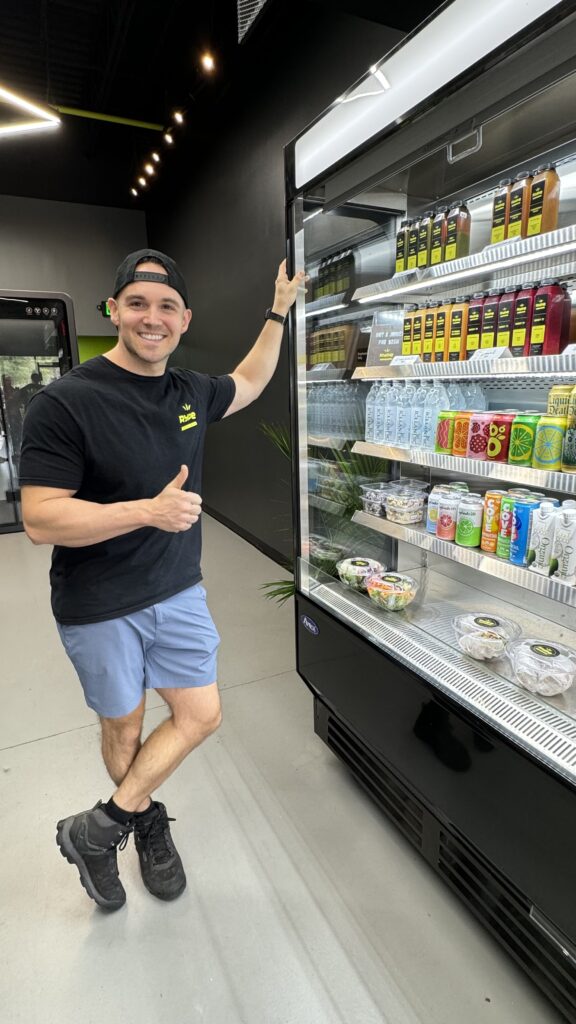
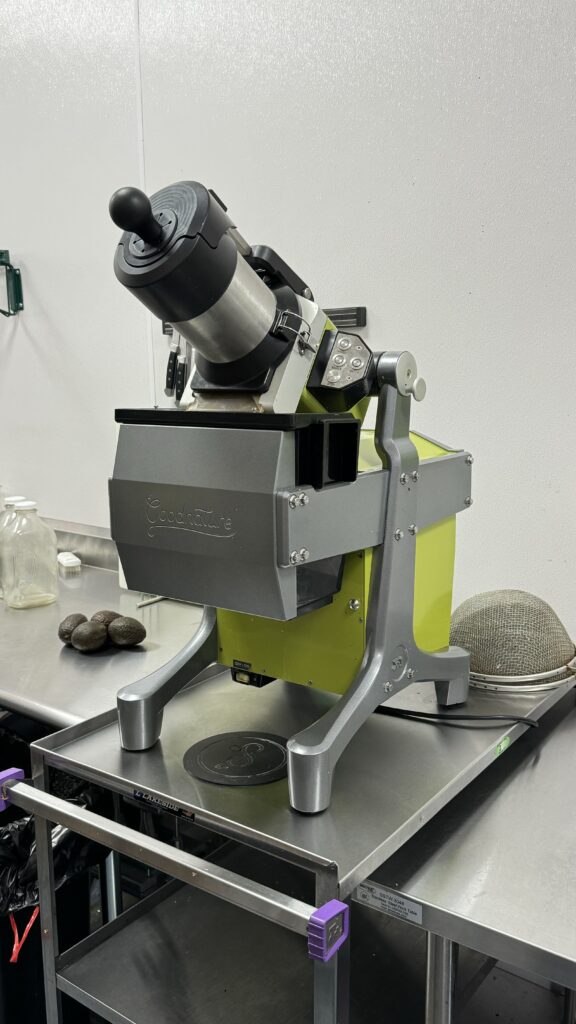
On occasion, you meet a small business owner that is doing it for the right reasons. For Stephen Robinson, born and raised James Island, it was through tragedy that he found the passion to open Rype Juice Bar, located at 1291 Folly Road, Apt 120, James Island, SC, and provide the neighborhood with healthy solutions to enhance a better life. This carefully designed concept of health & wellness, shared work space, and nutrition based thinking is a model for a well balanced life style.
Meet Stephen Robinson
It took just one visit to win us over because we witnessed a unique storefront not yet explored. Let me explain a little further.
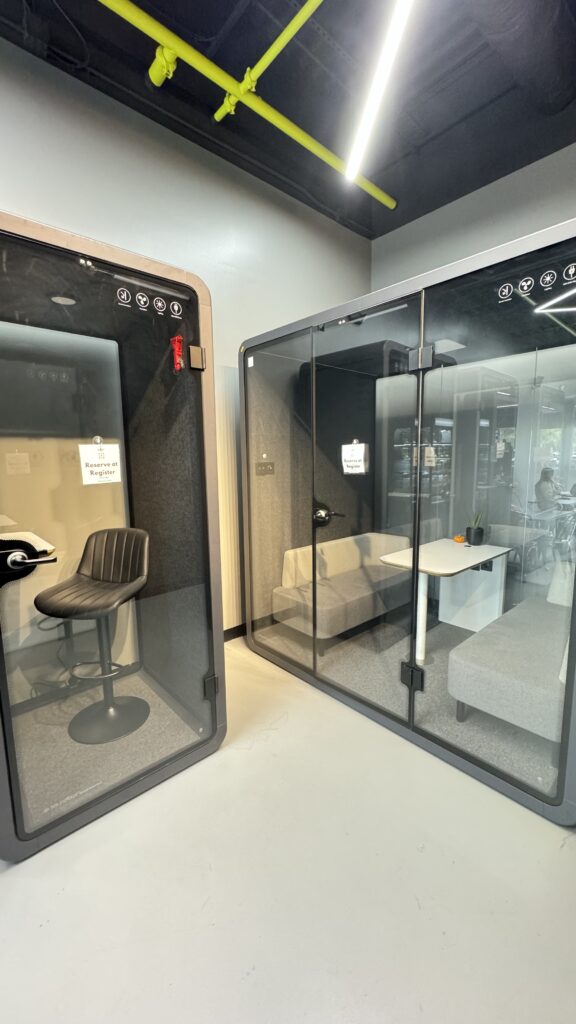
Sound Proof Work Stations (This was an eye opener)
So many of us work remotely and one of the biggest challenges about working at a restaurant or coffeeshop is the privacy to take a conference call or work on sensitive materials. Let us take it even a step further, so many deal with everyday anxiety and these work stations provide a safe and wellness based solution.
This option really stood out as a testament to Stephen’s commitment to provide James Island and beyond a healthy places to eat, stop in for a juice or smoothie or work.
We highly recommend Rype; an absolute gem of a concept.
(Charleston, SC) – New Tennis Program for Children with Autism Spectrum Disorder (ASD)
ACEing Autism Charleston Program – Registration Full, Volunteers Needed!
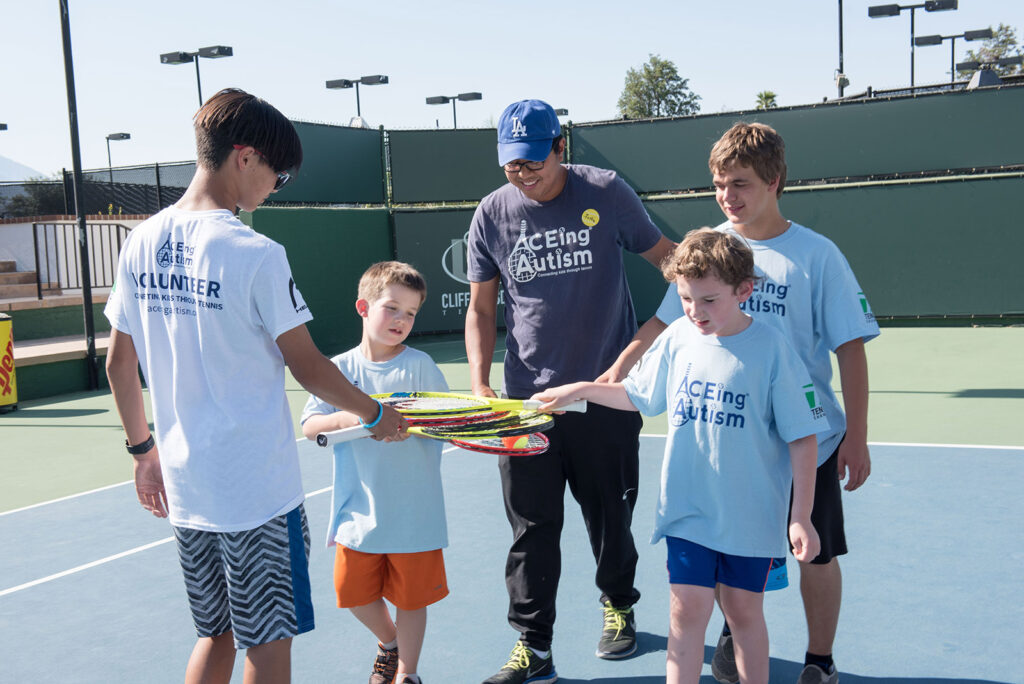
ACEing Autism is thrilled to announce the launch of its newest program in Charleston, SC, offering affordable and impactful tennis programming to children with Autism Spectrum Disorder (ASD). This exciting initiative, designed for children aged 5 to 18, will help participants develop tennis skills, improve fitness, and foster meaningful social connections in a supportive and inclusive environment.
Thanks to the generosity of the Charleston community, this program has been offered free of charge, and registration is now closed due to overwhelming demand.
However, we are still in need of volunteers to provide on-court support during the sessions!
Program Details:
Location: Daniel Island Club Tennis Courts, 715 Island Park Dr., Charleston, SC 29492
Dates: Saturdays – October 12, 19, 26, November 2, 9, 16, 2024
Time: 10:00 AM – 11:00 AM
To volunteer, join the waitlist for future sessions, or learn more about this free program, visit ACEing Autism’s Registration Page.
“We are excited to bring ACEing Autism’s tennis program to Charleston and provide a space where children with ASD can not only learn tennis but also benefit from the physical and social engagement that sports offer,” saidRichard Spurling, Co-Founder and CEO of ACEing Autism.
About ACEing Autism:
ACEing Autism is a non-profit organization dedicated to helping children with Autism Spectrum Disorder (ASD) grow, develop, and connect socially through tennis. Our specialized curriculum, co-developed by tennis professional Richard Spurling and renowned autism researcher Dr. Shafali Jeste, focuses on motor skills, fitness, and meaningful social interactions. Since its founding, ACEing Autism has positively impacted thousands of families across the U.S.
An exceptional cast highlights this celebration of the African American Civil Right struggle in the South and path to a better life with thoughtfulness and compassion
Charleston, South Carolina known for exquisite homes, internationally inspired architecture and a banquet of exceptional Southern cuisine is also the central location where a quarter of a million enslaved African Americans came into the colonies forced to leave their homes and families and work for wealthy plantation owners under unforgivable conditions. This was not a period looked upon with pride, but a cultural norm inherited by a new nation. Yet in 1865, when the Emancipation Proclamation declared freedom, it was only the beginning of a long road ahead and a journey that is not yet over.
Charleston Stage has used its platform to further the conversation, tackling critical issues with its bold theater. Purlie Victorious may be one of the boldest projects ever.
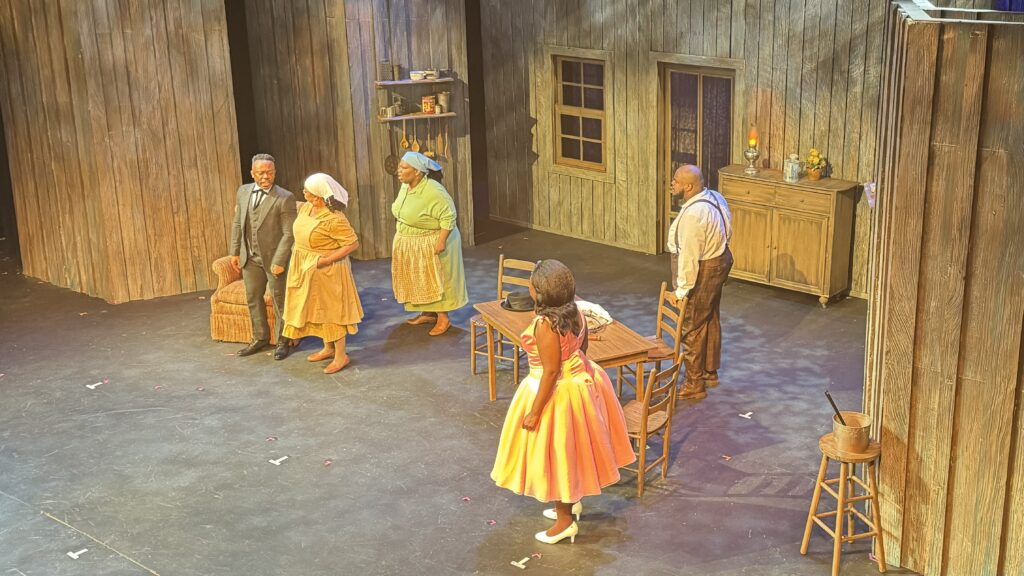
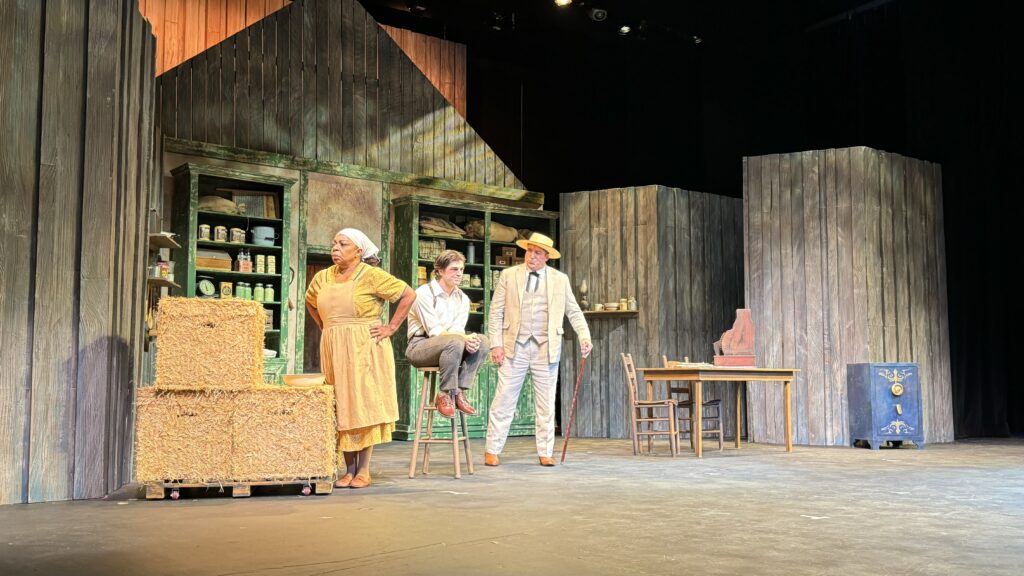
Purlie Victorious, is a two act play developed by the comedic vision of legendary actor Ossie Davis and interpreted for the Lowcountry by Charleston Stage with the passionate direction of Henry Clay Middleton. It tells the story of Purlie Victorious who returns to Georgia where he was raised to get reparations so he can buy the Big Bethel Church and offer an integrated sanctuary to celebrate community and love of God.
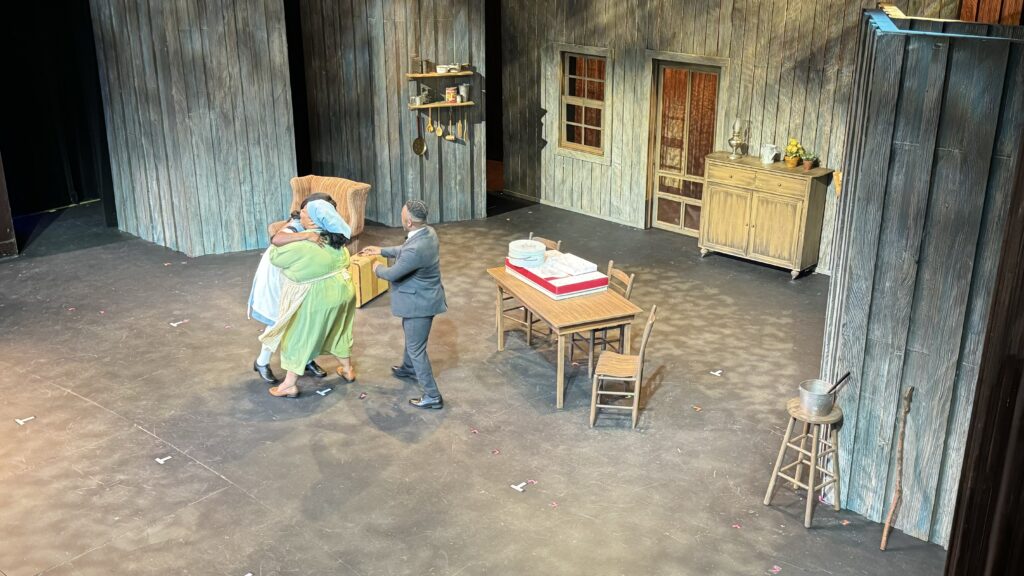
With exquisite costume and set design that immediately ushers you to a different period in American history; one filled with struggle and a guided torch leading from darkness to light, Purlie Victorious submerges you into a story of humor, deception, love, conviction and healing.
With the assistance of family and friends, Purlie defeats ignorance and centuries of repression with charm, wit and weapons of the educated.
Standing in his way is the captain, whose connections and corruption runs deep. He is fully aware slavery has ended but resists progress making the goals of Purlie even more difficult. This is a true test of good vs evil.
Family: The core of Civil Rights and Equality
With the onset of media and television, the country saw a different view of the Civil Rights Movement including extraordinary scenes of violence, rallies, marches and amplified speeches inspired by women and men of vision, but at the core, was the family unit. This is the heart of Purlie Victorious.
Sitting at the kitchen table with sweet potato pie, sharing stories and keeping legacies alive is where we understand the true bond. In their home was laughter, love, faith and aspirations for a better tomorrow. Purlie’s family like most were realists, but they found good even in the worst of times.
These scenes of family were so beautifully orchestrated and the subtle reminder of how generations of African Americans survived through togetherness and faith were touching.
Southland: The times are charging
For over a century after slavery was abolished, whites in the South took advantage of the African Americans exposing their lack of wealth, education and connections and restricting a journey toward equality. This manipulation led to African Americans continuing to work for white plantation owners in the South and being treated in much the same way with unlivable wages. This does not go unnoticed in the play.
What will the audience expect?
The acting is superb retaining the language of the time with passion and thoughtfulness. Costume design was flawless with careful consideration for style and material. The set design, creating 3 unique locations on one set was masterful. There is no doubt you will experience a quality performance, but as an audience member, you may have mixed feelings.
The language is raw and authentic to a challenging period in American history. Words we deem unacceptable today, were commonplace in the 1960’s and contextually important to the story. Feelings of mistreatment and deception, mockery and violence are critical to the storyline.
One of the brilliant things Ossie Davis brought to the original script was humor and authenticity. To be able to capture a time of transition; a time of uncertainty; a time when culture had to change for the better, with sensibility, poise and humor is truly what makes this play continue to be relevant today.
We applaud the courage of the cast, director, producers, set design, costume designers and the entire crew at Charleston Stage. This is an important play and so beautifully done. We feel it is a must see if only to continue and deepen the conversation.
Timothy McKevlin proudly stands at the helm of a true Lowcountry family legacy that has pioneered a passion for the spiritual artistry of surfing and its celebration of the unconditional love for the ocean. Yes, his family’s commitment to continuing the traditions of the coastal lifestyle and sending good vibes over the last 60 years goes much deeper. This is a family that fought for surfer rights, stood strong for integrating Folly Beach and opened the doors to the visionary world of surfing that thrives today.
Through hard work, family values, spiritual connections to the water and a compassion for promoting a good live, McKevlin’s has and continues to be an honorable ambassador to our Lowcountry lifestyle.
We had a chance to catch up with Timothy and learn a lot more about his family journey from the first shop in the Fall of 1965 to today.
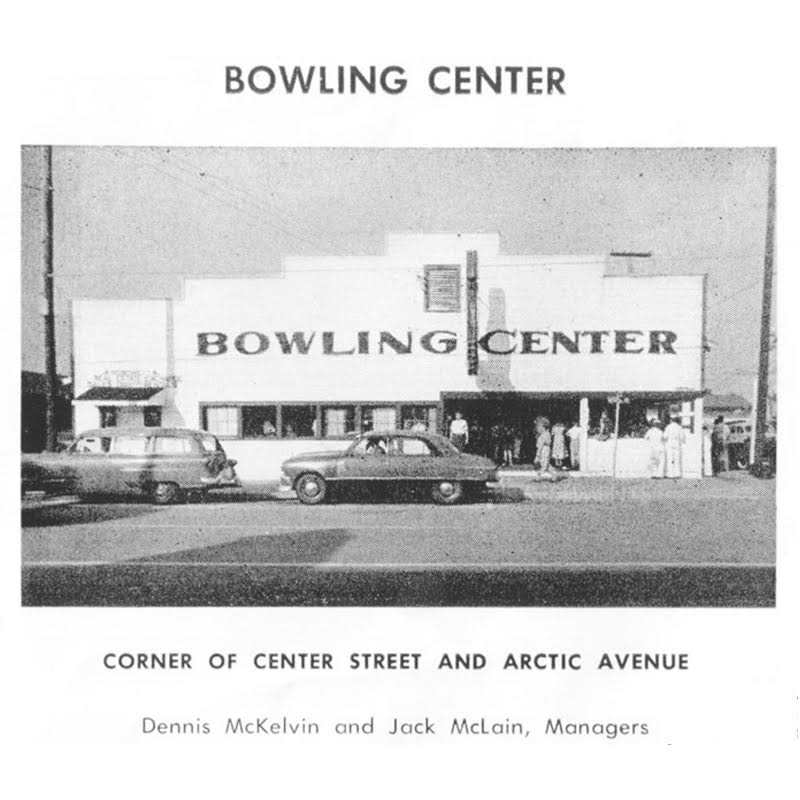
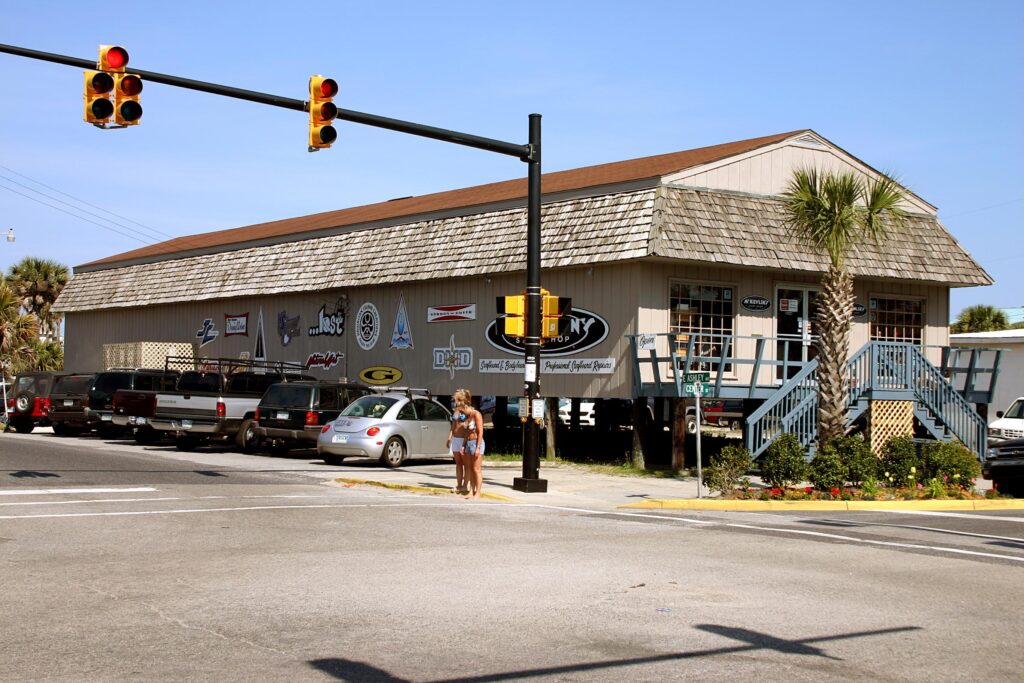
1950’s Bowling Center: Complete with “McKevlin” misspelled, a shot of the Folly Bowling Center on Center Street. Now it’s Rita’s Seaside Grill.
Our Interview with Timothy McKevlin
Describe the early years occupying space at the Folly Bowling Center and what the public sentiment was toward the surfing community in the Lowountry?
My father, Dennis McKevlin, and uncle, Jack McLain, were co-managers of the Folly Bowling Center in the late 50’s and early 60’s. Our very first location was a dark, damp, and pretty dreary rear storage room belonging to that building. My dad and brother, Ted, moved the pins and balls into a corner and set up shop in the fall of 1965. At first the only products were bars of surfboard wax they cut from large blocks of paraffin from the local Rodenburg’s grocery store as well as cheese sandwiches that dad would have on hand for hungry surfers. If anyone wanted to buy a surfboard, he’d take their order and have it shipped from California. As he became more confident in the business, he began stocking boards and t-shirts.
Both the business and the surfers were pretty much looked upon as if they were crazy radicals or misguided misfits. Everyone told my dad that he was nuts to think he could make a decent living at this. Surfing was fully expected to be nothing more than a passing trend. The surfers themselves were ridiculed for not being “real” athletes. They were encouraged to stop pretending, go back to football practice, and do something worthwhile. Surfers in general became stereotyped as drug-taking, lazy, drop-outs because they were taking an “alternate” path.
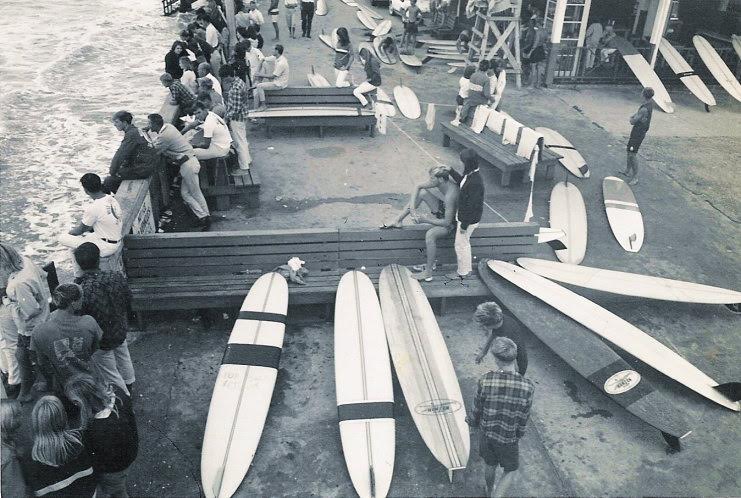
1968 Boardwalk: Surf contest scene at the end of Center Street where the Tides Hotel now sits.
You opened during a period of desegregation on Folly Island / Folly Beach. What was the social and political climate during this period and how did you adjust as a business owner?
This period was definitely a little tense at times. I remember one particular day when word spread over the island that a crowd of “unruly” black people were determined to swim in the ocean. Outrageous! It had everyone in the community whispering to their neighbors, locking their doors, and some hiding. The police gathered in force at the end of Center Street. Some black folks walked toward the beach, dipped into the ocean, turned around, and nothing happened. The whole thing was silly. I do recall hearing about some fights breaking out from time to time when a black person would attempt to enter one of the local bars where a not-so-sober white guy with prejudicial leanings would take it upon himself to express his displeasure. Overall though, I think the beach was a bit more open, tolerant, and just a “happier” place than other spots. People don’t tend to come here to be grumpy and mean-spirited. When my dad and uncle ran the Bowling Center, and there were no automatic pin setters then, the local Folly white kids worked alongside the local James and Johns Island black kids at the end of each alley dodging the balls and re-setting the pins. My dad would take care of the kids picking them up and taking them home. And many of them became his life-long friends – black and white.
Spreading the joy and love of surfing has always been a passion in your family. How did Dennis McKevlin gaining a seat on the city council how to pioneer acceptance for the surfing lifestyle?
At first when my dad became a councilman for Folly Beach, he was pretty much a loner. Quite a few issues (not only surfing related) came down to his one vote versus the rest of council and the mayor. Because his one vote didn’t sway the others, he began taking what he learned from the meetings to television, radio, and newspapers. Back then of course, none of the meetings were captured on camera, and the public was pretty much in the dark on what was really going on. Also, my dad and my brother, Ted, were instrumental in organizing local surfers and their families to help expose how unfairly surfers were being treated – how they were being forced into a dangerously small, crowded area. There were several gatherings on the beach that were covered by the local media showing how large of a group the surfers were and how they didn’t all resemble aliens from another planet! The surfers also organized fund raising events in order to hire an attorney to eventually take Folly Beach to court. Finally, under the advice of their own attorney, Folly settled out of court and returned the best surfing spots to the surfers. And, gradually, a few of the older council members were voted out and new, more broad-minded citizens ran and won those seats. In a 180-degree reversal of their previous stand, Folly Beach actually hired the same attorney, Ben Peeples, who defended the surfers and had taken Folly Beach to court. Then in 1994, the City of Folly Beach, which had once rejected Dennis McKevlin and labeled him a troublemaker, named him Citizen of the Year. Today it seems that the Council and Mayor are very supportive of surfing. In fact, they often even help sponsor some of the events.
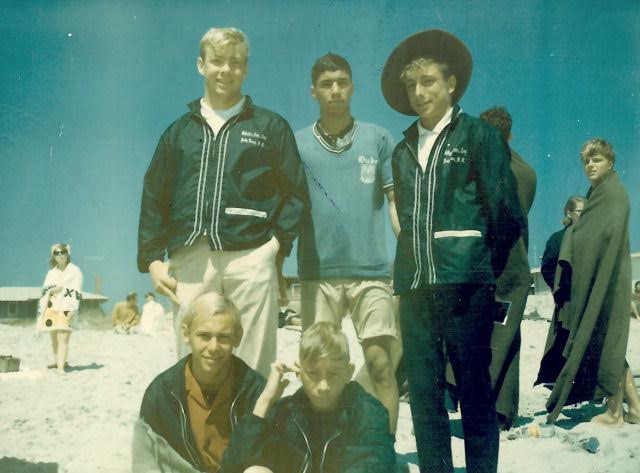
1968 McK Team: McKevlin’s Surf Team on the road competing in a surf contest. Left, back is Ted McKevlin.
The Washout has become a beloved spot for surfers, but there was a period when it was prohibited. Tell us more about that period and how you helped bust down that legislation?
In the 60’s and very early 70’s the area known as the Washout was NOT a particularly great surfing area. The preferred surf spot was located around the 12th block east. However, erosion, storms, and a gradual change in Folly’s topography eventually did turn the Washout into the very best surfing spot in South Carolina. In the mid-nineties some of the residents (annoyed by the crowds of surfers) who lived across the street from the Washout discovered that this area “technically” was illegal for surfing and pressured for enforcement. As part of the 1976 ruling much of the area now known as the Washout was then restricted and was considered more of a tourist, swimming destination. Over the years the “touristy” part had faded, and the “surfing” part had taken over, so the law was not enforced. But the law was still on the books. Angie Youngblood, then local district director of the Eastern Surfing Association organized surfers and local businesspeople to present Folly Beach Council with an argument stating that the law should be revised making the Washout a legal surfing area. After several council meetings and pleas from the group, the motion was passed.
The surfing lifestyle, surf/beach therapy and organizations promoting the wellness ad therapeutic aspects of surfing (Warrior Surf, Surfer’s Healing) have laid the groundwork for a new revolution. What role will the McKevlin family play in furthering the social, health and recreational value of surfing?
We support those organizations and others with donations as well as being involved in their events. Also, every year McKevlin’s sponsors one of the largest 18 and under surfing competitions on the east coast – the D.J. McKevlin Gromfest. Over 200 of the youngest surfers travel (some from as far as Hawaii) to compete for awards, prizes, and bragging rights. We’ve always felt that younger surfers deserve an encouraging and positive start. In addition, we sponsor a group of local surfers ranging in ages from 12 to 67. Our surf “team” is the longest established one in South Carolina dating back to the late 60’s. Then, in 2019 we began “The Beach Project”. For this program, we create “The Beach Project” branded merchandise and donate 25% of its sales to a local environmental group like Charleston Waterkeeper, Lowcountry Marine Mammal Network, and the Charleston Chapter of the Surfrider Foundation.
But, I believe our greatest contribution is made by our staff who tirelessly promotes and educates our customers on the physical and mental benefits of surfing. Every one of them can speak to the sheer fun that surfing brings to them, and they share that joy every single day.
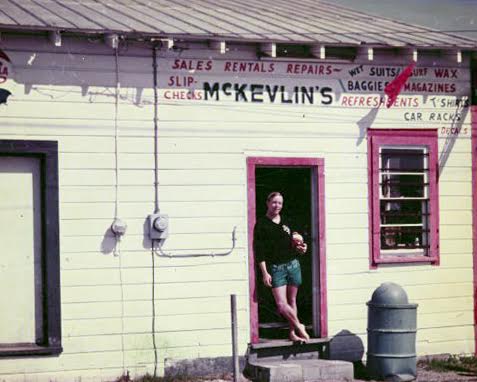
1965 Shop Ted: Ted McKevlin standing in the doorway of the first McKevlin’s Surf Shop.
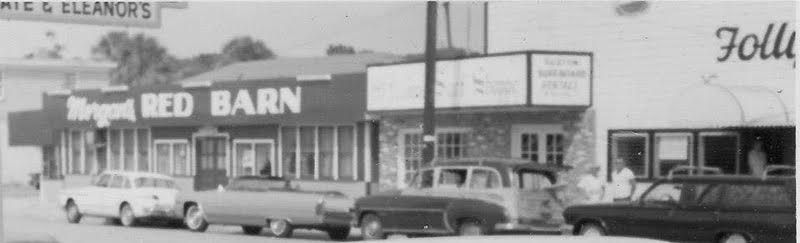
1967 Shop: Earliest photo of the second location converted from a liquor store and a driveway. Morgan’s Red Barn (nightclub) on the left is the location of the current McKevlin’s.
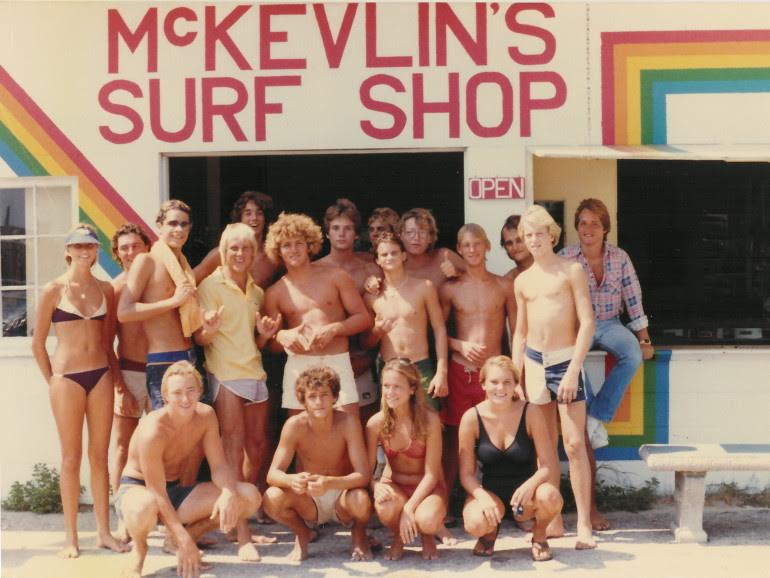
1979 IOP Gang: A group of customers and friends of the Isle of Palms shop.
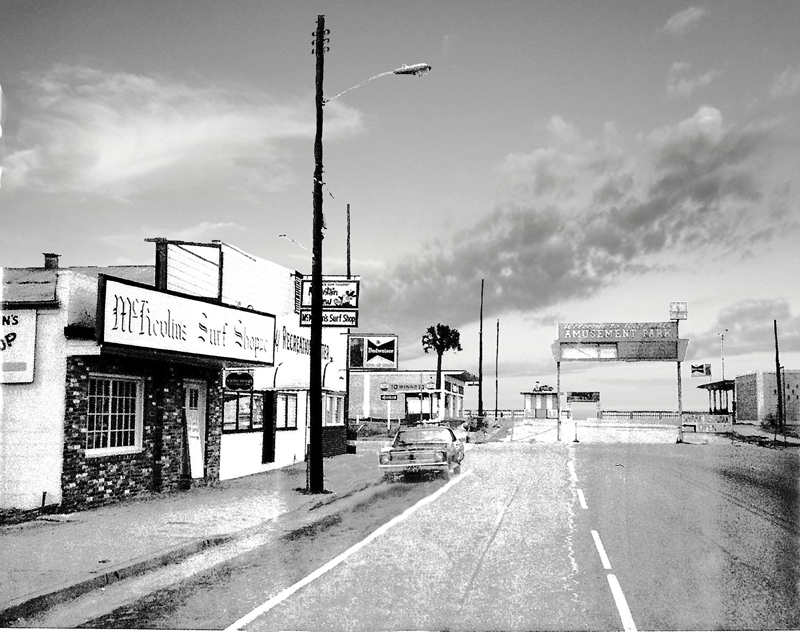
1974 Center St: Just a nostalgic look at Center Street – no crowds, no traffic.
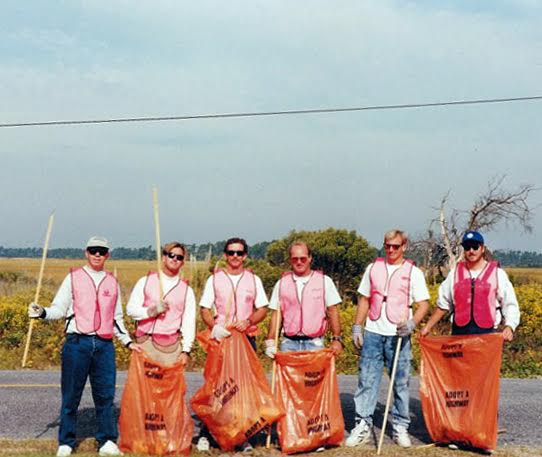
1992 Team Hiway: McKevlin’s Surf Team taking part in the State’s Adopt-A-Highway clean-up program. I’m on the far left.
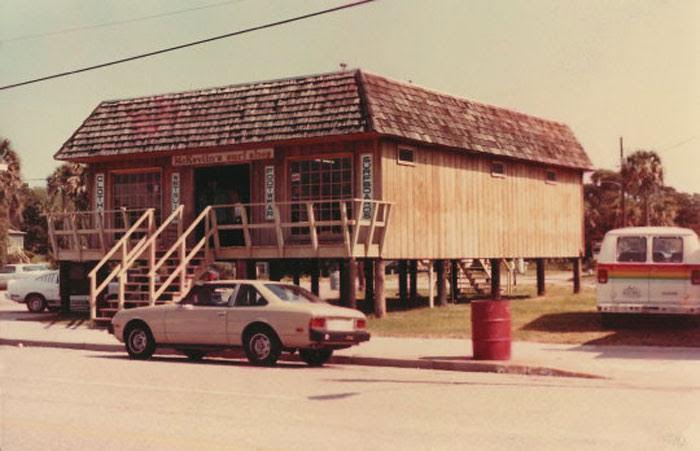
1980 Shop: The newly-built shop prior to its extension.
1971 Andy IOP: Sixteen-year-old Andy Benke (former Sullivan’s Island Town Administrator) manned the counter at our Isle of Palms shop for several years.
2007 Shop: The extended shop.
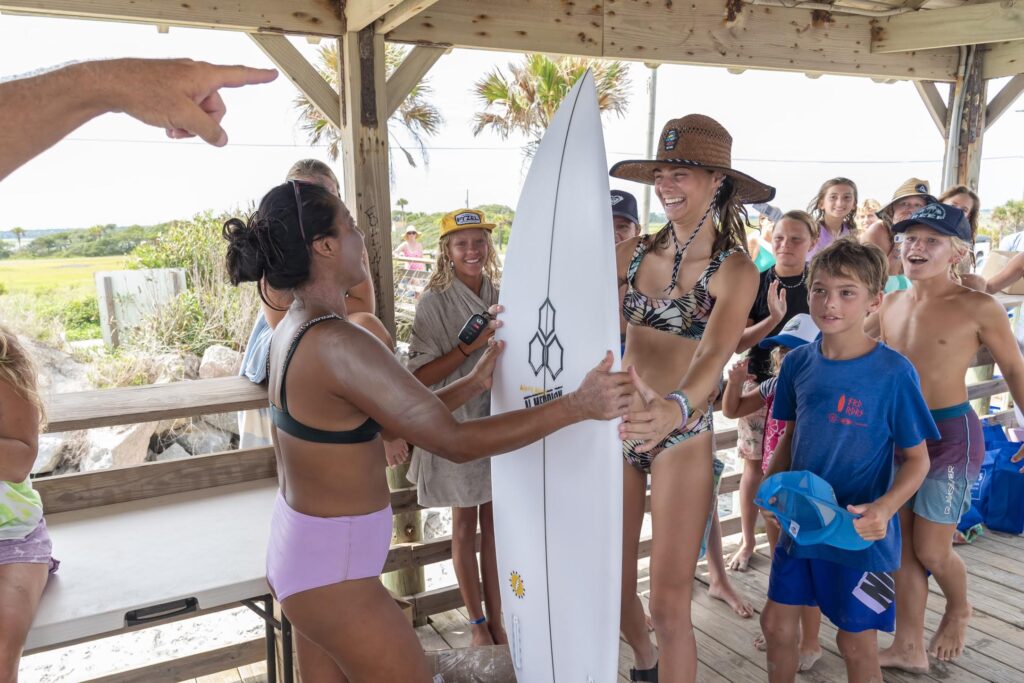
2024 Gromfest: Some of the crowd at this year’s D.J. McKevlin Gromfest surf competition.
ASHEVILLE, NC (Oct. 4, 2024) – A week has passed since Hurricane Helene devastated Brother Wolf Animal Rescue’s shelter and destroyed all of their physical assets. Thankfully, all 150 animals were evacuated to foster homes before the deadly flood waters hit, and all 34 staff members have been accounted for, though some have lost everything.
Despite the overwhelming challenges, a small, dedicated team has been working around the clock to ensure the safety of animals. Operating from a makeshift office in one of the few areas with internet access, the Brother Wolf Animal Rescue team is navigating impassable roads, no power, fuel shortages, and extreme communication difficulties. As of October 4th, 100 animals have either been transported to the safety of partner shelters from Charlotte to Massachusetts, or adopted by the families who fostered them during the hurricane.
Brother Wolf Animal Rescue plays a vital role in saving more than 5,400 animals annually, with over 60% of these animals coming from rural shelters across the Western North Carolina region. These small shelters often lack resources and adopters and depend on Brother Wolf Animal Rescue for life-saving support to get their animals the resources they need and to find them adoptive homes. The sudden halt in operations threatens not only Asheville but also the surrounding communities that rely on Brother Wolf Animal Rescue’s services for their most vulnerable animals.
In response to this devastating loss, Brother Wolf is launching a $500,000 donation match campaign. Thanks to a compassionate donor, all contributions will be matched—dollar for dollar—up to $500,000. This means that every donation made will have double the impact to help Brother Wolf establish temporary headquarters now, and eventually build a new facility in Asheville, to continue its vital mission of providing critical care to animals in need.
“We are incredibly moved by the community’s response so far,” says Executive Director Leah Craig Chumbley. “But our fight is far from over. We urgently need financial support to rebuild and to continue serving the communities and thousands of animals each year who depend on us.”To help Brother Wolf Animal Rescue provide emergency shelter, supplies, and care for homeless pets as we work to rebuild, please visit www.bwar.org to donate. Every dollar will be matched up to $500,000, doubling the impact of your support.
First Continental Previously Financed Phases 1-3 of the Auberon Woods Community, Bringing NewHousing Opportunities to Conway
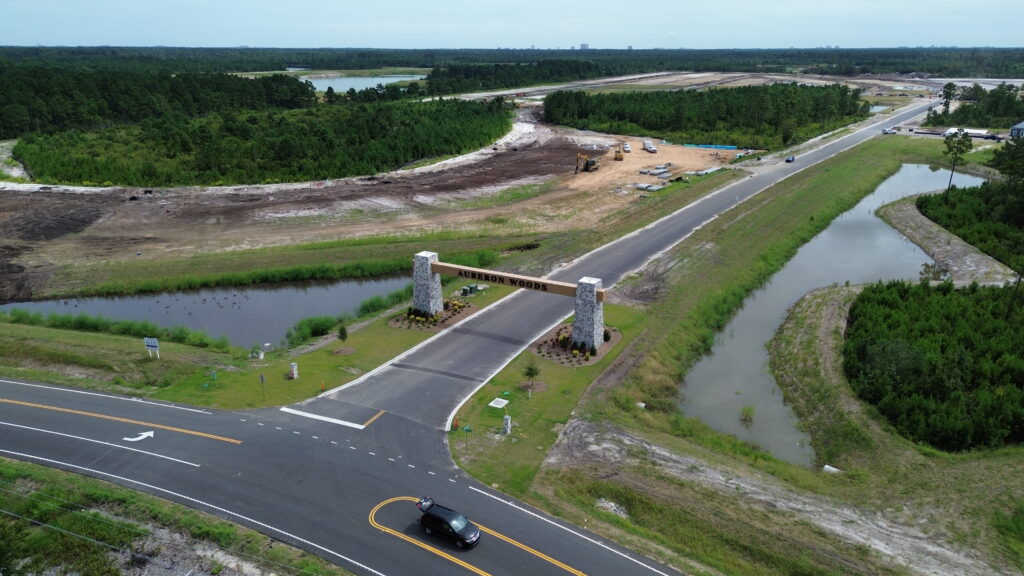
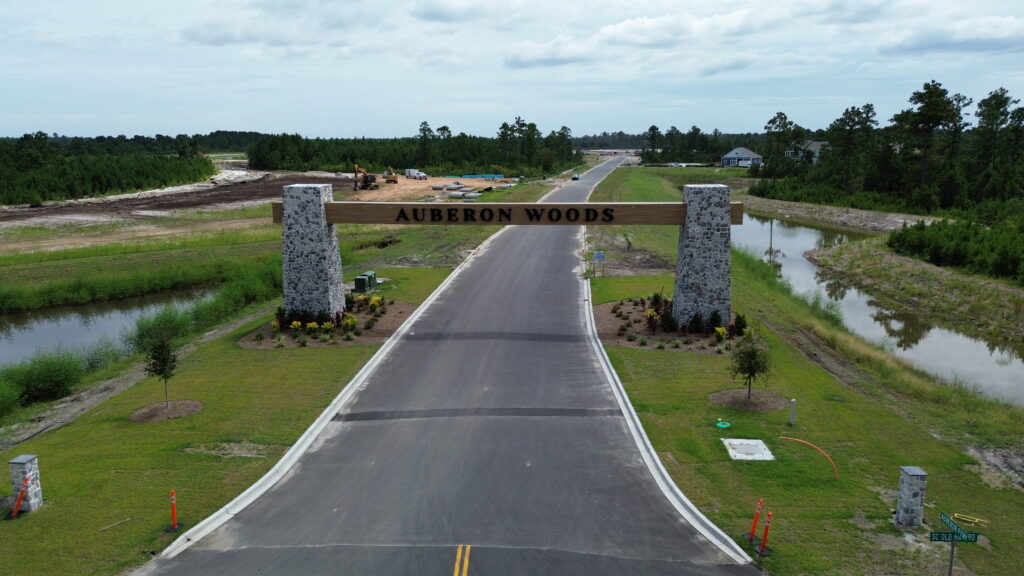
HOUSTON, TX (September 18, 2024) – First Continental, a Houston-based lending company that specializes in residential lot acquisition and development financing, announces the closing of a $9.41 million loan for HIC Land, a premier land investment company and master-planned community developer in the Southeastern United States, to develop Phases 4-6 of its Auberon Woods project in Conway, South Carolina, a suburb of Myrtle Beach. Auberon Woods is being built on a 758-acre tract; Phases 4-6 of the project, slated for completion in summer 2025, will transform 127.6 acres near Old State Highway 90.
These new phases, which will consist of 194 single-family home sites, will build on the development’s first threephases, which First Continental financed in August 2022 with a $10.4 million loan that includes 206 homesites, providing Conway residents access to new-build housing opportunities and access to amenities.
In coordination with D.R. Horton, “America’s Builder,” the entire Auberon Woods community will include over 1,100 houses and two amenity areas, one of which will begin construction this year and a second, larger clubhouse planned for a future stage of development. Auberon Woods is slated for full completion by the end of 2027.
“We are very excited to continue our long-term partnership with HIC Land,” said John Bonner, president of First Continental. “We have seen the quality of projects that they are capable of delivering throughout the years since our first collaboration and are sure that they will bring that same level of attention to detail and dedication to Auberon Woods in Conway.”
Auberon Woods marks the 14th project loan financed by First Continental for HIC Land since the two companies began collaborating six years ago, totaling over $100 million in loan transactions.
HIC Land has built an impressive reputation for buying large tracts of land, installing infrastructure and selling to some of the top publicly traded homebuilders in the United States. The company currently has 33 projects in development throughout the Southeast region.
“HIC Land prides itself on developing large housing communities to meet the needs of the area we are developing in,” said HIC Land founder and CEO Stefan Hoyer. “Auberon Woods will provide homes for an
underserved segment in the market while providing a large amenity in a region where having both is hard to find and even harder to afford.”
HIC Land anticipates the total projected loan needed for all phases to be over $50 million. For more information, visit firstcontinental.com.
About First Continental
First Continental is a Houston-based private lending company founded in 1994 with a specialized focus on providing non-recourse lot acquisition and development financing. With an impressive track record, First Continental has financed over 1,200 residential communities across major metropolitan areas nationwide, including Atlanta, Houston, Dallas, Charlotte, Raleigh, Austin, San Antonio, Phoenix and Orlando, totaling over 95,000 lots and over $4.7 billion in transactional volume. In 2024, the company celebrates its 30th anniversary, commemorating the unwavering commitment to its clients and expertise. For more information, visit firstcontinental.com.
About HIC Land
Hoyer Investment Company Land, LLC (“HIC Land”) is a Charleston, South Carolina-based real estate investment company and land developer that acquires, rezones and develops land throughout the Southeastern United States. It specializes in land acquisition and lot development for the largest publicly traded homebuilders in the U.S. Through its competent and experienced team of land development professionals, strong balance sheet, and established partnerships with the nation’s largest homebuilders, HIC currently develops over 2,200 lots annually and controls over 41,000 lots. For more information, visit hicland.com.
It is easy to get lost in the carefree lifestyle of Charleston, South Carolina. Every time I pass those glass windows on the west side, seeing the reflection of the sun, I think about the children inside and the families that are hoping and praying for a miracle. I’m always appreciative of the bravery of the doctors, nurses, administrators and volunteers that not only treat the patients, but empathize with the struggles the families are facing. When a story of triumph comes out, relief and celebration rise to the top and here is one truly worth celebrating, Cami’s Courage!
Take a moment to get follow the beautiful story of Cami and journey she took withMUSC Shawn Jenkins Children’s Health. It will rekindle your faith in humanity.
About Cami and her visit to MUSC Shawn Jenkins Children’s Health
When an x-ray revealed Ewing’s sarcoma in her leg, Cami was treated at a children’s hospital. Chemotherapy helped, but radiation caused her heart to fail. Doctors implanted a ventricular assist device, but she later suffered a stroke, and needed a heart transplant. A day after being placed on the donor list, Cami received a heart! Now, she’s back in school and enjoying teenage life.
 by
by