Charleston, South Carolina, is home to Stareworthy Books, a rising star in the world of customized children’s books, with a special focus on creating unforgettable Mother’s Day gifts. Founded by Anna Stare, a local photographer turned entrepreneur, Stareworthy has quickly become a beloved option for families seeking meaningful, personalized presents that celebrate the unique bonds between mothers and their children.
A Charleston Story Rooted in Family
Stareworthy began as a passion project during the pandemic, when Anna Stare transformed keepsake family photos into a storybook for her niece. The overwhelmingly positive response from her family inspired her to launch the business, which now offers a range of customizable books designed to preserve cherished memories for families across Charleston and beyond.
How Stareworthy Books Work
Stareworthy’s books stand out for their high level of personalization. Customers can upload their own family photos, which are then woven into rhyming stories crafted by Stare herself. Each book provides prompts for photo placement, ensuring the narrative flows seamlessly with the images. This approach creates a deeply personal keepsake that’s both visually engaging and emotionally resonant.
Mother’s Day: A Focus on Custom Gifts
For Mother’s Day, Stareworthy offers several book templates specifically designed for moms and grandmothers. Titles like “Grand” celebrate the special bond between generations, while others are tailored for new or expectant mothers. Each book can be customized with family photos and personal messages, making it a one-of-a-kind gift that’s guaranteed to touch the heart.
Quality and Durability for Young Readers
Understanding that these books are often enjoyed by babies and toddlers, Stareworthy ensures each page is thick and fingerprint-resistant, with a sturdy cover that lays flat for easy reading. This thoughtful design makes the books durable keepsakes that can withstand years of love and handling from little hands.
Why Charleston Families Love Stareworthy
• Locally Inspired: Stareworthy’s founder and creative team have deep roots in Charleston, drawing inspiration from the city’s vibrant family life and sense of community.
Easy Customization: The process is user-friendly, with guided prompts to help families select the perfect photos for each part of the story.
Emotional Impact: Customers consistently share stories of mothers and grandmothers moved to tears by these unique, heartfelt gifts.
Lasting Keepsakes: The books are designed to be treasured for years, capturing moments that might otherwise fade with time.
Consider Stareworthy Books flor Mother’s Day or any custom gift needs.
Follow on Instagram or explore your next customized book HERE.
Local Charleston, SC area author John Brian Eleazer has spent years focused on research and understanding of a period in time and group of brave individuals whose story has not yet been told. With limited narrative carried down from generations, John dove deep into his research identifying individuals, documents, literature and artifacts to piece together a very important story about the South Carolina Militia. His new book “The South Carolina Militia in the Revolutionary War: Captain Henry Felder & The Backcountry Defense” will be available May 13, 2025. It is now available for pre-order on Amazon and Barnes & Noble.
If you are a fan of American and/or South Carolina history, this is a must read. Here is more information about the book, author and where to purchase.
When I was a boy my mother told me about my ancestor, a Revolutionary War patriot killed as he escaped his burning cabin wearing a lady’s dress. Such a story, I would never forget, and I was intrigued that there must be more to this story. As a carnivore of early American history and well-rooted South Carolinian, the contributions of my ancestor and the South Carolina militia’s accomplishments are rare footnotes in historical writings. In books and journal articles, the subject on the American militias is either dismissively described as undependable, inept in battle, or the subject is ignored altogether. On rare occasions, a historian may briefly entertain the South Carolina militia as a ‘garnish’ of small strokes with little benefit to the Great Cause or the ‘militia did not thirst for liberty enough’ or more condemning that the militia were ‘not worth the bread they eat’ as Nathanael Greene and George Washington had stated. The South Carolina Militia in the Revolutionary War challenged these statements directly, and especially in citing the accomplishments and operations in South Carolina.
While militias across the other twelve colonies may have a dubious record in isolated events, South Carolina’s militia was indeed different – mostly because of this colony’s uniqueness from the interior colony growth, the rise of the colony government and militia, and importantly their early leaders. Using the early South Carolina challenges and growth, and the involvement or response of my ancestor, Henry Felder; The South Carolina Militia in the Revolutionary War explore the colony’s events and unique and exceptional destiny. In many ways, the beginnings of the colony set up a collision course between the mostly aristocracy of Charlestown intersection with their inland and growing backcountry neighbors.
In contrast to other colonies, South Carolina interior beyond Charlestown was largely planned-settlements communities populated by emigrants with affluent and engaging leaders. These backcountry leaders succeeded in mutually resolving differences with the Charlestown representatives during the colony’s early growing pains. Although delicate, their mutual resolve helped secure the settlements while establishing the colony self-government, an early interior judiciary and militias. Intangibles of independence, a certain level of trust, and tenacity grew between the coastal settlement and inland neighbors in these early years; however, stability required constant nurturing and backcountry leaders such as William Thomson, Richard Richardson, Henry Felder and many others. Henry Felder’s achievements and influence parallel each critical moment in the South Carolina journey towards independence; initially as a merchant farmer in the midland district of Orangeburgh (present day Orangeburg); and after the Regulator movement, a Justice of Peace. And after the Continental Congress’ Continental Association boycott, he served as enforcer and subsequently as an elected district representative and active member to the Second Provincial South Carolina Congress. In Congress and as foreman of the Grand Jury prior to the Declaration of Independence, Henry and fellow jurist delivered the Declaration endorsement of South Carolina’s first constitution and openly avowed, “Whilst engaged in an arduous but glorious Struggle for the preservation of those invaluable Rights and Liberties, which, by the Laws of Reason, and of Nature, all men have a right to possess”.
In readiness and service during the seven-year Revolutionary War, the early District militias progressed under one of the three primary South Carolina militias (Sumter, Marion and Pickens brigades) after the fall of Charlestown in May 1780.
As author and South Carolina Revolutionary War historian, Michael Scoggins’ Epilogue in The Day it Rained Militia: Huck’s Defeat, Scoggins observed history’s downplaying of the Revolutionary militia. He pointed out that the many battles won by the Carolina Backcountry were ‘extraordinary’ and in contrary to many historians that ‘downplayed and even maligned’ performance or usefulness of the militia. This generality and too easy criticism are challenged and easily debated by the militia’s successes, and especially notable as the Continental Congress and Continental Army were largely absent during the most brutal times in South Carolina.
The latter chapters discuss the militias and their use of rifles in the several tide-changing battles concluding with the final major battle in South Carolina at Eutaw Springs. The purported narratives to stereotype all American militias based on General George Washington and General Nathaneal Greene opinions are simply contrary to the South Carolina militia and their accomplishments. Without question, General Washington’s personal experience as an early militia leader, himself, and as Continental General, may have provided anecdotal evidence when he claimed the militia was ‘hurtful upon the whole’. Or General Greene’s military studies and philosophy on professional trained soldiers likely condemned militia value with his trivializing opinion on the militia as only ‘Partisan strokes in War are like garnish of a table … and reap little benefit’. The statements are defamatory when used generally and unsupported by facts in the specifics. The South Carolina militia were the lone resistance in South Carolina for long periods of time, continually bedeviling and intercepting the British logistics and shattered the British ‘Southern Strategy’ to defeat the Southern colonies. Consistently over several long years, the militia provided navigation, scouts, supplies, and intelligence to the various continental generals in the southern theater – a unique militia ability. However, when ignored by commanding generals the resulting military disaster soon followed.
Offensively, the militia provided an advantage when used tactically. Comparable to the more known Northern Campaign of Daniel Morgan’s Virginia Riflemen, the Carolina backcountry riflemen provided a deadly edge in several battle engagements, including the Breach at Sullivan’s Island, Blackstock’s Plantation and Cowpens. While a fierce debate may exist on the exact merits of the American Militia or the long-rifles contribution in winning the Revolutionary War; the contributions were nonetheless grand and irrefutable. The number of skirmishes, the battlefield casualties in South Carolina, and the British generals and historians attest to the mettle of South Carolina’s defense. Chronicling the conflict in South Carolina, Britian’s leading philosopher, stateman and historian Sir Edmund Burke reflected in 1783, “Most of these actions would in other wars be considered as skirmishes of little account, and scarcely worthy of the detailed narrative. But these small actions are as capable as any of displaying military conduct…. It is by such skirmishes that the fate of America must be necessarily decided. They are therefore as important as battles in which a hundred thousand are drawn up on each side.” [The Annual Register of History, Politics, and Literature.]
The South Carolina Militia provides an account of the South Carolina militia. This is their story, historically and personally intertwined in sacrifices by many of ancestors, our legacy in gaining our liberty and freedom. As far as winning the war, conclusions are inescapable. Our independence was entirely doubtful without the backcountry long-rifle, the South Carolina militia stand and their lone resistance to the British and Loyalist armies in the south. Persistence and resistance built upon the volunteered Carolina militiamen’s individual convictions and sacrifices, an ignited spirit for over seven years with only the supplies and weapons they brought from their homes – – their magnificent moment. The South Carolina militia rifleman deserve more than footnotes and epilogues, their story must be told. Like many unsung South Carolinian heroes, Henry Felder and his sons did not seek recognition; they had adopted this country much earlier and were more than willing to give their all for it. Many gave their last full measure. And this is their story.
About the Author – Brian Eleazer
Brian Eleazer is a native South Carolinian and a direct descendant of Henry Felder, the protagonist in ‘The South Carolina Militia in the Revolutionary War’. Brian is also the direct descendant to another book-referenced patriot, Johann Stephen Eleazer. Johannes Eleazer was a farmer and Spring Hill tavern keep in South Carolina Deutsch Fork area, above present-day Columbia that supplied the patriots throughout the war. The tavern likely hosted William Henry Drayton in 1775 as Drayton attempted to recruit American patriots near the Congaree and Broad Rivers and the tavern remains a family home, and possibly the oldest functioning structure on the boundary of Lexington and Richland Counties.
From grade school and through encouragement from his mother, a long-time elementary teacher and family researcher, Brian has visited many Civil War and Revolutionary War battlefields across the Southeast and continuously research our early American history. In his travels, Brian has built a network of friends and historian acquaintances including Paul Bartow previously at USC History Department, the late historian and author Michael Scoggins, and Chris Weatherhead-Felder and Clarence Felder, directors of Revolutionary War movies, All for Liberty and John Lauren’s War. Chris Weatherhead and Clarence Felder are co-founders of the Actors Theater of South Carolina (ATSC), a multiple international award-winning movies and films where Brian serves as advisor.
For the past fifteen years, Brian has written and added material to Henry Felder’s story originally for family consumption and expanded to document the seldom chronicled story of the South Carolina militia. Additionally, Brian has written several short stories for his children and grandchildren. He shares historical research pieces in social media and, on occasion, has posted comments and debate on national articles about the Revolutionary militia and South Carolina heroes.
Brian graduated from Clemson University, BS in Ceramic Engineering and Auburn University with a master’s in business administration. Always a student of history, Brian enrolled in most of the American History class offered at Clemson and remains an avid reader. After Clemson, Brian entered the United States Air Force, serving 21 years as officer in joint service assignments and subsequently served in the Defense Department for an additional 23 years; accumulation of 43-year career.
As inflation rate falls, people’s ‘magic number’ for retirement drops $200K, returning to 2022 and 2023 levels
More than half of Americans think it’s somewhat or very likely they will outlive their savings
60% of Gen Z and Millennials say they are focusing too much on investing and not enough on insurance
MILWAUKEE, April 14, 2025 /PRNewswire/ — Americans’ “magic number” to retire comfortably in 2025 is $1.26 million, $200K less than the $1.46 million reported last year and nearly flat with 2022 and 2023 estimates. However, among Americans who have retirement savings, one in four (25%) say they have just one year or less of their current annual income put aside for it.
U.S. adults 18+
2025
2024
2023
2022
2021
Expected amount needed to retire comfortably
$1.26M
$1.46M
$1.27M
$1.25M
$1.05M
How much Americans need to save to get to $1.26 million in retirement savings, starting at different ages.
These are the latest findings from Northwestern Mutual’s 2025 Planning & Progress Study, the company’s proprietary research series that explores Americans’ attitudes, behaviors, and perspectives across a broad set of issues impacting their long-term financial security.
For Gen X’ers, many of whom are approaching their retirement years, 52% have 3x their current annual income or less saved. And the majority (54%) believe they will not be financially prepared for retirement when the time comes.
As a multiple of your current annual income, approximately how much do you have saved for retirement?
Of those with retirement savings
All
Gen Z
Millennials
Gen X
Boomers+
Less than 1x my income
17 %
23 %
22 %
14 %
10 %
1x
8 %
11 %
12 %
7 %
3 %
2x
15 %
16 %
17 %
17 %
9 %
3x
12 %
12 %
14 %
14 %
7 %
4x
9 %
10 %
10 %
9 %
9 %
5x
7 %
5 %
7 %
6 %
8 %
6x
4 %
6 %
2 %
4 %
6 %
7x
4 %
7 %
4 %
4 %
4 %
8x
3 %
3 %
2 %
3 %
5 %
9x
1 %
0 %
2 %
1 %
4 %
10x
6 %
2 %
3 %
6 %
11 %
More than 10x my income
9 %
2 %
1 %
8 %
18 %
Not sure
5 %
3 %
4 %
7 %
6 %
More than half (51%) of Americans think it’s somewhat or very likely they will outlive their savings, according to the study. In contrast, only 16% feel confident enough to say the prospect of outliving their wealth is “very unlikely.” Meanwhile, more than a third (35%) of Americans say they have not taken any steps to address that potential outcome.
In your opinion, what is the likelihood that you could outlive your savings?
All
Gen Z
Millennials
Gen X
Boomers+
Net Likely
51 %
51 %
57 %
56 %
40 %
Very likely
21 %
18 %
24 %
24 %
17 %
Somewhat likely
30 %
33 %
33 %
32 %
23 %
Net Unlikely
40 %
34 %
34 %
36 %
53 %
Very unlikely
16 %
12 %
14 %
16 %
22 %
Somewhat unlikely
24 %
22 %
20 %
20 %
31 %
Don’t know
9 %
15 %
9 %
8 %
7 %
“Americans’ ‘magic number’ to retire comfortably has come down – but it remains high, far beyond what many people have actually saved,” said John Roberts, chief field officer at Northwestern Mutual. “One explanation for the new number could be inflation – while still people’s #1 concern – isn’t as elevated as it was in recent years. Inflation is often described as ‘sticky’ because it can take a long time for people’s attitudes about it to change. The inflation rate retreated from 6% in 2023 to about 3% in 2024, and now in 2025, Americans are adjusting their perceptions about their future financial needs. At the same time, the level of concern about their current savings has ratcheted up. More than half of Americans believe outliving their life savings is a real possibility, and the vast majority are living with financial anxiety. It’s important to remember that retirement planning is deeply personal. Everyone deserves their own ‘magic number’ that considers where they will live, what lifestyle they will have, their sources of income, and more. Rules of thumb are everywhere, but nothing is better than a financial plan that’s personalized and custom-built just for you.”
The amount Americans need to invest each month to accumulate $1.26 million by age 65 depends on several factors – especially when they start saving. Individuals starting at age 20 would need to invest $330 per month, others starting at age 30 would need to set aside $695 per month – assuming a 7% rate of return compounded daily. The longer they wait – the more they need to invest. People starting at age 40 would need to save $1,547 per month – and if they postpone saving to age 50, they would need to invest $3,958 per month. This equation assumes that individuals save regularly and never borrow from their retirement savings accounts before reaching age 65.
In general, Northwestern Mutual recommends that people aim to replace around 80% of their pre-retirement income. However, the actual ‘magic number’ calculation for each person will depend on things like when they want to retire, where they’ll live, and what kind of lifestyle they want to maintain throughout their retirement years.
Younger people start saving sooner, want to retire earlier, and plan to live longer
Overall, working age Americans say they started saving for retirement at age 31 and plan to retire at age 65. But across every generation, Americans report they are saving sooner, planning to retire earlier, and expecting to live longer.
For instance, Gen Z’ers started saving at 24, aim to retire at 61, and more than a third (34%) think it’s likely they’ll live to 100. Boomers+ started saving at 37, aim to retire at 72, and less than a quarter (23%) think it’s likely they’ll live to 100.
Age started saving
Age plan to retire
Difference between starting age and retirement age
Gen Z
24
61
37 years
Millennials
29
64
35 years
Gen X
33
67
34 years
Boomers+
37
72
35 years
The generation with the most confidence they’ll be financially prepared for retirement is Gen Z. Conversely, Gen X is the only generation with a majority of respondents saying that they do not think that they will be ready to retire.
Do you think you will be financially prepared for retirement when the time comes?
All
Gen Z
Millennials
Gen X
Boomers+
Yes
54 %
63 %
54 %
46 %
56 %
No
46 %
37 %
46 %
54 %
44 %
“Younger Americans have ambitious financial goals – and they’re taking action to reach them,” said Roberts. “If this generation determines how much they need to save, continues to generate wealth, and protects what they’ve already built, they could be in a strong position to achieve financial security.”
A big blind spot for younger Americans: prioritizing investing over insurance
Despite their early efforts to invest, one financial blind spot could impact younger generations. Six in ten Gen Z’ers (61%) and Millennials (60%) say that they are placing too much emphasis on building wealth and growing their assets without dedicating enough to protecting those assets and managing against risks with life or disability insurance. Among Boomers, just 35% say the same.
“People who have an offense-only investments approach are left vulnerable when the unexpected occurs,” said Roberts. “But plans that combine both investments and insurance products are built for offense and defense. They instill more confidence and are proven to deliver superior financial outcomes. This is an example where financial advisors can add a lot of value. They meet clients where they are on their financial journey, identify blind spots in their planning, and help to create a financial plan that’s comprehensive.”
Social Security and inflation burn a hole into top retirement concerns
When it comes to people’s burning questions about retirement, concerns about Social Security and inflation are more pressing than other major planning challenges, including outliving life savings, planning for long-term care, managing taxes, and budgeting for healthcare.
Americans’ Top “Burning Questions” About Retirement (percentage indicates inclusion in top three)
How much money will I need to retire comfortably?
43 %
Will Social Security be there when I qualify for it?
33 %
What if inflation rises when I’m retired
30 %
Is it possible I could outlive my savings?
27 %
How can I plan for potential long-term care needs?
26 %
How will taxes impact me in retirement?
25 %
How should I budget for healthcare expenses?
21 %
Will I have enough to leave behind assets for loved ones or charitable causes I care about?
19 %
What if the stock market drops when I’m retired?
14 %
On the topic of Social Security, only about one in four Gen X’ers (26%) and Boomers+ (27%) say that they plan to delay receiving their benefits as long as possible to maximize their monthly benefit. Under half of Gen X’ers (46%) and Boomers+ (45%) say they will start receiving their benefit when they hit their full retirement age, while 28% say they will start to receive payments as soon as they are eligible, even though their monthly benefit may be reduced.
When do you plan to start receiving your Social Security benefits? (asked to Gen X and Boomers+ only)
Gen X
Boomers+
As soon as I’m able to, even though my monthly benefit may be reduced
28 %
28 %
Once I hit my full retirement age, so I qualify for my full benefit
46 %
45 %
I plan to delay as long as possible so I can maximize my monthly benefit
26 %
27 %
“There is no right or wrong way for people to claim Social Security benefits, but if people plan intentionally, it can pay to wait,” said Roberts. “Anyone who activates payments at age 67 instead of age 62 could grow their checks by 30%, and if they wait to age 70, they could see an additional 24%. A trusted financial advisor can help anyone to do the math and determine what works best for them to thrive in retirement.”
Interestingly, there’s a sizable gap in importance among generations when it comes to Social Security. For Gen X, the question about whether Social Security will be there when they need it is nearly on equal footing to the question about how much they will need to retire comfortably. For Gen Z, concern about Social Security is significantly lower.
Will Social Security be there when I qualify for it? (percentage who include this in their top three “burning questions” about retirement)
All
33 %
Gen Z
26 %
Millennials
39 %
Gen X
47 %
Boomers+
20 %
“There’s a huge difference in the way you might look at Social Security if your retirement years feel a long way off versus when they’re fast approaching,” said Roberts. “For Gen X, the possibilities and practicalities of retirement are feeling very real right now. For Gen Z, they are likely more focused on other pressing financial matters.”
Not your parents’ retirement – and probably not done with work, either
The research finds eight in ten U.S. adults say their vision of retirement is different than how their parents’ generation viewed it, and a third (32%) say they expect their retirement to last 10+ years longer than their parents’.
The biggest differences in retirement life that people expect, generation over generation, are: more travel (51%), more activities that are personally fulfilling (46%), more time with friends and family (45%), more work (37%), and more volunteering (21%).
On the subject of work, 40% of Americans plan to work (or are currently working) during their retirement years, and for Millennials and Gen X’ers it’s even higher – 45% and 48% respectively. The Boomers+ generation is the only one where a majority of respondents say they are not planning to work at all in retirement.
Are you planning to continue working (or currently working) during your retirement years?
All
Gen Z
Millennials
Gen X
Boomers+
Yes
40 %
39 %
45 %
48 %
30 %
No
35 %
30 %
27 %
25 %
56 %
Not sure
24 %
31 %
28 %
27 %
14 %
The reason people choose to work in retirement is split nearly evenly between those who say they want to continue feeling useful / stimulated (50%) and those who say they will need the additional income to afford retirement (48%). Gen X stands out somewhat, with 56% saying they will need to work for the additional income.
Among Americans who are currently working or are planning to work in retirement, the majority (59%) say that they would work either part-time or full-time at a different job, while 1 in 5 (20%) expect to pick up a “side gig” with flexible hours. Slightly fewer (18%) say that they would work part-time at the same job.
Using best judgment, what do you imagine work will look like/what does work currently look like during your retirement years?
All
Gen Z
Millennials
Gen X
Boomers+
Part time at a different job
31 %
28 %
29 %
34 %
31 %
Full time at a different job
28 %
40 %
34 %
24 %
12 %
Side gig with flexible hours
20 %
21 %
20 %
20 %
19 %
Part time at the same job
18 %
9 %
15 %
17 %
32 %
Other
3 %
2 %
2 %
5 %
6 %
“For many Americans, the definition of retirement seems to be changing from ‘retiring from work’ to ‘finding a role that’s more meaningful to me,'” said Roberts. “Instead of golf, cruise boats and cocktails, large percentages see themselves employed at an organization or a cause that they believe in.”
About The 2025 Northwestern Mutual Planning & Progress Study
The 2025 Planning & Progress Study was conducted by The Harris Poll on behalf of Northwestern Mutual among 4,626 U.S. adults aged 18 or older. The survey was conducted online between January 2 and January 19, 2025. Data are weighted where necessary by age, gender, race/ethnicity, region, education, marital status, household size, household income, and propensity to be online to bring them in line with their actual proportions in the population. A complete survey methodology is available.
About Northwestern Mutual
Northwestern Mutual has been helping people and businesses achieve financial security for more than 165 years. Through a comprehensive planning approach, Northwestern Mutual combines the expertise of its financial professionals with a personalized digital experience and industry-leading products to help its clients plan for what’s most important. With nearly $700 billion of total assetsi being managed across the company’s institutional portfolio as well as retail investment client portfolios, more than $38 billion in revenues, and $2.4 trillion worth of life insurance protection in force, Northwestern Mutual delivers financial security to more than five million people with life, disability income and long-term care insurance, annuities, and brokerage and advisory services. Northwestern Mutual ranked 110 on the 2024 FORTUNE 500 and was recognized by FORTUNE® as one of the “World’s Most Admired” life insurance companies in 2025.
Northwestern Mutual is the marketing name for The Northwestern Mutual Life Insurance Company (NM), Milwaukee, WI (life and disability insurance, annuities, and life insurance with long-term care benefits) and its subsidiaries. Subsidiaries include Northwestern Mutual Investment Services, LLC (NMIS) (investment brokerage services), broker-dealer, registered investment adviser, member FINRA and SIPC; the Northwestern Mutual Wealth Management Company® (NMWMC) (investment advisory and services), federal savings bank; and Northwestern Long Term Care Insurance Company (NLTC) (long-term care insurance). Not all Northwestern Mutual representatives are advisors. Only those representatives with “Advisor” in their title or who otherwise disclose their status as an advisor of NMWMC are credentialed as NMWMC representatives to provide investment advisory services.
1 Includes investments and separate account assets of Northwestern Mutual as well as retail investment client assets held or managed by Northwestern Mutual.
NORTH CHARLESTON, S.C., April 30, 2025 /PRNewswire/ — Boeing [NYSE: BA] shared today that the 787 Dreamliner fleet has surpassed 1 billion passengers faster than any widebody commercial airplane in history, accomplishing the feat in less than 14 years since entering service. The global 787 fleet of more than 1,175 airplanes has flown nearly 5 million flights covering more than 30 million flight hours.
The Boeing 787 Dreamliner fleet surpassed 1 billion passengers on April 30, 2025, faster than any widebody commercial airplane in history and in less than 14 years since entering service.
“This milestone would not have been possible without the trust and confidence of our customers in operating the 787, and we are incredibly grateful for each of them,” said Scott Stocker, Boeing 787 program vice president and general manager. “The 787 Dreamliner family was designed to connect people and places like never before. Flying over 1 billion passengers in this relatively short time is a testament to how the airplane has delivered on its promises to transform air travel with operational versatility, efficiency and comfort. This achievement reflects the dedication, talent and innovation of the teammates and partners who have brought the 787 family to life. To every operator flying the 787 and every one of the 1 billion passengers who have flown on a Dreamliner, thank you.”
Watch the milestone video To mark the moment, Boeing released a video honoring the passengers, partners and people behind the success of the 787 Dreamliner family.
Join the celebration Boeing is inviting everyone connected to the 787, including operators, passengers, suppliers and Boeing employees to share their memories on social media using #Dreamliner.
By the numbers: 787 Dreamliner since entering service in 2011
1 billion+ passengers, 1,175+ jets, nearly 5 million flights, 30+ million flight hours
Bestselling passenger widebody: 2,000+ orders from 89 customers
The Dreamliner fleet operates across 85+ countries at 520+ airports, including 425+ new nonstop routes to destinations that were never served previously
2,100 flights each day: 480,000+ passengers daily and about 14.5 million people a month
On average, each 787 is in the air more than 12 hours per day — showcasing strong global demand and reliability.
Longest nonstop route: London to Perth (7,829 nmi), flown by Qantas
Shortest nonstop route: Aruba to Curaçao (65 nmi), flown by TUI
Final Assembly – North Charleston, SC
The 787 family is 25% more fuel efficient than the airplanes it replaces, thanks in large part to new engines, an expanded use of lightweight composite materials, more efficient systems applications and modern aerodynamics.
A leading global aerospace company and top U.S. exporter, Boeing develops, manufactures and services commercial airplanes, defense products and space systems for customers in more than 150 countries. Our U.S. and global workforce and supplier base drive innovation, economic opportunity, sustainability and community impact. Boeing is committed to fostering a culture based on our core values of safety, quality and integrity.
With deep sadness, Limestone University announced today that its Board of Trustees voted to discontinue both its on-campus and online programs, leading to the closure of the institution at the end of the current academic semester.
“Despite exhaustive efforts to secure the funding necessary to continue our operations, we have come to the difficult conclusion that Limestone University has not been able to secure the necessary funding to sustain its operations,” said Randall Richardson, Chair of Limestone’s Board of Trustees. “We want to thank the almost 200 recent supporters in the last two weeks who committed a collective $2.143 million. We had hoped that would be enough to sustain our institution. But in the final analysis, we could not continue operations on-campus or online without a greater amount of funding.”
Founded in 1845, Limestone has served generations of students, offering transformative educational experiences both on its Gaffney campus and through its online degree programs. However, long-standing financial pressures, declining enrollment trends, and rising operational costs made it impossible for the institution to remain sustainable without the immediate influx of substantial funding.
“Words cannot fully express the sorrow we feel in having to share this news,” said Dr. Nathan Copeland, President of Limestone University. “Our students, alumni, faculty, staff, and supporters fought tirelessly to save this historic institution. While the outcome is not what we hoped for, we are forever grateful for the passion, loyalty, and prayers of our Saints family.”
The University will proceed with an orderly wind-down process. It will continue to assist current students with transferring to other institutions and to support faculty and staff during the transition. More detailed information about the closure timeline, academic records, transfer assistance, employment impact, and other support services will be provided in the coming days.
For nearly two centuries, Limestone University has been a cornerstone of education and economic development in South Carolina and beyond, impacting thousands of lives and leaving a profound legacy.
“Our Limestone spirit will endure through the lives of our students and alumni who carry it forward into the world,” Richardson added. “Though our doors may close, the impact of Limestone University will live on.”
Despite today’s announcement, Limestone will hold its final commencement ceremonies at Fullerton Auditorium on Saturday, May 3, at 10 a.m. and 1 p.m.
Sip, Smoke and Celebrate this Saturday at King’s Leaf Point Hope!
King’s Leaf Cigars’ newest location is officially open and celebrating with beer pairings, wine tastings and giveaways.
CHARLESTON, SC — King’s Leaf Cigars will celebrate the opening of its fifth location in the greater Charleston area this Saturday, May 3rd, 3pm – 7pm.
Featuring a new separate wine bar with exclusive wine and beer selections perfect for date nights or a night out, this location is more than a cigar lounge. Still, no expense was spared there with its top of the line air filtration system and a custom built humidor, housing the best cigar selection in the region.
This location on Foundation Street in Point Hope Charleston, off of Clements Ferry Road, was intentionally designed to provide an unmatched lounge experience in the Charleston area. This Saturday’s Grand Opening celebration will featuring cigar and beer pairings with Rusty Bull Brewing and Manager Jed Brazell, wine tastings, prizes, giveaways and more to celebrate the craft and culture of fine cigars.
WHAT Grand Opening Celebration of the new wine bar, custom-built humidor and cigar lounge at King’s Leaf Cigars’ fifth location in Point Hope.
Charleston, South Carolina is at a pivotal moment, with rapid growth and innovation reshaping its landscape. Over the next five years, here are five of the most significant trend changes the city is expected to experience:
1. Tech Sector Boom and Smart City Transformation
Charleston’s tech industry is surging, with over 1,100 tech companies now operating locally and average salaries exceeding $123,000. The sector is projected to grow by 20% by 2026, adding thousands of new jobs by 2030. Key trends include the expansion of AI, cybersecurity, and fintech, as well as major investments in smart city infrastructure. The city is deploying AI-powered traffic signals, environmental sensors, and digital platforms for public engagement, aiming to improve efficiency, sustainability, and quality of life. This tech-driven transformation is positioning Charleston as the “Silicon Harbor” of the Southeast.
Charleston’s population is growing at nearly three times the national average, with about 34 new residents arriving daily. This influx is fueling demand for housing, keeping prices high and inventory tight. The housing market is expected to see moderate price growth and a gradual increase in available homes, but affordability will remain a challenge. The city is responding with new residential developments and a focus on mixed-use communities that appeal to both retirees and young professionals.
3. Major Waterfront Redevelopment Projects
Several large-scale riverfront redevelopment projects are set to transform Charleston’s urban core and surrounding areas. Notable projects like Magnolia, Laurel Island, and the reimagined Union Pier will convert former industrial sites and docks into vibrant mixed-use districts, featuring thousands of new homes, parks, shops, and office spaces. In North Charleston, plans are underway to build a new downtown along the Cooper River, with high-density housing, retail, and green spaces. These developments will reshape the city’s skyline and create new hubs for living, working, and recreation.
MUSC Children’s Hospital
4. Climate Adaptation and Resilient Infrastructure
With rising sea levels and increased flooding risk, Charleston is racing to climate-proof its infrastructure. By 2030, the city will be deep into retrofitting roads, expanding drainage, fortifying bridges, and protecting utilities. These upgrades are essential to safeguard daily life and commerce, but come with significant costs and engineering challenges. The city is also investing in environmental restoration and innovative flood prediction systems, aiming to balance growth with resilience and preserve Charleston’s historic charm.
5. Evolving Tourism and Hospitality Landscape
Charleston’s hospitality industry remains robust, with high occupancy rates and a shift toward more luxury and upscale tourism. As the city attracts wealthier visitors, spending per guest is rising, supporting local businesses and funding public projects. The region is also seeing growth in cultural and culinary tourism, leveraging its rich history, vibrant arts scene, and coastal amenities to attract diverse travelers. This evolving tourism profile is expected to further boost Charleston’s economy and reinforce its status as a premier destination.
International African American Museum
The future of Charleston
Charleston is set for transformative change, driven by tech innovation, population growth, ambitious redevelopment, climate adaptation, and an evolving tourism sector. These trends will shape the city’s identity and resilience, ensuring it remains a dynamic and desirable place to live, work, and visit through 2030 and beyond.
Charleston, SC, is celebrated for its vibrant food scene, shaped by passionate independent restaurateurs who make customer service and food quality their guiding principles. Here are five standout owners whose commitment shines through every plate and interaction.
James London – Chubby Fish
James London’s Chubby Fish (252 Coming Street) is a testament to dedication and the pursuit of excellence. London’s approach is hands-on: he insists on a local, daily catch-only policy and a no-nonsense, welcoming dining room. Chubby Fish doesn’t take reservations, yet lines form daily, a testament to its reputation for fresh, inventive seafood and attentive service. London believes in knowing his patrons and fostering a loyal, local clientele, even if it means less media attention. The menu changes frequently, and the staff is praised for being friendly yet unobtrusive, ensuring a memorable, relaxed experience for every guest.
Brooks Reitz, the creative force behind Leon’s Oyster Shop (698 King Street), Little Jack’s Tavern, and Melfi’s, has redefined the casual dining experience in Charleston. At Leon’s, housed in a converted garage, Reitz offers a blend of classic Lowcountry fare and modern flair, with a focus on fried chicken and oysters. The atmosphere is laid-back yet attentive, with staff delivering “Dixie-hospitable” service. Reitz’s philosophy is about creating culinary theater-where every guest feels welcome, and every dish, from char-grilled oysters to Nashville-style fried chicken, is prepared with meticulous care.
Vern’s (41 Bogard Street), helmed by chef Daniel “Dano” Heinze and operations manager/sommelier Bethany Heinze, exemplifies the neighborhood restaurant model. The Heinzes are deeply involved in every aspect, from the kitchen to the front of house, ensuring both food and service are top-notch. Vern’s intimate setting and thoughtful menu, featuring dishes like risotto and fire-roasted lamb, have earned it a reputation for groundbreaking cuisine and “earth-shaking” service. Guests rave about the cozy ambiance, attentive staff, and the owners’ personal touch, making every meal feel special.
Kultura (73 Spring Street, Unit A), led by Chef Nikko Cagalanan, brings Filipino flavors to Charleston with a focus on hospitality and culinary excellence. From the moment diners enter, they’re greeted with warmth and guided through a menu of bold, memorable dishes-like Kinilaw and Red Snapper Curry. The staff is noted for being attentive and welcoming, working seamlessly to create a comfortable, inviting atmosphere. Chef Nikko’s commitment to quality and service ensures each visit is both delicious and memorable, making Kultura a must-visit for adventurous eaters.
Senegalese chef Bintou N’Daw opened Bintü Atelier (8 Line Street #D) to fill a gap in Charleston’s culinary landscape, offering authentic West African cuisine in a welcoming, community-focused space. N’Daw’s journey from New York to Charleston is reflected in her food-dishes like thiéboudieun (red rice with fish) and mafé (peanut stew) are prepared with care and rooted in tradition. Her hands-on approach and passion for sharing her heritage ensure guests feel like family, and every meal is crafted with the highest standards of quality and hospitality.
These five independent restaurant owners exemplify what makes Charleston’s dining scene exceptional: a relentless commitment to both food quality and customer service. By investing themselves fully in their businesses, they create spaces where every guest feels valued and every dish tells a story.
Their dedication not only elevates Charleston’s reputation as a food destination but also fosters a sense of community that keeps locals and visitors coming back for more.
The deep rooted history of Charleston, South Carolina is one of the biggest impactful draws to this coastal Southern city. The Eastside may have aome of the richest and moat vital historic storylines. Here are 5 historic narratives about the Eastside.
1. Hampstead Village: The Birth of the Eastside
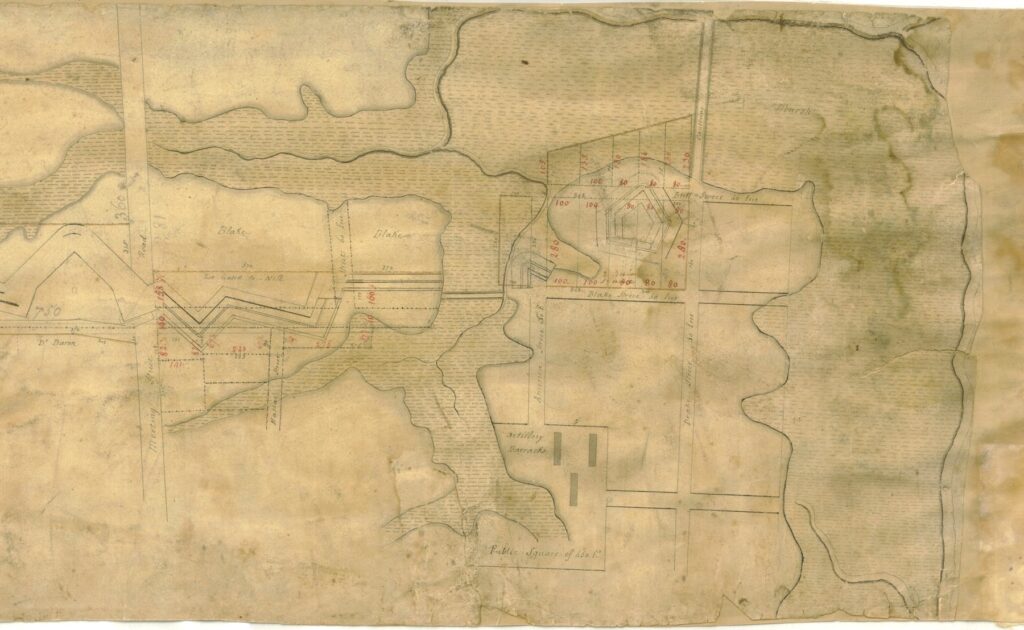
Hampstead Village, established in 1769 by Henry Laurens, is the historic heart of Charleston’s Eastside. Laurens purchased and subdivided land originally owned by Richard Cole and later George Austin, creating a planned residential community with a grid of streets. Once a rural tract, Hampstead evolved into an affluent suburb before becoming one of Charleston’s most diverse and densely populated neighborhoods. Its boundaries-roughly from Mary Street to Huger Street and Meeting Street to the Cooper River-have shifted over time, but its identity as the Eastside remains central to Charleston’s history.
2. A Working-Class and Black Artisan Community
In the 19th century, the Eastside was a respected working-class neighborhood. More than 3,000 free Black artisans-including carpenters, ironsmiths, and tailors-lived and owned property here, contributing significantly to Charleston’s built environment. Their skills built many of the city’s iconic structures and earned them recognition, even as they faced post-Civil War poverty and discriminatory laws. Over time, German and Irish immigrants also settled here, and the area became known for its ethnic diversity and, at times, tensions between groups.
3. The Legacy of Philip Simmons, Master Blacksmith
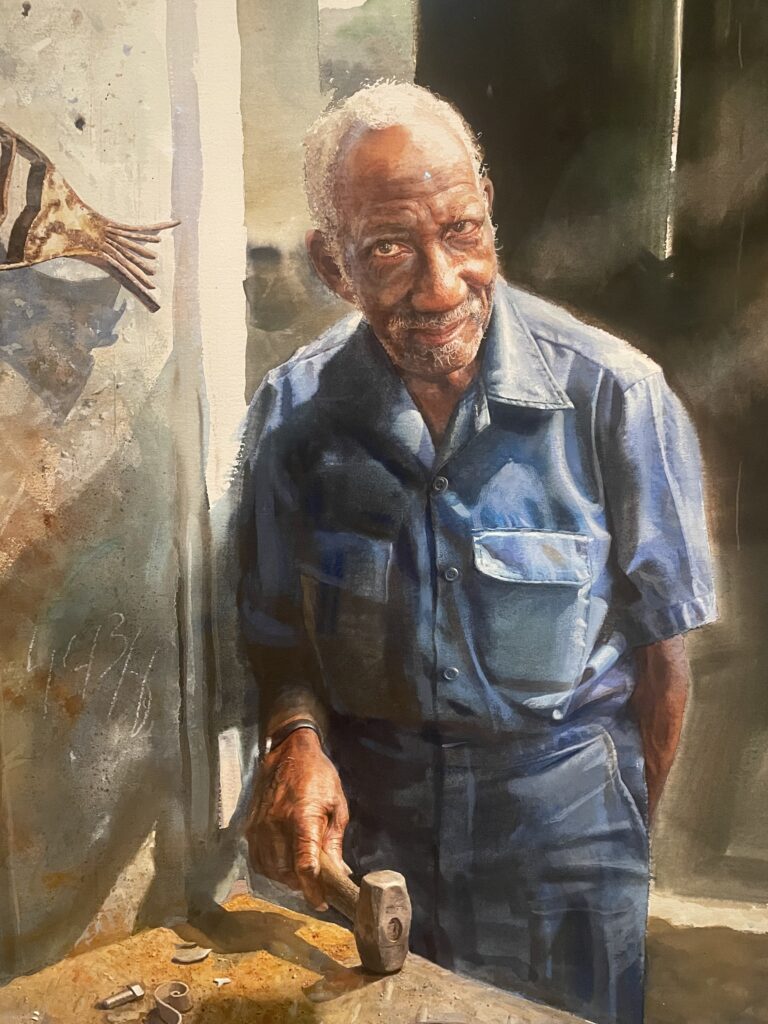
Philip Simmons (1912–2009) stands as one of the most celebrated figures from the Eastside. Moving to Charleston at age eight, Simmons apprenticed under blacksmith Peter Simmons and began a career that spanned nearly eight decades. He created over a thousand wrought iron pieces-gates, fences, balconies, and more-that now adorn homes, churches, and public spaces throughout Charleston and beyond. His distinctive style, often featuring tight curls and lifelike animal motifs, became synonymous with the city’s ironwork tradition. Simmons received national honors, including the National Heritage Fellowship, and after his death, his Eastside home and workshop became a museum.
4. The Impact of Urban Change and Preservation
The Eastside’s fortunes have fluctuated with Charleston’s economic cycles. After the Civil War, the area suffered from poverty and restrictive laws. In the 20th century, public housing projects and commercial properties appeared alongside sagging 19th-century homes and occasional antebellum mansions. In the 1980s, city proposals to designate the Eastside as a historic district met resistance from residents concerned about rising costs and strict regulations. Despite these challenges, preservation efforts have helped maintain the neighborhood’s architectural and cultural legacy.
5. Simmons’s Gates and the Spirit of the Eastside
Simmons’s ironwork is more than decorative-it symbolizes the resilience and creativity of the Eastside. His gates, featured at landmarks like the Charleston Visitor Center and even the Smithsonian, blend African American craft traditions with Charleston’s historic aesthetic. The “snake gate” and other pieces showcase his improvisational skill and attention to detail. Today, his nephew Carlton Simmons continues the tradition at the original Blake Street workshop, ensuring that the Eastside’s legacy of craftsmanship endures.
These narratives highlight the Eastside’s transformation from rural land to a vibrant, diverse community, the contributions of Black artisans like Philip Simmons, and the ongoing balance between preservation and progress in one of Charleston’s most storied neighborhoods.
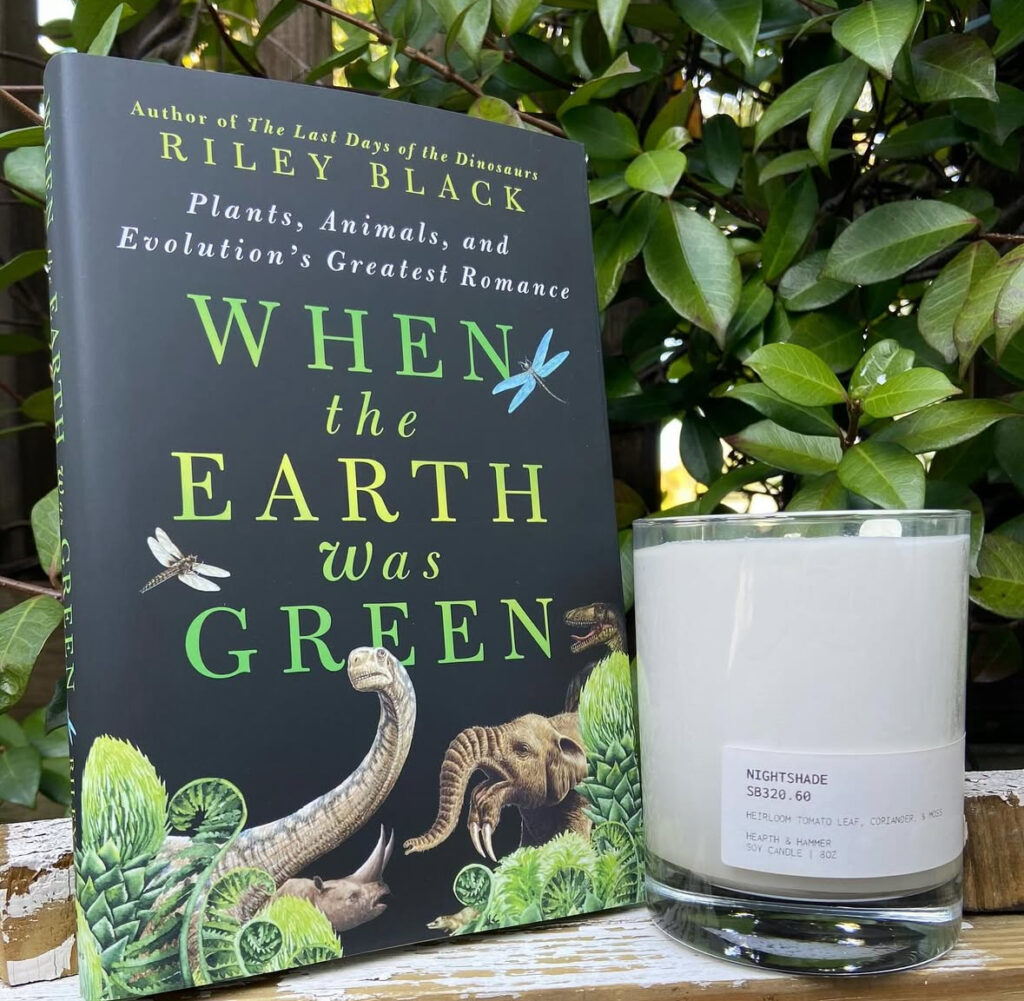
The Lowcountry is rich with literary tradition, but two independent bookstores-Itinerant Literate Bookstop in North Charleston and Main Street Reads in Summerville-have distinguished themselves not just as book retailers, but as vibrant community hubs dedicated to inclusion, diversity, and local connection.
Itinerant Literate Bookstop: A Home for Diverse Voices
Founded by Christen Thompson and Julia Turner, Itinerant Literate Bookstop began as a pop-up and bookmobile, driven by the owners’ backgrounds in publishing and a vision to fill the gap in Charleston’s independent bookstore scene. Their flagship location in Park Circle is now a welcoming space where diversity is more than a buzzword-it’s a central mission.
The store’s shelves are thoughtfully curated, with a strong emphasis on books by marginalized authors and titles exploring social justice themes. This commitment is evident in their robust children’s section, which features a wide array of diverse and unique books for all ages, ensuring that young readers see themselves reflected in the stories they discover. Regularly rotating thematic displays and creative events, such as “blind date with a book,” make the store dynamic and accessible to all.
Itinerant Literate’simpact extends beyond its walls. The store is a key partner in community initiatives like Alliance for Full Acceptance (AFFA), We Are Family, Planned Parenthood, and various branches of the Charleston Library System which aim to increase access to inclusive literature throughout the region. By participating in these programs, Itinerant Literate helps distribute thousands of diverse books to local families, fostering empathy and cultural understanding.
The owners’ approach to bookselling is intentionally disruptive-in the best way. Their model brings books and conversations to unexpected places, breaking down barriers and making literature accessible to a broader audience. As one reviewer noted, the staff’s warmth and devotion to diverse stories make every visit memorable, reinforcing the store’s role as a community anchor.
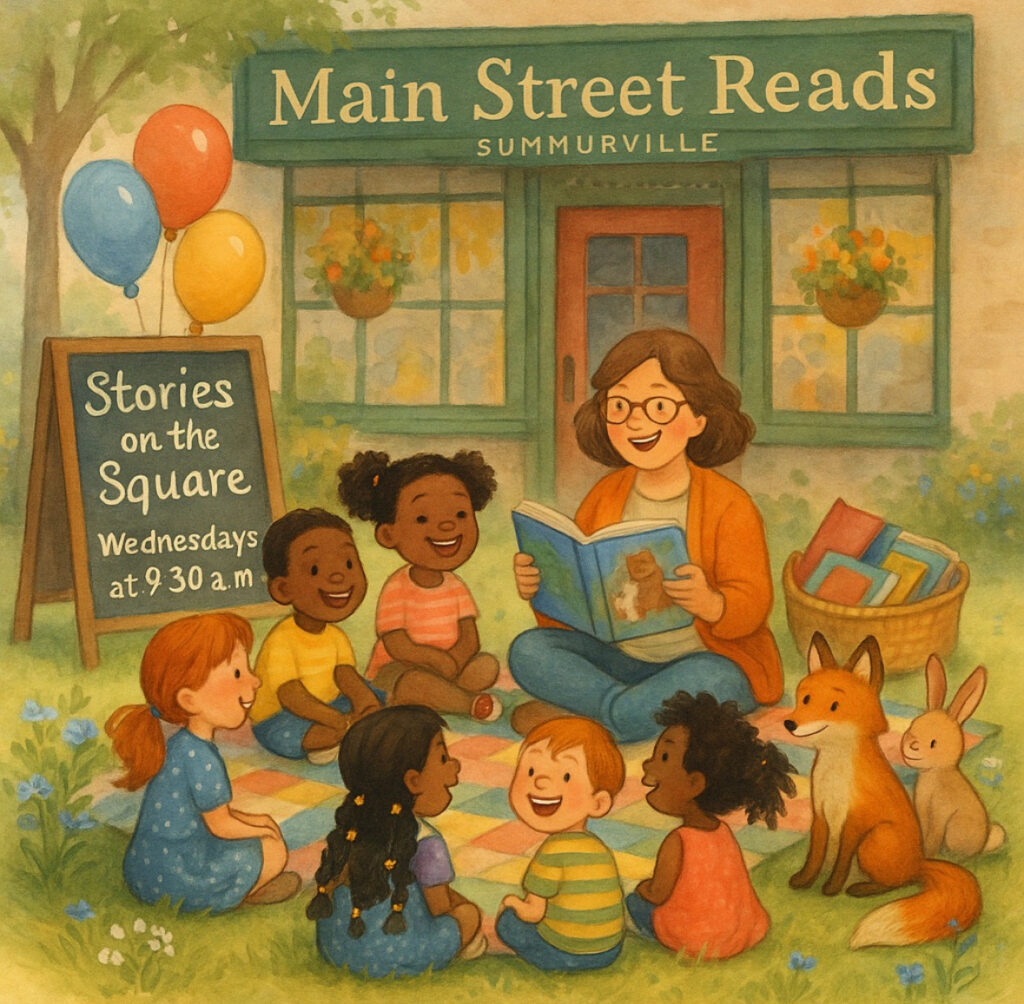
Main Street Reads: Building Community Through Inclusion In Summerville, Main Street
Main Street Reads stands as a testament to the power of independent bookstores to unite and uplift a community. Owned and operated by Shari Stauch, a writer, entrepreneur, and longtime advocate for local authors, Main Street Reads was born from a desire to create a welcoming literary haven in downtown Summerville.
From its grand opening, Main Street Reads has been a gathering place for readers of all backgrounds. The store is celebrated for its inclusive atmosphere, where local artists and authors are showcased, and diverse ideas are embraced. Stauch’s vision was to offer not just a selection of well-written books, but a space where everyone feels at home-whether they’re browsing, attending an author signing, or joining one of the many book clubs hosted each month.
The store’s programming reflects its commitment to diversity and inclusion. Book clubs span genres and age groups, and the events calendar is filled with opportunities for community engagement, from author talks to creative workshops. Main Street Reads is also an active participant in regional initiatives to promote diverse literature, ensuring that its shelves and events reflect a wide range of voices and experiences.
Stauch’s leadership is central to the store’s ethos. Her passion for books and community is evident in every detail, from the welcoming staff to the thoughtfully curated inventory. As one local author described, Main Street Reads is a place where strangers become friends, families bond over books, and the community comes together in celebration of the written word.
Knowledge is love
Itinerant Literate Bookstop and Main Street Reads are more than bookstores-they are engines of inclusion, diversity, and community engagement in the Lowcountry. Through visionary ownership, curated selections, and a steadfast commitment to representing all voices, these stores set the standard for what independent bookstores can and should be. For locals and visitors alike, they offer not just books, but a sense of belonging.
 by
by