Charleston County, SC Community Loan Fund officials announce creation of Local Housing Trust Fund

Read More

Charleston County and SC Community Loan Fund (SCCLF) leaders announced the establishment of the LocalHousing Trust Fund, a new revolving loan fund that will provide long-term support for the development and preservation of workforce and affordable housing throughout the county.

The fund, seeded with local Accommodations Tax dollars, will offer below-market loans to developers and organizations focused on creating and preserving workforce and affordable housing .

As part of the county’s Housing Our Future Plan, this initiative builds upon the successes of the Gap Financing Programs, which have collectively funded impactful projects like the Archer School Apartments, North Bridge Townhomes, and Esau JenkinsVillage, which is nearing completion on Johns Island.

“Charleston County has long recognized the importance of expanding access to affordable housing, and the creation of theLocal Housing Trust Fund is a testament to that commitment,” said Charleston County Council Chairman Kylon Middleton.“This initiative is a powerful example of what we can achieve through collaboration, leveraging public and privatepartnerships to bring meaningful solutions to our community. I’m proud of the leadership that brought us to this moment,and I look forward to the lasting impact this fund will have for residents across our county.”

“SCCLF is delighted to continue our partnership with Charleston County to provide critical f inancing to support the production and preservation of workforce housing, especially since our origins began 20 years ago as the Lowcountry Housing Trust right here in the Charleston community,” said SCCLF President Deborah McKetty.

Applications for funding will open in May 2025.

———-

In keeping with the Americans with Disabilities Act (ADA), those needing assistance should contact Charleston County at (843)202-6917 during regular business hours.

For information on Charleston County Government news and services, please visiwww.charlestoncounty.org. Charleston County, SC Community Loan Fund officials announce creation of Local Housing Trust Fund

Stay connected and subscribe to Charleston Daily.

Big Win For Charleston Land Conservation: Lowcountry Land Trust Announces Permanent Protection of Little Goat Island

Read More

A Pristine Sea Island Near Isle of Palms Secured Through Generous Land Donation

Charleston, SC, April 1, 2025 – Lowcountry Land Trust, a nonprofit committed to preserving Lowcountry landscapes and waterways for current and future generations, is proud to announce the permanent protection of Little Goat Island, an undisturbed sea island off Isle of Palms just southwest of Goat Island, consisting of 28 acres of upland habitat surrounded by 393 acres of salt marsh. Thanks to a fully donated conservation easement, this pristine landscape will continue to support thriving wildlife, clean waterways, and the natural beauty of the Lowcountry.

This extraordinary conservation effort was made possible through the generosity of landowners Gary and Kim Chesson, who donated the easement to the Lowcountry Land Trust, ensuring the island’s legacy endures. Their story mirrors that of Bill Alge, whose effort to protect a vulnerable sea island and its surrounding salt marsh behind his home and neighborhood in 1986 led to the founding of Lowcountry Land Trust

“We’re so excited to be able to preserve Little Goat Island in perpetuity,” Kim Chesson, who owns the island with her husband, wrote in a statement. “My parents lived across from this island for over 20 years, and now we have a house that overlooks it. We love that it will stay undeveloped for our family and for our Isle of Palms neighbors to enjoy!”

Little Goat Island, a living time capsule, is one of the few remaining undeveloped sea islands in the Lowcountry and looks much the same as it did a century ago. A familiar sight for travelers crossing South Carolina Highway 517 (the Isle of Palms Connector) and boaters navigating the Intracoastal Waterway, Little Goat Island plays a vital role in the region’s ecosystem. For generations, its waters and shores have sustained oysters, fish, birds, and native plants that are deeply woven into the area’s history and culture. This island serves as a crucial refuge for rare, threatened, and endangered species while strengthening the network of protected lands within the Bulls Bay watershed.

“Undeveloped islands like this are increasingly rare,” said Natalie Olson, Sea Islands program director at Lowcountry Land Trust. By preserving this land, we are ensuring that both wildlife and future generations can experience its natural beauty. This conservation effort also helps protect the delicate coastal ecosystem and support biodiversity and climate resilience.” 

Along with other conserved landscapes—including Gold Bug Island, Sullivan’s Island Beach, and portions of Goat Island—Little Goat Island expands a growing corridor of protected lands. The property features 2.5 miles of marsh frontage along the Intracoastal Waterway, Hamlin Creek, and Swinton Creek, which help safeguard water quality and preserve the region’s natural beauty and character.

Stay connected by following @LowcountryLandTrust on social media and signing up for their email newsletter to receive the latest updates on conservation efforts and ways to get involved.

ABOUT LOWCOUNTRY LAND TRUST

Lowcountry Land Trust—a 501(c)(3) nonprofit organization—permanently protects land throughout coastal South Carolina that is foundational to the area’s coastal ecosystem and residents’ quality of life. Having protected over 163,000 acres of land since its founding in 1986, Lowcountry Land Trust is one of the most impactful local land trusts in the United States. More information about Lowcountry Land Trust is available at www.lowcountrylandtrust.org.

Photo Credit: Natalie Olson

Clemson University earns No. 2 ranking as Military Friendly® School for 2025-26

Read More

By Philip Sikes

Clemson University announced today it has earned a No. 2 national ranking as a 2025-26 Military Friendly® School. Clemson improved five spots from last year’s ranking among Tier 1 research institutions in earning its second-straight Top 10 designation.

Colleges and universities earning the Military Friendly® designation were evaluated using public data sources and survey responses. The complete list of designations will be published in an upcoming issue of G.I. Jobs magazine and can be found at MilitaryFriendly.com.

Methodology, criteria and weightings were determined by Viqtory with input from the Military Friendly® Advisory Council made up of leaders in higher education. Final ratings reflect schools’ abilities to meet thresholds for retention, graduation, job placement, repayment, persistence and loan default rates — specifically for student veterans.

“We are very proud of this ranking and the hard work done by many people at Clemson to improve support provided to our military community,” says Executive Director of Military Affairs Jimmy Mullinax. “It is evident Clemson is proud of its military heritage and wants to show the current generation of student veterans and military-connected students that they are valued members of the Clemson Family.”

Over the past year, the Office of Military & Veteran Engagement has continued to make great strides in support of Clemson’s military community:

  • Improved Joint Services Transcript (JST) processes resulting in 99 credit hours awarded to 17 student veterans for prior military experience and training;
  • Opened a second resource center in Hendrix Student Center with a reception area, student lounge, staff offices and partnership hub allowing for collaborative sessions with Counseling and Psychological Services, the VA Educational Benefits Office, Upstate Warrior Solution and others;
  • Hosted a VA Claims Clinic in partnership with the U.S. Department of Veterans Affairs for veterans and community members, assisting attendees with benefits claims and healthcare needs;
  • Hosted the state’s first Military Programs in Higher Education Workshop in partnership with the South Carolina Department of Veterans’ Affairs (SCDVA) that brought 18 schools to campus; and
  • Received a major gift of $1.25M from The Schoen Foundation to expand resources, programming and outreach for military-connected students.

Military Friendly® is the latest in a line of military-related honors for Clemson this academic year. In the fall, Clemson improved 98 spots among the “Best Colleges for Vets” list published by Military Times magazine. Clemson also earned recognition for its Military Academic Program with a silver certificate from the SCDVA.

Source: Clemson University

Stay connected and subscribe to Charleston Daily.

SHL Medical opens $220M manufacturing facility in North Charleston, SC, creating 300 jobs to meet growing auto injector demand

Read More

North Charleston, SC, USA – March31, 2025 – SHL Medical, a global leader in advanced self-injection solutions, officially inaugurated its new state-of-the-art manufacturing facility in North Charleston, South Carolina. This expansion represents a significant US$220 million investment, contributing to the local economy and creating hundreds of new jobs in the region.

The grand opening was attended by South Carolina’s Governor Henry McMaster, North Charleston Mayor Reginald L. Burgess, and Swiss Embassy Consul General Urs Broennimann, underscoring the importance of the new facility in supporting SHL Medical’s USoperations and enhancing its capacity to meet rising demand for autoinjectors.

Supporting demand and strengthening supply chains

The 360,000 ft² facility will produce SHL Medical’s advanced autoinjectors, which are used in high- demand treatments for conditions such as obesity, autoimmune disorders, and rare diseases. As the demand for GLP-1therapies rises, the new facility ensures a reliable supply of these vital drug delivery devices to millions of patients across the US while also reducing lead times and transportation costs.

“This facility marks a key step in our global expansion and strengthens our ability to meet the increasing demand for autoinjectors,” said Ulrich Faessler, CEO of SHL Medical. “South Carolina offers a strong pipeline of skilled labor and afavorable business environment, enabling us to scale up production while contributing to the region’s growth.”

Equipped with advanced injection molding technology and fully automated assembly lines, the new facility is designed to maintain the highest levels of quality and efficiency in manufacturing. This expansion complements SHL Medical’s established production sites in Taiwan and the upcoming facility in Switzerland, positioning the company as one of the few autoinjector manufacturers operating on three continents.

By leveraging its existing operations in Florida and recent acquisitions under SHL Advantec, the North Charleston site strengthens SHL Medical’s US presence, supporting large-scale production and advancing its mission to deliver world-class drug delivery solutions. The company is on track to deliver 1.5 billion devices to customers in 2025.

“We are proud to expand our US operations and support the local community,” said Kimberlee Steele, ManagingDirector North America at SHL Medical. “One of the most trusted autoinjector brands is now made in the USA, ensuring patients receive the essential devices they need to manage their health with independence.”

About SHL Medical

SHL Medical is a pioneering leader in self-injection solutions, such as autoinjectors. Driven by our core purpose of “enabling patients’ independence”, we partner with leading pharma and biotech companies to develop self-injection systems and digital solutions enhance patients’ treatment experience and quality of life. With over 5,000 employees located across our offices in Switzerland, USA, Sweden, and Taiwan, we rely on our comprehensive in-house manufacturing capabilities to provide end-to-end services, from design, development, to final assembly, labeling, and packaging. For additional information, visit www.shl-medical.com

Stay connected and subscribe to Charleston Daily.

The Charleston, South Carolina Toll Proposal and Its Potential Impacts on Our Local Infrastructure

Read More

By Mark A Leon

Charleston, SC, is known for its historic charm, vibrant culture, and bustling peninsula that serves as the heart of the city. 

However, as the region continues to grow rapidly, infrastructure challenges have become a pressing concern. In an effort to address these issues, Charleston officials have announced plans to implement a toll system for vehicles entering the peninsula. 

This bold move aims to generate revenue for much-needed road and infrastructure repairs while tackling traffic congestion.

The Toll Plan: Addressing Infrastructure Needs

The toll system would require drivers entering the Charleston peninsula to pay a fee, with funds earmarked for repairing aging roads, improving traffic flow, and enhancing public spaces. Mayor William Cogswell has been vocal about the city’s infrastructure priorities, emphasizing the need for innovative funding solutions to support Charleston’s growth. In his recent letter to Charleston County Council, he highlighted ten critical road projects that are essential for maintaining the region’s quality of life.

The toll initiative is inspired by successful models in other states where toll roads have provided sustainable revenue for infrastructure projects. For example, South Carolina already operates toll roads like the Southern Connector near Greenville, which uses electronic payment systems such as Palmetto Pass. Charleston’s plan would likely adopt similar technology for efficiency and convenience.

Economic and Environmental Impacts

Supporters argue that the toll system could alleviate traffic congestion by encouraging carpooling and alternative transportation methods. 

Additionally, it would help fund projects like the Mark Clark Expressway Completion and other vital improvements outlined in the Transportation Sales Tax referendum. These efforts are critical as Charleston’s booming population places increasing demands on its infrastructure.

However, critics worry about potential drawbacks, including economic impacts on commuters and businesses relying on easy access to the peninsula. Local officials are working to balance these concerns by offering exemptions or discounts for residents and exploring ways to invest toll revenue into public transit options.


Public Reaction and Next Steps

The proposal has sparked mixed reactions among Charleston residents. While some view it as a necessary step toward modernizing infrastructure, others question its fairness and feasibility. Public input sessions are expected to play a crucial role in shaping the final plan.

As Charleston moves forward with this ambitious initiative, officials hope it will serve as a model for other cities facing similar challenges. The toll system represents a creative approach to funding infrastructure in an era where traditional sources like sales taxes may no longer suffice.

Happy April Fools’ Day!

If you’ve made it this far wondering how Charleston plans to implement such a dramatic change—surprise! This story is entirely fictional. While Charleston continues to work on improving its infrastructure through measures like federal grants and sales tax initiatives, there are no current plans to introduce a toll system for entering the peninsula. Happy April Fools’ Day!

Stay connected and subscribe to Charleston Daily.

Rebel Taqueria:  From Pop-up to Food Truck, to a Place Where Everybody Knows Your Name – 10 Years and they’ve only just begun

Read More

By Mark A. Leon

“Sometimes you wanna go where everybody knows your name and they’re always glad you came.” – Cheers Theme – Gary Portnoy and Judy Hart Angelo

We all yearn to live inside those lyrics that opened each episode of the iconic show Cheers every week and welcomed us into Sam’s world of fun, mayhem and most of all family.

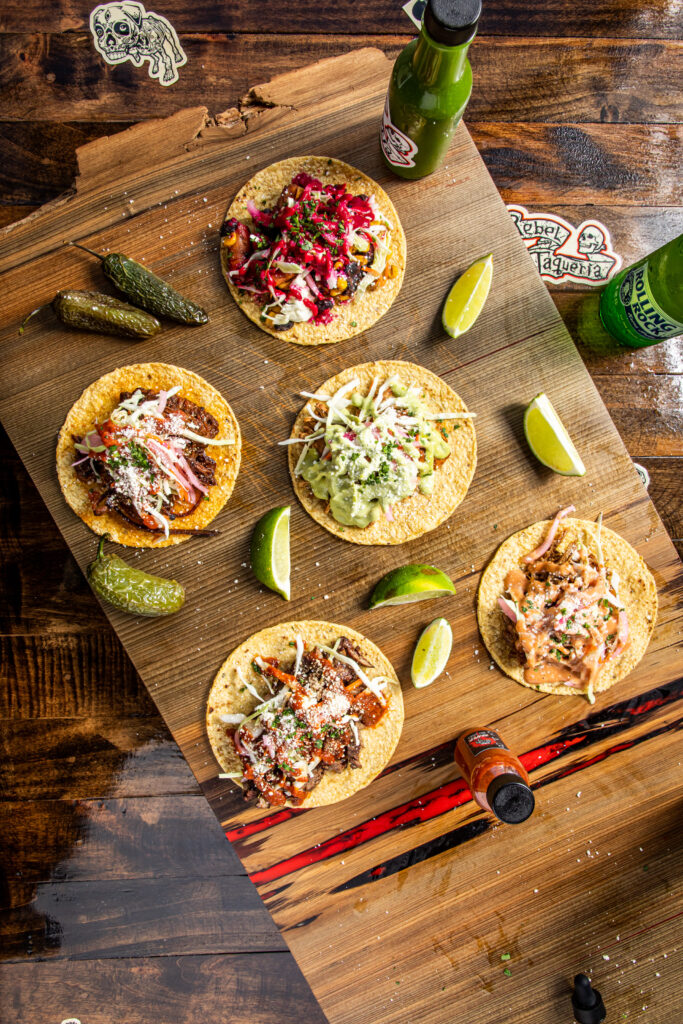
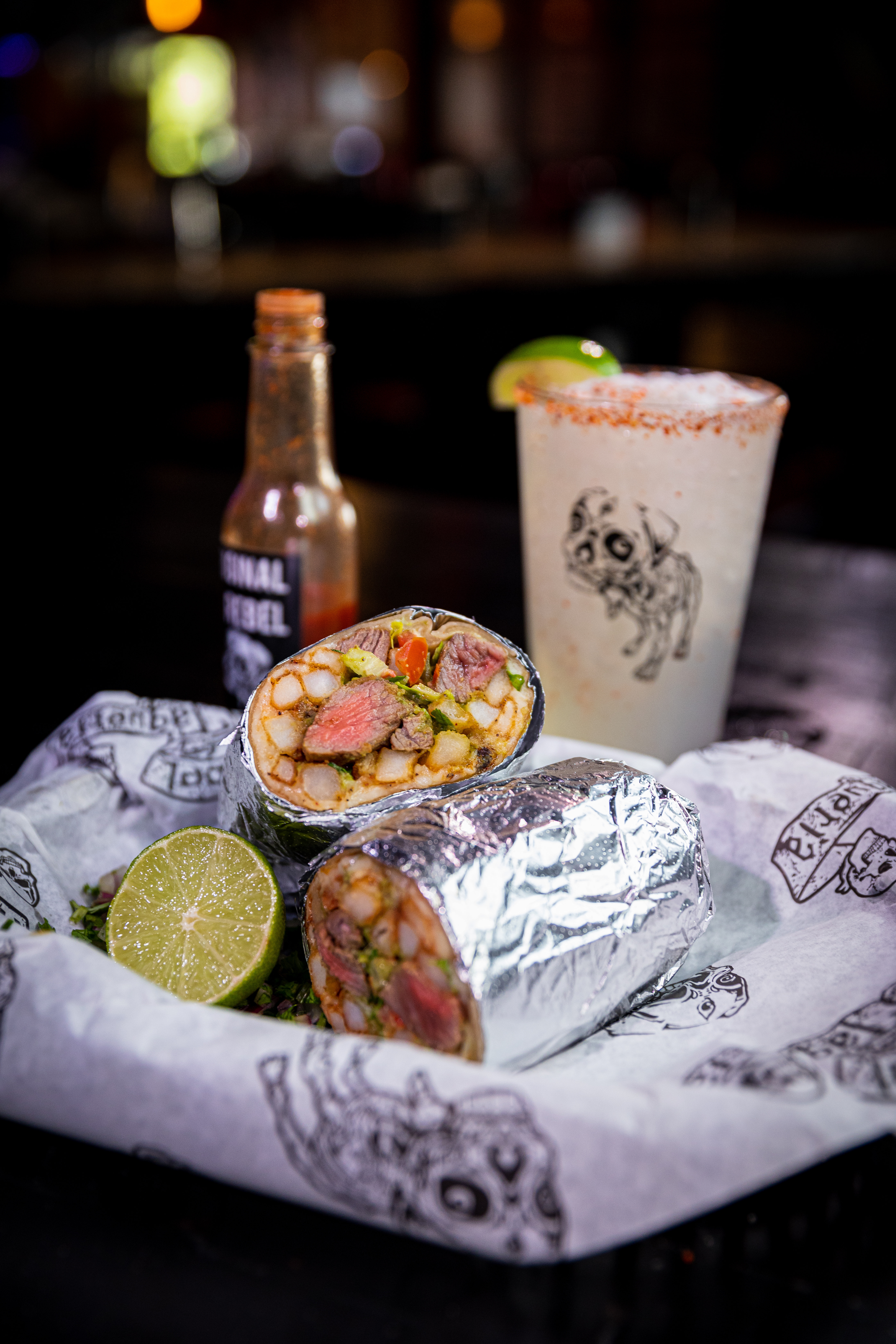
We have that in Charleston, South Carolina and for the last 10 years Rebel Taqueria has been that place.  With its ominous logo, ode to mystique of the afterlife in its urban art, celebrations of SoCal and coastal influenced Mexican Food, world-class tequila and a place of comfort, Rebel has solidified itself as a bold leader in the Charleston food scene. 

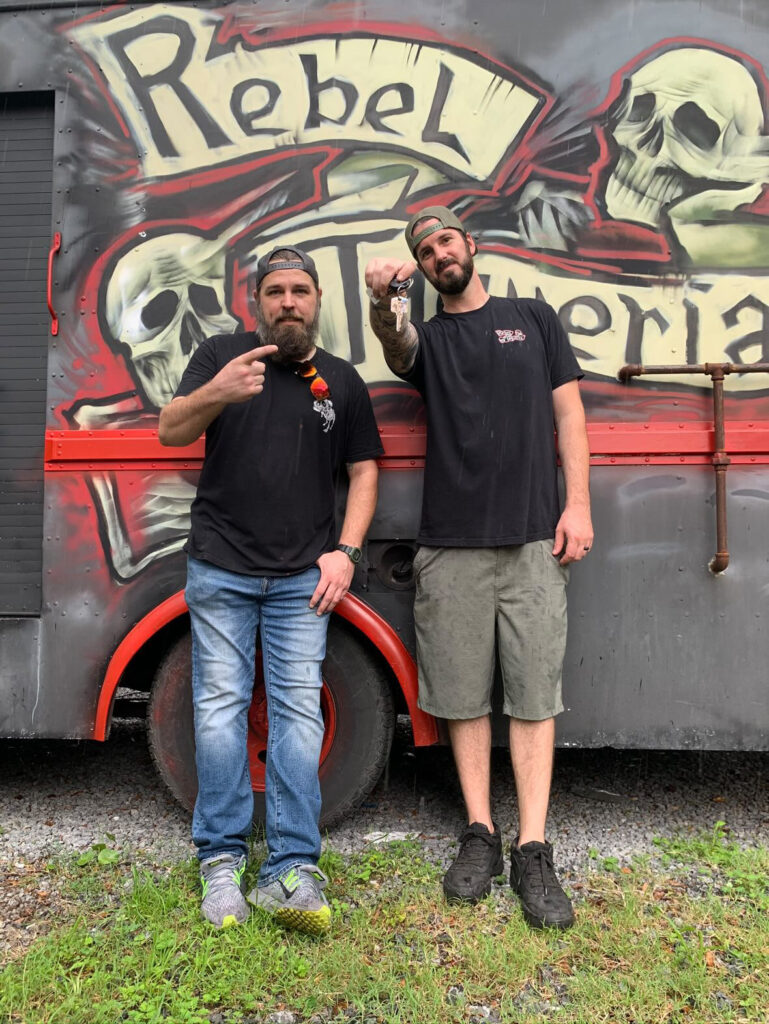
Yet sometimes it is important to remind ourselves of why we love Rebel and share with those who have yet to experience its culture, the beautiful community that Lewis Kesaris and Paul Nettles (co-founders) have built.

Let’s take a few minutes to learn about Lewis Kesaris and Paul Nettles, the visionaries behind Rebel Taqueria

Rebel was founded by two Charleston food and beverage veterans with a vision of making exciting food and drinks at an affordable price in a relaxed atmosphere with a hint of Star Wars fandom.  Using experienced culinary knowledge and a collaborative spirit, they produced Mexican American food suited to the Charleston flavor profile.

Over the years, Rebel has worked with many local businesses, schools, neighborhoods, churches and charities.  Some of the most influential partnerships and catalysts of inspiration include “The Brick”, “Low Tide Brewing”, “Lunazul Tequila”, Mitla Tortillas”, “Riptide Coffee”, “Pay it Forward Charleston” & “Holy City Brewing”.  

Lewis and Paul know that without those partnerships and the thousands that have helped along the way, they would not have made become such a vital part of the Charleston footprint.  

In a way, Rebel Taqueria is a symbol of the resilience, passion and dedication and a trusted ambassador of the Charleston culture.

History of Rebel Taqueria

Rebel Taqueria was born when a cook (Lewis Kesaris) and a bartender (Paul Nettles) working a slow Tuesday bar shift downtown Charleston over a decade ago, decided to recreate the SoCal Taco Tuesday vibes in Charleston (shortly after a recent trip to San Diego), offering $2 tacos, $2 Tecate and $3 Tequila shots.  

Taco Tuesday became a huge success with word of mouth generating more buzz and attendance, until a fire engulfed the building putting many friends, including Lewis and Paul out of a work.  


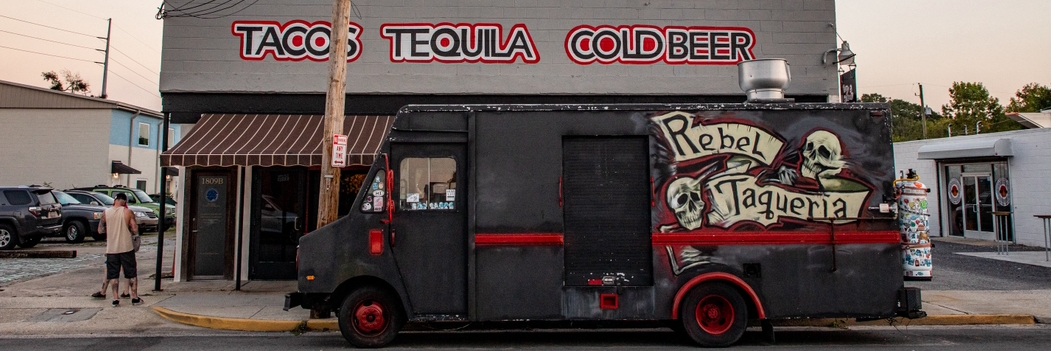
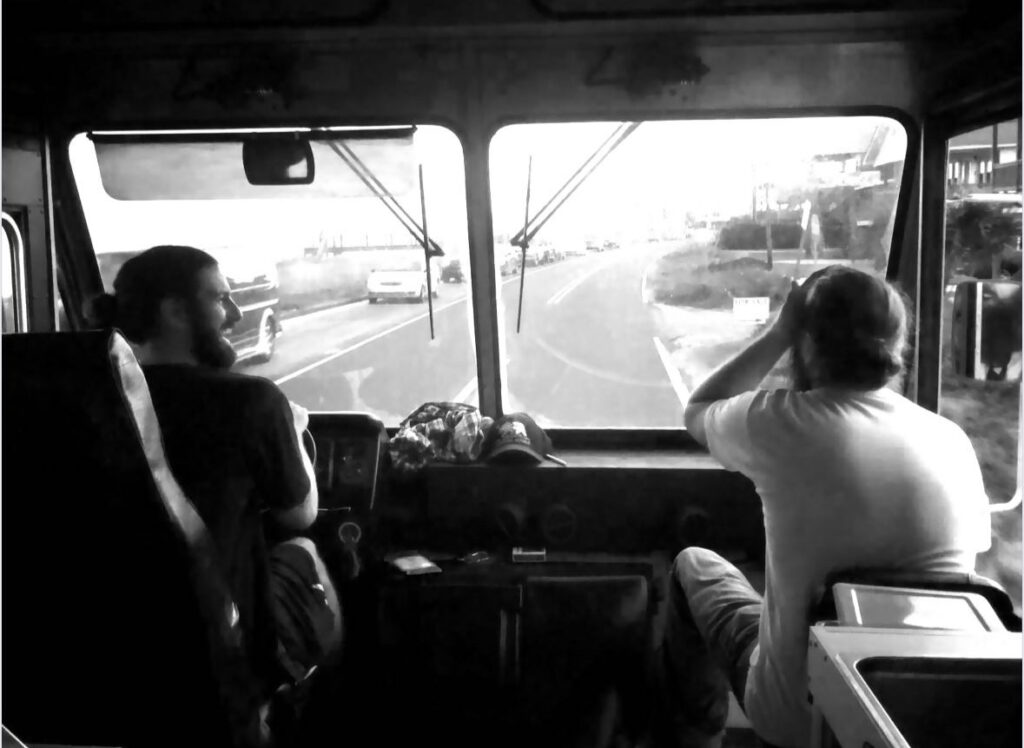
Wanting to build on the Taco Tuesday success and not lose what was becoming something real, the Rebel Taqueria food truck was born.  On the day the food truck was bought, Lewis and Paul gave away 36 gallons of ice cream on Folly Beach, one cone at a time.  There is a real story of character, kindness and goodness.  

The boys worked up to three events daily keeping their foot to the metal with the goal of opening a brick-and-mortar location to call home.

Ice cream, tacos and a dream


After 5 years of hustling on the truck, a two year stint at “The Workshop” and enormous support of the community the team landed a permanent home at 1809 Reynolds Ave. N. Charleston (during the peak of the COVID Shutdown).  

4 years and one pandemic later, Rebel Taqueria is stronger than ever open 7 days a week 11:00 AM -10:00 PM.  

P.S. They still offer $2 tacos every Tuesday 

Whether you are a regular or coming out for the first time, we will save you stool.  

To Lewis and Paul, tacos, and tequila, we are thankful for a place where we can kick back, feel at home and throw a few down.

Follow on Instagram and check out their menus, events and more on the Official Website.