Charleston Daily is a concept in community. Its mission is to promote, assist, and celebrate in everything Charleston, South Carolina. By partnering with businesses, community leaders, volunteers and events, we are spreading the love that is Charleston.
As this city continues to grow and prosper, we want to help spread the message to all about how wonderful this community is.
Charleston is about the people, community, water, land, history, heritage and the true southern warmth it brings with each and every day.
Tuesday, January 7, 2025 at 7:00 AM, Daniela’s Downtown Market and Deli opens its doors at 132 Spring Street (Corner of Ashley and Spring). Along with a passionate team and products made with love, opening day is served with purpose.
“Join us for a heartwarming celebration at Daniela’s Downtown Market and Deli grand opening on Tuesday, January 7th at 7 AM! In honor of Daniela and all those bravely battling scleroderma, we’re donating 10% of our opening day proceeds to the National Scleroderma Foundation. Let’s come together for a great cause and a delicious start to the new year! See you there!”
Let’s come out and support to team at Daniela’s with a delicious breakfast or lunch sandwich, fresh coffee drinks and locally sourced menu items to meet all your needs.
Don’t forget to say hi to Natasha and ask her about her late mother Daniela (namesake). She will have wonderful stories to share.
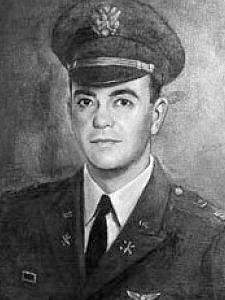
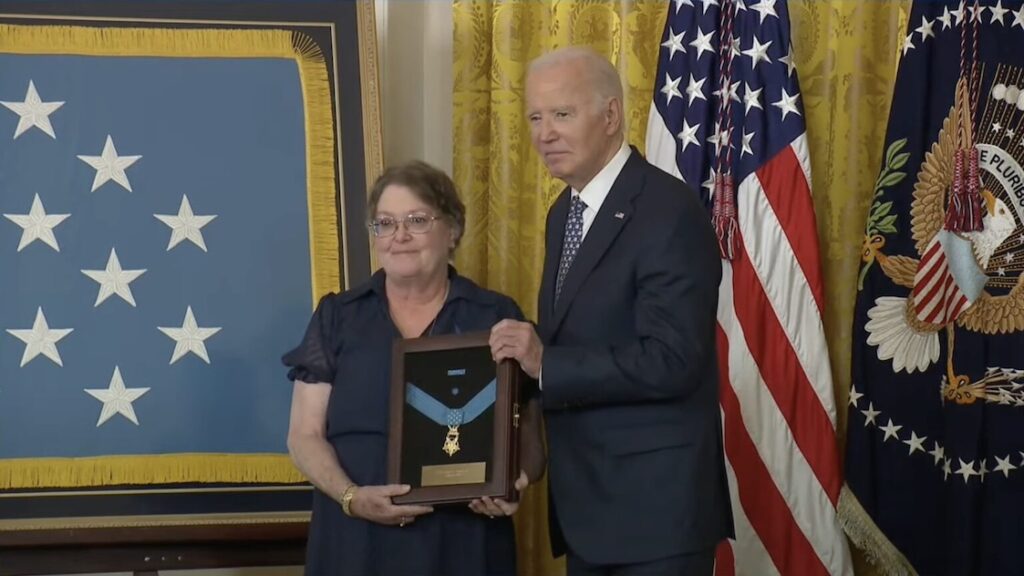
On Friday, January 3, 2025, the United States honored Capt. Hugh Reavis Nelson Jr., Citadel Class of 1959, with the nation’s highest military decoration — the Medal of Honor — for his extraordinary heroism during the Vietnam War.
Nelson, who accepted a commission into the Army just before graduating from The Citadel, was killed in combat on June 5, 1966, while protecting the lives of his fellow soldiers.
The Medal of Honor is awarded to any service member who “distinguishes himself conspicuously by gallantry and intrepidity at the risk of his life above and beyond the call of duty.”
“Captain Hugh Nelson: Citadel graduate, helicopter pilot and a proud young father. He was just 28 years old when he and his crew were shot down in Vietnam,” President Biden said during the presentation ceremony. “Hugh freed his men who were trapped in the wreckage and, as the enemy began to attack, he used his body as a shield to protect them. It cost him dearly — it cost him his life. His commanding officer called it the ultimate act of self-sacrifice, which it was.”
Nelson was commanding a Cobra aircraft, an attack helicopter, when it was struck by hostile gun fire and downed, with all weapons destroyed in the crash. After regaining consciousness, Nelson ignored his injuries and began evacuating his fellow soldiers from the helicopter while under enemy fire, using his own body as a human shield to save the life a crew member. His efforts allowed the surviving crew members to be evacuated.
“Capt. Hugh Reavis Nelson Jr. exemplified the highest values of courage, selflessness and leadership that we instill in every Citadel cadet. Nelson’s service to his comrades and country remains an enduring inspiration for us all. We will continue to honor his legacy with deep gratitude and unwavering pride and are proud to acknowledge him, not only as a Citadel graduate, but now also as a Medal of Honor recipient,” said The Citadel President Gen. Glenn Walters, USMC (Ret.), ’79.
Nelson’s example of sacrifice is particularly meaningful for The Citadel, as his co-pilot, Capt. Warren Bailey Jones, Citadel Class of 1964, survived the crash thanks to Nelson’s actions.
“The sacrifice of Capt. Hugh Nelson is a powerful reminder of the values we uphold at The Citadel — honor, duty and respect,” said Cadet Thomas Fitzpatrick, a senior at The Citadel who attended the ceremony. “As someone who plans to enlist in the U.S. Army after graduation, we all strive to lead with the same bravery and commitment to his fellow soldiers that Captain Hugh Reavis Nelson Jr. demonstrated.”
Nelson was previously awarded the Distinguished Service Cross for his actions.
The Citadel will work with Nelson’s family to mark this historic award at a future event.
While Nelson is the first graduate of The Citadel to receive the Medal of Honor, he is also the third former cadet to do so. Sgt. 1st Class Christopher A. Celiz, Class of 2008, attended The Citadel before enlisting in the Army. He was killed in Afghanistan in 2018 while evacuating wounded personnel under heavy fire. Brig. Gen. John Thomas Kennedy Class, 1907, attended The Citadel for a year before graduating from West Point; he was severely wounded in the Philippine-American War leading an assault against enemy combatants in a cave.
We live in a world of information overload, where content is being shared faster than we can absorb it. Throw in the accolades Charleston is receiving and all the buzz is on this humble little city. We are seeing a lot of recurring themes and information. We thought we would find a few interesting tid bits of information, both historic and current about Charleston, SC that you may not already know.
Here we go. Get ready to be Oh, Ah and Hmmmmed..
Some Things You Didn’t Know About Charleston, South Carolina
Horse Racing in Charleston: There were at least 10 race tracks in the tri-county area including the York course (1735) in North Charleston and New Market (1754), between King and Meeting near present-day Columbus Street. But the most prominent course was the Washington Race Course which is now the mile-long Mary Murray Drive in Hampton Park. According to the South Carolina Gazette, the first race took place almost 300 years ago on February 1, 1734 here in Charleston near the vicinity of John and Meeting Streets.
Edgar Allen Poe was stationed at Fort Moultrie between 1827 – 1828.
The first game of golf played in the United States took place in Charleston, South Carolina.
Founded in 1773, The Charleston Museum is considered the country’s oldest municipal museum.
The College of Charleston, the first municipal college in America, and the oldest publicly supported college in the U.S., opened its doors in 1770. The college boasts three signers of the U.S. Constitution and two signers of the Declaration of Independence among its founding fathers.
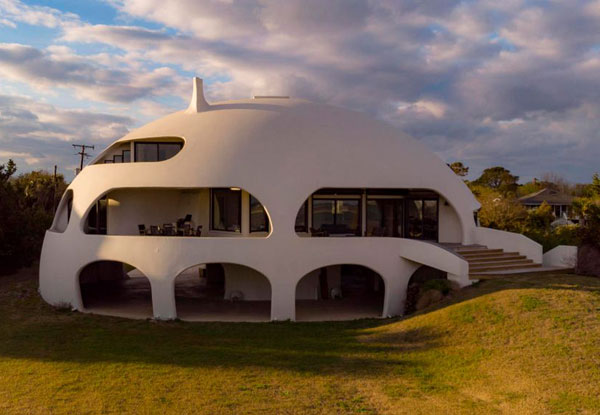
There is a famous “round house” on Sullivan’s Island that a son designed for his parents to be hurricane proof, but if you look at it, you swear it is straight out of Star Wars: A New Hope.
Egg Fertilization – Ernest Just was born in Charleston, SC, in 1883. He was a biologist, academic, and science writer. His most noted research was in the fundamental role of the cell surface in developing organisms such as egg fertilization.
Imitation Mineral Water – In 1810, Simons and Rundell of Charleston, SC, received patent to mass manufacture imitation mineral water that was used in soda fountains!
Invention of Iced Tea – There is a receipt from 1890 that proves that Summerville, SC, is the birthplace and, therefore, the inventor of iced tea.
The first symphony orchestra in America was sponsored by the Saint Cecilia Society of Charleston. The Saint Cecilia Society was formed in 1766.
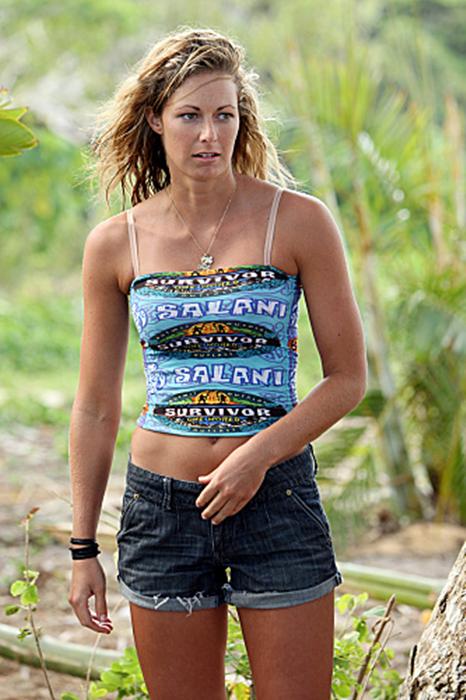
Survivor Finalist Chelsea Meissner
Season 24 Survivor Finalist Chelsea Meissnercalls Charleston home.
Lionel The Hedgehog with over 144K followers on Instagram is from Charleston, SC living with her mom Anna.
Charleston has a dental museum. The Macaulay Museum of Dental History is a small, well-curated collection of vintage dental equipment and teeth-based treasures, like an instrument made by Paul Revere himself. You can even see a recreation of an early 1900s dental office, which won’t make you feel so bad about visiting the modern kind.
Now you have some fun facts for the light bar banter during halftime or at the next game night.
CLIMB Fund is a not-for-profit Community Development lender whose mission is to ensure access to capital for small businesses and affordable housing developments that cannot secure traditional financing.
Based in Charleston and serving the entire state of South Carolina, CLIMB Fund has more than 40 years of history lending to entrepreneurs who have been turned away by for-profit banks. There are numerous iconic local businesses we’ve helped start and grow, but the most important impacts we have are providing new pathways to success and helping people realize their dreams.
Mission and Values
CLIMB Fund creates access to capital, jobs, and opportunities where they would not otherwise exist. As a non-profit Community Development Financial Institution (CDFI), we leverage capital to create local impact, elevate opportunity, and advance social and economic justice.
Click HERE to learn more about lending and client services.
Dorchester County and North Charleston will benefit from a state of South Carolina grant program for infrastructure projects.
For its first round of fiscal year 2025 grants, the S.C. Rural Infrastructure Authority has approved grant assistance for 34 projects, totaling more than $34 million to address critical infrastructure needs related to public health and the environment while also developing increased capacity for economic opportunities, according to news release. These projects will benefit more than 91,000 customers in 24 counties across the state.
“As one of the fastest-growing states in the country, strategic investments in South Carolina’s water, sewer and stormwater infrastructure will continue to be critical to ensure the state’s future environmental health and safety, facilitate long-term sustainability of local utilities, and catalyze economic development and growth around the state,” said Executive Director Bonnie Ammons in the release. “With the assistance of RIA state grants, local governments and utilities can better prepare for the future and provide reliable service to both existing and new customers.”
Dorchester County and North Charleston Sewer District will receive $1.5 million each.
The majority of grants will fund capital improvements, including projects that will upgrade aging or undersized water mains, rehabilitate or replace aging sewer lines, improve sewer pump stations and treatment plants, and make communities more resilient to flooding and stormwater, the release stated. Six of the grants will fund projects that will enhance the infrastructure capacity to serve current or planned industrial sites and facilitate job creation for new and existing businesses around the state.
Additionally, grants were awarded to 10 communities for planning activities that will help safeguard their long-term viability, according to the release. These planning grants focus on various local needs, especially rural and small systems, including the mapping and assessment of existing infrastructure, development of capital improvement plans, and evaluations of the effects of stormwater.
RIA continues to work with partners to maximize the impact of state grant dollars. This round, the RIA state grant awards will be combined with more than $50 million in local and other funds to carry out the proposed water, sewer and stormwater infrastructure projects, according to the release.
RIA state grants are generally awarded twice a year through a competitive process that considers the need for improved public health, environmental protection, community sustainability and economic development.
Applications are selected by the RIA board based on criteria including severity of the problem, expected impact and project feasibility. Recipients share in the cost of infrastructure projects by paying for non-construction or other activities and, oftentimes, providing additional funds for construction.
To learn more about RIA or how to apply for grant assistance, click here.
Several years ago, I stopped into Luckhaus & Brubaker for a thank you gift. After spending a quick moment browsing the inventory and taking in the indulgent smells of chocolate, coconut and peanut butter, I ordered a coconut macaroon with chocolate ganache, Key Lime truffle and Baileys truffle. They were beautifully wrapped in a clear plastic bag with a red ribbon and a brown logo sticker. A simple and elegant thank you gift for a generous favor.
Our love for Luckhaus & Brubaker goes back even further when I was spending a Friday morning and afternoon celebrating the birthday of my dear friend Shannon. Typically, birthdays are days of festivities and celebration, but for Shannon, this day also holds a bittersweet memory. Per her request, the morning and afternoon would be just her and I. Naturally, you need cake, so we bought a bottle of champagne and orange juice, went to Luckhaus & Brubaker and ordered the Coconut Vanilla Cake. As we sat outside at 11 AM on a Friday morning drinking mimosas and enjoying each savory bite of this cake, we knew we found something special. That is just one moment that of many that defines a small business that cares.
Why should you go to Luckhaus & Brubaker?
Picture a mini Willy Wonka factory, where visions of chocolate lollipops, croissants, truffles, pies, and tarts dance in your head. All around, life size animals built from the sweetest things on Earth, welcome you with a smile. This is that little end of the puzzle piece of heaven called Luckhaus and Brubaker.
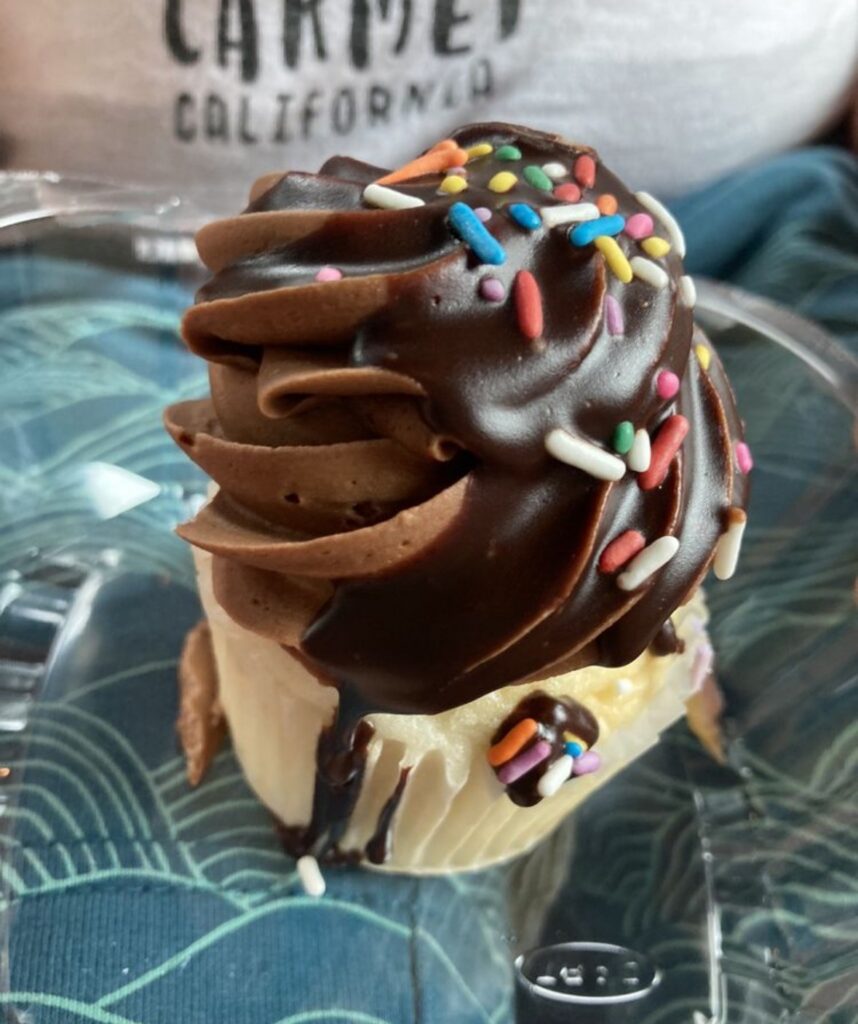
Each visit, you are greeted with a smile and laid back, enjoy your experience welcome. No pressure here. Take in the smells, look all around and ask us if you need assistance. Each visit is a one of a kind. One day may be the fruit tart or the Grand Marnier truffle. Maybe a fruit filled croissant or Tiramisu. Sometimes you go in for a cupcake or cinnamon roll and walk out with a homemade dog treat for your puppy and a chocolate covered pretzel for the little one. Make sure you sneak a chocolate bar in for later.
As a self proclaimed anti-sweets person, I am taken back by the precision detail and explosiveness of the products. A single 3 inch truffle can last five or more bites because you are offered a wealth of decadent flavor with each and every bite.
One of the more remarkable parts of my visits is the selfless feeling of guilt and generosity all wrapped up in one. With treats for children, adults or elegant affairs as well as baked goods and coffee, you can treat yourself, buy a few gifts or make the children smile all in one visit.
We cannot say enough about the incredible prices. With options to meet all budgets, the fine staff of L&B want you to savor your experience without emptying your wallet.
Their shop extends to your home with an amazing menu of cakes, tarts, pies, cupcakes, cookies and homemade ice cream to meet all your catering needs.
Come in for the smells, walk around and enjoy the museum of chocolate statues and leave with a feeling of satisfaction and warmth. Luckhaus & Brubaker is located at 1939 Maybank Highway, James Island, SC and note, they are closed on Mondays.
A new short film with the working title “Roast” will is casting for 3 characters for a shoot in Charleston, South Carolina scheduled for April, 2025. The cast will include a female (21-25), male (21-25) and supporting female (45-58). Here are the details and how to submit interest through Backstage.
Project Details
Casting “Roast,” a short proof of concept dramedy about two childhood best friends suddenly finding themselves the guests of honor at a neighborhood oyster roast for achievements they secretly never accomplished.
Working Title: Roast
Project type: Short film
Filming Dates: Tentatively April, 2025
Roles:
Sav (lead, female, 21-25)
Ty (lead, male, 21-25)
Mrs. Hoppe (supporting, female, 45-58)
Mr. Williams (supporting, male, 45-58)
Mrs. Williams (supporting, female, 45-60)
Mr. Jones (supporting, male, 40-65)
Average Hourly Rate: $25.00 (Roles paying up to a total of $600)
Casting Locations: Charleston, South Carolina
Learn more about the short film and apply to consideration, Click HERE
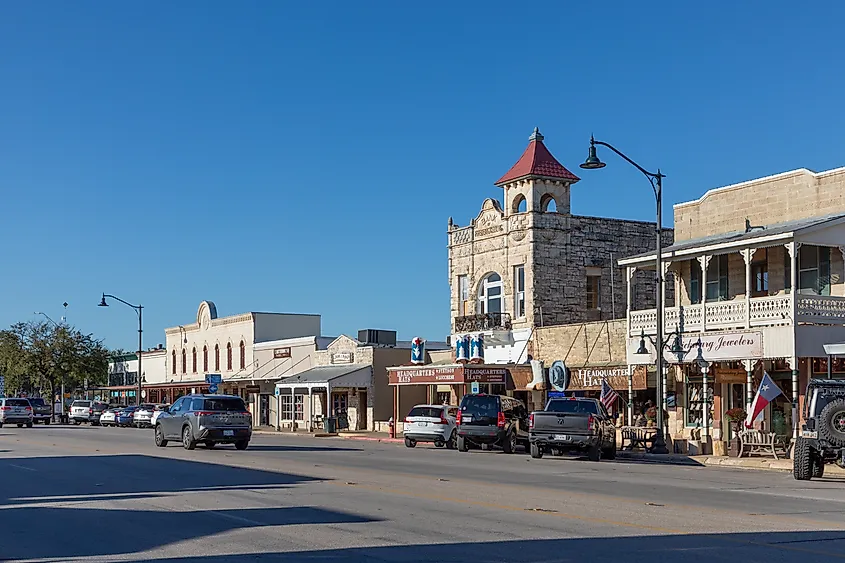
Fredericksburg is a standout weekend destination in the Texas Hill Country between San Antonio and Austin. Renowned for its unique blend of German heritage, wineries, and natural beauty, it is an excellent place to escape big city life for a day or two. This town’s historic Main Street is home to a collection of maintained 19th-century buildings, many of which house locally-owned shops and authentic German eateries, including bakeries, breweries, and restaurants. Head to the Fredericksburg Brewing Company for a cold one and some traditional German eats. In town, hotels like the Peach Tree Inn & Suites offer cozy and affordable accommodations just steps from Main Street.
Wine lovers may be surprised to find Fredericksburg’s surrounding area a top-tier growing region, with dozens of award-winning wineries and tasting rooms along Highway 290, also known as the Wine Road. Visitors can explore the Pioneer Museum to learn about Fredericksburg’s founding or tour the National Museum of the Pacific War, a comprehensive World War II history center. For outdoor adventure, Enchanted Rock State Natural Area is just a short drive away. This park’s massive pink granite dome features hiking trails that conclude at the top with panoramic views of the surrounding countryside.
Fredericksburg, TexasFredericksburg, Texas
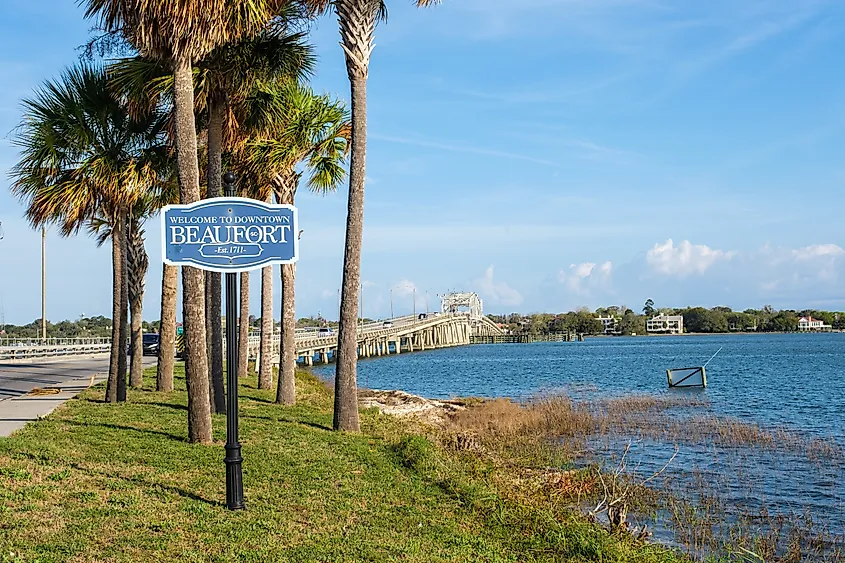
Beaufort is a quintessential southern coastal town with a long-standing history and natural beauty, making it an excellent choice for a weekend escape from nearby Charleston. Its downtown area has been designated a National Historic Landmark District and features a huge collection of well-preserved homes from the antebellum era. One of which is the storied John Mark Verdier House Museum. Another historic landmark worth checking out is the Parish Church of St. Helena, established in 1712.
Henry C. Chambers Waterfront Park provides a serene space to enjoy views of the Beaufort River, often dotted with sailboats and other boaters drifting by. For a more immersive outdoor experience, Hunting Island State Park is a short drive away and offers clean beaches, maritime forests, and a historic lighthouse that you can climb for a top-notch coastline view. Beaufort’s dining scene highlights Lowcountry flavors, with local seafood and Southern-inspired dishes served at beloved establishments like Saltus River Grill and Old Bull Tavern. To stay the night, the Cuthbert House is a beautiful historic hotel near the waterfront downtown.
Beaufort, South Carolina
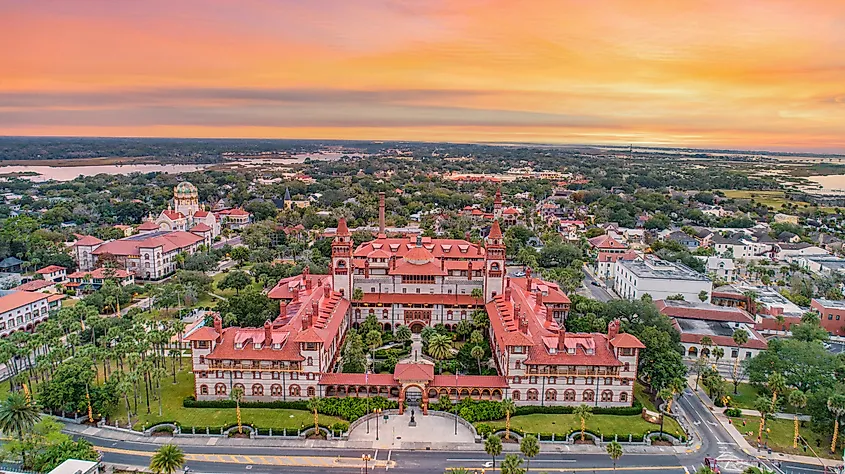
St. Augustine, often called the nation’s oldest city, is ideal for a weekend steeped in history, architecture, and coastal charm. Founded in 1565, it is the oldest European settlement in the United States. It features centuries-old landmarks like the Castillo de San Marcos, a formidable Spanish stone fort overlooking Matanzas Bay. Strolling down St. George Street, you will undoubtedly encounter a lively mix of more historic sites, mom-and-pop shops, and other amenities housed in colonial-era buildings.
For a more unique experience, the St. Augustine Lighthouse & Maritime Museum allows visitors to ascend its spiral staircase for panoramic views of the town and coastline. The town’s coastal setting appeals to all, not just history fans. The serene waters of Anastasia State Park, for example, are just minutes away, offering pristine beaches, nature trails, and opportunities for kayaking or paddleboarding. St. Augustine is home to numerous hotels, inns, and resorts, with reliable chains like Best Western, Holiday Inn, and Hilton, all conveniently located downtown.St. Augustine, often called the nation’s oldest city, is ideal for a weekend steeped in history, architecture, and coastal charm. Founded in 1565, it is the oldest European settlement in the United States. It features centuries-old landmarks like the Castillo de San Marcos, a formidable Spanish stone fort overlooking Matanzas Bay. Strolling down St. George Street, you will undoubtedly encounter a lively mix of more historic sites, mom-and-pop shops, and other amenities housed in colonial-era buildings.
For a more unique experience, the St. Augustine Lighthouse & Maritime Museum allows visitors to ascend its spiral staircase for panoramic views of the town and coastline. The town’s coastal setting appeals to all, not just history fans. The serene waters of Anastasia State Park, for example, are just minutes away, offering pristine beaches, nature trails, and opportunities for kayaking or paddleboarding. St. Augustine is home to numerous hotels, inns, and resorts, with reliable chains like Best Western, Holiday Inn, and Hilton, all conveniently located downtown.
St. Augustine, Florida
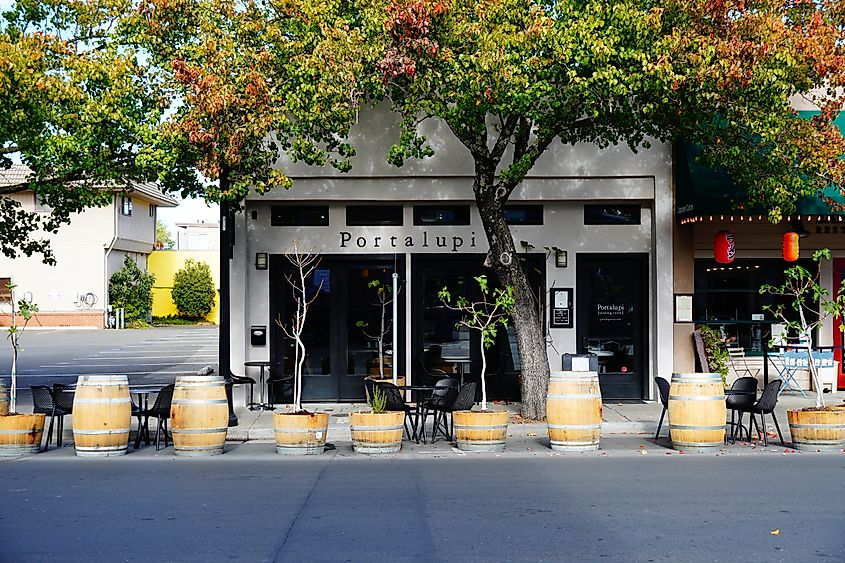
Healdsburg, located in the heart of California’s Sonoma County wine country, about an equal distance from both San Francisco and Sacramento, offers an exceptional weekend getaway with its world-class vineyards, renowned dining scene, and a small-town atmosphere. Wine enthusiasts can explore nearby wineries like Dry Creek Vineyard or Rodney Strong, which are known for their Zinfandels and Pinot Noirs. Healdsburg’s culinary reputation is equally impressive. Restaurants such as SingleThread, a three-Michelin-starred destination, and local favorite Valette showcase the region’s commitment to fresh, locally sourced ingredients.
For a more active outdoor outing, cycling tours through the scenic Russian River Valley and kayaking along the Russian River are popular. Nature lovers will also appreciate the rolling landscapes of the nearby Healdsburg Ridge Open Space Preserve, perfect for a morning hike. If you’re looking to stay for more than a day, Hotel Healdsburg is wonderful accommodation right in the heart of town.
Healdsburg, California
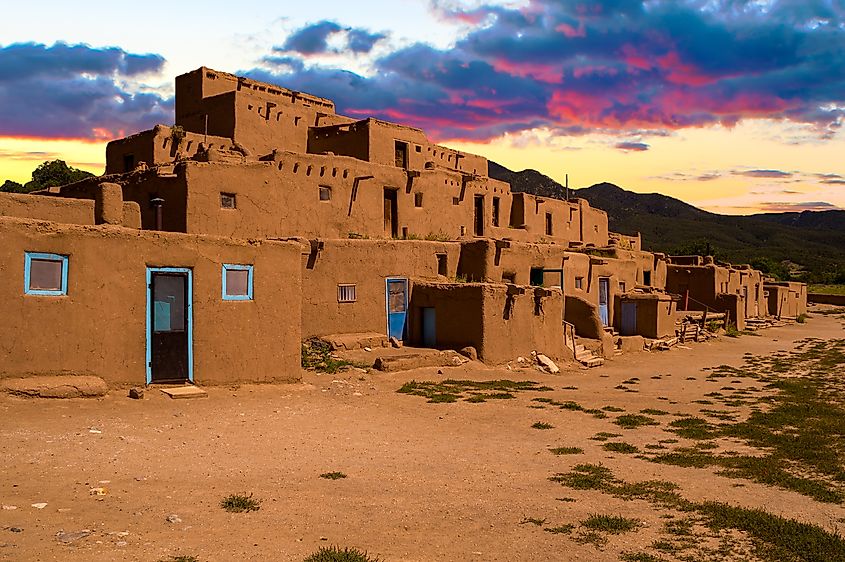
Taos is a vibrant high-desert town and is also one of the oldest towns in America, having been inhabited by natives for hundreds of years prior to European settlement. This unique and fascinating history has led to it being one of the most popular towns in the country to visit for history lovers. Also known for its gorgeous scenery, Taos is surrounded by the Sangre de Cristo Mountains and the Rio Grande Gorge, offering ample opportunities for hiking and other outdoor activities, including hot air ballooning.
One of Taos’ most iconic landmarks is Taos Pueblo, a UNESCO World Heritage Site and one of North America’s oldest continuously inhabited communities. You can take guided tours to learn about its deep cultural and historical significance. For those seeking relaxation, Taos’ hot springs provide a tranquil retreat. Meanwhile, the town’s food scene highlights regional New Mexican flavors, with dishes like green chile stew and tamales available at local favorites like Lambert’s or Ranchos Plaza Grill. One can also spend the night at a Pueblo-style hotel, such as the Hotel La Fonda de Taos.
Taos, Texas
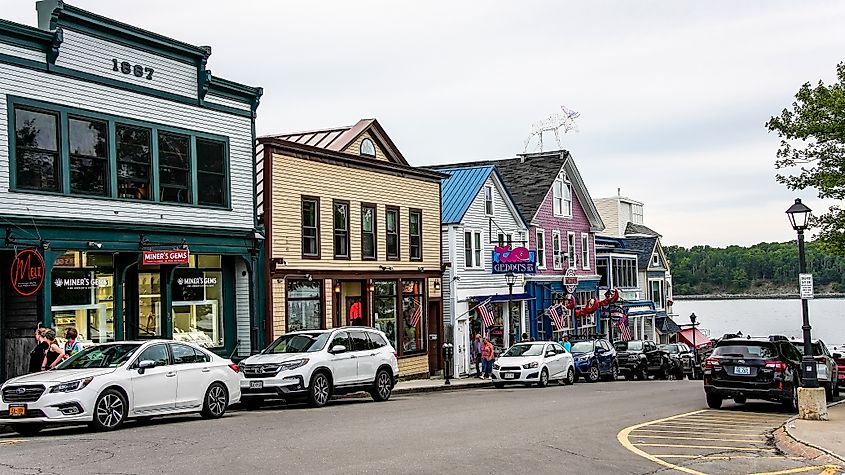
Bar Harbor is the ultimate destination in New England for an escape to the coast, exemplified by its proximity to the iconic Acadia National Park. Located on Mount Desert Island, the town is the main gateway to some of Maine’s most breathtaking scenery. Be sure to hike one of Acadia’s trails, drive the iconic Park Loop Road, or catch the sunrise from Cadillac Mountain—the first place in the United States to see daylight during certain times of the year.
The downtown area of this small town features a bustling collection of shops, art galleries, and seafood restaurants, where you can enjoy some of the best freshly caught lobster or traditional clam chowder in the world. The Shore Path, a scenic walk along Frenchman Bay, provides picturesque views of rocky coastlines, bobbing sailboats, and the Porcupine Islands, a perfect place to catch a sunset after a meal in town. Whale-watching tours and kayaking excursions are other popular activities in Bar Harbor and depart regularly from the harbor, offering a closer look at the region’s marine life. Bar Harbor has much in the way of accommodations, with a huge selection of quaint inns and hotels located downtown, like the Acadia Hotel and The Inn on Mount Desert.
Bar Harbor, Maine
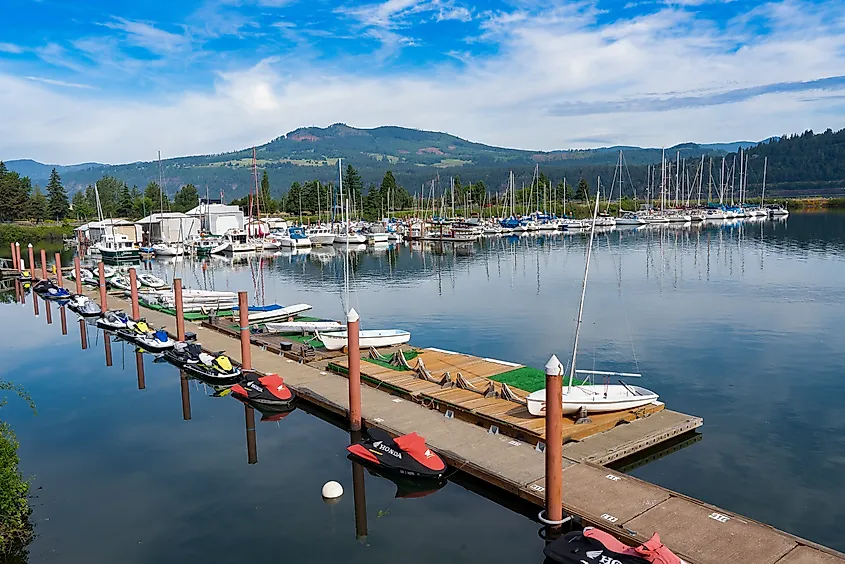
Hood River is an outdoor adventurer’s dream and an idyllic destination for a weekend trip in the Pacific Northwest. Nestled along the Columbia River Gorge, a short drive east of Portland, this town is renowned for its jaw-dropping natural beauty and access to year-round recreation. Here, you can hike to breathtaking waterfalls, such as Multnomah Falls or Wahclella Falls, or explore the scenic Fruit Loop, a 35-mile driving or cycling route dotted with orchards, vineyards, breweries, and farm stands.
Hood River’s location at the banks of the Columbia River also makes it one of the best places in the world for windsurfing and kiteboarding, with equipment rentals and lessons readily available. If hiking or landscape photography is more your jam, then Mount Hood, the tallest (and arguably the most beautiful) peak in Oregon, is a quick trip south of Hood River.
While in town, don’t miss a visit to Full Sail Brewing or Ferment Brewing Company to enjoy a pint made with local ingredients while soaking in views of the nearby river. It is easy to extend your stay in Hood River, too, with accommodations like the Hood River Hotel, which is conveniently located near the center of downtown.
Hood River, Oregon
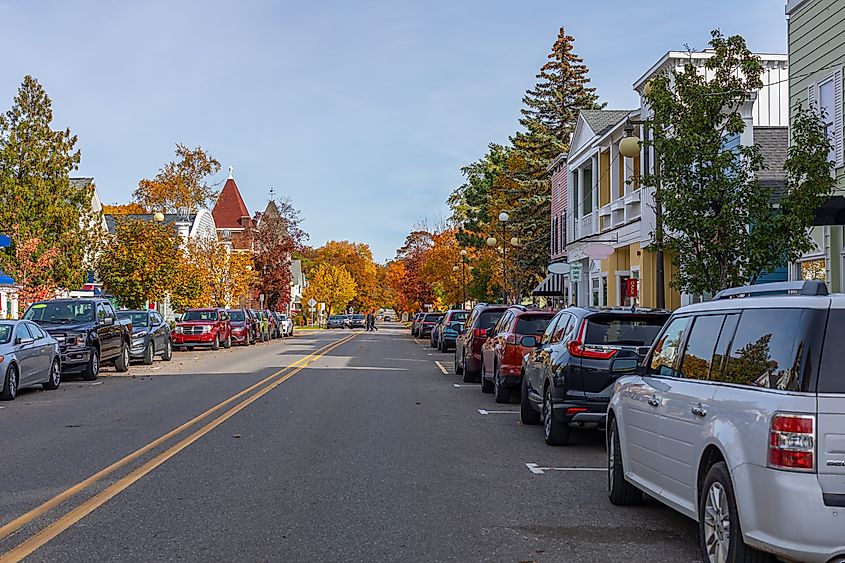
Located along the shores of Little Traverse Bay, Harbor Springs is among the best places to go for a weekend escape into the wilds of northern Michigan. On the way here, try to travel along the Tunnel of Trees, a scenic drive along M-119 lined with dense forests and breathtaking views of Lake Michigan. Once you arrive, you can enjoy water activities like boating, paddling in the bay, or swimming at nearby beaches.
In the heart of Harbor Springs, the downtown area has all that you need for a weekend trip, including outdoor outfitters, restaurants, and hotels like the Colonial Inn. The area is also home to a nice selection of lakeside resorts and other kinds of accommodations, like Otis Harbor Springs just north of town or The Highlands at Harbor Springs, a little more inland. Harbor Springs is also rich in history. For history enthusiasts, The Andrew J. Blackbird Museum, housed in a historic building, provides insight into the region’s Native American heritage. Across the street, the Harbor Springs Area Historical Society is also worth a visit for history buffs.
Harbor Springs, Michigan
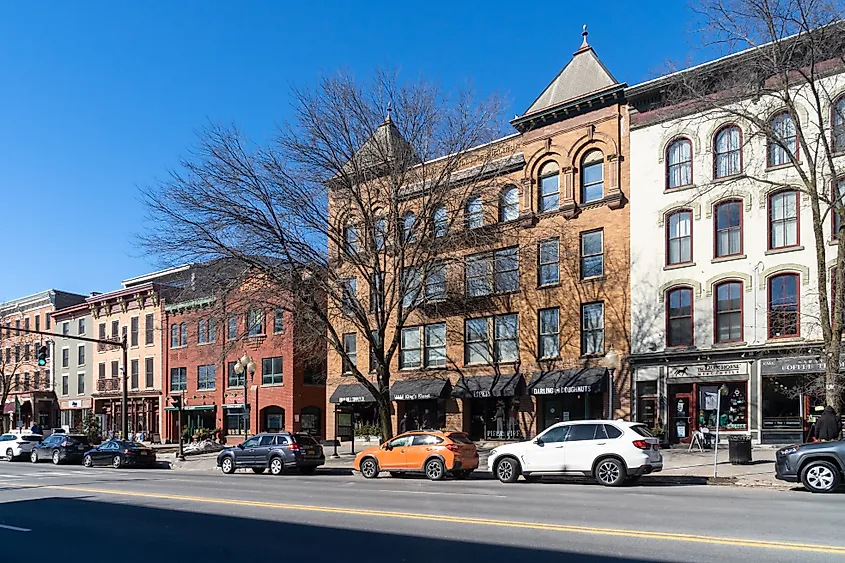
Sitting in upstate New York, about a 3.5-hour drive directly north of New York City, Saratoga Springs draws many with its healing mineral springs, horse racing venues, and other intriguing attractions. Perhaps most famous for the Saratoga Race Course, one of the oldest thoroughbred racetracks in the United States, this town is a hotspot for equestrian culture. Visitors here should take in a race during the summer months or explore the track’s history at the National Museum of Racing and Hall of Fame. Nearby, The Brunswick at Saratoga is a great three-star accommodation in which to spend the night.
Beyond horse racing, Saratoga Springs is renowned for its natural springs, which have drawn visitors seeking their therapeutic waters for centuries. Saratoga Spa State Park is home to several of these mineral springs, where you can indulge in spa treatments or simply relax in the park’s lush woodlands. The scenery is breathtaking in New York’s famous fall season as the leaves turn into a rainbow of brilliant colors. The Saratoga Performing Arts Center (SPAC) hosts various cultural events that are worth experiencing, including performances by the New York City Ballet and the Philadelphia Orchestra.
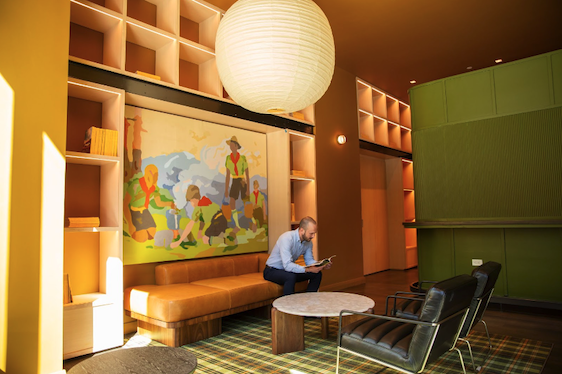
Scout Living, a new hospitality living concept integrated into Atlanta’s acclaimed Ponce City Market, is now officially open. The new concept is from Jamestown – the real estate firm behind current and previous projects including Chelsea Market in New York, Industry City in Brooklyn, Ponce City Market in Atlanta, Ghirardelli Square in San Francisco, the Innovation and Design Buildings in Boston and Lisbon, and Groot Handelsgebouw in Rotterdam.
Featuring 405 one- and two-bedroom units, Scout Living welcomes guests for flexible lengths of stay, from a single night to a week, a month, or longer, and is designed to meet the wants and needs of a new generation of consumers who want greater flexibility in how they live, work, and travel. For digital nomads, film crews, medical professionals and consultants on assignment in Atlanta, vacationers, and more, Scout Living serves as a home away from home. It’s where the convenience and independence of an Airbnb meets the amenities and services of staying at a hotel – all right in the heart of Atlanta’s bustling Old Fourth Ward neighborhood.
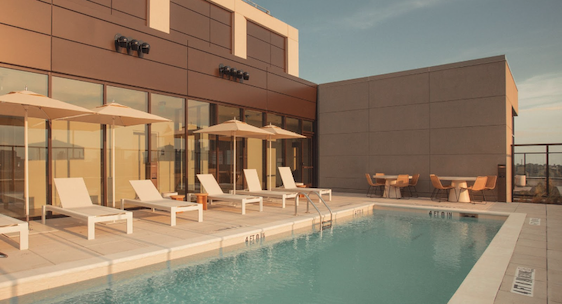
Each fully furnished and serviced unit offers functional minimalism and is complete with a fully equipped kitchen – stocked with cooking essentials, a dishwasher, and wash-dryer combo – plus separate living and sleeping spaces for a comfortable at-home feel. Guests have access to rooftop amenities (like a pool, terrace, wellness studio, and reservable entertaining spaces and a chef’s style kitchen) and services typically found at hotels.
Powered by Placemakr, a leading flex-living operator which optimizes both apartment and hospitality uses for their partners, Scout Living offers an experience designed for ease and provides a fine-tuned and frictionless stay, where hands-off hospitality provides guests with flexibility through virtual check-in anytime, keyless locks, and 24/7 access to building and tech support. Guests have access to food delivery, services, and goods at the touch of a button, as well as private Wi-Fi networks, which reach throughout the building. Laundry and dry-cleaning services, restocking of necessities for longer stays, housekeeping, and more are also available.
Scout Living guests also have next door access to Ponce City Market, the Atlanta Beltline, and the surrounding Old Fourth Ward neighborhood. At Ponce City Market, guests can find world-class food and retail offerings, modern medical providers One Medical and Tend Dental, and wellness studios CorePower Yoga, Do Not Disturb, Sweat EXT, and Forum Athletic Club. Scout Living’s building itself features 12,000 square feet of retail with 21-foot ceilings on the ground floor, which will be occupied by Necessary Purveyor, a restaurant and gourmet market.
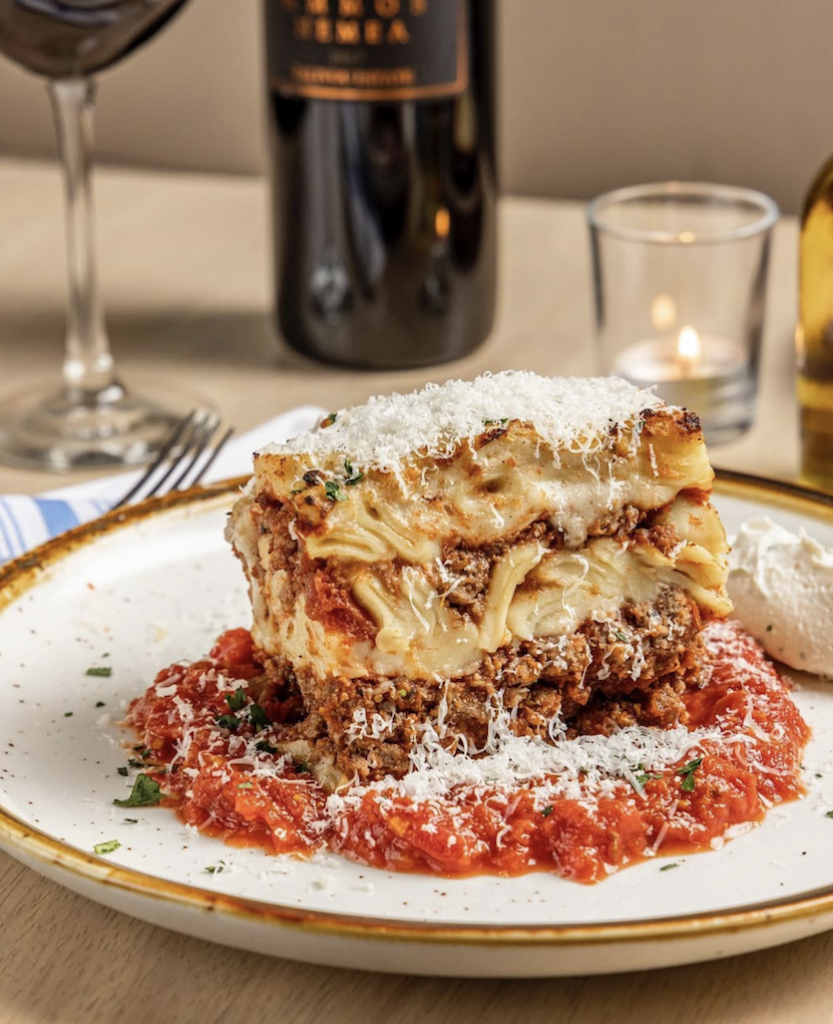
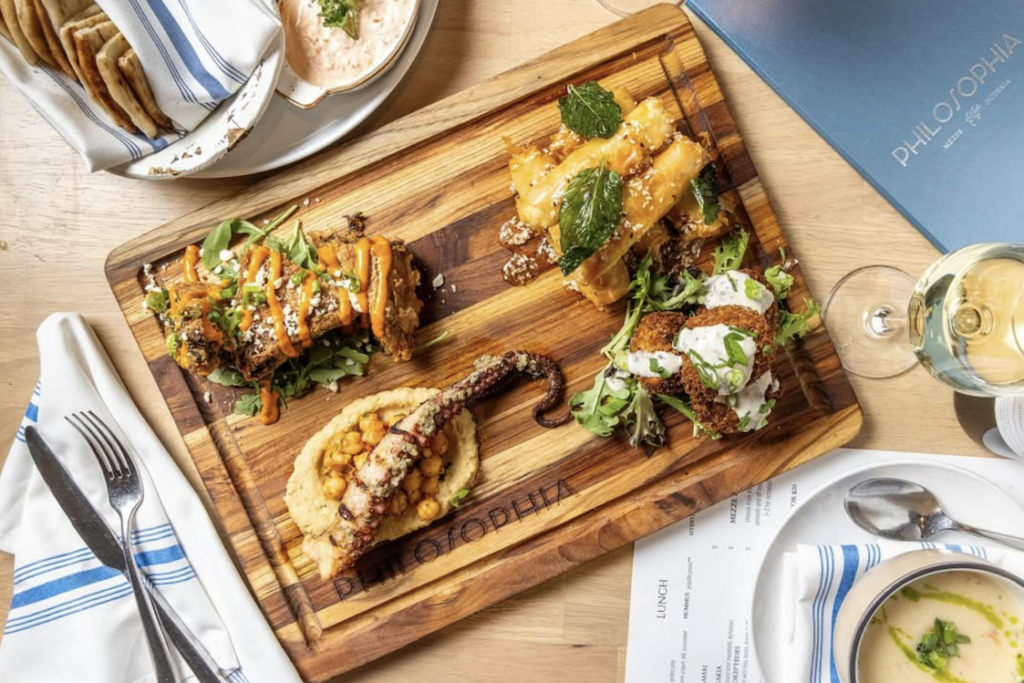
Philosophia, located at 909 Houston Northcutt Blvd (Whole Foods Plaza), is a reason to celebrate Greek/Mediterranean cuisine in the Lowcountry.
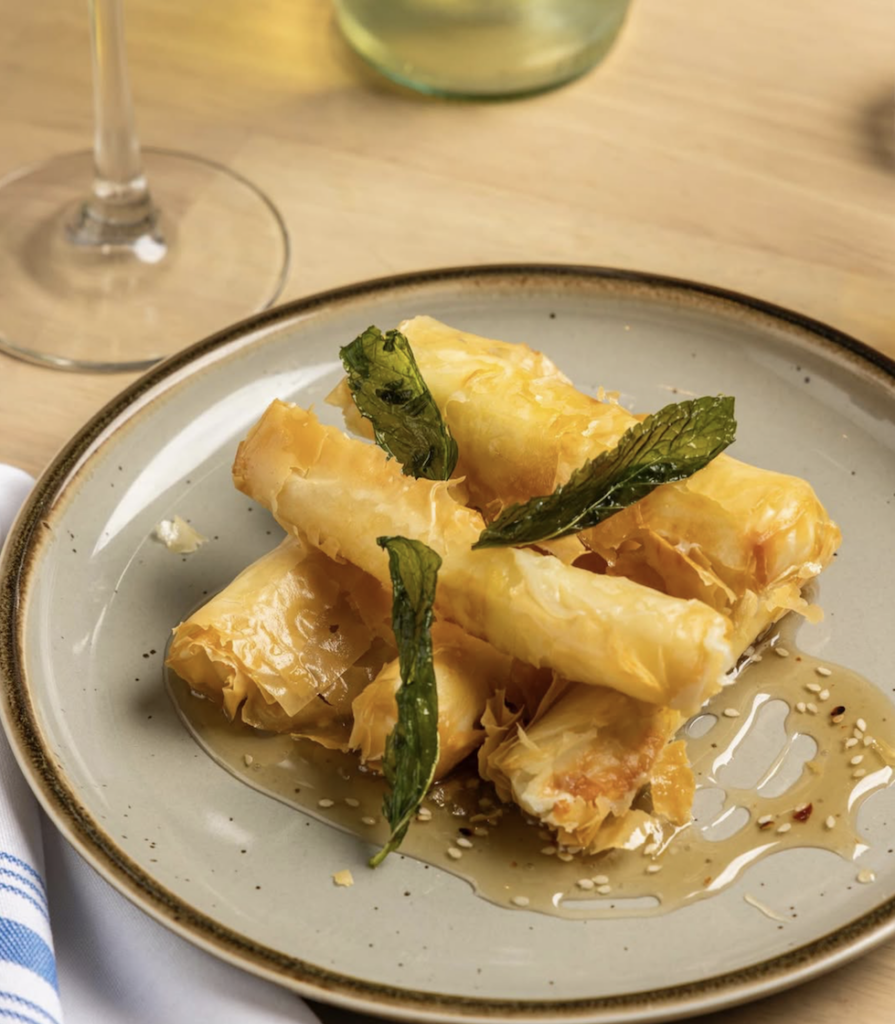
Dining at Philosophia is like stepping into a Mediterranean culinary dream. You won’t feel the ancient wonders of the coliseum or bask in the transparent teal waters off the coast, but if you close your eyes as you bite into the Tyropita (marinated feta cheese wrapped in phyllo and fried with sesame and honey), you will sense the breeze as you sit on your villa overlooking the sea as the warmth of the sun bronzes your skin.
That is what Philosophia will do for you!
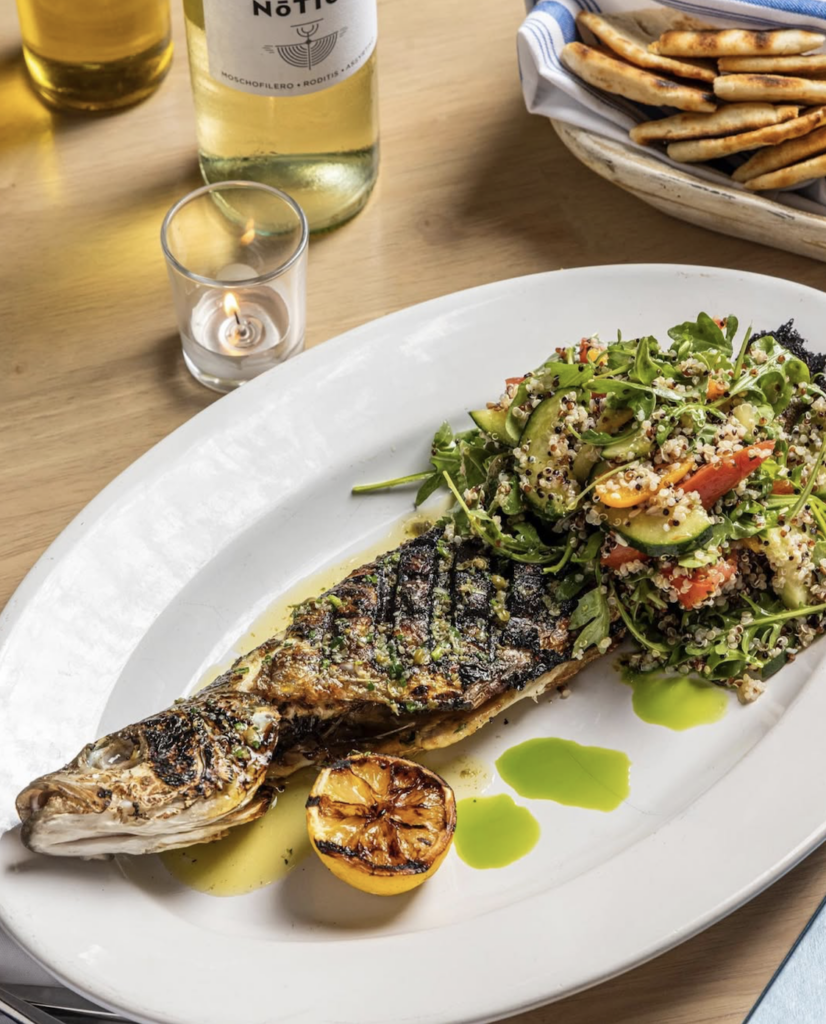
There is an exquisite authenticity to the thoughtfully curated menu and wine offerings that respect tradition while offering intensely beautiful flavors. A few dishes that will warm your palate and leave you with complete satisfaction include:
Whole Branzino – Head on, bone-in, char-grilled 1 ½ lb “Mediterranean sea bass” with lemon – herb EVOO and quinoa salad
Braised Lamb Shank – Sweet potato skordalia, mint gremoulata
The cocktail and wine menu compliments the dishes so well with an international blend of wines from Greece, Austria, Spain, Italy, Turkey and domestic.
The night cannot be complete without sharing an indulgent piece of baklava. Mercy!
From the moment you walk in, there is a sense of family and celebration with vibrant conversations, laughter and charm. There is a true Western European feel whether your party is coming in for a large group occasion, date night or a casual drink at the bar.
We were also so pleased with the service, which was exceptionally inviting, professional and attentive to our needs.
It was a treat to dine at Philosophia and expect many more satisfying returns.

 by
by