Charleston Daily is a concept in community. Its mission is to promote, assist, and celebrate in everything Charleston, South Carolina. By partnering with businesses, community leaders, volunteers and events, we are spreading the love that is Charleston.
As this city continues to grow and prosper, we want to help spread the message to all about how wonderful this community is.
Charleston is about the people, community, water, land, history, heritage and the true southern warmth it brings with each and every day.
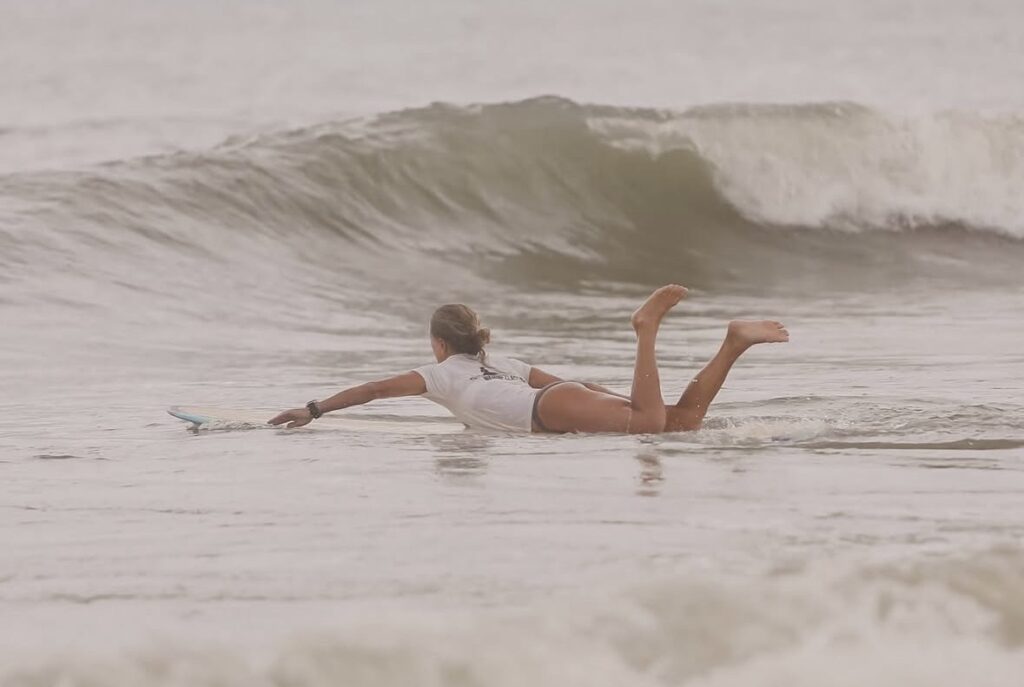
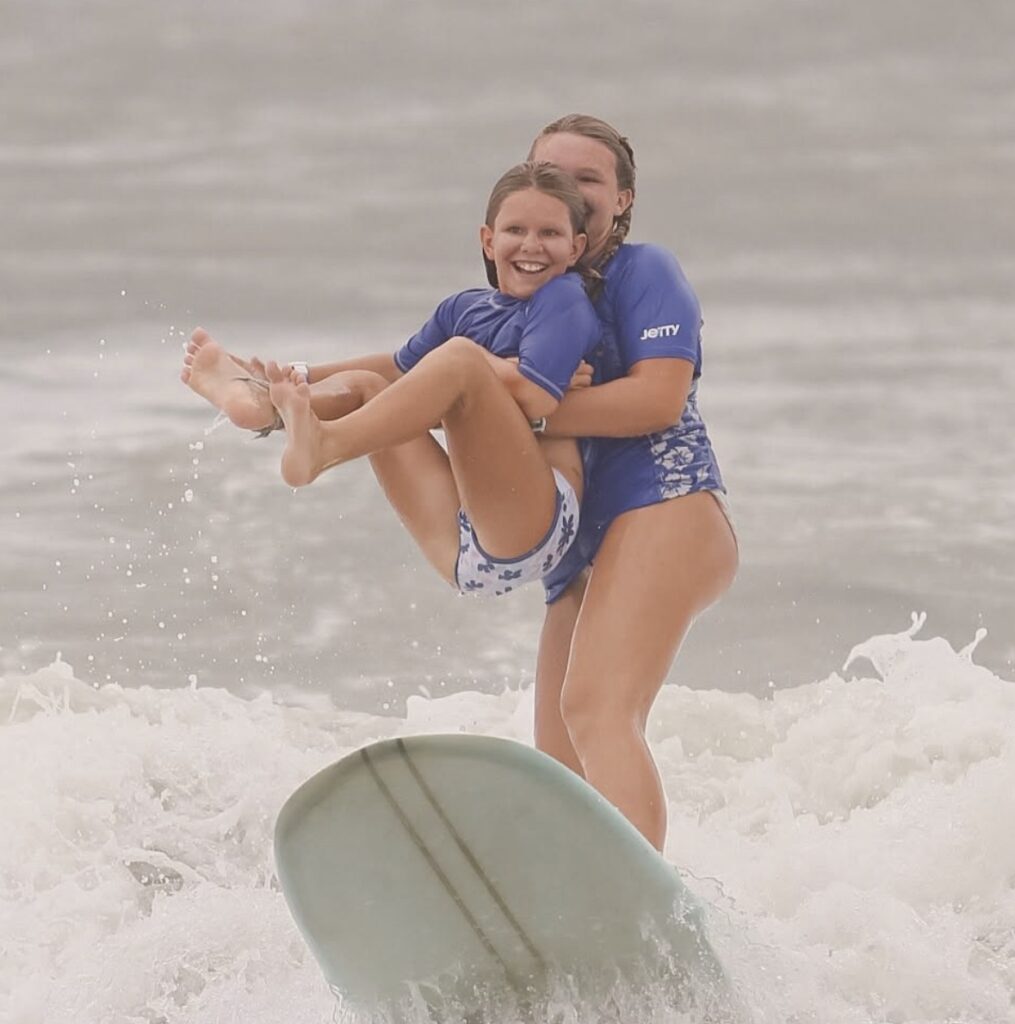
The waves are calling once again as one of the Lowcountry’s most beloved summer traditions returns to the Edge of America. The 24th Annual Folly Beach Wahine Classic will take place Saturday, July 25, and Sunday, July 26, 2026, bringing hundreds of female surfers, their families, and spectators to the famed Washout on Folly Beach for a weekend celebrating athleticism, community, and the ocean.
Now entering its 24th year, the Wahine Classic has grown into the largest all-female nonprofit surfing competition on the East Coast and remains South Carolina’s only all-women’s surf contest. The event has become a hallmark of the Charleston summer, drawing nearly 250 competitors from across the United States, ranging from first-time young surfers to seasoned wave riders.
“Wahine,” the Hawaiian word for woman, perfectly captures the spirit of the event. While competition is certainly part of the weekend, the heart of the Wahine Classic lies in its mission of empowering women and girls through surfing while fostering mentorship, friendship, and confidence both in and out of the water.
More Than a Surf Contest
For spectators, the Wahine Classic offers far more than watching surfers carve through Folly’s famous breaks.
The Washout transforms into a vibrant gathering place where beachgoers can experience the welcoming culture that has made Folly Beach one of the Southeast’s premier surf destinations. Families spread out beach chairs, photographers line the shoreline, and cheers echo across the surf as competitors tackle the Atlantic swells.
Admission is free, making it one of the best family-friendly events of the summer on the South Carolina coast. Competition begins each morning around 7:30 a.m., with heats running throughout the day depending on surf conditions.
As a registered nonprofit organization, proceeds and donations from the event help support several organizations dedicated to ocean conservation, adaptive surfing, and women’s empowerment. Beneficiaries include the Warrior Surf Foundation, Surfers Healing, Waves 4 Women, She’s On Edge, the Charleston Surfrider Foundation, and the Lowcountry Marine Mammal Network.
The event also continues its commitment to environmentally responsible practices by promoting sustainability and encouraging beach stewardship throughout the weekend.
A Signature Folly Beach Tradition
For many Charleston-area residents, the Wahine Classic has become as much a part of summer as sunsets over the Morris Island Lighthouse and afternoons on Center Street.
Whether you’re a lifelong surfer or someone simply looking to enjoy an unforgettable weekend by the ocean, the event showcases the welcoming, laid-back spirit that has long defined Folly Beach.
Visitors are encouraged to arrive early, bring sunscreen, plenty of water, and be prepared for a full day of exciting competition at one of the East Coast’s most iconic surf breaks.
As hundreds of women paddle into the Atlantic this July, they’ll continue a tradition nearly a quarter-century in the making—one built on courage, camaraderie, and the simple joy of riding a wave.
The 24th Annual Folly Beach Wahine Classic promises another memorable weekend where competition meets community, proving once again that some of the strongest waves are the ones that bring people together.
Life in Charleston is beautiful, but even paradise can begin to feel routine. Sometimes all you need is a tank of gas, a playlist, and a destination that reminds you how much there is to discover just beyond the city limits.
Whether you’re planning a romantic getaway with your significant other or a fun-filled family adventure, these five destinations are close enough to enjoy in a single day but far enough away to feel like a true escape.
1. Beaufort – Southern Charm at a Slower Pace
Drive Time: Approximately 90 minutes
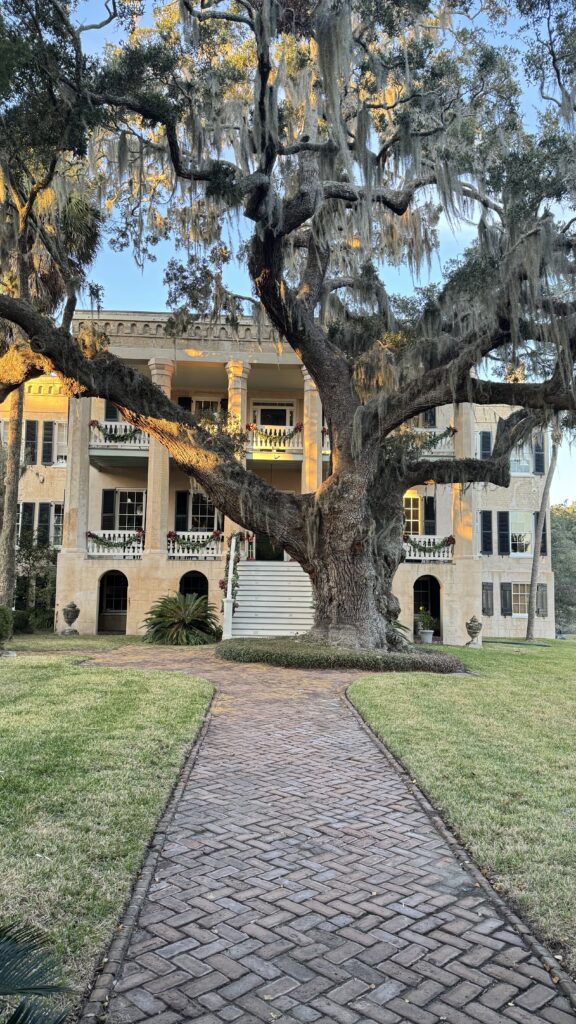
Few places capture the essence of the Lowcountry quite like Beaufort. Moss-draped live oaks shade historic streets lined with antebellum homes, waterfront parks invite leisurely strolls, and the pace of life feels refreshingly unhurried.
Spend the morning exploring the charming downtown before grabbing lunch at one of the waterfront restaurants overlooking the Beaufort River. Families can visit the nearby beaches at Hunting Island State Park, while couples may enjoy simply wandering the historic district hand in hand.
Don’t miss:
Henry C. Chambers Waterfront Park
Historic downtown shopping
Hunting Island State Park
Kayak or dolphin tours
It’s Charleston’s quieter cousin—and that’s exactly its appeal.
Beaufort, SC
2. Georgetown – South Carolina’s Hidden Coastal Treasure
Drive Time: About 90 minutes
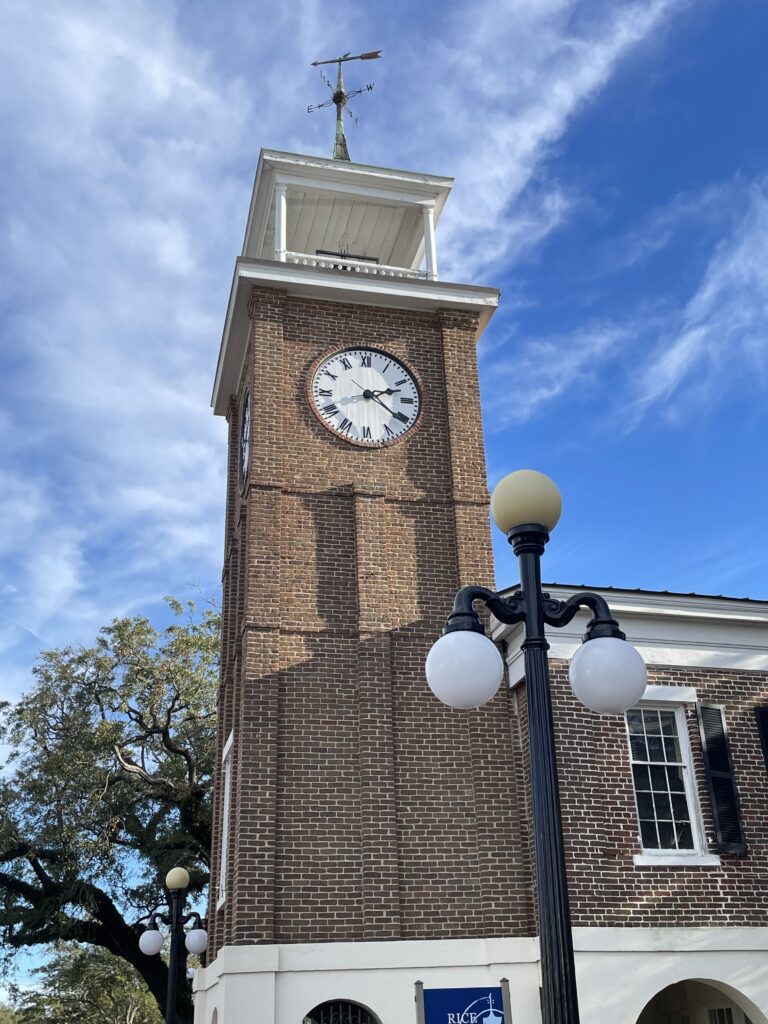
Often overshadowed by Charleston and Myrtle Beach, Georgetown is one of South Carolina’s oldest and most charming communities.
The Harborwalk offers sweeping views of Winyah Bay, while boutique shops, art galleries, and seafood restaurants make downtown easy to explore on foot.
Families will enjoy the maritime history and waterfront atmosphere, while couples can relax over fresh seafood as shrimp boats drift through the harbor.
Highlights include:
Harborwalk
Rice Museum
Historic Front Street
Boat tours
You’ll leave wondering why more people don’t talk about Georgetown.
Georgetown, SC
3. Edisto Beach – A Quiet Escape to Nature
Drive Time: About 75 minutes
If Folly Beach feels crowded, Edisto offers an entirely different experience.
This laid-back barrier island has resisted large-scale development, making it one of the state’s most peaceful coastal destinations.
Spend the day shell hunting, biking beneath maritime forests, or relaxing on uncrowded beaches. Kids love searching for crabs and wildlife, while adults appreciate the slower rhythm and natural beauty.
Don’t miss:
Edisto Beach State Park
Botany Bay Heritage Preserve
Scenic bike paths
Fresh seafood restaurants
It’s the kind of place where time seems to slow down.
4. Cypress Gardens – Nature’s Cathedral
Drive Time: About 45 minutes
If you’ve ever wanted to paddle through a fairy tale, Cypress Gardens delivers.
Blackwater trails wind through towering cypress trees draped in Spanish moss, creating one of the most photogenic landscapes in the South. It’s no surprise the gardens have appeared in numerous films and television productions.
Families enjoy the butterfly house, reptile exhibits, and nature trails, while couples often find the flat-bottom boat rides incredibly romantic.
Things to enjoy:
Self-guided boat rides
Walking trails
Butterfly House
Birdwatching
Photography
Every season offers something different, making repeat visits worthwhile.
5. Santee State Park – Lakes, Wildlife, and Open Skies
Drive Time: About 90 minutes
For those craving wide-open spaces, Santee State Park provides a refreshing change of scenery.
Located along Lake Marion, South Carolina’s largest lake, the park offers hiking, fishing, kayaking, wildlife viewing, and picnic areas perfect for a family outing.
You may spot bald eagles, deer, turtles, and countless bird species while enjoying miles of shoreline.
Activities include:
Hiking trails
Fishing
Kayaking
Nature photography
Lakeside picnics
It’s one of the easiest ways to leave city life behind for a day.
Sometimes the Best Vacation Is Only an Hour Away
One of the greatest advantages of living in Charleston is that so many incredible destinations lie just beyond the bridges and highways. Historic towns, untouched beaches, winding rivers, ancient forests, and sparkling lakes are all within easy reach.
Whether you’re reconnecting with your family, celebrating a special occasion with someone you love, or simply looking to recharge, these day trips offer a reminder that adventure doesn’t always require a plane ticket or a long vacation.
Sometimes the perfect escape is simply taking a different road for the day—and returning home with new memories before sunset.
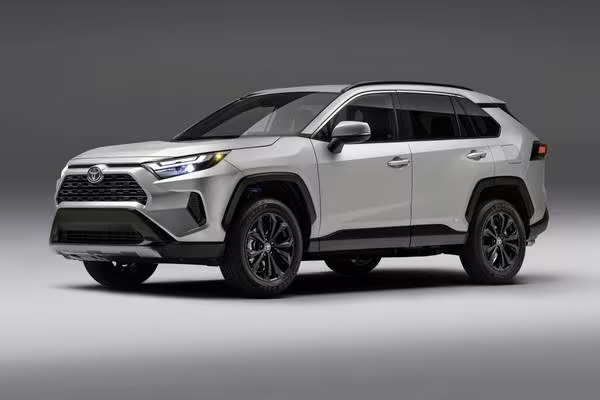
South Carolinians have long favored vehicles that combine reliability, practicality, and value. Whether navigating Charleston’s historic streets, commuting through Columbia, or heading into the mountains or to the coast, buyers continue to gravitate toward SUVs and pickup trucks. While South Carolina does not publish official statewide rankings by manufacturer every month, vehicle registration data and industry sales trends provide a clear picture of which brands dominated new vehicle sales throughout 2025 and into 2026.
1. Toyota
Toyota has emerged as South Carolina’s strongest-selling automotive brand thanks to its reputation for dependability, fuel efficiency, and high resale values.
Popular models include:
Toyota RAV4
Toyota Tacoma
Toyota Camry
Toyota Highlander
The RAV4 has frequently ranked among the state’s most-registered new vehicles, while the Tacoma continues to be one of the Southeast’s favorite midsize pickups. Hybrid versions of both models have also gained popularity as fuel prices remain a consideration for many buyers.
2. Honda
Honda continues to be one of South Carolina’s most trusted brands. The Honda CR-V has consistently ranked among the state’s top-selling individual vehicles thanks to its excellent reliability, strong fuel economy, and family-friendly interior.
Other popular models include:
Honda CR-V
Honda Civic
Honda Accord
Honda Pilot
In several national registration studies, the CR-V has either ranked first or second among all vehicles purchased in South Carolina.
3. Ford
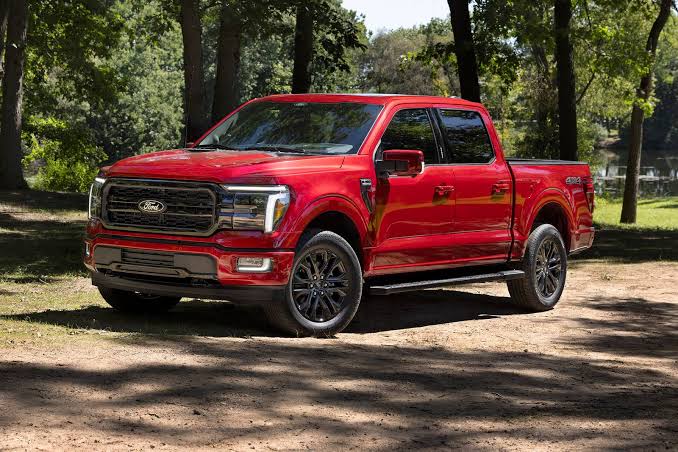
Ford remains the state’s pickup truck leader and continues to attract buyers from both urban and rural communities.
Best-selling models include:
Ford F-150
Ford Maverick
Ford Explorer
Ford Bronco
The F-150 remains America’s best-selling vehicle overall and continues to rank among South Carolina’s three most popular new vehicles. The compact Maverick has also become increasingly popular with buyers looking for truck capability in a smaller package.
4. Chevrolet
Chevrolet maintains strong sales through its combination of trucks, SUVs, and affordable crossovers.
Top sellers include:
Chevrolet Silverado 1500
Chevrolet Equinox
Chevrolet Trax
Chevrolet Tahoe
The Silverado remains one of South Carolina’s most-registered pickup trucks, while the redesigned Trax has become one of Chevrolet’s fastest-growing vehicles nationally.
5. Hyundai
Hyundai continues to gain market share throughout South Carolina by offering long warranties and competitive pricing.
Most popular models:
Hyundai Tucson
Hyundai Santa Fe
Hyundai Elantra
Hyundai Palisade
Its SUV lineup has been particularly attractive to families seeking premium features without luxury-brand prices.
6. Kia
Kia has transformed into one of America’s fastest-growing manufacturers, and South Carolina reflects that trend.
Leading models include:
Kia Sportage
Kia Telluride
Kia K4
Kia Sorento
The Telluride remains one of the most sought-after midsize SUVs, while the new K4 sedan has helped Kia strengthen its passenger car lineup.
7. Nissan
Nissan remains a consistent performer across the Palmetto State.
Popular choices:
Nissan Rogue
Nissan Sentra
Nissan Frontier
Nissan Altima
The Rogue continues to be the brand’s strongest seller among South Carolina buyers looking for affordable compact SUVs.
8. GMC
Although GMC sells fewer vehicles than Chevrolet, its premium truck and SUV lineup has built a loyal following.
Best-selling models:
GMC Sierra
GMC Yukon
GMC Acadia
The Sierra remains especially popular with truck buyers seeking upscale interiors.
9. Jeep
South Carolina’s outdoor lifestyle continues to support strong Jeep sales.
Popular models include:
Jeep Wrangler
Jeep Grand Cherokee
Jeep Compass
The Wrangler remains a favorite for beach driving, camping, and weekend adventures.
10. Subaru
Subaru has steadily expanded its customer base in South Carolina.
Best-selling models:
Subaru Outback
Subaru Forester
Subaru Crosstrek
Standard all-wheel drive and strong safety ratings continue to attract active families and retirees alike.
South Carolina’s Most Popular Individual Vehicles
Across 2025 and the first half of 2026, these vehicles consistently appeared near the top of South Carolina registration rankings:
Toyota RAV4
Honda CR-V
Ford F-150
Chevrolet Silverado 1500
Toyota Tacoma
Buying Trends for 2026
Several trends continue to shape South Carolina’s automotive market:
SUVs now account for nearly 60% of new vehicle purchases in the state.
Pickup trucks represent roughly one in five new vehicle sales.
Traditional passenger cars continue to decline as buyers shift toward crossovers.
Hybrid models are seeing strong growth, while fully electric vehicle adoption remains relatively modest compared with the national average.
The Bottom Line
Toyota and Honda currently lead South Carolina’s passenger vehicle market, with the Toyota RAV4 and Honda CR-V battling for the state’s top-selling vehicle. Ford remains the dominant truck brand thanks to the F-150, while Chevrolet, Hyundai, Kia, Nissan, and GMC continue to post strong sales across multiple vehicle segments.
The biggest takeaway from 2025 and 2026 is that South Carolina buyers continue to prioritize reliability, versatility, and long-term value. Compact SUVs and full-size pickup trucks remain the vehicles of choice, reflecting both the state’s diverse geography and practical lifestyle.
$38.92 million investment will create 108 new jobs
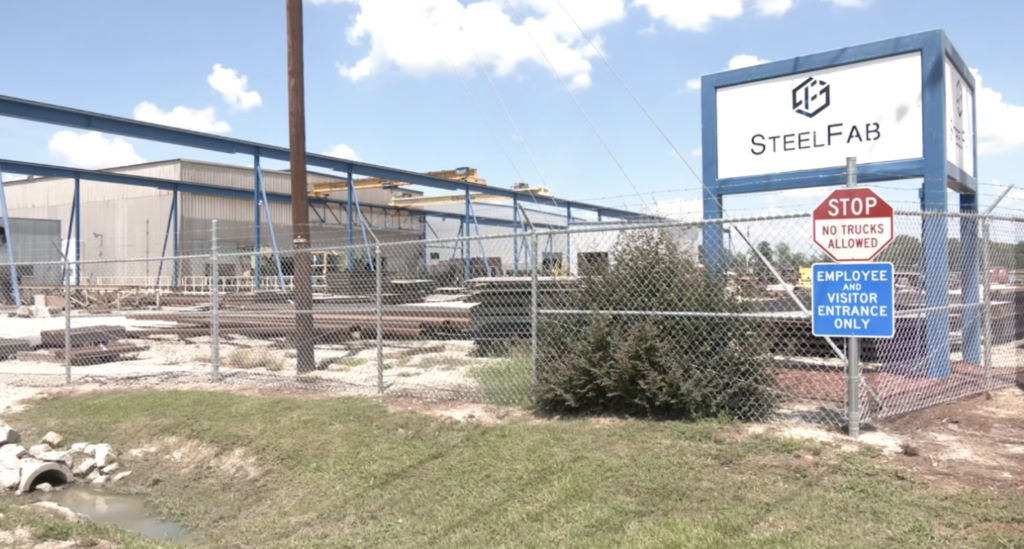
COLUMBIA, S.C. — SteelFab, Inc. (SteelFab), a leader in the steel fabrication industry, today announced it is expanding its operations in Florence County. The company’s $38.92 million investment will create 108 new jobs.
Founded in 1955, SteelFab opened its first South Carolina fabrication plant in 1988. The company has 35 locations across the United States, including office and manufacturing facilities in Charleston, Florence and Rock Hill.
SteelFab’s new facility, located at 500 Freedom Blvd. in Florence, will produce fabricated steel parts for U.S. naval defense purposes.
Operations are expected to be online in September 2027. Individuals interested in joining the SteelFab team should apply in person at the company’s existing Florence facility (1220 Steel Road) or visit its careers page.
The Coordinating Council for Economic Development approved job development credits related to the project. The council also awarded a $300,000 Set-Aside grant to Florence County to assist with the costs of site preparation and building construction.
QUOTES
“This investment represents SteelFab, Inc.’s largest capital expansion at its Florence facility since opening in 1988. For nearly four decades, we have been proud to call Florence home — a community that has supported our growth and success every step of the way. This $38.92 million investment, which includes new construction and facility enhancements, will create 108 new jobs while strengthening America’s defense industrial base and reinforcing the critical supply chain that supports our nation’s security.” -SteelFab, Inc. COO Rob Rutherford
“With the addition of 108 new jobs, SteelFab’s expansion in South Carolina demonstrates the strength of our state’s manufacturing capabilities. We look forward to the company’s continued success in Florence County as South Carolina continues to reinforce the United States’ national security and defense industries.” -Gov. Henry McMaster
“We are proud to support SteelFab as it expands its manufacturing operations in Florence County. The company’s $38.92 million investment in the Pee Dee region is a win for one of South Carolina’s most impactful economic sectors.” -Secretary of Commerce Harry M. Lightsey III
“This project is a win on every level — creating quality jobs, generating new investment and contributing to the America’s defense industrial base. Their commitment to investing in our community speaks volumes about the strength of our workforce and business environment.” -Florence County Council Chairman Jerry Yarborough
“SteelFab’s commitment to Florence County is a testament to the long-term success businesses can achieve when investing and growing in northeastern South Carolina. Congratulations to SteelFab and Florence County on this exciting expansion creating 108 new jobs and supporting the U.S. defense industry.” -NESA Executive Committee Chairman Yancey McGill
SteelFab, Inc. (SteelFab) is expanding its operations in Florence County.
The company’s $38.92 million investment will create 108 new jobs.
SteelFab is a leader in the steel fabrication industry.
The company’s new facility will be located at 500 Freedom Blvd. in Florence, S.C.
Individuals interested in joining the SteelFab team should apply in person at the company’s existing facility in Florence (1220 Steel Road) or visit its careers page.
Multi-million-dollar investment will create over 50 new jobs
COLUMBIA, S.C. — Detpak USA (Detpak), a global packaging supplier supporting quick-service restaurant (QSR), food service, fast-moving consumer goods (FMCG) and retail customers, today announced it selects Spartanburg County for its first U.S. manufacturing operation. The company’s multi-million-dollar investment will create over 50 new jobs during its initial phase.
Formed in 1981, Detpak is a subsidiary of Detmold Group (Detmold), an Australian company that produces premium packaging solutions. Detpak and Detmold have an international footprint; the companies sell into 45 countries and have manufacturing operations in eight. Detmold also has two existing U.S. sales operations in Los Angeles and Tampa, Florida.
Detpak’s new, approximately 175,000 square-foot production facility, located at2781 New Cut Road in Spartanburg, will support the company’s North American market growth and utilize both imported and locally sourced raw materials from existing suppliers.
Operations are expected to be online in August 2026. Individuals interested in joining the Detpak team should visit the company’s careers page.
The Coordinating Council for Economic Development awarded a $100,000 Set-Aside grant to Spartanburg County to assist with the costs of building improvements.
QUOTES
“As we continue to grow our global footprint, opening our own manufacturing facility in the United States is a key milestone for our business. It allows us to better support our customers with locally manufactured products and reinforces our commitment to the U.S. market where we have been supplying customers for over 20 years. We’re focused on building long-term partnerships and delivering the same level of service, innovation and reliability that our customers experience globally. We’re proud to be investing in the Spartanburg community and creating new employment opportunities in South Carolina.” -Detmold Group CEO Sascha Detmold Cox
“With the addition of over 50 new jobs in Spartanburg County, Detpak’s decision to open its first American manufacturing plant in the Upstate is a win for South Carolina. We are proud to welcome Detpak and look forward to the company’s continued success in our state.” -Gov. Henry McMaster
“Congratulations to Detpak on its decision to launch its first U.S. manufacturing operation in the Palmetto State. Detpak’s multi-million-dollar investment in Spartanburg County demonstrates the continued business-friendly reputation of South Carolina.” -Secretary of Commerce Harry M. Lightsey III
“Inland Port Greer is a critical link for manufacturers in the Southeast, providing seamless connectivity to the Port of Charleston and efficient operations to ensure port-dependent businesses remain competitive. SC Ports looks forward to working with Detpak, and congratulates the company on its expansion to the U.S.” -SC Ports President and CEO Micah Mallace
“Detpak, a division of Detmold Group, is bringing a new dimension to Spartanburg County’s manufacturing sector while delivering high-quality jobs for our residents. As Detpak’s first U.S. facility, their decision to locate here reflects the confidence they have in our community — both as a place where their business and their associates can thrive. This is a powerful testament to the strength and appeal of our Spartanburg community. On behalf of county council, we are excited to welcome Detpak and look forward to a long and prosperous partnership.” -Spartanburg County Council Chairman Manning Lynch
“We’re excited to welcome Detpak to the Upstate. The company’s selection validates the region as a strong location for doing business, especially by companies in the food and beverage manufacturing and packaging industries. We look forward to seeing them grow.” -Upstate SC Alliance President and CEO John Lummus
FIVE FAST FACTS
Detpak USA (Detpak) selects Spartanburg County for its first U.S. manufacturing operation.
The company’s multi-million-dollar investment will create over 50 new jobs in its initial phase.
Detpak is a global packaging supplier supporting quick-service restaurant (QSR), food service, fast-moving consumer goods (FMCG) and retail customers.
The company will be located at 2781 New Cut Road in Spartanburg, S.C.
Individuals interested in joining the Detpak team should visit the company’s careers page.
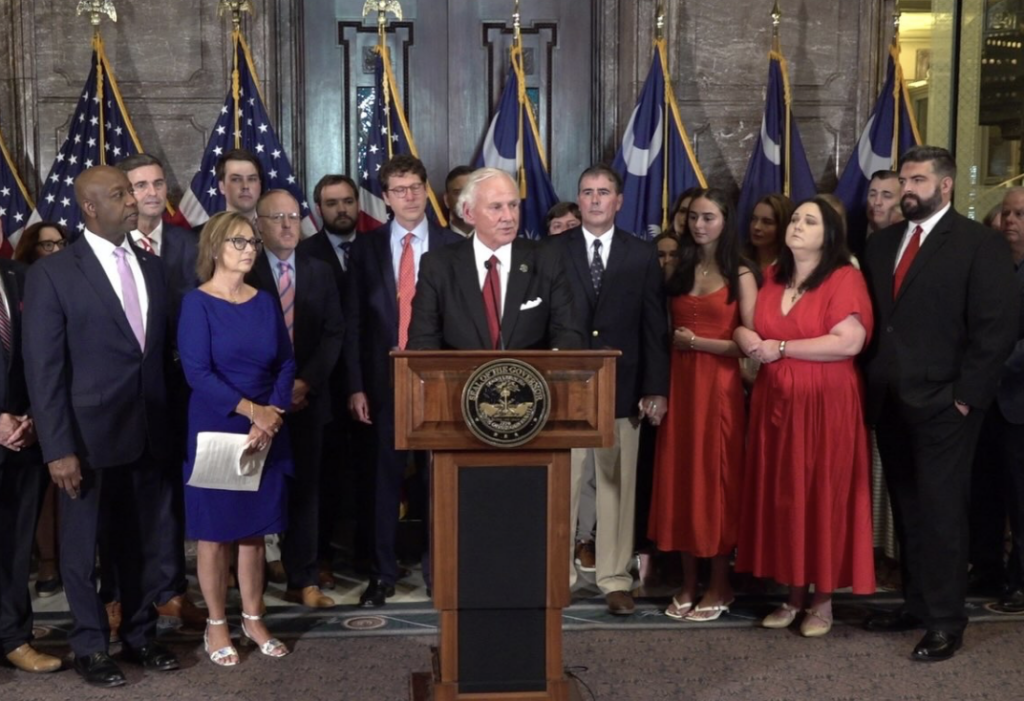
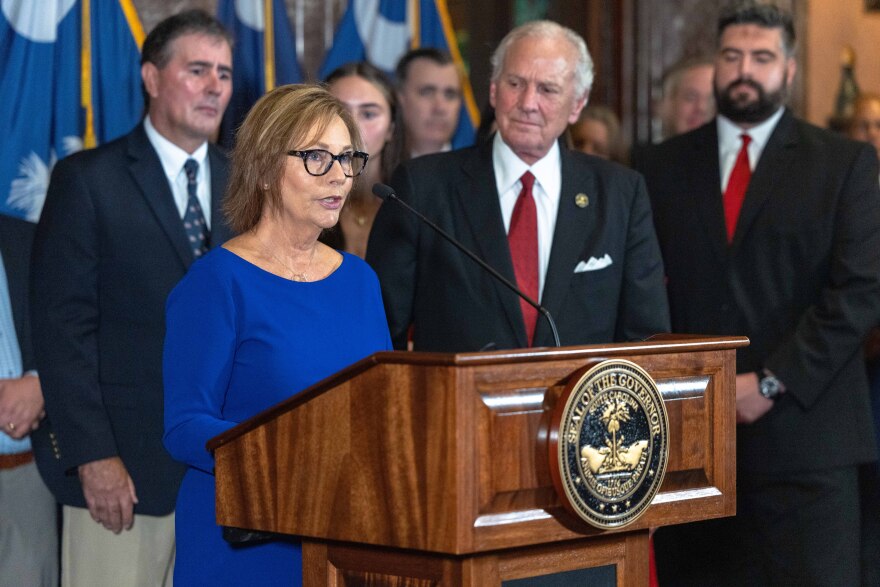
COLUMBIA, S.C. — Governor Henry McMaster today announced the appointment of Darline Graham to the United States Senate to fill the vacancy created by the passing of U.S. Senator Lindsey Graham. Ms. Graham will be the first woman to represent South Carolina in the U.S. Senate.
Darline Graham, a native of Central, S.C., has dedicated her career to public service. Since 2019, she has served as Commissioner of the South Carolina Commission for the Blind, where she has worked to expand opportunities for South Carolinians who are blind or have low vision to achieve employment and independence.
“Lindsey Graham recognized the greatness of America, the seriousness of his work, and also the value of human and lighthearted spirit. He understood the hopes, dreams, and needs of his state and delivered for his state every time,” said Governor McMaster. “Today, under the law, it is my duty and honor to name someone to serve in the place of this extraordinary man for the remainder of his term. It is my honor to ask his little sister, Darline, to finish his work.”
Prior to her appointment as Commissioner, Ms. Graham held roles with Clemson University, the South Carolina Department of Employment and Workforce, and the South Carolina Department of Vocational Rehabilitation. She has served the people of South Carolina for nearly 30 years.
In addition to her full-time role as SCCB Commissioner, Ms. Graham currently serves on the South Carolina State Workforce Development Board and is president-elect of the National Council of State Agencies for the Blind.
Ms. Graham earned a bachelor’s degree from the College of Charleston, a master’s degree in rehabilitation counseling, and is a Certified Public Manager.
A wife and mother who lives in Lexington, S.C., Ms. Graham is the sister of U.S. Senator Graham.
“Lindsey worked harder than anyone to make our state, country, and world better. He loved his family and loved serving this state and the country. He dedicated his life to our country,” said Darline Graham. “It is such a privilege to get to finish some of his important work, and I promise to work hard every day over the next several months to support the president and carry forward the efforts of my brother on behalf of the citizens of South Carolina and the United States.”
Under Section 7-19-20 of the South Carolina Code of Laws, the governor is authorized to fill a vacancy in the United States Senate by appointment until a successor is elected.
Ms. Graham will serve until January 3, 2027, when the new Congress convenes following the November 2026 general election.
Because Senator Graham was the South Carolina Republican Party’s nominee for the 2026 U.S. Senate election, state law allows the Party to hold a special primary election to nominate a candidate to replace Senator Graham on the ballot.
Filing for the special primary election will be open from July 21 through July 28, 2026. The special primary will be held August 11, with a runoff, if necessary, on August 25. The general election will proceed as scheduled on November 3, 2026.
Senator Graham represented South Carolina in the United States Senate from 2003-2026. Before serving in the Senate, he represented South Carolina’s Third Congressional District in the U.S. House of Representatives from 1995-2003. He was also a member of the South Carolina House of Representatives.
South Carolina has long been a state where history, culture, athletics and the arts intersect. While the Palmetto State is often celebrated for its coastal beauty and rich heritage, it has also produced an impressive roster of internationally recognized actors, musicians, athletes, politicians, authors and internet personalities.
From Oscar winners and Hall of Fame athletes to Grammy-winning musicians and influential political leaders, these South Carolinians have helped shape American culture across generations.
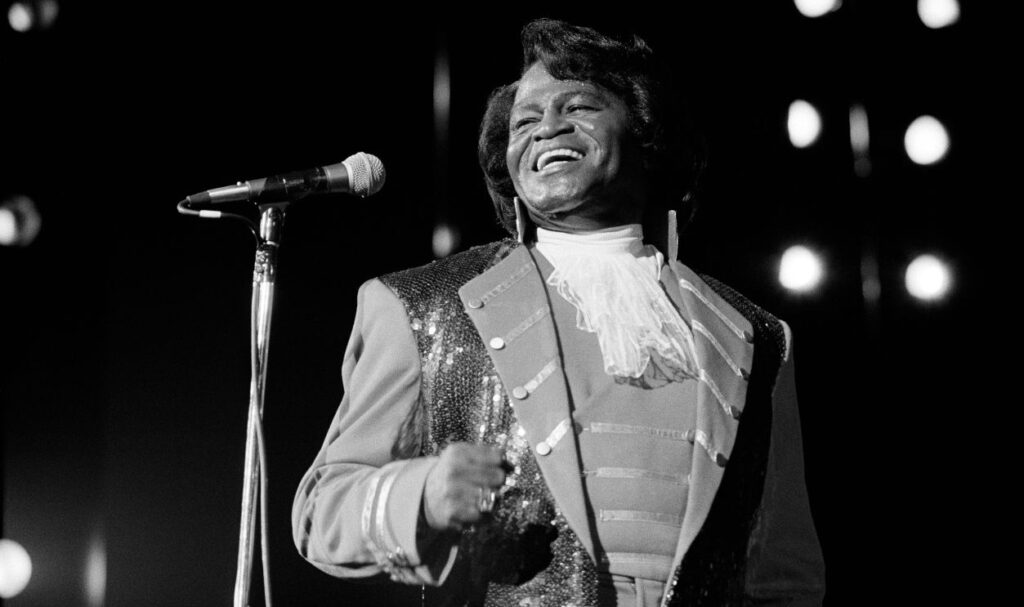
James Brown
Born: 1933 Birthplace: Barnwell
Widely known as the “Godfather of Soul,” James Brown revolutionized popular music with hits like Papa’s Got a Brand New Bag, I Got You (I Feel Good) and It’s a Man’s Man’s Man’s World. His influence can still be heard in soul, funk, hip-hop and modern pop music.
Darius Rucker
Born: 1966 Birthplace: Charleston
Darius Rucker first found fame as the lead singer of Hootie & the Blowfish before launching one of country music’s most successful crossover careers. He has earned multiple Grammy Awards and remains one of South Carolina’s most recognizable musicians.
Chadwick Boseman
Born: 1976 Birthplace: Anderson
Chadwick Boseman became an international icon portraying King T’Challa in Marvel’s Black Panther. He also received acclaim for portraying Jackie Robinson, James Brown and Thurgood Marshall before his death in 2020.
Viola Davis
Born: 1965 Birthplace: St. Matthews
One of the most decorated actresses in history, Viola Davis is among the few performers to achieve EGOT status by winning an Emmy, Grammy, Oscar and Tony Award. She is recognized for films such as Fences, The Woman King and the television series How to Get Away with Murder.
Chris Rock
Born: 1965 Birthplace: Andrews
Chris Rock is one of America’s most influential comedians, known for his stand-up specials, acting career, writing and directing. His sharp social commentary has made him one of comedy’s defining voices.
Vanna White
Born: 1957 Birthplace: North Myrtle Beach
For more than four decades, Vanna White has become one of television’s most familiar faces as co-host of Wheel of Fortune, making her one of South Carolina’s longest-running television personalities.
Madelyn Cline
Born: 1997 Birthplace: Goose Creek
Madelyn Cline rose to international fame starring as Sarah Cameron in Netflix’s hit series Outer Banks. She has since appeared in major films including Glass Onion: A Knives Out Mystery.
Madelyn Cline
Coco Jones
Born: 1998 Birthplace: Columbia
Singer and actress Coco Jones has built a successful career through Disney Channel productions before earning Grammy recognition for her music and starring in Peacock’s Bel-Air.
Aziz Ansari
Born: 1983 Birthplace: Columbia
Aziz Ansari is an Emmy-winning comedian, actor and filmmaker best known for Parks and Recreation and the acclaimed Netflix series Master of None.
Anna Camp
Born: 1982 Birthplace: Aiken
Anna Camp is recognized for her roles in the Pitch Perfect films, HBO’s True Blood and numerous television and Broadway productions.
Anna Camp
Brandon Lake
Born: 1990 Birthplace: Charleston
Brandon Lake has become one of contemporary Christian music’s biggest stars, winning multiple Grammy Awards while writing and performing chart-topping worship songs.
Jeezy
Born: 1977 Birthplace: Columbia
Rapper and entrepreneur Jeezy emerged as one of hip-hop’s most influential Southern artists during the 2000s, helping define Atlanta’s trap music movement.
Chubby Checker
Born: 1941 Birthplace: Spring Gully
Chubby Checker forever changed dance music after popularizing “The Twist,” one of the most iconic songs in American music history.
Kevin Garnett
Born: 1976 Birthplace: Mauldin
Kevin Garnett became one of basketball’s greatest power forwards during a Hall of Fame NBA career that included an MVP award, an NBA championship and 15 All-Star selections.
A’ja Wilson
Born: 1996 Birthplace: Columbia
A’ja Wilson has established herself as one of the greatest players in women’s basketball history. The former University of South Carolina star has won WNBA championships, MVP awards and Olympic gold medals.
Ja Morant
Born: 1999 Birthplace: Dalzell
Known for his explosive athleticism, Ja Morant quickly became one of the NBA’s brightest young stars after starring at Murray State before joining the Memphis Grizzlies.
Shoeless Joe Jackson
Born: 1887 Birthplace: Pickens County
Despite the controversy surrounding the 1919 Black Sox scandal, Shoeless Joe Jackson remains one of baseball’s greatest hitters and one of South Carolina’s most legendary sports figures.
Larry Doby
Born: 1923 Birthplace: Camden
Larry Doby broke the American League’s color barrier in 1947 and later became a Baseball Hall of Famer after an outstanding career with the Cleveland Indians.
A.J. Green
Born: 1988 Birthplace: Summerville
One of the NFL’s premier wide receivers during the 2010s, A.J. Green earned seven Pro Bowl selections during his accomplished professional career.
A.J. Green
Jadeveon Clowney
Born: 1993 Birthplace: Rock Hill
Jadeveon Clowney became one of college football’s most dominant defensive players at the University of South Carolina before becoming the first overall selection in the 2014 NFL Draft.
Xavier Legette
Born: 2001 Birthplace: Mullins
Legette emerged as one of college football’s top receivers before beginning his NFL career with the Carolina Panthers.
Paul Wight (The Big Show)
Born: 1972 Birthplace: Aiken
Standing more than seven feet tall, Paul Wight became one of professional wrestling’s biggest stars as The Big Show, winning multiple world championships in WWE and WCW.
Trick Williams
Born: 1994 Birthplace: Columbia
One of WWE’s fastest-rising stars, Trick Williams has become a fan favorite through his performances in NXT and on the main wrestling stage.
Nikki Haley
Born: 1972 Birthplace: Bamberg
Nikki Haley served as South Carolina’s governor before becoming U.S. Ambassador to the United Nations and later seeking the Republican nomination for president.
Tim Scott
Born: 1965 Birthplace: North Charleston
Tim Scott made history as South Carolina’s first Black U.S. senator and has become one of the Republican Party’s most prominent national figures.
Lindsey Graham
Born: 1955 Birthplace: Central
Serving in the U.S. Senate since 2003, Lindsey Graham has become one of South Carolina’s most influential political leaders on the national stage.
Jesse Jackson
Born: 1941 Birthplace: Greenville
Civil rights activist Jesse Jackson worked closely with Dr. Martin Luther King Jr. before becoming a nationally recognized political leader and two-time presidential candidate.
Robert Smalls
Born: 1839 Birthplace: Beaufort
One of South Carolina’s greatest historical figures, Robert Smalls escaped slavery by commandeering a Confederate ship during the Civil War. He later served in Congress and became a leading advocate for civil rights and education.
Strom Thurmond
Born: 1902 Birthplace: Edgefield
Strom Thurmond served nearly five decades in the U.S. Senate and remains one of the longest-serving senators in American history.
Dorothy Allison
Born: 1949 Birthplace: Greenville
Dorothy Allison gained international recognition for her award-winning novel Bastard Out of Carolina, considered one of the South’s most important modern literary works.
Dorothy Allen
Honorable Mentions
Several internationally recognized figures have strong South Carolina ties despite being born elsewhere. These include bestselling author Pat Conroy, who grew up in Beaufort and immortalized the Lowcountry in his novels; television host Stephen Colbert, who was raised in Charleston; contemporary artist Jasper Johns, who grew up in Allendale; and Apollo 16 astronaut Charles Duke, who spent much of his childhood in Lancaster.
South Carolina’s New Generation of Internet Stars
South Carolina’s influence now extends well beyond traditional entertainment.
Duke Dennis (born 1994, Greenville) has become one of YouTube and Twitch’s biggest personalities through gaming content and as a member of the popular AMP collective.
Michael Green (born 1987, Charleston area), better known as KidBehindACamera, helped pioneer family vlog content on YouTube.
iAmJordi (born 2002, Myrtle Beach) has amassed millions of followers through TikTok, Instagram and her music career.
A Legacy That Continues to Grow
From James Brown redefining American music to Chadwick Boseman inspiring millions through film, and from A’ja Wilson dominating professional basketball to Robert Smalls changing the course of history, South Carolina has consistently produced individuals whose achievements have reached far beyond the state’s borders.
Their accomplishments continue to shape music, sports, entertainment, literature, politics and digital media, proving that the Palmetto State remains one of America’s most influential incubators of talent.
🎤🎶 ONE DAY ONLY: Relive the Music That Defined Generations!
If you love the unforgettable sounds of the 1950s, 1960s, and 1970s, this is a show you simply can’t miss.
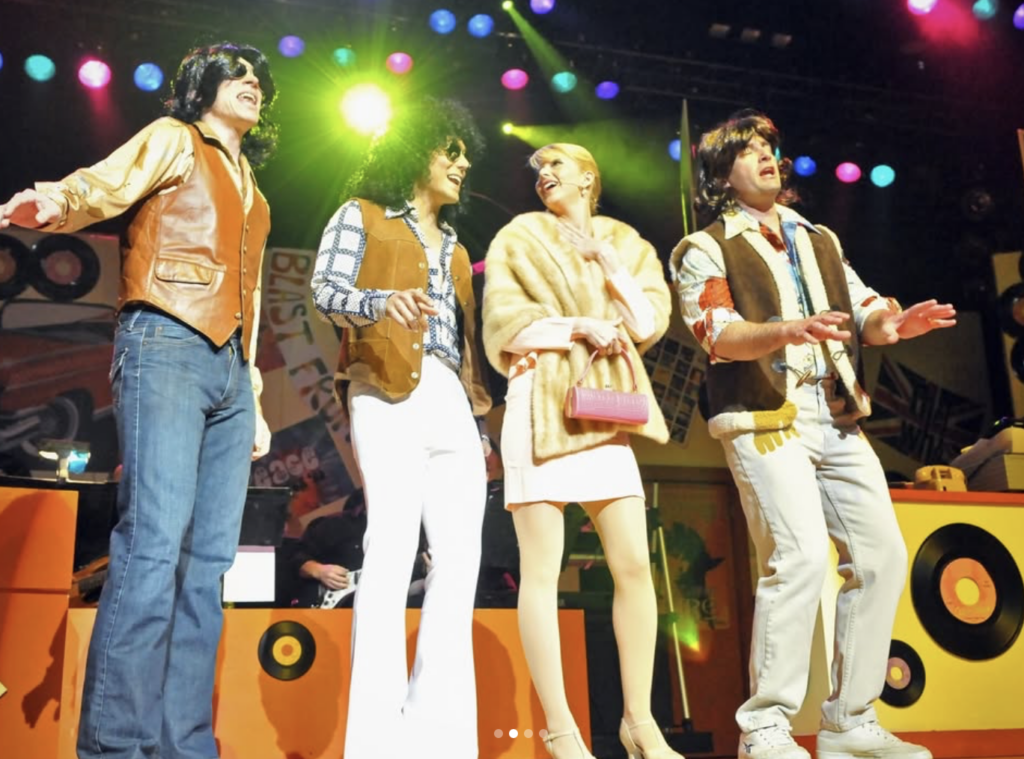
Blast from the Past returns to the Charleston Music Hall for ONE DAY ONLY on Saturday, July 18, bringing audiences an afternoon and evening filled with timeless hits, laughter, nostalgia, and incredible live performances.
Created by Charleston favorites Brad and Jennifer Moranz, this high-energy musical production celebrates the artists and songs that changed music forever. Sing along to classics made famous by legends like Elvis Presley, Tom Jones, Frankie Valli, The Beatles, The Beach Boys, The Temptations, The Village People, and many more. Packed with live music, comedy, audience interaction, and plenty of surprises, Blast from the Past is a fun-filled experience for music lovers of all ages.
Whether you grew up with these iconic songs or are discovering them for the first time, you’ll leave smiling, singing, and wanting more.
🗓 Saturday, July 18 – ONE DAY ONLY ⏰ Performances at 2:00 PM and 7:00 PM 📍 Charleston Music Hall
🎟️ Don’t wait—this special event is only happening for one day, and tickets are expected to sell quickly. Gather your family and friends and experience an unforgettable journey through the greatest decades in music. Get your tickets today before they’re gone!
Charleston’s dining scene continues to evolve in 2026 with an impressive collection of chef-driven concepts, international flavors, and neighborhood restaurants that are already attracting loyal followings. From intimate omakase counters to Mediterranean coastal cuisine and inventive Italian, these are 10 of the standout new restaurants worth adding to your dining list.
Located inside The Cooper Hotel overlooking the Charleston Harbor, The Crossing blends Mediterranean influences with Lowcountry seafood and seasonal ingredients.
Chef: Executive Culinary Director Nick Dugan, whose menu combines classic French technique with Mediterranean flavors.
One of the year’s most original openings, Bareo combines Filipino comfort food with Japanese culinary techniques in a stylish, casual setting created by the team behind Kultura and Baguette Magic.
Chef: Created by Chef Nikko Cagalanan and the Kultura culinary team.
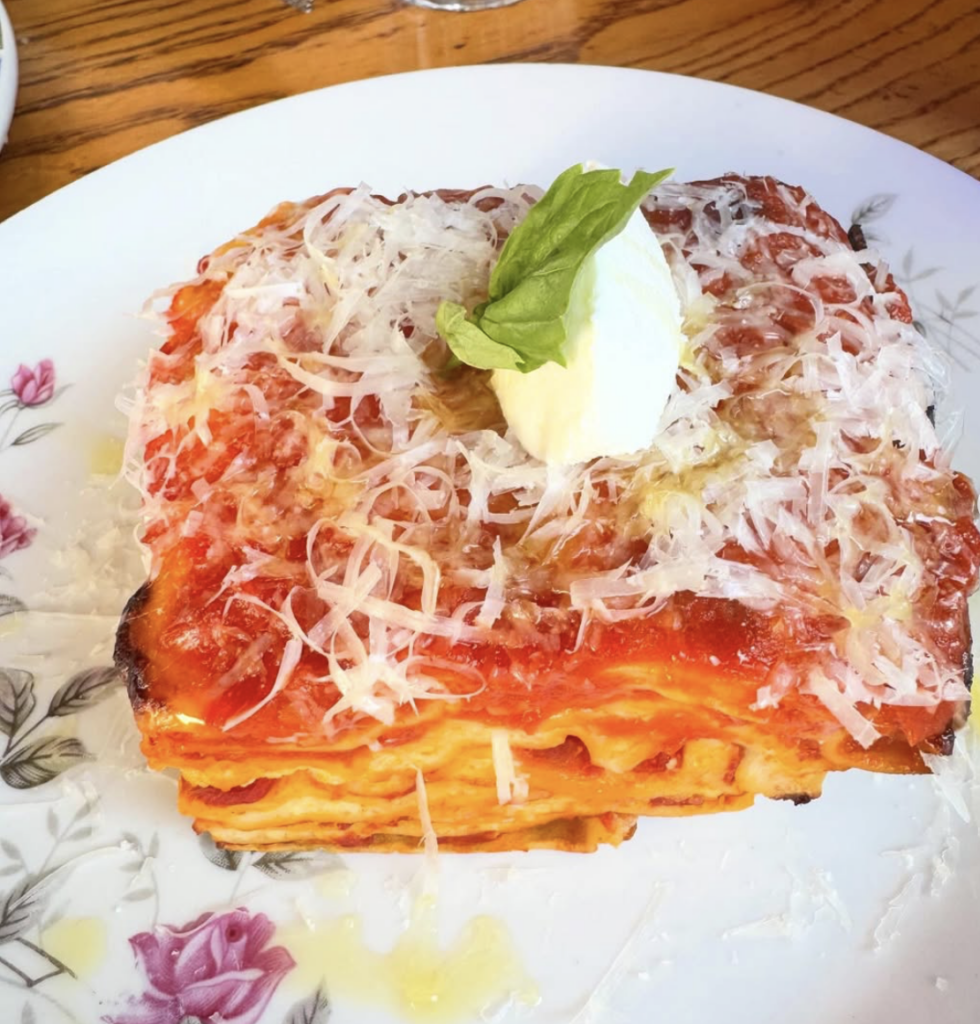
Equal parts cocktail lounge and Italian neighborhood restaurant, OK Donna has quickly become one of Charleston’s hottest reservations thanks to playful dishes and an energetic atmosphere.
Must-Try Menu Items
Italian meatballs inspired by Swedish classics
Fresh handmade pasta with rotating seasonal sauces
Marbled & Fin Charleston has quickly established itself as one of Charleston’s premier upscale dining destinations, blending the timeless appeal of a classic steakhouse with a fresh, contemporary atmosphere. Operated by The Neighborhood Dining Group, the restaurant pairs impeccable hospitality with an extensive wine program, premium cuts of beef, and an equally impressive selection of fresh seafood. Executive Chef Kenny West leads the culinary team, focusing on exceptional ingredients, refined technique, and memorable presentations that elevate every course. Whether celebrating a special occasion or enjoying an indulgent evening downtown, Marbled & Fin delivers a polished dining experience that rivals the country’s top steakhouses.
Three Recommended Menu Items
Broiled Oysters & Bone Marrow – One of the restaurant’s signature starters, combining roasted bone marrow, fresh oysters, and chimichurri for a rich, savory bite.
Dry-Aged Ribeye – Expertly aged and cooked over high heat to highlight the beef’s exceptional flavor and tenderness.
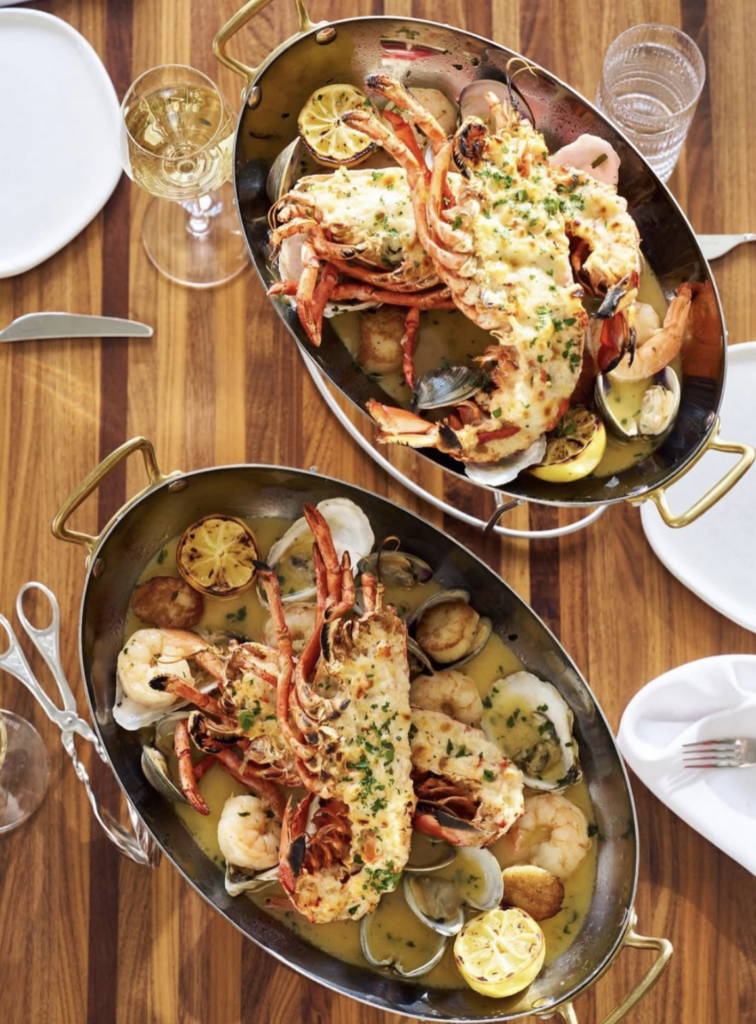
Seafood Tower – A luxurious assortment of chilled oysters, shrimp, lobster, crab, and seasonal seafood that’s perfect for sharing.
Part neighborhood market and part noodle destination, Luther’s offers comforting handmade dishes with Asian influences and locally sourced ingredients.
Founded by mother-and-son team Kiki and Hudson Luthringshausen, the restaurant draws inspiration from Italian family traditions, California’s farm-to-table culture, and the abundance of seasonal Lowcountry ingredients to create food that feels both comforting and creative. More than just a place to eat, Luther’s celebrates the joy of home cooking and community, offering guests an inviting space where exceptional ingredients, warm hospitality, and culinary craftsmanship come together.
Located at Quarter French at 40 Broad Street, the restaurant is owned by Charleston hospitality veterans Steve Palmer and Nick Dugan, who created the concept as a modern neighborhood French bistro inspired by the cafés and brasseries of Paris. The menu blends classic French techniques with Lowcountry ingredients, featuring refined yet approachable dishes alongside an extensive wine list and craft cocktails that encourage lingering over a meal. Quarter French embraces a warm, convivial culture where exceptional hospitality, elegant surroundings, and seasonal cuisine come together to create a dining experience that feels both timeless and distinctly Charleston.
Shokudô, located at Shokudô on Upper King Street, brings a refined take on the traditional Japanese izakaya experience to Charleston under the direction of Chef Masatomo “Masa” Hamaya, blending authentic Japanese techniques with fresh Lowcountry seafood. At the heart of the restaurant is a traditional robata charcoal grill, where skewers of meats, seafood, and vegetables are cooked over open fire, complemented by ramen, handcrafted dumplings, hand rolls, and creative small plates. The warm wood interiors, lively beer garden, and philosophy of mono no aware—the Japanese appreciation for the beauty of fleeting moments—create an atmosphere that is both sophisticated and welcoming. Signature dishes include the OG Ramen, Duck Meatball Kushiyaki (Kamo Tsukune), and Crab Fried Rice, making Shokudô one of Charleston’s most distinctive new dining experiences.
Must-Try Menu Items
Robata grilled skewers
Tonkotsu ramen
9. Kaia
Address: 186 St. Philip Street, Charleston, SC 29403
Kaia is an exciting new addition to Charleston’s dining scene, bringing together the bold, vibrant flavors of the Caribbean with refined Asian influences under the leadership of Chef and Partner Raheem Sealy, a St. Croix native whose culinary career has earned recognition from the James Beard Foundation and World’s 50 Best Restaurants. Located at 186 Coming Street, the restaurant celebrates Sealy’s island heritage while incorporating techniques and ingredients inspired by his global culinary journey, creating a menu designed for sharing alongside a creative cocktail program. Guests can expect dishes that showcase fresh seafood, tropical flavors, aromatic spices, and wood-fired cooking in a warm, welcoming atmosphere that reflects the spirit of Caribbean hospitality. With its innovative approach and deeply personal story, Kaia is poised to become one of Charleston’s most anticipated new dining destinations of 2026.
Must-Try Menu Items
Jerk-spiced seafood entrée
Coconut curry with fresh local fish
Final Bite
Charleston’s 2026 restaurant class demonstrates why the city remains one of America’s premier culinary destinations. While seafood and Southern cooking continue to define the region, this year’s openings showcase a broader international influence—from Filipino-Japanese fusion and refined Indian cuisine to Mediterranean coastal dining, intimate omakase experiences, and contemporary Italian fare. Whether you’re a longtime local or planning your next visit, these restaurants represent some of the most exciting new places to dine in the Lowcountry.
Ranking the Palmetto State’s Public & Private School Systems Using the Latest Academic Data
For families choosing where to live, schools are often at the top of the list. While no single metric tells the whole story, standardized test scores, student-to-teacher ratios, graduation rates, and college readiness provide a strong picture of educational quality.
Using the latest available 2025 South Carolina Department of Education SC READY and SC PASS assessment data, district report cards, graduation outcomes, and teacher-to-student ratios, we’ve ranked South Carolina’s strongest educational counties. Because South Carolina reports academic performance by school district rather than county, these rankings synthesize the performance of the districts within each county.
Top 10 Counties for Public Education
1. York County
York County continues to set the standard for public education in South Carolina. Led by Fort Mill, Clover, and Rock Hill schools, the county consistently posts some of the state’s highest standardized test scores while maintaining excellent teacher-to-student ratios.
2025 Academic Snapshot
Approximately 70–80%+ of students met or exceeded expectations in English Language Arts.
Approximately 65–75%+ met or exceeded expectations in Mathematics.
Student-to-teacher ratio: 15:1
2. Lexington County
Home to Lexington One, Lexington-Richland Five, and Lexington Four, the county continues to produce outstanding academic results with strong graduation and college readiness rates.
2025 Academic Snapshot
68–78% proficiency in English Language Arts
63–73% proficiency in Mathematics
Student-to-teacher ratio: 15:1
3. Beaufort County
Beaufort County has become one of South Carolina’s premier school systems thanks to exceptional academic achievement and strong Advanced Placement participation.
2025 Academic Snapshot
65–75% proficiency in English Language Arts
60–70% proficiency in Mathematics
Student-to-teacher ratio: 15:1
4. Greenville County
As South Carolina’s largest school district, Greenville offers one of the broadest selections of magnet, STEM, IB, arts, and career programs while maintaining strong academic performance.
2025 Academic Snapshot
60–70% proficiency in English Language Arts
55–65% proficiency in Mathematics
Student-to-teacher ratio: 16:1
5. Charleston County
Charleston combines nationally recognized magnet schools with strong neighborhood schools and one of the state’s most diverse educational offerings.
2025 Academic Snapshot
58–68% proficiency in English Language Arts
53–63% proficiency in Mathematics
Student-to-teacher ratio: 15–16:1
6. Richland County
Richland Two continues to rank among South Carolina’s strongest districts in college preparation, STEM education, and academic growth, while Richland One continues to improve.
2025 Academic Snapshot
60–70% proficiency across most grade levels
Student-to-teacher ratio: 16:1
7. Anderson County
Anderson County districts consistently outperform statewide averages with strong elementary and middle school achievement.
2025 Academic Snapshot
58–67% proficiency in English Language Arts
53–62% proficiency in Mathematics
Student-to-teacher ratio: 16:1
8. Spartanburg County
Spartanburg continues to show impressive academic gains with improving report card ratings and strong graduation outcomes.
2025 Academic Snapshot
55–65% proficiency in English Language Arts
50–60% proficiency in Mathematics
Student-to-teacher ratio: 16–17:1
9. Pickens County
Pickens County remains one of the Upstate’s highest-performing educational systems with excellent graduation rates and strong elementary school achievement.
2025 Academic Snapshot
60–68% proficiency in English Language Arts
55–63% proficiency in Mathematics
Student-to-teacher ratio: 16:1
10. Aiken County
Aiken rounds out the Top 10 thanks to continued academic improvement and solid district-wide performance.
2025 Academic Snapshot
55–63% proficiency in English Language Arts
50–58% proficiency in Mathematics
Student-to-teacher ratio: 16:1
Top Counties for Private Education
Unlike public schools, South Carolina private schools do not participate in a uniform statewide testing program. These rankings reflect academic reputation, accreditation, college placement, faculty quality, and breadth of educational opportunities.
1. Richland County
Home to Hammond School, Heathwood Hall Episcopal School, and Cardinal Newman School.
2. Charleston County
Home to Porter-Gaud School, Ashley Hall, Mason Preparatory School, and Charleston Collegiate School.
3. Greenville County
Home to Christ Church Episcopal School, St. Joseph’s Catholic School, and Southside Christian School.
4. Beaufort County
5. York County
6. Lexington County
7. Horry County
8. Spartanburg County
9. Anderson County
10. Florence County
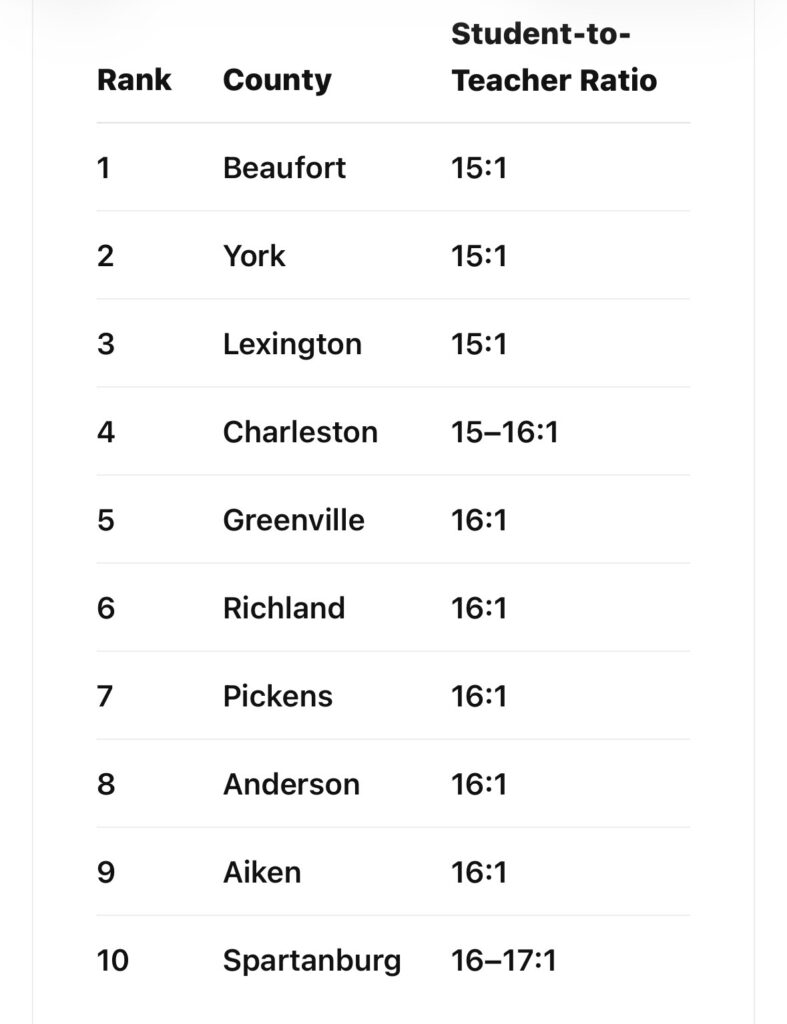
Counties with the Lowest Student-to-Teacher Ratios
Smaller class sizes often translate into more individualized instruction and greater student engagement.
How Do These Counties Compare to the State?
The 2025 SC READY assessment shows that statewide academic performance continues to improve, but the highest-ranked counties consistently outperform the state average.
South Carolina Statewide Results (2025)
Grade 3 English Language Arts: 61.7% met or exceeded expectations
Grade 4 English Language Arts: 63.5%
Grade 5 English Language Arts: 62.5%
Grade 8 English Language Arts: 55.7%
Across both English Language Arts and Mathematics, the counties ranked in the Top 10 generally exceed statewide averages by 5 to 15 percentage points, demonstrating stronger academic achievement and student growth.
Final Rankings
Public Education
York County
Lexington County
Beaufort County
Greenville County
Charleston County
Richland County
Anderson County
Spartanburg County
Pickens County
Aiken County
Private Education
Richland County
Charleston County
Greenville County
Beaufort County
York County
Lexington County
Horry County
Spartanburg County
Anderson County
Florence County
Methodology
This ranking is based on the latest available 2025 South Carolina Department of Education data, including SC READY and SC PASS assessment results, district report cards, graduation rates, teacher-to-student ratios, and college readiness indicators. Because South Carolina reports standardized testing by school district rather than county, county rankings were developed by evaluating the collective performance of the districts within each county. Private school rankings are based on institutional reputation, accreditation, college placement, academic offerings, and educational outcomes, as no statewide accountability testing system exists for South Carolina’s private schools

 by
by