Charleston Daily is a concept in community. Its mission is to promote, assist, and celebrate in everything Charleston, South Carolina. By partnering with businesses, community leaders, volunteers and events, we are spreading the love that is Charleston.
As this city continues to grow and prosper, we want to help spread the message to all about how wonderful this community is.
Charleston is about the people, community, water, land, history, heritage and the true southern warmth it brings with each and every day.
We are still in need of volunteer coaches for T-ball and 10U Softball! We rely heavily on the support of parent volunteers to coach our teams in all sports and age groups. If you or anyone you know may be interested in filling one of the coaching vacancies, please contact Ryan Connolly at 843-767-0782 or rconnolly@northcharleston.org.
Without caring mentors, positive youth development just doesn’t happen. At First Tee, we take coaching seriously. We believe that a meaningful, quality relationship between coach and participant is vital to our program.
“Young people don’t care what a coach knows until they know a coach cares.”
As you consider volunteering for our chapter, know that the safety of our kids is our first priority. Please read our Prevention Policies to see how we conduct programs and activities at our chapter
We’re Looking for You!
Nationwide, we currently have more than 3,700 coaches signed up with First Tee, including PGA and LPGA pros, as well as volunteers. But you don’t have to be a golf pro or even a good golfer. With the First Tee Coach Program, we provide the training you need.
Developed with input from leading experts in the field of positive youth development, our program focuses on empowering participants through decision-making and exploring options. This helps foster positive relationships between coaches and young people, inspiring the golfers of tomorrow to look to the future, set goals, and unlock their potential.
Make an Impact Off the Course
We need more than coaches to make First Tee possible. We rely on volunteers — sometimes year round — to accomplish our mission, and not all of those goals involve golf; we need support off the course as well. Opportunities include:
Fundraising/Events
Operations/Administration
Mentoring/Tutoring
In-school programming
By contributing your time and talent, you can directly make an impact in a young person’s life.
Learn More About Opportunities
Contact us by emailing Program Director, Meghan Taylor to find out how to get involved as a coach.
You must complete an application and screening process, which will include a criminal background check and online child protection training.
First Tee – Greater Charleston is always in need and grateful to anyone who would like to volunteer their time, talent, or treasure. Our programs are successful due to the support of dedicated volunteers. We welcome people who can help in all areas, including assistant coaching, administration and assistance with special events. You don’t need to have experience as a golfer or in the golf industry to make a positive contribution to our efforts.
Active participants in The First Tee program are also encouraged to volunteer. The minimum age for volunteering is 13 years old.
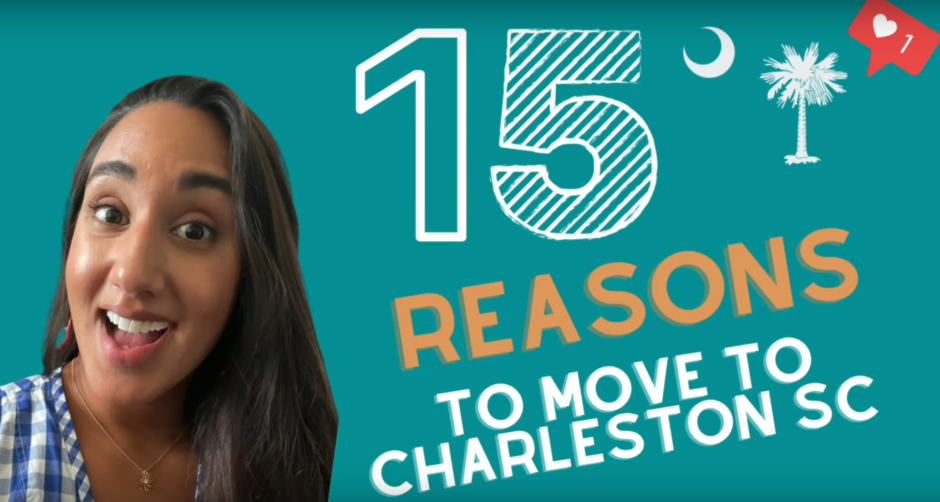
Do you wonder what it’s like to live in the Charleston area or what locals like to do for fun? Check out this video to learn more about what it’s like to be a local yourself!
Natasha is a South Carolina Lowcountry native and a Charleston local. She loves all things Charleston and helping people learn about what it’s like to live here.
She loves being a resource and I help people relocate to this amazing city every day. If you want to connect directly, please reach out!
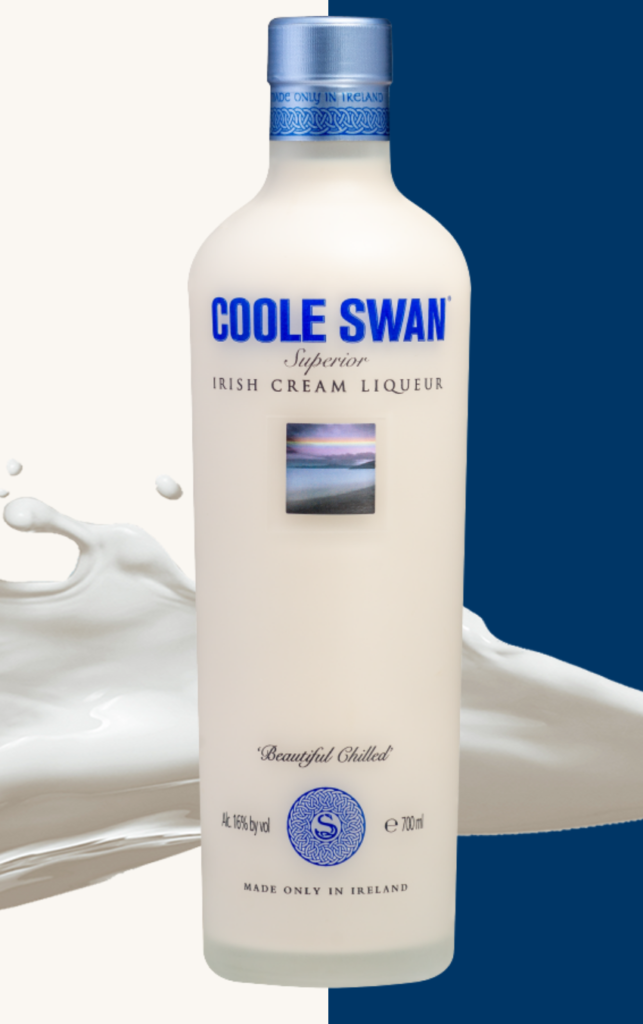
Coole Swan Irish Cream Liqueur. No. 1 Liqueur in the World.
A brand made with love and recognized as the number one cream liqueur in the world.
It is easy to list the key ingredients of Coole Swan – there are only ever three; single malt Irish whiskey, the finest Belgian white chocolate, and fresh Irish dairy cream. It’s a little harder to describe the beauty of the blend, and the flavors and textures that result when all three come together in one glass. The subtle warmth of the whiskey underscores the richness of the chocolate, and both combine with the smoothness and freshness of the cream. It’s delicious. As the name suggests, it glides, delivering a distinctive, velvety, and long-lasting taste.
Since 2010, Coole Swan has traveled the world, picking up accolades everywhere it’s enjoyed. In 2020, Wine Enthusiast Magazine named it the number one cream liqueur in the world. Awarding it 96 points out of 100, they called it “the pinnacle of quality”. No other cream liqueur has ever achieved this ‘legendary’ status
Coole Swan suits many occasions. It’s an everyday indulgence, delicious neat, or over ice but always chilled, and adaptable, too. It’s the perfect cocktail base for classics like Espresso Martini. For baking, it complements every flavor in sumptuous panna cottas, tortes, and cakes. Brunch seems even better with a tall, chilled glass, and it’s delightful in coffee.
You can’t miss Coole Swan. You’ll find it in a cool, white bottle, and a class of its own. It’s just waiting for you to enjoy.
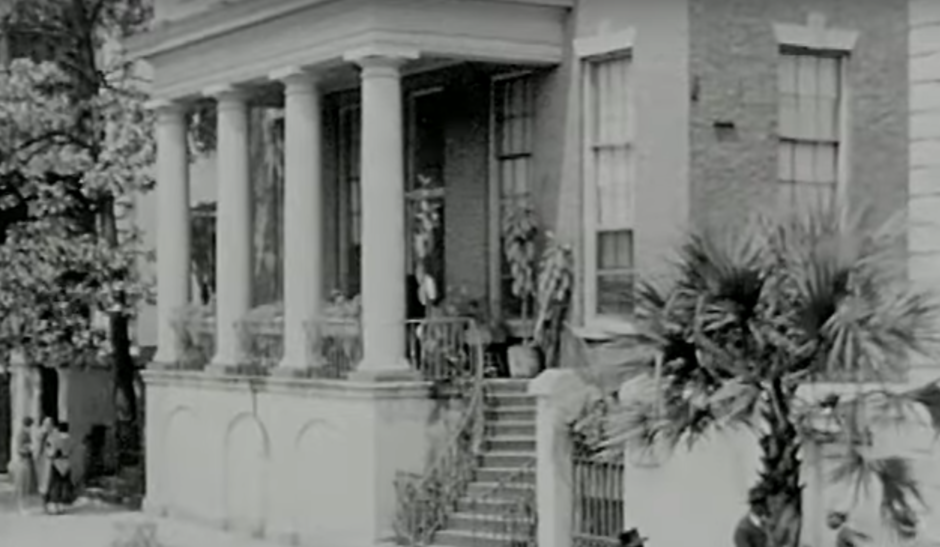
This 10-minute video of 1934 Charleston captures some remarkable remastered footage and unveils some very visual and descriptive history of Charleston, South Carolina.
Enjoy this look back almost 90 years ago of our Charleston home.
Postpartum Support Charleston partners with Charleston Parks Conservancyon program to bring moms together
CHARLESTON, S.C. — Two local nonprofits have teamed up to give new moms in the Charleston area a chance to get outside with their babies for fresh air and connection all while giving back to the local community.
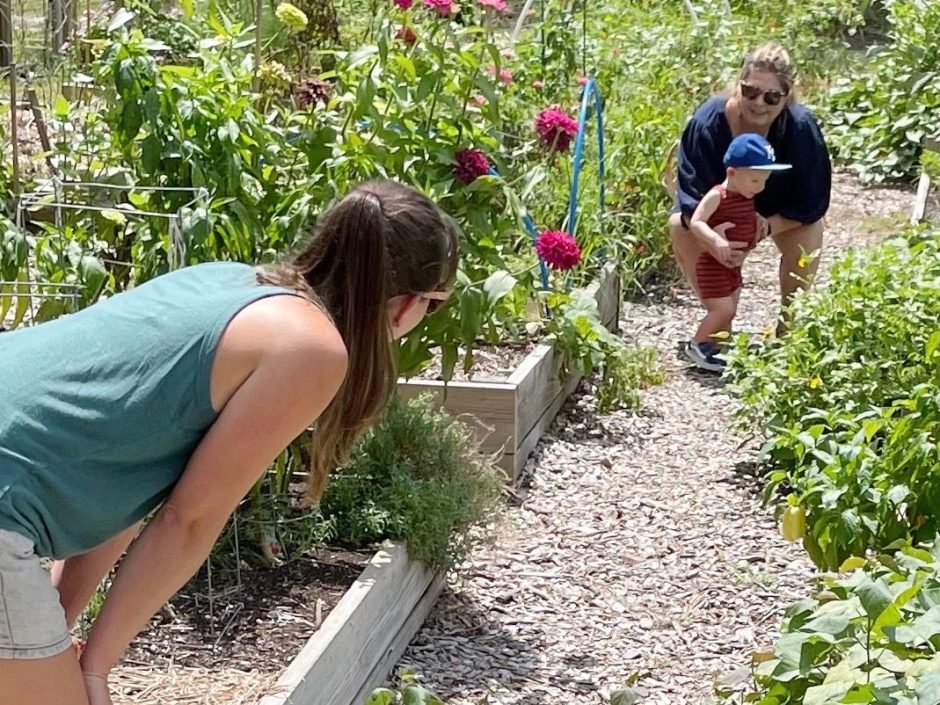
Postpartum Support Charleston in partnership with the Charleston Parks Conservancy is offering Gather & Garden: Mom Edition twice a month starting in September. Moms are invited to volunteer in the Conservancy’s community garden on James Island.
The Conservancy regularly hosts volunteer events in its community gardens, but moms are specifically invited to volunteer from 9-11 a.m. the second and fourth Thursday of each month. The program kicks off on Sept. 9. There is no fee to participate, but registration is required and space is limited. Medway Garden is located at 2069 Medway Road in Charleston.
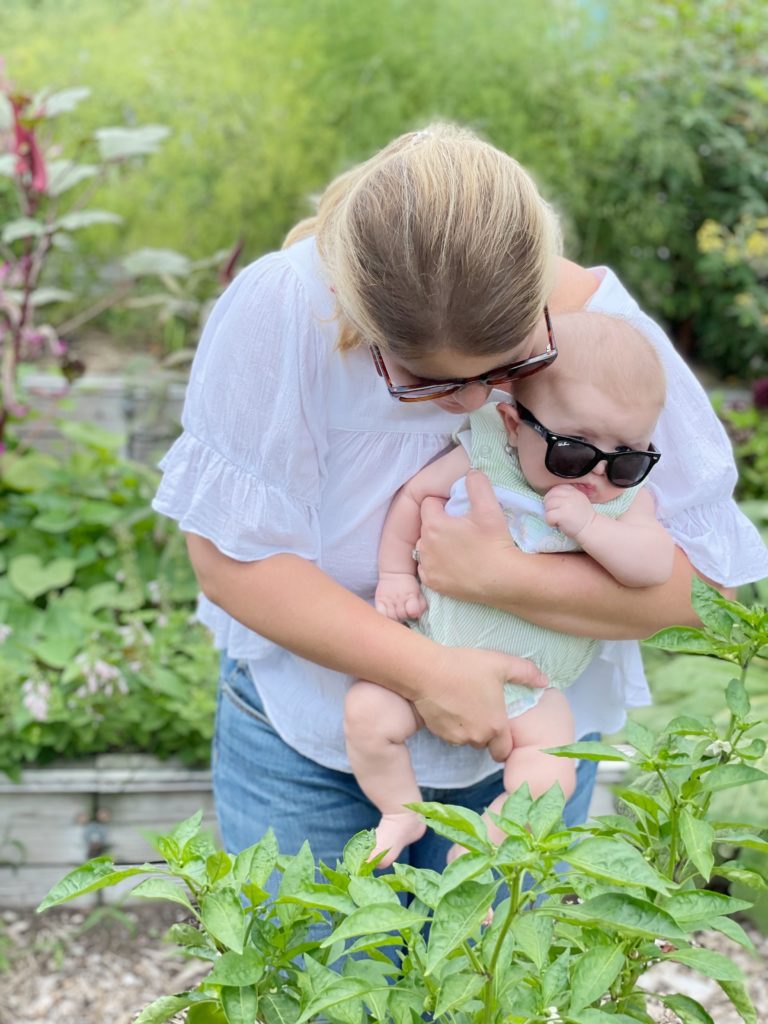
“We know how isolating motherhood can be so we are thrilled to partner with another wonderful local organization and give moms a chance to spend some time outside in nature while meeting other moms in a similar life season,” said Elaine DeaKyne, executive director of Postpartum Support Charleston. “Plus, babies will benefit from fresh air and the colorful stimulation in the garden.”
For more than 20 years, Postpartum Support Charleston has been providing peer support and resources for moms struggling with postpartum depression and anxiety. The Charleston Parks Conservancy is a nonprofit organization dedicated to inspiring the people of Charleston to connect with their parks and create stunning public places and a strong community.
“We are excited for the opportunity to partner with Postpartum Support Charleston and provide a space where moms can come together in a relaxing garden setting to connect with one another while volunteering with the Charleston Parks Conservancy,” said Courtney Olson, community garden manager & educator.
The Charleston Parks Conservancy staff will provide all the gardening supplies and instruction. Volunteer tasks include weeding, seeding, planting, watering and harvesting produce that’s donated to local food pantries. No gardening experience is needed. Events are held rain or shine. In the event of severe weather, participants will be notified about a cancellation. Babies and toddlers are welcome.
Medway Community Garden also has a dedicated fresh cut flower garden where moms can make bouquets for themselves and for other moms participating in Postpartum Support Charleston programs.
A Mom Mentor from Postpartum Support Charleston will be available to talk with moms needing extra support and to answer questions about postpartum depression or anxiety.
Founded in 2000, Postpartum Support Charleston is a nonprofit organization that supports mothers across the Charleston tri-county area struggling with maternal mental illness such as postpartum depression and anxiety. Through our extensive moms-for-moms network, connection to diverse mental and physical health expertise and genuine empathy, Postpartum Support Charleston is uniquely positioned to help mothers move into motherhood. For more information, visit www.ppdsupport.org.
About the Charleston Parks Conservancy
The Charleston Parks Conservancy is a nonprofit organization dedicated to inspiring the people of Charleston to connect with their parks and create stunning public places and a strong community. For more than 13 years, the Conservancy — through public-private partnerships — has had a hand in renovating and beautifying more than 20 parks in the City of Charleston. In 2020, renovations were completed at Moultrie Playground and at St. Julian Devine Community Center & Park. Other notable projects include the complete renovation of Colonial Lake, the renovation of the Rose Pavilion at Hampton Park as well as Magnolia Park and Community Garden and Medway Park and Community Garden. For more information, visit www.charlestonparksconservancy.org.
“By My Side” was born out of a difficult season in life, when I had just lost a job and was searching for direction. I reminisced on the trials I had faced in life: my birth deformity, my Mother’s cancer diagnosis one week before I left for college, and my own spiral into an unhealthy party-focused lifestyle. Through all of this, I felt a “presence” encouraging me and staying by my side and keeping me going. Whether one calls that presence “God” or not, I knew I was being guided by something greater than myself. So I wrote this song as a declaration to this realization, and as an anthem for those who truly need inspiration through extremely difficult times.
Official Video
Bio:
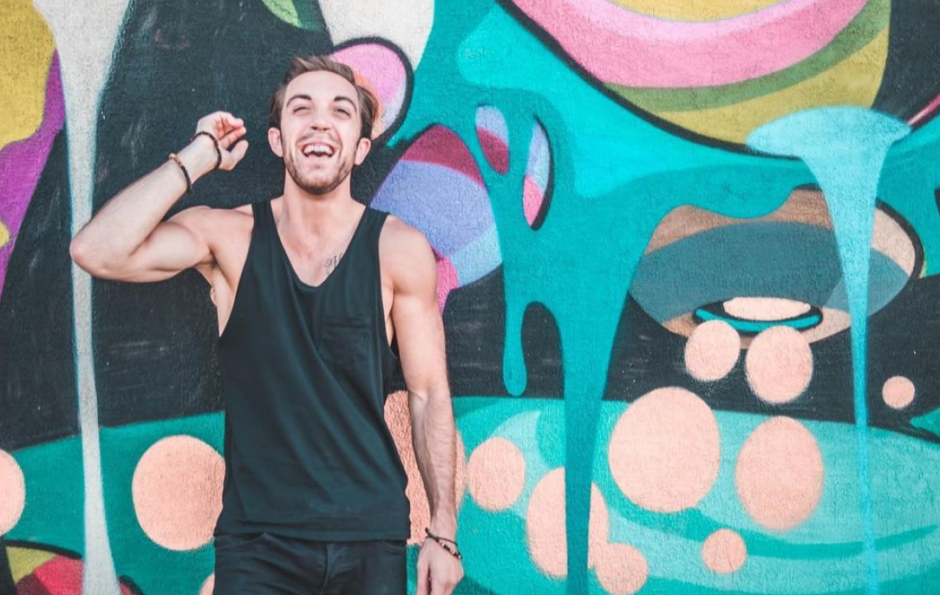
Ian James is a Christian Pop artist from Charleston, South Carolina, who has been featured in CCM Mag and New Release Today, the two biggest Christian music publications. Born and raised in Rochester, New York, Ian began playing drums and guitar at the age of 8, performing in various school bands and ensembles. Ian decided to pursue a solo career in early 2019, realizing he wanted to share his passion for outreach and his faith through his own personal stories. He released his debut single “I Look Up” in 2019, followed by his most popular song to date, “Will for Me”, in which Ian declares his desire to follow God’s leading for his life, no matter where it takes him.
In his music and heart for others, Ian hopes to bring light to those struggling and in need of kindness and true compassion. His writing is inspired by raw, deeply personal experiences that have fully shaped who he is, and his songs undeniably reflect this message.
Ian says, “I have always been someone who has had friendships with people from all different backgrounds, regardless of faith or beliefs. I’ve always connected to all types of people, and never been sheltered into just one type of community. Sharing what I believe through my music doesn’t have to be divisive or alienate others. So my whole goal with my songs is to be that bridge between people, and I hope my lyrics speak and relate to people in all walks of life.”
Paid Summer Internships Connect Lowcountry Students to Career Building Opportunities
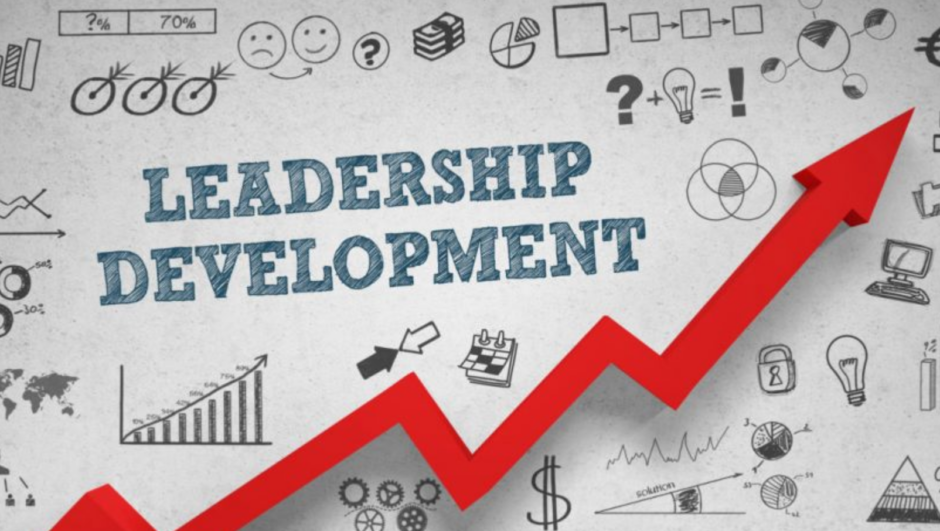
CHARLESTON – Two Lowcountry high school students selected as Bank of America Student Leaders(#BofAStudentLeaders) have completed their paid summer internships, gaining leadership training and work experience that will equip them as they consider future education and career pathways. In partnership with local nonprofit Tri-County Cradle to Career Collaborative (TCCC), the Student Leaders developed their workforce skills, leadership, and civic engagement as part of the internship program. This year, students had the option to voluntarily participate in in-person activities as part of the internship; last year’s program was conducted virtually.
The Student Leaders program, started in 2004, recognizes 300 community-focused juniors and seniors from across the U.S. annually. The Class of 2021 Lowcountry Bank of America Student Leaders, Lydia Cox and Jason Guo, are recent graduates from Academic Magnet High School in North Charleston.
“Bank of America’s Student Leaders program is an investment in the future vibrancy of our economy. These young adults are able to gain valuable career experience and explore the important role that nonprofits play in our community’s long-term sustainability,” said Mark Munn, President, Bank of America Charleston-Hilton Head. “Paid internships and work opportunities are just some of the ways we are committed to advancing youth employment and workforce development to maintain a strong talent pipeline in the Lowcountry and beyond.”
The Lowcountry-based Student Leaders engaged in an eight-week paid internship and participated in programming that provided additional capacity to TCCC’s bodies of work, such as collaborating with TCCC staff on fund development to identify potential partners with aligned equity focuses, creating a racial equality resource bank, developing organizational governance documents, and mapping community engagement outcomes.
“Lydia and Jason have been a great benefit to TCCC and our team. As they gained hands-on leadership knowledge alongside our staff, they also provided foundational support to our bodies of work,” said Phyllis Martin, CEO of TCCC. “The Student Leaders have added additional infrastructure to help us deliver equity-focused programs to close the academic achievement gap and promote positive outcomes for underserved students in the tri-county region.”
As part of this summer’s program, the Student Leaders also took part in a virtual Summit in partnership with the Close Up Foundation to participate in Stanford University’s Young Democracy at Home program, which encourages conversation about current issues facing young people today. In addition, the Student Leaders participated virtually in sessions on the vital role nonprofits play in advancing community health and the importance of public-private partnerships to drive social change while building financial acumen.
Tri-County Cradle to Career Collaborative Tri-County Cradle to Career Collaborative is a non-profit organization committed to closing the academic achievement gap for all children in the tri-county region, from cradle to career, with an emphasis on those who are impacted the most, Black and brown children, and those living in poverty.
Bank of America At Bank of America, we’re guided by a common purpose to help make financial lives better, through the power of every connection. We’re delivering on this through responsible growth with a focus on our environmental, social and governance (ESG) leadership. ESG is embedded across our eight lines of business and reflects how we help fuel the global economy, build trust and credibility, and represent a company that people want to work for, invest in and do business with. It’s demonstrated in the inclusive and supportive workplace we create for our employees, the responsible products and services we offer our clients, and the impact we make around the world in helping local economies thrive. An important part of this work is forming strong partnerships with nonprofits and advocacy groups, such as community, consumer and environmental organizations, to bring together our collective networks and expertise to achieve greater impact. Learn more at about.bankofamerica.com, and connect with us on Twitter (@BofA_News).

 by
by