Five Independent Charleston, South Carolina Restaurant Owners Who Prioritize Service and Quality

Read More

Mark A Leon

Charleston, SC, is celebrated for its vibrant food scene, shaped by passionate independent restaurateurs who make customer service and food quality their guiding principles. Here are five standout owners whose commitment shines through every plate and interaction.

James London – Chubby Fish

James London’s Chubby Fish (252 Coming Street) is a testament to dedication and the pursuit of excellence. London’s approach is hands-on: he insists on a local, daily catch-only policy and a no-nonsense, welcoming dining room. Chubby Fish doesn’t take reservations, yet lines form daily, a testament to its reputation for fresh, inventive seafood and attentive service. London believes in knowing his patrons and fostering a loyal, local clientele, even if it means less media attention. The menu changes frequently, and the staff is praised for being friendly yet unobtrusive, ensuring a memorable, relaxed experience for every guest.

Follow on Instagram.

Chubby Fish


Brooks Reitz – Leon’s Oyster Shop

Brooks Reitz, the creative force behind Leon’s Oyster Shop (698 King Street), Little Jack’s Tavern, and Melfi’s, has redefined the casual dining experience in Charleston. At Leon’s, housed in a converted garage, Reitz offers a blend of classic Lowcountry fare and modern flair, with a focus on fried chicken and oysters. The atmosphere is laid-back yet attentive, with staff delivering “Dixie-hospitable” service. Reitz’s philosophy is about creating culinary theater-where every guest feels welcome, and every dish, from char-grilled oysters to Nashville-style fried chicken, is prepared with meticulous care.

Follow on Instagram.

Leon’s Oyster Shop


Daniel & Bethany Heinze – Vern’s

Vern’s (41 Bogard Street), helmed by chef Daniel “Dano” Heinze and operations manager/sommelier Bethany Heinze, exemplifies the neighborhood restaurant model. The Heinzes are deeply involved in every aspect, from the kitchen to the front of house, ensuring both food and service are top-notch. Vern’s intimate setting and thoughtful menu, featuring dishes like risotto and fire-roasted lamb, have earned it a reputation for groundbreaking cuisine and “earth-shaking” service. Guests rave about the cozy ambiance, attentive staff, and the owners’ personal touch, making every meal feel special.

Follow on Instagram.

Vern’s


Chef Nikko Cagalanan – Kultura

Kultura (73 Spring Street, Unit A), led by Chef Nikko Cagalanan, brings Filipino flavors to Charleston with a focus on hospitality and culinary excellence. From the moment diners enter, they’re greeted with warmth and guided through a menu of bold, memorable dishes-like Kinilaw and Red Snapper Curry. The staff is noted for being attentive and welcoming, working seamlessly to create a comfortable, inviting atmosphere. Chef Nikko’s commitment to quality and service ensures each visit is both delicious and memorable, making Kultura a must-visit for adventurous eaters.

Follow on Instagram.

Kultura


Bintou N’Daw – Bintü Atelier

Senegalese chef Bintou N’Daw opened Bintü Atelier (8 Line Street #D) to fill a gap in Charleston’s culinary landscape, offering authentic West African cuisine in a welcoming, community-focused space. N’Daw’s journey from New York to Charleston is reflected in her food-dishes like thiéboudieun (red rice with fish) and mafé (peanut stew) are prepared with care and rooted in tradition. Her hands-on approach and passion for sharing her heritage ensure guests feel like family, and every meal is crafted with the highest standards of quality and hospitality.

These five independent restaurant owners exemplify what makes Charleston’s dining scene exceptional: a relentless commitment to both food quality and customer service. By investing themselves fully in their businesses, they create spaces where every guest feels valued and every dish tells a story. 

Their dedication not only elevates Charleston’s reputation as a food destination but also fosters a sense of community that keeps locals and visitors coming back for more.

Follow on Instagram.

Bintü Atelier

Stay connected and subscribe to Charleston Daily.

Photo Credit: Chubby Fish, Leon’s Oyster Shop, Vern’s, Kultura and Bintü Atelier Instagram

Five Historic Narratives from Charleston’s Eastside

Read More

By Mark A Leon

The deep rooted history of Charleston, South Carolina is one of the biggest impactful draws to this coastal Southern city.   The Eastside may have aome of the richest and moat vital historic storylines.  Here are 5 historic narratives about the Eastside.

1. Hampstead Village: The Birth of the Eastside

Hampstead Village, established in 1769 by Henry Laurens, is the historic heart of Charleston’s Eastside. Laurens purchased and subdivided land originally owned by Richard Cole and later George Austin, creating a planned residential community with a grid of streets. Once a rural tract, Hampstead evolved into an affluent suburb before becoming one of Charleston’s most diverse and densely populated neighborhoods. Its boundaries-roughly from Mary Street to Huger Street and Meeting Street to the Cooper River-have shifted over time, but its identity as the Eastside remains central to Charleston’s history.

2. A Working-Class and Black Artisan Community

In the 19th century, the Eastside was a respected working-class neighborhood. More than 3,000 free Black artisans-including carpenters, ironsmiths, and tailors-lived and owned property here, contributing significantly to Charleston’s built environment. Their skills built many of the city’s iconic structures and earned them recognition, even as they faced post-Civil War poverty and discriminatory laws. Over time, German and Irish immigrants also settled here, and the area became known for its ethnic diversity and, at times, tensions between groups.

3. The Legacy of Philip Simmons, Master Blacksmith

Philip Simmons (1912–2009) stands as one of the most celebrated figures from the Eastside. Moving to Charleston at age eight, Simmons apprenticed under blacksmith Peter Simmons and began a career that spanned nearly eight decades. He created over a thousand wrought iron pieces-gates, fences, balconies, and more-that now adorn homes, churches, and public spaces throughout Charleston and beyond. His distinctive style, often featuring tight curls and lifelike animal motifs, became synonymous with the city’s ironwork tradition. Simmons received national honors, including the National Heritage Fellowship, and after his death, his Eastside home and workshop became a museum.


4. The Impact of Urban Change and Preservation

The Eastside’s fortunes have fluctuated with Charleston’s economic cycles. After the Civil War, the area suffered from poverty and restrictive laws. In the 20th century, public housing projects and commercial properties appeared alongside sagging 19th-century homes and occasional antebellum mansions. In the 1980s, city proposals to designate the Eastside as a historic district met resistance from residents concerned about rising costs and strict regulations. Despite these challenges, preservation efforts have helped maintain the neighborhood’s architectural and cultural legacy.

5. Simmons’s Gates and the Spirit of the Eastside

Simmons’s ironwork is more than decorative-it symbolizes the resilience and creativity of the Eastside. His gates, featured at landmarks like the Charleston Visitor Center and even the Smithsonian, blend African American craft traditions with Charleston’s historic aesthetic. The “snake gate” and other pieces showcase his improvisational skill and attention to detail. Today, his nephew Carlton Simmons continues the tradition at the original Blake Street workshop, ensuring that the Eastside’s legacy of craftsmanship endures.

These narratives highlight the Eastside’s transformation from rural land to a vibrant, diverse community, the contributions of Black artisans like Philip Simmons, and the ongoing balance between preservation and progress in one of Charleston’s most storied neighborhoods.

Related: 5 of the Oldest Places in Historic Charleston, SC that should be on your bucket list

Hanpstead Village Map

Why Itinerant Literate Bookstop and Main Street Reads Are Lowcountry Standouts for Inclusion and Diversity

Read More

By Mark A Leon

The Lowcountry is rich with literary tradition, but two independent bookstores-Itinerant Literate Bookstop in North Charleston and Main Street Reads in Summerville-have distinguished themselves not just as book retailers, but as vibrant community hubs dedicated to inclusion, diversity, and local connection.

Itinerant Literate Bookstop: A Home for Diverse Voices

Instagram – Itinerant Literate Bookstop

Founded by Christen Thompson and Julia Turner, Itinerant Literate Bookstop began as a pop-up and bookmobile, driven by the owners’ backgrounds in publishing and a vision to fill the gap in Charleston’s independent bookstore scene. Their flagship location in Park Circle is now a welcoming space where diversity is more than a buzzword-it’s a central mission.


The store’s shelves are thoughtfully curated, with a strong emphasis on books by marginalized authors and titles exploring social justice themes. This commitment is evident in their robust children’s section, which features a wide array of diverse and unique books for all ages, ensuring that young readers see themselves reflected in the stories they discover. Regularly rotating thematic displays and creative events, such as “blind date with a book,” make the store dynamic and accessible to all.

Itinerant Literate’s impact extends beyond its walls. The store is a key partner in community initiatives like Alliance for Full Acceptance (AFFA), We Are Family, Planned Parenthood, and various branches of the Charleston Library System which aim to increase access to inclusive literature throughout the region. By participating in these programs, Itinerant Literate helps distribute thousands of diverse books to local families, fostering empathy and cultural understanding.

The owners’ approach to bookselling is intentionally disruptive-in the best way. Their model brings books and conversations to unexpected places, breaking down barriers and making literature accessible to a broader audience. As one reviewer noted, the staff’s warmth and devotion to diverse stories make every visit memorable, reinforcing the store’s role as a community anchor.


Main Street Reads: Building Community Through Inclusion In Summerville, Main Street 

Instagram – Main Street Reads

Main Street Reads stands as a testament to the power of independent bookstores to unite and uplift a community. Owned and operated by Shari Stauch, a writer, entrepreneur, and longtime advocate for local authors, Main Street Reads was born from a desire to create a welcoming literary haven in downtown Summerville.

From its grand opening, Main Street Reads has been a gathering place for readers of all backgrounds. The store is celebrated for its inclusive atmosphere, where local artists and authors are showcased, and diverse ideas are embraced. Stauch’s vision was to offer not just a selection of well-written books, but a space where everyone feels at home-whether they’re browsing, attending an author signing, or joining one of the many book clubs hosted each month.

The store’s programming reflects its commitment to diversity and inclusion. Book clubs span genres and age groups, and the events calendar is filled with opportunities for community engagement, from author talks to creative workshops. Main Street Reads is also an active participant in regional initiatives to promote diverse literature, ensuring that its shelves and events reflect a wide range of voices and experiences.

Stauch’s leadership is central to the store’s ethos. Her passion for books and community is evident in every detail, from the welcoming staff to the thoughtfully curated inventory. As one local author described, Main Street Reads is a place where strangers become friends, families bond over books, and the community comes together in celebration of the written word.


Knowledge is love 

Itinerant Literate Bookstop and Main Street Reads are more than bookstores-they are engines of inclusion, diversity, and community engagement in the Lowcountry. Through visionary ownership, curated selections, and a steadfast commitment to representing all voices, these stores set the standard for what independent bookstores can and should be. For locals and visitors alike, they offer not just books, but a sense of belonging.

The Ultimate Park Circle Bucket List: 20 Things to See, Savor, and Sip in North Charleston

Read More

By Mark A Leon

Here’s a bucket list of 20 things to do, dine, or drink in Park Circle, North Charleston:

1. Stroll or picnic in the central Park Circle circular park and nearby green spaces. Enjoy the state of the art Park Circle Playground.

2. Play a round of disc golf on the free 18-hole course around the Park Circle traffic circle.

3. Visit Riverfront Park for scenic Cooper River views and a relaxing walk.

4. Explore the historic naval sites nearby, including the H.L. Hunley Submarine.

5. Attend one of Park Circle’s outdoor festivals like the North Charleston Arts Festival or St. Patrick’s Day parade.

6. Catch live music at Holy City Brewing’s taproom or Firefly Distillery’s outdoor music space.

7. Take a tour and tasting at Firefly Distillery, known for its Sweet Tea Vodka and bourbons.

8. Visit local art galleries and theaters such as South of Broadway Theatre.

9. Discover hundreds of treasures, consignments, plants, artwork and nostalgia at The Station Park Circle.

10. Shop local boutiques and enjoy the neighborhood’s walkable vibe along East Montague Avenue.

Places to Dine

11. Southern Roots Smokehouse for authentic Southern BBQ and smoked meats.

12. Fratello’s Italian Tavern for seasonal Italian comfort food in a stylish setting.

13. EVO Pizzeria for wood-fired pizzas with seasonal, locally sourced ingredients.

14. Azul Mexicano for flavorful Mexican cuisine with indoor and outdoor seating.

15. Benny Rinaldi’s for giant New York-style pizza slices in a casual atmosphere.

16. Ciudad Bonita for vibrant Colombian dishes.

17. Sesame Burgers & Beer for gourmet burgers with many topping options, including vegan.

18. The Junction Kitchen & Provisions for creative comfort food and all-day breakfast.

19. Jackrabbit Filly for Chinese cuisine, highly rated nearby.

Bars & Drinks

20. Stems & Skins, a James Beard semifinalist wine bar offering natural wines, classic cocktails, and Mediterranean small plates in a chic setting.

This list blends Park Circle’s outdoor charm, rich history, vibrant food scene, and lively nightlife for a full local experience. Enjoy exploring this unique North Charleston neighborhood!

Stay connected and subscribe to Charleston Daily.

Evo Pizza

Riverfront Park

The Station Park Circle

Exports Ramp Up In South Carolina: The Palmetto State saw a record breaking year for global exports in 2024

Read More

By Kyle Peschler

South Carolina has seen the rise of many industries as the state exports more than ever before. Being in the middle of the eastern seaboard on the coast of the Atlantic Ocean, South Carolina is a prime location to develop and distribute products around the U.S. and globally.

In 2024, South Carolina’s export sales totaled $38 billion, which was the highest volume for the state since 2019, according to the U.S. Department of Commerce. The automotive industry led South Carolina’s exported goods, with sales that doubled the next largest industry type. South Carolina was the nation’s top exporter of both completed passenger vehicles and tires and was also second in the export of ball and roller bearings.

South Carolina’s top five commodities exported were: completed passenger vehicles; aircraft and parts; machinery and parts, including turbojets, gas turbines, and turbo propellers; plastics; and rubber tires.

In 2024, South Carolina was the top U.S. state in export sales of completed passenger vehicles, with $10.9 billion representing 18.4% of total U.S. market share. For the 10th consecutive year, South Carolina was the leader in export of tires, with sales reaching $1.8 billion, representing 36.5% of the total U.S. market share.

“Supporting international trade is a vital part of our dedication to the success of our companies from launch to legacy, and we are pleased to see efforts paying off for the businesses that call South Carolina home.”

— Secretary of Commerce Harry M. Lightsey III

“South Carolina’s business community and workforce continue to produce top-quality products, and the world has taken notice,” said Governor Henry McMaster. “As the national leader in export sales of passenger vehicles and tires, we are further strengthening our reputation as one of the best states in the country to do business, which will help attract even more capital investment and opportunities for our people.”

“Our state remains committed to expanding our global reach and moving South Carolina-made products across the world, and last year’s impressive export sales total reflects this,” said Secretary of Commerce Harry M. Lightsey III. “Supporting international trade is a vital part of our dedication to the success of our companies from launch to legacy, and we are pleased to see efforts paying off for the businesses that call South Carolina home.”

Bushy Park: An Economic Powerhouse

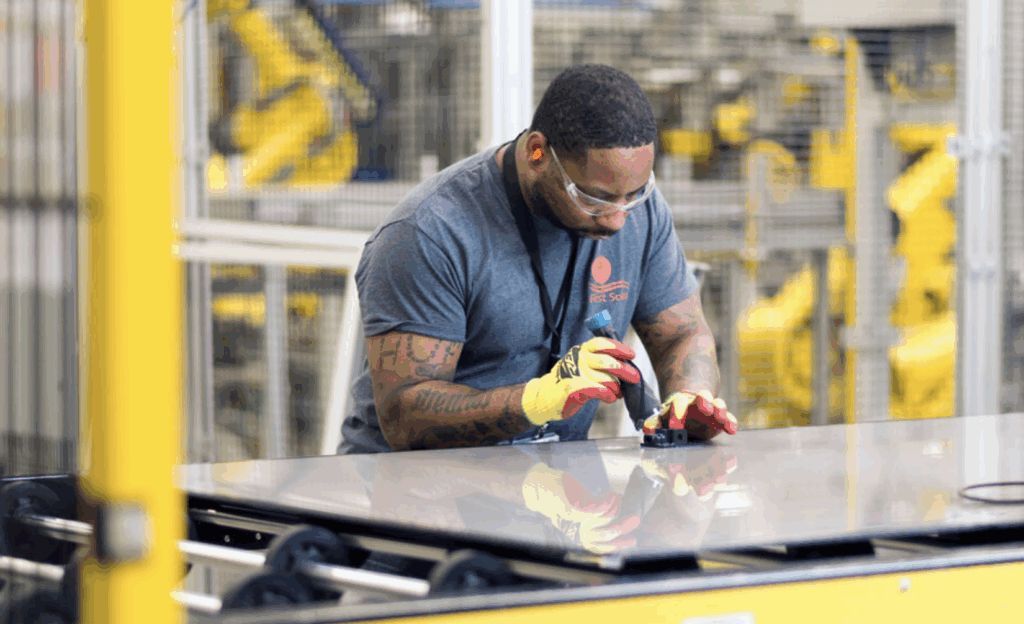
Bushy Park is an industrial park located in Berkeley County just outside of Charleston, SC on 1,530 acres.  Home to 12 companies and over 1,300 employees, Bushy Park is an economic powerhouse. It is home to a diverse group of manufacturing and industrial companies that range from advanced fabrication to specialty chemical production. Bushy Park provides many advantages, making it an ideal choice for businesses looking to establish or expand their industrial operations.

Bushy Park, in Goose Creek, is home to 12 companies and over 1,300 employees. The industrial park is an economic powerhouse that is located just outside of Charleston. (Credit: Bushy Park)

Strategic Location. Bushy Park is strategically located near major transportation routes, including highways, railways, and waterways. This proximity facilitates efficient logistics and transportation of goods, reducing costs and improving supply chain efficiency.

Comprehensive Infrastructure. The site is equipped with essential utilities such as water, electricity, and natural gas, which are crucial for industrial operations. Additionally, the presence of on-site rail access and a barge slip enhances the ease of transporting raw materials and finished products.

Cost-Effective Development. Bushy Park offers cost-effective build-to-suit options for heavy industrial sites. The availability of existing utilities and infrastructure reduces the need for additional investments, making it a financially viable option for businesses looking to expand their operations.

Support Services. Bushy Park provides a range of support services, including environmental consulting, security, emergency response, and safety protocols. These services help businesses navigate regulatory requirements and ensure compliance.

Skilled Workforce. The region boasts a well-trained and rapidly growing workforce, which is essential for the success of industrial operations. The availability of skilled labor helps businesses maintain high productivity levels and achieve operational efficiency.

Community and Quality of Life. Bushy Park is part of a vibrant community that values quality of life. Located near Charleston, SC, Bushy Park offers access to a high quality of life, with a thriving local economy, renowned cultural attractions, and top-rated schools. This makes it an attractive place for employees to live and work.

Quick Time-to-Market. With most utilities already in place and a streamlined permitting process, businesses can set up operations quickly and efficiently. This reduces the overall project timeline and allows companies to start production sooner, capturing market opportunities faster.

Recent investment announcements in Bushy Park include:

  • Newport News Shipbuilding (NNS), a division of Huntington Ingalls Industries, has become a major tenant at Bushy Park following its acquisition of W International’s production assets. This move strengthens NNS’s position in naval shipbuilding and defense technology. 
  • Leonardo DRS is constructing a $120 million manufacturing facility at Bushy Park to support U.S. Navy submarine propulsion systems. This facility is expected to be operational by 2026.
  • Evonik, a global leader in silica production, is expanding its production capacity by 50% at Bushy Park.  This will support increasing demand from the tire industry, particularly for green tires in the U.S.  

Visit www.bushyparksc.com for more information.

Source link: Business Facilities

Charleston Animal Society Unveils the Sadie Greer Memorial Garden – A Serene Resting Place for Beloved Pets

Read More

North Charleston, SC — Charleston Animal Society is proud to announce the grand opening of the Sadie Greer Memorial Garden, a tranquil new remembrance park that offers a final resting place for cherished animal companions. Nestled beneath the sweeping branches of live oaks on the organization’s North Charleston campus, this unique space invites peaceful reflection on the unconditional love and joy pets bring to our lives.

A ribbon-cutting ceremony to officially open The Sadie Greer Memorial Garden will be held Thursday, April 24 at 2:00 p.m. at Charleston Animal Society, 2455 Remount Road, North Charleston. The public is invited to attend and experience the beauty of the garden.

This special area was named in memory of Sadie, the beloved cat of the garden’s benefactors, Hank and Laurel Greer. “The space was envisioned as a way to honor the deep bonds between people and their animals,” said Laurel Greer. “Sadie’s Memorial Garden is more than just a resting place—it is a tribute to the love we carry for our pets long after they’re gone.” Sadie’s cremains will be among the first placed in the Garden, symbolizing the heartfelt intent behind this special sanctuary.

At the heart of the garden are four beautifully designed granite columbaria, crafted by Sunset Stone Memorial, which provide niches to hold cremains and memorial items for multiple pets. These elegant structures form the centerpiece of the garden, surrounded by pathways that encourage quiet reflection.

The design and creation of Sadie’s Garden was a true collaboration of artistry and compassion. The American College of the Building Arts (ACBA) played an integral role, with Simeon Warren and Leigh Handal guiding students to contribute their talents across three traditional trades—carpentry, stonework, and ironwork.

  • Wooden pergolas, created using historic carpentry techniques, frame the garden and offer shaded areas for visitors.
  • Stone animals, hand-carved by ACBA students, lend a timeless presence to the garden’s design.
  • Wrought iron accents add both structural and aesthetic charm, tying together the classical inspiration behind the garden’s construction.

Renowned designer Sandy Byers of Byers Design helped shape the garden’s peaceful layout, whileLeadenwah Landscaping brought it to life with lush plantings and expert landscape architecture. From the winding paths to the carefully selected flora, every element of Sadie’s Garden has been chosen to evoke peace, remembrance, and love.

“This is a place where the connection between humans and animals is honored in the most beautiful way,” said Hank Greer. “Sadie’s Garden is meant to be a legacy of peace and compassion.”

Charleston Animal Society’s decision to provide this memorial space reflects the increasing importance of pets in people’s lives and the growing desire to have meaningful ways to commemorate them. The Garden offers individuals a dignified and lasting way to keep their beloved companions close, even after they pass.

“We are humbled to offer this peaceful space to the community, where memories can be cherished and legacies honored,” said Charleston Animal Society President and CEO Joe Elmore, CAWA, CFRE.

Pet owners may purchase a niche in one of the columbaria and are also invited to memorialize their pets with personalized plaques, photos, and keepsakes. They will also have the option of putting their beloved pet cremains in a granite urn that can be placed among the river rocks on the memorial mound.

The Garden is open for visitation to all who seek comfort and remembrance.

For more information about Sadie’s Garden, including pricing, availability, and how to reserve a niche for your pet, please visit CharlestonAnimalSociety.org/memorial-garden.

About Charleston Animal Society
Since 1874, the mission of Charleston Animal Society has always been the prevention of cruelty to animals. Over 20,000 animals will turn to Charleston Animal Society for caring, compassion and hope this year alone. In addition to caring for homeless animals, adopting them into new homes, and reuniting lost pets with their families, the organization responds to animals in crisis as a result of both man-made and natural disasters. The comprehensive shelter medicine program not only provides direct services for as many as 1,200 animals in our system of care at one time, the shelter veterinarians also spay or neuter upwards of 15,000 dogs and cats each year and they provide emergency medical services to critically ill and injured animals arriving at the shelter daily.  For more information, visit www.CharlestonAnimalSociety.org. 

South Carolina’s Top-Rated Nonprofit and First Animal Protection Organization!

2455 Remount Rd • North Charleston • SC • 29406 • CharlestonAnimalSociety.org

My Community’s Keeper Mentor Group in Charleston, SC: A Story of Adversity, Hope, and Leadership

Read More

By Mark A Leon

Empowering Charleston’s Youth In Charleston, South Carolina, My Community’s Keeper Mentor Group stands as a beacon of hope for youth and families affected by gun violence, poverty, and systemic inequities. Founded by Keith Smalls, the organization’s mission is to restore, revitalize, and empower the community through transformative mentorship, education, and support services. The group’s approach is rooted in lived experience and a deep understanding of the challenges facing Charleston’s most vulnerable residents.


Programs and Impact

My Community’s Keeper offers a range of programs tailored to the unique needs of young people. Initiatives like “A Girl’s World” and “Boys Will Be Boys” provide safe spaces for empowerment, healing, and personal growth. Participants receive one-on-one mentorship, mental health support, and life skills training, helping them navigate adversity and build brighter futures.

The organization’s work goes beyond individual transformation. By addressing the underlying factors that perpetuate cycles of violence and poverty, My Community’s Keeper aims to create lasting change for the entire community. Their evidence-informed strategies and partnerships with educators, counselors, and specialists ensure that each young person receives the support they need to thrive.

A Girl’s World


Keith Smalls: From Adversity to Advocacy

Keith Smalls’ journey is one of remarkable resilience and transformation. Born in challenging circumstances—literally on the side of the road in 

Charleston—Smalls’ early life was marked by hardship. 

Despite academic promise in high school, including participation in the chess club and advanced classes, he became entangled in street life and drug dealing, leading to his arrest at age 21.

Smalls spent 19 of the next 21 years in the South Carolina Department of Corrections, an experience that profoundly shaped his outlook. While incarcerated, he worked as a teacher’s assistant and mentored youthful offenders, striving to be a positive influence in a system he found deeply flawed. He earned his GED and later attended Trident Technical College after his release.

Tragedy struck just a year after Smalls regained his freedom: his only son was killed by gun violence at age 17. In a remarkable act of compassion, Smalls asked the court not to send his son’s 15-year-old killer to prison, knowing firsthand the system’s failures. This moment became a turning point, fueling his commitment to break cycles of violence and incarceration in his community.

Keith Smalls


Leadership and Advocacy

Smalls is now a respected voice in criminal justice reform, serving as the only formerly incarcerated member of the Charleston County Criminal Justice Coordinating Council (CJCC), as well as a Victim Impact Panel speaker and an advocate for youth diversion programs. Nationally recognized, he collaborates with judicial leaders, law enforcement, and reform organizations, insisting that lived experience is essential to meaningful change.

A Legacy of Hope

Through My Community’s Keeper Mentor Group, Keith Smalls channels his adversity into action, offering mentorship, guidance, and hope to Charleston’s next generation. His life demonstrates the power of resilience and the impact one person can have on a community. As Smalls often says, he was “doing something” that wasn’t truly who he was—but today, he is defined by his dedication to helping others find a better path.

Charleston is stronger for his leadership, and My Community’s Keeper continues to empower change, one young life at a time.

The Charleston Planetarium Official Grand Opening scheduled for May 3, 2025 at The Citadel Mall

Read More

The Charleston Planetarium will bring the solar system, the universe, and cutting-edge STEAM experiences to the Low Country, the Southeastern U.S., and beyond through the establishment of a state-of-the-art planetarium theater in Charleston, South Carolina, and the development and delivery of fresh new digital programming to inspire the Artemis-generation of virtual space explorers, young and old.​

This news experience is presented by the Charleston Planetarium Society, located at 125 Wappoo Creek Drive Suite D1, Charleston, SC 29412

The official launch is May 3, 2025. The buzz is sky high!!!!

Stay connected and subscribe to Charleston Daily.

Empowering Confidence: How Dress for Success Charleston Provides Resources to Transform Women’s Lives

Read More

By Mark A Leon

Dress for Success Charleston County is a transformative nonprofit dedicated to helping unemployed and underemployed women achieve economic independence. 

Founded in 2003 as the first affiliate of Dress for Success in South Carolina, the organization provides free professional attire, career development resources, and a robust network of support to help women thrive both in work and in life.

Mission and Programs

The core mission of Dress for Success Charleston is to empower women to reach self-sufficiency and success. This is accomplished through several key initiatives:

• Suiting Services: Women referred by partner agencies receive professional outfits tailored for job interviews and the early weeks of employment. The goal is not just to provide one suit, but a small wardrobe to help women feel confident as they transition into the workforce.

• Career Development: Beyond clothing, Dress for Success offers workshops, one-on-one coaching, mentoring, and networking events. These programs focus on building confidence, workplace skills, and financial literacy, ensuring women are prepared for long-term career growth.

• Ongoing Support: The organization fosters a supportive community where women can encourage each other, share experiences, and stay motivated during their job search and career advancement.


Community Impact

Since its inception, Dress for Success Charleston County has served over 5,000 women across Charleston, Berkeley, and Dorchester counties. The organization’s impact extends beyond individuals, benefiting families and the broader community by breaking cycles of poverty and promoting economic empowerment.

Events, Donations and Partnerships

Dress for Success Charleston hosts events like the annual “Little Black Dress and Tie” fundraiser, which brings together community members to celebrate women’s achievements and raise funds for ongoing programs

The organization relies heavily on donations of gently used professional clothing and financial contributions from local supporters and businesses.

Click HERE to learn about volunteer opportunities

Click HERE to learn about donating..


Looking Ahead

Founder Margaret Jefferson and her team continue to expand offerings, including new courses on self-care, career development, and financial literacy, ensuring that women in Charleston have the tools and confidence to pursue their dreams.

Short Bio: Margaret Jefferson

Margaret Jefferson is the founder and director of Dress for Success Charleston County, a role she has held since establishing the organization in 2003. A native Charlestonian, Jefferson attended Charleston County Public Schools before earning a Bachelor of Science in Business Administration with a concentration in marketing from Winthrop University. She also holds a technical project management certification from The Citadel.

Jefferson’s career spans both the for-profit and nonprofit sectors, where she has served in various leadership roles. Driven by a lifelong commitment to service, she created Dress for Success Charleston to empower women through professional development and support. Under her leadership, the organization has helped thousands of women gain confidence, secure employment, and achieve economic independence.

Jefferson is recognized for her dedication to uplifting others and her belief in the power of community collaboration to create lasting change in Charleston and beyond.

Lost Isle: Johns Island’s Fire-to-Table Backyard Oasis Garnering National Acclaim

Read More

By Mark A Leon 

Tucked away behind a modest white house at 3338 Maybank Highway, Lost Isle has quickly become one of Johns Island’s most distinctive dining experiences, earning national attention and a loyal local following for its unique outdoor vibe and innovative fire-to-table menu.

A Backyard Oasis with a Laid-Back Vibe

Lost Isle is all about atmosphere. There’s no indoor dining—everything happens outside, beneath a canopy of sailcloth and the sprawling branches of a majestic pecan tree. Guests enter through a lush walkway, emerging into a backyard oasis adorned with string lights, chandeliers hanging from live oaks, and the flicker of open fire pits. The setting is cozy and intimate, perfect for date nights, girls’ nights out, or simply unwinding with friends. Even in cooler months, fire pits and blankets keep the vibe warm and inviting.

The service model is casual and approachable: guests order at the bar or grill, then choose their own seating. This setup fosters a relaxed, communal energy, where the focus is on enjoying good food, good company, and the open air.

A Menu Where Fire Meets Feast

Lost Isle’s menu is a celebration of live-fire cooking, blending Southern classics with global flavors. Chef Josh Taylor, who grew up in his mother’s North Georgia restaurant and honed his craft in kitchens across the Southeast, leads the kitchen with a passion for wood-fired cuisine.


Signature small plates include:

• Whipped Ricotta with charred tomato, herb oil, chili honey, and focaccia

• Fire Roasted Olives with grilled bread

• Smoked Fish Dip and Charred Eggplant Dip

• Sweet Potato Hummus with miso, tahini, and pumpkin seed macha

Shareable sides like curry-braised collards, crispy grit cakes, and smoked Brussels sprouts are local favorites, while mains showcase the grill’s versatility:

• Smoked Tomahawk Pork Chop with ancho-cherry glaze and smoked apple salsa

• Charcoal Grilled Chicken with tamarind-chili glaze and Thai basil salsa verde

• Grilled Australian Ribeye with guajillo pepper cream sauce

• Harissa Cauliflower Steak for vegetarians

• Fire Roasted Sapelo Island Clams with chili-chorizo butter

The bar program, curated by co-owner T.J. Lynch, features housemade cocktails, a curated wine list, and local beers. Standout drinks include the Sheeny Neeny and the inventive Miso Juice, blending mezcal, tequila, blood orange, miso, and honey.


Meet the Owners: T.J. Lynch and Josh Taylor

Lost Isle is the brainchild of restaurateur T.J. Lynch and chef Josh Taylor. Lynch, known for opening New York City’s acclaimed Mother’s Ruin and local favorite Lowlife on Folly Beach, brings a wealth of hospitality experience and a knack for creating laidback, welcoming spaces. 

His vision for Lost Isle was to offer Johns Island a casual, high-quality spot where guests could enjoy the outdoors and the primal appeal of live-fire cooking.

Chef Josh Taylor’s culinary journey began in his mother’s restaurant and led him through corporate kitchens and chef roles across the Southeast. His leadership style—relaxed yet efficient—shines in Lost Isle’s bustling, open-air kitchen, where he and his team craft a menu that’s both approachable and adventurous.

Grand Opening Month – November 2023


A Nationally Recognized Destination

Lost Isle’s commitment to quality and originality hasn’t gone unnoticed. In 2024, it was the only Charleston-area restaurant named to the New York Times Top 50 Restaurants in the U.S., a testament to its fresh approach and local support.

The Lost Isle Experience

Dining at Lost Isle feels like joining a friend’s backyard bonfire—if your friend happened to be a top chef. With its blend of fire-driven cuisine, inventive drinks, and a magical outdoor setting, Lost Isle has redefined what it means to dine out on Johns Island, making it a must-visit for locals and visitorsp alike.

Follow Lost Isle Johns Island’s journey on Instagram.

Photo Credit: Lost Isle and Charleston Daily

Behind the bar