Charleston Daily is a concept in community. Its mission is to promote, assist, and celebrate in everything Charleston, South Carolina. By partnering with businesses, community leaders, volunteers and events, we are spreading the love that is Charleston.
As this city continues to grow and prosper, we want to help spread the message to all about how wonderful this community is.
Charleston is about the people, community, water, land, history, heritage and the true southern warmth it brings with each and every day.
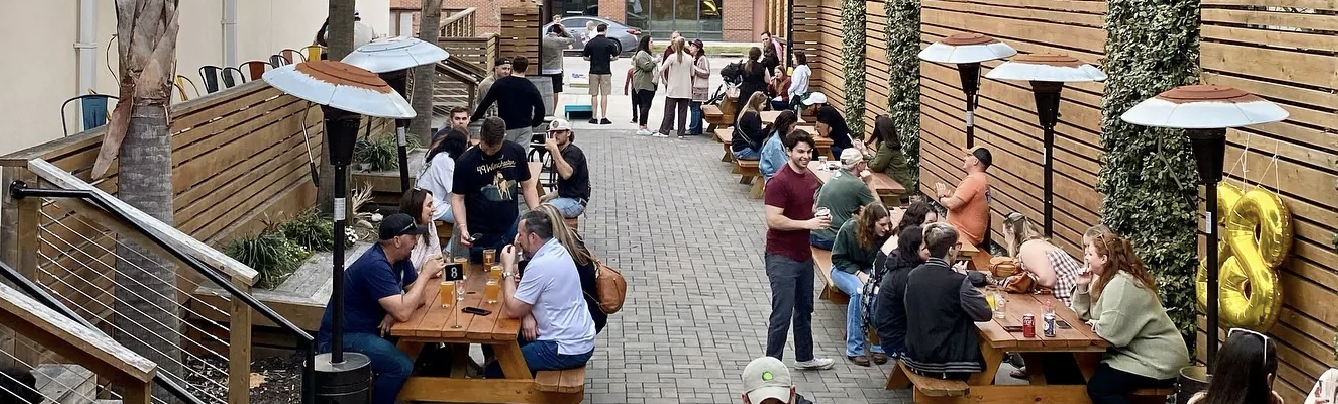
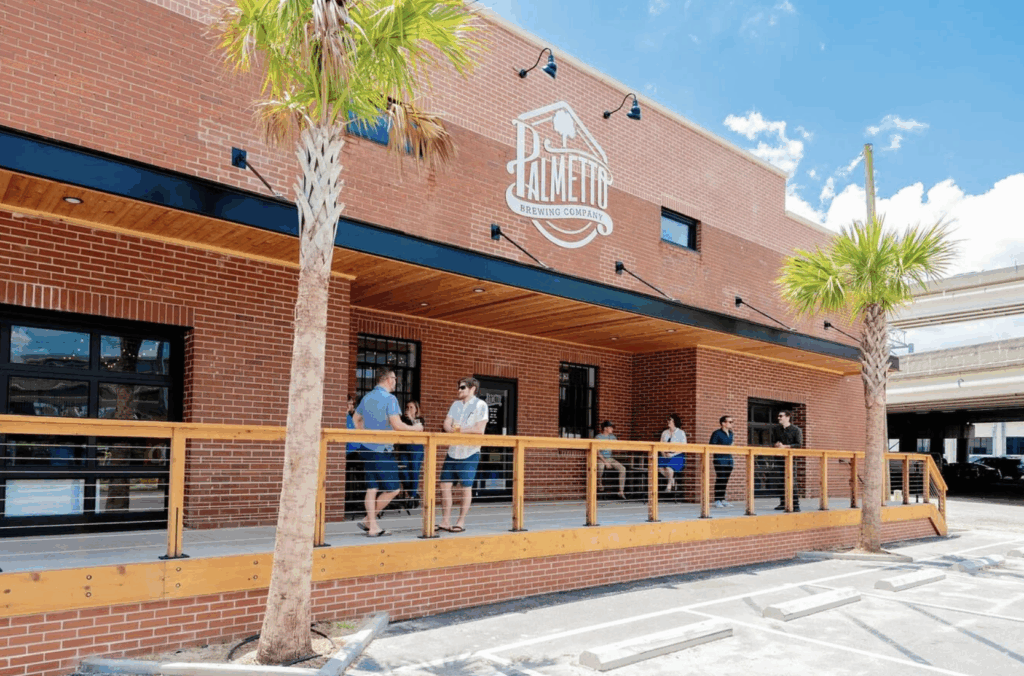
Unique opportunity to lease one-of-a-kind building in a one-of-a-kind location on Huger Street. This building has it all: high bay, loading dock, outdoor courtyard, onsite and adjacent parking and located in an emerging area of town adjacent to the forthcoming Lowcountry Lowline.
Lease rate does not include utilities, property expenses or building services
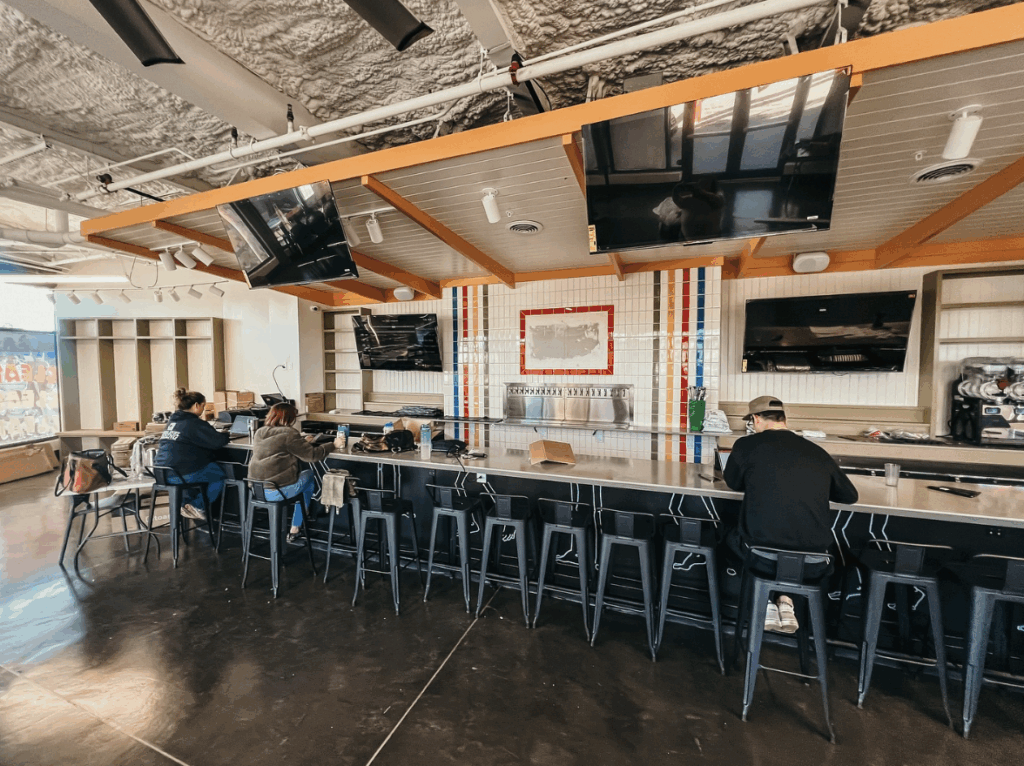
In the perfect stylistic tone consistent with their vibe, the owners of Cleats Charleston announced on social media the closing of Cleats.
The statement on Instagram read:
“✨ That’s a wrap ✨
After two incredible years, we’ve closed the doors at Cleats! 🍔🌭🍻🍹🍾What began as an exciting opportunity grew into a space full of great food, memories, and community. Over time, our direction has shifted, and it’s time to focus our energy on where the momentum is taking us next. 💛
A heartfelt thank you to our opening team and all the amazing people who worked tirelessly to build this business. Your hard work, passion, and dedication made everything possible. 🙌
Thank you for every visit, every plate shared, and every ounce of support. Cheers to new chapters and future adventures.”
We commend your passion, dedication and commitment to the Lowcountry. We wish y’all all the success in your futures.
CHARLESTON, S.C., Sept. 2, 2025 /PRNewswire/ — Hot in Charleston, producer of the critically-acclaimed blockbuster showcase, Midlife Monologues, is bringing a new show to the Holy City: Pass the Mic for Perimenopause, Tuesday, October 14 at 7 pm at PURE Theatre. Tickets for the one-night-only performance start at $65; more information is available atPURETheatre.org and passthemic4peri.com.
Pass The Mic For Perimenopause: Serves Up Comedy, Prose and Song for 30-to-50s Women
Cast members include NYC comedian and podcaster, Casey Balsham; comedian and creator of Funny Women of a Certain Age, Carole Montgomery; award winning author, Mary Laura Philpott (Bomb Shelter; I Miss You When I Blink); and an ensemble of talented Charleston artists including singer-songwriter and national recording artist, Kanika Moore; memoirist Jaclyn Michele Smith (Sorry I Cremated You); novelists Gervais Hagerty (In Polite Company) and Melissa Falcon Field (What Burns Away); husband-and-wife podcast duo, Dr. Kate and Jay White; media host and singer, Zandrina Dunning; singer-songwriter, Jenna Desmond of Babe Club; vocalist and musician, Cameron Handel; and PURE Company members, singer-songwriter, actor and producer, Tonya Nicole, actor and singer, Emily Wilhoit and dancer and improv maven, Anna Lin.
“We’re taking control and turning the tables on Perimenopause, exposing the raw humor and truth women in their 30s, 40s and 50s need now,” said Kerri Devine, founder of Hot in Charleston. It’s a quick return to the stage for Devine with longtime partner PURE Theatre, headed by Sharon Graci, six months after staging the sold out show critics called “Powerful,” “Unforgettable,” and “Pure Joy.”
The next gen showcase, hosted in association with the popular midlife podcast, Hot Flashes & Cool Topics, also features the work of culture-shifting poet, Kate Baer. It takes place during World Menopause Awareness Month in October and follows Perimenopause Awareness Month in September. A planned livestream will bring the entertainment event to viewers across the country. Sponsors include Menopause Solutions, Hotel Bennett, Meyer Vogl Gallery and The Works.
Through a collaboration between Meyer Vogl and Redux Art Center, a special gallery installation October 14 at PURE will highlight established and rising contemporary artists whose work uniquely expresses a woman’s journey.
CHARLESTON, S.C. — Two strong, mission-driven organizations—East Cooper Habitat for Humanityand Charleston Habitat for Humanity—are joining forces to better serve families across the Lowcountry. Effective September 1, 2025, the organizations will merge to become Charleston Habitat for Humanity, creating a unified, strengthened nonprofit with increased capacity, broader geographic reach, and new opportunities for innovation and impact.
“This merger is more than a change in name—it’s a bold step forward,” said Lynn Bowley, incoming CEO of Charleston Habitat for Humanity. “By working together, we will build more homes, complete more critical repairs, and expand our programs to reach more families in need.”
The merger will not disrupt day-to-day operations for families, volunteers, donors, or partners. Instead, it will enable Charleston Habitat for Humanity to:
Serve more families across Charleston County and beyond
Increase the number of new home builds and critical repairs throughout the combined service area
Access new funding opportunities through unified grant applications, partnerships, and donor networks
Optimize resources by combining administrative, fundraising, family services, and construction teams
The organization’s new headquarters will be located at 731 Meeting Street, Charleston, SC 29403, effective September 1, 2025.
Leadership Announcement
The newly formed Charleston Habitat for Humanity will be led by a team that combines decades of affordable housing expertise:
CEO: Lynn Bowley, former Executive Director, Charleston Habitat for Humanity
COO: Kevin Brokes, former Executive Director, East Cooper Habitat for Humanity
CFO: Christine Pinson, former Assistant Executive Director, East Cooper Habitat for Humanity “Our leadership team shares a united vision and a deep commitment to breaking down barriers to
homeownership,” said Kevin Brokes, COO. “This collaboration is about creating a stronger future for the families we serve.”
Retail Operations to Continue
Both retail stores will remain open and continue to support affordable housing initiatives:
East Cooper Home Store – 469 Long Point Road, Mount Pleasant
Charleston Habitat for Humanity extends its deepest gratitude to all donors, volunteers, and partners whose generosity has fueled this mission—and will now help make an even greater impact.
For more information about the merger or to learn how to get involved, contact: Lynn Bowley, ChiefExecutive Officer at Lynn@charlestonhabitat.org or 843-203-4021.
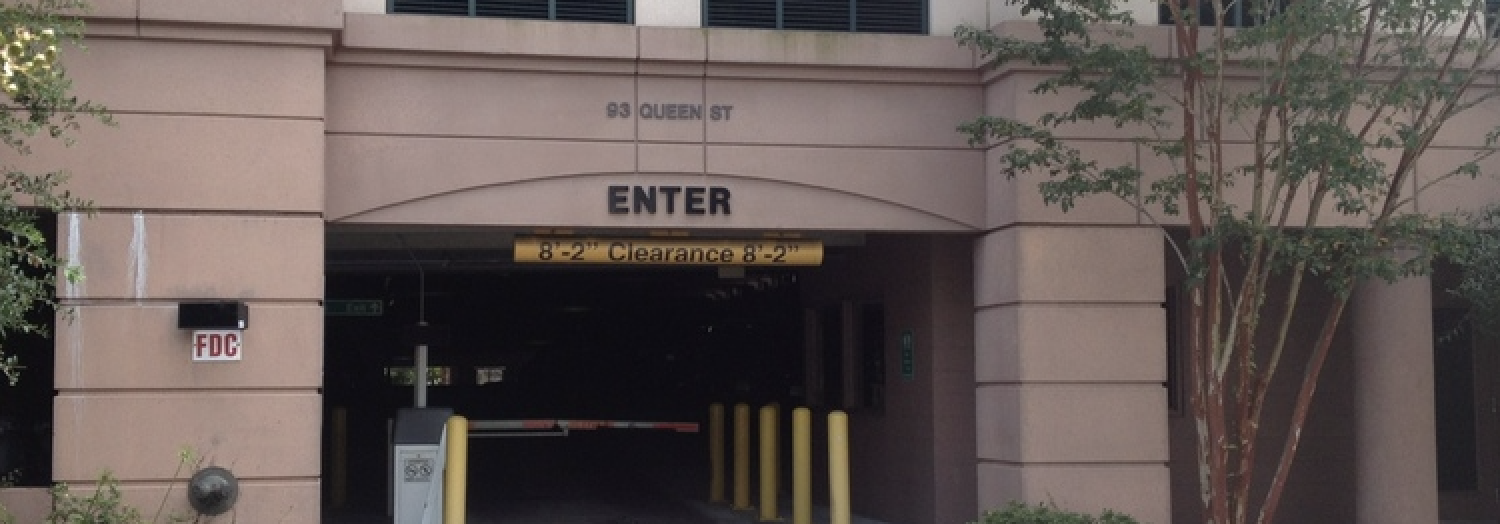
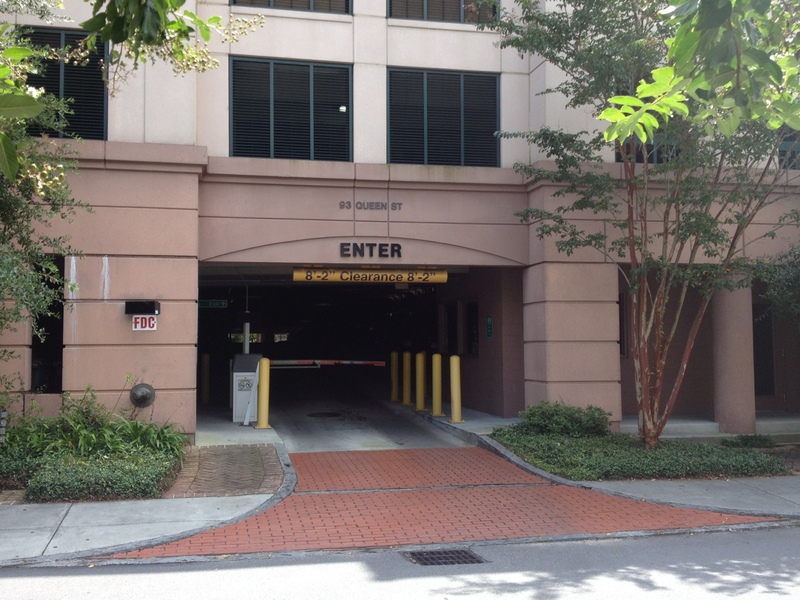
Following a comprehensive market analysis that found Charleston County’s monthly and transient parking rates to be below prevailing market values, the County will implement rate adjustments at the Cumberland (90 Cumberland Street) and King and Queen (85 Queen Street) garages to bring them more in line with comparable facilities, effective October 1, 2025.
This adjustment will create a consistent pricing structure for transient rates across all downtown garages. Funds will be utilized to perform critical facility maintenance and repairs, as well as to offset costs like credit card fees.
New transient rates for all county garages:
$1 per 20 minutes
$24 daily max
$50 lost ticket fee
New monthly rates (24/7 access):
King and Queen Garage: $215 per month
Cumberland Garage: $175 per month
Please note that Charleston County no longer offers a Daytime Parking Access rate. Contracts and billing for those
currently receiving Daytime Access will automatically default to the new 24/7 rate.
For cardholders with an automatic credit or debit card on file, payments will be processed on November 1, 2025 (for the month of October) at the new rate amount.
Those who would like to cancel existing parking contracts prior to the new rate implementation should contact the Main Parking Office by September 30th, 2025, via email at parking@charlestoncounty.org. Please note that refunds will not be issued to cardholders who do not cancel prior to the October 1 rate adjustment.
Those currently parking at the King and Queen Garage who would like to move to the Cumberland Garage should contact the Main Parking Office by September 30th, 2025, via email at parking@charlestoncounty.org.
For additional information, patrons should contact the Parking Office at 843-724-6786.
———–
In keeping with the Americans with Disabilities Act (ADA), those needing assistance should contact Charleston County at (843) 746-4086 during regular business hours.
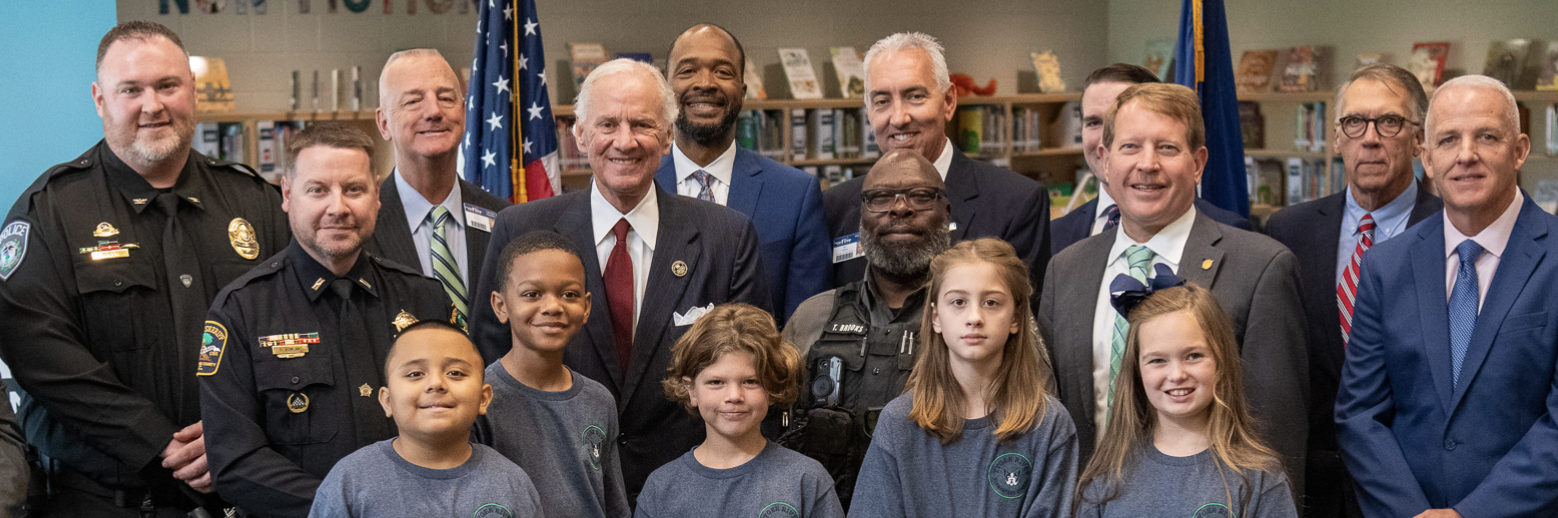
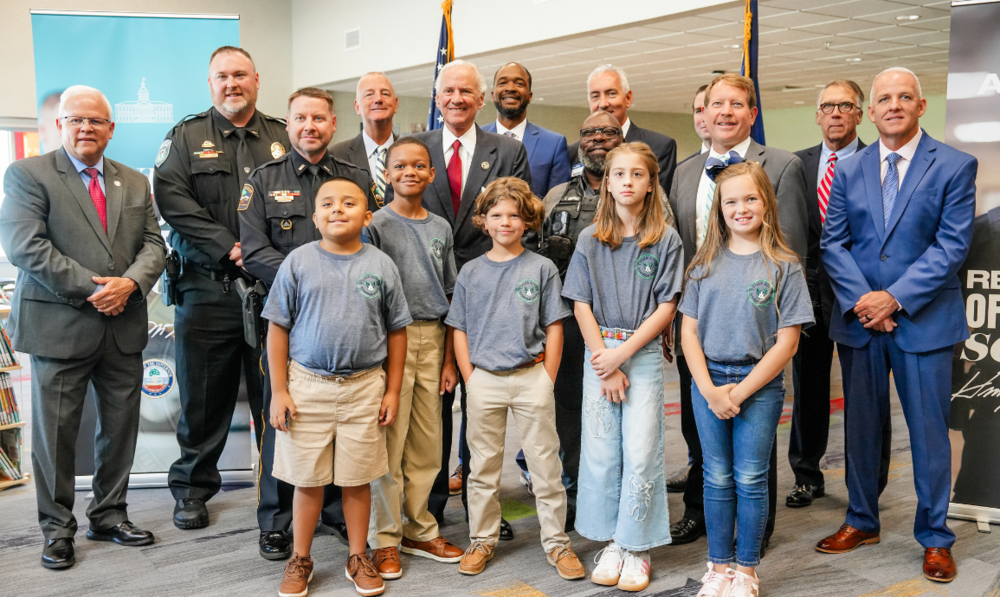
COLUMBIA, S.C. – Governor Henry McMaster was joined today by Department of Public Safety (SCDPS) officials, members of the General Assembly, and other state and local leaders to announce that final funding has been secured for an armed, certified, full-time school resource officer (SRO) in every South Carolina public school.
“For years, we have made it our mission to ensure that every student, teacher, and staff member is protected by an armed, certified, full-time school resource officer in every school, in every county, all day, every day – and now we have finished the job,” said Governor Henry McMaster. “This achievement makes South Carolina a national leader in school safety and provides us all peace of mind knowing our schools are protected.”
In 2018, Governor McMaster made placing a full-time SRO in each of our state’s 1,283 public schools a top priority. At that time, South Carolina had just 406 full-time SROs statewide. Since then, the General Assembly has steadily increased funding and, at the governor’s request, transferred the management of the program from the Department of Education to SCDPS to ensure greater coordination and efficiency.
At the start of the 2024-2025 school year, 1,106 schools had a full-time SRO, leaving 177 schools without coverage. This year, at the governor’s request, the General Assembly appropriated $29.4 million to fund a full-time SRO in every remaining school.
Since receiving funding in July, SCDPS immediately awarded funding for 58 new SRO positions. On August 5, SCDPS released an Open Solicitation for the remaining 119 positions, which will be filled as school districts are able to staff them throughout the year.
“I am proud to help ensure law enforcement has the tools they need to succeed, because in South Carolina, supporting our schools and law enforcement has always been a top priority,” said S.C. Senator Shane Martin. “That’s why, when we saw the need to place a resource officer in every school, every senator supported it unanimously, and the House passed it as well. Now, the funding is there, we just need the right officers to fill the roles.”
“The funding is now in place to put an SRO in every remaining school across the state, and that is exactly what we are going to do,” said DPS Deputy Director Mike Oliver. “Our priority is keeping kids safe, and we are fortunate to have an administration that looks out for our teachers and law enforcement.”
ADDITIONAL SCHOOL SAFETY INITIATIVES SECURED BY GOV. MCMASTER:
Center for School Safety and Targeted Violence:
In 2023, Governor McMaster signed into law H. 3360, which established the Center for School Safety and Targeted Violence within SLED. Located at the old Gilbert Elementary School, the center trains law enforcement, teachers, school personnel, and the public in active shooter response, targeted violence prevention, and other safety measures.
School Safety Upgrades:
For the past three years, the General Assembly has funded $20 million annually for school safety improvements. Distributed as grants through the Department of Education, eligible upgrades for school facilities include enhancing classroom and internal door locks, securing school entry points, window covers, bulletproof glass, and more.
School Mapping:
In FY 2024-2025, the legislature appropriated $5 million to the Department of Education for a statewide school safety mapping program. The system equips 911 operators with real-time digital maps pinpointing exactly where an emergency or incident is happening on a school campus, allowing first responders to get to a threat faster.
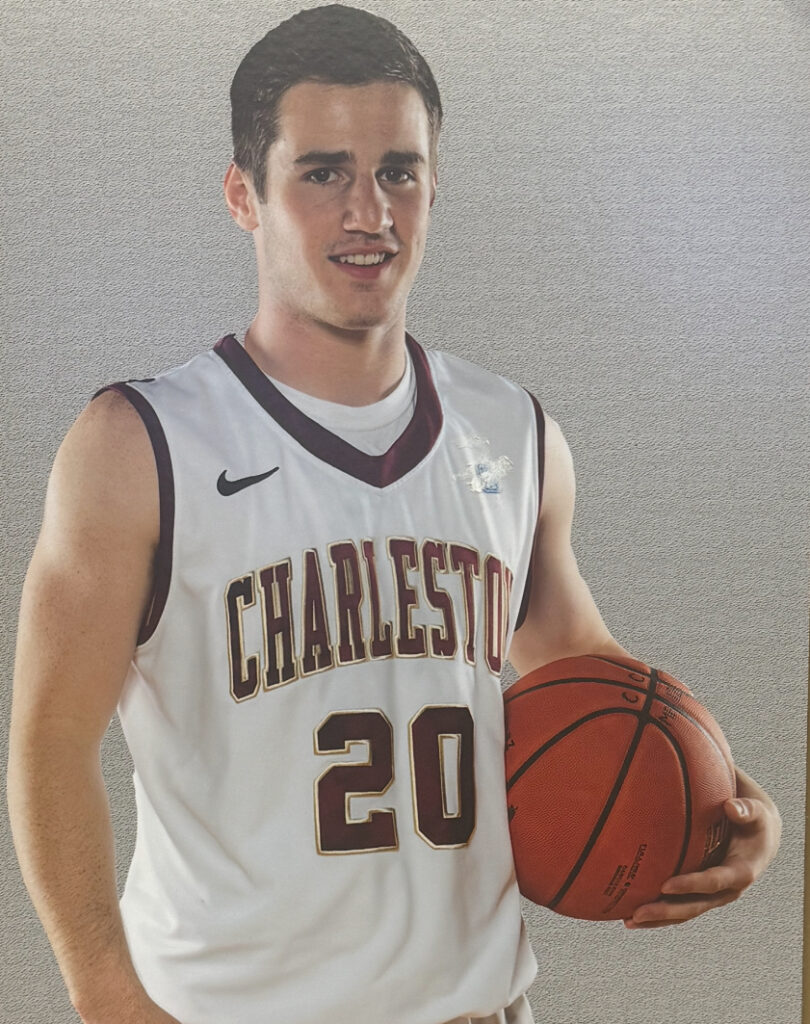
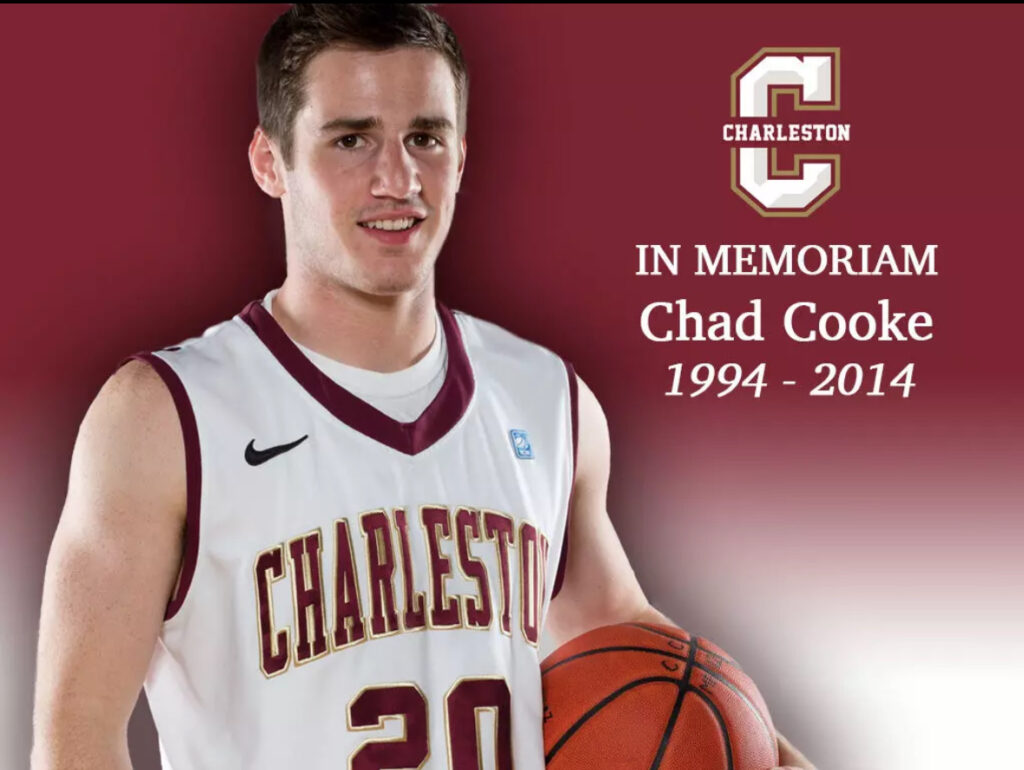
Chad Cooke’s story at the College of Charleston is a testament to perseverance and purpose. A 6-foot guard from Bolingbrook, Illinois, Cooke arrived on campus without a scholarship and refused to let that define him. He trained, tried out, and earned a walk-on spot with the Cougars, appearing over two seasons (2012–13 and 2013–14) and quickly becoming a favorite in the locker room for his energy and positivity.
Cooke’s impact, however, stretched far beyond a box score. He poured himself into service alongside friends who were launching Charleston Hope—an initiative supporting local Title I schools with mentorship, classroom resources, and holiday giving. Friends recall how he nudged the effort to “think bigger,” widening its reach so more kids felt seen and supported. That instinct to lift others up became part of what many now call “the Chad effect”: a ripple of kindness and action that outlives the moment.
Tragically, Cooke died on December 24, 2014 at age 20, while home for the holidays, a loss that stunned teammates, coaches, and the wider Charleston community. The program honored him with a celebration of life at Charleston Music Hall on January 12, 2015, where stories poured out about a teammate who never stopped encouraging others—on every sprint, in every drill, and in every act of service. The athletic department’s tribute captured the essence of who he was: a walk-on who made everyone around him better.
Photo and story located at TD Arena
In the years since, Cooke’s legacy has become a living challenge to the rest of us. The lesson is not merely that hard work can earn you a jersey—though his path from tryout to Charleston’s roster proves that. It’s that sport, at its best, builds a platform to serve. Cooke modeled a kind of leadership that doesn’t depend on minutes played: show up early, smile often, and use whatever influence you have to push good things forward. Organizations and friends have continued to share his story and values, encouraging students and athletes to turn belief into action—especially for kids who need a champion.
Remembering Chad Cooke means embracing that dual identity he wore so naturally: competitor and caregiver. His is the legacy of a walk-on who became indispensable, not by points or headlines, but by the steady, contagious way he made community the mission.
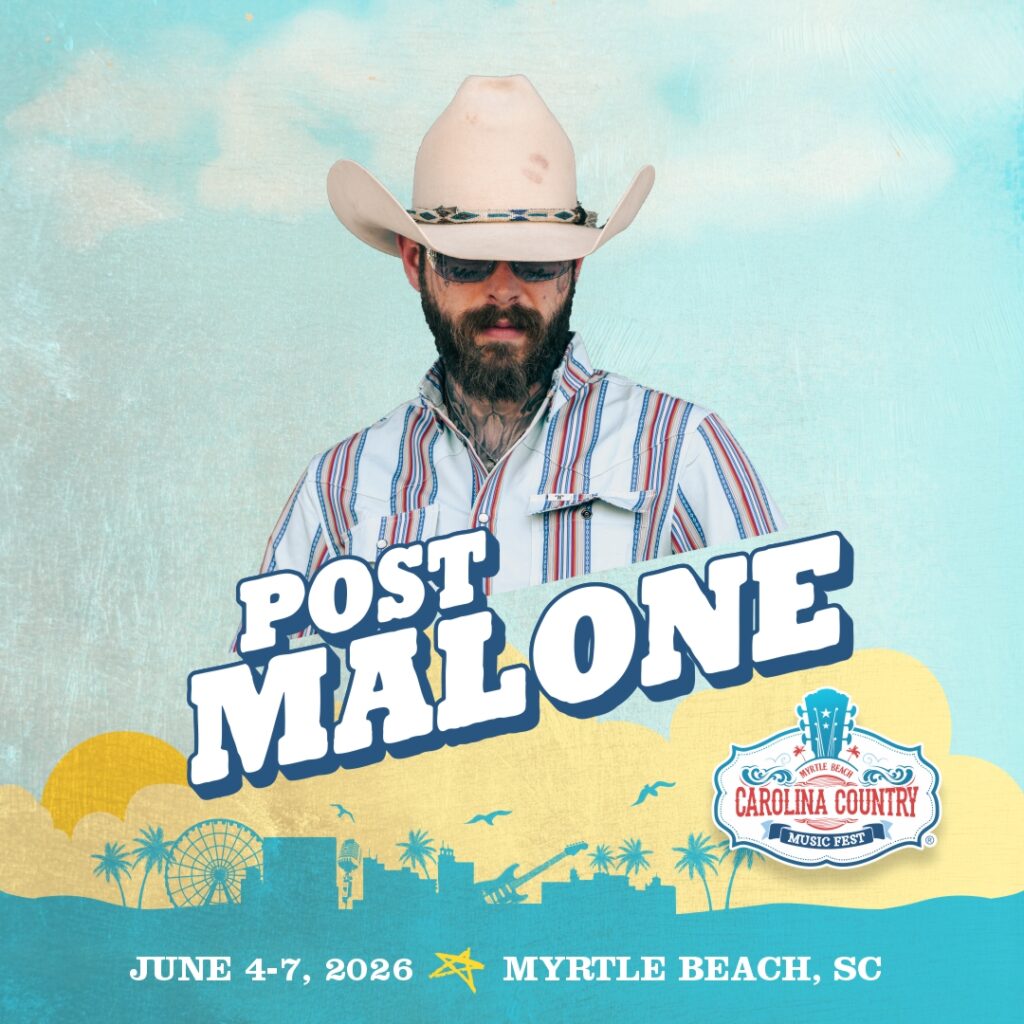
POST MALONE ANNOUNCED AS HEADLINER FOR CAROLINA COUNTRY MUSIC FEST 2026
Global Superstar Joins Blake Shelton on the Myrtle Beach Stage – Tickets On Sale Now
MYRTLE BEACH, S.C. (AUGUST 29, 2025) — Carolina Country Music Fest (CCMF), the East Coast’s largest outdoor country music fest, has revealed its next headliner for the 2026 event: Post Malone. Known for rewriting history, breaking records, and blurring the boundaries of genre, the 9x diamond-certified, GRAMMY® Award-nominated artist will bring his chart-topping catalog and high-energy live performance to Myrtle Beach, S.C., when CCMF returns June 4–7, 2026.
Post Malone is fresh off the release of his debut country album, F-1 Trillion, which debuted at #1 on the Billboard 200 and has already produced major hits including “Guy For That” featuring Luke Combs, “Pour Me A Drink” featuring Blake Shelton, and the mega-smash “I Had Some Help” with Morgan Wallen. Upon release, “I Had Some Help” debuted at #1 on the Billboard Hot 100, earning “the highest weekly sales and streams since 2020” and holding the top spot for six consecutive weeks. The critically acclaimed project, combined with collaborations with Beyoncé and Taylor Swift, earned Post eight 2025 GRAMMY® nominations.
His genre-defying catalog features a long list of diamond-certified anthems, including “rockstar” [feat. 21 Savage], “I Fall Apart”, “Psycho” [feat. Ty Dolla $ign], “White Iverson”, “Better Now”, “Congratulations”[feat. Quavo], “Circles”, and “Sunflower (Spider-Man: Into The Spider-Verse),” which became the highest-certified single in RIAA history as the first track to reach double diamond status. With multiple record-breaking tours, headlining sets at festivals like Coachella, and one of the most unique voices in music, Post Malone continues to stand as one of the most influential artists of his generation.
“Post Malone is one of the biggest superstars in the world, and we’re proud to bring him to CCMF for 2026,” said Bob Durkin, co-founder of Southern Entertainment, producers of CCMF. “His new country album has taken the industry by storm, and pairing him with Blake Shelton is just the beginning of an incredible lineup we’re building for next summer.”
With four consecutive sellouts and recognition from USA Today, Billboard, and Rolling Stone, Carolina Country Music Fest has spent more than a decade delivering unforgettable live music experiences on the shores of Myrtle Beach. Post Malone is the second of four superstar headliners to be announced, with more artists to follow in the coming weeks.
Tickets for CCMF 2026 are on sale now at CarolinaCountryMusicFest.com. For the latest updates and exclusive #CCMFHints, fans are encouraged to follow Carolina Country Music Fest on Facebook, Instagram, X and TikTok.
About CCMF: Carolina Country Music Fest™, (CCMF), the East Coast’s largest outdoor country music fest, is located in Myrtle Beach, SC, at the Boardwalk within the Burroughs and Chapin Pavilion Place. CCMF is host to the industry’s biggest stars with 40+ artists at the beach, June 4th-7th, 2026. CCMF hosts a unique blend of today’s country headliners, regional stars, up-and-comers and locals favorites on multiple stages. With the combination of country music and the scenic beach backdrop, this family-friendly, four-day fest is a summer vacation destination.
About Post Malone: A 9x diamond-certified GRAMMY® Award-nominated phenomenon, Dallas, TX artist Post Malone regularly rewrites history, blurs boundaries, and incites internet-breaking conversation with every move.
Most recently, Post released his debut country album, F-1 Trillion which landed at #1 on the Billboard 200 chart. Ahead of the album, Post released “Guy For That” featuring Luke Combs, “Pour Me A Drink” featuring Blake Shelton and mega-smash “I Had Some Help” with Morgan Wallen. Upon release of “I Had Some Help” it landed at #1 on the Billboard Hot 100, tallying “the highest weekly sales and streams since 2020” and remained at #1 for six consecutive weeks. The critically acclaimed F-1 Trillion, and collaborations with Beyoncé and Taylor Swift, earned Post 8 2025 GRAMMY® nominations. This past spring, Post headlined Coachella before hitting the road on his “Big Ass Stadium” tour, following his record-breaking F-1 Trillion Tour last fall.
Post’s catalog features diamond certified hits including “rockstar” [feat. 21 Savage]”, “I Fall Apart”, “Psycho” [feat. Ty Dolla $ign], “White Iverson”, “Better Now”,“Congratulations” [feat. Quavo], “Circles” and “Sunflower (Spider-Man: Into The Spider-Verse),” which became the highest-certified single in RIAA history reaching double diamond. It became the first song to ever achieve this status, netting the biggest single of his generation. As the writer or co-writer of all of his songs, Post Malone is one of our generation’s literary geniuses.
About Southern Entertainment: Southern Entertainment is a full-service event and production company with an unwavering commitment to excellence that has produced more than 500 events across the United States. For more information, visit www.southernentertainment.com
Charleston boasts a vibrant assortment of CBD shops that cater to diverse preferences—from upscale wellness boutiques to family-owned retailers and pop-up experiences.
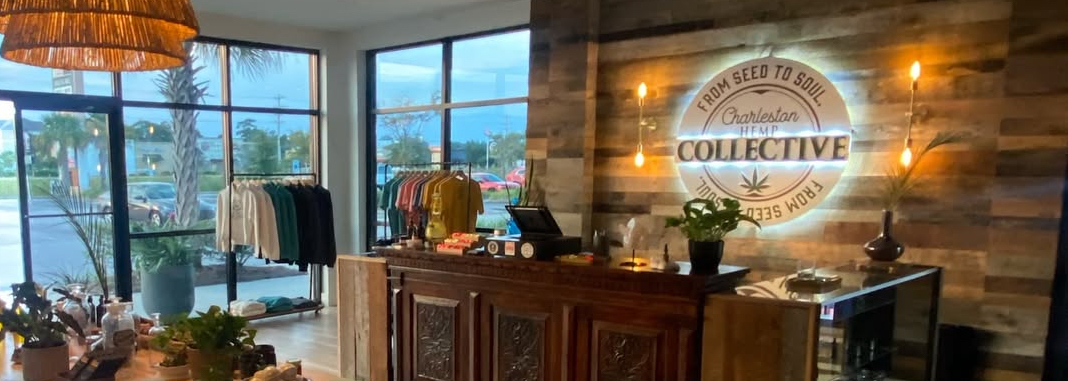
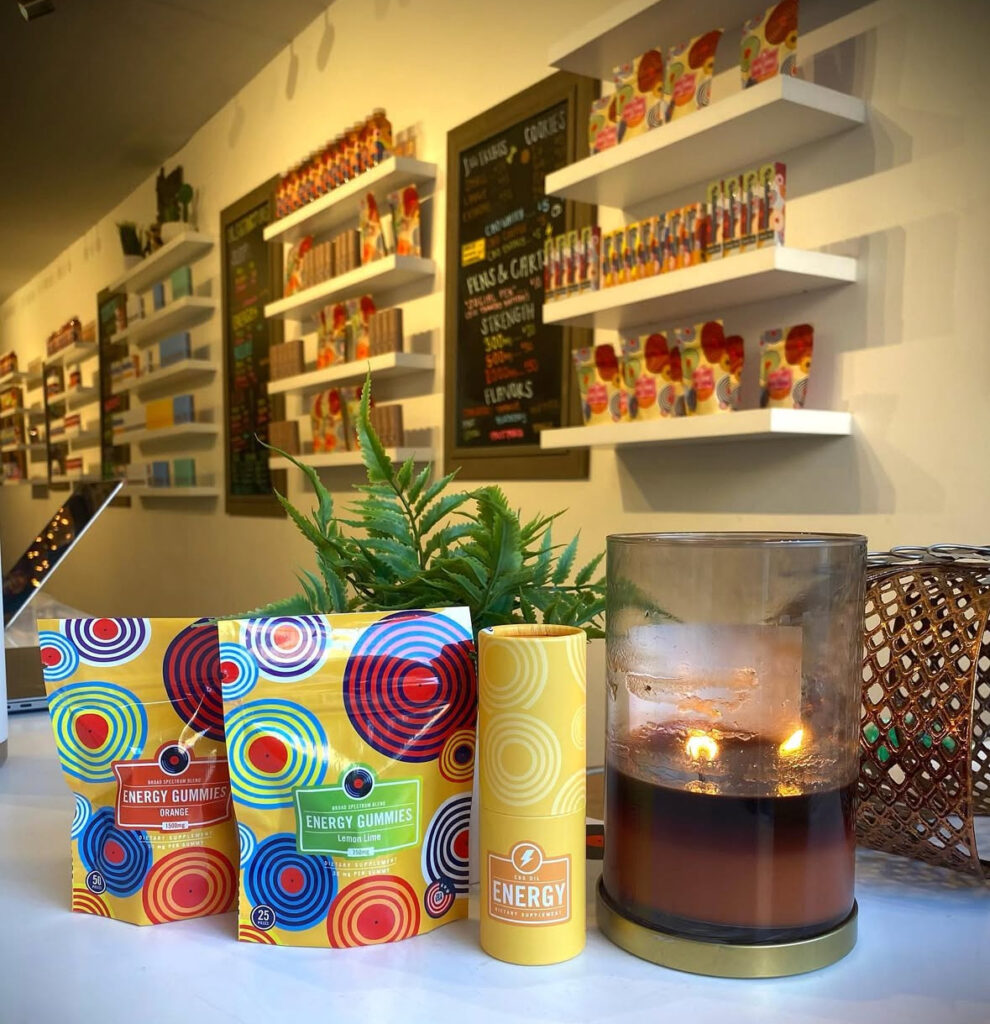
Charleston Hemp Collective offers a “seed-to-soul” selection of CBD and CBG products including tinctures, topicals, pet items, edibles, and beverages. Locations include King Street and James Island, with lab-tested products, local sourcing, and knowledgeable staff . They also host a unique “Cannabis Dry Bar” at their James Island location, where THC-infused mocktails are served in a curated setting.
I Heart CBD operates several convenient outlets across the region, including West Ashley, North Charleston, Johns Island, and Mount Pleasant—each highly rated for service and selection.
Arcanna Dispensary is a local, family-owned cultivator and distributor, producing CBD, THCA, Delta-8, Delta-9 THC, and HHC products like edibles, oil, topicals, and vape items. They have multiple storefronts across Charleston, Mount Pleasant, Folly, and North Charleston.
Other notable mentions include Your CBD Store – West Ashley, a well-reviewed spot on Savannah Highway offering a variety of CBD formulations with consistent operating hours, and Veyos Wellness retailers like Coastal CBD (520 Folly Road) that focus on a wellness-driven CBD product lineup—from topicals and capsules to pet products—rolled out via independent wellness partners.
Legal Landscape & Quality Assurance
In South Carolina, hemp-derived CBD containing less than 0.3% THC is legal for sale and consumption for adults. However, the addition of CBD to foods and beverages remains prohibited under state law, which has led to a more limited range of compliant edibles compared to some other states.
Consumers are encouraged to prioritize lab-tested products and clear labeling, due to variable retail quality. This varies widely—from reliable wellness shops to low-quality CBD found in convenience stores—making online vendors with transparent batch testing a safer option.
While CBD is legally accessible, local enforcement confusion still exists. Several incidents have involved arrests for legal CBD possession before lab reports clarified the products’ compliance . Therefore, purchasing from reputable, transparent outlets remains crucial.
Online Access & Delivery Advantages
For better selection, transparency, and convenience, many Charleston residents turn to online CBD retailers:
Trusted brands like Mellow Fellow provide a full slate of lab-tested CBD products, from oils and gummies to topicals, with shipping across South Carolina—a helpful option especially for coastal or rural consumers.
Online providers often offer detailed product descriptions, third-party lab results, educational resources, and subscription models—offering more consistent quality and value compared to some local shops.
Charleston’s hot, humid climate can compromise product stability during delivery, so choosing retailers offering temperature-controlled packaging or fast shipping is wise—especially for oils and edibles.
Quick Tips for CBD Consumers in Charleston
Use local shops for convenience and hands-on help. Visit places like Charleston Hemp Collective or I Heart CBD to explore and ask questions directly.
Buy lab-tested products. Insist on third-party certificates of analysis to ensure proper THC levels and ingredient purity.
Understand the law. Keep THC below 0.3%, avoid CBD in food and drinks, and retain purchase documentation in case of legal scrutiny.
Try online for variety and value. Brands like Mellow Fellow often provide broader selections and better pricing, with transparency through lab reports.
Store smart. Keep CBD products cool and dry to maintain their quality over time.
In summary, Charleston offers a rich and growing CBD marketplace with reliable local shops, reputable online vendors, and a fairly clear legal framework. Whether exploring wellness shop counters downtown or browsing curated online catalogs, the health-conscious CBD consumer in Charleston has plenty of trustworthy and compliant resources at their fingertips.
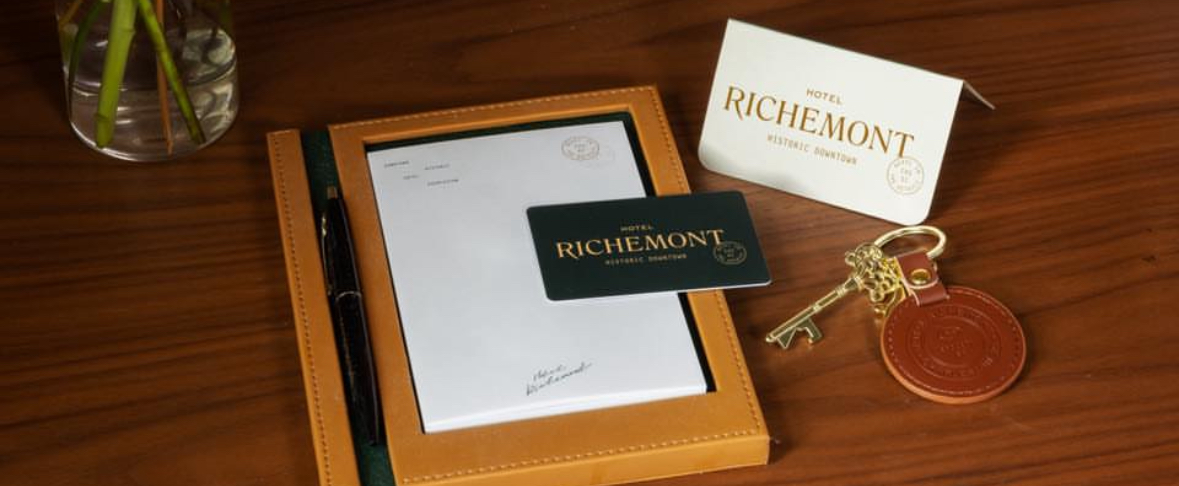
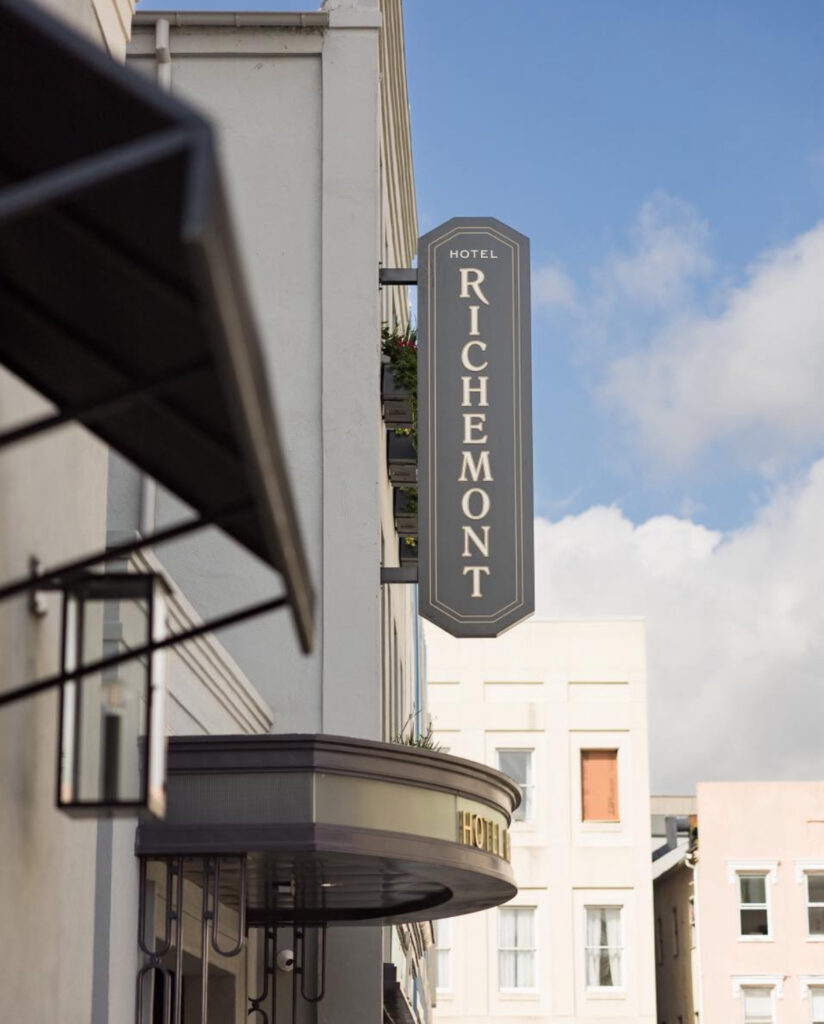
Charleston has long been celebrated for its blend of historic charm and modern elegance, and now a new chapter has arrived with the grand opening of the Hotel Richemont. Tucked away on Society Street just steps from King, this boutique property opened its doors in 2025, marking a milestone in the city’s flourishing hospitality scene.
The hotel is the third Charleston property from Indigo Road Hospitality Group, whose reputation for creating distinctive, experience-driven spaces set the stage for Richemont’s debut. From its very first night, the Richemont has positioned itself not only as a place to stay, but as a destination in its own right.
A Boutique Vision Brought to Life
With just 25 rooms—including one- and two-bedroom suites, some with loft-style layouts and private balconies—the Richemont was designed to feel intimate, personal, and unlike any other property in Charleston. Each detail was carefully considered, from plush linens and Nespresso machines to luxury Grown Alchemist bath amenities and elegant furnishings.
Even the building itself whispers stories of Charleston’s layered past. A restored bank vault door still stands in the lobby, blending history with modern design, while the hotel’s name, Richemont, pays homage to a French Huguenot ship that sailed into Charleston’s early harbor.
Dining at the Two Bit Club
The Two Bit Club: A Culinary Showcase
At the heart of the hotel’s opening celebration was the debut of its flagship restaurant, The Two Bit Club. Helmed by Executive Chef Jesus “Jelo” Tria, the restaurant immerses guests in the bold, evocative flavors of 1940s and 50s Southeast Asia. Lychee, lemongrass, and yuzu headline a menu that celebrates creativity, while the open kitchen provides a lively, theatrical dining experience.
The restaurant’s design continues the hotel’s theme of nostalgia-meets-modernity, wrapping guests in an atmosphere that feels both timeless and new. As the doors opened, it became immediately clear that The Two Bit Club was destined to become one of Charleston’s most talked-about culinary hotspots.
A Grand Opening to Remember
The Richemont’s grand opening was more than a ribbon-cutting—it was a celebration of what Charleston has become. Guests from near and far gathered in the hotel’s courtyard to toast the occasion with cocktails, enjoy culinary samplings, and explore the beautifully designed suites. Music, laughter, and conversation filled the air, setting the tone for the Richemont’s role in Charleston’s cultural and social landscape.
With its carefully crafted blend of history, hospitality, and forward-thinking design, the Hotel Richemont’s opening wasn’t just the launch of another boutique hotel—it was a statement of Charleston’s continuing rise as one of the nation’s premier destinations.
The doors have officially opened, and the Richemont is ready to welcome the world.

 by
by