CHARLESTON, S.C.— Charleston-based boutique real estate firm, The Cassina Group, was recognized as one of America’s fastest-growing private companies. The company was named to Inc. Magazine’s Inc. 5000, a list that represents the most successful companies within the American economy’s most dynamic segment — its independent small businesses. Not only have the companies on the 2021 Inc. 5000 been very competitive within their markets, but this year’s list also proved especially resilient and flexible given 2020’s unprecedented challenges.
“We are so honored to have been named to this prestigious list,” said Owen Tyler, partner and managing broker of The Cassina Group. “2020 was an unusual year and one that taught us the true importance of home. We are so grateful to have worked with so many loyal clients and to have such an amazing group of Realtors that are invested in the client experience.”
It is the fifth time The Cassina Group has earned a spot on the Inc. 5000. The company was ranked based on their 2020 numbers, where they completed more than 490 transactions with more than $385 million in closed sales. The firm is on pace to surpass those numbers in 2021, with more than $449 million in closed and pending sales so far this year.
The innovation-driven real estate firm has a proven reputation for delivering stronger results through leading-edge technology and building lasting relationships. They consistently rank as the No. 1 boutique firm in all of Charleston. They recently launched a new website at CassinaGroup.com to showcase their beautiful Lowcountry listings. The company has two offices in Charleston, including downtown Charleston and Mount Pleasant.
For more information on The Cassina Group, visit their website at CassinaGroup.com.
About The Cassina Group The Cassina Group is a boutique real estate brokerage with offices in Mount Pleasant, S.C., and Charleston, S.C. The firm is managed by Owen Tyler, partner and managing broker, and founding partners Jimmy Dye and Robertson Allen. Recent awards include top honors from Charleston Magazine, Inc. 5000, T3 Sixty and SC Biz News. For more information, visit www.CassinaGroup.com or call 843-628-0008.
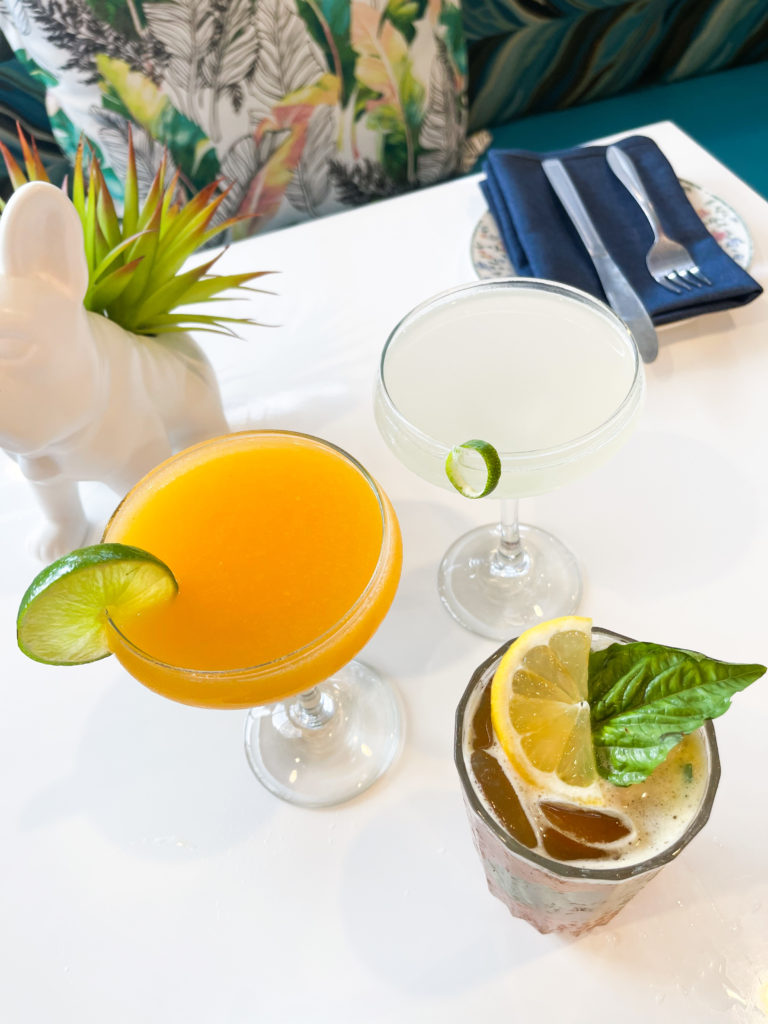
The anxiously awaited cocktail menu at West Ashley’s farm-to-table neighborhood restaurant, Patois, has just been released.
Jeremiah Schenzel, Owner and Operator of Daps, helped come up with these boozy (and spiritless) concoctions, which are just as playful as they are delicious.
Ready to “Take the Next Left”? Go for this fun drink, made with Pimm’s gin, lemon, pineapple, fresno, and basil. Reminisce on the good times with the “Remember When,” complete with white rum, lime, passion fruit, orgeat, and cherry pepper. Other standouts include the “Mean Streets of Cancun,” a fun combination of reposado tequila, grapefruit, ras el hanout, and mint; and the “20th Century Kaleidoscope,” a gin-based cocktail infused with lime, maraschino, and creme de violette.
Not ready to take on the alcoholic options just yet? Guests can indulge in spiritless mocktails, like the “Faux-jito” with lime, mint, and sugar, or the “Rozata” with grapefruit, lemon, and orgeat.
The CAC is a volunteer board made up of seven members appointed by the Mayor and City Council to serve two-year terms. Board Members should demonstrate a civic interest and general knowledge of the City, and be prepared to attend meetings and special events. Two of the vacancies will be filled with residents who live inside the Recreation District and/or own a business in Goose Creek. The remaining members must reside within City limits. The mission of the CAC is to identify, present and sustain cultural arts initiatives to enrich the lives of Goose Creek residents and visitors. The CAC meets on the second Monday of each month at 7 p.m. at the Goose Creek Community Center, 519A North Goose Creek Blvd. Members also volunteer at special events and festivals sponsored by the Goose Creek Recreation Department during the year.
The city’s Planning Commission is responsible for determining many of the land use processes. The Commission is tasked with identifying the needs of the city, establishing both short and long terms goals for the development of the city, and then writing and updating the city’s Comprehensive Plan and recommending zoning ordinances which support those plans. In addition, it is the Planning Commission which approves street names, and hears requests for property rezoning. All meetings are open to the public. The Commission meets at 6:30 p.m. on the first Tuesday of each month at City Hall.
For more information, please call (843) 797-6220, ext. 1113.
Looking for the best places to live in South Carolina in 2021? If you are, these are the best places to live in South Carolina, this video will inform you or give some insight into a few places to consider. These places are compared by the cost of living, schools, jobs, amenities, etc.
CHARLESTON, S.C. – Charleston County Public Library (CCPL) will open the renovated John’s Island Library, located at 3531 Maybank Highway, on Monday, Aug. 23. The public is invited to attend a ribbon cutting ceremony beginning at 9:30 a.m. at the branch.
“After being closed for over a year, we’re thrilled to show the community all of the exciting changes that have taken place at their branch,” said CCPL Executive Director Angela Craig. “John’s Island and the surrounding area finally have access to a modern, state-of-the-art library, equipped with resources, services, and technology that extend well beyond books.”
The John’s Island Library closed in August 2020 to undergo renovations as part of the ongoing $108.5 million referendum-funded project passed by Charleston County voters in 2014 to build five new libraries and renovate all existing branches. Updates include:
The Otranto Road Library, which opened on Aug. 2, was the first renovated branch to reopen its doors to the public. Three other CCPL branches –Hurd/St. Andrew’s, Mt. Pleasant, and Dorchester Road– are currently closed for renovations, with the Hurd/St. Andrew’s branch expected to reopen in the coming weeks. Designs for the renovations were created by McMillan Pazdan Smith (MPS), with MB Kahn handling construction.
The ribbon cutting ceremony will include speakers from the library and Charleston County Government, as well as elected officials. Due to COVID-19, occupancy at the ceremony will be limited. In addition to the ribbon cutting, patrons will have the opportunity to meet the branch staff, take pictures with CCPL’s mascot Owlbert, and more.
For more information about this library branch and updates on the construction of the other facilities, please visit ccpl.org/construction.
Announcing the fall outdoor concert series at the North Charleston venue
NORTH CHARLESTON, SC (August 4, 2021) – Firefly Distillery, South Carolina’s oldest working distillery, is expanding its music program to include a variety of live music offerings throughout the expansive venue. The new music program, Live At Firefly, will encompass all live music events at the North Charleston distillery, from weekly local performances to national touring artists. “I grew up a musician and supporting live music has always been a part of our brand,” says Scott Newitt, co-owner of Firefly Distillery. “We’re expanding our support through these new performance offerings and love being able to provide a fun venue for artists and the community.”Now a major player in the music venue scene in Charleston, Firefly Distillery is doubling down on supporting live music. This new program Live At Firefly offers three ways visitors can experience live performances at the distillery:
On The Porch: Free and open to the public each Saturday from 1 to 4 pm, local artists perform on the Front Porch outside so visitors can listen while sipping cocktails at the picnic tables. The On The Porch sessions have been a popular draw to the distillery each Saturday for the last year. Local musicians including Lauren Hall, Haley Mae Campbell, Southbound 17, and more have performed for visitors during these afternoon music sessions, offering a lively ambiance while enjoying the spacious Front Porch.
In The Studio: A full recording studio on the second floor of the distillery hosts touring artists for intimate listening sessions, and also offers up-and-coming musicians the opportunity to record new music. In The Studio sessions are new this year with singer-songwriter Caitlyn Smith being the first to perform in the distillery’s recording studio for an intimate listening session. Additionally, “Good Times Roll” country music artist Jimmie Allen, and “Villain” singer-songwriter Lily Rose have performed in the new recording studio.
On The Field: Many larger scale ticketed concerts are held throughout the year on the 4-acre field, surrounded by live oaks and marsh views. Spinning off from Firefly’s popular Safe Sounds series, the On The Field concerts will offer open space for visitors to enjoy larger outdoor concerts including national touring acts including Flogging Molly, Lettuce, and more. On The Field concerts offer local food trucks and an outdoor bar with views of the sunset over the creek.
In partnership with Ear For Music, Firefly Distillery is hosting an outdoor concert series On The Field from September 4 to October 23. Each ticketed concert will run from 7 to 10 pm, with doors opening at 6 pm, and will feature live music performances, Firefly cocktails, beer, wine, and local food trucks. Open to all ages, tickets can be purchased in advance at citypapertickets.com starting August 6, 2021. Fall Concert Series Lineup:
Saturday, September 4, 2021 – Motown Throwdown does Jerry Garcia
Sunday, September 5, 2021 – On The Border: The Ultimate Eagles Tribute Band
Saturday, September 11, 2021 – Departure: The Ultimate Journey Tribute
Saturday, September 18, 2021 – Special Guest To Be Announced
Saturday, September 25, 2021 – Tokyo Joe presents: The Best of Everything – A Tribute to Tom Petty
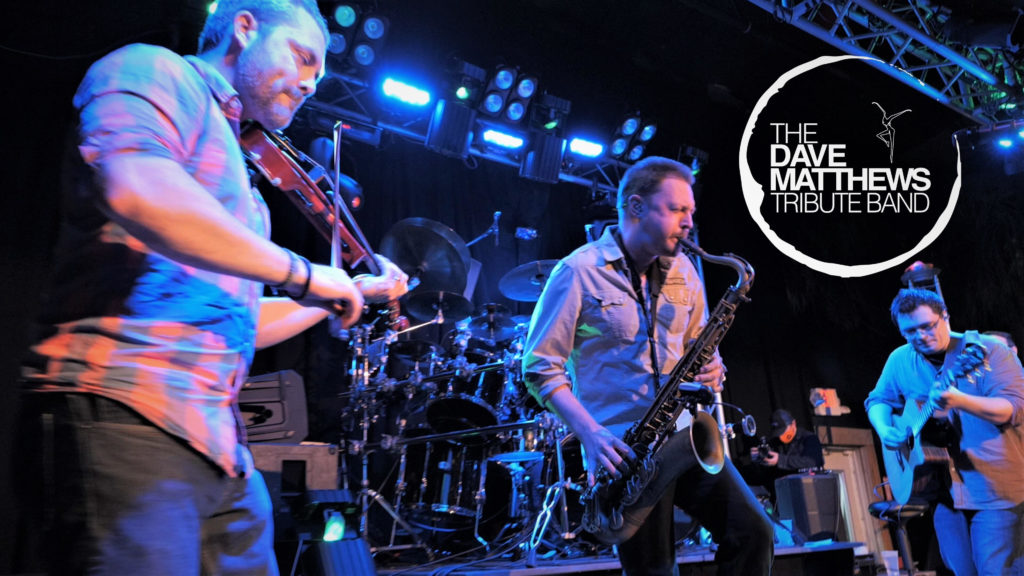
Saturday, October 2, 2021 – The Dave Matthews Tribute Band
Saturday, October 9, 2021 – The Eighty Sixers with Special Guests Guilt Ridden Troubadour
Saturday, October 16, 2021 – Night Moves with Taylor Hicks – A Tribute To Bob Seger
Saturday, October 23, 2021 – Women Who Rock featuring Lauren Hall, Emily Curtis, & LaFaye
This concert series is powered by Rev Federal Credit Union with additional sponsors including: Charleston City Paper, Bud Light Seltzer, Babe Wine, Hero Heating & Air, Rodgers Wranglers, David Aylor Law Offices, MassMutual SC, and Southern Flavor Magazine.
For more information about Firefly Distillery, Live At Firefly, and the fall concert series, visit www.fireflydistillery.com. Firefly Distillery is currently open Monday through Saturday from 12 to 6 pm offering tastings and cocktails with live music and food trucks on Saturdays and is available for private events.
About Firefly DistilleryFirefly Distillery is the birthplace of Firefly Spirits. What began as an idea for the world’s first sweet tea vodka has grown into South Carolina’s largest distillery. Outgrowing its flagship location on Wadmalaw Island, Firefly Distillery expanded its operations with its new 25,000 square foot distillery in North Charleston. Keeping with traditions of history and Southern hospitality, the new distillery offers a place to gather for friends, family, corporate events and weddings. Set under the oaks and surrounded by marsh views, the distillery is a destination for locals and visitors alike with live music, food trucks, events and a gift shop. Visitors can experience the distillation process first hand with various tastings and purchase Firefly Spirits including the new small-batch bourbon and many other distillery specialties.
About Ear For MusicAll things music, Ear For Music (EFM) is a full-service entertainment agency that specializes in providing one-of-a-kind events with the music industry’s hottest stars, emerging talent, and local favorites. EFM thrives in talent buying, production management, and full-service concert or festival promotion delivering a unique listening experience for any performance setting.
Charleston Parks Conservancy celebrates 10th anniversary of Party for the Parks
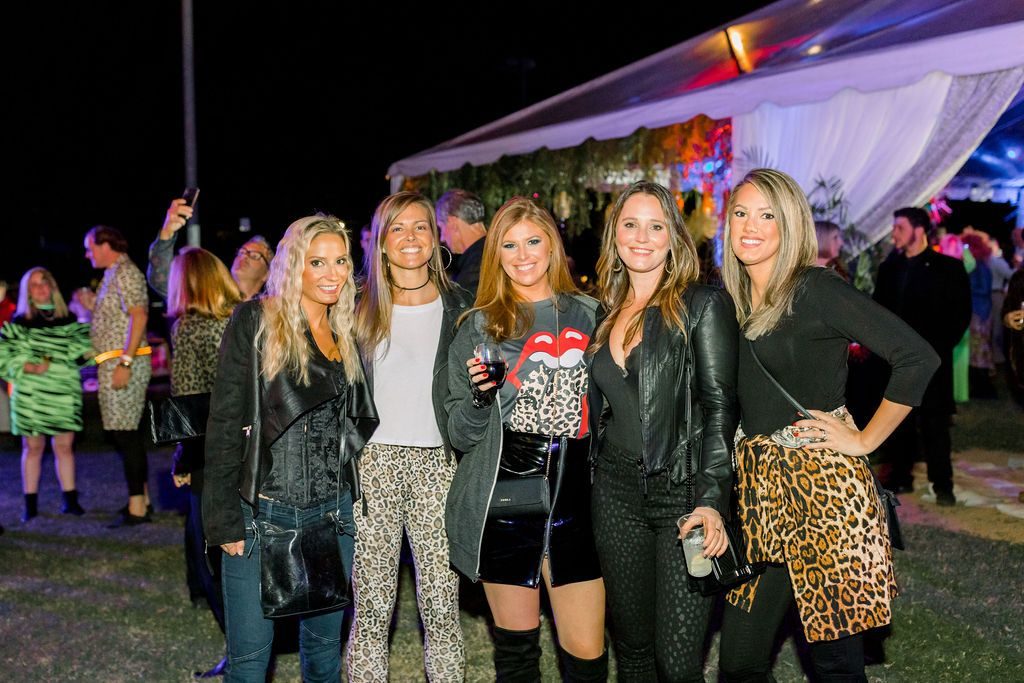
CHARLESTON, S.C. — Charleston’s hottest party returns to Colonial Lake this fall with a celestial theme, food, cocktails and plenty of entertainment. The Charleston Parks Conservancy will host its Party for the Parks fundraiser on Friday, Oct. 29. Tickets go on sale Tuesday, Sept. 14.
After being canceled last year due to the pandemic, Party for the Parks returns this year to mark its 10th anniversary as one of Charleston’s premier events.
Each year, this event raises money for the Charleston Parks Conservancy’s work beautifying and maintaining more than 20 of Charleston’s city parks. Notable park projects include the renovation of Colonial Lake, Moultrie Playground, St. Julian Devine Community Center & Park. the Rose Pavilion at Hampton Park, and the creation of three community gardens.
Switching to a Friday night this year, Party for the Parks is set for 6-10 p.m. on Oct. 29. Guests will be treated to food from local restaurants, specialty cocktails, music and live entertainment. Party-goers are encouraged to dress to the theme of Zodiac: A Celestial Celebration. All-inclusive tickets are $150.
Tickets will be strictly limited for this year’s event. Those interested in attending are encouraged to purchase tickets early. Sponsorship opportunities are available, and sponsors are guaranteed tickets to the event. For more information about sponsorships, please contact Samantha Scott at sscott@charlstonparksconservancy.org.
“Party for the Parks has grown into one of Charleston’s favorite fundraising events,” said Conservancy Executive Director Tom McGuire. “Not only is it an incredible party, but attendees know they are helping us connect people to their parks and create stunning public spaces all year long.”
The Charleston Parks Conservancy is a nonprofit organization dedicated to inspiring the people of Charleston to connect with their parks and create stunning public places and a strong community. For more than 13 years, the Conservancy — through public-private partnerships — has had a hand in renovating and beautifying more than 20 parks in the City of Charleston. In 2020, renovations were completed at Moultrie Playground and at St. Julian Devine Community Center & Park. Other notable projects include the complete renovation of Colonial Lake, the renovation of the Rose Pavilion at Hampton Park as well as Magnolia Park and Community Garden and Medway Park and Community Garden. For more information, visit www.charlestonparksconservancy.org.
 by
by