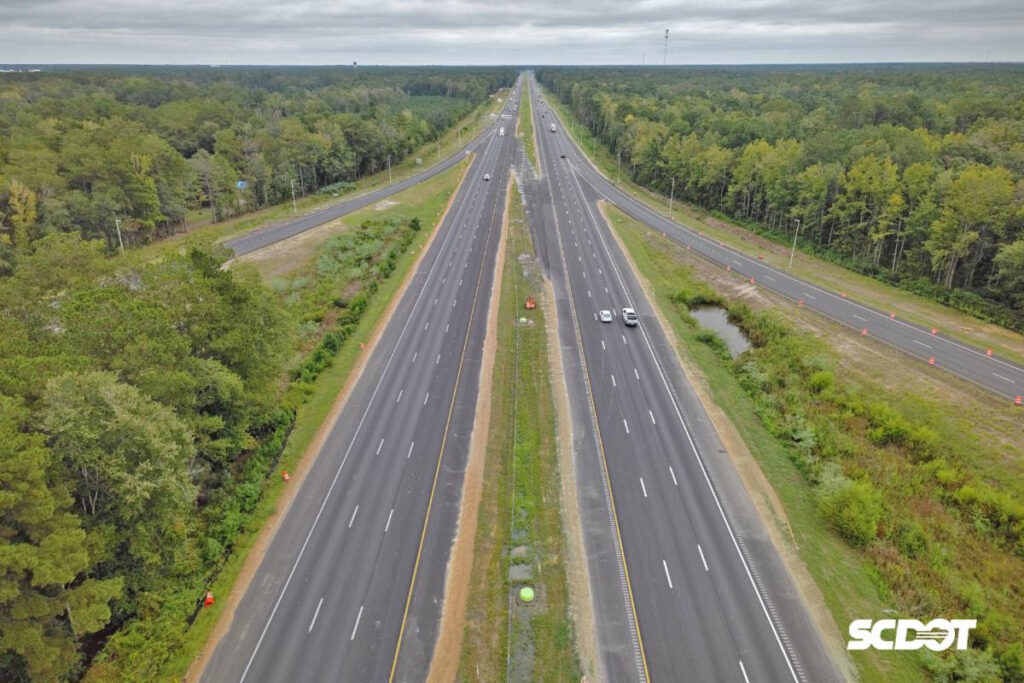
Columbia, S.C. (September 23, 2026) – The South Carolina Department of Transportation opened new travel lanes on I-26 in both directions in Berkeley County on Wednesday, September 23. Drivers will now have access to three lanes on I-26 westbound and eastbound between mile markers 187 and 194. “The opening of these lanes marks a major milestone in the I-26 corridor widening project,” said SCDOT Secretary Justin Powell. “It also brings us closer to the goal of expanding the entirety of I-26 between Charleston and Columbia.”
SCDOT contractors will still be conducting single-lane closures as they finalize construction on the new lanes. The construction will be done before the end of October.
SCDOT asks that drivers slow down and pay attention when driving near the work zone.
About SCDOTThe South Carolina Department of Transportation (SCDOT) is the state agency with oversight of South Carolina’s network of highways and bridges, including responsibilities such as planning, design, construction, financing, and roadway safety. To ensure the nation’s fourth-largest highway system is prepared to serve the needs of South Carolina’s growing economy and population, SCDOT has developed Strategic 10-Year Plan that addresses improvements to the state’s highway and bridge systems. Learn more at scdot.org.
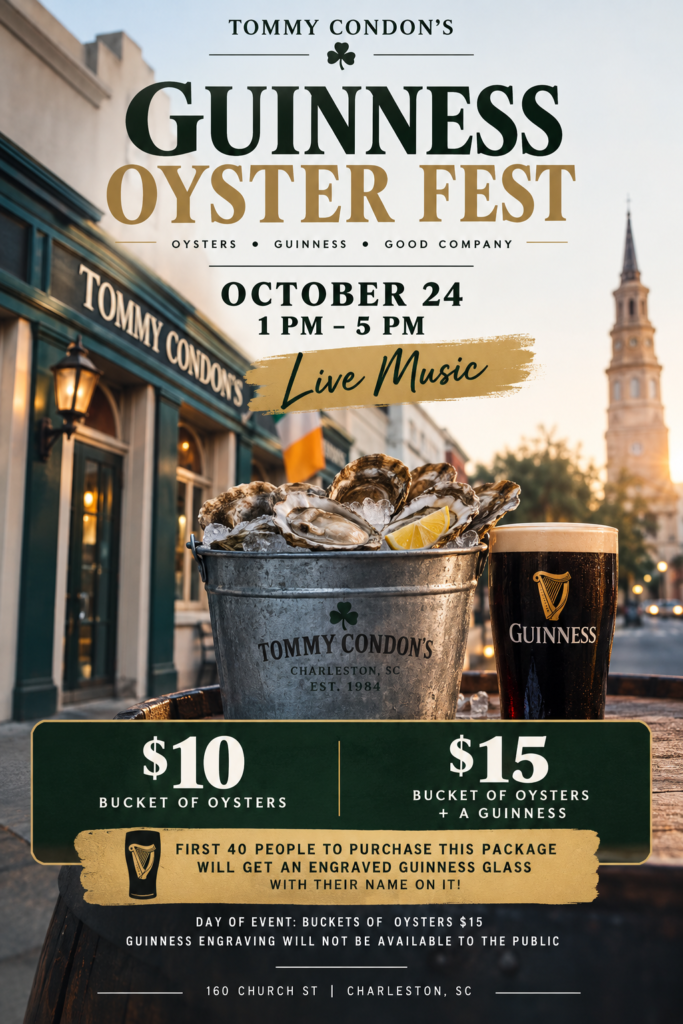
🦪 Click HERE for Oyster Bucket Package — $10 Includes one bucket of oysters.
🦪🍺 Click HERE for Guinness Oyster Package — $15 Includes one bucket of oysters plus one Guinness.
There’s also an added incentive for the first 40 guests who purchase the Guinness Oyster Package: an engraved Guinness glass personalized with their name.
Guests are encouraged to come early, grab their oysters and a Guinness, and stay for the afternoon of live music.
An Afternoon at a Charleston Institution
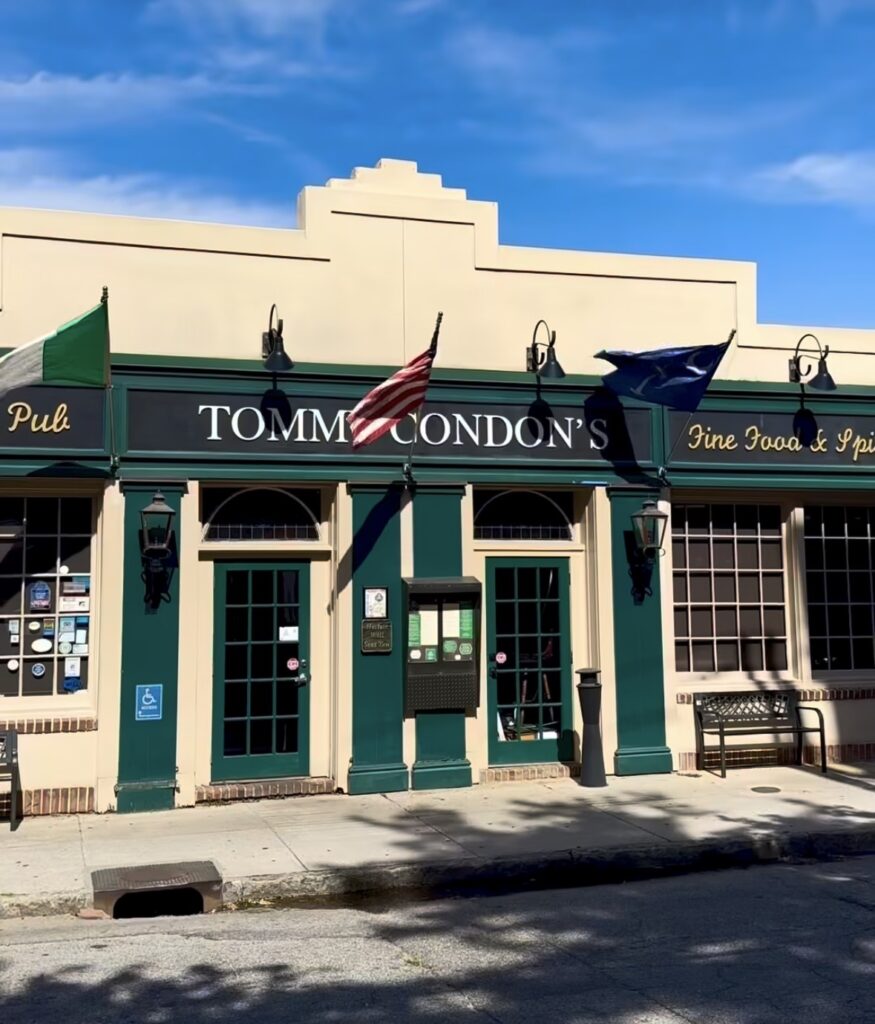
Tommy Condon’s has been part of Charleston’s downtown dining scene since 1984, when Tommy Condon opened the Irish pub and restaurant. The longtime Church Street destination combines Irish pub traditions with Lowcountry favorites, including shrimp and grits, fish and chips, shepherd’s pie and other comfort-food classics.
The pub is also known for its Irish atmosphere, extensive collection of authentic Irish memorabilia and live entertainment, with Irish music featured Wednesday through Sunday evenings.
The Guinness & Oyster Fest adds a distinctly Lowcountry twist to the pub’s Irish roots — pairing one of Ireland’s most recognizable beers with one of Charleston’s favorite local foods.
Event Details
What: Tommy Condon’s 1st Annual Guinness & Oyster Fest When: Saturday, October 24, 2026 Time: 1–5 p.m. Where: Tommy Condon’s Irish Pub & Restaurant Address: 160 Church Street, Charleston, SC 29401 Tickets: $10 Oyster Bucket Package; $15 Guinness Oyster Package Entertainment: Live music throughout the afternoon
Tickets are valid for the October 24 event only. Additional food and beverages will be available for purchase. Personalized Guinness glasses are limited to the first 40 qualifying Guinness Oyster Package purchasers.
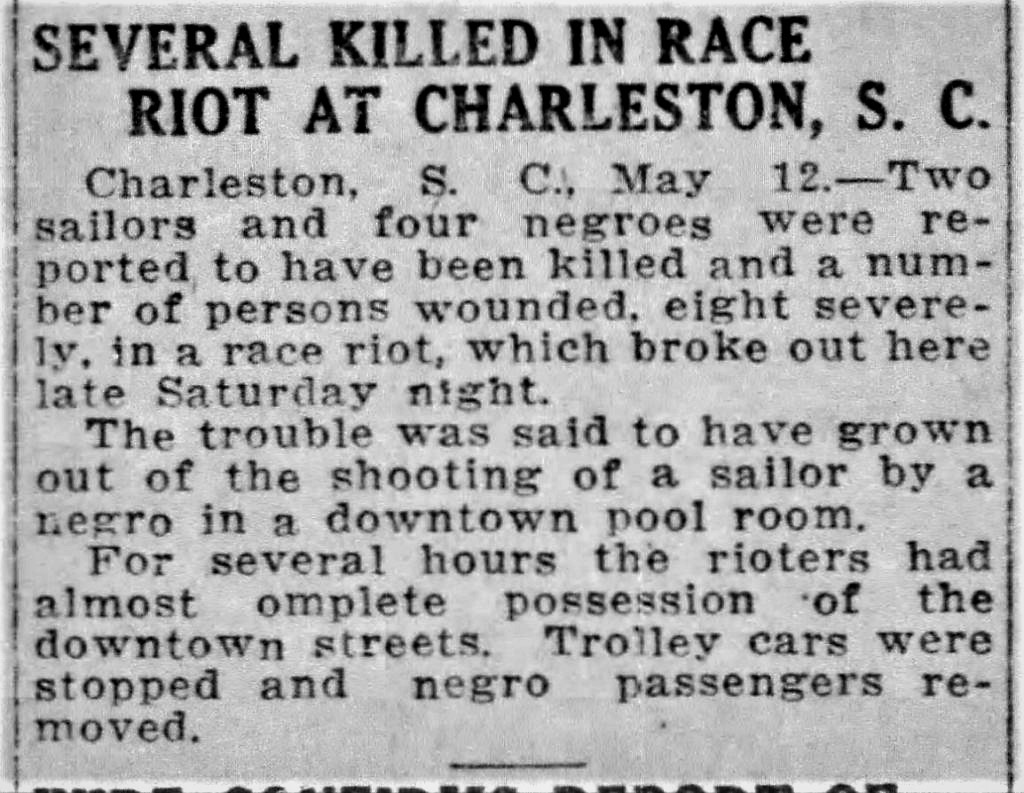
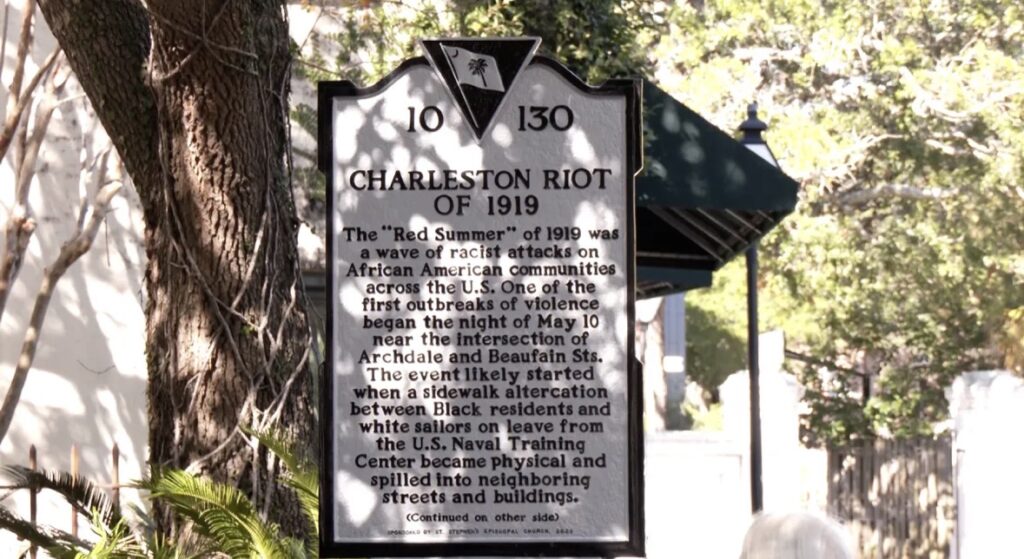
For Charleston, 1919 was supposed to be a year of transition. World War I had ended, thousands of servicemen were returning home, and the city’s population and economy were changing. Instead, on the night of May 10, Charleston became the scene of one of the most serious episodes of racial violence in its history.
The Charleston riot of 1919 occurred during the period now known as the Red Summer, when racial violence erupted in communities across the United States. In Charleston, the violence was concentrated in the downtown area and involved white U.S. Navy sailors, local white civilians and Black Charlestonians.
A City Under Pressure
Charleston in 1919 was a deeply segregated city, but it was also a city undergoing significant demographic and economic change. During World War I, the Charleston Navy Yard expanded dramatically, bringing large numbers of sailors and military personnel into the region. At the same time, African Americans throughout the South were increasingly asserting their rights and seeking greater economic and social independence.
The return of Black servicemen from World War I was particularly significant. These men had served their country overseas and returned with expectations of greater dignity and citizenship. Across the nation, however, the postwar period brought heightened racial tensions rather than immediate equality. South Carolina was no exception.
The Night of May 10
The precise spark for the Charleston violence has never been established with complete certainty. Contemporary accounts offered conflicting explanations, including rumors of a fight at a pool hall and claims that a Black man had shot a white sailor.
A later U.S. Navy investigation concluded that the most likely beginning was a confrontation between two white sailors and a Black man near Beaufain and Archdale Streets. The encounter escalated, and rumors quickly spread among sailors that a Black man had attacked or shot a sailor.
Those rumors proved devastating.
White sailors began moving through the surrounding streets, attacking Black residents. Some raided shooting galleries and took rifles, pistols and ammunition. Armed groups then moved through portions of downtown Charleston, targeting Black people and Black-owned businesses.
The violence spread along King Street and into surrounding neighborhoods. A Black barber shop was destroyed. Black passengers were pulled from streetcars and beaten. Black pedestrians were attacked seemingly at random. In one particularly disturbing episode, a Black man was dragged from a streetcar and shot.
The Charleston County Public Library’s historical account notes that the disturbance eventually involved a large crowd of sailors, with some civilians participating as well. The attacks were not confined to one location but spread across much of the downtown commercial district.
Three Deaths and Dozens Injured
The human toll was severe.
Among those killed was Isaiah Doctor, a 22-year-old Black laborer who was shot during the early stages of the violence. James Tolbert, 23, was also fatally wounded. William Brown, 20, was shot while attempting to return home and died several days later. Historical records identify numerous additional Black Charlestonians who suffered gunshot wounds, beatings and other injuries.
The violence overwhelmed the city’s police force.
As the situation deteriorated, Navy authorities sent additional military police and Marines into downtown Charleston. Armed Marines moved through the streets, ordering sailors and civilians to disperse and returning sailors to the Navy Yard. By the early morning hours of May 11, the violence had largely subsided.
What Happened Afterward
In the aftermath, the Navy suspended liberty for many sailors and conducted its own investigation. Two sailors, Jacob Cohen and George Holliday, were tried in connection with the shooting of Isaiah Doctor. They were acquitted of manslaughter but convicted of rioting and received one-year sentences in a naval brig.
The newly established Charleston branch of the NAACP also pressed city and federal authorities to respond. Its demands included protection for Black residents, compensation for damaged businesses, greater accountability for the sailors involved and the hiring of Black police officers. Mayor Tristram Hyde agreed to several requests, although he rejected the proposal to hire Black policemen.
The events of May 10–11 were more than an isolated night of violence. They reflected the broader racial tensions of postwar America and the collision between an increasingly assertive Black population and a white society determined to preserve the existing racial order.
Today, the Charleston Riot of 1919 remains a difficult but important part of the city’s history. It reminds us that Charleston’s past is not only one of beautiful architecture, commerce and cultural traditions, but also one shaped by segregation, racial violence and the long struggle for equal citizenship.
Remembering May 10, 1919 does not diminish Charleston’s history. It makes that history more complete.
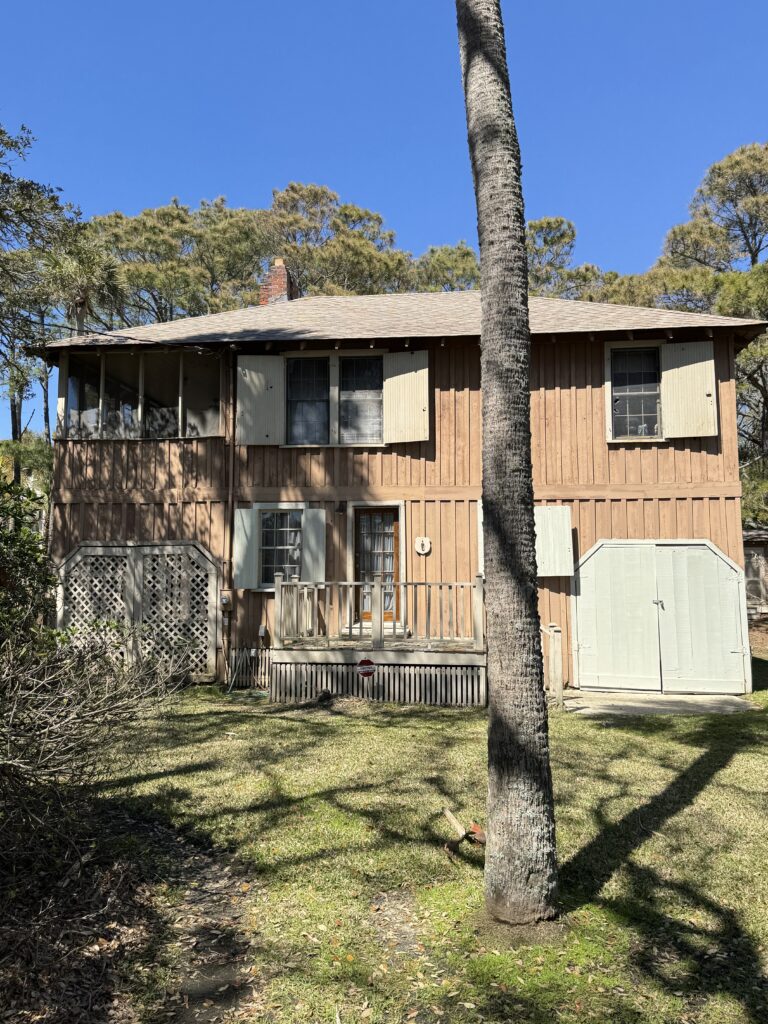
FOLLY BEACH, S.C. — The City of Folly Beach, Folly Beach Historical Society, and the Folly Beach TVPC board will unveil a new historical marker at the Porgy House, recognizing the home’s important place in the literary and cultural history of the Lowcountry.
The unveiling will take place this Friday, September 25, at 10:30 a.m. in front of the home at 712 West Ashley Avenue. Speakers will include Folly Beach Mayor Chris Bizzell; James Ward of the College of Building Arts; Mae Holmes of the Exchange Club; Nancy Moore of the Folly Beach TVPC; Anne Hughes of the Folly Beach Historical Society; Cubby Wilder, representing the community; and a member of the Smalls family. Samuel Smalls is the man who inspired the character of Porgy.
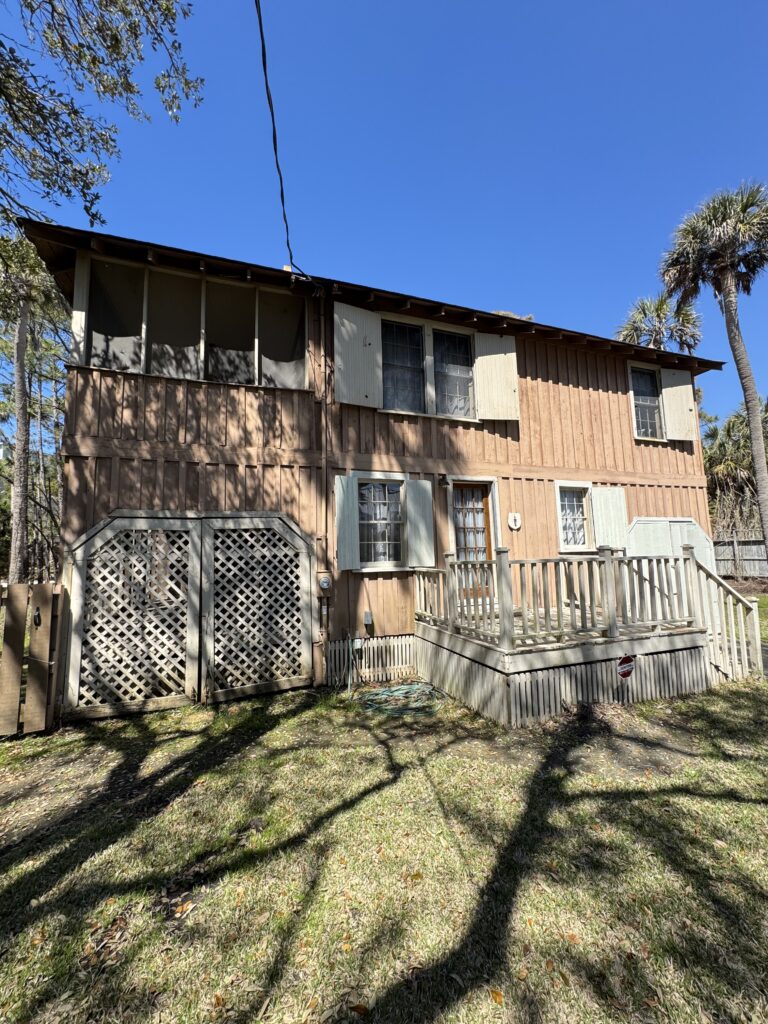
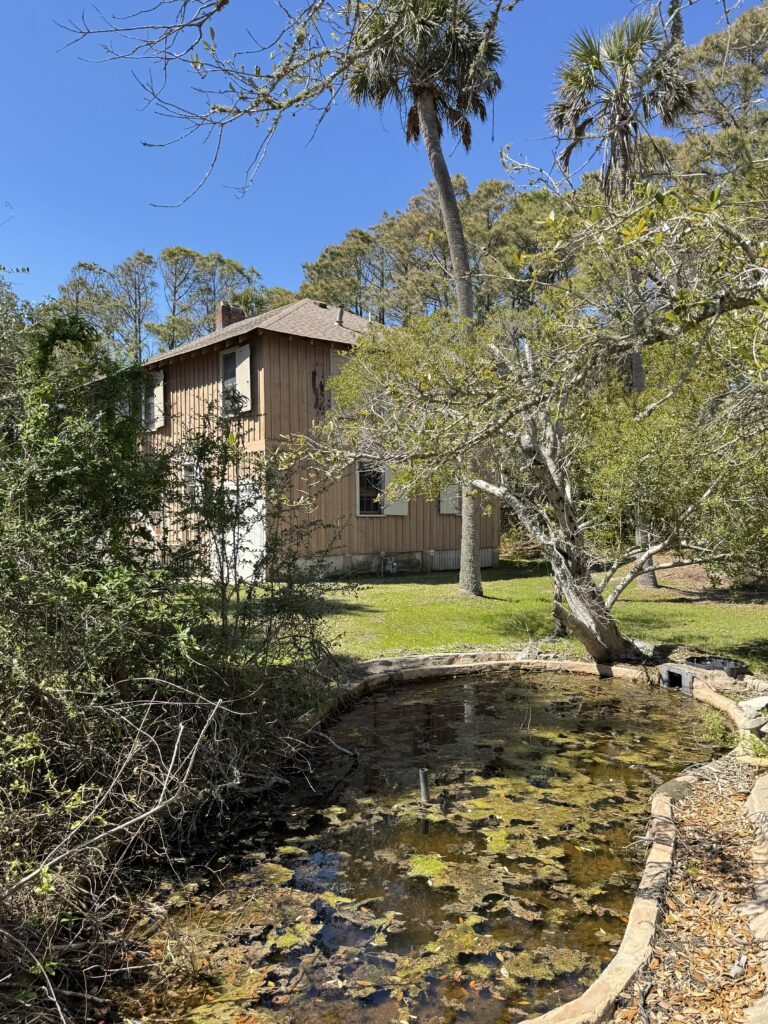
Built in 1933, the Porgy House was the summer retreat of author DuBose Heyward and his wife, Dorothy. During the summer of 1934, George Gershwin collaborated with Heyward on the renowned opera Porgy and Bess, based on Heyward’s novel Porgy. During his time on Folly Beach, Gershwin drew inspiration from the Gullah culture and sounds of the Lowcountry.
The two-story home features its original wood interiors, three bedrooms, and a writer’s booth, which was built later and used by the Heywards and Gershwin as a place to work. The home has been carefully preserved and is recognized as a unique cultural landmark. The Folly Beach Historical Society’s exhibit, The Porgy House: A Cottage on an Island in a Culture, can also be viewed at the Folly Beach Community Center/Library.
Members of the media are invited to attend and cover this special unveiling. If you cannot make the unveiling and would like to schedule another time to interview or take pictures, please reply to this email so we can make arrangements.
Location of Home: 712 West Ashley Avenue, Folly Beach, SC
Charleston’s culinary reputation has received another national vote of confidence — this time from a data-driven study combining Yelp activity with Lyft dining patterns.
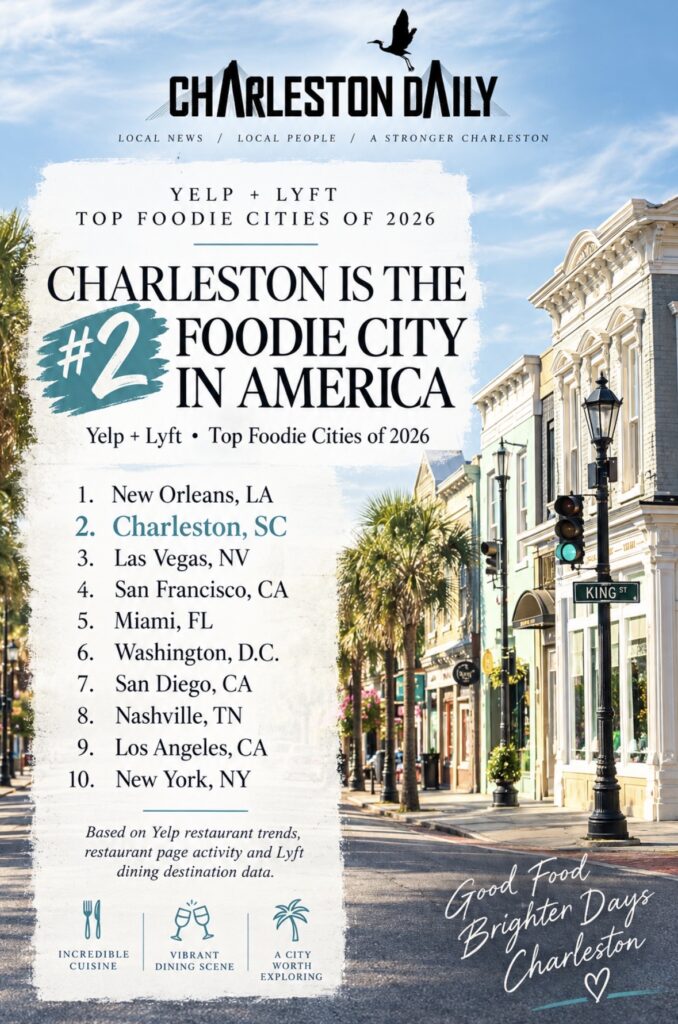
Charleston has been named the No. 2 foodie city in America for 2026, according to a new collaboration between Yelp and Lyft. Only New Orleans ranked higher, while San Diego came in at No. 3. The ranking examined how people discover restaurants online and, importantly, where they actually travel to eat.
The recognition places Charleston ahead of major culinary destinations including Miami, San Francisco, Nashville, Los Angeles and New York City.
How were the cities selected?
This wasn’t simply a ranking based on restaurant reviews or Michelin stars.
Yelp and Lyft combined several types of consumer data to identify cities where dining plays a particularly significant role. The analysis included Yelp restaurant search volume, page views, ratings, bookmarks and saves, and photo uploads, along with Lyft rideshare destination data showing where people were actually traveling for restaurants.
That combination makes the list somewhat different from traditional “best restaurants” or “best food cities” rankings. It attempts to measure both interest in restaurants and actual dining behavior.
The report also found that Breakfast & Brunch was the most-searched restaurant category across every Foodie City, while nearly one in five Lyft rides to restaurants took place before noon.
Why Charleston?
According to the findings reported by Travel + Leisure, seafood and Italian cuisine were among Charleston’s most-searched cuisines on Yelp. The report also specifically noted Charleston’s unusually active community of Yelp Elite users — another indication of how engaged local diners are on the platform.
Lyft’s data offered another perspective: Charleston’s bar scene stood out, with riders frequently heading to establishments including Blind Tiger and Henry’s on the Market.
In other words, Charleston’s showing wasn’t based solely on expensive destination restaurants. The data reflects a broader dining ecosystem — restaurants, brunch spots, bars and neighborhood establishments that people are actively searching for, saving, photographing and traveling to.
Which Charleston restaurants stood out?
One important distinction: Yelp and Lyft’s published material does not appear to provide a complete restaurant-by-restaurant ranking for Charleston or assign individual scores to local restaurants. So the No. 2 designation applies to the city, not to a particular Charleston restaurant.
The study’s Charleston-specific restaurant mentions include:
Blind Tiger — identified by Lyft data as one of the city’s prominent bar destinations.
Henry’s on the Market — another Charleston establishment highlighted in the Lyft dining-ride data.
Other national coverage surrounding the ranking has highlighted several Charleston restaurants and food businesses, although these should be viewed as editorial recommendations rather than restaurants ranked by the Yelp-Lyft study itself.
EatingWell, for example, singled out Benne’s for its coconut cake, The Obstinate Daughter for dishes including its pasta alla vodka, and Welton’s Tiny Bakeshop for its creative baked goods.
And Charleston’s broader national culinary momentum continues to include restaurants such as Chubby Fish, Vern’s and Wild Common, which have received significant attention from other national food organizations and publications. Chubby Fish, in particular, has recently received international recognition, while Charleston currently has multiple Michelin-recognized restaurants.
A Top 20 increasingly dominated by the South
Charleston’s No. 2 position is also notable because the 2026 list demonstrates the continued strength of Southern and Southeastern food cities.
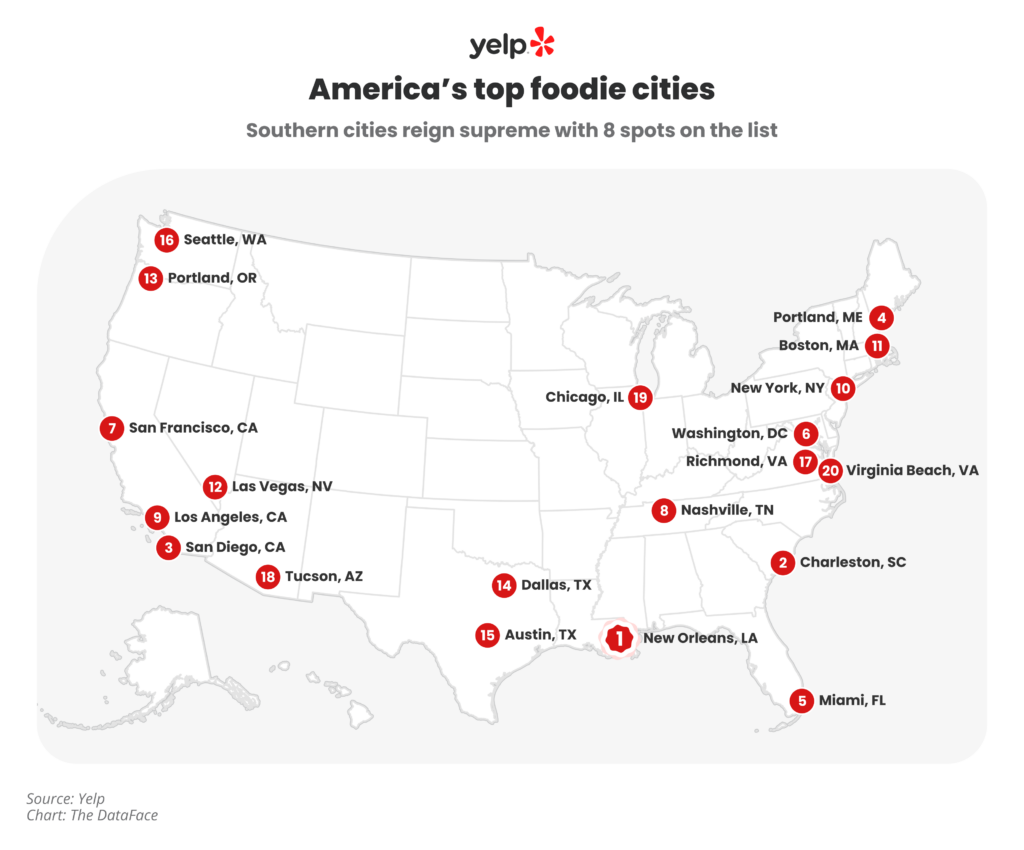
The Top 10 were:
New Orleans, Louisiana
Charleston, South Carolina
San Diego, California
Portland, Maine
Miami, Florida
Washington, D.C.
San Francisco, California
Nashville, Tennessee
Los Angeles, California
New York, New York
The full Top 20 also includes Boston, Las Vegas, Portland, Dallas, Austin, Seattle, Richmond, Tucson, Chicago and Virginia Beach.
Yelp and Lyft noted that 40% of the cities on the 2026 Foodie Cities list are in the South and Southeast, while two-thirds of the regions experiencing the fastest growth in Lyft rides to restaurants are also in the South and Southeast.
What the ranking says about Charleston
Perhaps the most interesting aspect of the recognition is that the methodology measures what diners are actually doing, rather than simply asking critics to name their favorite restaurants.
People are searching for Charleston restaurants. They’re looking at restaurant pages, saving them, uploading photographs, engaging with Yelp and then physically getting in a Lyft and going out to eat.
For a city where food has long been intertwined with tourism, hospitality and Lowcountry culture, that combination is significant.
Charleston may be famous for shrimp and grits, oysters, barbecue, she-crab soup and traditional Southern cooking — but the Yelp-Lyft data suggests today’s dining identity is considerably broader, with seafood, Italian food, brunch, creative bakeries, neighborhood restaurants and a strong bar culture all contributing to the city’s national appeal.
New Orleans may have taken the top spot, but Charleston’s No. 2 showing puts the Holy City firmly among America’s most active and sought-after food destinations in 2026.
Note: The Yelp-Lyft study ranks cities rather than individual restaurants. Restaurant names above are identified either directly in coverage of the study or, where noted, by separate national food coverage.
Tickets are now on sale for one of the Lowcountry’s most anticipated holiday traditions
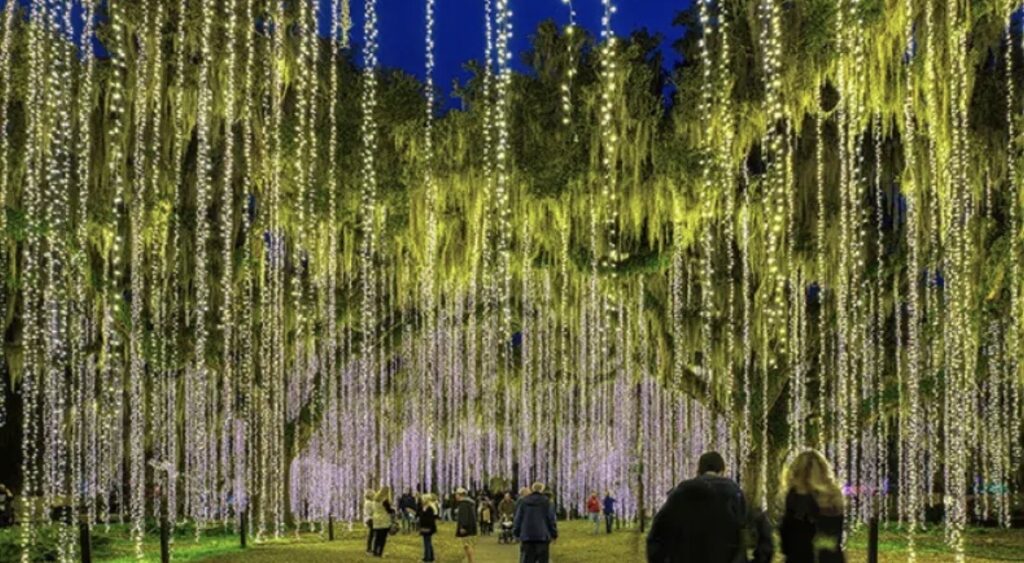
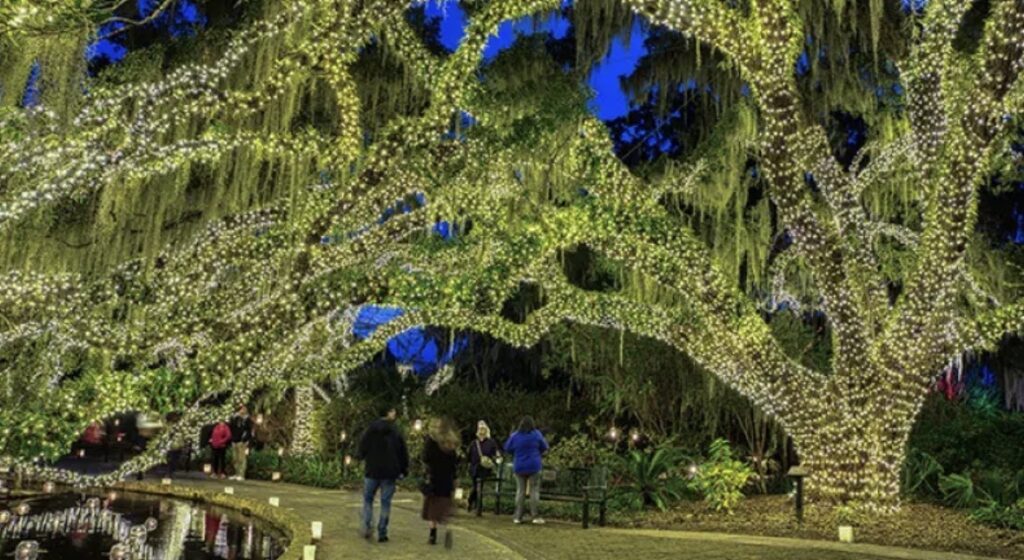
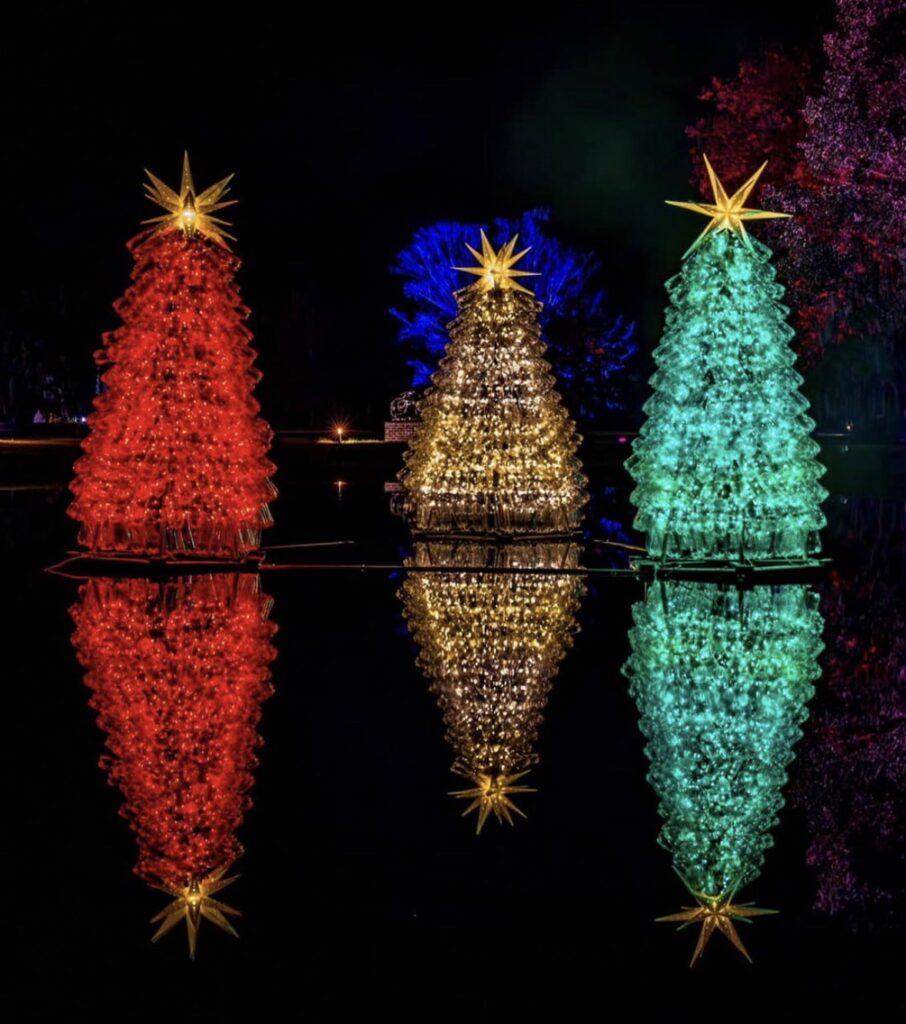
The holiday season will once again glow across the Lowcountry as Brookgreen Gardens’ Nights of a Thousand Candles returns in 2026, transforming the historic gardens into a spectacular nighttime celebration illuminated by thousands of candles and millions of lights.
Tickets are now available for this year’s event, giving visitors an opportunity to begin planning one of the region’s most memorable holiday outings.
Located in Murrells Inlet, Brookgreen Gardens is a longtime Lowcountry destination known for its sculpture gardens, historic significance, wildlife and expansive grounds. During Nights of a Thousand Candles, the gardens take on an entirely different atmosphere as pathways and landscapes are illuminated after dark.
Brookgreen describes the event as its largest seasonal affair and one of the most popular holiday events in the Lowcountry. The preparation begins months in advance, with Brookgreen’s teams working throughout the year on the lighting installations and event experience.
2026 Dates
Nights of a Thousand Candles will be presented on select evenings from November 27, 2026, through January 3, 2027.
The 2026 schedule includes:
November 27–29
December 3–6
December 10–13
December 17–20
December 29–31
January 1–3
The event runs from 4 to 9 p.m. on scheduled evenings.
The extended holiday run also gives visitors the opportunity to experience the gardens after Christmas and into the New Year.
What to Expect
The centerpiece of the evening is the illuminated landscape, where thousands of hand-lit candles and millions of lights create a completely different experience from a daytime visit to Brookgreen.
Guests can stroll through the gardens after sunset while taking in the elaborate lighting displays, decorated trees and illuminated sculptures.
The event has become an annual tradition for families, couples, friends and visitors looking to experience the holiday season in a distinctly Lowcountry setting.
2026 Ticket Prices
Tickets are currently available through Brookgreen Gardens.
For Brookgreen members, admission is:
Adults: $35 Children ages 4–12: $15
For non-members:
Adults: $40 Children ages 4–12: $20
Children age 3 and younger are not listed among the paid ticket categories.
Brookgreen also offers special pricing information for groups of 20 or more adults.
Plan Ahead
Because Nights of a Thousand Candles is one of the Lowcountry’s most popular holiday events, visitors planning to attend a particular evening should purchase tickets in advance.
Brookgreen also cautions visitors to purchase tickets only through its official website or authorized ticketing company. The gardens specifically warn that tickets purchased elsewhere may not be valid.
Parking is complimentary, including accessible parking in the main lot. Visitors should also be aware that the Lowcountry Zoo and Floyd Family Farm are closed during Nights of a Thousand Candles.
A Lowcountry Holiday Tradition
For generations of Lowcountry visitors, Brookgreen Gardens has been a place to experience art, nature and history. During the holiday season, Nights of a Thousand Candles adds another dimension to the gardens — one filled with candlelight, glowing trees and the unmistakable feeling of Christmas in the South.
With tickets now on sale, the countdown to the 2026 holiday season has officially begun.
Nights of a Thousand Candles 📍 Brookgreen Gardens 1931 Brookgreen Drive, Murrells Inlet, SC 📅 November 27, 2026 – January 3, 2027, select evenings ⏰ 4–9 p.m. 🎟️ Tickets: $35–$40 for adults; $15–$20 for children ages 4–12
There’s something about fall in the Lowcountry that makes even the warm weather feel a little more festive.
Pumpkins begin appearing at roadside stands and farms, corn mazes open their gates, hayrides return, and families start looking for the perfect place to spend an autumn afternoon.
From Charleston and James Island to Johns Island, Mount Pleasant, Summerville and Moncks Corner, there are plenty of places to find pumpkins and enjoy a little fall farm fun.
Here is the Charleston Daily 2026 Pumpkin Patch Guide for Charleston, Dorchester and Berkeley counties.
Dates, hours, admission prices and activities can change during the season. We recommend checking directly with each location before heading out.
🎃 CHARLESTON COUNTY
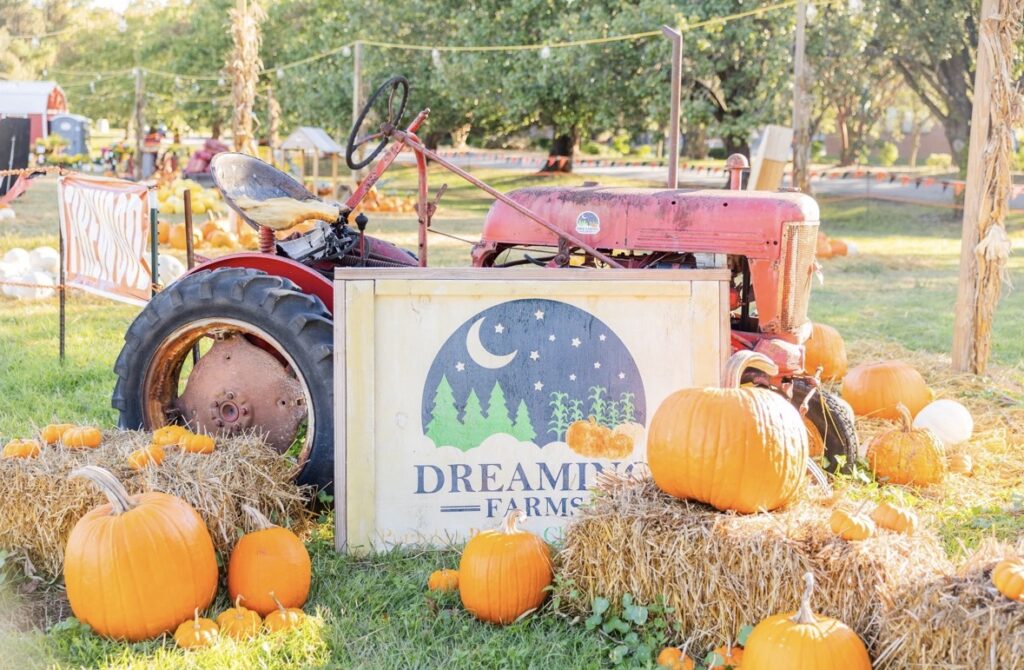
Dreaming Farms — James Island
📍 1540 Camp Road, Charleston, SC 29412
Dreaming Farms returns for the 2026 season with its pumpkin patch opening September 19.
The family-owned farm offers pumpkins in a wide variety of shapes, sizes and colors, along with seasonal decorations, mums, local honey, jams, cider and other fall goods.
2026 Pumpkin Patch Hours:
Sunday–Friday: 11 AM–7 PM
Saturday: 10 AM–8 PM
Admission and parking are free, with pumpkins available for purchase.
The farm also features live music on Saturdays and Sundays and offers its Dreamscape service for creating elaborate fall pumpkin displays at homes, businesses and events.
Boone Hall Pumpkin Patch — Mount Pleasant
📍 2434 N. Highway 17, Mount Pleasant
One of the Lowcountry’s largest fall traditions returns in 2026 for its 30th year.
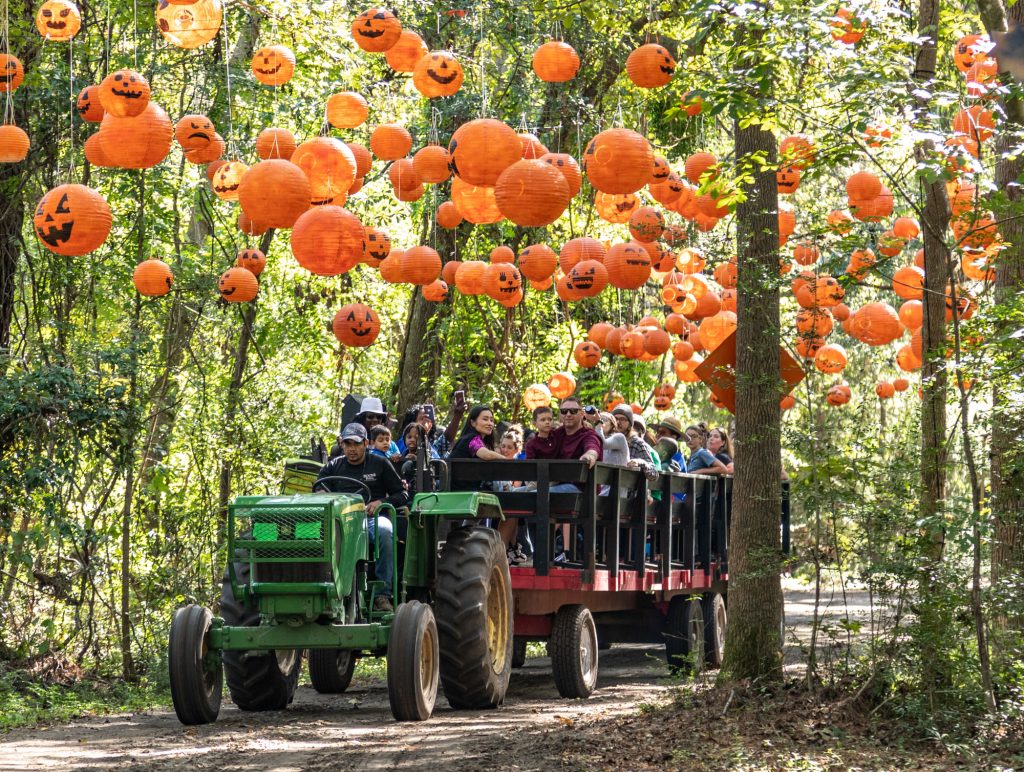
The Boone Hall Pumpkin Patch combines pumpkin shopping with an extensive fall festival featuring a corn maze, family-friendly Halloween tractor tour, petting zoo, pig races, giant inflatables, rubber duck races, live performances, a HoneyBee exhibit, magic shows and LED mini-golf.
Pumpkins are sold by the pound in the pumpkin patch area.
Admission: $15 for ages 3 and up; children 2 and under are free with an accompanying adult.
2026 Dates
The festival runs select Fridays, Saturdays and Sundays from September 25 through November 1, generally from 10 AM–7 PM.
The Pumpkin Patch has a separate entrance from Boone Hall Plantation. Visitors should enter from 2434 N. Highway 17 rather than using the plantation’s Long Point Road entrance. Pumpkin Patch admission is also separate from admission to Boone Hall Plantation.
Boone Hall
Hibben UMC Pumpkin Patch — Mount Pleasant
📍 690 Coleman Boulevard, Mount Pleasant, SC 29464
Hibben United Methodist Church traditionally operates its annual pumpkin patch throughout October, with pumpkins of various sizes available for purchase.
Proceeds support the church’s mission programs.
The church also hosts family-oriented activities in the pumpkin patch during the season.
2026 details: Check with Hibben UMC for this year’s exact operating dates and hours before visiting.
John Wesley United Methodist Church Pumpkin Patch — West Ashley
📍 626 Savannah Highway, Charleston, SC 29407
The John Wesley UMC pumpkin patch is another longtime Charleston fall tradition.
Pumpkin sales support youth mission projects, including local and international mission efforts.
2026: Seasonal dates and hours should be confirmed directly with the church before visiting.
Carolina Pumpkins — North Charleston
📍 5140 Ashley Phosphate Road, North Charleston
Carolina Pumpkins offers pumpkins and a variety of fall decorating supplies, including:
Cornstalks
Wheat straw
Mums
Carving kits
Seasonal decorations
Build-a-Buddy activities
It is a convenient stop for families looking to decorate their homes for Halloween and fall.
The 2026 seasonal schedule should be confirmed directly with Carolina Pumpkins before visiting.
🎃 JOHNS ISLAND
Legare Farms
📍 2620 Hanscombe Point Road, Johns Island, SC 29455
One of the Lowcountry’s oldest working farms, Legare Farms has been operating continuously since 1725.
The farm’s fall season includes its popular pumpkin patch, hayrides, farm animals and other agricultural experiences.
The South Carolina Department of Agriculture lists the pumpkin patch as a seasonal October attraction, with typical operating hours:
Friday: 3–6 PM
Saturday: 10 AM–6 PM
Sunday: 12–6 PM
Visitors should contact Legare Farms for specific 2026 pumpkin-patch dates and activities.
New for Halloween 2026
Legare Farms is also bringing back a haunted Halloween experience with Galloween Farm Event: Timber Scares, a nighttime haunted forest experience running on select Fridays and Saturdays beginning October 16 and continuing through Halloween.
The experience features five scare zones and live scare actors.
One family, one hundred and forty years. A farm rooted in education, working to close the gap in food insecurity, and nurturing a community where everyone has access to fresh, healthy food.
Their pumpkin patch includes: Jack-o-lantern pumpkins, pumpkin patch kits, heirloom/stacking pumpkins, okra, patty pan squash, acorn squash, butternut square and more.
Saturday – 9:00 AM – 12:00 PM / Sunday – 11:00 AM – 2:00 PM
The Pumpkin Patch at Mistletoe Lane — Summerville
📍 3408 Mistletoe Lane, Summerville, SC 29485
The Pumpkin Patch at Mistletoe Lane is back for the 2026 season, opening September 19.
The family-friendly seasonal destination features pumpkins in a variety of shapes, sizes and colors, along with:
Gourds
Hay bales
Cornstalks
Seasonal flowers
Carving kits
Cider
Kettle corn
Cotton candy
2026 Hours:
Sunday–Thursday: 12–7 PM
Friday–Saturday: 10 AM–8 PM
Admission is free, although hours may vary.
Westbury Farms Pumpkin Patch — Summerville
📍 1005 North Gum Street, Summerville, SC 29483
New to the Charleston Daily 2026 guide, Westbury Farms offers a fall pumpkin experience with both U-pick and we-pick pumpkins.
The 2026 pumpkin season runs approximately September 13 through November 1.
The farm’s fall kickoff weekend includes pumpkins, a corn maze, market vendors, food trucks, live music and family farm activities.
The South Carolina Department of Agriculture lists Westbury Farms as a year-round agritourism farm with a fall U-pick pumpkin patch.
Knightsville Methodist Church Pumpkin Patch — Summerville
📍 1505 Central Avenue, Summerville, SC 29483
The Knightsville Methodist Church pumpkin patch returns in 2026 for its 25th year.
Pumpkins are expected to arrive October 3, with proceeds supporting the church’s mission projects.
Additional 2026 hours and activities are still being announced.
Hometown Roots Farm — Summerville
📍 1640 Calamus Pond Road, Summerville, SC 29486
Hometown Roots Farm offers a more traditional farm experience with seasonal pumpkin-patch activities, corn maze fun and hayrides.
The farm is located in the Cane Bay/Summerville area.
2026 public fall dates have not yet been announced, so check with the farm before making plans.
🎃 BERKELEY COUNTY
West Farm Corn Maze — Moncks Corner
📍 1542 Cooper Store Road, Moncks Corner, SC 29461
West Farm returns in 2026 with its annual fall corn maze and farm experience.
The attraction includes:
Two corn mazes
Pumpkin Barn
Hayrides
Farm animals
Children’s play areas
Corn pits
Hay bale maze
Food trucks
Picnic areas
Special events
The 2026 season runs October 3 through November 1, with public hours generally Wednesday through Sunday, 10 AM–8 PM.
Admission is $10 for ages 3 and up on weekdays and $15 on weekends. Children 2 and under are free. Military, first responders and seniors receive a $2 discount with valid ID.
The farm’s 2026 corn maze theme is “USA 250!”
🍂 MORE LOWCOUNTRY FALL FUN
The pumpkin-patch experience is only part of the Lowcountry’s fall season.
Families can also find seasonal markets, farm activities, hayrides, corn mazes, Halloween events and community festivals throughout Charleston, Berkeley and Dorchester counties.
For those looking for a quieter farm experience, Full Circle Farm on Johns Island also offers seasonal pumpkin activities and farm experiences.
And for families who want to combine pumpkins with a broader fall outing, West Farm, Boone Hall and the various Summerville-area farms offer opportunities to turn pumpkin shopping into an entire afternoon.
🎃 PLAN YOUR FALL ADVENTURE
Whether you’re looking for the perfect carving pumpkin, a family photo backdrop, a corn maze, a hayride or simply an excuse to spend an October afternoon outside, the Lowcountry has plenty of options.
From James Island to Mount Pleasant, Johns Island to Summerville, and Moncks Corner to West Ashley, pumpkin season is another reminder that fall in Charleston has a character all its own.
Know of a 2026 pumpkin patch or fall farm experience we missed?
Send Charleston Daily the information and we’ll continue updating this guide throughout the season.
From locally made gifts and custom hats to the Gibbes Museum, a new seafood restaurant and a hidden urban garden, lower Meeting Street is becoming one of downtown Charleston’s most interesting places to spend an afternoon.
There is a certain magic to walking through Charleston’s French Quarter.
The architecture is familiar. The streets are historic. The church steeples and galleries have been part of the city’s visual landscape for generations.
But look a little closer — and especially look down lower Meeting Street — and a newer Charleston begins to emerge.
Here, local makers, artists, designers, museums, restaurants and gathering spaces are creating a walkable experience that feels both distinctly Charleston and very much of the moment.
It is a stretch where you can shop for something made by a Charleston artist, design a custom hat, spend an hour surrounded by American art, sit down for a seafood dinner and find a quiet garden to escape the pace of downtown — all within a few blocks.
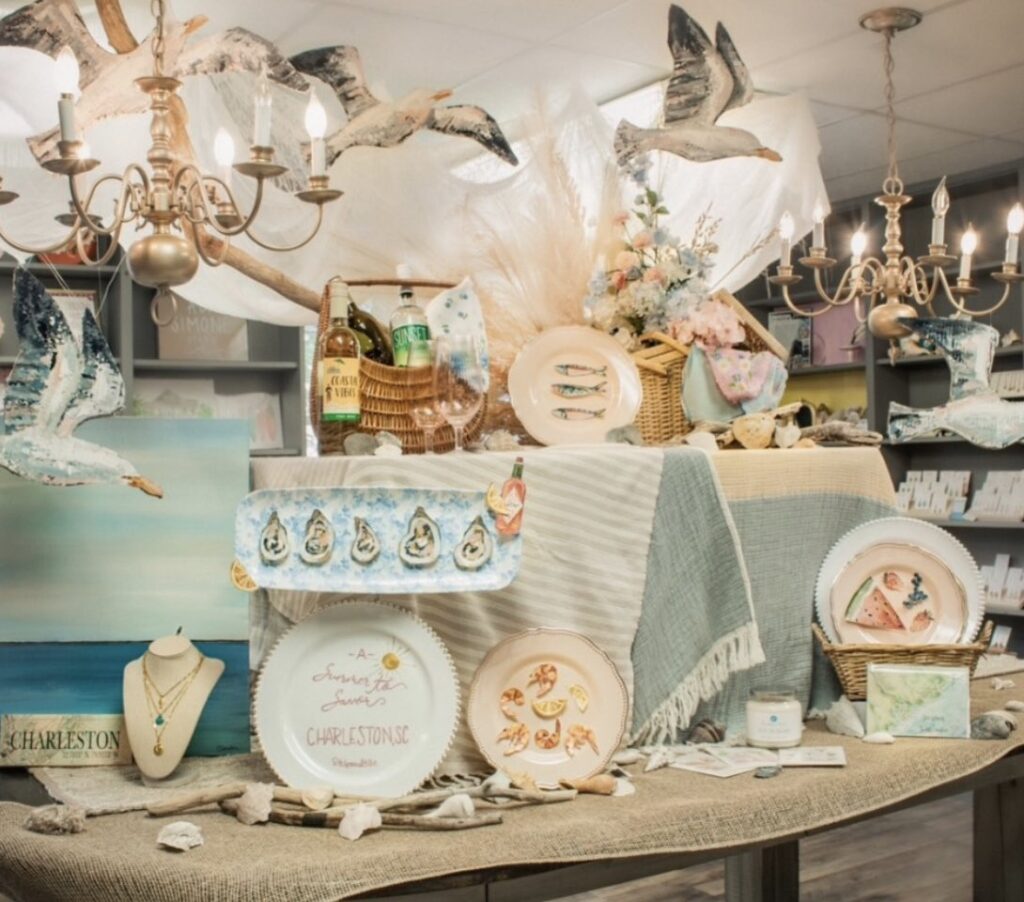
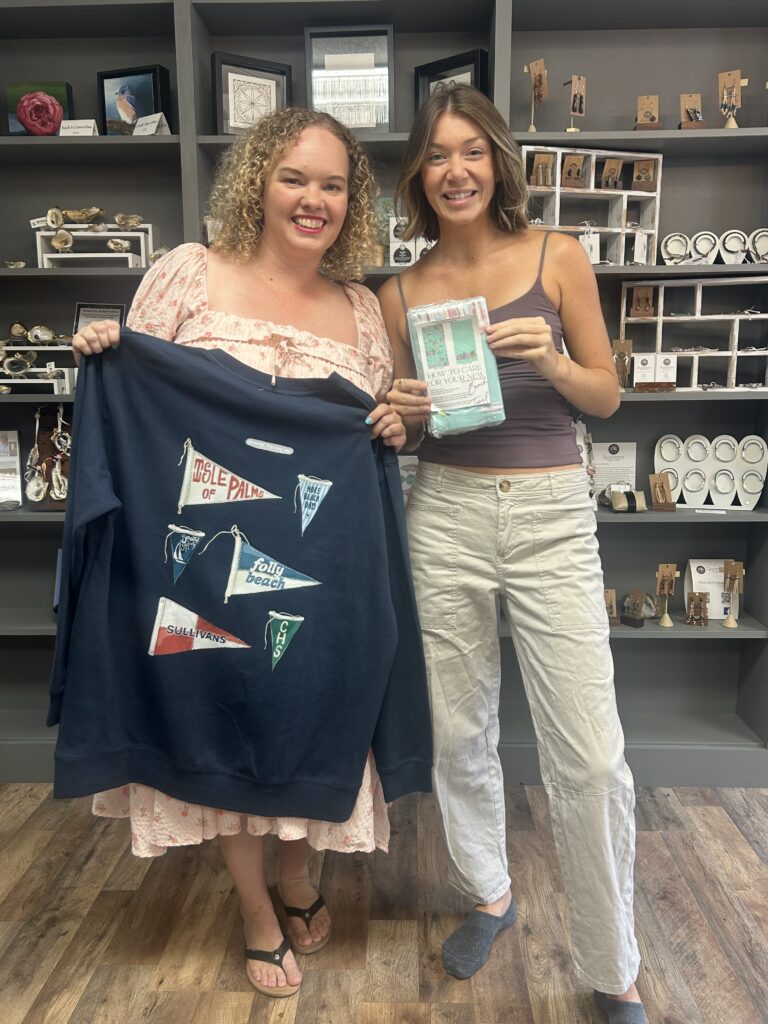
At 128 Meeting Street, upstairs, Look Up Charleston has evolved from a traditional gift-focused concept into something closer to an art collective, gallery and local marketplace under one roof.
The space brings together dozens of Charleston-area artists, artisans, photographers and designers, offering everything from fine art and photography to jewelry, fashion, handmade gifts and unexpected pieces that are difficult to find anywhere else.
For visitors, the appeal is discovery.
There is no single aesthetic or price point. A shopper might walk in looking for a small Charleston gift and leave with a piece of original art. Someone else might come looking for a painting and discover handmade jewelry, fashion or a locally designed keepsake.
With working artist studios incorporated into the space, Look Up Charleston also offers a glimpse into the creative process behind the merchandise.
The philosophy is simple: local artists, local makers and locally created goods — all in one place.
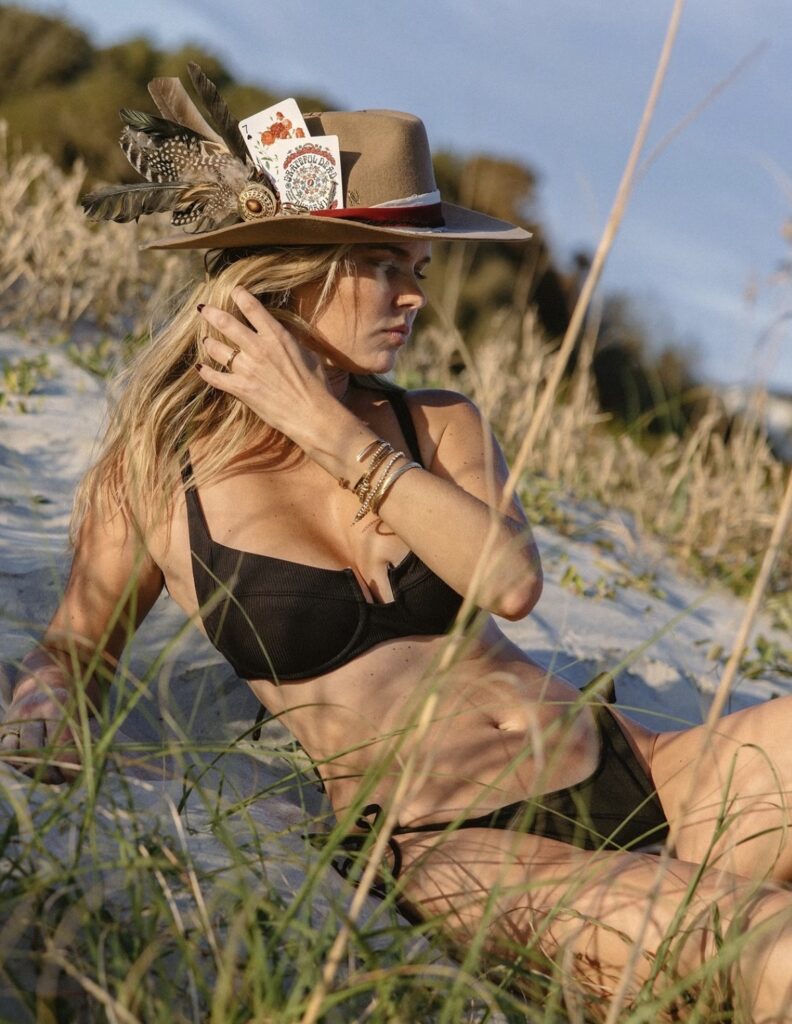
At 128 Meeting Street, Southern Ruetz adds another distinctly Charleston experience.
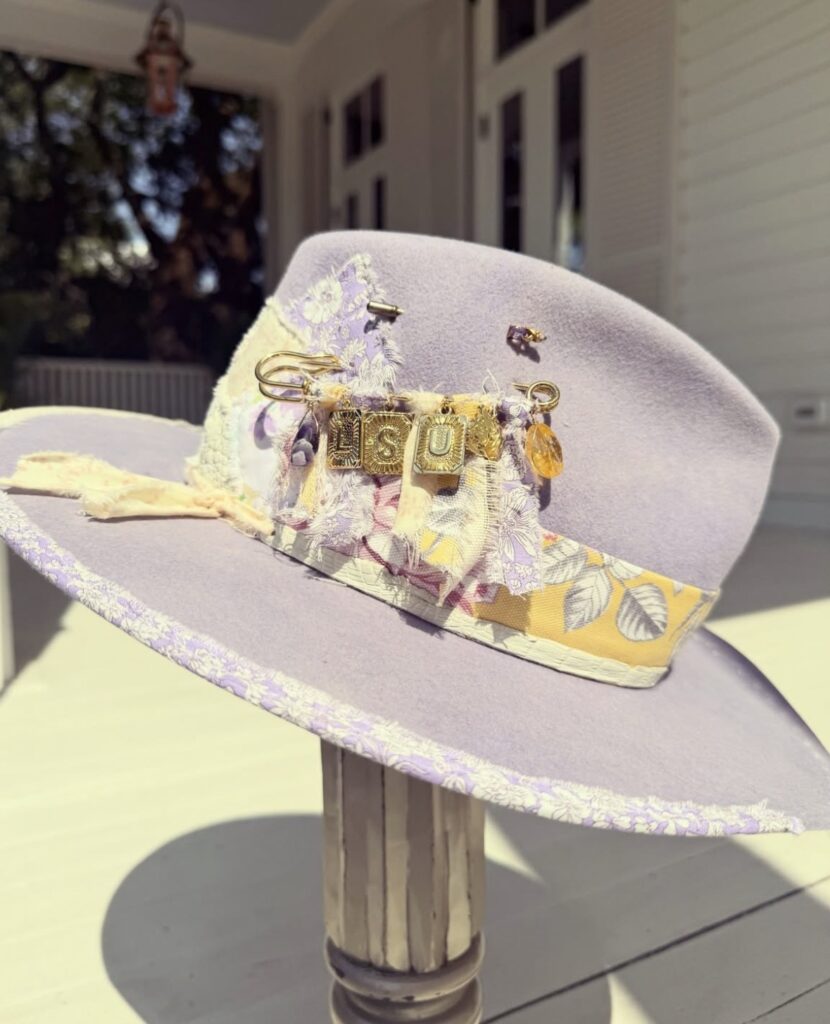
Its hat bar turns shopping into an activity, allowing customers to build and personalize their own hat with different bands, accessories and embellishments.
It is part retail store, part creative experience and part souvenir-making opportunity.
For visitors, that means leaving Charleston with something more personal than a typical souvenir — something they helped create themselves.
And for the French Quarter, it represents a broader shift toward retail experiences that encourage visitors to participate rather than simply browse.
Southern Ruetz Custom Hat Bar and Clothing Boutique – 128 Meeting Street
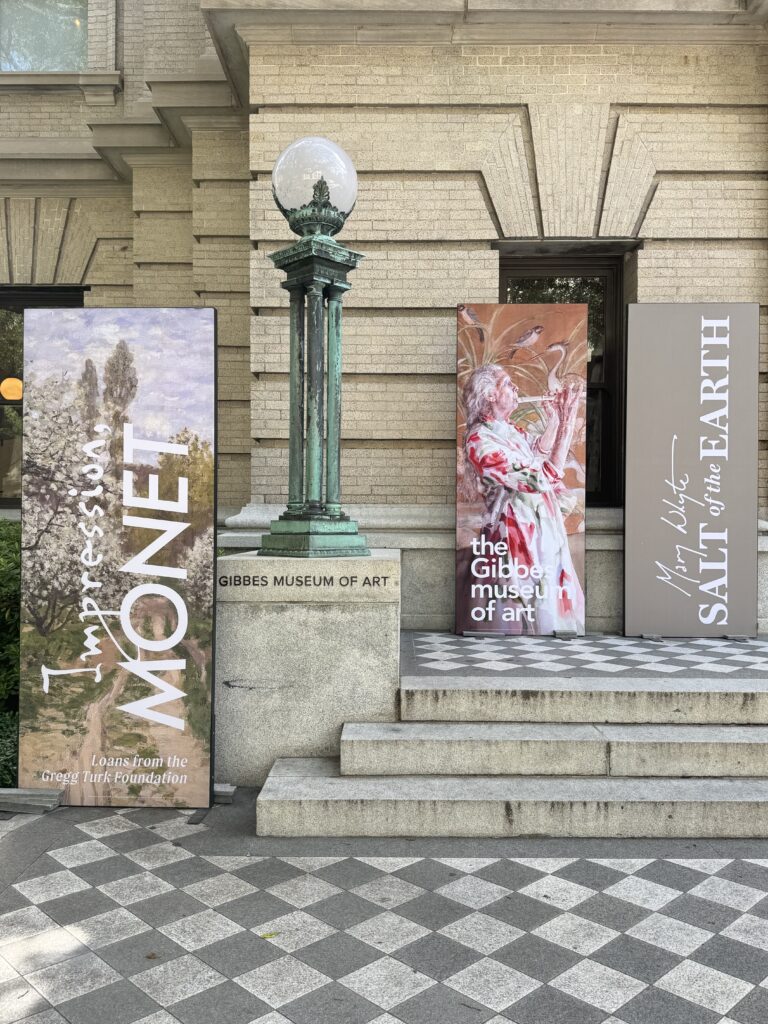
A short walk away, the Gibbes Museum of Art provides one of the area’s most important cultural stops.
The museum’s galleries offer an opportunity to explore American art while also gaining a deeper understanding of Charleston’s own artistic history and influence.
For anyone spending an afternoon on lower Meeting Street, the Gibbes provides an easy transition from shopping to culture — a reminder that Charleston’s identity has always been closely tied to creativity.
The museum also regularly brings art, food and community together through special events and programming.
In other words, you don’t have to spend an entire day at a museum to make the Gibbes part of your Charleston itinerary. It can easily become one stop in a larger French Quarter experience.
The arrival of Cheeky adds another reason to explore the area, bringing the Neighborhood Dining Group’s newest concept to Meeting Street.
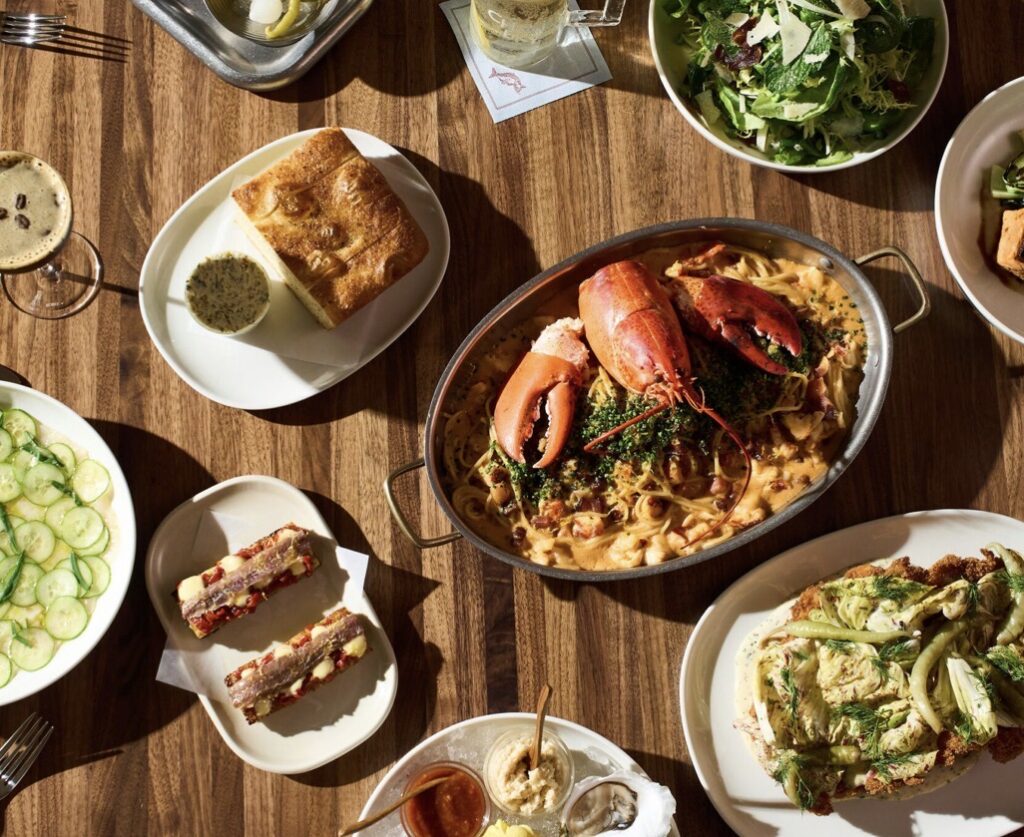
The seafood-focused restaurant is designed around coastal dining, with a menu expected to include oysters, sashimi, seafood towers, whole fish and other seafood-driven dishes alongside cocktails, wine and bubbles.
Its location places it squarely in the middle of a neighborhood already filled with galleries, shops and cultural attractions.
For visitors, that creates an appealing itinerary: shop, explore, see some art, have a drink and stay for dinner.
And for locals, it gives another reason to revisit a part of downtown that continues to evolve.
At 174 King Street, American Gardens offers nearly an acre of green space in the middle of downtown Charleston.
Mature trees, open lawn, fountains and pathways create a place to slow down — something that can be surprisingly difficult to find during a busy day in the heart of the city.
It is the kind of place that doesn’t necessarily require an itinerary.
You can sit. Walk. Meet a friend. Attend an event. Have a quiet moment beneath the trees.
And then continue exploring.
One Walk, Many Charleston Experiences
That may be what makes lower Meeting Street so compelling.
You don’t have to decide whether your Charleston afternoon will be about shopping, art, food or history.
It can be all of them.
Start upstairs at Look Up Charleston and explore work from local artists and makers. Stop into Southern Ruetz and create something of your own. Walk to the Gibbes and spend time with American art. Make your way to Cheeky for seafood and cocktails. Then wander over to American Gardens and take a few minutes beneath the trees.
It is a distinctly Charleston combination — historic streets, independent businesses, art, food and unexpected places to pause.
And while the French Quarter has never needed much help attracting visitors, lower Meeting Street is quietly becoming one of the places where Charleston’s past and present feel especially close together.
Sometimes, the best way to experience Charleston is simply to slow down, walk a few blocks and look around.
SEO Headline
Lower Meeting Street in Charleston: Shopping, Dining, Art and Attractions in the French Quarter
Suggested Meta Description
Explore lower Meeting Street in Charleston’s French Quarter, featuring Look Up Charleston, Southern Ruetz, the Gibbes Museum, Cheeky and American Gardens — all within a walkable downtown experience.
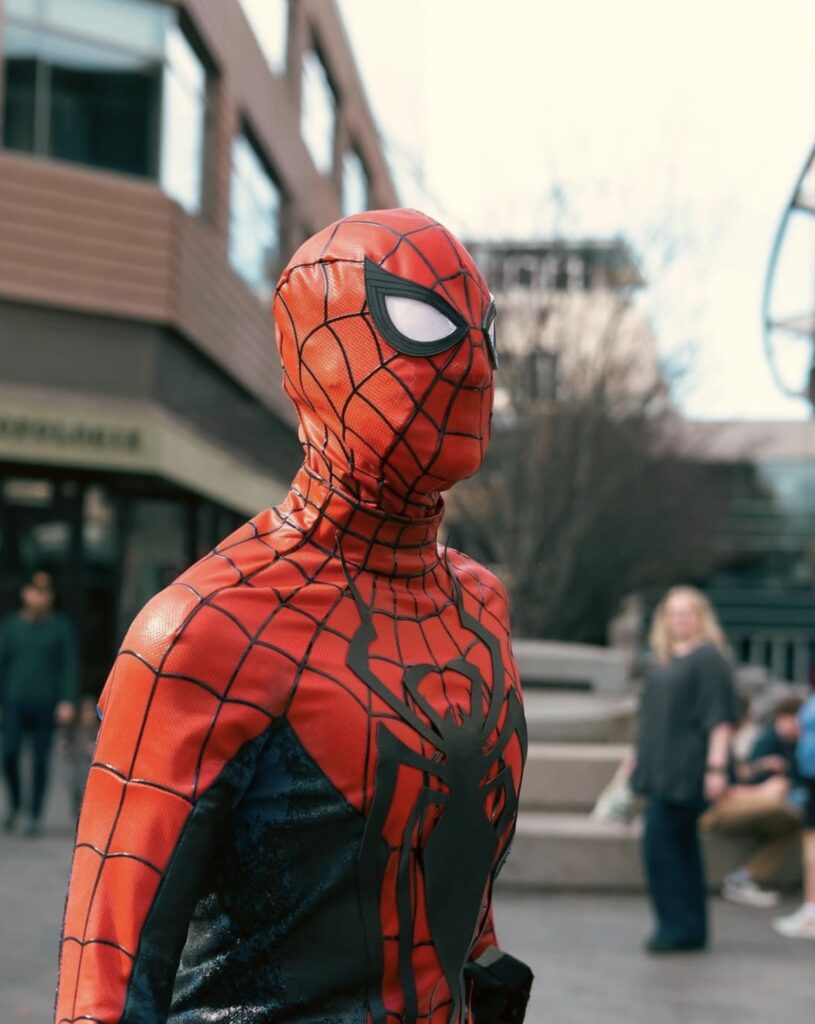
GREENVILLE, S.C. — Sometimes a superhero really is in the right place at the right time.
On September 10, 2025, WYFF reported on an incident that recently unfolded at Falls Park on the Reedy in downtown Greenville, where an 18-year-old local known as the “Greenville Spider-Man” helped rescue two people who had become stuck near the waterfall.
According to the teen, he saw one of the individuals nearly slip and immediately sprang into action. He climbed across the rocks, found a place to brace himself and helped pull the person to safety until emergency crews could arrive.
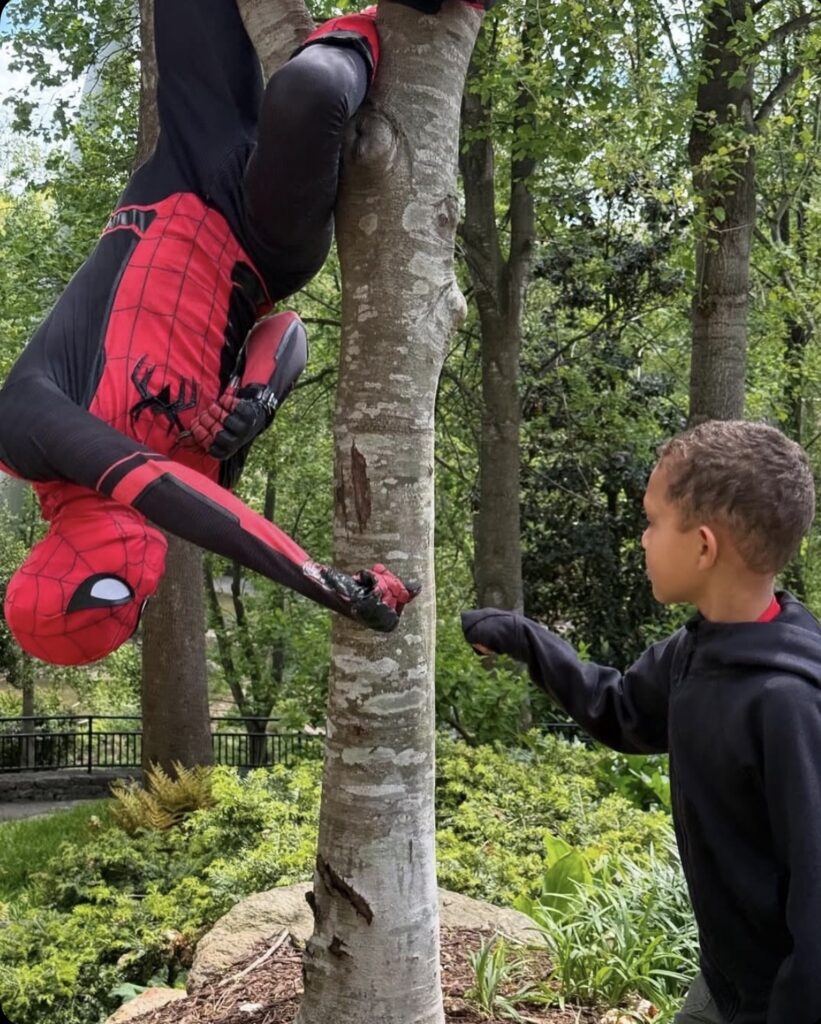
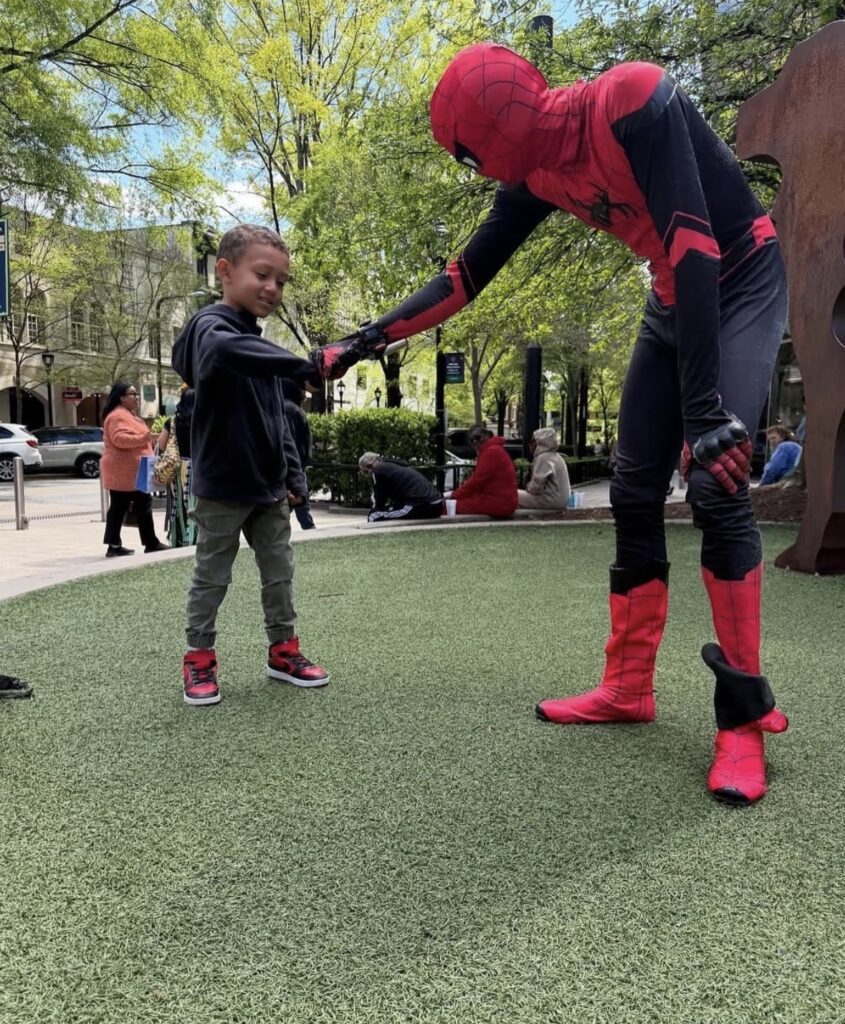
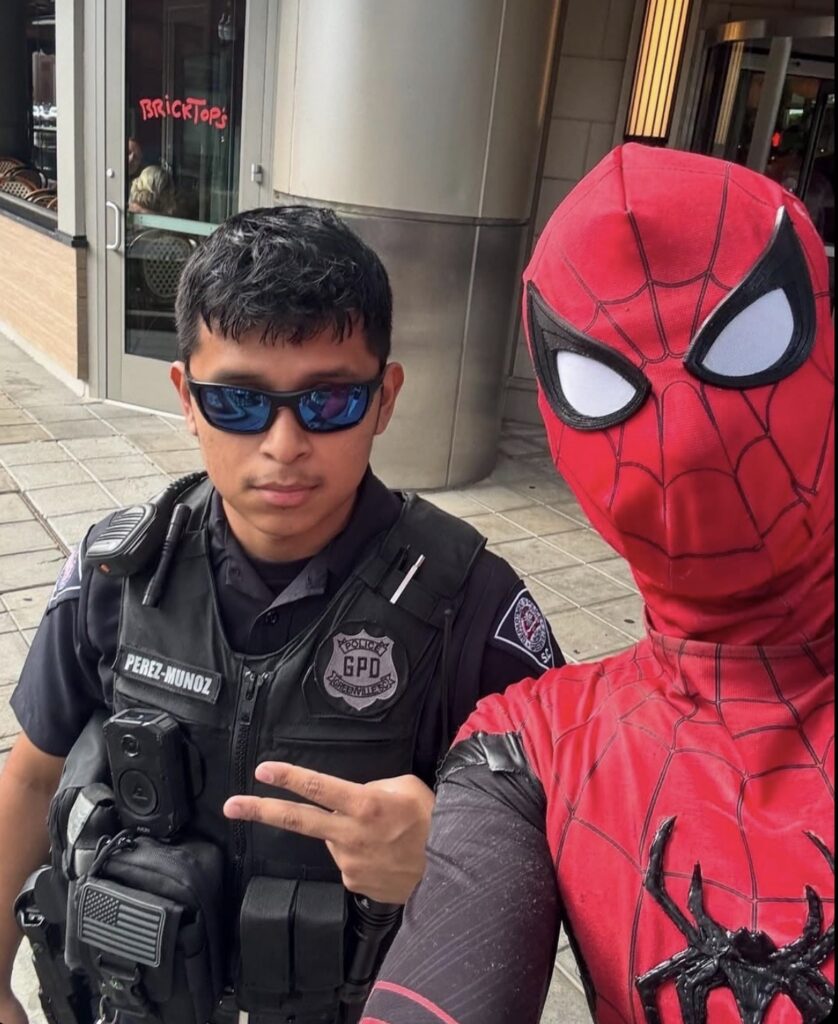
The rescue was more than a one-time act for the young man behind the mask. He regularly patrols downtown Greenville in his Spider-Man costume, interacts with children and visitors, picks up litter and looks for opportunities to help people in need.
He is also CPR-certified and says he listens to an EMS scanner so he can respond to emergencies and provide assistance while waiting for first responders.
“My intention is to help the people of Greenville, protect and honestly spread kindness along the way.”
That philosophy has helped turn the Greenville Spider-Man into a local social-media sensation — but his most memorable appearances may be the ones where the costume becomes secondary to simply helping another person.
In a city known for its beautiful downtown and Falls Park, this particular Spider-Man is offering a reminder that sometimes being a hero isn’t about superpowers.
It’s about seeing someone who needs help — and stepping in.
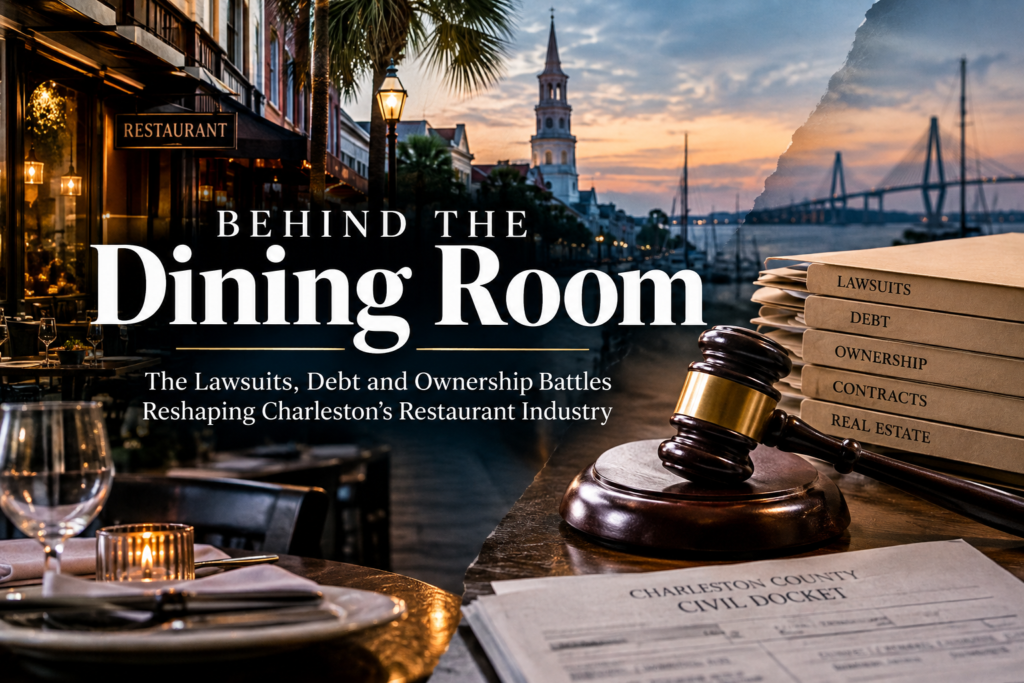
Charleston’s restaurant industry is one of the city’s most recognizable economic engines — but behind the polished dining rooms, award-winning chefs and increasingly large restaurant groups, a number of businesses are also dealing with lawsuits, financial disputes, ownership battles and contract litigation.
A review of current Charleston County court records, federal court filings and recent court reporting identified several significant cases involving Charleston restaurants and restaurant groups.
The cases vary considerably. Some involve relatively ordinary contract disputes. Others reach into questions of ownership, millions of dollars in alleged financial transfers, unpaid loans and the financial collapse of a multi-state restaurant group.
Importantly, a lawsuit is an allegation, not a finding of wrongdoing, and several of the cases remain unresolved.
Church & Union: A restaurant caught in an ownership and financial dispute
Perhaps the most consequential current dispute involving a Charleston restaurant is the legal battle surrounding Church & Union Charleston and the 5th Street Group.
The downtown restaurant was established through 5Church Charleston LLC, involving Patrick Whalen and outside investors. Court records describe Whalen as the company’s manager and say he owns a 40% interest, while WP Church holds a 35% interest. Whalen also leads Fifth Street Group, which operates other restaurants under the Church & Union umbrella and related concepts. (North Carolina Courts)
The dispute has centered on allegations by minority investors concerning the handling of money involving the Charleston restaurant and affiliated businesses.
The investors have alleged that millions of dollars were transferred to affiliated concepts without proper authorization and have raised breach-of-fiduciary-duty claims. Those allegations have been contested.
The litigation has now moved beyond a simple ownership disagreement.
In September 2026, a court ordered limited receivership involving Church & Union Charleston, with BDO Consulting Group overseeing restaurant expenditures and debt payments. The development represents an unusual level of court involvement in the operation of a functioning Charleston restaurant. (Bizjournals)
The broader litigation has also produced extensive court findings concerning the ownership structure and relationship between the Charleston restaurant and Fifth Street’s other restaurants. (Midpage)
Why this matters
This isn’t simply a disagreement between business partners.
It raises a larger question for Charleston’s increasingly consolidated restaurant industry:
What happens when a local restaurant’s finances become intertwined with a larger restaurant group and affiliated concepts in other cities?
That question is particularly relevant as Charleston continues to attract multi-concept hospitality companies.
Rodney Scott’s BBQ and the Pihakis collapse
Another major Charleston restaurant legal story involves Rodney Scott’s BBQ and the financially troubled Pihakis Restaurant Group.
A lender, Itria Ventures LLC, sued Rodney Scott’s BBQ Charleston LLC and several Pihakis-related companies in Charleston County in April 2026.
The lawsuit alleged that the defendants defaulted on a $350,000 loan. The loan documents called for payments of nearly $11,800 twice a month for 18 months and carried a 25.99% annual interest rate. (WCIV)
The defendants included:
Rodney Scott’s BBQ Charleston LLC
RSBBQ Partners LLC
Nick Pihakis
Pihakis Restaurant Group LLC
Pihakis Investment Group III LLC
JER Spirits Investments LLC
A Charleston County judge subsequently entered a default judgment totaling approximately $391,425.39, including interest, costs and attorney fees. (https://www.wbrc.com)
The lawsuit arrived just days before Rodney Scott’s Charleston restaurant abruptly closed in May.
The closure was part of a much larger financial crisis involving Pihakis Restaurant Group, which had restaurants and concepts in several states. (WCIV)
The financial fallout has continued.
Nick Pihakis filed personal Chapter 7 bankruptcy in August 2026, listing more than $44 million in liabilities against approximately $10.6 million in assets, according to reporting based on the bankruptcy filing. (https://www.wbrc.com)
The Itria judgment has also begun traveling beyond South Carolina. In September, the lender filed in Alabama seeking recognition of the South Carolina judgment so it could pursue assets there. (https://www.wbrc.com)
The Charleston connection
This case illustrates how quickly financial problems at a regional restaurant group can become a Charleston story.
Rodney Scott’s was not simply another restaurant. It was a nationally recognized Charleston barbecue destination.
And while the lawsuit names multiple Pihakis-related entities, the legal claims should not be interpreted as allegations against pitmaster Rodney Scott personally beyond the parties specifically named in the litigation.
 by