Limelight Charleston to Feature Hotel and Residences in Historic Downtown, Marking the Brand’s First East Coast Property and Seventh Location Overall
CHARLESTON, S.C. – July 1, 2025 – Aspen One, parent company of world-class brands including Aspen Snowmass, The Little Nell, Limelight Hotels, and Aspen Collection, is excited to announce the latest addition to its rapidly-growing Limelight Hotels brand. This new venture, set to open in 2028, will feature both a hotel and branded residential project located in Charleston, South Carolina. This marks the Limelight brand’s first property on the East Coast, and it will be located at 306 King Street and 86 Society Street in the core of Charleston’s historic district, near the College of Charleston. Limelight Charleston will be another remarkable hotel within the Limelight portfolio, which includes locations in the most desirable places across the country, within premium, high-barrier-to-entry, leisure markets.
The 50-room Limelight Charleston will include the brand’s quintessential “living room” – a gathering place and community destination featuring dynamic programming for locals and guests alike – and its celebrated, design-forward approach to development. The mixed-use project will feature a restaurant, bar, rooftop pool and dining, meeting spaces, 16 private residences, and a parking garage.
This new property is being developed in partnership with Category Company. Limelight’s expansion to Charleston will mark the brand’s seventh location. The modern hotel and residences will join others within the Limelight portfolio in Aspen, Snowmass, Denver, and Ketchum, with two more hotels slated to open this year: Limelight Boulder (opening late summer in Boulder, Colo.); and Limelight Mammoth (opening this winter in Mammoth, Calif.). While the company has taken a measured approach to growth, focusing exclusively on top markets, the brand has grown from three open locations as of early 2023, to seven open or in-development locations. Each property is known for being in the best location within their respective markets.
“Expanding the Limelight brand to Charleston is a milestone moment for us, and the Limelight brand brings a differentiated experience to this historic, ever-growing, and dynamic community,” said Jeff Toscano, CEO of Aspen Hospitality. “The continued growth of Limelight Hotels in a thoughtful, intentional way brings authentic connections to the country’s most interesting and exciting destinations. Embarking on this development in such a great location within Charleston is a moment worth celebrating, especially as we continue to build a portfolio that pairs beautiful design with a sense of adventure.”
“Aspen Hospitality and Category complement each other perfectly,” said Daniel Pourbaba, Founder & Chief Executive of Category Company. “Our partnership represents a shared desire to create a first-class property in Charleston—one that honors the city’s character and storied architecture, and that can become a genuine part of the community’s fabric for generations to come.”
ABOUT LIMELIGHT HOTELS
Limelight Hotels by Aspen One provide authentic and contemporary connections to their communities and the adventures that surround them. Set in the heart of elevated and unique locations, each Limelight hotel is carefully designed with distinctive design and purposeful functionality, created to evoke a sense of place and a point of view.
Current locations include those across Colorado in Aspen, Snowmass, Denver, and Boulder (coming late summer 2025); Ketchum, Idaho; and Mammoth, California (coming by the end of 2025).
For more information, visitwww.limelighthotels.com or follow @limelighthotel on X, Instagram or Facebook.
ABOUT ASPEN ONE
Aspen One renews the mind, body, and spirit with a portfolio that redefines luxury, adventure, and leisure. With world-class and innovative brands and businesses, including Aspen Skiing Company, Aspen Hospitality, and Aspen Ventures, Aspen One propels the expansion of the Aspen ethos globally.
Whether it’sAspen Skiing Company providing unforgettable experiences at the confluence of nature, culture, and recreation across its four legendary mountains—Aspen Mountain, Snowmass, Aspen Highlands, and Buttermilk; orAspen Hospitalityelevating guest experiences in unforgettable ways by developing, owning, and operating a growing set of luxury and upper-scale hotels, private clubs, and branded residential properties in prime locations under The Nell and Limelight brands; Aspen One is deeply committed to providing unparalleled service, creative programming, community engagement, and unique opportunities for exploration. The company’s commitment to innovation is central to its evolution, includingAspen Ventures‘ amplification of the Aspen brand globally through new business lines that embody its values and heritage such as Aspen Collection.
For more than 75 years, the Aspen brand and community has pointed its compass toward new paths, people, and possibilities—and today, as Aspen One, the future is limitless. The company is a leader in sustainability and advocacy, with a legacy of modeling leading-edge solutions and changing policy locally and globally. As a collection of brands driven by tightly held core values, Aspen One aims to inspire a better world. For more information, visitwww.aspen.com.
This year, 7 students from the American College of Building Arts in Charleston, South Carolina will participate in the prestigious Annual Folklife Festival on the National Mall in Washington, D.C.
The community is so proud to be represented for creative arts and these seven individuals represent a vision of the future that will celebrate art, life and individuality.
Participants
Christina Rae Butler, provost, professor of historic preservation
Tatum Connor, stone carving student
Markus Damwerth, chair of architectural carpentry
Thomas Dezii, architectural carpentry student
Joseph Kincannon, chair of architectural stone carving
Phillip Smith, professor of classical architecture and design
Isabel Wood, classical architecture student
The excitement and ambition of being a part of this festival was shared by Tatum Conner, saying:
“The festival is a great first step to get the youth of America interested in trades and history. In order to preserve such trades and history, we must also be looking to the future tradesmen and women who may help in our aim. To be able to help spark an interest in stone carving or historic trades at all is exactly my goal for my participation at the Folklife Festival. It’s quite the honor to be able to participate and help inspire.”
To Christina Rae, Tatum, Markus, Thomas, Joseph, Phillip and Isabel, enjoy this special moment.
About the Festival
The Smithsonian Folklife Festival presents a wide-ranging theme this year: “Youth and the Future of Culture” featuring lowrider cars and bikes, skateboarders, teen fashion, filmmaking and traditional building arts and a Saturday night prom. Each part of the festival is led, created or presented by young people.
The festival opens Wednesday, July 2, and runs through Monday, July 7, along the National Mall on the Madison Avenue side, Seventh Street to 12th Street, and inside the Smithsonian’s Arts and Industries Building. Admission to the festival is free, and hours are from 11 a.m. to 5:30 p.m. each day, with featured concerts going later Thursday through Sunday. The schedule is available on the festival’s website. The festival is presented by the Smithsonian’s Center for Folklife and Cultural Heritage and co-sponsored by the National Park Service.
Streetwise
A large tent called “Streetwise” will highlight three forms of youth expression: lowrider culture, street art and graffiti, and skateboarding and skate arts. Visitors can watch the restoration of two cars with the iconic bold painting, special suspension system and chrome details, which are the hallmarks of the lowrider tradition that began in southern California in the 1940s and later spread around the globe. The action in “Streetwise” features skating demonstrations, painters working on murals and skate decks, teens customizing cars and bikes, and artisans from Indonesia making stylized adornments for lowriders. Music for this program is provided by teenage DJs. The lowriders program curator is Sojin Kim.
Museum of the Contemporary Teenager
The concept of the “teenager”—along with all the ideas, misconceptions, concerns and beliefs it evokes—was officially introduced to the American public in a 1913 newspaper article in Wilmington, Delaware. It became popular in the ’40s and ’50s as advertisers sought to reach a younger demographic of potential consumers.
The Museum of Contemporary American Teenagers (MoCAT) was started in 2017 by high school and middle school students in Montgomery County, Maryland. Their first pop-up museum was in an empty, single-story building scheduled for demolition. The first exhibit had installations on first love, phone addiction and risk taking. This first of many pop-ups also featured a maze of mental health, a FOMO (fear of missing out) pit and a ride-share simulator that recreated the experience of being a teen stuck in a car with an inappropriate driver.
For the Folklife Festival, MoCAT will bring together teenagers from across Washington, D.C., Maryland and Virginia to collaborate on exhibitions that highlight some of the dynamic and often overlooked youth movements that shape American culture. Their setting will feature venues representing a high school hallway, classroom, bedroom and bathroom where teens can share everything from fashion to their futures. Through performances, discussions and demonstrations, teen participants will explore topics as varied as “third spaces,” social media, fashion, slang and coming of age. MoCAT will also explore pressing topics such as school lockdowns and mental health, presented from the perspective of young advocates and activists. MoCAT students curated this area themselves under the guidance of Smithsonian curator Michelle Banks.
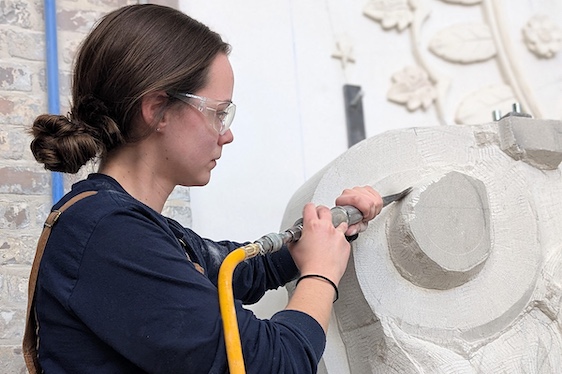
Tatum Connor, a stone carving student at the American College of the Building Arts, uses a pneumatic hammer to carve a large fountain sculpture. Photo by Lindsey Cockburn.
Music
The week will feature a variety of daytime and evening musical performances, showcasing youth groups and traditional music apprenticeship programs that honor and preserve their musical heritage. The lineup of local and national young musicians spans a broad range of genres, from mariachi to orchestral ensembles and folk contradance.
The featured concert series kicks off Thursday, July 3, with “Homegrown Futures: The Sound of D.C.,” dedicated to performers from the capital region. The festival celebrates July 4 with “Roots and Voices: Americana Reimagined.” “Prom in the Park” July 5 invites visitors to dress up and dance, and July 6 features “On Key: Next-Gen Music Ensembles” and a community contradance. The final day of the festival will close with a talent show.
Performers will also host a series of workshops and hands-on activities in the afternoons where visitors of all ages can explore the process and stories behind the music. The music program curators are Cristina Diaz-Carrera, Pablo Molinero-Martinez and Eloy Neira de la Cadena.
Films and Discussions
The Arts and Industries Building will serve as a theater during the festival with film screenings, workshops and talks with emerging media makers. The short films have been created by the Ghetto Film School (Los Angeles), Action Youth Media (Silver Spring, Maryland), Deanwood Radio Broadcast Youth Journalism Project (Washington, D.C.) and Wide Angle Youth Media (Baltimore). In addition, WXOX ARTxFM will be streaming live to 97.1 FM in Louisville, Kentucky, and online, capturing the sounds of the festival.
A special screening of the award-winning 90-minute documentary film The Ride Ahead, by disability activist and filmmaker Samuel Habib, will be held in the National Museum of American History’s Warner Bros. Theater. The film series program curator is Amalia Cordova.
Next Generation Artisans in the Traditional Building Trades
Skilled craftspeople in the building arts are vital to preserving the nation’s built environment and cultural heritage, but today many of these centuries-old skills are endangered—there are not enough young people practicing the traditional trades. Festival-goers will meet inspiring young craftspeople—stone carvers, decorative painters, preservation carpenters, stone masons, blacksmiths and ornamental plasterers—who are learning the building crafts from master artisans dedicated to passing on their knowledge and skills to the next generation. One of the best-known places for young people to get hands-on training from professionals is the American College of the Building Arts in Charleston, South Carolina. Stone carvers, architectural carpenters, architects and historic preservation specialists from the college will demonstrate their skills, share their experiences teaching and learning the building arts, and discuss why hand craftsmanship matters to them.
The Campaign for Historic Trades focuses on the skills needed to maintain, preserve, restore and reconstruct historic structures in local communities. It partners with the National Park Service’s Historic Preservation Training Center, which provides hands-on, historic preservation trade skills training to young people.
Festival visitors will meet experienced preservation carpenters and talented interns from George Washington’s Mount Vernon and learn about the 18th-century tools and techniques they use to preserve this iconic historic estate and its important American story.
Two highlights of this program come from the New Orleans Master Crafts Guild and the Washington National Cathedral Earthquake Restoration Project. A master blacksmith and plasterer and their apprentices from New Orleans will demonstrate their craft skills and share their thoughts on why teaching and learning the traditional trades is important to them. Cathedral craftspeople will demonstrate their techniques for restoring earthquake-damaged pinnacle stones, discuss on-the-job training in preservation craftsmanship at the cathedral and share information about opportunities for young people interested in stone carving and heritage masonry. The building trades program curator is Marjorie Hunt.
Native Language Reclamation
The Native American Languages Act of 1990 inspired a movement among Native communities to reclaim their native languages; many had not been spoken or written in a century. Today, youth are at the forefront of driving reclamation. The festival features four groups representing different languages and regions: Oklahoma, Indiana and Ohio; Upstate New York, Ontario and Quebec; Hawaii; and Kodiak Island, Alaska. In the Language Lodge, visitors can learn about these languages and how they can be passed on to future generations. To complement the language sessions, there will be lacrosse demonstrations, Kodiak Alutiiq social dances and demonstrations of Mohawk basket making.
Some Mohawk participants graduated from the Akwesasne Freedom School, which is one of the longest-running Native language schools. In addition to basket making demonstrations for festival-goers, they will offer cooking demonstrations using a traditional clay pot for their white corn dish. The language reclamation program curator is Mary Linn.
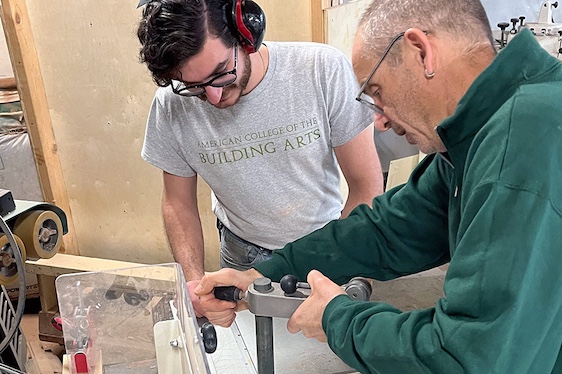
Architectural carpentry student Thomas Dezii works together with master carpenter Markus Damwerth, chair of the architectural carpentry department. Photo courtesy of the American College of the Building Arts.
Accessibility
The festival strives to maintain an accessible and inclusive environment for all. Outdoor festival venues and activities are located in shaded grassy areas that are accessible via concrete sidewalks and/or packed gravel walkways. Accessible seating areas are available at all presentation venues and a limited number of wheelchairs are available for loan each day. All narrative and performance stages are equipped with assistive listening. American Sign Language (ASL) interpreters and real-time captioning are available for selected events. Additional ASL interpreting services may be requested and are provided as available. Verbal description tours and sighted guide services are available, along with large-print and Braille festival brochures and menus. A Sensory Map of the festival is also available. Accessibility service schedules and additional resources are available on the festival’s websiteor by visiting the Accessibility Tent on the festival site.
On Sunday morning, July 6, the festival will host “Morning on the Mall” for neurodivergent individuals and their families or others who may benefit from a more relaxed and supported environment. To find out more about this event or to request other access services not listed above, visitors may call (202) 633-2921 or email access@si.edu.
Sustainability
The festival’s sustainability program diverts as much waste from landfills as possible so it can be repurposed as a sustainable resource through recycling or compost. The program began in 2011 when the festival debuted water bottle collection and free water stations. The following year, a pilot composting program was launched at a staff event. These early steps culminated in a waste diversion project in 2013, which was the first year of composting, and it resulted in keeping 74% of the waste from landfills. By 2017, the festival hit 97% waste diversion, meriting an excellence award for sustainability from the American Alliance of Museums.
This year, the festival will continue efforts to achieve a diversion rate of over 90%. At stations located throughout the festival grounds, volunteers will help guests properly sort their trash. In addition, all festival staff and vendors receive training on festival sustainability guidelines while working on-site.
About the Festival
The Smithsonian Folklife Festival, inaugurated in 1967, honors contemporary living cultural traditions and celebrates those who practice and sustain them. Produced annually by the Smithsonian’s Center for Folklife and Cultural Heritage in partnership with the National Park Service, the festival has featured participants from all 50 states and more than 100 countries. Sabrina Motley is the director of the Folklife Festival, and Cliff Murphy is the director of the Center for Folklife and Cultural Heritage.
Stone Carving student Tatum Connor and master stone carver Joseph Kincannon, chair of the stone carving department, have been working together to carve a large fountain sculpture. Photo by Lindsey Cockburn.
CHARLESTON, S.C., June 30, 2025 /PRNewswire/ — Afaxys, Inc., a Public Benefit Corporation and first-of-its kind socially conscious healthcare company focused on serving public health professionals and their patients, today announced the renewal of its alliance to support access to Twirla® (levonorgestrel and ethinyl estradiol) transdermal system, and additional Exeltis products, in the public health market. The renewal follows the August 2024 acquisition of Agile Therapeutics by Insud Pharma, the parent company of Exeltis USA, with whom Afaxys has partnered since 2022.
The renewed partnership between Afaxys and Exeltis underscores both organizations’ ongoing commitment to expanding access to innovative contraceptive options within the U.S. public health market, like Twirla, a low-dose, non-daily contraceptive patch.
“Our partnership with Exeltis reflects our shared vision to ensure that women have consistent access to high-quality, affordable contraceptive options that fit their lifestyles,” said Ronda Dean, CEO & Co-Founder of Afaxys. “Together with Afaxys, we’re making it easier for women to access Twirla—when and where they need it,” added Eduardo Fernandez, EVP of Corporate Development at Exeltis USA.
The promotional alliance enables Afaxys and Exeltis to continue supporting healthcare professionals with education, resources, and expanded access to Twirla, reinforcing both companies’ focus on improving reproductive health outcomes nationwide.
Christian Bloomgren, President & CCO of Afaxys, added, “Our alliance with Exeltis expands our impact across public health by broadening the range of solutions we offer to healthcare professionals and the patients they serve. The renewed partnership strengthens our combined ability to deliver innovative, affordable options that address the diverse needs of women across the country.”
About Afaxys Afaxys, a Public Benefit Corporation, uniquely partners with public health and private industry to ensure healthcare professionals have stable pricing and reliable access to the products and services they need to care for their patients.
The Afaxys enterprise comprises a family of companies that operate under three wholly owned subsidiaries: Afaxys Pharma, LLC, Afaxys Drug Development, LLC and Afaxys Group Services, LLC (AGS). Afaxys Pharma provides a broad portfolio of branded and generic contraceptives to the public healthcare market. Afaxys Drug Development provides development and regulatory services of pharmaceutical products with a focus on rapid and efficient launch readiness to promote Afaxys’ strategic goal of cost-conscious product commercialization. AGS is a strategic sourcing operation that negotiates favorable pricing across a broad base of products and services through its Group Purchasing Organization. For more information, visit www.afaxys.com.
About Exeltis Exeltis USA is part of the global pharmaceutical company Insud Pharma. Exeltis is focused on delivering innovative solutions in women’s health and beyond, with a growing portfolio of prescription products designed to meet evolving patient needs.
About Insud Pharma Insud Pharma is a pharmaceutical group with more than 45 years of history, presence in around 50 countries, 9,000 employees worldwide and 20 manufacturing plants.
Insud Pharma operates throughout the value chain of the pharmaceutical industry, offering specialized knowledge in scientific research, development, manufacturing, sale and marketing of a wide range of active pharmaceutical ingredients (APIs), finished dosage forms (FDFs) and pharmaceutical products of brand for the care of humans and animals and biopharmaceuticals.
Insud Pharma seeks to improve health throughout the world by providing accessible, effective, safe and quality pharmacological treatments through its different business units, with continuous investment in R&D and the latest technology.
About Twirla® Twirla (levonorgestrel and ethinyl estradiol) transdermal system is a once-weekly combined hormonal contraceptive (CHC) patch that contains the active ingredients levonorgestrel (LNG), a type of progestin, and ethinyl estradiol (EE), a type of estrogen. Twirla is indicated for use as a method of contraception by women of reproductive potential with a body mass index (BMI) < 30 kg/m2 for whom a combined hormonal contraceptive is appropriate. Healthcare providers (HCPs) are encouraged to consider Twirla’s reduced efficacy in women with a BMI ≥ 25 to <30 kg/m2 before prescribing. Twirla is contraindicated in women with a BMI ≥ 30 kg/m2. Twirla is also contraindicated in women over 35 years old who smoke.
Cigarette smoking increases the risk of serious cardiovascular events from CHC use. Twirla is designed to be applied once weekly for three weeks, followed by a week without a patch.
$225 million investment will create at least 125 new jobs
COLUMBIA, S.C. – Hampton Lumber, a producer of sustainable building materials, today announced it selects Allendale County to establish the company’s first sawmill on the East Coast. The company’s $225 million investment will create at least 125 new jobs.
Headquartered in Oregon, Hampton Lumber is a fourth-generation, family-owned producer of high-quality wood products sourced from sustainably managed forest resources. Operating nine sawmills in Oregon, Washington and British Columbia, Canada, the company markets and sells building materials worldwide.
Hampton Lumber will construct a state-of-the-art, 375,000-square-foot lumber mill located at Highway 321 and Barker Mill Pond Road in Fairfax. The new operation will specialize in producing quality Southern Yellow Pine framing lumber.
Operations are expected to be online in 2027. Individuals interested in joining the Hampton Lumber can learn more about employment opportunities on the company’s careers page.
The Coordinating Council for Economic Development approved job development credits related to the project.
QUOTES
“The enthusiastic, heartfelt support from the state and local community helped us come to the conclusion that this is the right location for us. We’re happy to join the healthy wood products industry already present in the region, and we look forward to building partnerships in the area and supporting the communities in and around Allendale County. We are extremely grateful to the state of South Carolina, and the county and community partners who helped make this project possible.” -Hampton Lumber CEO Randy Schillinger
“Hampton Lumber’s new operation in Allendale County will be a notable addition to our state’s forestry industry, while also providing opportunities for our people and contributing to the local economy. We are proud the company recognized South Carolina as the ideal home for its first East Coast mill and look forward to supporting its success in our state.” -Gov. Henry McMaster
“Today’s announcement underscores the impressive strength and potential of South Carolina’s rural communities. By investing and bringing new jobs to Allendale County, Hampton Lumber is poised to have a lasting impact in the region, and we are thrilled to welcome the company to our state’s business community.” -Secretary of Commerce Harry M. Lightsey III
“I’m pleased to welcome Hampton Lumber to South Carolina’s agribusiness cluster. This investment will benefit not only our state’s timber farmers but will also offer quality jobs in a largely rural and agricultural part of the state.” -Commissioner of Agriculture Hugh Weathers
“Hampton Lumber’s decision to establish its first East Coast facility in South Carolina reflects confidence in our sustainably managed forests – now holding more timber than ever – and the strength of our world-class workforce. This new investment brings a welcome boost to the industry and to communities that rely on forestry for economic opportunity.” -State Forester Scott Phillips
“Allendale County is proud to welcome Hampton Lumber, and we appreciate their investment in our community. Each of the 125 jobs created will provide a brighter future for families in our area, and Allendale County looks forward to supporting Hampton Lumber for years to come.” -Allendale County Council Chairman Bill Robinson
“SouthernCarolina Alliance salutes Hampton Lumber for choosing Allendale County to establish their first East Coast operation, which will be a great addition to the growing forest product industry in the region. We appreciate the 125 jobs and investment this operation will bring to the region, as well as the opportunities it will provide in fueling our area’s economy.” -SouthernCarolina Alliance Chairman Marty Sauls
“The town of Fairfax welcomes Hampton Lumber to our community, and we look forward to working with the company as they prosper and grow their business here in Allendale County. We thank Hampton Lumber for their commitment to bringing 125 new jobs to our local community.” -Fairfax Mayor Albert “Butch” Sauls
FIVE FAST FACTS
Hampton Lumber selects Allendale County to establish its first East Coast operation.
The company’s $225 million investment will create at least 125 new jobs.
Hampton Lumber is a producer of sustainable building materials.
The company will be located at Highway 321 and Barker Mill Pond Road in Fairfax, S.C.
Individuals interested in joining the Hampton Lumber team should visit the company’s careers page.
Meals on Wheels of Summerville Embarks on a New Chapter at the Little Blue House
Community Invited to Support Renovations Through Matching Campaign Celebrating More Than 43 Years of Service
SUMMERVILLE, S.C. — As demand for home-delivered meals continues to rise in the Lowcountry, Meals on Wheels of Summerville is preparing for a major expansion, including a move to a new headquarters that will help meet the growing needs of the community. The nonprofit, which has operated out of St. Paul’s Summerville Anglican Church for more than 43 years, will soon relocate to the Little Blue House at 118 W. 3rd South Street—a property generously offered by Bethany United Methodist Church.
Renovations to the Little Blue House are almost underway and will include a fully upgraded commercial kitchen and improved infrastructure to support future growth. The project is being led by Gilbert & Lee Construction LLC, with design plans from Eric Epstein of Epstein Architecture. While renovations will take time, a community unveiling and ribbon-cutting celebration is planned for fall 2025.
“This is a monumental step for Meals on Wheels of Summerville,” said Crystal Bovell, Executive Director. “We are overflowing with gratitude to St. Paul’s for giving us a home to establish a strong foundation of community support. Because of their commitment, we’ve been able to grow in ways we never imagined. Now, thanks to Bethany and the incredible generosity of our supporters, we can dream even bigger. This new space will allow us to serve more people, more efficiently, and continue showing up for our neighbors in meaningful ways.”
To support the renovation and expansion, a generous anonymous donor has committed a $55,000 matching gift. In celebration of more than 43 years of service, Meals on Wheels of Summerville will launch a Matching Campaign beginning June 28, running through July 31, with every dollar raised matched up to $55,000. Contributions will directly fund kitchen upgrades, new equipment, and essential building enhancements.
“This partnership with Meals on Wheels made perfect sense,” said David Powell, of Bethany United Methodist Church, who was instrumental in facilitating the property transfer. Through Bethany’s Light On A Hill Foundation, the church hopes to identify and collaborate with local nonprofit organizations like Meals On Wheels in meaningful, transformative partnerships that will benefit and bless the citizens of the greater Summerville area and beyond,” said Powell.
Meals on Wheels of Summerville has signed a lease agreement with Bethany that allows the organization to rent the facility for just $1 per year, a remarkable opportunity that ensures more resources can be invested directly in meal production, delivery logistics, and care for homebound neighbors. Meals on Wheels of Summerville’s executive chef will lead meal preparation and distribution from the new kitchen, working alongside a dedicated staff and a committed network of more than 250 volunteers.
With the need for services continuing to rise and costs escalating, this move comes at a critical time. The new facility will allow Meals on Wheels of Summerville to maintain the quality and consistency that homebound neighbors depend on, while positioning the organization for sustainable growth in the years ahead.
ABOUT MEALS ON WHEELS OF SUMMERVILLE
Founded in 1982, Meals on Wheels of Summerville stands as a beacon of support for the Summerville community, addressing issues of hunger and isolation. The organization’s mission is to provide nourishing meals and compassionate companionship to individuals facing challenges such as limited mobility or isolation. Operating in the Summerville area and receiving no government funding, Meals on Wheels of Summerville is committed to enhancing the quality of life for its residents. Beyond meal delivery, the organization runs specialized programs, such as Animeals, ensuring that both the nutritional needs of individuals and their beloved pets are met. For more information, visit mowsummerville.org or call 843.873.8224.
Purchase of 55-room riverfront property part of collaboration with Middleton Place Foundation designed top reserve and elevate Middleton Place National Historic Landmark – America’s oldest landscaped gardens
(CHARLESTON, SC – June 28, 2025) – Bennett Hospitality, owned by renowned Charleston hotelier and businessman Michael Bennett, today acquired The Inn at Middleton Place from Middleton Place Foundation. Together, with his family, Bennett purchased the 55-room property, which is perched on a bluff overlooking the AshleyRiver neighboring Middleton Place National Historic Landmark – home to the oldest landscaped gardens in America and one of the Charleston area’s most visited historic sites.
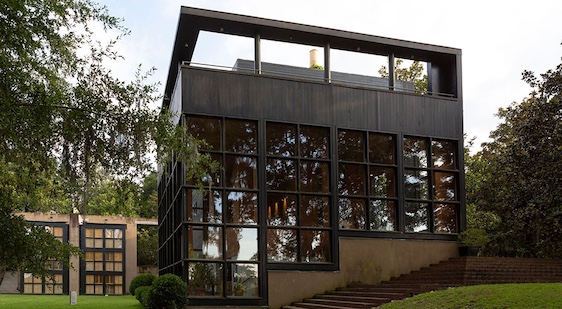
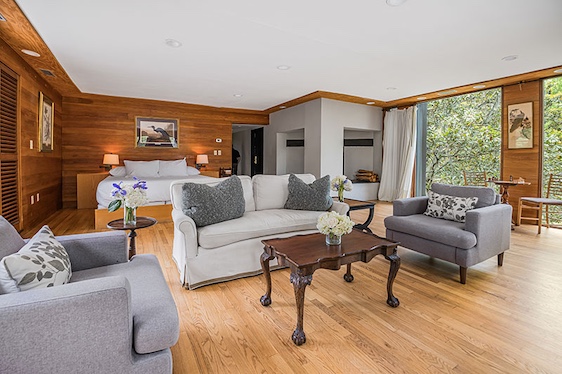
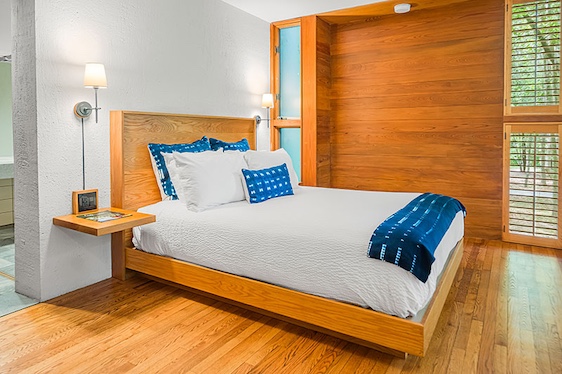
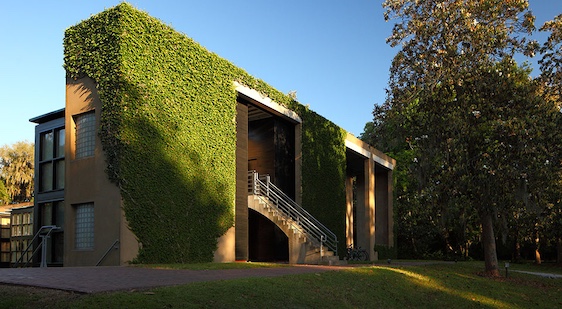
One of the Lowcountry’s most treasured works of modern architecture, The Inn originally opened in 1987, won theAmerican Institute of Architecture’s highest awards and catapulted architect WG Clark to national prominence. Intentionally designed to blend seamlessly within its pristine natural environment, it offers spacious rooms with floor-to-ceiling windows. Guests receive complimentary access to Middleton Place and its stunning gardens, connected by a riverfront walkway, and which were envisioned by Henry Middleton in 1741 to reflect the grand classic style that remained in vogue in Europe and England into the early part of the 18th century.
“I am honored and humbled for the trust that the Middleton Place Foundation board has placed in me as we undertake this exciting endeavor,” said Michael Bennett, who was born and raised in Charleston. “Middleton Place isa national treasure, and my family and I take the stewardship of The Inn at Middleton Place very seriously,” “We areextremely proud that The Inn will remain locally owned and welcoming for the entire Charleston community and beyond.”
Historic sites across the country have faced unprecedented challenges in the wake of the pandemic. Over the past year, the Middleton Place Foundation Board of Trustees has carefully explored opportunities to secure the long-termsustainability of the historic site. This new partnership strengthens the Foundation’s ability to deliver on its coremission – education, preservation, and research – while entrusting hospitality operations to respected partners who share its values.
We were seeking a partnership that would both preserve Middleton Place and take it into the future,” said Mike Laughlin, Board of Trustees Chair, Middleton Place Foundation. “Middleton Place is not just a historic site; it is a national treasure. The Foundation remains deeply committed to its mission. With this partnership, we are ensuring that its powerful stories and its beauty endure – not just today, but for generations to come.”
Located a short drive from historic downtown Charleston, Middleton Place welcomes more than 100,000 visitors annually. Through authentic, immersive experiences led by interpretive guides, artisan craftspeople, and educators, itencourages all who visit to deepen their understanding of American history. The historic landmark has a history spanning three centuries of one family – with one member being a signer of the Declaration of Independence – and tells the essential stories and contributions of over 3,200 enslaved people who lived and labored on Middleton properties. Today Middleton Place encompasses 110 acres and, in addition to including America’s oldest landscaped gardens, also features a house museum, stable yards, and Eliza’s House – an African American freedman’s dwelling.
At The Inn at Middleton Place, Bennett Hospitality will again collaborate with Salamander Collection, which manages numerous acclaimed properties in the US and Caribbean, including the highly decorated Hotel Bennett on King Street in Charleston which is owned by the Bennett family. In addition to operating The Inn, Salamander will also assume management of the Restaurant at Middleton Place and The Pavilion meeting space.
“We are thrilled to work with the Bennett family again in such a culturally significant setting, while also engaging closely with the Middleton Place Foundation,” said Salamander Collection Founder and CEO Sheila Johnson. “We are excited to introduce our many Salamander loyalists to this unique Lowcountry setting and look forward to working with the Inn’s team to further elevate the guest experience.”
The collaboration between the three groups is grounded in a shared commitment to ensuring that MiddletonPlace continues to engage, educate, and inspire generations to come. The collective goals are to welcome a new generation of visitors, enhance the visitor experience, and advance the Foundation’s mission to preserve and interpret the rich and complex history of Middleton Place.
“Michael Bennett and Sheila Johnson bring stellar reputations in the hospitality industry – and just as importantly,they bring values that align deeply with our own,” said Dana Hand Evans, President and CEO of Middleton Place Foundation. “Sheila Johnson’s lifelong commitment to inclusion across business, sports, hospitality and culture resonates strongly with our mission. With Bennett Hospitality and Salamander Collection, we are ensuring thatMiddleton Place remains a place of learning, reflection, and stewardship for generations to come.”
Bennett Hospitality, founded by Charleston native Michael R. Bennett, is the largest locally owned real estate and hospitality company in Charleston, South Carolina. Michael’s entrepreneurial roots trace back to 1977 when he launched Free Wheelin’, a bicycle and moped rental business, while still in college. This early venture sparked a lifelong passion for business and development, leading him to purchase and renovate his first building in 1980. His love for revitalizing historic structures and developing new properties culminated in the formation of Bennett Hospitality,a full-service company with holdings that span hotels, restaurants, and commercial buildings across Charleston, Savannah, Florida, and Montana. Among his most notable accomplishments is the creation of Hotel Bennett, a luxury hotel on Marion Square in Charleston that opened in 2019 after more than two decades of planning. Built on the former site of the Charleston County Library, the hotel exemplifies Michael’s commitment to architectural elegance,historic preservation, and Lowcountry charm. Guided by strong family values, Michael names several of his establishments—including Hotel Bennett and Virginia’s on King—in honor of his parents, promoting a culture ofgenuine hospitality where every guest is treated like family. Through his work, Michael Bennett has played a vital rolein Charleston’s economic growth and cultural preservation, establishing himself as a visionary leader in the industry. For additional information, visit www.BennettHospitality.com.
About Middleton Place Foundation
In 1974, Charles H. P. Duell founded Middleton Place Foundation to safeguard the legacy of the Middleton Place National Historic Landmark. The Foundation, a public 501(c)3 non-profit educational trust, seeks to connect peoplewith the past to inspire a better future through a deeper understanding of American history. In fulfillment of this mission,the Foundation preserves and operates Middleton National Historic Landmark and the historic Edmondston-AlstonHouse, located on the harbor in Charleston’s historic High Battery. The Foundation also sponsors the Middleton Scholars Education Assistance Fund, which awards higher education scholarships to benefit the Middleton PlaceAfrican American descendant community. In 2022, Middleton Place Foundation staff and Board of Trustees engaged landscape architect Thomas Woltz and his team at Nelson Byrd Woltz to begin working on a Comprehensive Landscape Plan for Middleton Place Foundation. The plan, funded by Orville Gordon Browne Foundation Inc., in honor of Christopher H. Browne, and the Bessent-Freeman Family Foundation, provides a roadmap for MiddletonPlace for the next 50 years.
About Salamander Collection
Salamander Collection is privately owned and operated, and based in Middleburg, VA, just outside Washington, D.C. Founded by entrepreneur Sheila Johnson, it has a luxury portfolio featuring the triple Forbes Five-Star Salamander Middleburg, an equestrian-inspired property in the Virginia countryside; Salamander Washington DC, an elegant and recently enhanced hotel located along the capital’s vibrant Southwest waterfront; Half Moon, the storied resort in Montego Bay, Jamaica, featuring three distinct experiences including the acclaimed Eclipse; Aspen Meadows Resort, which features sweeping views in Aspen, CO’s west end and newly renovated Herbert Bayer-inspired accommodations; Hotel Bennett, a spectacular grand hotel in Charleston, SC, overlooking the city’s historic Marion Square; The Inn at Middleton Place in Charleston, SC, overlooking the Ashley River and adjacent to the famedMiddleton Place gardens; Innisbrook Resort in the St. Petersburg/Clearwater area, which hosts the PGA TOUR’s Valspar Championship each year on its famed Copperhead Course; and PGA National, the iconic golf destination in Palm Beach Gardens, FL, which recently underwent a $100 million enhancement and hosts the PGA TOUR’s Cognizant Classic each year on its renowned Champion Course. www.SalamanderHotels.com.
COLUMBIA, S.C. – Davis Defense Group, Inc. (DDG), a defense contracting company, today announced it is expanding its operations in Charleston County. The company’s $100,000 investment will support 30 new jobs.
Founded in 2002, DDG is a family-owned company providing cutting-edge mission solutions that serve programs critical to national security. The company’s North Charleston office currently supports the Naval Information Warfare Center (NIWC) Atlantic and the U.S. Marine Corps.
DDG is expanding into a larger office space, located at 2456 Remount Road in North Charleston, to support future growth and contracts.
Operations are already online. Individuals interested in joining the DDG team should visit the company’s careers page.
QUOTES
“Davis Defense Group, Inc. is pleased to grow our presence in Charleston with the opening of our new, expanded office space. Our team has proudly supported NIWC-LANT and the Marine Corps in Charleston for over five years, and this new facility reflects our commitment to the region’s growing defense sector. With an excellent reputation for world-class service in command, control, communications, computers, cyber-defense, intelligence, surveillance and reconnaissance (C5ISR) systems support, DDG has formed long-lasting partnerships with our customers, teammates and employees. We are excited to create new connections as we continue to expand our footprint in Charleston County.” -Davis Defense Group, Inc. CEO Kristi Wilder
“Today’s announcement by Davis Defense Group, Inc. strongly reflects the company’s confidence in South Carolina and our talented workforce. We celebrate DDG’s partnership and commitment to creating new jobs in the Charleston County community.” -Gov. Henry McMaster
“Davis Defense Group, Inc.’s decision to expand in South Carolina and further invest in our people is reason to celebrate. We proudly support DDG’s growth in the Lowcountry and congratulate the company on this expansion which will allow it to continue to support the defense industry.” -Secretary of Commerce Harry M. Lightsey III
“This investment and the creation of 30 new jobs are invaluable contributions to our community’s economic success and further strengthen the Charleston region’s role in safeguarding our nation.” -Charleston County Council Chairman Rev. Dr. Kylon Jerome Middleton
FIVE FAST FACTS
Davis Defense Group, Inc. (DDG) is expanding its operations in Charleston County.
The company’s $100,000 investment will support 30 new jobs.
DDG is a defense contracting company.
The company’s new facility is located at 2456 Remount Road in North Charleston, S.C.
Individuals interested in joining the DDG team should visit the company’s careers page.
Clemson, South Carolina – The South Carolina Office of Resilience (SCOR) is proud to partner with Clemson University to develop and implement an innovative water sensor system as part of the Clemson Intelligent River program. This project will help alert the public and emergency officials to flood events. Currently, the team is undertaking a pilot project to install 125 sensors in the Upper Savannah and Saluda watersheds between May and December 2025.
The Intelligent River BridgeBox™ system consists of small, 5-by-6-inch boxes mounted on bridges and other structures. These devices provide real-time water level information and supplement U.S. Geological Survey (USGS) gauges, offering a more comprehensive view of flood impacts from extreme weather and water volume estimates during dry periods.
This technology uses internet-connected devices to monitor water levels and stream data to a cloud-based system. The system can determine accurate water levels using a radar sensor. It typically measures water level every 6 minutes, with each box having a battery life of more than 2 years.
With these instruments providing live data, the team will be able to take measurements during rain events to better understand known flooding issues in the region.
This project aligns with SCOR’s mission to lessen the impact of disasters on the communities and citizens of South Carolina by enhancing the data used to understand hazard risks. The 2023 Strategic Statewide Resilience and Risk Reduction Plan (Resilience Plan) recommends multiple forms of investment in information infrastructure that will inform and improve water planning, flood forecasting, and flood frequency estimates. For the Intelligent River BridgeBox™ system, SCOR has contributed a $300,000 grant.
SCOR Data Coordination Manager Bryan Rabon explains, “The BridgeBox™ project aligns closely with the Strategic Statewide Resilience and Risk Reduction Plan data recommendations by addressing the need for improved, high-resolution hydrological monitoring across watersheds. By deploying BridgeBox™ units, this initiative enhances the spatial density of water level data, supplementing the existing USGS network and directly supporting the recommendation for expanding data to inform modeling and resilience planning.”
Developed by Christopher Post, Clemson professor of environmental information science, and Syed Mohammad Ovais, Intelligent River head engineer, the sensor systems can, in addition to alerting flood conditions from bridges, be used for road, tidal, and reservoir monitoring.
“This system is designed to enable the deployment of thousands of water level sensors to support the critical USGS gauge network,” Post says. “The sensors will provide publicly available information on flood events and water levels to inform environmental conservation and economic development.”
Post further elaborates “this data will also help validate flood models and improve understanding of extreme weather impacts.”
Ultimately, this initiative will increase resilience in the area, which SCOR defines as the ability of communities, economies, and ecosystems to anticipate, absorb, recover, and thrive when presented with environmental change and natural hazards.
###
About SCOR: The South Carolina Office of Resilience (SCOR) is committed to enhancing the state’s ability to anticipate, absorb, recover, and thrive when presented with environmental changes and natural hazards by planning and coordinating statewide resilience, long-term disaster recovery, and hazard mitigation. In addition to serving 3,459 homes in our Disaster Recovery Program, SCOR has 81 active flood mitigation projects, including voluntary buyouts, stormwater infrastructure, and plans and studies, across the State. SCOR continues to implement and maintain the Strategic Statewide Resilience and Risk Reduction Plan, which provides a framework to guide investment in projects, programs, and policies to protect the people and property of South Carolina from the damage and destruction of extreme weather events.
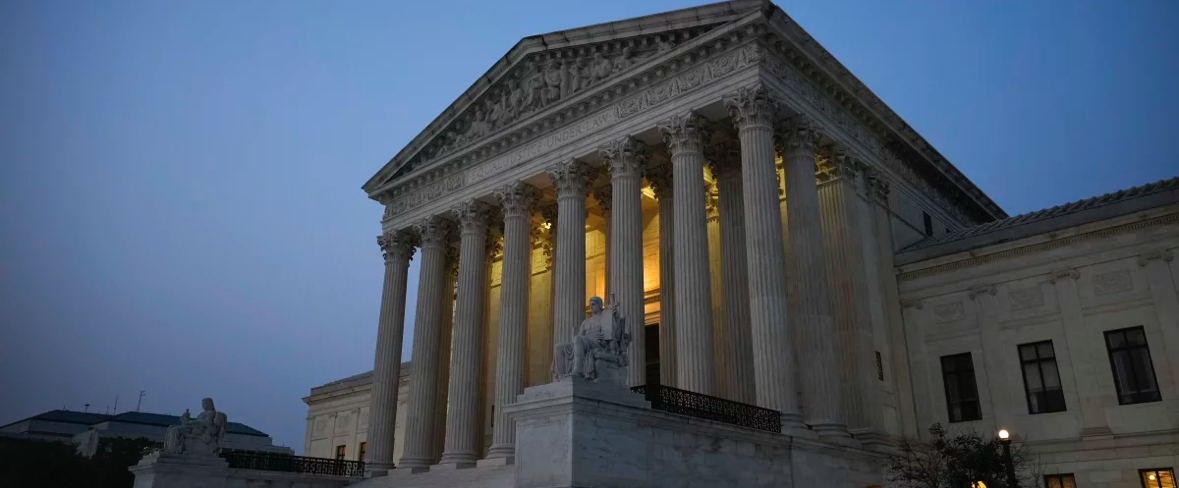
The Supreme Court on Thursday allowed South Carolina to bar Planned Parenthood’s access to federal Medicaid funding for non-abortion services. The decision allows states to ban the organization from getting Medicaid reimbursements for cancer screenings and other care not related to abortion.
At issue was a provision of the federal Medicaid law that guarantees Medicaid patients the ability to choose their doctors, or in the words of the statute, they are entitled to “any qualified and willing provider.” South Carolina, however, maintained that it could disqualify Medicaid providers for “any reason that state law allows.” Or as Gov. Henry McMaster, a Republican, put it, “Taxpayers should not be forced to subsidize abortion providers who are in direct opposition to their beliefs.”
On Thursday, the Supreme Court — by a 6-3 vote along ideological lines — agreed.
Justice Neil Gorsuch, writing for the court majority, said that regardless of the words in the statute, the law does not “clearly and unambiguously” provide individuals the right to sue to enforce the “any qualified provider” measure, as Congress didn’t specifically authorize such suits.
“Though it is rare enough for any statute to confer an enforceable right, spending-power statutes like Medicaid are especially unlikely to do so,” he wrote. And he wrote that allowing someone to sue over one aspect of Medicaid plan requirements could also open the door to a flood of lawsuits over other requirements.
Justice Ketanji Brown Jackson, writing for the dissenting liberal justices, described the case as a civil rights issue, saying citizens have the right to sue over deprivation of rights.
South Carolina is evading its liability “for violating the rights of its Medicaid recipients to choose their own doctors,” she wrote.
Dispute over who is a “qualified” provider
Since 1976, federal law has prohibited using federal Medicaid funding for abortion services with limited exceptions for rape, incest and life-threatening complications. But the Medicaid program reimburses “any qualified medical provider” for non-abortion services, and in South Carolina, a state with a shortage of primary care providers, Planned Parenthood South Atlantic has long provided routine medical services for low-income residents — including physical exams and cancer screenings.
When the governor removed the clinics from the state’s Medicaid roster, the clinics sued, arguing that Medicaid patients should be able to choose their own health care providers, “including those who provide abortion.”
They won, not once but repeatedly. Lower courts ruled that Planned Parenthood South Carolina is qualified to provide Medicaid services, and that since they are willing to provide those services, patients have a right to seek them out. Blocking the governor’s order, the 4th Circuit Court of Appeals required South Carolina to include Planned Parenthood in its Medicaid program, granting residents the right to choose their health care providers.
The Supreme Court reversed that decision on Thursday.
The court’s decision comes at an important time for Planned Parenthood, which is facing financial difficulties nationwide — NPR reports that Planned Parenthood has closed at least 34 clinics since last year. And in Congress there is pending federal legislation that, if passed, would eliminate all federal funding for Planned Parenthood.
From the award-winning owner of Spice Palette, Rivayat brings coastal Indian cuisine to Charleston — rooted in heritage and inspired by local seafood.
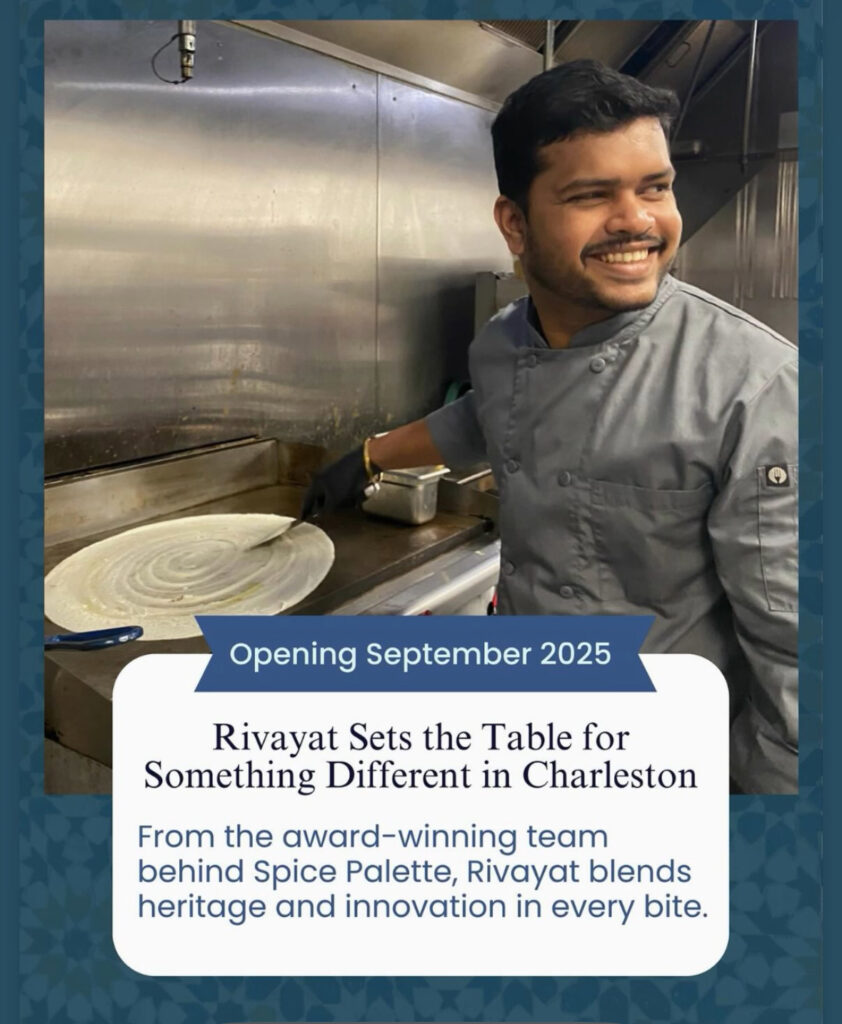
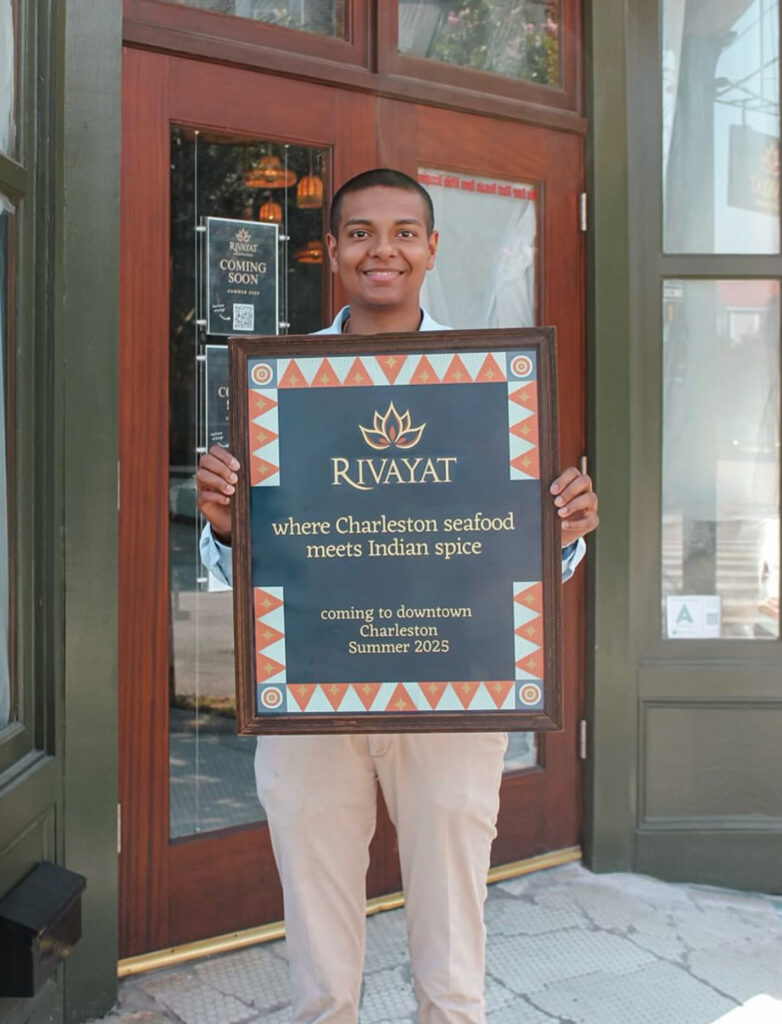
Charleston, SC — A bold new addition to Charleston’s culinary scene is on the horizon: Rivayat, a coastal-inspired Indian restaurant, is set to open in downtown Charleston later this summer. Created by Sujith Varghese, the award-winningrestaurateur behind Mount Pleasant’s Spice Palette, Rivayat will offer a refined, seafood-forward take on the vibrant cuisines of India’s coastal regions.
The menu at Rivayat will draw particular inspiration from Kerala, Sujith’s home state in southern India, known for its bold spices, coconut-rich curries, and proximity to the sea. Growing up, Sujith spent summers visiting his father’s home on the backwaters ofKerala, where freshly caught seafood like fish and shrimp were prepared daily, forming the foundation of their family meals.
“Rivayat is a love letter to the coastal flavors I grew up with — dishes that are modern, memorable, and deeply rooted in tradition,”says owner Sujith. ““Charleston’s growing love for global cuisine – paired with its incredible access to fresh, local seafood – makes itthe perfect place to bring this next chapter to life.”
Rivayat will feature a curated selection of dishes that reflect the layered diversity of Indian cuisine, with a strong emphasis on coastal traditions. Guests can expect to find South Indian staples, North Indian favorites, and bold new interpretations that highlight thebounty of Charleston’s waters. The restaurant will also debut a thoughtfully crafted cocktail program designed to complement its spice-forward menu.
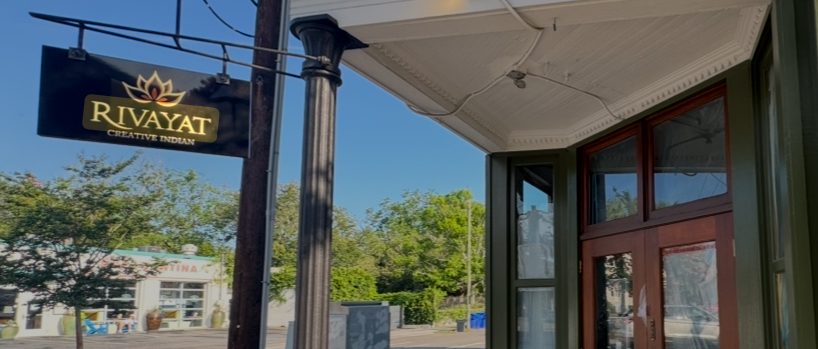
The restaurant has undergone a complete renovation to reflect a coastal-meets-modern aesthetic, blending natural textures, warmtones, and Indian-inspired accents to create a space that feels both inviting and elevated.
Located in the heart of downtown Charleston (210 Rutledge Ave), Rivayat is expected to open in late summer 2025. The restaurant will be open for lunch and dinner six days a week. Follow along on Instagram at@rivayat_chs for opening updates, soft launchdetails, and a behind-the-scenes look at the journey leading up to opening day.
About the Owner
Sujith Varghese is a New York native and hospitality entrepreneur with deep Indian roots. His parents, originally from India, own and operate an Indian grocery store in New York, where Sujith was immersed in the ingredients, aromas, and traditions of Indian cooking from an early age. His culinary perspective was further shaped by childhood visits to Kerala, where meals centered around freshly caught seafood and vibrant, home-cooked flavors.
After relocating to South Carolina, Sujith opened Spice Palette in Mount Pleasant, which quickly earned acclaim — including the title of Best Indian Restaurant in Charleston. With Rivayat, he returns to those coastal roots, blending tradition and innovation in a refined new concept.
 by
by