Charleston, South Carolina is has developed a national and international reputation for fine dining and cuisine. Yet, in the heart of this Southern retreat, a Pakistini restaurant stands out as a model of quality and excellence, Ma’am Saab located at 251 Meeting Street, the site of the former Southern cooking local favorite Jestine’s Kitchen.
Ma’am Saab offers a remarkable dining experience centered on generational Pakistani recipes, unique cocktails, and exceptional customer service. Located in the historic district, this modern Pakistani restaurant and bar brings the rich culinary heritage of Pakistan to life with a contemporary twist, led by Chef Maryam Ghaznavi.
Generational Recipes with a Modern Twist
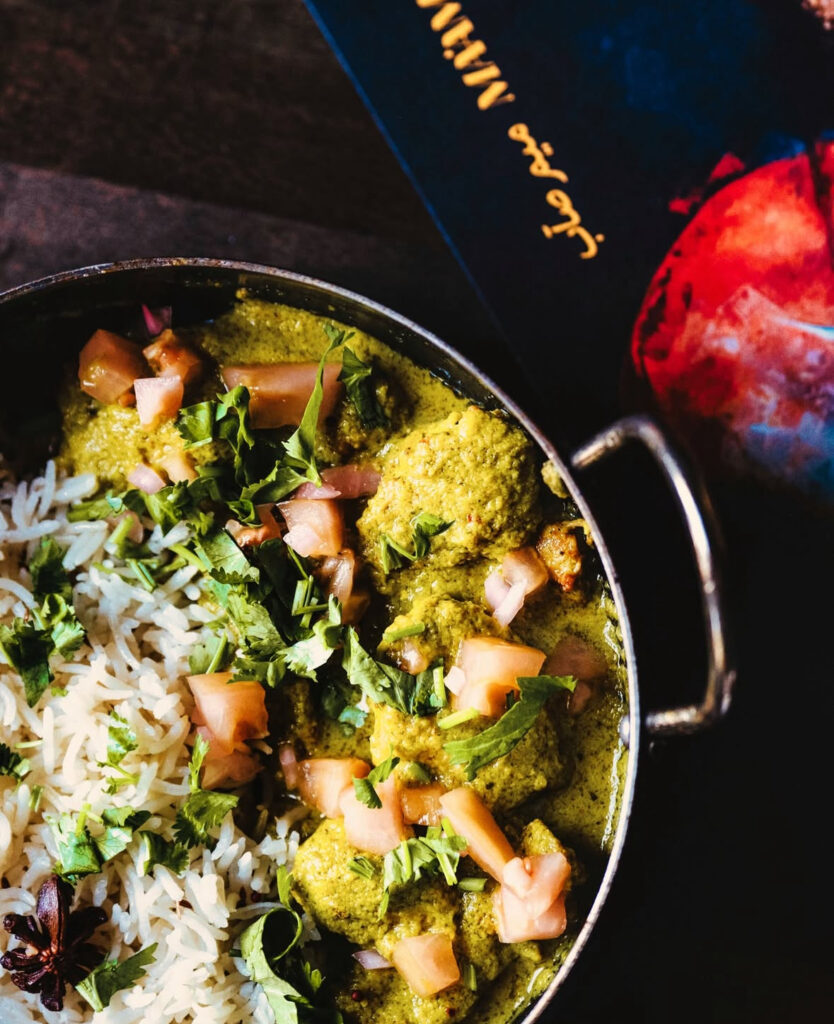
Ma’am Saab’s menu is deeply rooted in traditional Pakistani flavors, drawing from recipes that date back to the Mughal era. Signature dishes like Butter Chicken, Chicken Biryani, Lamb Karahi, and Lamb Samosas showcase the vibrant spices and rich sauces that define Pakistani cuisine. These recipes have been thoughtfully refined to appeal to modern palates while preserving their authentic essence.
Guests often praise the balance of bold flavors and tender textures, such as the creamy, spice-infused Butter Chicken and fragrant, saffron-laced Biryani.
Unique Cocktails and Beverage Offerings
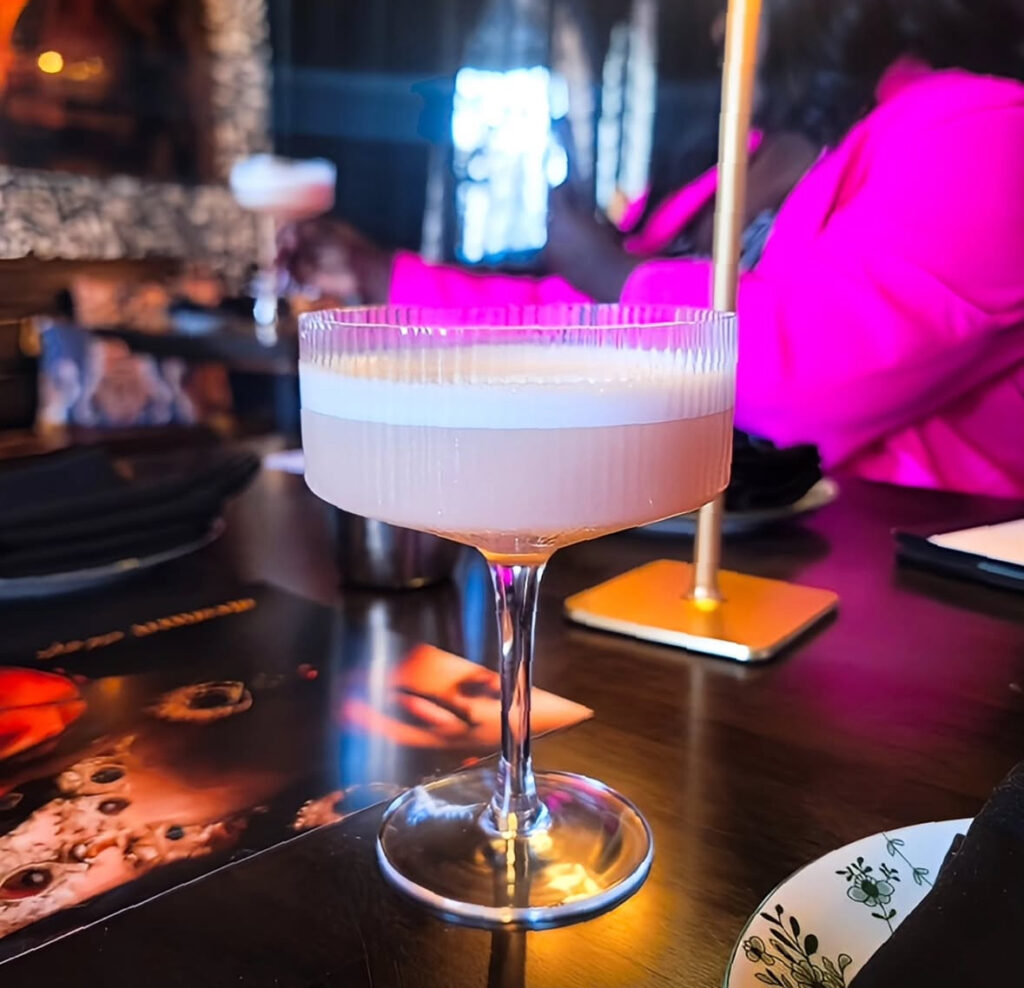
The restaurant complements its food with a creative beverage menu featuring vibrant cocktails that blend South Asian ingredients with Southern charm.
Their happy hour offers inventive drinks alongside craft cocktails, including mango lassis that cool the palate and specialty concoctions that pair beautifully with the bold spices of the cuisine.
These expertly crafted cocktails are a key part of the lively and inviting atmosphere.
Amazing Customer Experience
Ma’am Saab is celebrated not only for its food but also for its warm, attentive service and welcoming ambiance. The staff is knowledgeable and friendly, often providing expert recommendations to enhance the dining experience. The décor combines exposed brick, floral wallpaper, and ultraviolet lighting to create a vibrant yet cozy setting that invites guests to relax and savor their meal.
The seamless service and the family-style sharing approach, which fosters a communal and memorable experience.
Ma’am Saab in Charleston stands out by offering a unique fusion of generational Pakistani recipes with modern culinary techniques, a distinctive cocktail program, and an outstanding customer experience that captures the spirit of both Pakistan and Southern hospitality.
Ma’am Saab is open for lunch and dinner Tuesday through Saturday. Stay connected on Instagram.
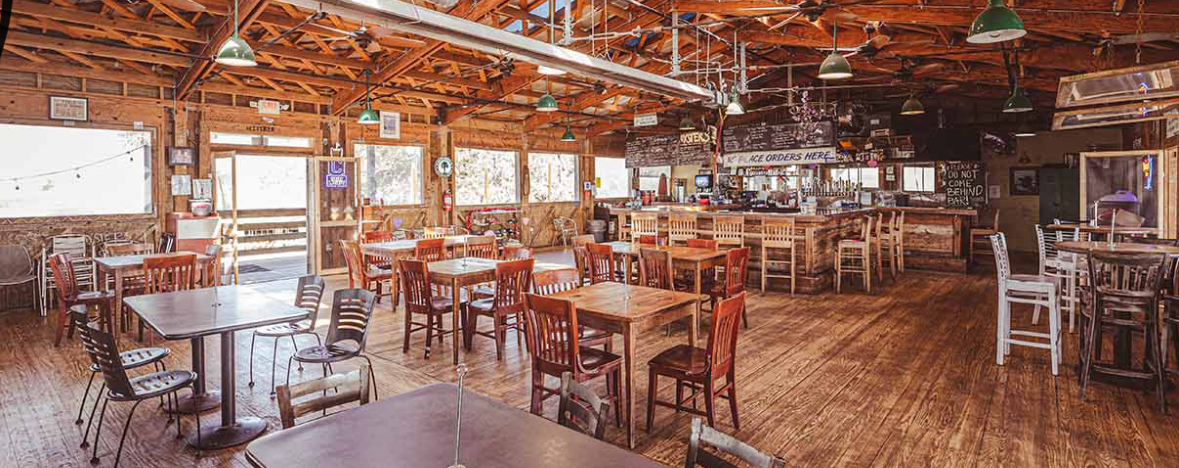
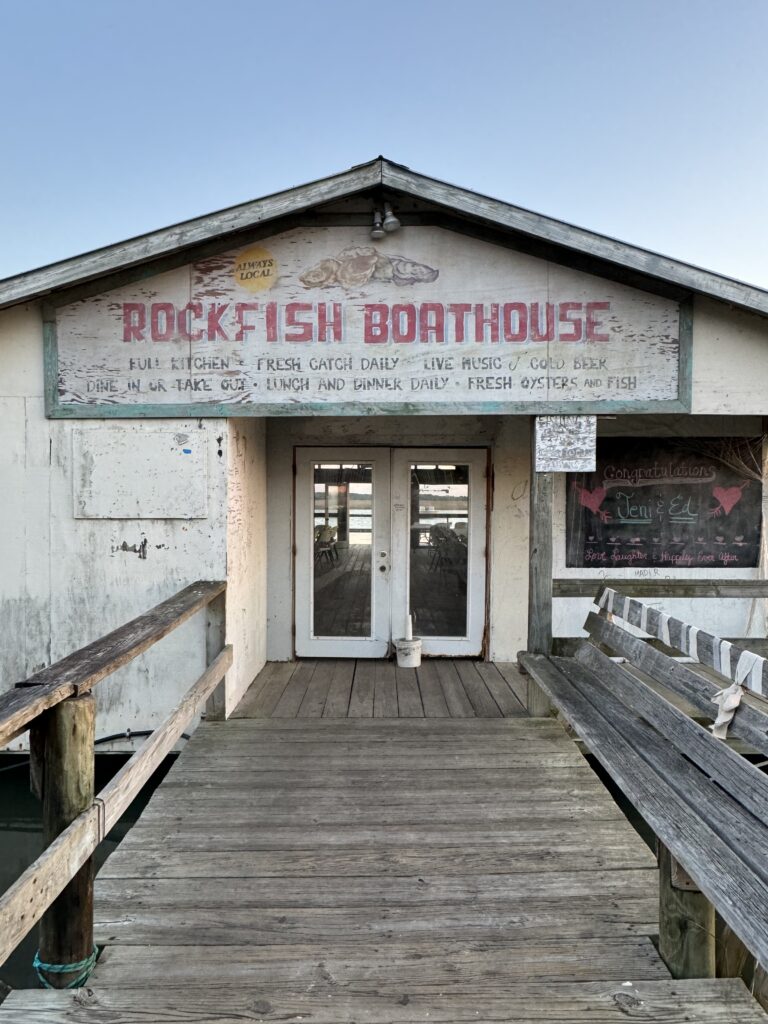
Bowen’s Island Restaurant, located at 1870 Bowen’s Island Road, Charleston, SC, offers a unique, rustic dining experience that has become a beloved local institution since its founding in 1946. The vibe is casual and unpretentious, with a setting that feels like a laid-back fish camp rather than a traditional restaurant.
The building itself is a charming collection of weathered cinder blocks and wooden boards covered in layers of graffiti, reflecting decades of visitors’ marks and stories. This atmosphere creates a sense of community and history, making it more than just a place to eat—it’s a cultural experience and a state of mind.
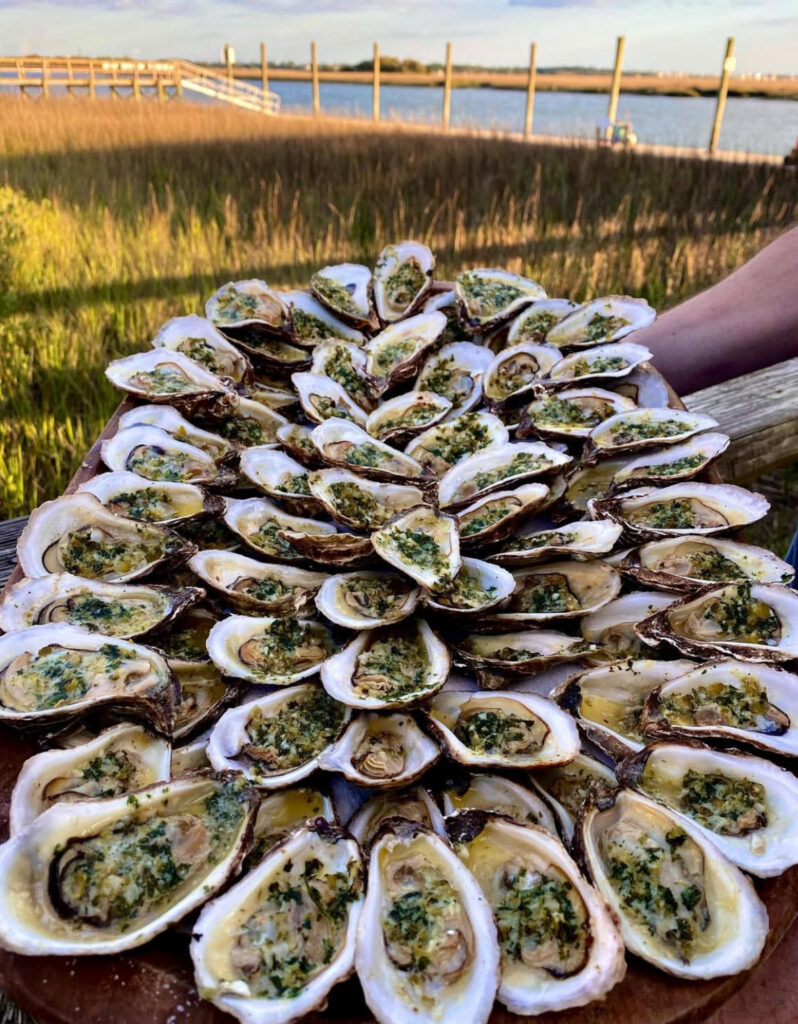
The restaurant is famous for its oysters, which are harvested locally and roasted under burlap on a smoky pit. Unlike the polished oyster presentations found elsewhere, Bowen’s serves oysters in their natural, rustic form, often clumped together with silt intact. Diners shuck their own oysters at the table, adding to the hands-on, authentic feel.
The only condiment offered is a spicy cocktail sauce recipe handed down from the original owner, May Bowen, and many patrons bring their own butter to enhance the flavor. This no-frills approach highlights the freshness and quality of the seafood itself.
Here are five reasons to dine at Bowen’s Island Restaurant:
• Authentic Local Seafood: The menu features fresh, local oysters, fried shrimp, crab cakes, and the Lowcountry specialty Frogmore stew, showcasing the best of Charleston’s coastal cuisine.
• Historic and Rustic Ambiance: The graffiti-covered walls and simple picnic-style seating create a unique, nostalgic atmosphere that transports guests back to an old-school oyster roast tradition.
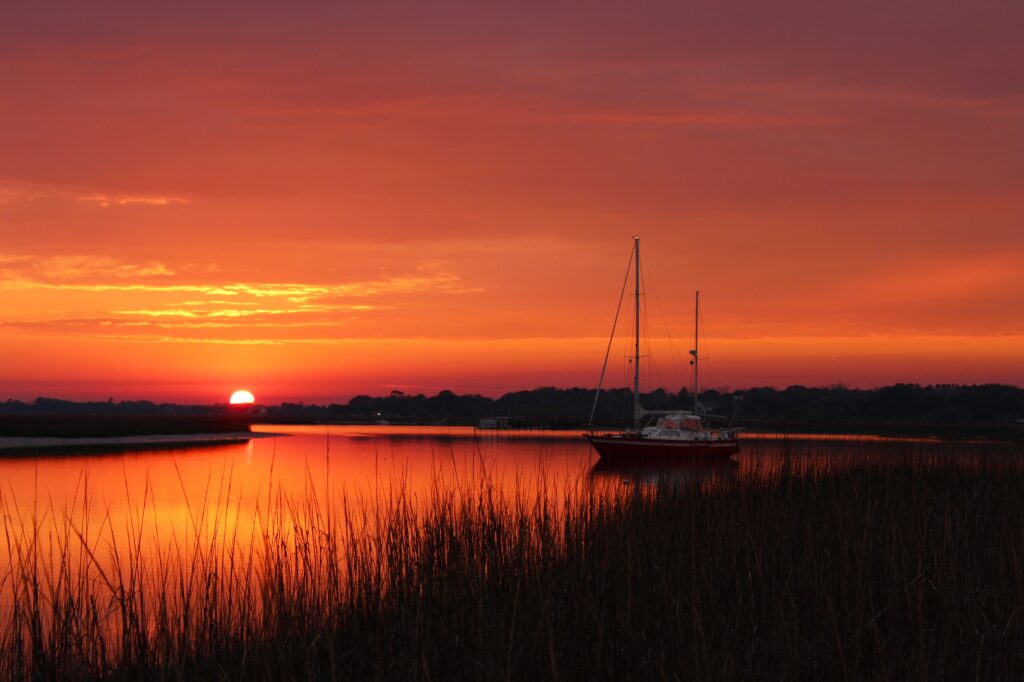
• Waterfront Views: Situated on a 13-acre island on Folly Creek, the restaurant offers beautiful sunset views that complement the dining experience perfectly.
• Casual, Family-Owned Charm: Operated by the Bowen family for generations, the restaurant maintains a welcoming, down-to-earth vibe that feels like dining with old friends.
• Award-Winning Reputation: Recognized by the James Beard Foundation as an American Classic and praised by Coastal Living and Southern Living, Bowen’s Island Restaurant is celebrated for its cultural and culinary significance.
Bowen’s Island Restaurant is a must-visit for seafood lovers seeking an authentic, relaxed, and historic dining experience with stunning views and a strong connection to Charleston’s coastal heritage.
COLUMBIA, S.C. – Homanit, a leading manufacturer of wood materials, today announced it selects Clarendon County to establish the company’s U.S. manufacturing operation. The $250 million investment will create 300 new jobs.
Headquartered in Germany, Homanit is a leading European manufacturer of medium- and high-density wood fiberboards for furniture, automotive, door and coating industries worldwide. The company currently operates production facilities in Germany, Lithuania and Poland.
Homanit’s new facility, located at 1200 Spigner Road in Alcolu, will produce its fiberboards for U.S.-based customers.
Operations are expected to be online in 2028.
The Coordinating Council for Economic Development approved job development credits related to the project.
QUOTES
“We are incredibly grateful for the warm welcome and strong support we’ve received from the Clarendon County community, the state of South Carolina and Governor McMaster. This investment marks a significant milestone for our company, and we’re proud to become part of such a vibrant and forward-looking region. The area’s skilled workforce, strategic location and strong infrastructure make Clarendon County the ideal foundation for our next phase of growth in North America.” -Homanit Managing Director Fritz Homann
“South Carolina’s workforce has proven itself to be one of the best in the world and continues attracting major investments to our state. Homanit’s decision to invest in Clarendon County and create an impressive 300 new jobs in the community will greatly benefit our state and our people for many years to come.” -Gov. Henry McMaster
“Homanit’s announcement to establish such a large operation in Clarendon County represents a tremendous vote of confidence in our state’s forestry and manufacturing industries. This significant $250 million investment and the opportunities it brings to a rural area will have a lasting impact. Congratulations to Homanit and Clarendon County on this remarkable accomplishment.” -Secretary of Commerce Harry M. Lightsey III
“I’m pleased to welcome Homanit as the newest member of South Carolina’s thriving agribusiness industry. This company will support our state’s timber farmers at a critical time and offer quality jobs in a rural part of our state.” -Commissioner of Agriculture Hugh Weathers
“Homanit’s sizable investment – the largest forest products manufacturing announcement in the state in more than three years – is welcome news, particularly for our pine pulpwood markets. Our state’s healthy, abundant forests attract wood-using industry, create jobs and incentivize landowners to grow more trees, sustaining a supply chain that powers South Carolina’s economy and encourages conservation.” -State Forester Scott Phillips
“On behalf of Clarendon County Council, we extend a warm welcome to Homanit. The economic impact of a project of this magnitude will be felt throughout our community for generations to come. We sincerely thank you for placing your confidence in Clarendon County and selecting Alcolu, South Carolina as your home.” -Clarendon County Council Chairman John E. Johnson III
“We are pleased that international companies continue to choose central South Carolina for their U.S. operations. The central region’s rich natural resources and skilled workforce have made Homanit’s decision to invest $250 million and create 300 new jobs in Clarendon County possible. This investment not only boosts our region’s economy and improves the quality of life for residents, but also reinforces that our region has a lot to offer to growth-oriented companies.” -Central SC Alliance Chairman Matthew Shaffer
FIVE FAST FACTS
Homanit selects Clarendon County to establish its U.S. manufacturing operation.
The company’s $250 million investment will create 300 new jobs.
Homanit is a leading manufacturer of wood materials.
The company will be located at 1200 Spigner Road in Alcolu, S.C.
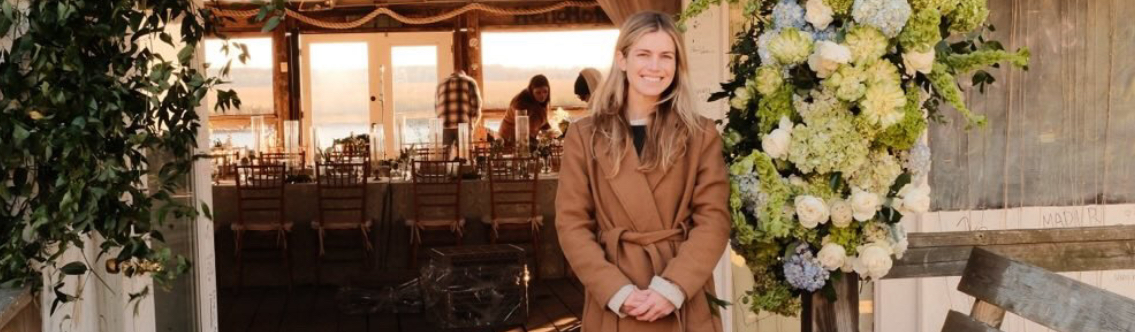
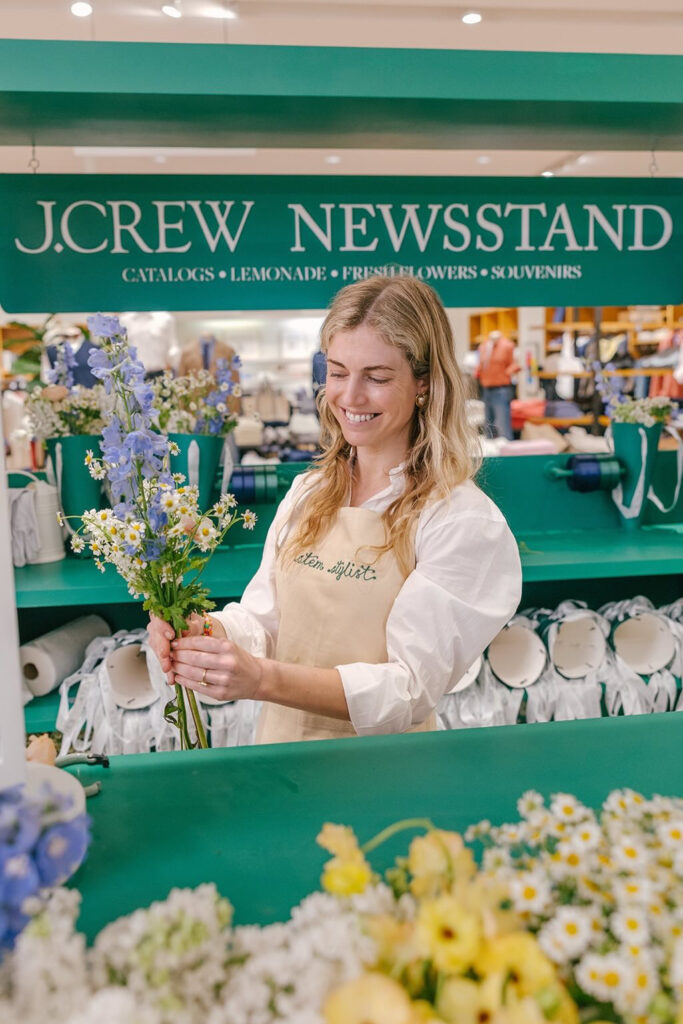
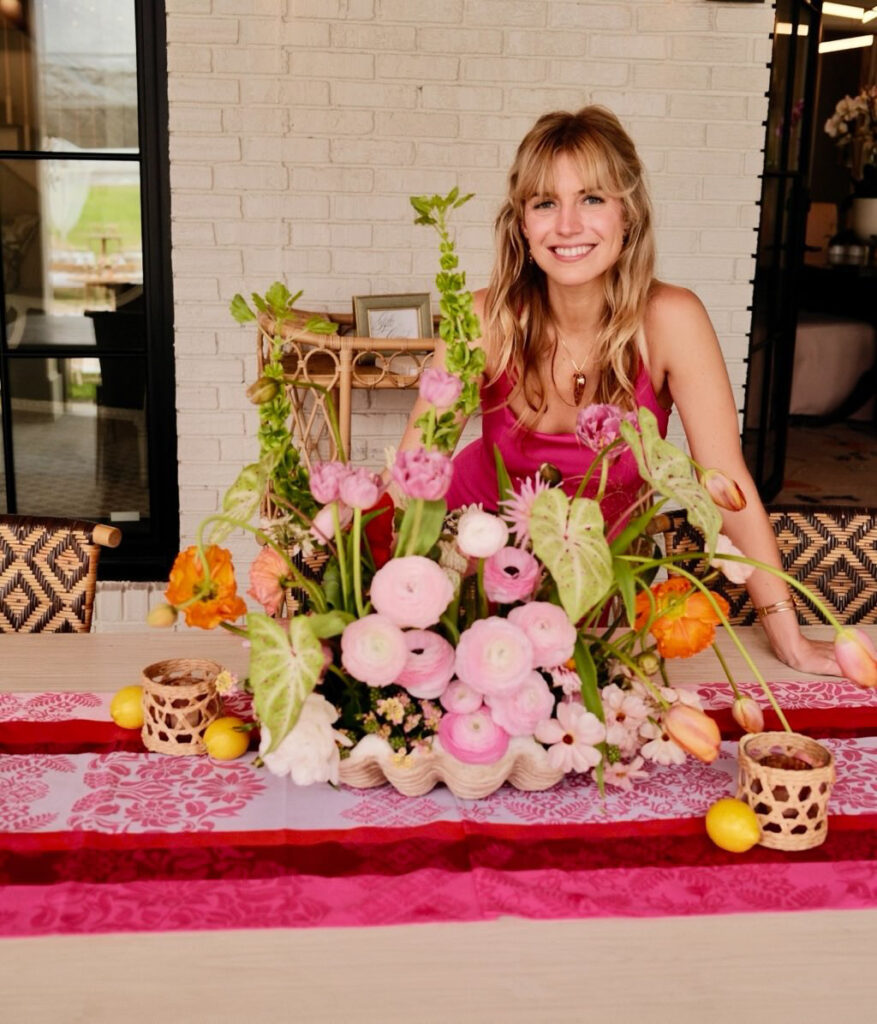
We recently had the pleasure of meeting Bailey Crump, floral desiger and owner of Garden Party Charleston. When you spend time with Bailey, you will quickly see she is as charming as her flowers and her eye for natural beauty is unmatched.
We’d like to share the origins, vision and passion behind Garden Party Charleston and why it should be one of you top options for floral needs.
Bailey Crump’s Vision
Garden Party Charleston, founded by floral designer Bailey Crump, has quickly become a sought-after name for distinctive, organic floral arrangements in the city’s vibrant event scene.
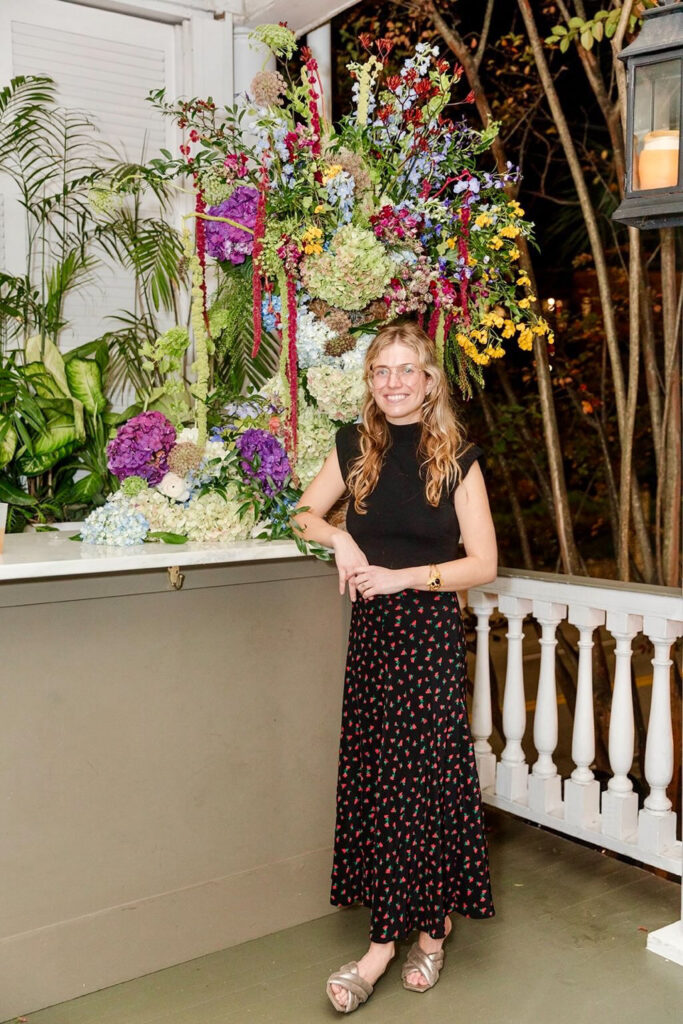
Crump’s signature style—lush, whimsical, and rooted in the natural beauty of the Lowcountry—has graced everything from intimate gatherings to high-profile brand launches. Her work is celebrated for its artful mix of wildflowers, emerald foliage, and a sense of effortless elegance that channels Charleston’s unique charm.
Founder Spotlight: Bailey Crump
Bailey Crump’s journey began with a passion for translating the region’s natural abundance into sophisticated floral artistry. Her approach is both intuitive and meticulous, blending classic Southern hospitality with a modern sensibility. Crump’s arrangements are known for their organic movement and fresh-from-the-garden feel, making her a favorite among discerning hosts and luxury brands alike.
Client Highlights
• AERIN x Julia Amory Capsule Launch: One of Garden Party Charleston’s standout moments was designing florals for the exclusive launch dinner of the AERIN x Julia Amory collection at Zero George, a boutique hotel in Charleston. Crump’s arrangements of white wildflowers and emerald foliage adorned the staircase, setting a magical tone as guests moved from cocktails in the courtyard to a five-course dinner. The florals echoed the collection’s sage green palette and effortless elegance, earning praise for perfectly capturing the event’s spirit.
• Charleston’s Social Scene: Crump’s work is regularly featured at some of Charleston’s most stylish affairs, from garden tours and preview parties to black-tie weddings. Her ability to tailor each arrangement to the event—whether it’s a timeless Southern soirée or a modern garden party—has made Garden Party Charleston a go-to for clients seeking both beauty and authenticity.
Why Garden Party Charleston Stands Out
Bailey Crump’s florals do more than decorate—they tell a story. Each arrangement is a celebration of place, season, and occasion, thoughtfully designed to enhance every moment. Garden Party Charleston continues to set the standard for floral artistry in the region, with Bailey Crump at the helm as both creative force and gracious collaborator.
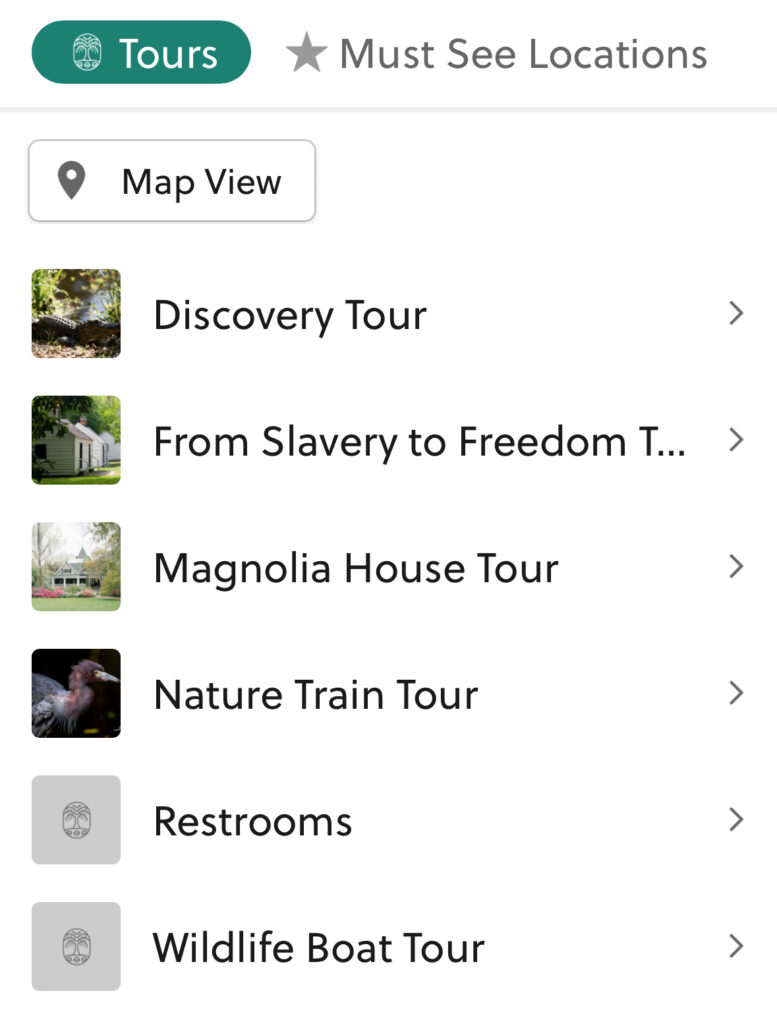
Magnolia Plantation & Gardens, a historic Charleston landmark and one of the areas too attractions, has embraced digital innovation to transform the visitor experience.
Here are five key reasons the Magnolia mobile app and related tech upgrades have elevated every visit:
1. Effortless Navigation with GPS Wayfinding
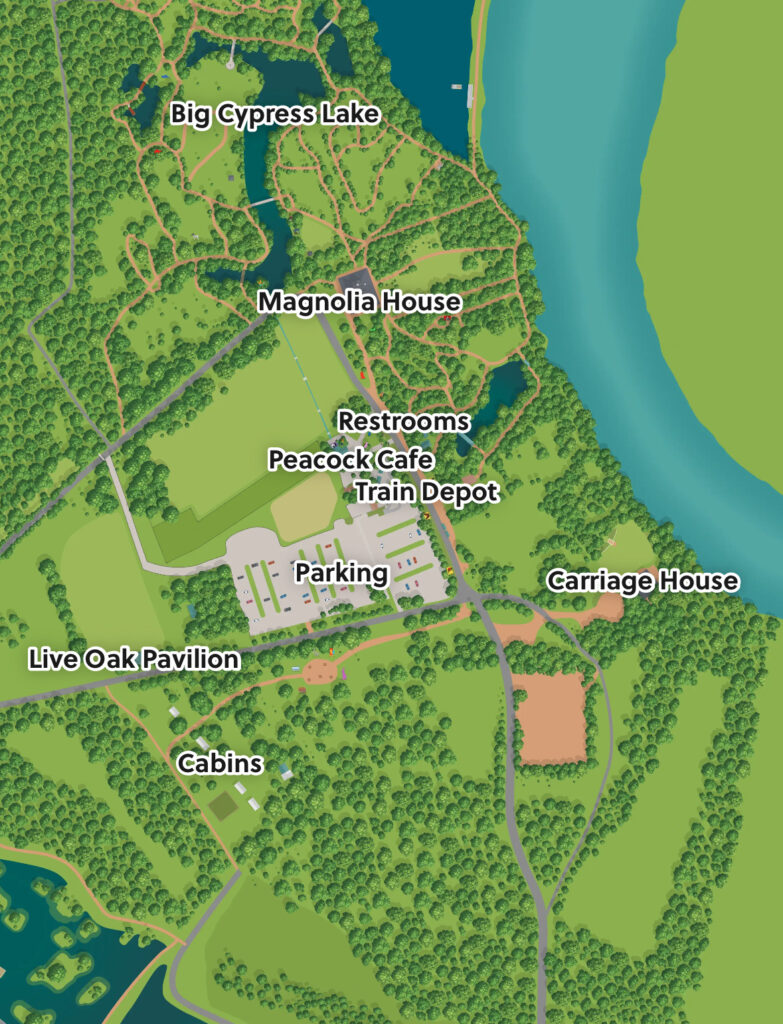
Navigating Magnolia’s sprawling 400+ acres can be daunting, but the app’s GPS-enabled, hand-illustrated map makes it easy for guests to find their way, discover must-see locations, and avoid getting lost. This is especially helpful in a romantic-style garden where paths wind organically and landmarks can be hard to spot from the center of the gardens.
2. Streamlined Entry and Reduced Queues
The app’s mobile ticketing feature allows visitors to buy and scan tickets digitally, significantly cutting down wait times at the entrance. This not only improves the first impression but also frees up staff to focus on enhancing guest interactions rather than managing lines.
3. Real-Time Updates and Personalized Alerts
Push notifications keep guests informed about daily activities, special events, weather alerts, and membership promotions. Visitors can receive timely information right on their phones, ensuring they never miss a bloom tour or a unique garden event.
4. Enhanced Learning and Seasonal Discovery
With the “What’s in Bloom” feature, guests can explore which plants are currently flowering and even take themed walking tours, like the popular camellia tour in winter. The app also enables Magnolia to share horticultural insights, highlight hidden gems, and rotate educational content based on the season, making every visit unique.
5. Sustainability and Staff Efficiency
By replacing paper maps and printed materials, the app supports Magnolia’s sustainability goals and significantly reduces waste and printing costs. Staff are less burdened by repetitive questions, as guests can access information independently, and internal teams can use visitor data to optimize operations and guest flow.
The Magnolia Plantation & Gardens app (available to download in all app stores) has modernized the guest experience by making visits easier, more informative, and more sustainable. With features that cater to both first-time visitors and returning members, Magnolia continues to blend its rich history with cutting-edge technology for a truly memorable outing.
Creating space to connect with our common humanity
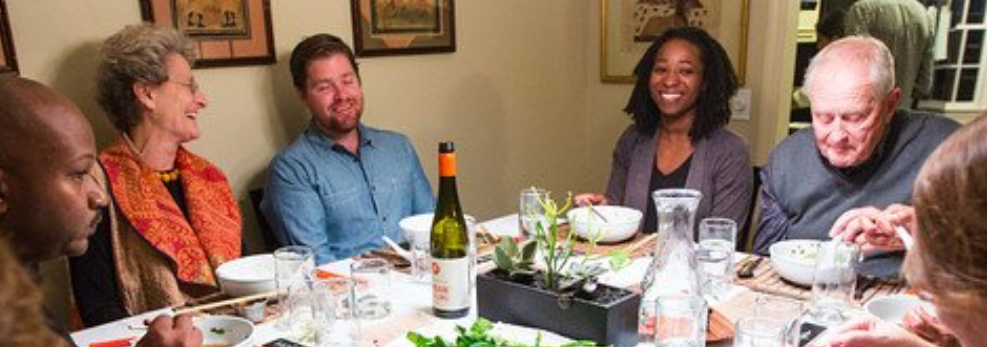
As the country grapples with division, Charleston-based Transformation Table offers a simple yet powerful solution: gather people from different backgrounds around a table for a meal and conversation.
Transformation Table’s story started in 2016 at an event commemorating the Mother Emanuel AME tragedy, during which Dr. Bernice A. King challenged the Charleston community to “get intimate.” Her message was clear: “Go to each other’s homes. Have dinner!” Inspired by King’s message and her own background hosting cross-cultural dinners as a development worker in Afghanistan, Tina Singleton founded Transformation Table. Rooted in the belief that empathy grows through shared understanding, Singleton curates dinners that bring together community members of different backgrounds, many of whom might never otherwise meet. Around a home-cooked meal and honest dialogue, guests begin to see each other as individuals and break down stereotypes.
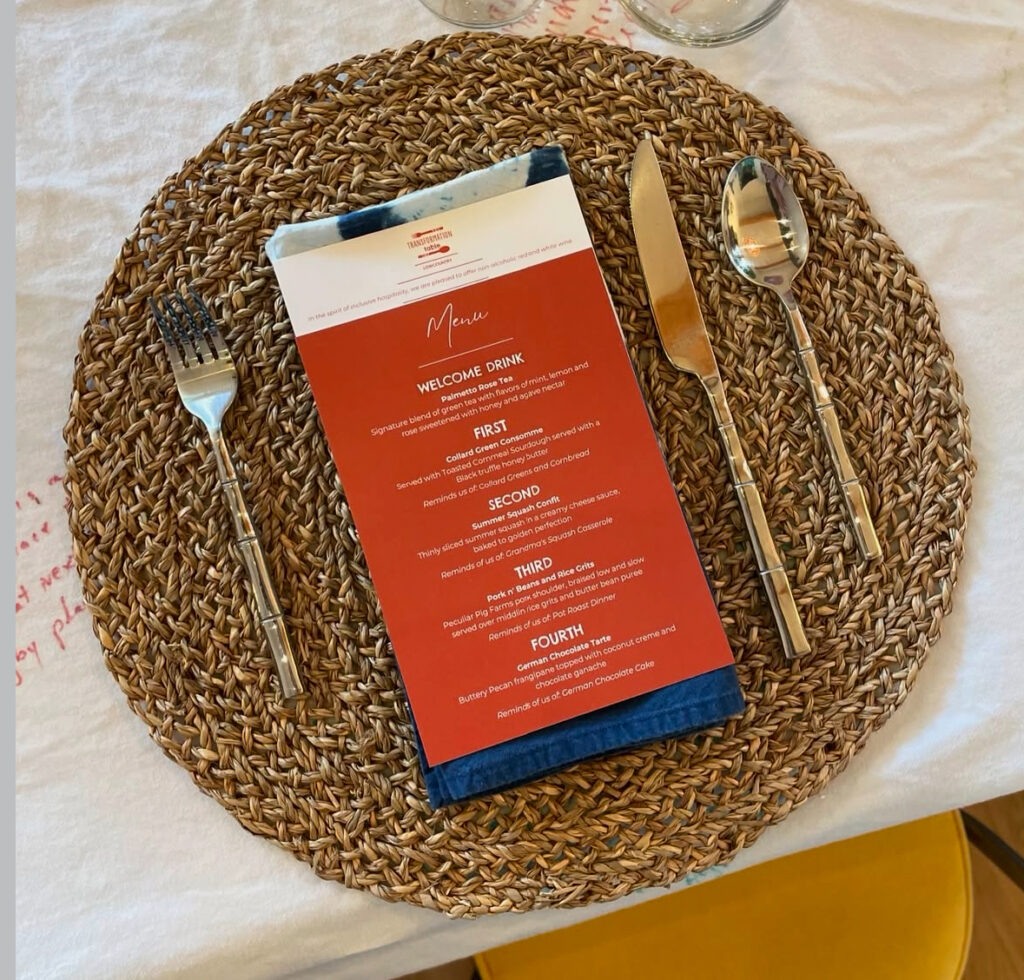
Dinners are hosted in private homes or by community organizations, with a pay-what-you-can model. On Friday, June 20 from 6:30-9:30 p.m., Transformation Table is hosting a special gathering at Joseph Fields Farm centered on the theme of Community, with a meal prepared by Chef BJ Dennis, in remembrance of the Emanuel Nine.
These blazing markets blend big-city amenities with lower housing costs than megacities along the West and East coasts.
Four South Carolina markets were among the Top 15 in this latest report from U.S. News and World Report: Charleston-North Charleston, SC #4, Columbia, SC #7, Greenville/Anderson/Mauldin, SC #8 and Charlotte, Concord, Gastonia, NC/SC #12
Key Takeaways
The top-ranked MSAs are located in a variety of locations including Nebraska, Texas, South Carolina and Colorado.
Markets to watch that improved the most between June and January include Orlando, Florida; St. Louis; Greeley, Colorado; Richmond, Virginia; and Southern California’s Inland Empire counties, which include Riverside and San Bernardino.
The most resilient markets that improved year-over-year through January were led by Columbia, South Carolina; Kansas City, Missouri; Los Angeles; San Jose, California; and Boise City, Idaho.
With inflation through February slowly heading in the right direction and 30-year fixed mortgage rates recently settling in at about 6.7%, hopeful homebuyers are slowly edging back into the housing market. But is it enough to unlock a semifrozen housing market?
The good news is that according to Freddie Mac, applications for mortgage purchase loans were up 5% year-over-year through mid-March. At the same time, with stock markets in flux and consumer sentiment dipping sharply in recent weeks, if concerns about rebounding inflation and job security continue to build, that could prompt some buyers to wait for more certainty.
Still, even if consumers hold back on high-ticket items such as new cars, trips and electronics, the stability of owning one’s own home is a powerful motivator to take the plunge into the housing market – especially if it’s relatively affordable, such as in the hottest housing market for January.
Since the metrics for local housing markets will not be equal for each region, state or city, it’s important for buyers and sellers to do their research,orank their must-haves and find the best agents for their situations.
Our analysis of the hottest housing markets pulls from the U.S. News Housing Market Index,which incorporates a wide array of data points and provides a simple yet comprehensive way to rank the covered metropolitan statistical areas (MSAs) from frigid to balmy on a scale of 1-100. This particular ranking is based on data from January 2025.
Hottest Markets Overall
Although the hottest MSA scores ranged up to 76.2, there were lower-scoring MSAs under 50, including Boston, Sacramento and two markets in Florida. At the top of the spectrum, the following MSAs are the hottest housing markets ranked from first to fifth:
Omaha, Nebraska – 76.2
Austin, Texas – 72.3
Houston – 72.1
Charleston, South Carolina – 71.6
Denver – 71.5
Given a tightening job market with employers regaining the balance of power, working remotelyfull time is much less of a consideration for today’s homebuyers. As a result, the metrics that define a relatively hot housing market are returning to the traditional basics of local demand, supply and financial considerations. Whether in Nebraska or South Carolina, what these hottest markets seem to share are big-city amenities without the high housing costs of MSAs closer to the megacities along the West and East coasts.
Combination creates global platform within the growing sports retail industry, positioned to serve evolving needs of a broader range of consumers
Poised to drive long-term success through innovative store concepts and digital experiences
Foot Locker shareholders can elect to receive either $24.00 in cash or 0.1168 shares of DICK’S Sporting Goods common stock for each share of Foot Locker common stock
Transaction expected to be accretive to DICK’S Sporting Goods EPS in the first full fiscal year post-close(excludes one-time costs)
PITTSBURGH and NEW YORK/PRNewswire/ — DICK’S Sporting Goods, Inc. (“DICK’S”) (NYSE: DKS), a leading U.S. based full-line omni-channel sporting goods retailer, and Foot Locker, Inc. (“Foot Locker”) (NYSE: FL), a leading footwear and apparel retailer, today announced that they have entered into a definitive merger agreement under which DICK’S will acquire Foot Locker. This transaction implies an equity value of approximately $2.4 billion and an enterprise value of approximately $2.5 billion.
Foot Locker has a strong history of sneaker expertise that sparks discovery and ignites the power of sneaker culture through its portfolio of brands, including Foot Locker, Kids Foot Locker, Champs Sports, WSS, and atmos. It encompasses approximately 2,400 retail stores across 20 countries in North America, Europe, Asia, Australia and New Zealand, and a licensed store presence in Europe, the Middle East and Asia. In 2024, Foot Locker achieved net worldwide sales of $8 billion. DICK’S expects to operate Foot Locker as a standalone business unit within its portfolio and maintain the Foot Locker brands.
“We have long admired the cultural significance and brand equity that Foot Locker and its dedicated Stripers have built within the communities they serve,” said Ed Stack, Executive Chairman of DICK’S. “We believe there is meaningful opportunity for growth ahead. By applying our operational expertise to this iconic business, we see a clear path to further unlocking growth and enhancing Foot Locker’s position in the industry. Together, we will leverage the complementary strengths of both organizations to better serve the broad and evolving needs of global sports retail consumers.”
“We look forward to welcoming Foot Locker’s talented team and building upon their expertise and passion for their business, which we intend to honor and amplify together,” said Lauren Hobart, President and CEO of DICK’S. “Sports and sports culture continue to be incredibly powerful, and with this acquisition, we’ll create a new global platform that serves those ever evolving needs through iconic concepts consumers know and love, enhanced store designs and omnichannel experiences, as well as a product mix that appeals to our different customer bases.”
“Today’s announcement marks the start of an exciting new chapter for Foot Locker and is a testament to our team’s hard work and dedication to our mission,” said Mary Dillon, CEO of Foot Locker. “By joining forces with DICK’S, Foot Locker will be even better positioned to expand sneaker culture, elevate the omnichannel experience for our customers and brand partners, and enhance our position in the industry. We are pleased to provide shareholders with a transaction structure that offers the choice of significant and immediate cash value or the opportunity to invest in the combined company and benefit from the substantial upside potential. I am proud of all that our teams around the world, including our Stripers, have accomplished to reach this milestone moment, and am confident this transaction represents the best path for our shareholders and other stakeholders.”
The proposed acquisition represents an important strategic milestone for DICK’S whereby the combined company offers significant strategic and financial benefits:
Create a global platform within the growing sports retail industry. The transaction will better position the combined company to serve consumers worldwide and expands DICK’S addressable market opportunity. By combining with Foot Locker, DICK’S will be poised to serve consumers not only in new locations in the U.S. through Foot Locker’s complementary real estate portfolio, but also internationally for the first time. With strong long-term industry tailwinds, the combined company is well positioned for long-term growth.
Serve a broader set of consumers across differentiated concepts. Iconic concepts will cater to a broad spectrum of consumers, from performance-focused athletes to sneakerheads. Building upon the groundbreaking learnings from DICK’S House of Sport and Foot Locker’s Reimagined Concept stores, the combined company will provide an unmatched immersive and innovative retail experience for consumers.
Strengthen relationships with brand partners through global reach. Together, DICK’S and Foot Locker will serve as a stronger partner for key brands, offering multiple platforms for both established and emerging partners to showcase their assortments, connect with athletes and increase visibility on a global level.
Invest in future growth through an industry-leading omnichannel experience. DICK’S has a history of strong growth and aims to invest in and grow the Foot Locker brand and position the combined company for long-term success. The combination will drive growth through differentiated store concepts and robust digital experiences to enable sustainable long-term profitable growth.
Unlock operational efficiencies that create shareholder value. DICK’S expects the transaction to be accretive to EPS in the first full fiscal year post-close (excludes transaction and other one-time costs to achieve synergies) and to deliver between $100 to $125 million in cost synergies in the medium-term achieved through procurement and direct sourcing efficiencies.
Additional Transaction Details
Under the terms of the merger agreement, which has been unanimously approved by the boards of directors of DICK’S and Foot Locker, Foot Locker shareholders will elect to receive either (i) $24.00 in cash or (ii) 0.1168 shares of DICK’S common stock for each share of Foot Locker common stock. The election is not subject to a minimum or maximum amount of cash or stock consideration.
Based on the closing price of Foot Locker common stock on 5/14/2025, the $24.00 per-share consideration represents a premium of approximately 66% to Foot Locker’s 60-trading day volume weighted average price. The total consideration represents an acquisition multiple of approximately 6.1x fiscal 2024 adjusted EBITDA.
DICK’S intends to finance the acquisition through a combination of cash-on-hand and new debt.
The transaction is subject to Foot Locker shareholder approval and other customary closing conditions, including regulatory approvals, and is expected to close in the second half of 2025.
Goldman Sachs is serving as financial advisor to DICK’S and provided fully committed bridge financing. Wachtell, Lipton, Rosen & Katz is serving as DICK’S legal advisor. Evercore is serving as financial advisor to Foot Locker, and Skadden, Arps, Slate, Meagher & Flom LLP is serving as Foot Locker’s legal advisor.
About DICK’S Sporting Goods
DICK’S Sporting Goods (NYSE: DKS) creates confidence and excitement by inspiring, supporting and personally equipping all athletes to achieve their dreams. Founded in 1948 and headquartered in Pittsburgh, the leading omnichannel retailer serves athletes and outdoor enthusiasts in more than 850 DICK’S Sporting Goods, Golf Galaxy, Public Lands and Going Going Gone! stores, online, and through the DICK’S mobile app. DICK’S also owns and operates DICK’S House of Sport and Golf Galaxy Performance Center, as well as GameChanger, a youth sports mobile platform for live streaming, scheduling, communications and scorekeeping.
Driven by its belief that sports have the power to change lives, DICK’S has been a longtime champion for youth sports and, together with its Foundation, has donated millions of dollars to support under-resourced teams and athletes through the Sports Matter program and other community-based initiatives. Additional information about DICK’S business, corporate giving and employment opportunities can be found on dicks.com, investors.dicks.com, sportsmatter.org, dickssportinggoods.jobs and onInstagram, TikTok, Facebook and X.
About Foot Locker
Foot Locker, Inc. is a leading footwear and apparel retailer that unlocks the “inner sneakerhead” in all of us. With approximately 2,400 retail stores in 20 countries across North America, Europe, Asia, Australia, and New Zealand, and a licensed store presence in Europe, the Middle East and Asia, Foot Locker has a strong history of sneaker authority that sparks discovery and ignites the power of sneaker culture through its portfolio of brands, including Foot Locker, Kids Foot Locker, Champs Sports, WSS, and atmos.
– Ceremonial signing witnessed by U.S. President Donald J. Trump and His Highness Sheikh Tamim bin Hamad Al Thani Amir of the State of Qatar
– Agreement for 130 787 Dreamliners and 30 777X airplanes sets a record as the largest widebody order for Boeing, the largest order for 787 Dreamliners and Qatar Airways’ largest-ever order
– Order will support nearly 400,000 jobs in the U.S.
DOHA, Qatar/PRNewswire/ — Qatar Airways and Boeing [NYSE: BA] today announced the carrier will purchase up to 210 widebody jets, which sets new records as the largest widebody order for Boeing, including the largest order for 787 Dreamliners and Qatar Airways largest-ever order. This purchase, which also includes additional orders for Boeing’s new 777-9, will support approximately 400,000 jobs in the U.S. and position the award-winning Middle Eastern airline for further international expansion.
The order includes:
130 787 Dreamliners, the long-range, ultra-efficient widebody airplane family that has delivered a 25% fuel-use improvement compared to airplanes it replaces and superior comfort for passengers. Ten orders were previously booked as unidentified.
30 777-9s, the world’s largest twin-engine airplane that is designed to set new standards in efficiency by reducing fuel use and emissions by 25% compared to the airplanes it replaces, while elevating the passenger flight experience.
Options for an additional 50 787 and 777X airplanes.
U.S. President Donald J. Trump and His Highness Sheikh Tamim bin Hamad Al Thani Amir of the State of Qatarjoined Boeing President and CEO Kelly Ortberg, Boeing Commercial Airplanes President and CEO Stephanie Popeand Qatar Airways Group Chief Executive Officer Engr. Badr Mohammed Al-Meer to witness the order signing.
“We are happy to announce our agreement with Boeing and our partnership in the largest aircraft order in our history. A critical next step for Qatar Airways on our path as we invest in the cleanest, youngest and most efficient fleet in global aviation. This so we can meet the strong demand in the airline as we seamlessly connect passengers to the world better than anyone,” said Qatar Airways Group Chief Executive Officer Engr. Badr Mohammed Al-Meer. “After two consecutive years of record-breaking commercial performance and with this historic Boeing aircraft order we’re not simply chasing scale, we’re building strength that will allow us to continue to deliver our unmatched products and customer experiences. We thank our Boeing partners for answering the call and look forward to a future of continued smart growth together.”
“We are deeply honored that Qatar Airways has placed this record-breaking order with Boeing, one that solidifies their future fleet with our market-leading widebody airplane family at its center,” said Stephanie Pope, president and CEO of Boeing Commercial Airplanes. “Our team is looking forward to building 787s and 777s for Qatar Airways into the next decade as they connect more people and businesses around the world with unmatched efficiency and comfort.”
Qatar Airways currently operates more than 150 Boeing airplanes, including 777 and 787 passenger jets and 777 Freighters. With this purchase, Qatar Airways will become the largest 787 Dreamliner operator in the Middle East.
About Qatar Airways A multiple award-winning airline, Qatar Airways won the ‘World’s Best Airline’ for the unprecedented eighth time at the 2024 World Airline Awards, managed by the international air transport rating organization, Skytrax. Qatar Airways has been the World’s Best Airline in 2011, 2012, 2015, 2017, 2019, 2021, 2022, and 2024. The airline continues to be synonymous with excellence, also taking home, ‘World’s Best Business Class’, ‘World’s Best Business Class Airline Lounge’, and ‘Best Airline in the Middle East’. As leaders in industry innovation and digital adoption, Qatar Airways was also recently voted the ‘World’s Best Airline Website’ by World Travel Tech Awards.
Qatar Airways was the first Airline in the Middle East to be certified to the highest level of IATA’s Environmental Assessment (IEnvA) program, based on recognized environmental management system principles (such as ISO 14001). As an inaugural signatory to the Buckingham Palace Declaration in March 2016, Qatar Airways became the first airline globally to be certified to the industry standard for the prevention of illegal wildlife trafficking in aviation.
Qatar Airways currently flies to over 170 destinations worldwide, connecting through its Doha hub, Hamad International Airport, the ‘World’s Best Airport’, as voted by Skytrax in 2021, 2022, and 2024. In 2024, Hamad International Airport also received the ‘Best Airport in the Middle East’ accolade for 10 consecutive years, as well as ‘World’s Best Airport Shopping’ for the second year in a row.
About Boeing A leading global aerospace company and top U.S. exporter, Boeing develops, manufactures and services commercial airplanes, defense products and space systems for customers in more than 150 countries. Our U.S. and global workforce and supplier base drive innovation, economic opportunity, sustainability and community impact. Boeing is committed to fostering a culture based on our core values of safety, quality and integrity.
It’s our birthday month! We’re celebrating with $25 off any level membership (including renewals or gifts) through TOMORROW, May 22, using code HBDMEM25 at checkout!
By renewing early, no time will be lost! Your membership renewal begins when your current one ends, and we’ll even add an extra month beyond that! By renewing as a member, you will continue to help us care for sick and injured sea turtles, provide education programming for students and continue our critical conservation work both within our walls and beyond.
Click HERE to get your discounted membership or remewal.
 by
by