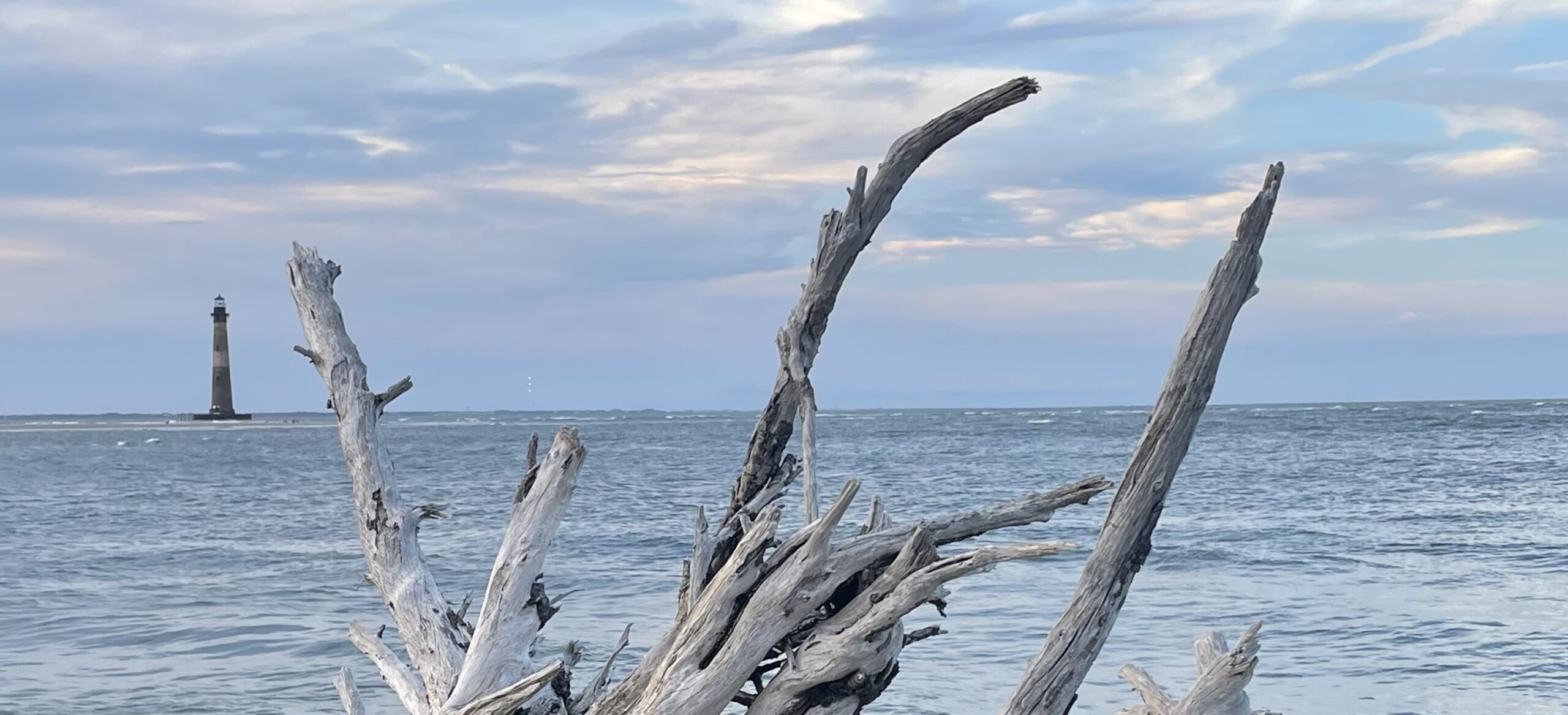
In the heart of the South, where the magnolias bloom, Lies a city of allure, casting a seductive swoon. Charleston, my love, where history intertwines, A sultry dance of secrets, beneath the Southern pines.
Beneath the moonlit Spanish moss, draped in desire, Charleston whispers tales, setting souls on fire. Cobblestone streets, where echoes of passion linger, A city that ignites, with each caress of its fingers.
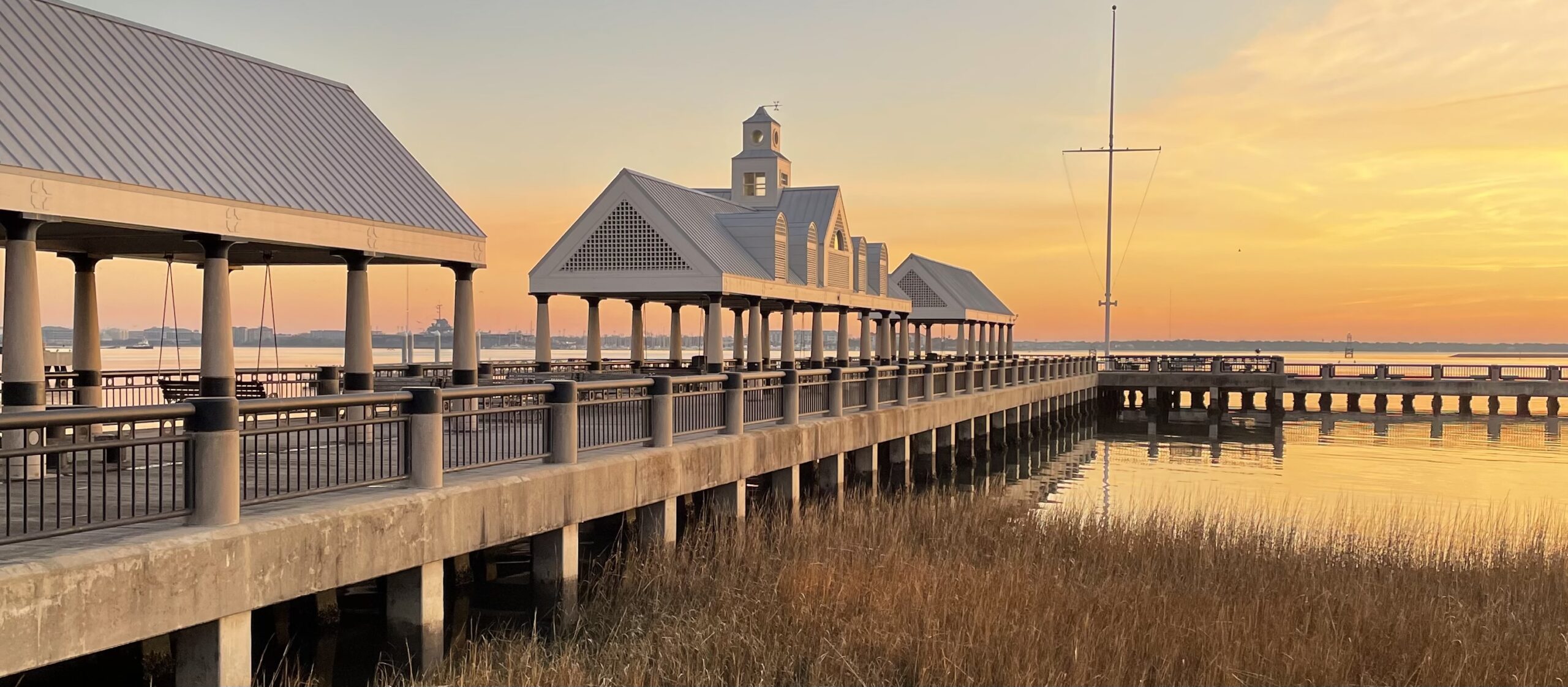
Charmed by the harbor, where the sea breezes play, Charleston beckons lovers to sway and to stay. In the warmth of gaslit evenings, love takes flight, As the stars above Charleston paint the night.
Mansions adorned in finery, whispering tales of old, Where love stories unfold, passionate and bold. The Holy City’s embrace, a seductive sweet surrender, In the arms of Charleston, where passions remember.
Charleston, the enchantress, draped in Southern grace, A sultry symphony, a passionate embrace. Where the Lowcountry winds weave tales of romance, In the dance of the palmettos, find your heart’s chance.
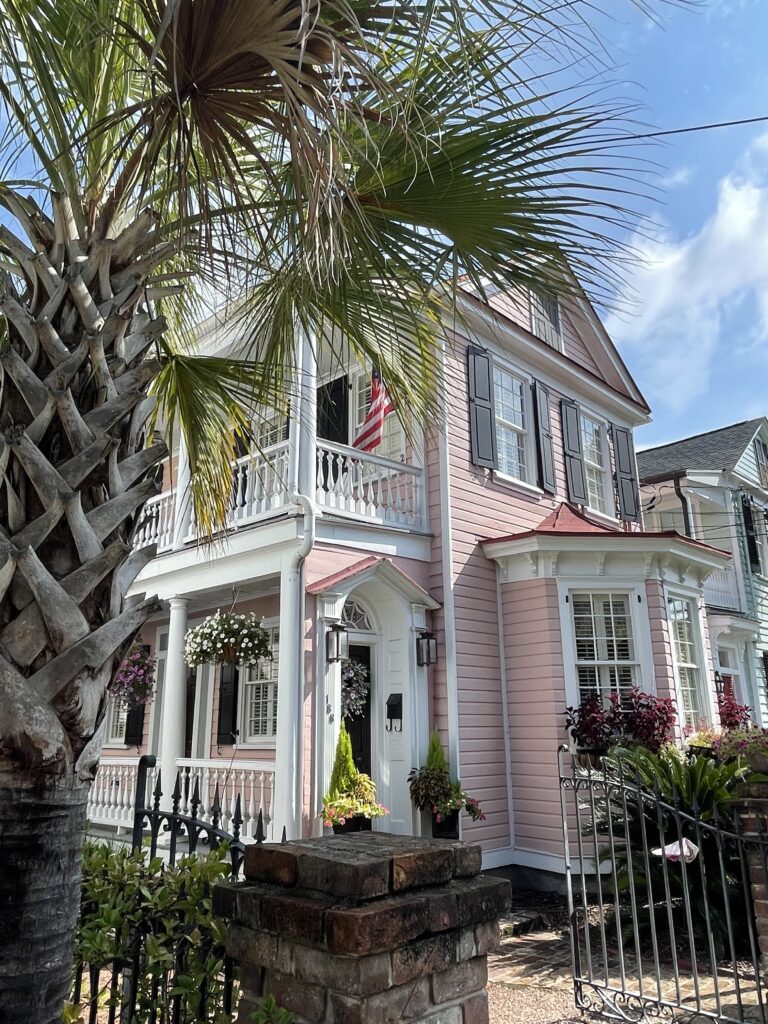
So come, let’s stroll through Rainbow Row’s vibrant hues, Where love is the melody, and the soul never loses. In the heart of the South, where magnolias entwine, Charleston awaits, a seductive valentine.
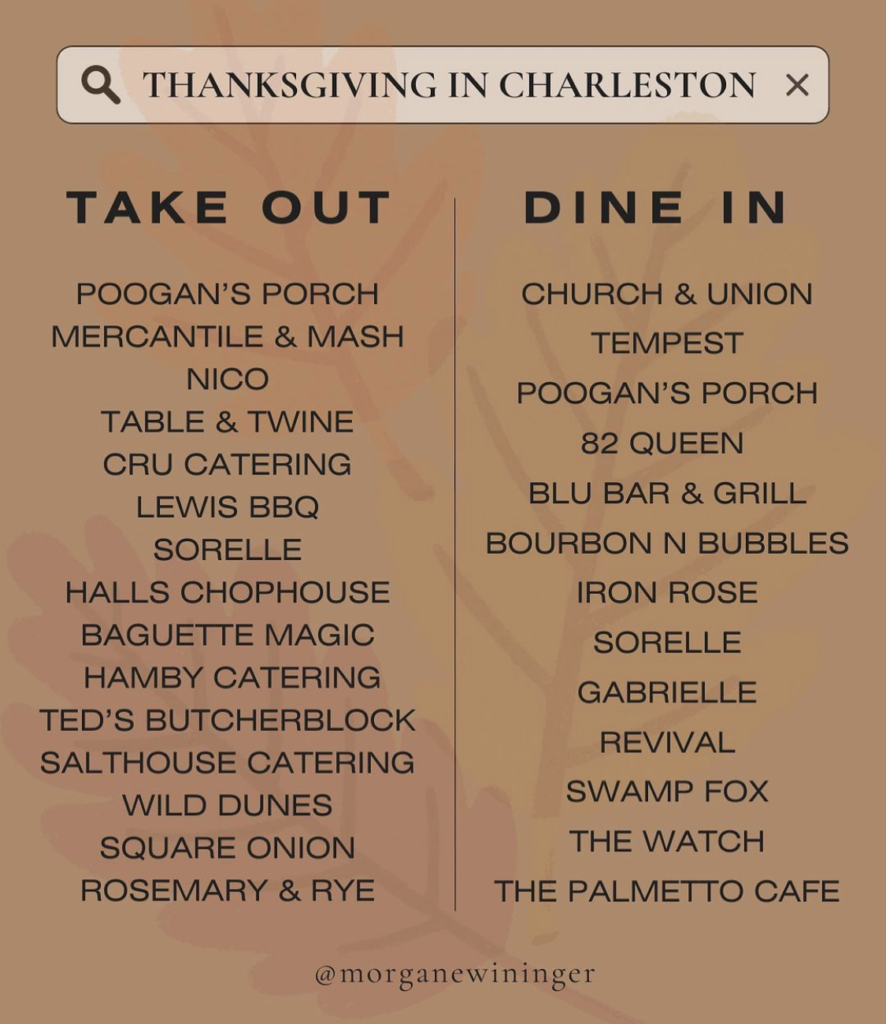
Thank you to the kindness of www.instagram.com/morganewininger we have a compiled list of restaurants that are providing dine-in and take-out options for Thanksgiving Day in Charleston, South Carolina.
Whether you are a local or visiting, you can see from this list, you will not be disappointed if you choose not to cook on this festive day.
We thought we’d do our part to help tourism in Charleston, South Carolina. Here are 20 cute and endearing taglines to support making Charleston your next vacation destination:
“Charleston: Where Southern Charm Meets Coastal Chic!”
“Discover Delight in Charleston: Where Every Corner Tells a Story.”
“Sweet Tea, Sweeter Smiles: Welcome to Charleston!”
“Charleston: Where Historic Elegance and Modern Comfort Embrace.”
HEINZ, The LEE Initiative, and The Southern Restaurants for Racial Justice Coalition Award $1 Million in Black Kitchen Initiative Grants
Third consecutive year of HEINZ Black Kitchen Initiative grants will provide support to an additional 62 Black-owned food businesses nationwide
In July 2023, HEINZ announced an additional $1 million commitment in Black Kitchen Initiative grants, bringing the brand’s total contribution to $3 million in three years. Today,HEINZ, The LEE Initiative, and Southern Restaurants for Racial Justice (SRRJ) announce the 62 Black food entrepreneurs nationwide that will receive up to $25,000 each in Black Kitchen Initiative grants, depending on business needs. This year’s grantees reside in 20 different states, plus Washington D.C.
In 2023, Black-owned restaurants, food spaces, and chefs continue to face serious financial hurdles and inequity in access to capital. A recent report revealed that 37 percent of Black small business owners had difficulty accessing new capital and financing – 14 percentage points higher than their non-Black peers.1 The Black Kitchen Initiative and its hallmark grant program strive to provide financial support and drive visibility for these Black food entrepreneurs, with an overarching mission to promote long-term business health and success and preserve the legacy of Black-owned food businesses nationwide.
“We’re so grateful to continue our partnership with HEINZ and SRRJ for the third consecutive year, which enables us to promote diversity in the culinary industry and usher in a more equitable landscape for chefs and food business owners,” says Lindsey Ofcacek, Co-Founder and Executive Director of The LEE Initiative. “These chefs, entrepreneurs, and restaurants play an integral role in our communities, and we recognize the importance of continuing to preserve and uplift their legacies in the future.”
In addition to providing financial assistance, HEINZ will also highlight this year’s grantees on the Black Kitchen Initiative microsite and on both the HEINZ and Black Kitchen Initiative social media channels. Tapping into HEINZ’s national following and the irrational love fans have for the brand and shining a light on the individual recipients, the program continues to celebrate the voices and innovators that make up the Black culinary landscape, with an emphasis on brand awareness that will foster long-term business success.
“As a brand that’s sat proudly on Americans’ tables for over 150 years, we recognize the critical role Black food entrepreneurs and businesses play in shaping and diversifying the American culinary pantheon,” says Lizzy Goodman, Brand Communications Manager, HEINZ. “After hearing directly from past grant recipients how impactful the Black Kitchen Initiative grants have been in helping their businesses prosper, we’re excited to provide 62 new Black food entrepreneurs with up to $25,000 in grants, each.”
The 2023 Black Kitchen Initiative grant recipients are: Hoover’s Cooking, Florida Avenue Grill, Historic Magnolia House, Destiny African Market, A Taste of Heaven, Halleluiah BBQ, Auntie Kim’s Pound Cakes, Jumbo Jive Turkey Legs, Lot-A-Burger, Detroit Soul, Elderflour Baking Company, Rich Taste, Leah & Louise, Jonathan’s Fish & Chips, Jimmy Pearls, JADE Jamaican Grill, Flatrock Smokehouse BBQ, Tre’s Street Kitchen, Eastside Eatery, Gabby Bakes, Maraq Gourmet Soup Shop, Buna Kurs Ethiopian Cafe, Ebony Eyes Soul Food, Tell Me Something Sweet Bakery, Can’t Believe It’s Vegan, Goat & Bean Coffee, Charlotte’s Southern Deli, Queen Mother’s Kitchen, Cleo’s Southern Cuisine, Little Food Studio, Elegant Cuizines, Miss Priss – The Sugar Shop, Dozzy’s Grill, Val’s Cheesecakes, The Sweetest Thing, FoodChasers’ Kitchen, Ruby Scoops Ice Cream & Sweets, Ruki’s Ethiopian Kitchen, Surefire Neighborhood Market, DDs Chick and Cat Shack, Strugglebeard Bakery, Jolo’s Kitchen, Saltbox Seafood Joint, Bobby’s BBQ, Grassrootz Books and Juice Bar, Taste and Toast, Wild Rise Bakery, Radical Rabbit, RND Coffee, Dakar NOLA, Swank Desserts, Got Da Juice, Peculiar Pig Farm, Good Hot Fish, The District Pit, Louisiana Creole Gumbo Restaurant, Caribbean Soul Kitchen LA, Sages Kitchen, Bird Pizzeria, Buttermilk Boutique, Chicago’s Jerk Tacos, and Eastside Pizza House.
Lindsey Ofcacek and Edward Lee founded The LEE Initiative in 2017 in response to the #MeToo movement. The LEE Initiative creates and implements programs to address issues of diversity and equality in the restaurant industry, always with a focus on increasing opportunities for employment and helping to make the restaurant industry more sustainable. During the COVID-19 outbreak, The LEE Initiative launched The Restaurant Workers Relief Program. This program started in March 2020 out of the catering kitchen of Edward Lee’s restaurant, 610 Magnolia, and expanded to include services offered out of 19 kitchens nationwide. In total, The LEE Initiative has distributed over 2.5 million meals throughout the pandemic. For more information visit www.leeinitiative.org.
About the Kraft HEINZ Company
We are driving transformation at The Kraft Heinz Company (Nasdaq: KHC), inspired by our Purpose, Let’s Make Life Delicious. Consumers are at the center of everything we do. With 2022 net sales of approximately $26 billion, we are committed to growing our iconic and emerging food and beverage brands on a global scale. We leverage our scale and agility to unleash the full power of Kraft Heinz across a portfolio of six consumer-driven product platforms. As global citizens, we’re dedicated to making a sustainable, ethical impact while helping feed the world in healthy, responsible ways. Learn more about our journey by visiting www.kraftheinzcompany.com or following us on LinkedIn.
About Southern Restaurants for Racial Justice
Southern Restaurants for Racial Justice began in 2020 as a coalition of bakers, chefs, makers and restaurant owners with a shared goal of raising funds for Black communities in the South–specifically Black-owned restaurants–during Covid-19. In 2021, the founders began a successful collaboration with The LEE Initiative to reimagine their fundraising strategy and goals for the future of the organization. Under The LEE Initiative umbrella, SRRJ has raised over $3 million through corporate partnership funding support and created an annual grant for Black-owned restaurants and food businesses that includes start-up costs, improvement and sustainability funding, and grants specifically built to protect legacy restaurants across the United States. SRRJ now also maintains an emergency relief fund to quickly support Black-owned restaurants during unforeseeable disasters. While they have expanded beyond the South and small locally-driven bake sales, their mission has remained and strengthened: to raise and provide financial resources to protect Black businesses in our industry while also amplifying Black leadership, messaging, and progress. For more information visit www.leeinitiative.org/southern-restaurants-for-racial-justice.
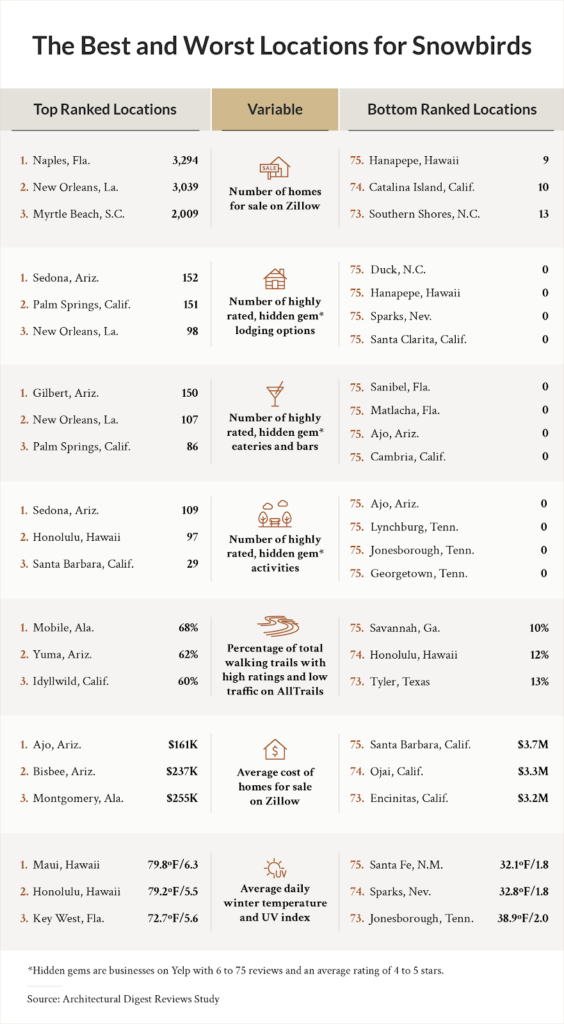
To determine the top hidden gem cities for snowbirds, Architectural Digest ranked the best 75 cities in America based on housing and lodging availability, Yelp ratings for activities and eateries, home sale prices, and winter weather conditions.
5 South Carolina spots rank among our Top Hidden Gem Cities for Snowbirds:
Charleston is the top hidden gem city for snowbirds in South Carolina — Charleston ranks 11th among all US cities in our study, 7th for activities and dining, and 14th for housing and lodging availability.
Myrtle Beach is the #2 top hidden gem city for snowbirds in South Carolina — Myrtle Beach ranks 13th among all US cities, 3rd for housing and lodging availability, and 19th for affordability.
Hilton Head Island is the #3 top hidden gem city for snowbirds in South Carolina — Hilton Head Island ranks 30th among all US cities, 26th for activities and dining, and 29th for housing and lodging availability.
Beaufort and Georgetown also make AD’s top 75 list.
Beaufort ranks 39th overall and 25th for affordability.
Georgetown ranks 59th overall and 28th for affordability.
Pioneer Anti-Aging Franchise to Introduce Charleston area to Cutting-Edge Health Treatments
CHARLESTON, S.C., Nov. 9, 2023 /PRNewswire/ — Serotonin Centers, the nation’s fastest growing anti-aging and human longevity franchise will soon bring three new locations to Charleston County, South Carolina for the first time. At the helm of this deal is local entrepreneur Peter Sheehan, who plans on opening the doors to the first of three Charleston County-based centers by Summer 2024.
Serotonin Centers provides clients with a customized road map for improving healthspan; focusing on hormone restoration, aesthetic enhancement, weight control, immunity and recovery. Each center offers a variety of membership tiers, with some including a personal health coach to design a personalized prescriptive road map to assist members in achieving their individual goals.
“Nobody can buy more time, but we can prolong and improve our active years as much as possible,” said Sheehan. “Serotonin Centers will help my wife and I both be around long enough to raise our three kids and watch both them and our future grandkids grow up. We want everyone in our community to have that opportunity.”
Official logo of the Serotonin Centers franchise
Sheehan brings an extensive background in the luxury hospitality space, after spending the last decade as the owner and operator of a hospitality consulting company focused on helping hotel executives improve the experience and profitability of their assets. Joining him on this franchising journey is his wife, Julia, a former school teacher with first-hand knowledge of the anti-aging space. Combining their hospitable and personable skills with South Carolina’s Top 10 Business Growth rate rank surely spells out success for their three Serotonin locations.
“Charleston County is already one of the state’s healthiest counties. That will only improve with access to the cutting-edge rejuvenation plans that we offer,” said Eric Casaburi, founder and CEO of Serotonin Centers. “With Peter taking a proactive approach to improve the lives of the people around them through Serotonin, he will be a key difference maker for our success in this market.”
With 78 new franchise locations under development, Serotonin Centers has capitalized on the growth of the alternative health sector. The anti-aging market topped $67.2 Billion in 2022, with expectations for the market to grow to $98.6 Billion by 2028. This rise in popularity and consumer attention is attributed to increased awareness about the benefits of anti-aging products, and heightened acceptance for all-natural, non-invasive anti-aging procedures and treatments.
Aptly named after the hormone that’s function is to stabilize human’s feelings of well-being and overall happiness, Serotonin’s longevity and anti-aging concept provides members the road map for maximizing healthspan. The anti-aging brand intersects the expertise of both medical practitioners and health coaches in a concierge eco-system under one roof to slow down the human biological clock and extend the prime years of looking and feeling your best. Those interested in investing in Serotonin Centers can visit serotonincenters.com/franchising/ for more information.
City Officials, Partners, and Residents Celebrate First Anniversary of Rapid Shelter Columbia
COLUMBIA, S.C., Nov. 8, 2023 /PRNewswire/ — City officials in S.C.’s second largest city aim to leave no one behind as they celebrate the first anniversary of Rapid Shelter Columbia with music, food, and a reunion of residents and community partners.
When it launched a year ago, Rapid Shelter Columbia was the first community of its kind in the Southeast. The idea was simple. Give people the transitional shelter, support, and sense of security they need to recover and reset their lives.
“At the end of the day, getting people into temporary housing allows us the opportunity to connect them with the resources they need,” said Mayor Daniel Rickenmann. “Rapid Shelter Columbia has given us a touchpoint for wraparound services to transition individuals into permanent housing and have the opportunity to live the life they deserve.”
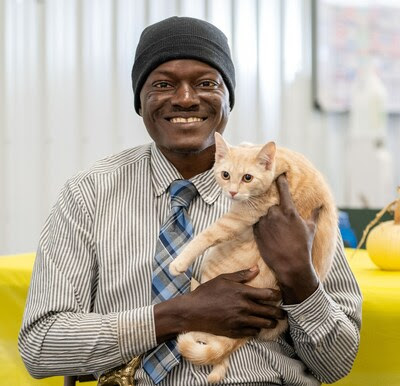
Fred, a Rapid Shelter Columbia resident, and his emotional support cat, Draco.
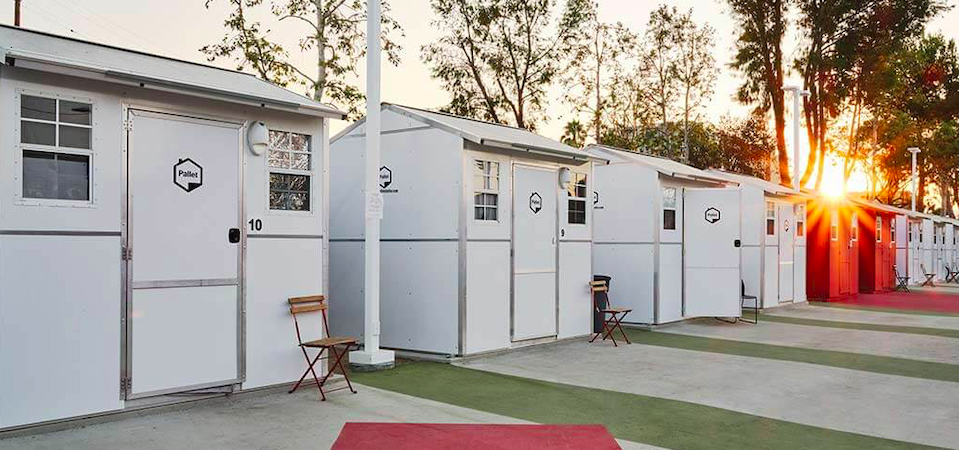
Different from ordinary shelters, Rapid Shelter Columbia is a cluster of 50 pallet units whereby residents get their own private space, bed, and storage. Just 64 square feet, these pallets are built for maximum efficiency, enabling the City of Columbia to help as many people as possible.
“As it turns out, the small safe space was exactly what residents needed to feel a sense of ownership, helping them transition to permanent housing,” said Teresa Wilson, City Manager. “This remains our ultimate goal.”
“It ain’t so much space, but it’s your space,” said one former resident.
Homelessness on the Rise
Nationally, homelessness has been on the rise since 2017, up six percent overall. Cities with high housing costs top the list for likelihood of homelessness. By comparison, South Carolina – and the state capital Columbia in particular – remain much more affordable.
In South Carolina, approximately 4,287 people were homeless in 2002, which is about eight for every 10,000 people. This places South Carolina low on the list of states with high homelessness, 11th overall. According to the U.S. Department of Housing and Urban Development, Columbia/Midlands saw a 64 percent decrease in its unsheltered population between 2007 and 2022. Despite these statistics, City of Columbia officials acknowledged and were determined to focus on a growing population of the chronically unsheltered in the City.
A short-term fix with long-term gains
Rapid Shelter Columbia is a carefully considered and constructed community that extends far beyond the walls of each pallet unit. Here, residents receive personalized job and housing assistance through the City of Columbia’s team of specially trained case managers. Food and access to medical and mental health services are also available through a network of recovery and healthcare partners. Laundry, showers, and grooming supplies give residents a fresh start on their new path in life.
“People are at the heart of our community,” said Mackin Wall, Project Manager. “Rapid Shelter Columbia depends on a network of qualified and compassionate partners to help get residents the specialized assistance they need, whether it is grief or recovery counseling, medical care, or mental health support, in addition to things like finding a job, learning new skills, or accessing documentation.”
MIRCI assists vulnerable adults who need immediate and continuing life assistance due to mental illness, specifically those experiencing homelessness and those at-risk of homelessness. MIRCI’s clinical and support programs help people build healthy and independent lives. In addition, MIRCI provides permanent, supportive, subsidized housing.
LRADAC, The Lexington/Richland Alcohol and Drug Abuse Council, is a non-profit agency that offers a wide array of prevention, intervention, and treatment programs to fight addiction and drug misuse.
Prisma Health’s Program of All-Inclusive Care for the Elderly (PACE) provides all-inclusive care for the elderly in Richland and Lexington counties. It focuses on both chronic care needs and preventative care.
The proof is in the numbers
As of October 2023, Rapid Shelter had received 504 referrals from the City of Columbia Police Department, Richland County Public Library, other agencies, and community organizations. Of those, 188 people qualified for admission into Rapid Shelter Columbia. Residents go through a screening process to determine whether they meet the qualifications for being chronically unsheltered, as defined by being homeless for a consecutive year or four separate times in three years.
Real people with real-life results
City of Columbia officials were hopeful, but admit they had some doubts about whether 90 days could change lives, helping keep people off the streets and out of jail. It turns out, that is exactly what they did with 34 residents transitioning to permanent housing.
“I’m incredibly proud of each and every one of them,” said Nyasia Franklin, Program Specialist. “They overcame incredible odds, and found the confidence, support, and resources they needed to move off the streets and into permanent housing.”
Around 50 percent were diagnosed for mental health issues, and another 35 percent for substance abuse disorder. Thirty-two percent had a physical disability, and 28 percent a chronic health condition.
Walker came to Rapid Shelter Columbia in January of 2023. She was struggling with homelessness and alcohol abuse. Her Rapid Shelter Columbia case manager connected her with MIRCI and LRADAC, the latter of which helped her into a five day detox program, which she successfully completed. She was able to find a job, save money, and participate in peer support groups. Walker says a pivotal moment was sitting down with her case manager to come up with specific goals, knowing someone believed in her strengths to want to do better. Walker was permanently housed on August 31, 2023.
Allen came to Rapid Shelter Columbia in November 2022. While at Rapid Shelter, he connected with LRADAC and Cooperative Health to help get him started on a new path of life. Unfortunately, his addiction got the better of him and he ended up leaving the program in January. This April, Allen returned to the program sober and ready for change. His Rapid Shelter Columbia case manager referred Allen to LRADAC and Narcotics Anonymous/Alcoholics Anonymous peer groups to manage and maintain his sobriety. He worked closely with Prisma Health for grief counseling and primary care needs. He joined the JOBs program, gaining valuable skills and employment. Allen was permanently housed in September 2023.
Gordon came to Rapid Shelter Columbia on November 2, 2022, the second day it was open. When Gordon arrived it was clear he was suffering from a medical issue, which the team later learned was Parkinson’s disease. His case worker describes him as a kind and gentle man, who always offers to help and never complains. Rapid Shelter Columbia partnered with Prisma Health’s PACE program to provide Gordon with all-inclusive care. Prisma Health picked him up for his appointments, made sure he saw the doctor and received the care he needed, and provided his medication free of charge. Gordon recently moved into a retirement home in West Columbia.
“These success stories give us all hope and remind us to never give up on our goals, no matter how unattainable they may seem,” said Kameisha Heppard, Director of Homeless Services.
About City of Columbia:
Columbia, S.C. is the state’s capital city, and home to the University of South Carolina. It is an economic, entertainment and educational hub with a vibrant and diverse economy, unique character, and attractions for visitors and locals alike from the Columbia Museum of Art and Riverbanks Zoo & Garden to an array of exciting restaurants, shops, and parks.
COLUMBIA, S.C. – Twelve South Carolina schools were recently awarded grants that will support the education of the next generation of environmental stewards statewide, the South Carolina Department of Health and Environmental Control (DHEC) announced today.
The “Champions of the Environment” awards are issued each school year to foster environmental education and action in South Carolina’s classrooms from kindergarten through 12th grade. Teachers apply for grant funding by outlining a proposed educational project that focuses on pollution or waste reduction, water or energy efficiency, or preservation of natural areas. The grant program is sponsored by DHEC, Dominion Energy and Sylvamo, with assistance from the Environmental Education Association of South Carolina.
“DHEC is dedicated to supporting education and awareness about South Carolina’s environment, and programs like Champions of the Environment help us instill knowledge and respect for our state’s natural resources,” said Myra Reece, DHEC Director of Environmental Affairs. “With the help of our great partners, we look forward to the many projects Champions of the Environment will support in classrooms across the state for years to come.”
DHEC started Champions of the Environment in 1993 with the goal of encouraging, enabling, and recognizing youth environmental education projects that develop awareness, promote behavior change, or improve and protect our water, air, and land.
This year, 11 schools were awarded $2,500 and one school was awarded $1,500. This year’s projects include gardens and habitat restoration, and several also focus on cultural awareness and community involvement.
“We’re especially pleased that several rural schools received awards this year,” said Amanda Ley, DHEC coordinator for the Champions of the Environment program. “Funding from the Champions program provides these schools environmental education opportunities that may not otherwise be available.”
The 2023-24 Champions of the Environment winners are below.
$2,500 winners:
Academy for the Arts, Science, and Technology, Horry County
R.B. Stall High School, Charleston County
Loris Middle School, Horry County
St. John Catholic School, Charleston County
Starr-Iva Middle School, Anderson County
Busbee Creative Arts Academy, Lexington County
South Conway Elementary School, Horry County
Nation Ford High School, York County
Forts Pond Elementary School, Lexington County
D.R. Hill Middle School, Spartanburg County
Reuben Elementary School, Newberry County
$1,500 winner:
Riverview Charter School, Beaufort County
For more information, including descriptions of each winning project and eligibility requirements for next year’s grant funding, visit scdhec.gov/champions.
Pollution could reach drinking water sources for nearly 300,000 South Carolinians
CHARLESTON, S.C. — In late October, the Southern Environmental Law Center petitioned the South Carolina Board of Health and Environmental Control to reverse a proposed permit for the discharge of toxic-laden wastewater issued to the Fiber Industries, LLC plant in Darlington, South Carolina. The permit violates the Clean Water Act by allowing Fiber to dump large amounts of a toxic chemical called 1,4-dioxane into a stream without using proper treatment. These toxic discharges are upstream of the drinking water sources for South Carolinians from Myrtle Beach to Georgetown. SELC submitted the petition on behalf of the South Carolina Health Professionals for Climate Action, the South Carolina Indian Affairs Commission, Winyah Rivers Alliance, and American Rivers.
“The state has acknowledged that Fiber’s 1,4-dioxane pollution raises a ‘human health concern.’ But instead of looking at what technology is available to treat Fiber’s waste, DHEC gave the company a green light to dump its toxic 1,4-dioxane into rivers upstream of the drinking water supplies for nearly 300,000 South Carolinians,” said Carl Brzorad, SELC Senior Associate Attorney. “We hope the Board will do the right thing here: protect South Carolina families and reverse this illegal permit.”
In its petition, SELC explains that the pollution permit for the Fiber plant raises significant environmental and public health concerns, especially for downstream communities. The state’s proposed permit would allow Fiber to discharge 1,4-dioxane at nearly 70,000 times higher than health advisory levels for the chemical in drinking water. Because conventional drinking water treatments do not remove 1,4-dioxane, which can travel dozens of miles in rivers, the pollution could make its way downstream and into the taps of several South Carolina communities.
“1,4-Dioxane is a toxic chemical that has been linked to cancers, liver and kidney damage. As health professionals, we are concerned about the dumping of this known toxin upstream of the drinking water of almost 300,000 South Carolinians who could be exposed to this toxic chemical in their drinking water due to the failure of DHEC to comply with the Clean Water Act,” said Hayley Guilkey, MD, Chair of the South Carolina Health Professionals for Climate Action. “To keep South Carolinians safe, DHEC needs to comply with the Clean Water Act and keep 1,4-dioxane out of South Carolina rivers and drinking water supplies.”
The proposed pollution permit from the state allows Fiber to discharge 1,4-dioxane into Black Creek, a tributary of the Pee Dee River, upstream of three municipal drinking water intakes. In the past, Fiber has released 1,4-dioxane into Black Creek at levels many thousands of times higher than the drinking water advisory set by the U.S. Environmental Protection Agency based on cancer risk.
A 2017 study showed South Carolina had the highest percentage of drinking water systems with 1,4-dioxane of any state in the nation. 55% of drinking water systems sampled in South Carolina were found to contain the toxin, including two of the community water systems downstream of the Fiber plant. One of these downstream systems had 1,4-dioxane in its drinking water at levels above the health advisory at the time of sampling.
“Healthy rivers mean healthy communities. 1,4-Dioxane is a toxic chemical that can and should be kept out of South Carolina rivers and drinking water supplies,” said Cheryl Cail, Chair of SC Idle No More at South Carolina Indian Affairs Commission.
“SCDHEC must reverse Fiber’s illegal permit and require treatment of its toxic 1,4-dioxane waste. Protecting the health of our river and its downstream communities is critically important and non-negotiable,” said Debra Buffkin, Executive Director at Winyah Rivers Alliance. “The Board must act now and do the right thing to protect South Carolinians and reverse this illegal permit.”
The initial staff decision by DHEC to issue the permit will be considered by the Board in the coming weeks. The Board may affirm or reject the permit for the Fiber Industries facility.
###
The Southern Environmental Law Center is one of the nation’s most powerful defenders of the environment, rooted in the South. With a long track record, SELC takes on the toughest environmental challenges in court, in government, and in our communities to protect our region’s air, water, climate, wildlife, lands, and people. Nonprofit and nonpartisan, the organization has a staff of 200, including more than 100 attorneys, and is headquartered in Charlottesville, Va., with offices in Asheville, Atlanta, Birmingham, Chapel Hill, Charleston, Nashville, Richmond, and Washington, D.C. southernenvironment.org
 by
by