Raleigh based Woodfield Development Opens The Henslow Daniel Island (Charleston, SC)

Read More

New boutique apartment and townhome community brings elegant design and resort-inspired amenities to one of Charleston’s most celebrated destinations

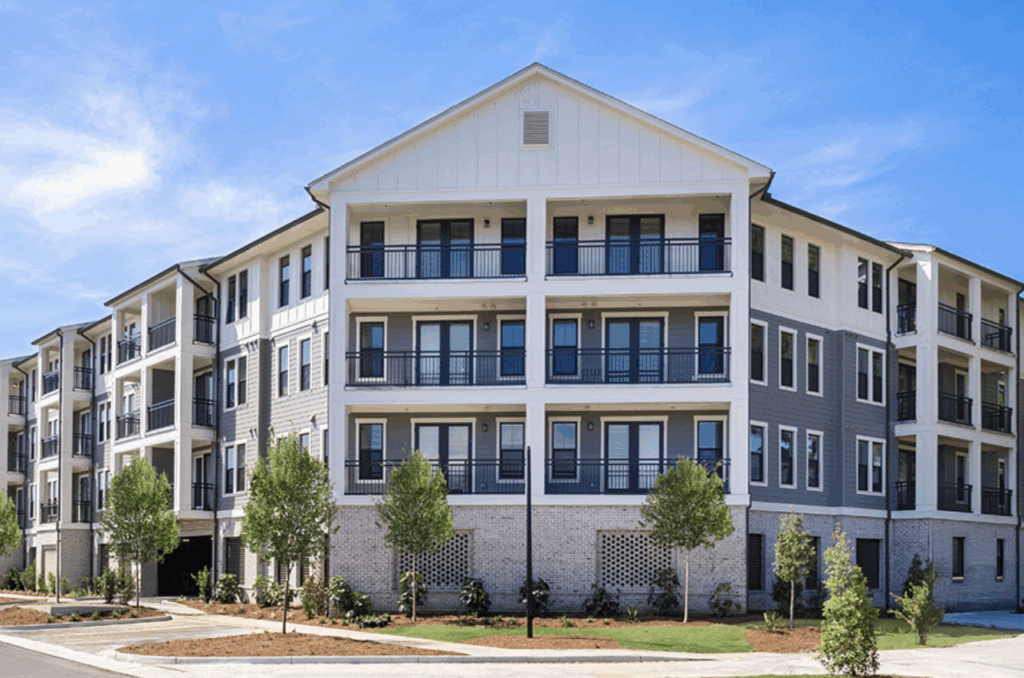
CHARLESTON, S.C. (November 11, 2025) – Woodfield Development, one of the nation’s top 20 developers of Class A multifamily communities, today announced the opening of The Henslow Daniel Island, a boutique apartment and townhome community in Daniel Island, an award-winning master-planned community in Charleston, South Carolina. Developed in partnership with Simpson HousingThe Henslow pairs refined design with coastal charm, offering residents an elevated lifestyle in one of the Lowcountry’s most sought-after communities.

Woodfield Development has deep roots in the Carolinas, with The Henslow being its 17th project in South Carolina. Over the past 20 years, the Charleston-based firm has delivered more than 4,600 units, totaling over $1 billion in the state. On Daniel Island, Woodfield previously developed The Port House and Wharf 7, further underscoring the company’s long-term commitment to creating communities in Charleston’s most desirable locations. Leveraging the region’s exceptional growth and demand, Woodfield Development continues to maintain a strong development pipeline in the market.    

In addition to being a Joint Venture Partner, Simpson Housing also manages The Henslow, overseeing day-to-day operations and leasing activity. Having announced leasing in July, the response to The Henslow has been impressive, with over 31% of the community leased.
“The opening of The Henslow marks an exciting milestone for Woodfield Development, Simposn Housing and Daniel Island,” said Mike Schwarz, partner at Woodfield Development. “This community offers an address that is truly second to none, placing residents in the heart of one of the Southeast’s most celebrated destinations. With its blend of elegant design and welcoming, resort-inspired amenities, The Henslow sets a new standard for sophisticated apartment and townhome living on Daniel Island.”

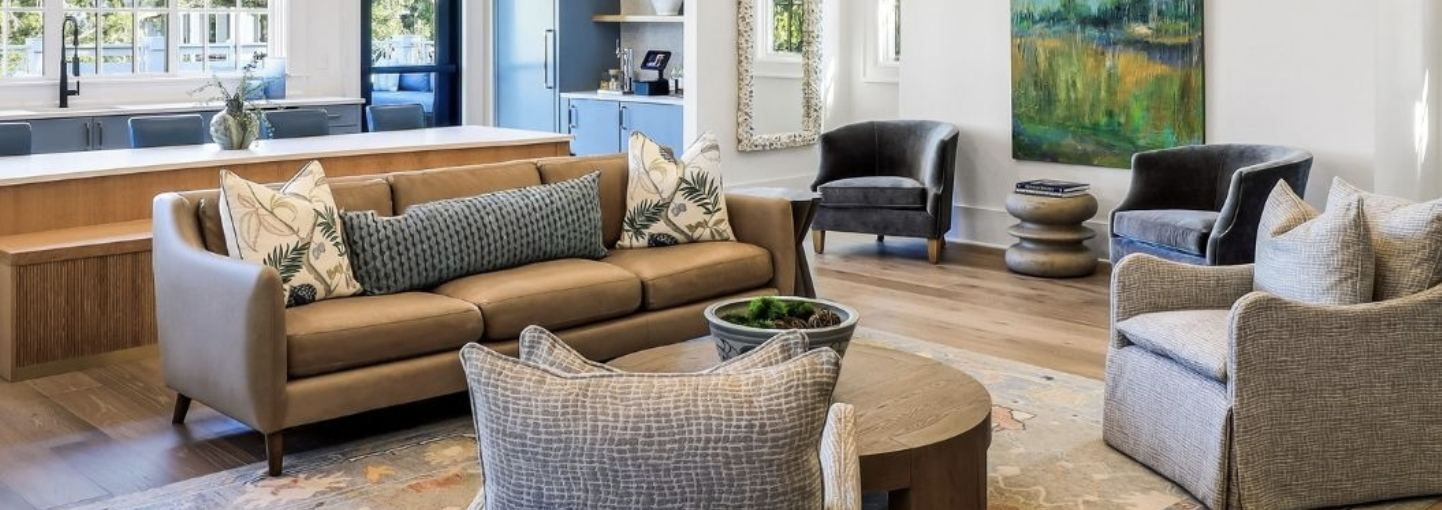
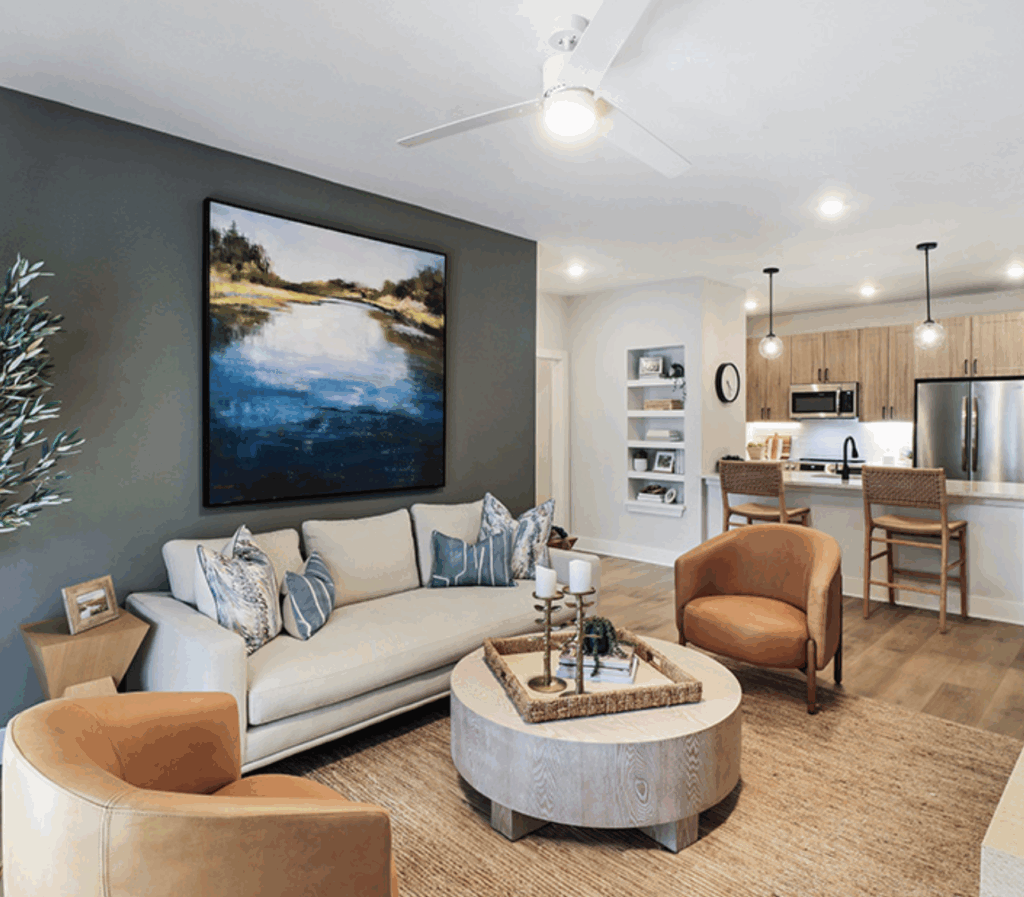
Located at 350 Henslow Drive, The Henslow is an upscale apartment and townhome community offering 163 one-, two-, and three-bedroom residences and 12 two-story, three-bedroom townhomes.  Floor plans range from 687 to 1,713 square feet and feature elegant finishes such as luxury vinyl plank flooring, contemporary kitchens with quartz countertops and tile backsplash, stainless streel appliances, and large walk-in closets. Select homes include private patios or balconies, and all are equipped with smart home features for modern convenience.

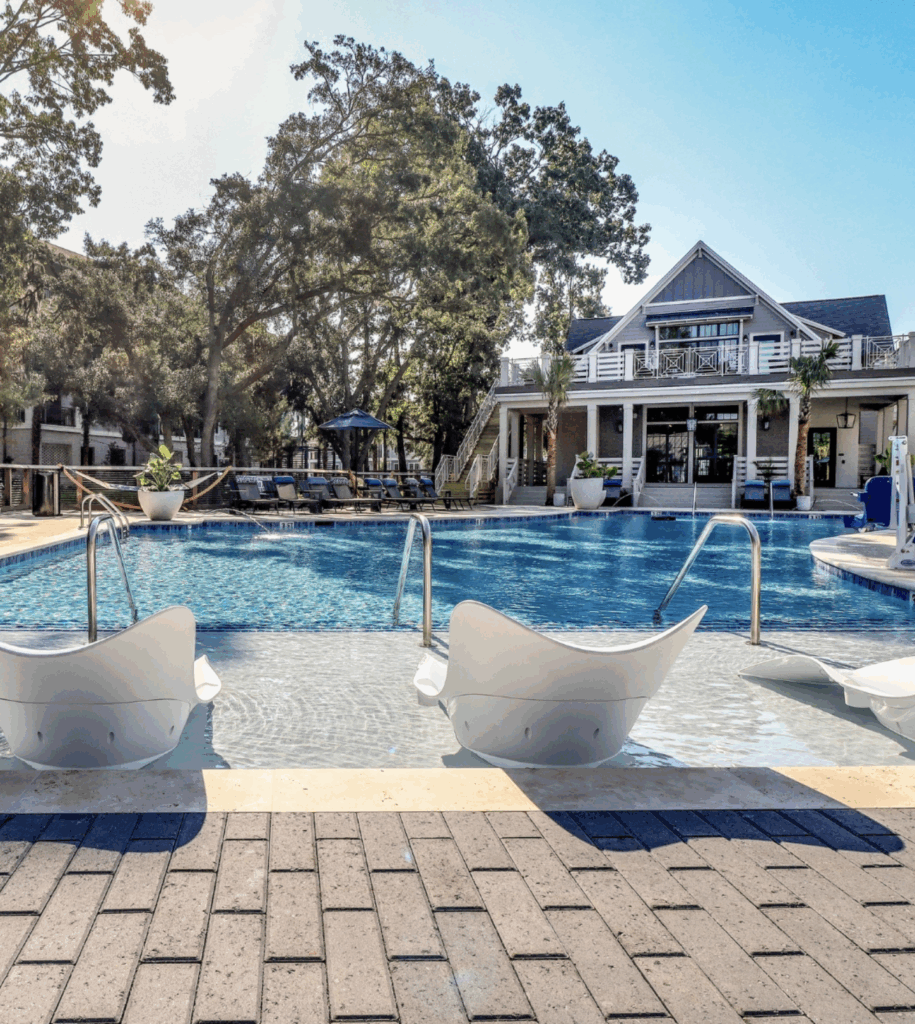
The Henslow’s amenities include a resort-style saltwater pool with sundeck and cabana; a two-story designer clubhouse with an entertainment kitchen, game room, and rooftop lounge; a fitness center; and a co-working lounge with private stations.  Additional amenities include an event barn with an outdoor living room, kitchen, and televisions; a dog park and pet wash station; and a private pond.

Located in Daniel Island, The Henslow is centrally located to all that makes Greater Charleston a world-class destination. Just 20 minutes from historic downtown Charleston, the beaches, and the airport, residents enjoy top-ranked schools, miles of bike paths, and a vibrant town center filled with shops, restaurants, and entertainment, including Credit One Stadium.  With its thoughtful planning, scenic waterways, and welcoming village atmosphere, Daniel Island has become one of the Lowcountry’s premier residential destinations and among the most sought-after communities in the Southeast. 

The project team for The Henslow included Housing Studio, Seamon Whiteside, SHAH Architecture & Interiors, S Wilkins Interior Design, and CF Evans as the general contractor.

For additional information about The Henslow Daniel Island, call (843) 547-9961 or visit the property’s website.
#   #   #

About Woodfield Development

Woodfield Development is a premier developer and operator of Class A multifamily communities. Amongst its peer group, the Woodfield partnership has unmatched experience in multifamily development and asset management. Since its founding in 2005, Woodfield has completed 74 communities, has 16 communities under construction, and numerous projects in various stages of entitlement and design. Woodfield’s earliest developments were located predominantly in the southeast and Mid-Atlantic, but the company has since expanded its footprint to include markets in the Northeast, Florida, Tennessee, and Texas.  

From the first project to each thereafter, the singular goal is to deliver well-conceived, thoughtfully designed, market supported projects that hit each market’s sweet spot and create value for Woodfield’s investors and partners. Relying on local knowledge with experienced development partners, Woodfield sets the new high bar with each development it delivers. With a track record that stands above, Woodfield Development sets out to assemble the best team of designers, consultants, architects, general contractors, and capital sources, every development, every time. Read more at woodfielddevelopment.net. 

About Simpson Housing® LLLP

Headquartered in Denver, Colorado, Simpson Housing® LLLP is a fully integrated real estate firm, primarily focusing on multifamily property management, operating high-quality, residential communities throughout the United States. As a large, privately held residential manager, Simpson is organized to deliver a comprehensive range of real estate services – including joint venture development, property management, construction, acquisition, marketing and financing.  Since 1948, Simpson’s goal has been to provide superior customer satisfaction and quality apartment homes. Simpson provides not only a place to live, but a way to live, that combines technology, amenities, and personalized services – which adds up to more convenient living for residents. Simpson Housing® LLLP has built its reputation on service; for 20 years in a row Simpson has earned the coveted ‘A List’ Award for Service Excellence – a distinction reserved for only a select few firms by the multifamily real estate industry. For more information, visit www.SimpsonHousing.com.

Follow Henslow Daniel Island on Instagram.

Stay connected and subscribe to Charleston Daily.
Grand Opening: The Loomia in Mount Pleasant, SC – November 18, 2025

Read More

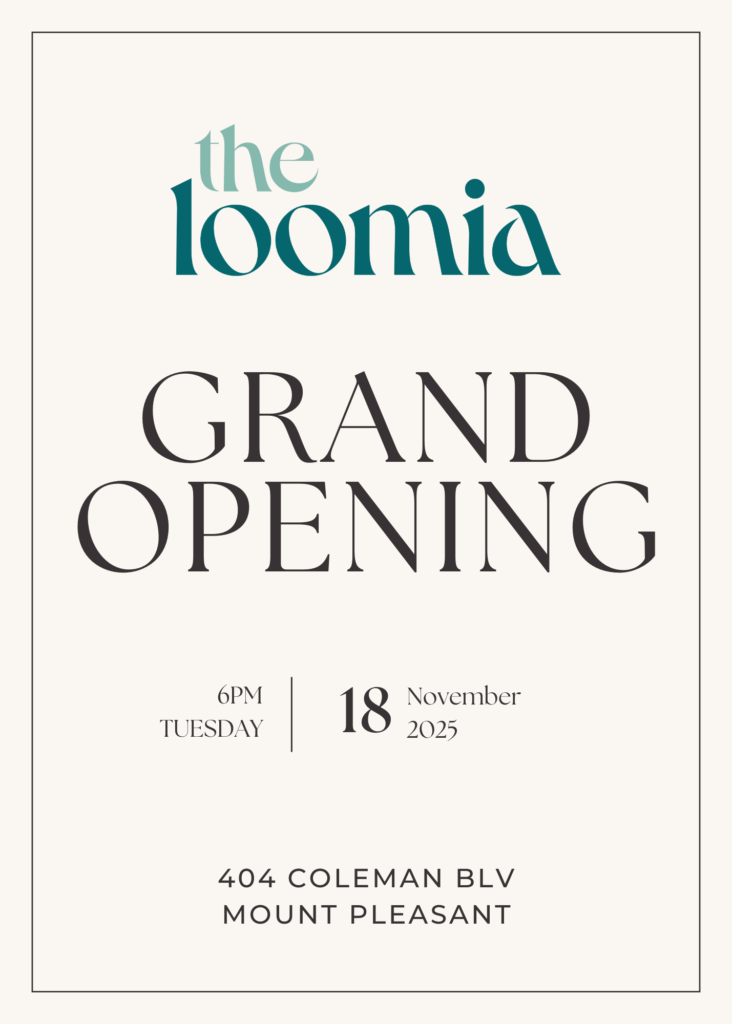
From Istanbul to Mount Pleasant, The Loomia brings a unique set of quality products to the Lowcountry

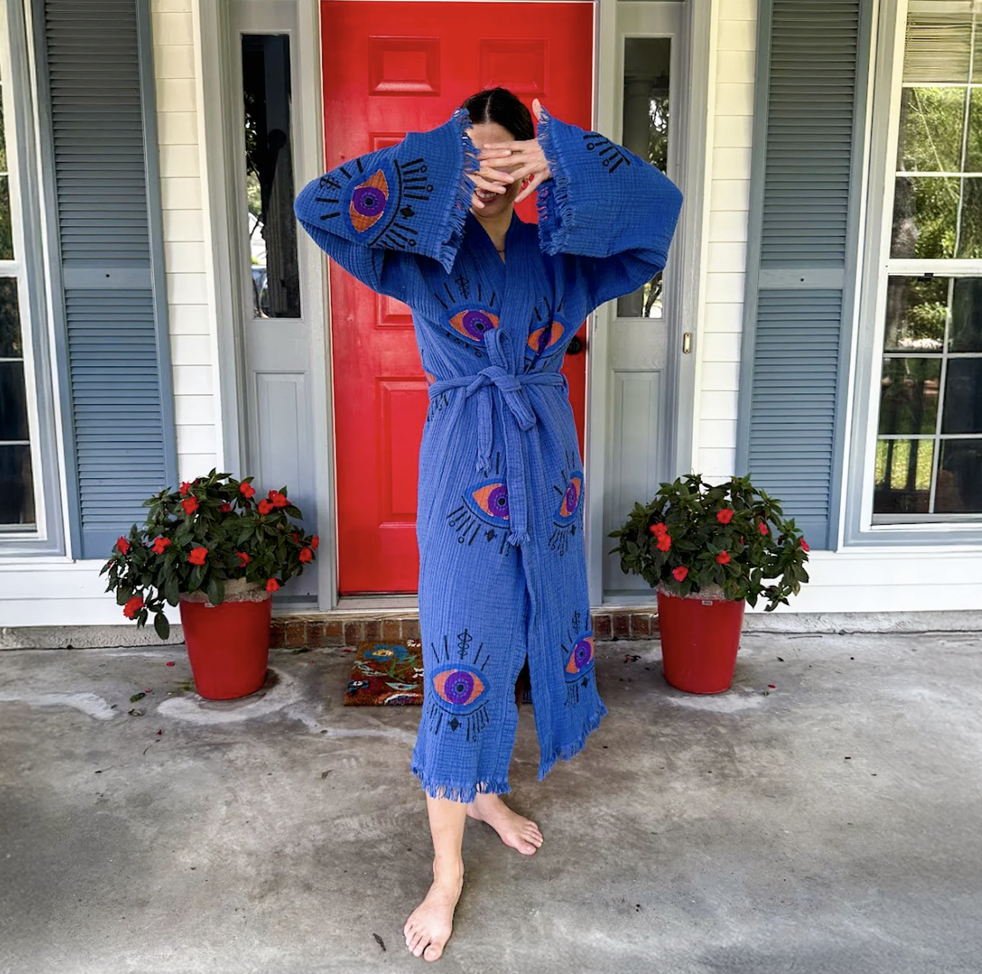
The Loomia, nestled in Mount Pleasant, South Carolina, is a heartwarming small business born from a Turkish family’s dream. In 2017, a newly married couple left Istanbul with just a few Turkish towels and a suitcase full of hope, driven by a passion to share the beauty and quality of Turkish textiles with their new community. Over the years, their boutique has grown into a celebrated online and brick-and-mortar shop, offering luxuriously soft towels, throws, robes, and home décor — all woven with love and steeped in heritage.

Here is everything you need to know:

What: The Loomia: Boutique featuring Towels & Home Decor

Where: 1090 Johnnie Dodds Blvd, Suite C, Mount Pleasant, SC 29464

Hours: Monday – Friday 10 AM – 4 PM

Follow The Loomia on Instagram

Stay connected and subscribe to Charleston Daily.

Did COVID-19 Accelerate the Volume of New Residency in Charleston, South Carolina?

Read More

Editorial commentary by Mark A Leon

The COVID-19 pandemic forced many Americans to reconsider where and how they lived. As work and life shifted to remote and virtual spaces, people began seeking places with a better quality of life, more open spaces, and a slower pace. Charleston, South Carolina, with its historic charm, temperate climate, and burgeoning food scene, found itself at the crossroads of these desires. But did the pandemic truly accelerate the volume of new residents in Charleston, or was this a phenomenon waiting to happen?

One of the most significant changes brought about by the pandemic was the widespread adoption of remote work. As businesses closed their offices or transitioned to virtual environments, many employees no longer felt tethered to their traditional workspaces. With the freedom to live anywhere, many sought out cities that offered a balance of convenience and lifestyle. Charleston, with its scenic waterfronts, vibrant culture, and welcoming atmosphere, quickly became a prime destination.

During the early days of the pandemic, Charleston’s lax policies surrounding stay-at-home orders helped make it a more attractive option. While cities like New York and San Francisco imposed stricter lockdowns, Charleston’s more relaxed stance allowed businesses to remain open longer, with appropriate distancing measures in place. Many restaurants, bars, and shops adjusted by offering outdoor seating, curbside pickup, and even virtual ordering platforms. Despite the challenges, the city’s resilient business community adapted quickly. For many, Charleston’s flexible approach to social distancing was appealing compared to other cities where life came to a near halt.

But it wasn’t just the pandemic-related policies that drew newcomers. Charleston’s temperate climate, with its mild winters and warm, beach-friendly summers, was an enticing draw. Unlike colder regions where people were cooped up indoors for long stretches, Charleston’s year-round pleasant weather allowed residents to enjoy outdoor activities in relative safety during the worst of the pandemic. Whether it was taking walks along the Battery, enjoying the beauty of the Lowcountry’s beaches, or dining outdoors in historic courtyards, Charleston’s lifestyle was well-suited for socially distanced living.

Moreover, the city’s rich cultural history, renowned cuisine, and strong sense of community were already major draws before the pandemic, but now, as people looked for a place to settle during a period of uncertainty, these attributes became even more important. Charleston offers an enviable blend of old-world charm and modern-day amenities. The vibrant restaurant scene, bolstered by an influx of culinary talent and tourists, means that new residents have no shortage of dining options to suit any palate, from traditional Lowcountry fare to contemporary fine dining. This gastronomic culture also allowed restaurants to thrive in an outdoor-focused world, further embedding the city’s place as a destination for those seeking an elevated lifestyle.

However, the decision to move to Charleston wasn’t purely driven by the pandemic’s circumstances. The city’s affordable housing market, lower cost of living compared to larger metropolitan areas, and growing job opportunities in tech, healthcare, and tourism made it a logical choice for those looking for a fresh start. The pandemic merely highlighted these advantages.

As we look ahead, it’s clear that the pandemic played a role in accelerating the decision for many people to relocate to Charleston. While the city’s beauty, culture, and lifestyle were already well-known, COVID-19 highlighted how a relaxed environment and flexible work arrangements could offer a quality of life that was not just desirable but essential. The new residents flooding into Charleston may be a temporary spike, but the city’s growth is likely to continue as it remains a beacon for those seeking a better work-life balance and a connection to nature, culture, and history.

Stay connected and subscribe to Charleston Daily.
This May Have Been the Biggest Weekend Ever in Charleston, South Carolina

Read More

By Mark A Leon

November 14-16 was packed bringing buzz from sunrise to the wee hours of the late evening

Charleston has never exactly been a quiet city, but this weekend may have redefined what it means for the Holy City to be alive. From grand openings to overlapping festivals, jam-packed concert halls, nonstop weddings, and a surprise celebrity appearance, Charleston became the Southeast’s cultural capital in a span of just three unforgettable days.

A New Icon Arrives: The Opening of The American Gardens

The highlight of the weekend was the long-anticipated opening of The American Gardens, a sweeping public space filled with botanical artistry, sculptural design, and Charleston’s classic historic charm. Visitors streamed in at sunrise, photographers scouted for perfect angles, and families wandered the terraces as though exploring a newly discovered landmark. The ribbon-cutting felt like an event unto itself—music, food vendors, and crowds large enough to slow traffic across downtown.

A Festival Trifecta: Food, Wine & Hospitality Take Over the City

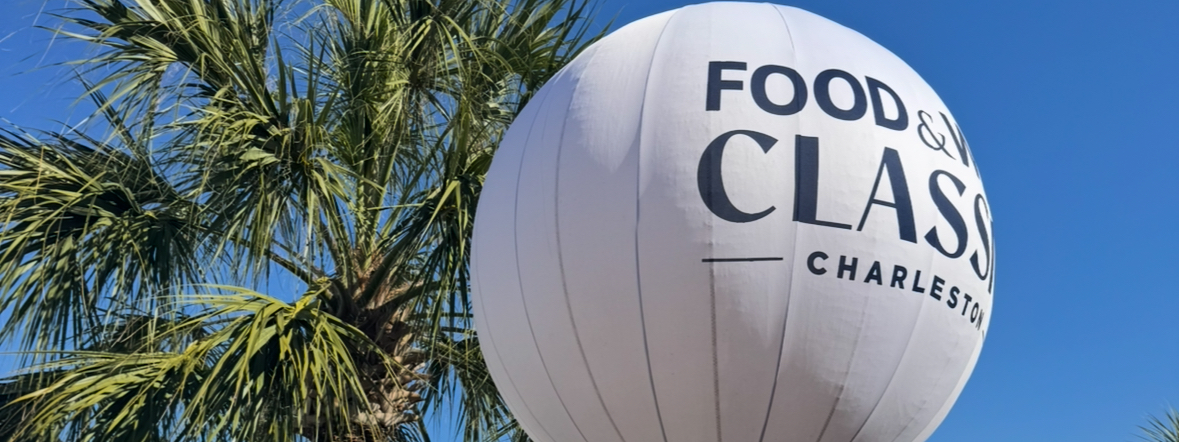
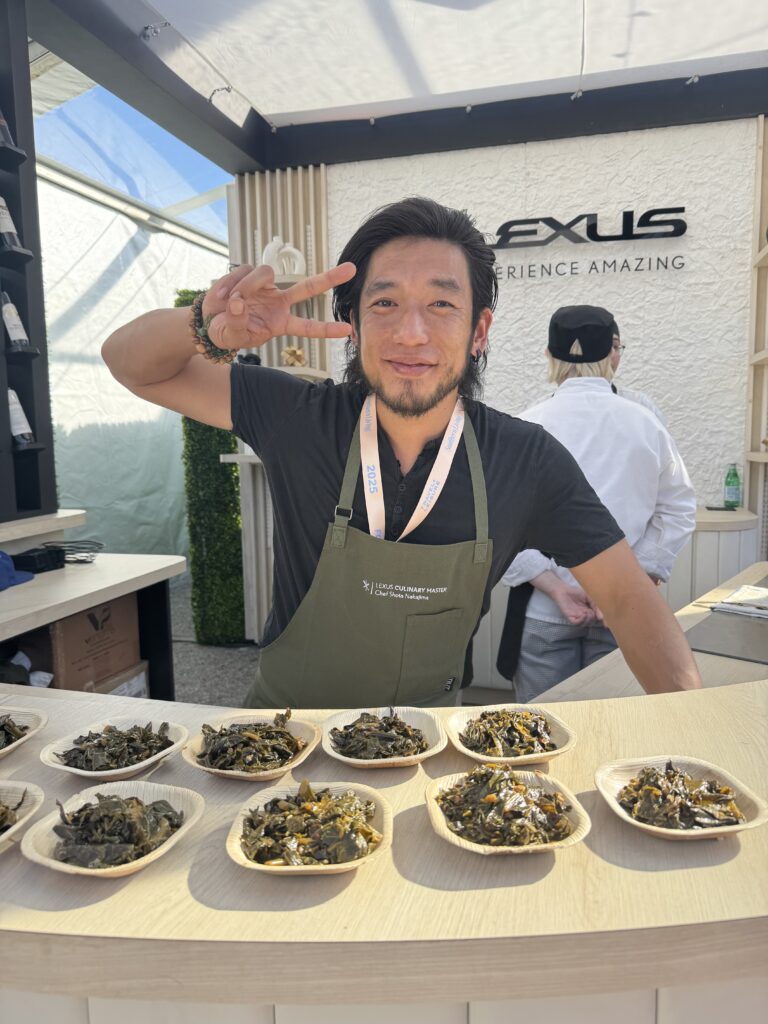
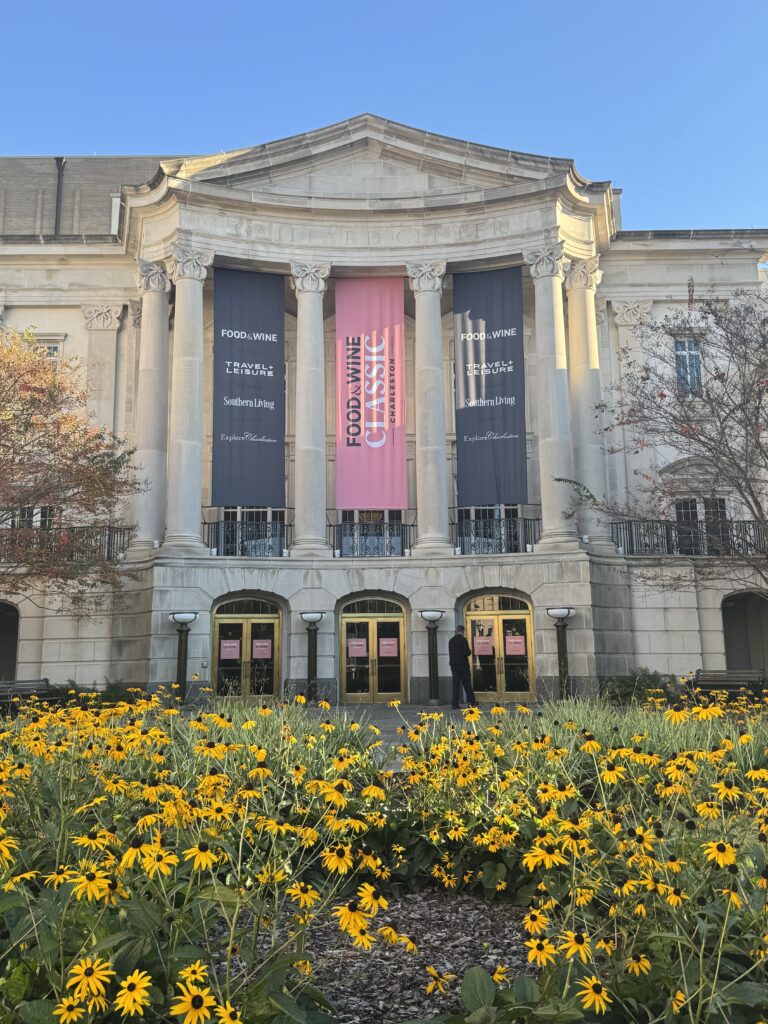
While gardens bloomed across town, Charleston’s culinary world was having a moment of its own. The Charleston Food & Wine Festival transformed not just the Visitor Center but also some of the city’s most iconic properties—The Charleston Place, Hotel Emeline, and the Gaillard Center—into a sprawling, citywide tasting experience.

Chefs from across the Southeast hosted collaborative dinners, pop-ups, and chef’s-counter demonstrations. Sommeliers led intimate pairing sessions at Emeline, mixologists shook up experimental cocktails at The Charleston Place, and the Gaillard’s elegant spaces became home to premium tastings and panel discussions featuring rising culinary stars.

From artisan cheese flights to wood-fired local seafood, the entire festival felt like a progressive dinner that swept across downtown. For many attendees, simply moving from one venue to the next became part of the excitement—each space carrying its own flavor, culture, and energy.

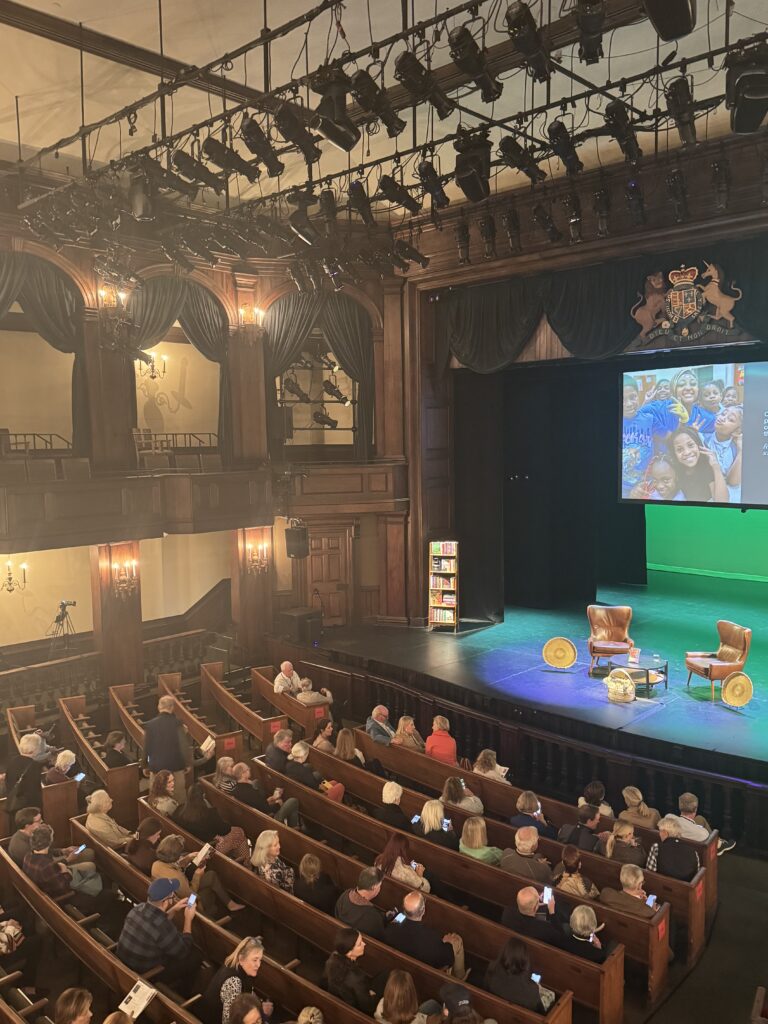
A Weekend of Stories: YALLFest and the Literary Festival

On Upper King and throughout the historic district, YALLFest and the broader Literary Festival attracted thousands of readers and writers. Lines curled around blocks as fans waited for signings with bestselling authors. Bookstores buzzed, hotel lobbies turned into seminar rooms, and coffee shops became impromptu critique circles. For a city steeped in storytelling, it was a perfect cultural counterpoint to the culinary celebrations happening just steps away.

A City Soundtrack: Concerts at Music Hall & Music Farm

The Charleston Music Hall and Charleston Music Farm ran packed, back-to-back concerts that stretched well into the night. Genres collided—indie, folk, bluegrass, funk—and the crowds spilled into the streets buzzing with post-show energy. For many, hopping between the two venues felt like attending Charleston’s own miniature music festival.

Weddings, After-Parties, and Everything in Between

Of course, it wouldn’t be Charleston without weddings filling almost every historic home, waterfront lawn, and rooftop terrace. And as usual, the after-parties spread throughout downtown, blending seamlessly with the festival-goers and concert crowds. Entire blocks pulsed with energy until the early hours of the morning.

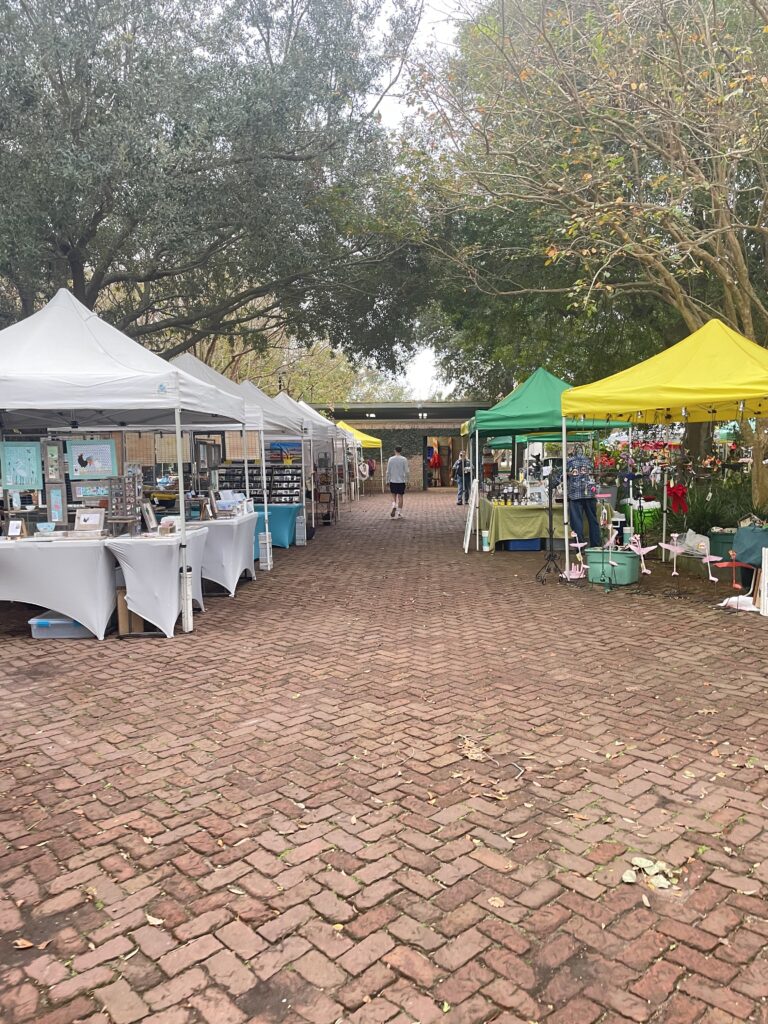
Saturday Rituals: The Charleston Farmer’s Market

Still, thousands rallied early for the Charleston Farmer’s Market, gathering at Marion Square for fresh produce, local crafts, food stalls, and buskers. Even after a night of events, the square felt like the heart of the city—alive, communal, and humming with conversation.

Sports & Stars: College of Charleston Basketball + Danny McBride

The weekend also delivered on school spirit. College of Charleston basketball drew a loud, electric crowd at TD Arena, giving fans another boost of adrenaline amid an already packed city schedule and The Citadel Football team hosted Wofford for the final home game of the season at Hagood Stadium.

The weekend wouldn’t be “Rightous” without Danny McBride who stopped by to speak with the College of Charleston Alumni Association on November 15. His talk was equal parts hilarious and heartfelt, quickly becoming one of the most talked-about moments of the weekend.

So…Was This the Biggest Weekend Ever?

If you were anywhere downtown, the answer felt like a clear and resounding yes. Charleston pulsed with culinary innovation, musical energy, literary excitement, and hometown pride—all within a single three-day window.

Whether history will officially crown it Charleston’s biggest weekend ever is still up for debate.

But one thing is certain: the city won’t forget it anytime soon.

Stay connected and subscribe to Charleston Daily.
First Solar, Inc. grows South Carolina footprint with new Cherokee County facility creating 600 new jobs

Read More

Solar panel production facility to commence operations in 2026, creating over 600 new jobs

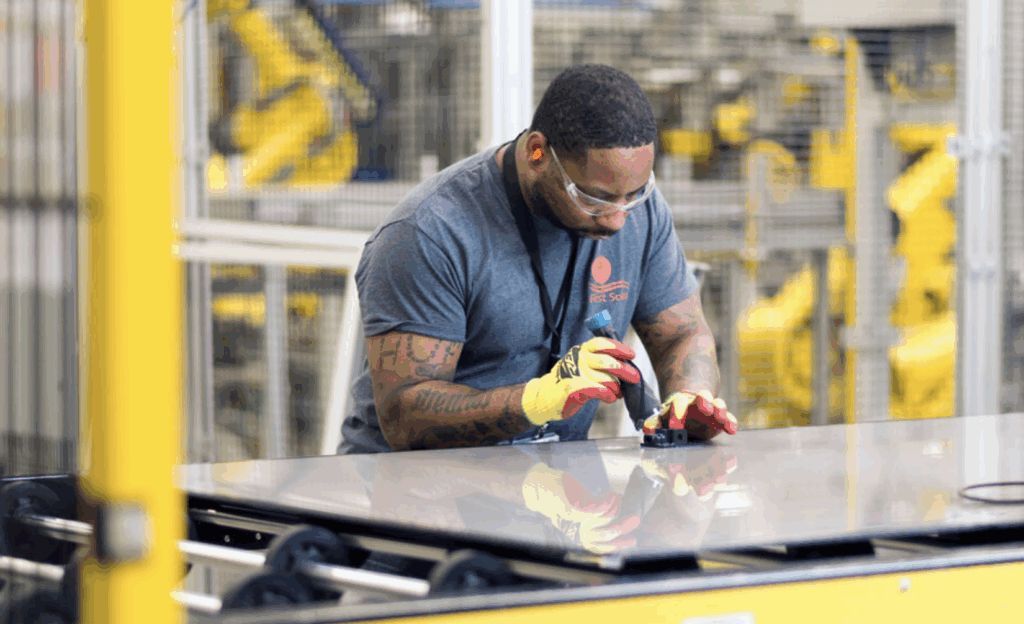
COLUMBIA, S.C. – First Solar, Inc., (First Solar) a leading American photovoltaic (PV) solar and manufacturing company, today announced it is growing its South Carolina footprint with a new production facility in Cherokee County. The company expects to spend approximately $330 million to establish the new facility, which is forecast to create over 600 new jobs.  

Founded in 1999 and headquartered in Arizona, First Solar is one of the largest solar manufacturers in the Western Hemisphere. Located at 121 Logistics Drive in Gaffney, the facility will onshore final production processes for Series 6 modules initiated by the company’s international fleet. The company currently operates a distribution center in Duncan and has a longstanding partnership with Inland Port Greer.

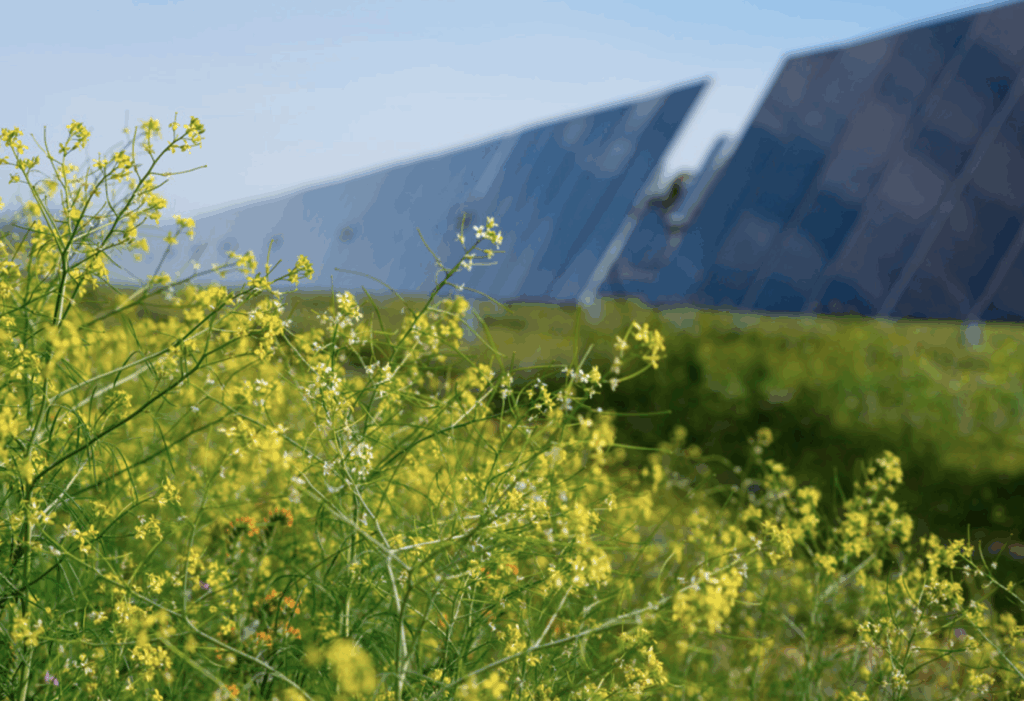
The Gaffney plant will be part of what is one of the largest solar technology manufacturing and research and development (R&D) footprints in the nation and already includes five operating, fully vertically integrated manufacturing facilities in three states, as well as a supply chain that spans the country. 

Operations are expected to commence in the second half of 2026. Individuals interested in joining the First Solar team should visit the company’s careers page.


The Coordinating Council for Economic Development approved job development credits related to the project.

QUOTES

“As the United States experiences historic demand for abundant, affordable electricity, we’re proud to meet the moment by expanding our domestic energy technology manufacturing capacity with a new facility in South Carolina. This investment demonstrates the value of American solar manufacturing and supply chains in unleashing energy dominance while creating jobs and prosperity for local communities.” -First Solar, Inc. CEO Mark Widmar

“South Carolina is proud to be a destination for innovative energy companies that are powering our country with American technology. First Solar’s investment will create 600 new jobs in Cherokee County, which will greatly strengthen the local economy and help advance America’s energy independence. Their expanded presence in our state will provide even more opportunities for hardworking South Carolinians.” -Gov. Henry McMaster

“This investment by First Solar will further strengthen South Carolina’s growing reputation in the clean energy sector, and we are excited for the economic opportunities it will bring to a rural part of our state. Congratulations to First Solar and Cherokee County on this announcement that will have a tremendous impact in the community for many years to come.” -Secretary of Commerce Harry M. Lightsey III

“South Carolina Ports has enjoyed a productive relationship with First Solar and is honored by their choice of Cherokee County, South Carolina for this major investment. We congratulate First Solar and will continue to serve as a reliable, responsive port partner.” -SC Ports President and CEO Micah Mallace

“Today is a milestone for Cherokee County. First Solar’s $330 million investment and 600 high-paying new jobs show confidence in our community. Projects like these position Gaffney as a leader in economic development and bring new opportunities for our citizens. We’re proud to welcome First Solar and look forward to a successful partnership.” -Cherokee County Council Chairman Tim Spencer


FIVE FAST FACTS

  • First Solar, Inc. (First Solar) is growing its South Carolina footprint with a new production facility in Cherokee County.
  • The company expects to spend $330 million on the new facility, creating over 600 new jobs.
  • First Solar is a leading American solar technology and manufacturing company.
  • The facility, scheduled to commence operations in the second half of 2026, will be located at121 Logistics Drive in Gaffney, S.C.
  • Individuals interested in joining the First Solar team should visit the company’s careers page.

Stay connected and subscribe to Charleston Daily.

Governor Henry McMaster: Charleston Harbor Saved from Environmental Disaster

Read More

USS Yorktown Clean-Up Completed – 1.6 Million Gallons of Toxic Waste Removed

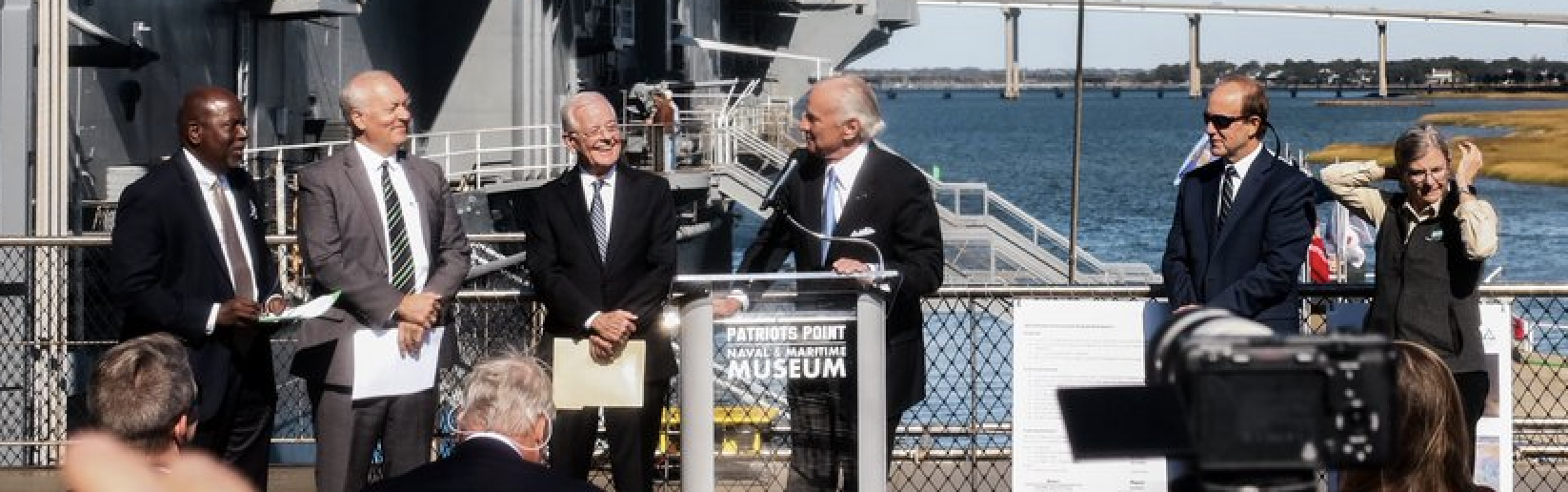
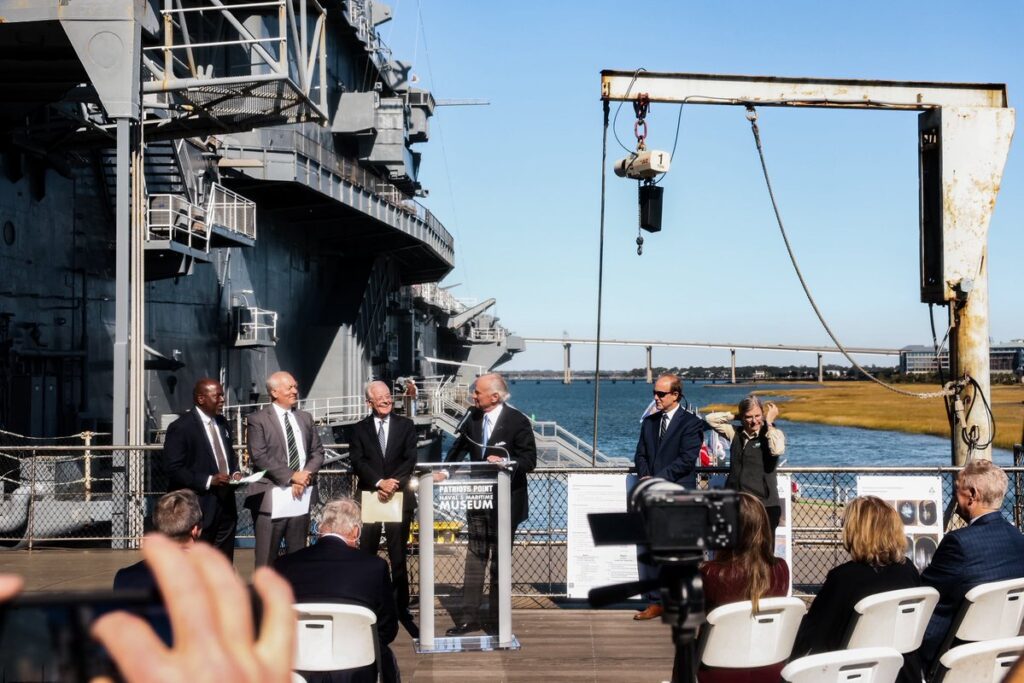
COLUMBIA, S.C. – Governor Henry McMaster today was joined by the South Carolina Office of Resilience (SCOR) to announce the completion of the USS Yorktown Environmental Remediation Project. The project, which is a result of Governor McMaster’s 2022 Executive Order, successfully removed more than 1.6 million gallons of hazardous materials and over nine tons of asbestos from the ship. The pollutants were at increasing risk of leaking into Charleston Harbor due to the continued corrosion of the Yorktown’s outer hull, posing a major environmental and economic threat to the Lowcountry. 

“The USS Yorktown was a ticking environmental time bomb, with the risk of disaster increasing each year, and now it has been safely and successfully defused,” said Governor Henry McMaster. “Had these materials leaked, they would have caused catastrophic damage to Charleston Harbor, destroying marshes and estuaries, killing marine life, and threatening industries that support thousands of jobs across the Lowcountry. Instead, we took action to prevent that disaster and protect South Carolina.”

Commissioned in 1943, the Yorktown is an Essex-class aircraft carrier that was converted to an attack aircraft carrier in the 1950s, then to an anti-submarine aircraft carrier in 1957. After being decommissioned in 1970, it was donated to the Patriots Point Development Authority and relocated to the Charleston Harbor in 1975. When the Yorktown was decommissioned, the US Navy did not have strict decommissioning procedures and made the ship available to South Carolina “as is” and “without warranty.” This included the presence of hazardous materials on board when the ship was relocated.

Phase I of the project concluded in December 2023 and included an environmental assessment study to identify the location and quantity of remaining legacy contaminants, as well as the completion of immediate repairs necessary to prepare the ship for the remediation process. This phase resulted in the extraction of 568,800 gallons of oily water, the removal of 8.88 tons of sludge and mud, the disposal of 4.5 tons of asbestos waste, and 35 external hull repairs. A copy of the Phase I report can be found here. 

Phase II remediation began in February 2025 and involved the removal of hazardous contaminants from over 100 structural tanks and over 30 non-structural tanks. Freshwater was added to the cleaned structural tanks to ensure the Yorktown remains stable. HEPACO LLC, Shipwright, Inc., and Isla Maritime completed this process from February to October 2025. During the project, the team transferred contaminants from the Yorktown to an on-site treatment facility. After initial treatment, remaining contaminants were sent to off-site processing and disposal facilities. Hazardous contaminants removed during Phase II and delivered to disposal sites included heavy fuel oil, more than 1.4 million gallons of contaminated fluids, and 9.1 tons of asbestos-containing piping insulation. In addition, over 375 temporary repairs were made to the structural tanks on the vessel.

SCOR awarded the USS Yorktown Environmental Assessment and Remediation project an American Rescue Plan Act (ARPA) State and Local Fiscal Recovery Funds grant in the amount of $10.7 million for Phase I and $20.9 million for Phase II, for a total budgeted award amount of $31.6 million. SCOR procured Research Planning, Inc. to complete the Phase I remediation plan in partnership with T&T Salvage, LLC, and GEL Laboratories, LLC. 

“Remediating such a critical hazard is a win for all partners involved with this project,” said SCOR Chief Resilience Officer Ben Duncan. “But beyond this immediate success, it demonstrates the ability of South Carolina to take a proactive approach to lessening or eliminating the likelihood of future disasters. I am proud of this team for identifying the need to act and working efficiently to mitigate the possibility of contamination, while preserving a significant historical landmark in our state.”

Stay connected and subscribe to Charleston Daily.

Lowcountry Land Trust Protects 3 Generations of Family Land on Johns Island, South Carolina

Read More

Property reinforces Charleston County’s Urban Growth Boundary and the island’s rural heritage 

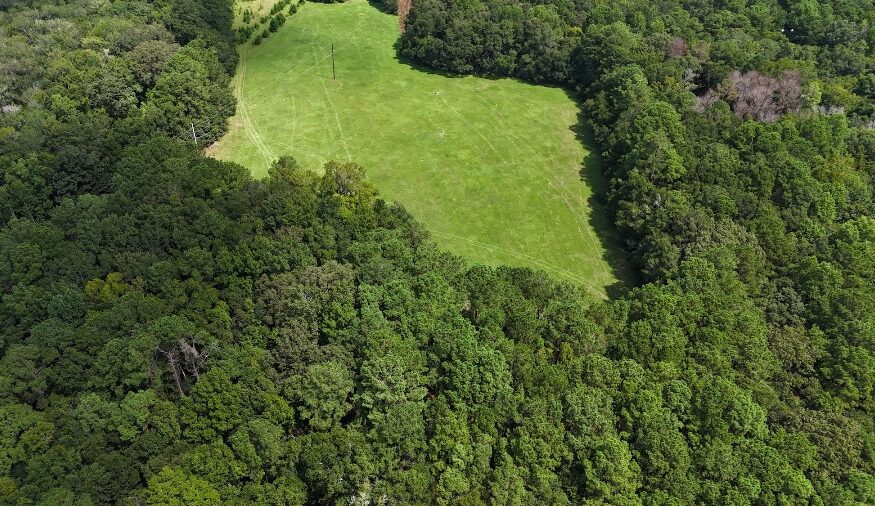
Charleston, SC, November 12, 2025 – Lowcountry Land Trust, a nonprofit committed to preserving Lowcountry landscapes and waterways for current and future generations, is proud to announce the permanent protection of a 37-acre property on Johns Island that the same family has stewarded for more than 115 years. The conservation of this beloved land not only preserves vital agricultural soils, forested wetlands, and wildlife habitat but also honors the island’s deep-rooted rural character, reinforcing Charleston County’s Urban Growth Boundary and helping to manage growth and resiliency in the region.

The generational property conserves two valuable habitats that are integral to the local landscape and ecosystem—just over 13 acres of upland areas containing prime agricultural soils and forested wetlands that support biodiversity, improve water quality, and help mitigate flooding. The conservation easement was fully donated by the family, continuing their enduring legacy of care for the land. This act of generosity ensures the property will remain both undeveloped and protected forever, serving as a testament to Johns Island’s heritage and modeling the impact of private land conservation in the Lowcountry.

“Lowcountry Land Trust is honored to have been entrusted with the perpetual protection of this special family land,” said Sam Seawell, community lands director at Lowcountry Land Trust. “The owner’s foresight and conservation of the property helps maintain the rural landscape of Johns Island, an undertaking that is seemingly hard, yet possible, to achieve.”

The protection of these 37 acres reinforces the Urban Growth Boundary, which is defined by Charleston County and its residents in the Comprehensive Plan as a means of managing growth by directing development to areas with existing infrastructure and limiting it in rural areas by protecting land, maintaining area resiliency. While conservation easements protect only 8% of Johns Island, 80% of its land is located outside the urban growth boundary and remains largely undeveloped and rural, yet still not permanently protected. 

The conservation of this property reflects landowners’ and Lowcountry Land Trust’s ongoing commitment to partnering to preserve the region’s most ecologically and culturally significant landscapes and waterways, while simultaneously and proactively managing growth, maintaining resiliency, and enhancing residents’ quality of life.

Stay connected by following @LowcountryLandTrust on social media and signing up for their email newsletter to receive the latest updates on conservation efforts and ways to get involved.

ABOUT LOWCOUNTRY LAND TRUST

Lowcountry Land Trust—a 501(c)(3) nonprofit organization—permanently protects land throughout coastal South Carolina that is foundational to the area’s ecosystem and residents’ quality of life. Having protected over 163,000 acres since 1986, Lowcountry Land Trust is one of the most impactful land trusts in the country. Its work includes the stewardship of privately owned land and iconic public places, such as the future Angel Oak Preserve—a 44-acre passive park and living museum in partnership with the City of Charleston. More information about Lowcountry Land Trust is available at www.lowcountrylandtrust.org

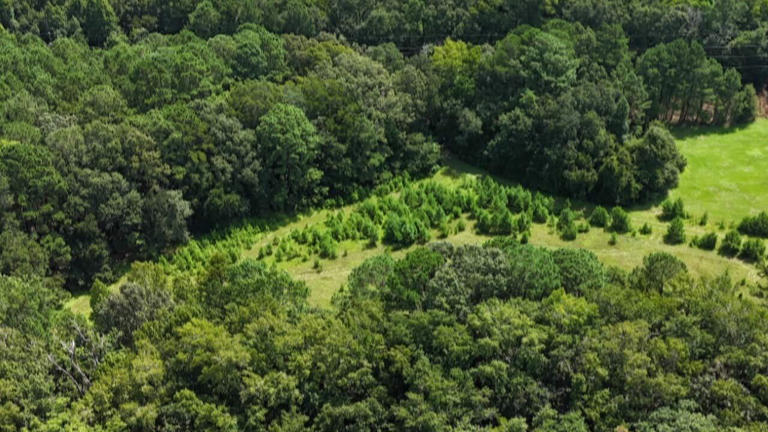
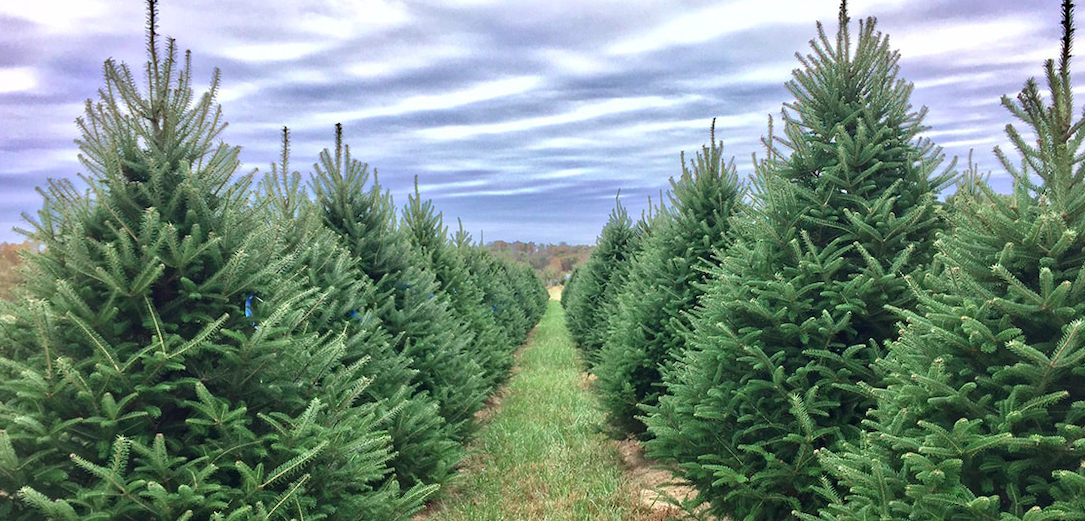
2025 Guide to Christmas Tree Farms in the Lowcountry

Read More

We’d like to give a special Thank you to Charleston Moms Network for compiling a list of Lowcountry Tree Farms to ensure you all have a very special Christmas season in your homes.

Full List of Christmas Tree Farms in the Lowcountry

Related: Charleston Holiday Pop Up and Events Guide

Stay connected and subscribe to Charleston Daily.
Homegrown Talent: Four Charleston Chefs Bringing Local Flavor to the 2025 Charleston Food & Wine Festival

Read More

By Mark A Leon

Charleston’s culinary scene has long been defined by its deep roots, coastal bounty, and the creative brilliance of its chefs. The 2025 Charleston Food & Wine Festival — a five-day celebration of Southern hospitality, innovation, and indulgence — will once again shine a light on the city’s finest. This year, four local chefs are taking center stage, each embodying the spirit of Lowcountry cuisine in their own unique way: Chef Michael Zentner of Merci, Chef Nikko Cagalanan of Kultura, Chef Mike Lata of FIG and The Ordinary, and Pitmaster Hector Garate of Palmira Barbecue.

Together, they represent the heart of Charleston’s dining culture — where heritage, passion, and a respect for the ingredients of the South come together in unforgettable dishes.

Chef Michael Zentner – Merci

Participating in the Grand Tasting and Dine Around, Chef Michael Zentner continues to make waves at Merci, his celebrated downtown bistro known for refined yet soulful cuisine. Zentner’s approach is one of balance — a French-inspired foundation paired with a distinctly Charleston sensibility. His plates are elegant but never fussy, emphasizing seasonal produce and precise technique.

At the festival, Zentner will bring his signature attention to flavor and artistry to the Grand Tasting, offering guests a glimpse into the thoughtful simplicity that defines Merci. For the Dine Around event, diners can expect a collaborative and intimate experience where Zentner’s inventive palate — think delicate sauces, crisp textures, and local seafood — takes the spotlight.

“Charleston has a rhythm,” Zentner often says. “You can taste it in the ingredients — from the farms to the coast.” His food celebrates that rhythm, making him one of the most anticipated local names at this year’s festival.

Chef Nikko Cagalanan – Kultura

Also featured in the Grand Tasting and Dine Around, Chef Nikko Cagalanan of Kultura is redefining Charleston’s idea of “homegrown” cuisine through his bold Filipino flavors and cross-cultural storytelling. A 2023 James Beard Award semifinalist, Cagalanan has become a beloved figure in the city’s dining community for his ability to weave the flavors of his Filipino heritage into the local food tapestry.

At Kultura, every dish tells a story — from adobo with local pork to coconut-based stews infused with Charleston-grown herbs. His cooking is deeply personal yet perfectly aligned with the festival’s mission: celebrating authenticity, creativity, and connection. Expect Cagalanan’s festival dishes to showcase both heart and heat — bridging continents and bringing something beautifully different to the Charleston table.

Chef Mike Lata – FIG + The Ordinary

A cornerstone of Charleston’s restaurant renaissance, Chef Mike Lata needs little introduction. As the James Beard Award–winning chef behind FIG and The Ordinary, Lata has spent years championing local ingredients, sustainable sourcing, and impeccable technique.

This year, he will participate in both a cooking demonstration and the Oyster Roast, two events that perfectly capture his mastery of coastal fare. Lata’s demos are famously engaging — equal parts education and inspiration — as he shares the stories behind his signature dishes. At the Oyster Roast, he’ll celebrate the region’s seafood heritage, honoring the Lowcountry’s time-honored traditions with his characteristic finesse.

Lata’s presence at the festival underscores the continued influence of Charleston’s veteran chefs — those who built the city’s culinary reputation from the ground up and continue to mentor the next generation.

Pitmaster Hector Garate – Palmira Barbecue

Finally, no Charleston food event would be complete without barbecue — and Pitmaster Hector Garate of Palmira Barbecue brings the smoke, soul, and storytelling that define Southern cooking. As a featured chef at the Lowcountry Tailgate, Garate will showcase his Cuban-inspired approach to Carolina barbecue, a style that blends Latin spice, sweet smoke, and traditional pit techniques.

Garate’s food is a love letter to his heritage and to Charleston’s diverse culinary identity. At Palmira, brisket, pork, and ribs are slow-cooked to perfection, often paired with yucca, plantains, and tangy house sauces that pay homage to his roots. Expect lines — and plenty of satisfied smiles — at his station during the festival.


Together, these four chefs illustrate the breadth of Charleston’s food story — from fine dining to fire pits, from global fusion to local farms. The 2025 Charleston Food & Wine Festival isn’t just a showcase of great food; it’s a celebration of community, culture, and the chefs who keep the city’s culinary flame burning bright.

Stay connected and subscribe to Charleston Daily.