Look Up Charleston Indoor Downtown Art Collective: Where Local Art, Heart, and Community Converge

Read More

By Mark A Leon

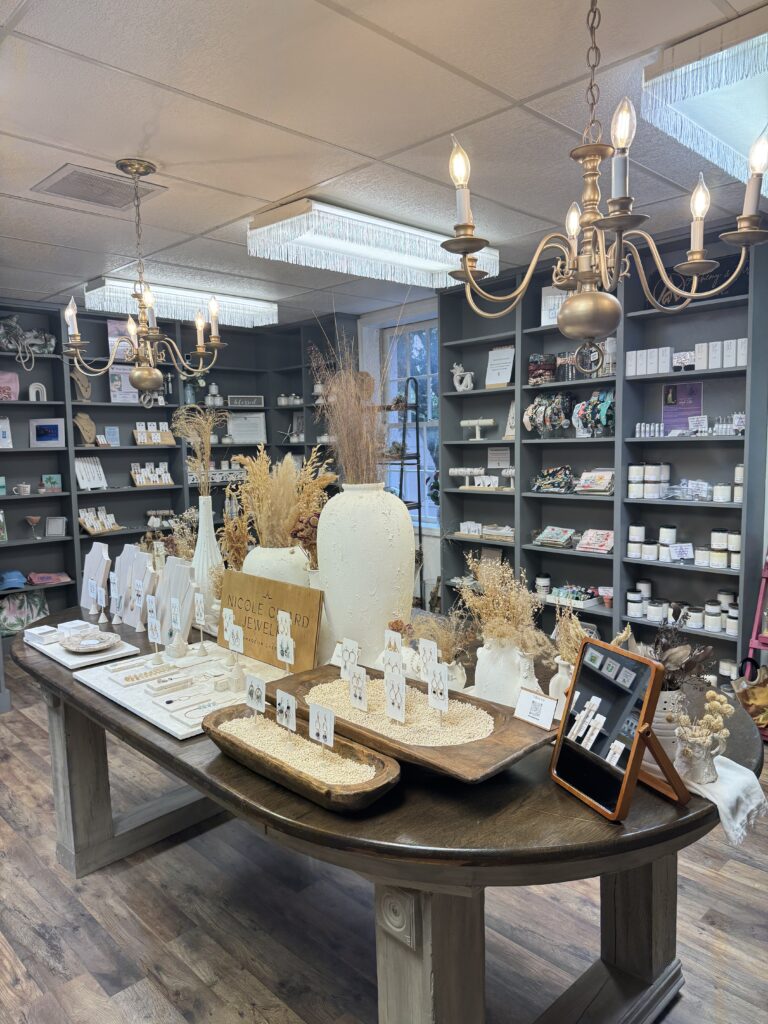
Look Up Charleston Art Collective sits at 128 Meeting Street (upstairs) in the heart of downtown Charleston, and it feels less like a shop and more like a neighborhood living room for makers. Founded by a rotating roster of local artists and curators, Look Up Charleston is a vibrant, intentionally inclusive cooperative where creativity is both displayed and nurtured. Stepping inside, visitors encounter a hand-picked constellation of work — ceramics with salt-scorched textures, bold screen prints, hand-stitched textiles, and small-run zines that speak directly to the city’s layered stories.

As you carefully weave your way through the storefront, you will experience 50+ unique art vendors, 2 artist studios with active work being created and a few other treasures to uncover.
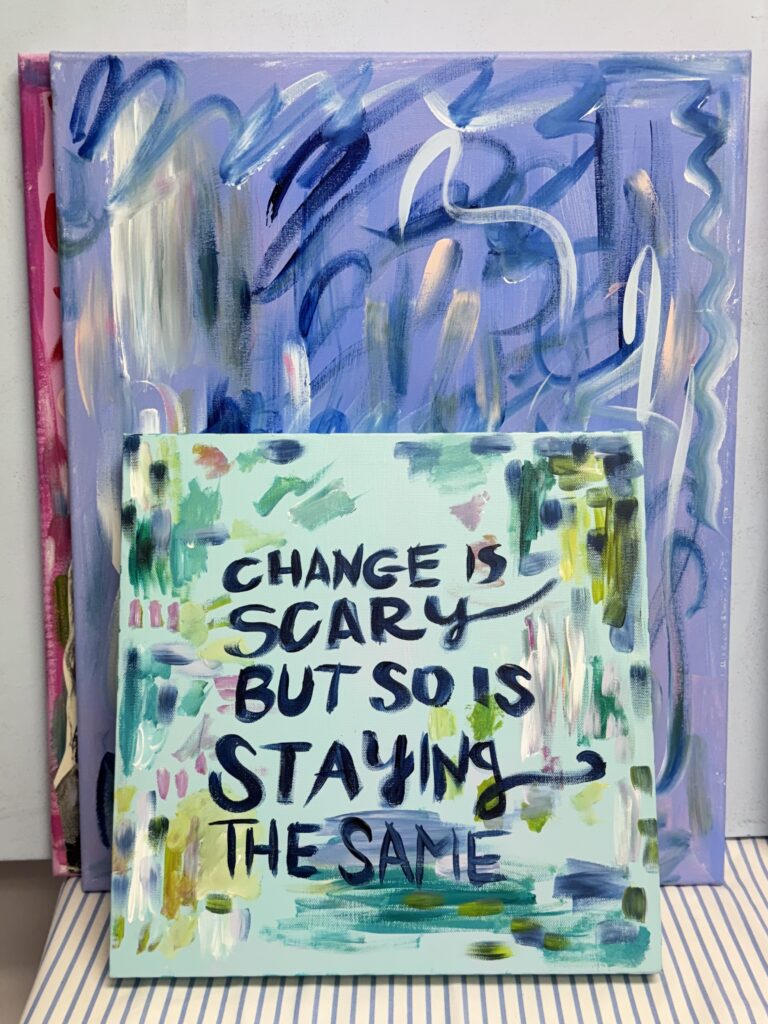

The artists themselves are the real attraction. Emerging talents share wall space with more established local names, creating an inspiring cross-pollination: a potter who throws functional dinnerware beside a fiber artist exploring narrative through quilting; a printmaker whose limited runs reference Lowcountry landscapes across from a jeweler whose pieces riff on maritime history. That diversity of practice is mirrored in the makers’ backgrounds — students and retirees, multi-ethnic creatives and first-generation entrepreneurs — each bringing a distinct voice to the collective. Learning the story behind a maker’s technique or the inspiration for a series of paintings is part of the visit; labels and conversations invite curiosity as much as purchase.

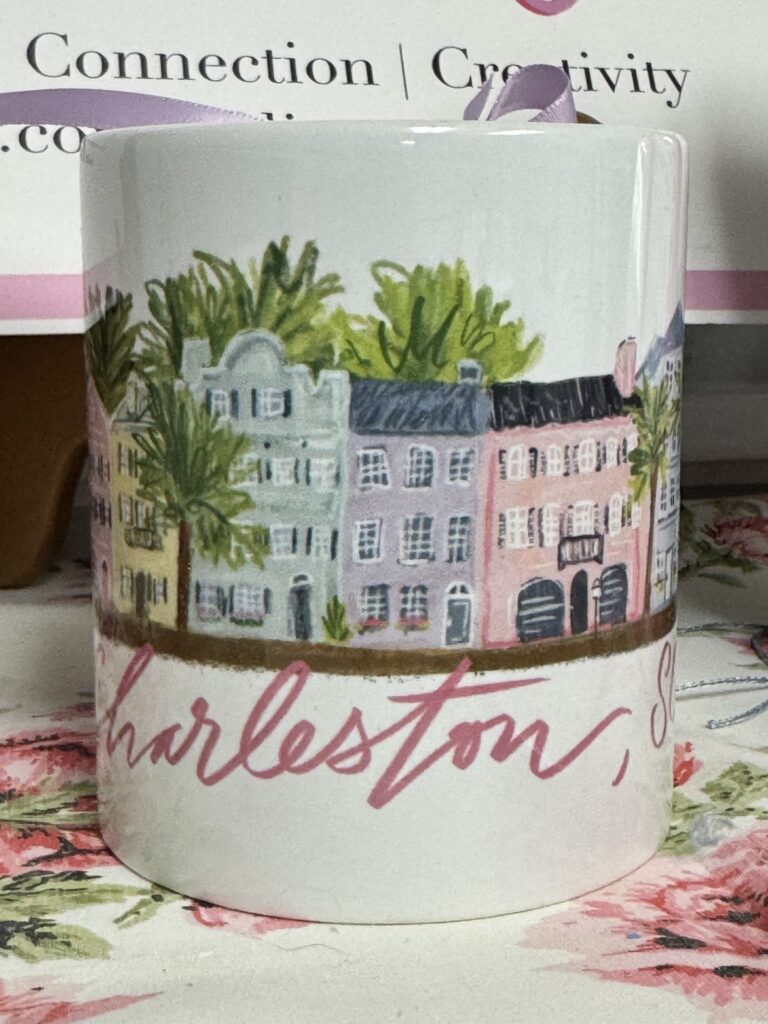
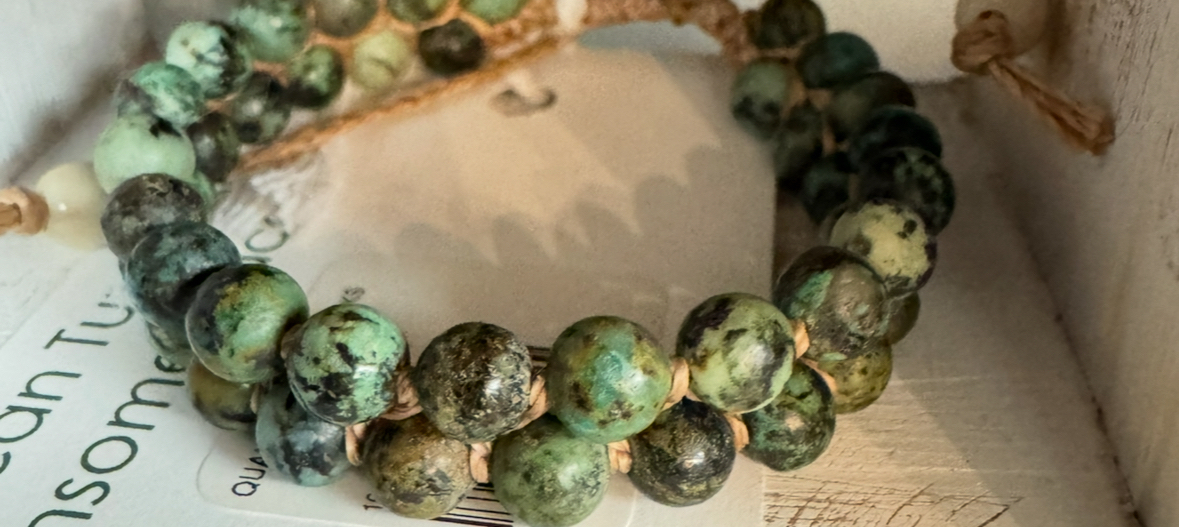
Products at Look Up Charleston resist the one-size-fits-all model. Instead of mass-market sameness, the collective specializes in small-batch and one-of-a-kind pieces that feel personal and intentional. A shopper can find a minimalist ceramic mug stamped with a neighborhood map, a hand-bound artist book filled with poetry and linocuts, pop culture art, revamped vintage fashion, a modular necklace perfect for layering, or a locally formulated herbal salve. 
Everything has provenance; tags tell the maker’s name, the story behind the piece, and often the process — firing temperatures, inks used, or reclaimed materials rescued from Charleston’s built environment. 

The result is a selection where everyday objects are imbued with craft, history, and meaning.

Community is woven into Look Up Charleston’s DNA.  For many makers, this spot is less a sales outlet than a studio-away-from-studio — a place to test new ideas, receive feedback, and collaborate on projects.

What sets Look Up Charleston apart is its gentle, democratic spirit. It’s not polished to the point of exclusion; it’s welcoming, warm, and full of the delightful surprises that happen when makers and community meet. Whether you’re hunting for a meaningful gift, looking to support local artisans, or hoping to be inspired, 128 Meeting Street offers a rotating gallery of the city’s creative life — a small, radiant proof that great neighborhoods are built by the people who make them. 

Visit Look Up Charleston to meet the makers, attend an event, and take home a piece of local story. Of course, do not forget to stop in and explore Southern Ruetz Custom Hat Bar downstairs.

Official Website

Stay connected and subscribe to Charleston Daily.
10 Things to Do in Charleston, South Carolina When It’s Freezing Outside

Read More

By Mark A Leon

Even in the rare chill of a Charleston winter, the Holy City stays full of warmth, history, and flavor. When the palmettos are shivering and you’d rather skip the harbor breeze, here are ten cozy ways to enjoy the city without freezing your fingers off.

1. Warm Up with She-Crab Soup at 82 Queen

There’s no better cure for a cold Charleston day than a steaming bowl of she-crab soup, the city’s signature dish. 82 Queen’s creamy, sherry-kissed version has been a local favorite since 1982, served in a romantic courtyard setting that still feels warm even in winter.

🕰 Hours: Lunch & dinner daily

🌐 82queen.com

2. Explore the Gibbes Museum of Art

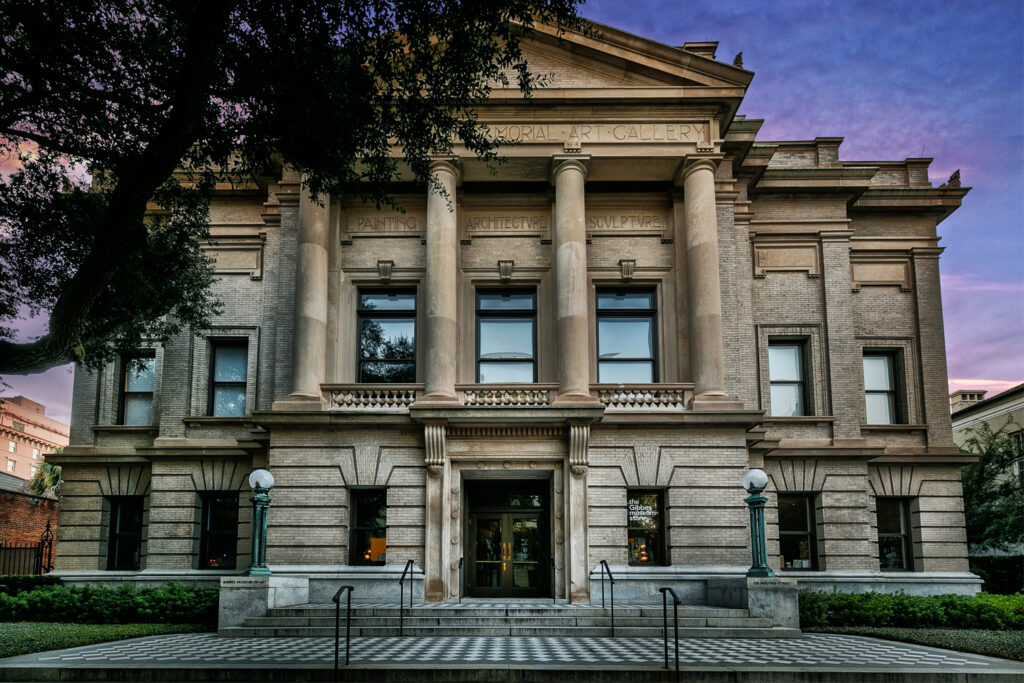
Located on Meeting Street, the Gibbes Museum is an elegant refuge from the cold, housing centuries of Southern art, portraits, and contemporary works. The skylit atrium café is ideal for sipping a latte between galleries.

🕰 Hours: Tue–Sun, 10 am–5 pm

🌐 gibbesmuseum.org

3. Tour the Nathaniel Russell House

Step back to 1808 in this neoclassical mansion, complete with a free-flying spiral staircase and painstakingly restored interiors. It’s one of Charleston’s finest examples of Federal-style architecture — and a warm way to spend a winter morning.

🕰 Hours: Daily, 10 am–5 pm

🌐 historiccharleston.org

4. Sip Local Spirits at High Wire Distilling Co.

Tucked just off King Street, High Wire Distilling Co. offers tastings and tours featuring handcrafted bourbons, gins, and their signature Jimmy Red Corn whiskey. The barrel room smells like toasted oak and spice — a cozy sensory escape.

🕰 Tours: Wed–Sat

🌐 highwiredistilling.com

5. Catch a Show at the Dock Street Theatre

The oldest playhouse in America, Dock Street Theatre glows with history and warmth. Charleston Stage fills the stage year-round with musicals, dramas, and comedies that make for the perfect cold-weather evening.

🌐 charlestonstage.com

6. Cozy Up in a Coffeehouse

Charleston’s coffee culture thrives even when it’s 40 degrees and breezy. Harken Café (Queen Street), Second State Coffee (Beaufain), and Clerks Coffee Company (inside Hotel Emeline) offer top-tier espresso, local pastries, and plenty of ambiance for reading or people-watching.

7. Visit the South Carolina Aquarium

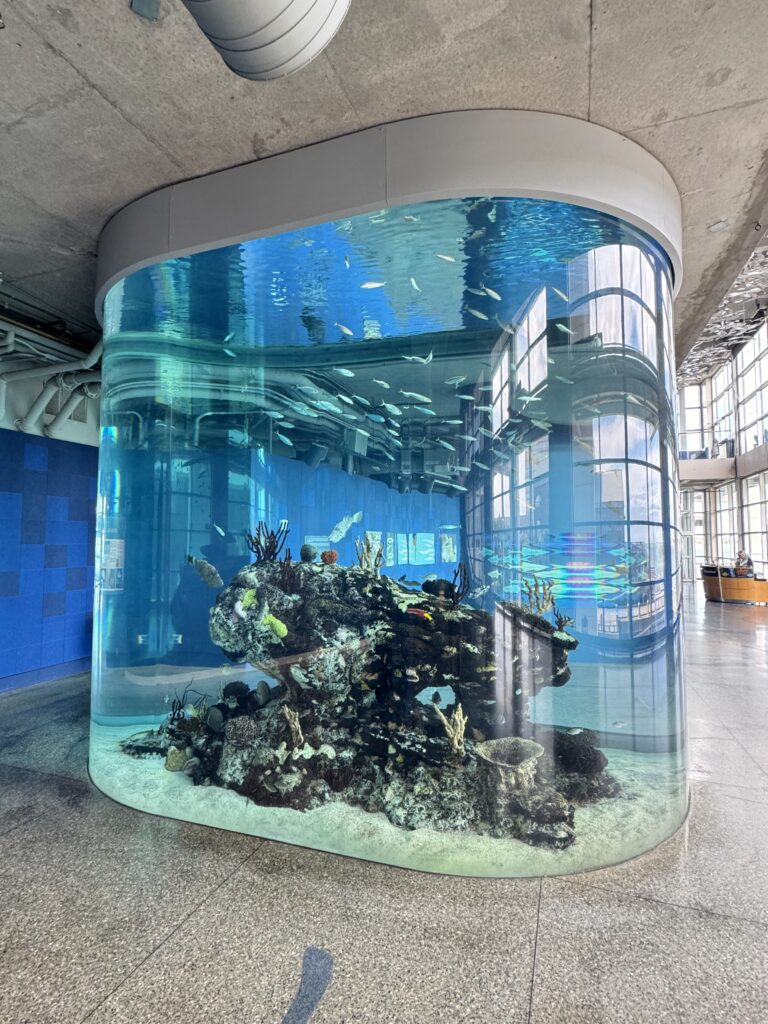
The South Carolina Aquarium provides an indoor journey through coastal ecosystems — from mountain streams to ocean reefs — all under one roof. Don’t miss the Sea Turtle Care Center, where rescued turtles rehab before release.

🕰 Hours: Daily, 9 am–5 pm

🌐 scaquarium.org

8. Take a Cooking Class at Zero George

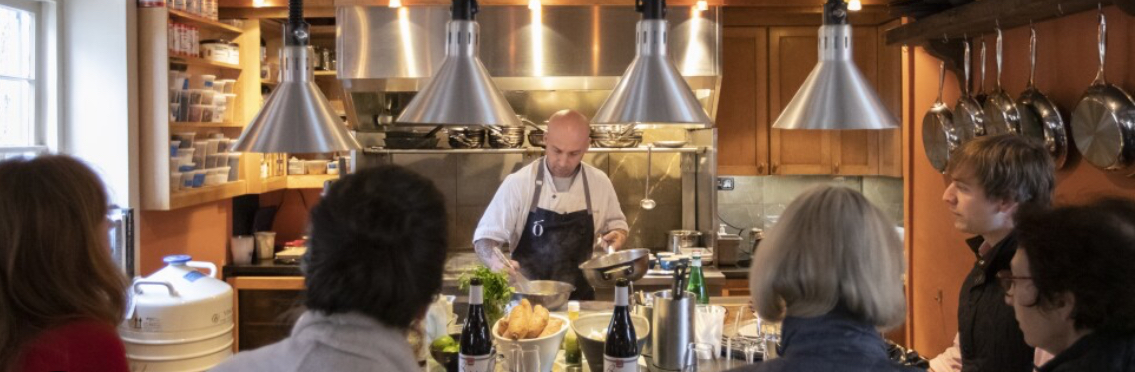
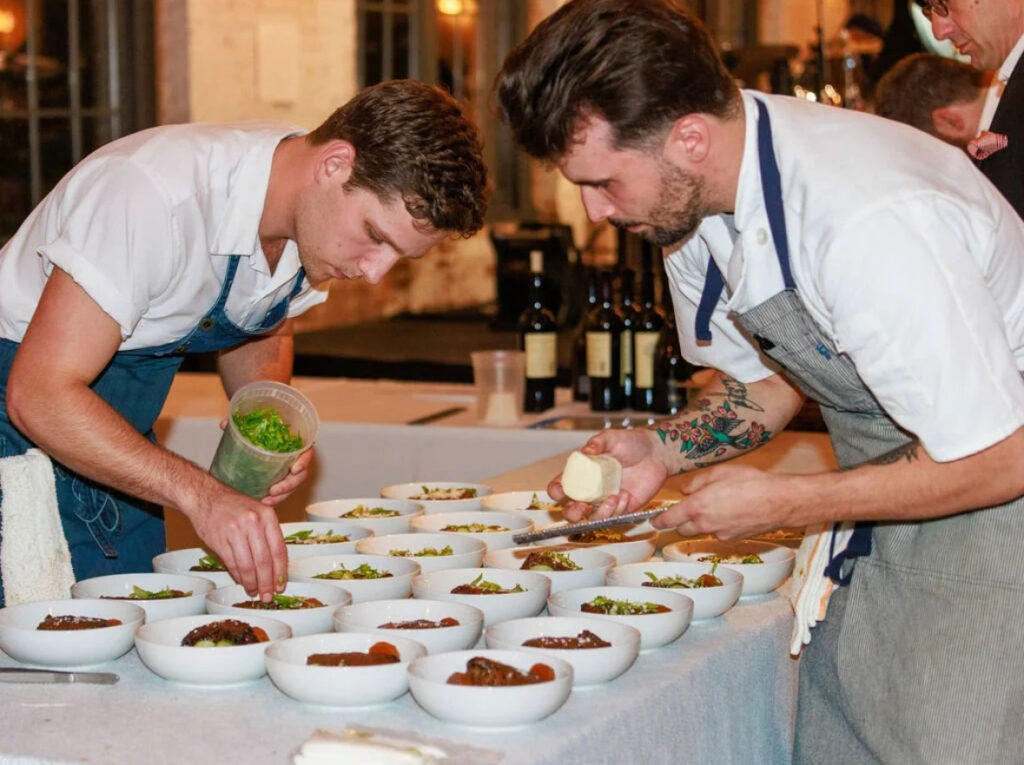
Too cold to dine al fresco? Zero George’s intimate cooking classes turn a winter afternoon into a delicious, hands-on culinary experience. Learn to craft Lowcountry dishes with wine in hand inside a charming 19th-century home.

🌐 zerogeorge.com

9. Go Antiquing on Lower King Street

Wander Charleston’s antique district between Broad and Queen Streets — a treasure trove of silver, art, furniture, and heirlooms from centuries past. Each shop feels like a warm pocket of history, filled with stories and craftsmanship.

10. Treat Yourself to a Spa Day at The Wentworth Mansion or Hotel Bennett

When the temperature drops, indulge in some Charleston-style self-care. The Spa at Wentworth Mansion offers massages and aromatherapy in a historic setting, while Hotel Bennett’s Spa pairs luxury treatments with champagne and plush robes — the ultimate way to warm up in winter.

🌐 wentworthmansion.com | hotelbennett.com

Charleston in winter may trade its sultry heat for crisp air and quiet streets, but that’s part of its charm. When it’s freezing outside, the city’s warmth moves indoors — to its art, flavors, and people.

Stay connected and subscribe to Charleston Daily.

Feed the Need + Local Charleston Area Restaurants Band Together For Fundraising Campaign to Aid Lowcountry Food Bank

Read More

Local hospitality community mobilizes to address rising food insecurity across the Lowcountry as SNAP benefits run out 

WHAT:
Charleston’s hospitality community has long shown what’s possible when it comes together. With recent cuts to SNAP assistance, more Lowcountry families are facing food insecurity, and Feed the Need is stepping in to help bridge the gap. This month, Feed the Need launches a community-wide fundraising campaign in partnership with restaurants and hotels across Charleston to raise essential funds for the Lowcountry Food Bank.

Participating establishments will include check presenters encouraging patrons to donate directly, with 100% of proceeds benefiting the Lowcountry Food Bank and the neighbors most affected by reduced SNAP benefits. Every dollar raised helps ensure that more families have access to nutritious meals during a time of heightened need. 

Donate now at FeedtheNeedCharleston.org

WHEN:
Tuesday, November 11 through November 30, 2025 

WHERE:
Participating restaurants and hotels throughout the Charleston area.

A comprehensive list can be found here.

WHO:
Feed the Need Charleston is a nonprofit organization founded by members of Charleston’s hospitality industry to address food insecurity through community collaboration, meal support, and rapid-response initiatives.

Lowcountry Food Bank works to lead the fight against hunger across 10 coastal South Carolina counties, distributing nutritious food to children, seniors, and families experiencing food insecurity.

Boaters be on the lookout for right whales off North Carolina, South Carolina and Georgia ahead of season

Read More

Hilton Head Island, South Carolina: Right whales were spotted by fisherman off Hilton Head Island and Savannah, GA on Wednesday 11/5/25. There was also a whale sighting off Cape Lookout, NC on Saturday but it’s unknown if these are the same whales. 

As the calendar turns toward winter, North Atlantic right whales are beginning their crucial southward migration to the waters off the Southeastern U.S., from North Carolina to Florida, to give birth. With only approximately 380 individuals remaining, every successful birth is vital for the survival of this critically endangered species, making safe boating practices paramount this season.

The official right whale calving season spans from November 15th through March, but sightings often begin earlier in November. Mothers and their newborns frequently swim close to the shoreline and just below the surface, making them difficult to spot and extremely vulnerable to vessel collisions. Last year, the first whales were sighted off South Carolina waters.

Lauren Rust, executive director of LMMN, emphasizes the danger:

“It is important for boaters to be aware that right whales are off our coast over the next six months, many with new calves. They may be closer to shore, just below the surface, and moving slowly. Be vigilant and report all sightings immediately. Keeping track of these animals may be the best way to their survival. Vessel strikes can be deadly to a whale and can potentially cause unsafe damage to a vessel.”

To minimize the risk of vessel strikes, the Clearwater Marine Aquarium (CMA) lead regular aerial surveys throughout the Southeast. When right whales are spotted, researchers immediately alert the U.S. Coast Guard and mariners of their locations. Boaters are critically urged to heed all warnings and alerts and steer clear of known whale locations.

Boaters are reminded that due to their slow movement and often submerged position, a vessel strike can be dangerous for both the whale and the vessel itself. Mariners are encouraged to slow down, maintain a sharp lookout, and stay at least 500 yards away from any whale.

“LMMN is the only South Carolina Stranding Permit Holder and leads the South Carolina Marine Mammal Stranding Network (SCMMSN) to respond to marine mammal strandings all along the state’s coastline,” continued Rust. “The team at LMMN is always on standby to receive and share information about all marine mammals along our coastline. In the instance an animal strands, LMMN, along with other coastal agencies, is ready to respond.”

All marine mammals are federally protected by the Marine Mammal Protection Act (MMPA) and only those authorized under the MMPA may legally handle live and dead marine mammals. Dolphins and other marine mammals strand when they are sick or injured; pushing a marine mammal back into the water delays assessment and treatment from trained responders and can lead to further injury, suffering, and eventual death. Stay at least 500 yards away from the critically endangered Right Whale and never pursue or follow one.

If you see an animal, follow these steps to help:

1.     Report all sightings by calling 877-WHALE-HELP (877-942-5343), hailing the U.S. Coast Guard on marine VHF channel 16 or using the Whale Alert app (https://www.whalealert.org).

2.     Collect a GPS location and move away.

3.     Do not follow or pursue animals. 

4.     If an animal is dead floating or has beached itself in South Carolina, report it to the SCDNR wildlife hotline at: 800.922.5431. Collect a GPS location and photograph.

If the stranded marine mammal is alive, call to report it ASAP! This will allow experts to have the most success possible in locating the marine mammal.

For more information about LMMN, its response to marine mammal strandings and what to do if you find a stranded marine mammal, please visit https://www.lowcountrymarinemammalnetwork.org/stranding-response.

About the Lowcountry Marine Mammal Network: The Lowcountry Marine Mammal Network (LMMN) is a 501(c)3 nonprofit focused on protecting marine mammals in South Carolina waters. Their mission is to raise awareness about marine mammals in coastal South Carolina, educate the general public on federal regulations, and foster young stewards in ways to protect both marine mammals and their environment. They achieve this through a number of education, monitoring and school programs.

Pure Theatre’s “Eureka Day”: A Sharp and Brilliantly Satirical Look at Parenting in a Polarized Age

Read More

By Mark Leon

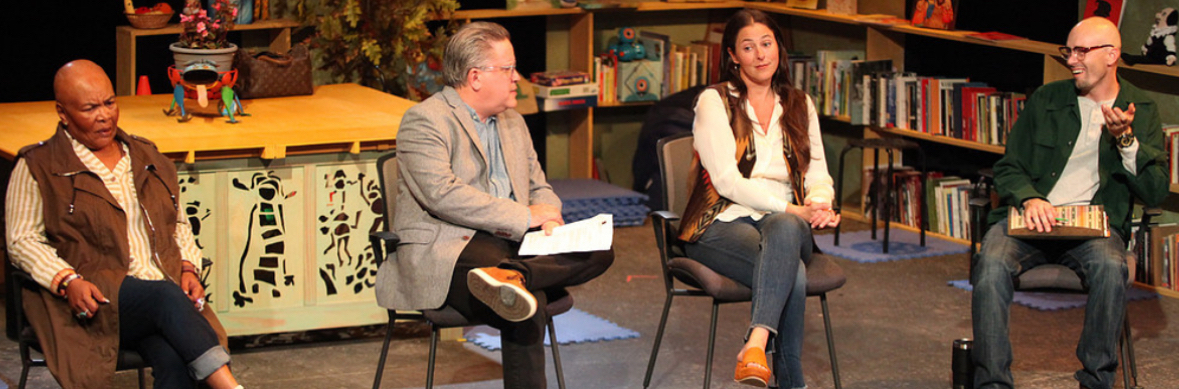
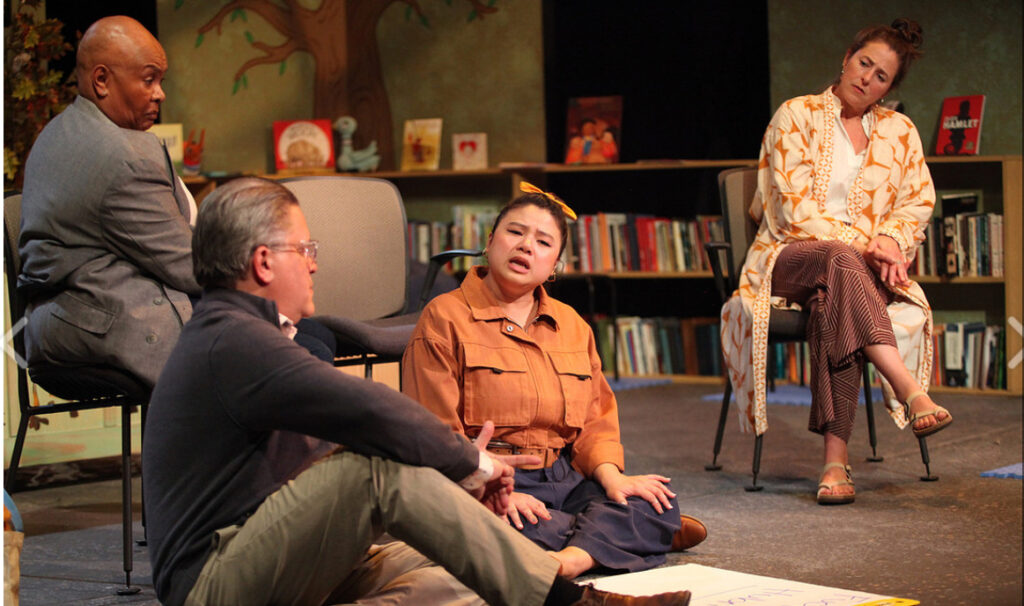
Eureka Day is a highly charged, thoughtfully scripted examination of navigating the turbulent waters of parenting in an era of content overload and cultural polarization.

Set in Berkeley, California, the play centers around the Eureka Day School, governed by a committee of five well-meaning parents who pride themselves on making every decision by consensus. Their idealistic harmony, however, is shattered when a mumps outbreak divides the council — and the community — igniting a moral and ethical debate over vaccination, healthcare, and public safety.

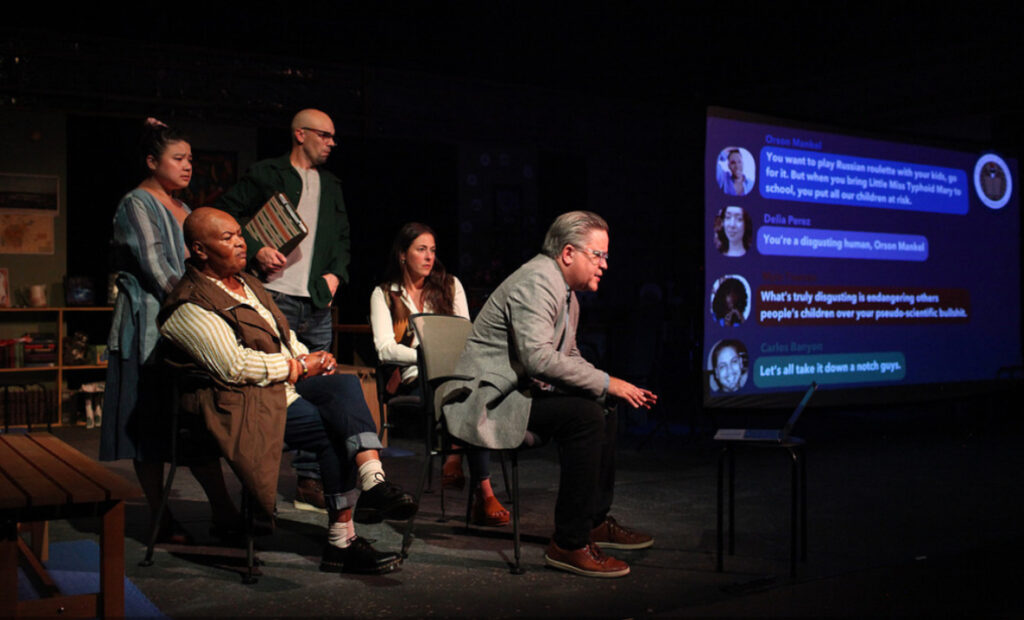
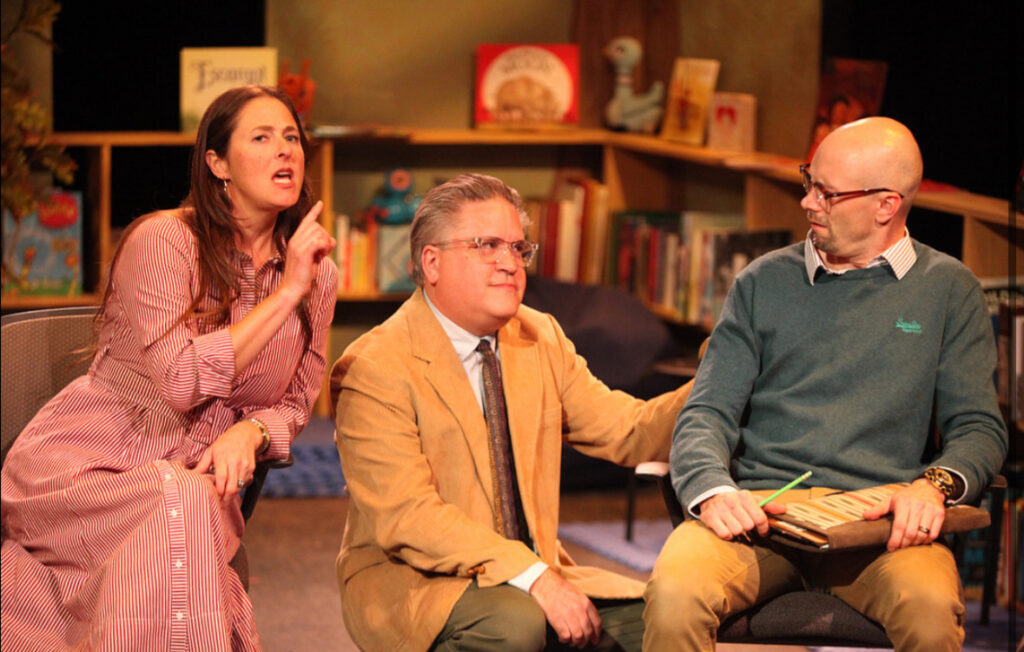
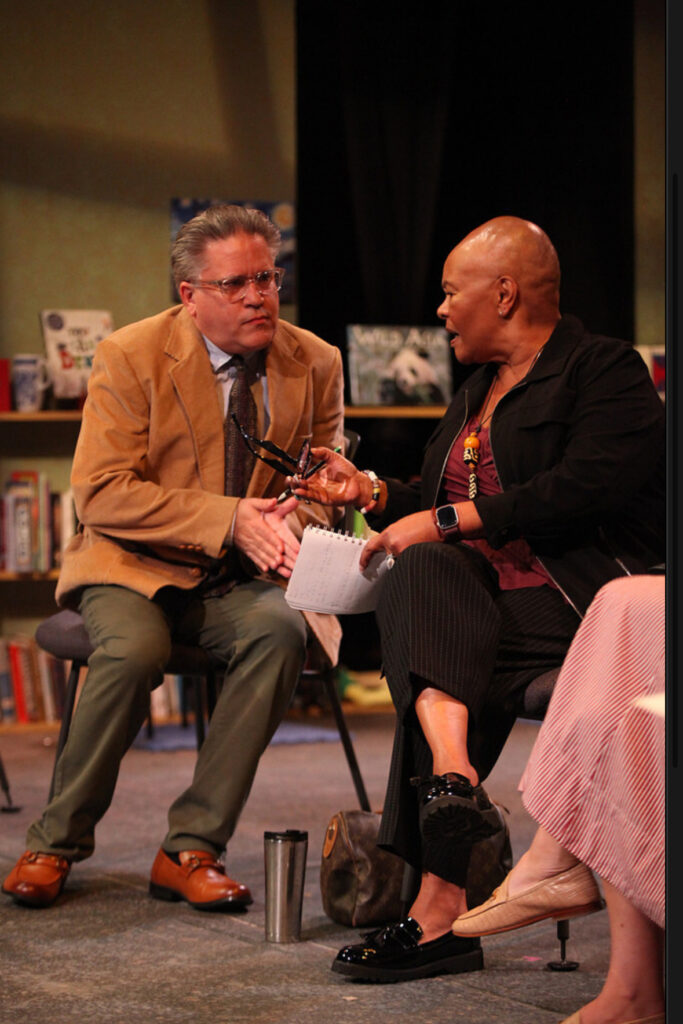
The production’s seasoned ensemble cast — Joy Vandervort-Cobb (Carina), Camille Lowman (Suzanne), David Mandel (Don), Anna Lin (Meiko), and Addison Dent (Eli) — delivers exceptional performances that blend humor, heart, and human frailty. Together, they create a dynamic chemistry that makes the play’s ethical quandaries feel immediate and deeply personal. Through both spoken and unspoken exchanges, we are drawn into the uncomfortable and often awkward spaces that mirror our own real-world interactions. Parenting, as depicted here, is messy, frustrating, and profoundly real — but ultimately worth every ounce of struggle.

One of the play’s most memorable moments comes in a virtual community forum scene that can only be described as Chaplin meets Lucille Ball meets the Farrelly Brothers. What begins as a sincere attempt at dialogue quickly devolves into chaos — an uproarious, brilliantly choreographed sequence that leaves the audience howling with laughter while squirming in recognition of our shared digital dysfunction.

As with every PURE Theatre production, Eureka Day thrives on the unexpected. A powerful, emotionally charged exchange between Suzanne and Carina shifts the tone entirely, grounding the satire in raw humanity. It’s a scene that lingers long after the curtain falls, challenging us to reconsider not only the characters’ motivations but our own convictions as well.

In the end, Eureka Day is more than a play — it’s a mirror. Whether you’re a parent, a student of the human condition, or simply an observer of modern life, you’ll find pieces of yourself reflected on that stage. It’s real. It’s unsettling. And it’s deeply, incredibly satisfying.

Click HERE for tickets

Stay connected and subscribe to Charleston Daily.

Photo credit: Ray Jugao

7 Key Civil Rights Events that Helped Shape South Carolina’s Rich History of Progress

Read More

Mark A. Leon

Several key civil rights events during the 20th century have helped shaped the course of South Carolina’s history. Here are 7 important events that had a tremendous impact on our ability to drive progress.

1. The Briggs v. Elliott case in 1952 challenged school segregation in Clarendon County, becoming one of the cases consolidated into Brown v. Board of Education. Synopsis: The District Court in this case decided that constitutional and statutory provisions of South Carolina requiring separate schools for the white and colored races did not, of themselves, violate the Fourteenth Amendment, but ordered the school officials to proceed at once to furnish equal educational facilities and to report to the court within six months what action had been taken. After an appeal to this Court had been docketed, the required report was filed in the District Court.

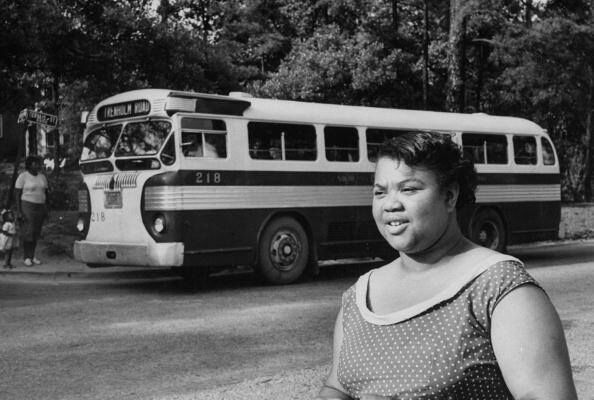
2. On June 22, 1954, Sara Mae Flemming was ejected from a Columbia bus for sitting in the white section, predating Rosa Parks’ similar action. Her case helped end bus segregation.

Event Details: On June 22, 1954, Sarah Mae Flemming walked from her home at 1107 Page Street and boarded a bus operated by the South Carolina Electric & Gas Company (SCE&G) at the intersection of Main and Taylor streets, a routine she followed every weekday morning on her way to work. Flemming, just four days shy of her twenty-first birthday, worked as a maid for a white family in one of Columbia’s affluent suburbs. Despite the landmark U.S. Supreme Court ruling Brown v. Board of Education the previous month, which declared “separate but equal” schools unconstitutional, South Carolina’s public spaces remained rigidly segregated. The placement of the color line on Columbia’s SCE&G buses, which shifted with the number of black and white riders, was enforced by the drivers, who were legally vested with the powers of a deputy sheriff.

Sarah Mae Flemming

3. Harvey Bernard Gantt grew up in the 1940s and 50s in then-segregated Charleston, South Carolina. As the oldest child of Wilhelmina and Christopher Gantt, he often attended NAACP meetings with his father. It was there, and at the family dinner table with his four sisters, that he began to appreciate the importance of advocacy and the injustice of racial discrimination.

After graduating second in his class from Burke High School in 1960, Gantt left home to study architecture at Iowa State University. In January 1963, after a legal battle that escalated to the U.S. 4th Circuit Court of Appeals, Gantt became the first African-American student accepted at Clemson University. In September 1963, Lucinda Brawley became the first African-American woman to be admitted to Clemson and in October 1964 married Harvey. Harvey Gantt graduated with honors from Clemson in 1965, earning a Bachelor’s degree in Architecture and later a Master of City Planning from Massachusetts Institute of Technology (MIT).

Harvey B. Gantt

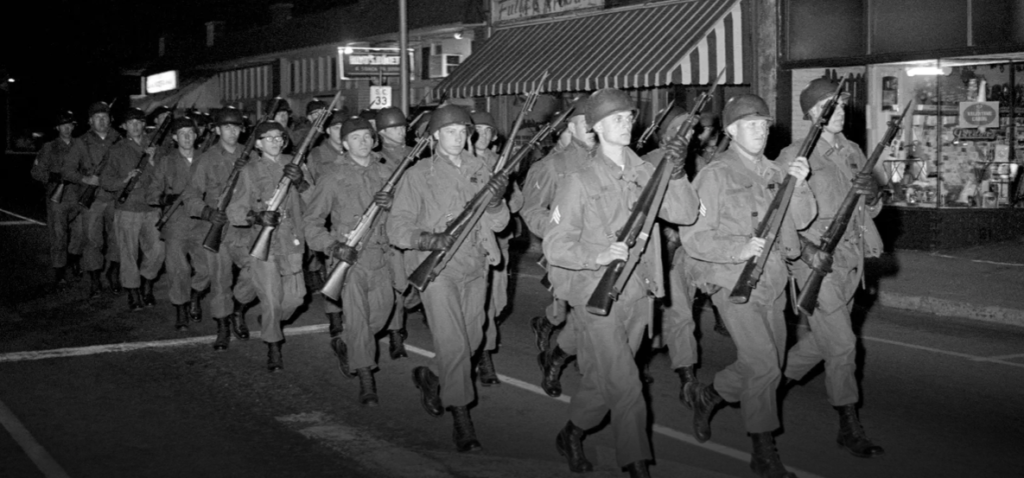
4. The Orangeburg Massacre in 1968 – The Orangeburg Massacre occurred on the night of February 8, 1968, when a civil rights protest at South Carolina State University (SC State) turned deadly after highway patrolmen opened fire on about 200 unarmed black student protestors. Three young men were shot and killed, and 28 people were wounded. The event became known as the Orangeburg Massacre and is one of the most violent episodes of the civil rights movement, yet it remains one of the least recognized.

National Guardsman South Carolina State University – 1968

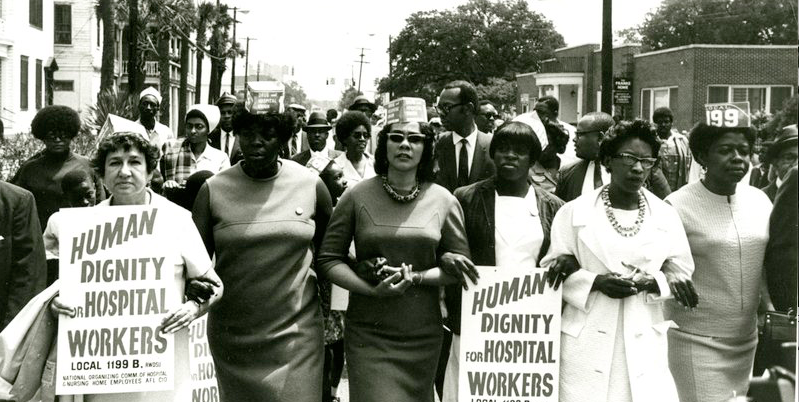
5. The 1969 Charleston Hospital Workers Strike – On March 17, 1969, a group of African American employees at Medical College Hospital (Now Medical University of South Carolina) met with hospital president William McCord in his office to discuss their concerns and grievances with him. After the meeting, Charleston Police Chief John Conroy threatened to arrest the employees when they returned to work.  Twelve employees were fired for abandoning their patients at the end of their shifts.

On March 19, 1969, hundreds of Black hospital workers, predominantly women, went on strike to demand the reinstatement of their coworkers and official recognition of their union. A week later, more than sixty African American employees at the Charleston County Hospital walked off their jobs and joined the strike. The strike ended on June 27, 1969 when the Medical College Hospital promised to rehire strikers the following week, including the twelve employees who had been fired. The Hospital also agreed to abide by a newly established six-step grievance process and provide modest pay increases.

6. In 1970, I.S. Leevy Johnson (Columbia, SC), James Felder (Sumter, SC), and Herbert Fielding (Charleston, SC) became the first African-Americans elected to the SC House of Representatives since 1902.

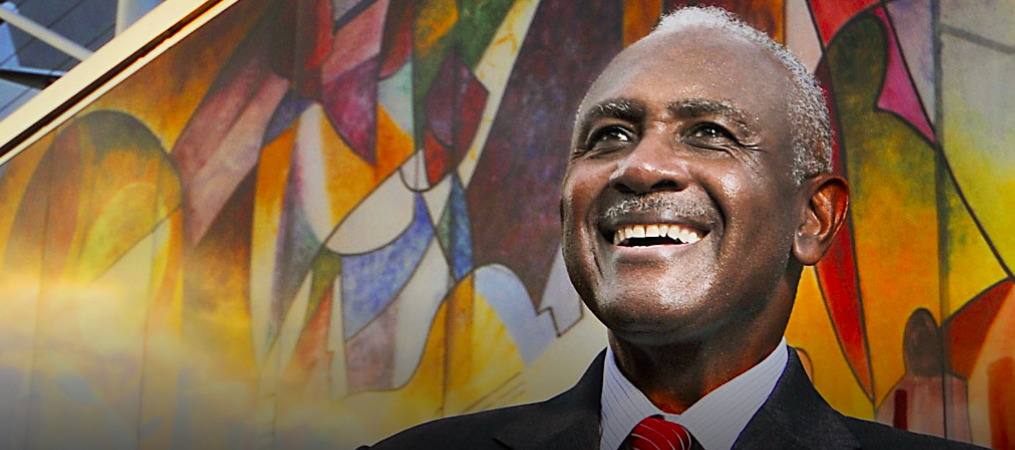
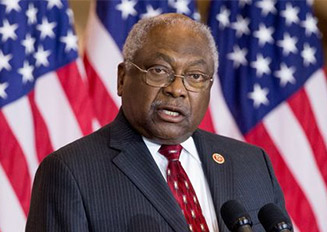
7. The creation of a majority-black congressional district led to James Clyburn’s election to the U.S. House of Representatives in 1992, marking significant progress in political representation.

Rep James Clyburn

These events highlight South Carolina’s complex civil rights history, from legal challenges to protests and political milestones.

Banner Image: Coretta Scott King with strikersCourtesy Avery Research Center for African American History and Culture, College of Charleston, Charleston, SC.

What to learn more? Here are some additional articles that will provide more insight and context on the Civil Rights movement in South Carolina

Boeing South Carolina Breaks Ground on 787 Site Expansion

Read More

  • Expanded footprint to support future 787 production increases as global demand grows.
  • Project to support 1,000 new jobs and more than $1 billion in investments.

NORTH CHARLESTON, S.C., Nov. 7, 2025/PRNewswire/ — Boeing [NYSE:BA] today marked the groundbreaking of its Boeing South Carolina (BSC) site expansion. Home of the 787 Dreamliner program, BSC is set to increase production to a rate of 10 airplanes per month in 2026. The new expansion will allow the site to support higher 787 production rates given strong market demand.

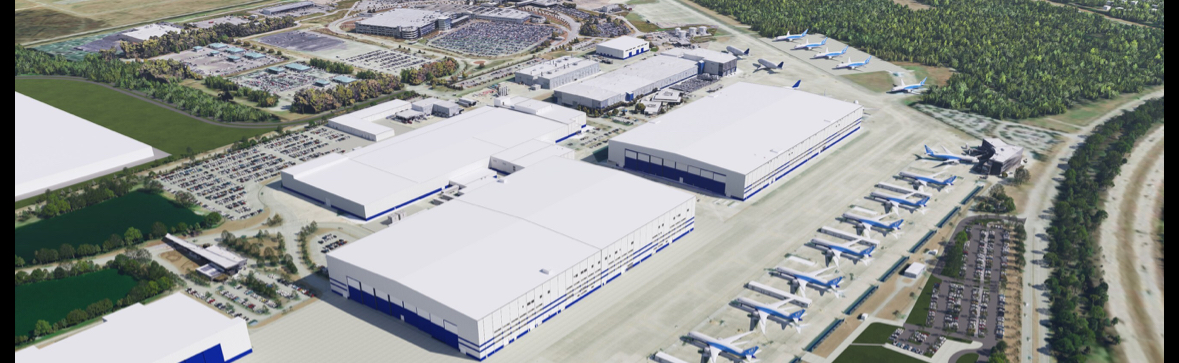
A rendering of Boeing’s Second 787 Final Assembly Building when complete (Credit: Boeing)


In late 2024, Boeing announced plans to expand and upgrade its site near Charleston International Airport and a second campus. The company is investing more than $1 billion in this infrastructure program and plans to create more than 1,000 new jobs over the next five years. The expansion will include:

  • A new final assembly building similar in size to the current final assembly building, which is roughly 1.2 million square feet, and will include airplane production positions, production support and office space.
  • A parts preparation area facility, a vertical fin paint facility, Flight Line stalls and more at the Airport Campus.
  • Additions to the Interiors Responsibility Center, where many of the 787’s interior components are made.

The construction effort will employ more than 2,500 people with over 6.2 million construction hours from the joint venture of HITT Contracting and BE&K Building Group.

Ninety customers from around the world have placed more than 2,250 orders for the 787 Dreamliner family, making it the best-selling widebody passenger airplane of all time.  

After more than 1,200 deliveries, the 787 backlog stands at nearly 1,000 airplanes, including more than 300 orders added just this year. In all, the commercial aviation industry is expected to need more than 7,800 new widebody airplanes over the next two decades, according to Boeing’s Commercial Market Outlook.

“We continue to see strong demand for the 787 Dreamliner family and its market-leading efficiency and versatility. We are making this significant investment today to ensure Boeing is ready to meet our customer’s needs in the years and decades ahead, said Stephanie Pope, president and CEO of Boeing Commercial Airplanes. “This site expansion is a testament to the incredible work of our Boeing teammates and deepens our commitment to them, to South Carolina, and to American manufacturing.”

For more than a decade, BSC has been the home of the full 787 Dreamliner production cycle. Teammates fabricate, assemble and deliver the three Dreamliner models – 787-8, 787-9 and 787-10 – to customers around the world. The company established operations in South Carolina in 2009 and currently employs more than 8,200 people across its campuses in North Charleston and in Orangeburg.

“With visionary leadership, President Trump is restoring America’s industrial base and breathing life back into our great manufacturing states, including the great state of South Carolina,” said U.S. Treasury Secretary Scott Bessent. “We are proud to work alongside American businesses to build the world’s greatest products, create high-paying jobs, and safeguard the economic and national security of our nation.”

“Boeing’s continued investment in South Carolina is a tremendous vote of confidence in our state’s people and business climate,” said South Carolina Governor Henry McMaster. “This $1 billion expansion and the creation of 1,000 new jobs will strengthen our position as a global leader in aerospace and advanced manufacturing. We are grateful for Boeing’s partnership and commitment to the Lowcountry, which will bring new opportunities and economic prosperity across our state.”

“Boeing’s decision to dramatically increase production capability of the 787 in Charleston is the ultimate vote of confidence for the South Carolina workforce,” said U.S. Senator Lindsey Graham. “I’m so pleased that Boeing is putting its money where its mouth is when it comes to South Carolina. The Boeing employees in our state have proven that they are worth the investment. This expanded production will create more jobs and ensure the viability of Boeing in South Carolina for decades to come.”

“Today’s groundbreaking represents a significant milestone not just for Boeing but for the state of South Carolina,” said U.S. Senator Tim Scott. “This expansion will create more than a thousand quality jobs and reinforce our state’s leadership in developing a strong workforce and pro-business environment. I look forward to the opportunities and prosperity this investment will bring to the Lowcountry and beyond.”

“The expansion of the Boeing plant in North Charleston is welcome news,” said U.S. Congressman Jim Clyburn. “Boeing has positioned South Carolina as a leader in the manufacturing and aerospace industry, and has created unprecedented opportunity for our workforce. This new expansion will create 1,000 new jobs. I’m thrilled for this next phase of growth, and look forward to our continuing partnership.”

Imagery will be available on the Boeing Media Asset Portal following the event by 4:00 p.m. Eastern.

About Boeing:
A leading global aerospace company and top U.S. exporter, Boeing develops, manufactures and services commercial airplanes, defense products and space systems for customers in more than 150 countries. Our U.S. and global workforce and supplier base drive innovation, economic opportunity, sustainability and community impact. Boeing is committed to fostering a culture based on our core values of safety, quality and integrity.  

About BE&K | HITT Joint Venture:
HITT Contracting, a top national commercial construction firm with offices in 14 U.S. markets, including Charleston, and BE&K Building Group, a leading national design-build and construction management firm specializing in aviation and aerospace construction, are partnering to deliver the infrastructure upgrade. BE&K | HITT will serve as the construction manager for the project, with BRPH as the architect of record.

Fleet Landing offering a Thanksgiving themed offering served on the half shell this November

Read More

We are excited to share a new seasonal offering from Fleet Landing – a full Thanksgiving Dinner, served on the half shell. Might you have any holiday content in the works where this would be a fit to share?

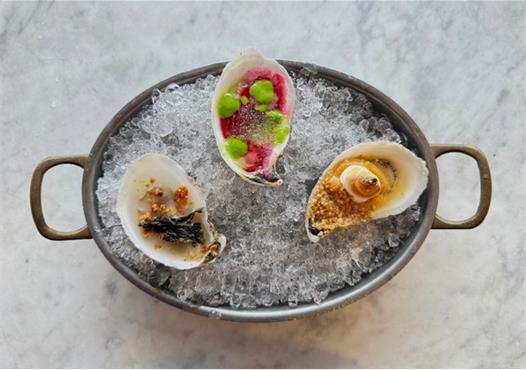
Inspired by traditional Thanksgiving dishes, Fleet Landing is serving up a three-course oyster flight that reimagines holiday favorites with a signature Lowcountry flair. Each course blends traditional flavors with coastal creativity, delivering a festive and unexpected take on the holiday classics. Sharing the full flight below:

  • Thanksgiving Tart featuring cranberry reduction and arugla creme fraiche, topped with wasabi tobiko 
  • Thursday Classic, a salty oyster topped with roasted turkey and sage ‘gravy’, turkey cracklin’ and crispy collards
  • Sweet Potato Pie with candied sweet potato puree, crushed graham cracker and Bruléed honey fluff

Stay connected and subscribe to Charleston Daily.
Residential Homebuilder DRB Homes to Construct 55 Townhomes at Navy Yard Charleston

Read More

NORTH CHARLESTON, SC (November 5, 2025) – Plans for the next phase of Navy Yard Charleston are coming into focus as DRB Homes today announced it will construct 55 townhomes on the property as part of a new, ground-up development dubbed “Marine Row at the Navy Yard.” Located along St. John Avenue between the Navy Hospital and Storehouse Row, the development will be thoughtfully designed to complement the property’s many historic buildings and feature townhomes ranging in size from 1,600 to 2,000 square feet. Construction is anticipated to begin in the second quarter of 2026, with the first home build commencing in the second quarter of 2027.

“We couldn’t be more excited to welcome DRB Homes to the neighborhood,” said Ned Miller, Head of Development at Navy Yard Charleston. “The company not only understands the needs of buyers in the market, but also shares our passion for creating vibrant, well-designed communities. Their team’s ability to deliver unique, high-quality residential products makes them an ideal partner to help us advance the next chapter of Navy Yard Charleston.”

Drawn to Navy Yard Charleston’s design-forward atmosphere, DRB Homes officially joined the mixed-use community in June, setting up a temporary office in Storehouse Seven while its new 10,000-square-foot space was under construction in Storehouse Eight. This state-of-the-art location opened in early November and serves as both a traditional office as well as a showroom for DRB Homes’ Design Studio, an integral part of the company’s homebuilding experience that allows future homeowners to personalize their homes.

“While there has long been buzz around the Navy Yard Charleston redevelopment, our desire to be involved in it grew with intensity once we engaged with the larger team,” said Bennett Rogers, Division Director of Land Development, DRB Homes. “The long-term vision for the property combined with our love for this market is what attracted us to the site, and we look forward to playing a role in such a pivotal project for the region.” 

Navy Yard Charleston’s partnership with DRB Homes exemplifies the ownership team’s commitment to establishing the mixed-use neighborhood as a dynamic, creative ecosystem featuring shops, restaurants, showrooms, maker spaces, offices, residences, entertainment and cultural venues, and social gathering spots. Through this collaboration, residents will soon have the opportunity to buy into the multi-phase redevelopment and build their dream home alongside a collection of innovative brands stimulating the local economy.

DRB Homes is one of several businesses that have recently chosen to call Navy Yard Charleston home, including Artis Construction (coming soon), Dwell Somatic Studio (open), Second State Coffee (coming soon), Studio Spa by Madeline (open), and Textures (open). Kravet, a leader in home furnishings available exclusively to the trade, opened its new 2,240-square-foot showroom inside Storehouse Eight in October. Esteemed design house Schumacher and its sister concept Patterson Flynn are slated to open a 3,760-square-foot showroom in the same building later this year.

To keep up with happenings at Navy Yard Charleston, visit navyyardcharleston.com and follow the destination on Instagram and Facebook. For more information on DRB Homes, visit drbhomes.com.

###

About Navy Yard Charleston 

Navy Yard Charleston is a multi-phase redevelopment to transform the former Charleston Naval Base into a vibrant mixed-use neighborhood and regional destination that celebrates and amplifies the history and culture of the Lowcountry. Situated on 85 acres along the Cooper River in North Charleston, Navy Yard Charleston includes the restoration and reactivation of historic buildings as well as new construction. Today, Navy Yard Charleston is home to dozens of companies, including designers and makers. In the future, Navy Yard Charleston is projected to encompass more than 3.2 million square feet and feature a dynamic mix of office, residential, retail, dining, showrooms, entertainment and cultural venues, and community green spaces. For more information, visit navyyardcharleston.com.  

About DRB Group

For over 35 years, The Development & Residential Building Group (DRB Group) has set the standard for excellence in homebuilding. As an industry leader, we bring innovation, quality, and craftsmanship to every home we build with two premier homebuilding brands—DRB Homes and DRB Elevate 55+—we offer an impressive selection of thoughtfully designed floor plans, delivering award-winning homes that cater to every lifestyle. From the East Coast to Arizona, Colorado, Texas, and beyond, our passion is improving the lives of our homeowners. With hundreds of communities across the country and an award-winning portfolio of home designs for every lifestyle, DRB Homes is proud to offer a more personalized approach every step of the way and deliver on our promise of creating an exceptional new home and rewarding experience.

Have you encountered a ghost? A new College of Charleston study is being conducted and they are seeking your input

Read More

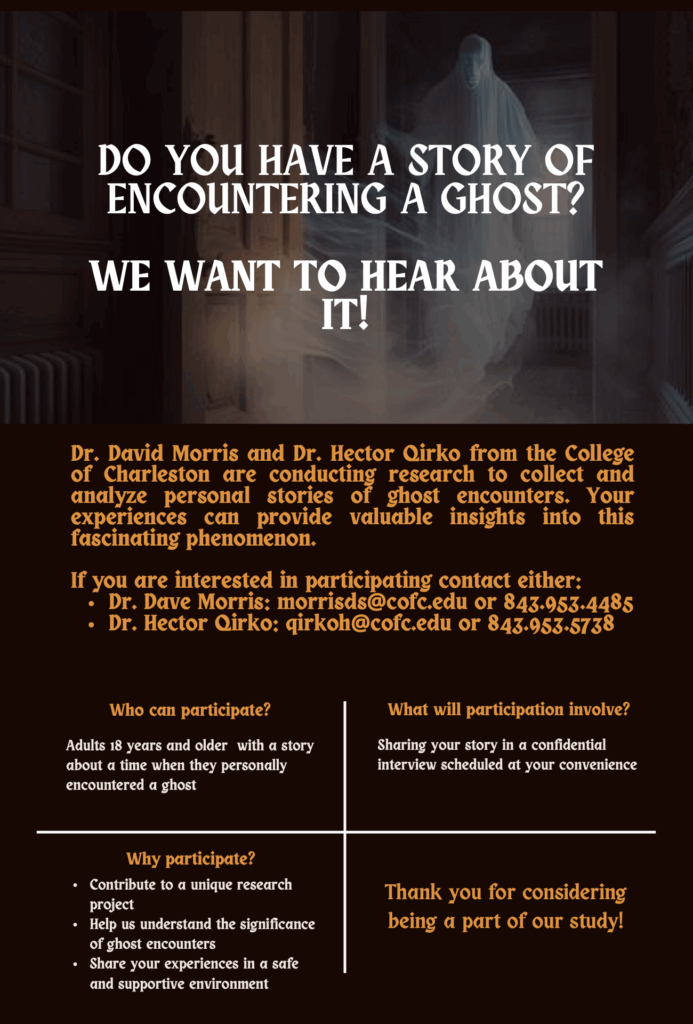
Do you feel you experienced a true ghost encounter? If so, Dr. David Morris and Dr. Hector Qirko from the College of Charleston would like to speak to you and learn more about your story.

Interested in participating?

  • Email or call either Dr. Dave Morris at morrisds@cofc.edu / 843.953.4485 or Dr. Hector Qirko at qirkoh@cofc.edu / 843-953-5738
  • You must be 18+ to participate
  • All information shared will remain confidential

Stay connected and subscribe to Charleston Daily.