 by
by 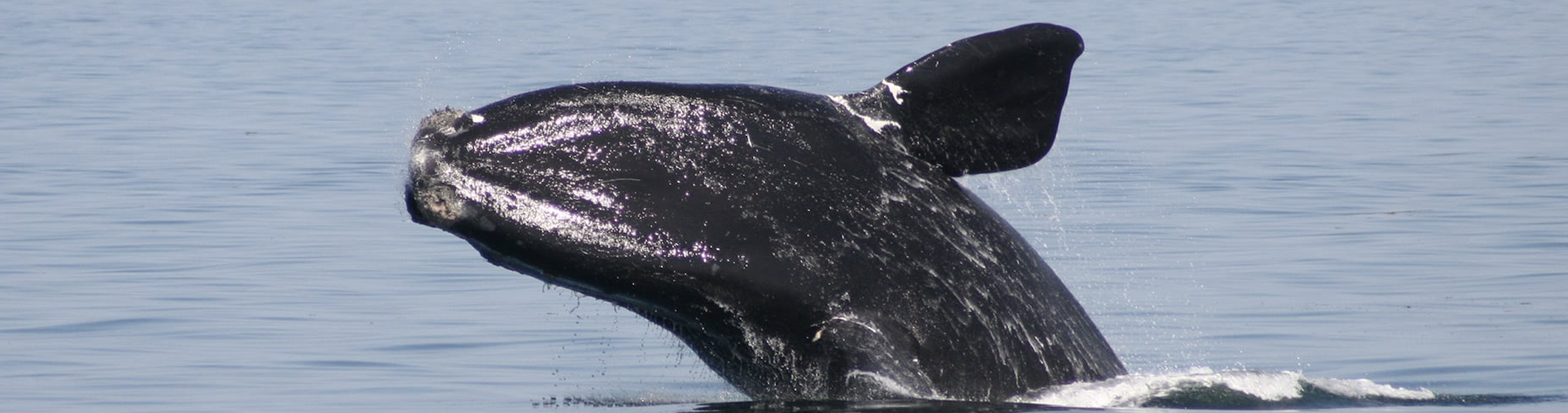
Hilton Head Island, South Carolina: Right whales were spotted by fisherman off Hilton Head Island and Savannah, GA on Wednesday 11/5/25. There was also a whale sighting off Cape Lookout, NC on Saturday but it’s unknown if these are the same whales.
As the calendar turns toward winter, North Atlantic right whales are beginning their crucial southward migration to the waters off the Southeastern U.S., from North Carolina to Florida, to give birth. With only approximately 380 individuals remaining, every successful birth is vital for the survival of this critically endangered species, making safe boating practices paramount this season.
The official right whale calving season spans from November 15th through March, but sightings often begin earlier in November. Mothers and their newborns frequently swim close to the shoreline and just below the surface, making them difficult to spot and extremely vulnerable to vessel collisions. Last year, the first whales were sighted off South Carolina waters.
Lauren Rust, executive director of LMMN, emphasizes the danger:
“It is important for boaters to be aware that right whales are off our coast over the next six months, many with new calves. They may be closer to shore, just below the surface, and moving slowly. Be vigilant and report all sightings immediately. Keeping track of these animals may be the best way to their survival. Vessel strikes can be deadly to a whale and can potentially cause unsafe damage to a vessel.”
To minimize the risk of vessel strikes, the Clearwater Marine Aquarium (CMA) lead regular aerial surveys throughout the Southeast. When right whales are spotted, researchers immediately alert the U.S. Coast Guard and mariners of their locations. Boaters are critically urged to heed all warnings and alerts and steer clear of known whale locations.
Boaters are reminded that due to their slow movement and often submerged position, a vessel strike can be dangerous for both the whale and the vessel itself. Mariners are encouraged to slow down, maintain a sharp lookout, and stay at least 500 yards away from any whale.
“LMMN is the only South Carolina Stranding Permit Holder and leads the South Carolina Marine Mammal Stranding Network (SCMMSN) to respond to marine mammal strandings all along the state’s coastline,” continued Rust. “The team at LMMN is always on standby to receive and share information about all marine mammals along our coastline. In the instance an animal strands, LMMN, along with other coastal agencies, is ready to respond.”
All marine mammals are federally protected by the Marine Mammal Protection Act (MMPA) and only those authorized under the MMPA may legally handle live and dead marine mammals. Dolphins and other marine mammals strand when they are sick or injured; pushing a marine mammal back into the water delays assessment and treatment from trained responders and can lead to further injury, suffering, and eventual death. Stay at least 500 yards away from the critically endangered Right Whale and never pursue or follow one.
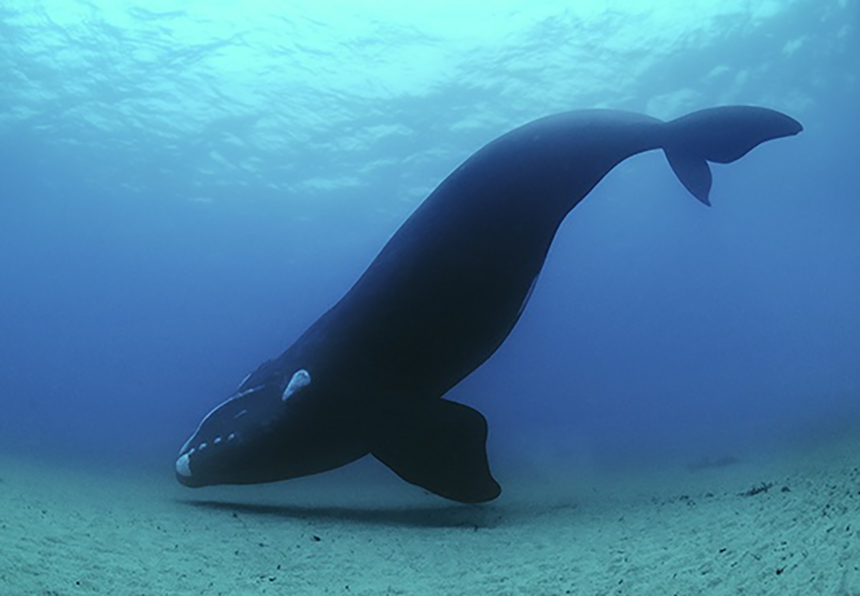
If you see an animal, follow these steps to help:
1. Report all sightings by calling 877-WHALE-HELP (877-942-5343), hailing the U.S. Coast Guard on marine VHF channel 16 or using the Whale Alert app (https://www.whalealert.org).
2. Collect a GPS location and move away.
3. Do not follow or pursue animals.
4. If an animal is dead floating or has beached itself in South Carolina, report it to the SCDNR wildlife hotline at: 800.922.5431. Collect a GPS location and photograph.
If the stranded marine mammal is alive, call to report it ASAP! This will allow experts to have the most success possible in locating the marine mammal.
For more information about LMMN, its response to marine mammal strandings and what to do if you find a stranded marine mammal, please visit https://www.lowcountrymarinemammalnetwork.org/stranding-response.
About the Lowcountry Marine Mammal Network: The Lowcountry Marine Mammal Network (LMMN) is a 501(c)3 nonprofit focused on protecting marine mammals in South Carolina waters. Their mission is to raise awareness about marine mammals in coastal South Carolina, educate the general public on federal regulations, and foster young stewards in ways to protect both marine mammals and their environment. They achieve this through a number of education, monitoring and school programs.
