Charleston Daily is a concept in community. Its mission is to promote, assist, and celebrate in everything Charleston, South Carolina. By partnering with businesses, community leaders, volunteers and events, we are spreading the love that is Charleston.
As this city continues to grow and prosper, we want to help spread the message to all about how wonderful this community is.
Charleston is about the people, community, water, land, history, heritage and the true southern warmth it brings with each and every day.
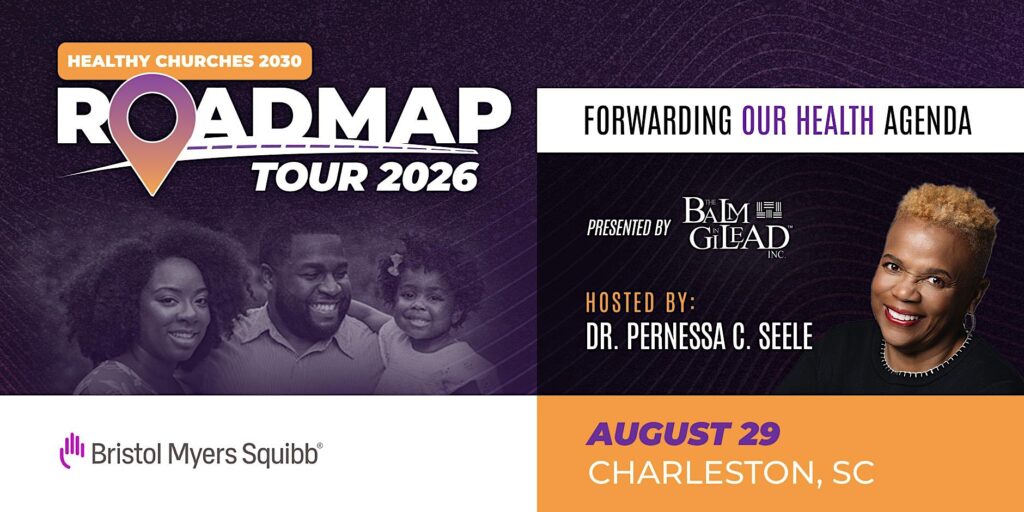
Healthy Churches 2030 Roadmap Tour: Upgrade Your Health Agenda
Free health event hosted in North Charleston, SC, Saturday, August 29
Richmond, VA – The Balm In Gilead, Inc. is bringing the Healthy Churches 2030 Roadmap Tour: Upgrade Your Health Agenda, to North Charleston on Saturday, August 29, 9 a.m. – 3 p.m. at Charity Missionary Baptist Church, 1544 E Montague Ave, North Charleston, SC 29405.
What is your health agenda? Individuals, families, congregations and communities at-large are invited to attend the conference and explore the answer to this question. Attendees will receive life-saving health information, hear from medical experts and more. Lunch is included.
The event will also feature a special musical performance by acclaimed gospel artist VaShawn Mitchell, a seven-time Stellar Award winner, three-time GMA Dove Award winner, and multiple GRAMMY nominee.
“When families have access to the care, knowledge, and resources they need, entire communities prosper. We’re committed to removing the barriers that stand in the way of health equity and ensuring every family has the opportunity to thrive with dignity, hope, and opportunity,” said Dr. Pernessa C. Seele.
The Roadmap Tour is part of the Healthy Churches 2030 Initiative, a multifaceted effort driven by the principles of Healthy People 2030, a program led by the Department of Health and Human Services.
The Healthy Churches Roadmap Tour is supported by Bristol Myers Squibb, Multiple Myeloma Research Foundation and the American Kidney Fund.
About The Balm In Gilead, Inc.
Founded in 1989, The Balm In Gilead, Inc., a not-for-profit, non-governmental organization, has developed an international reputation for providing an insightful understanding of religious cultures, values, and extraordinary abilities to build strong, trusted partnerships with faith communities throughout the world. By working with national, regional, and local faith-based partners, we establish grass-roots health delivery systems and increase the number of individuals who have the knowledge to lead in areas of health promotion, disease prevention, screening, and disease management. To learn more, visit www.BalmInGilead.org.
CHARLESTON, S.C. – ESPN Events has officially announced the six teams participating in the 2026 Shriners Children’s Charleston Classic, set to return for its 18th year at TD Arena in Charleston, S.C. This year’s event will be held on November 20 and 22 and consist of three standalone games on each day, with each team playing one game on November 20 and one game on November 22.
Matchups, tip-off times, and ESPN network designations for all games will be announced in the coming months.
Team Highlights
Dayton (Atlantic 10) has posted five consecutive 20-win seasons under head coach Anthony Grant. The Flyers are coming off a 25-win season in 2025 and an NIT quarterfinal appearance.
Minnesota (Big Ten) is led by returning senior forward Jaylen Crocker-Johnson, who averaged 13.4 points and led the team with 6.8 rebounds per game last year.
Northwestern (Big Ten) made the first back-to-back NCAA Tournament appearances in program history in 2023 and 2024, reaching the Second Round both years.
Oklahoma State (Big 12) finished the 2025-26 season 20-15 and reached the NIT Second Round. The Cowboys are led by returning senior guard Kanye Clary, who averaged 10.6 points and 4.6 assists last year.
Utah (Big 12) Head Coach Alex Jensen begins his second season back at his alma mater, looking to take another big step in returning the Runnin’ Utes to national prominence as they battle in the Big 12 Conference.
Virginia Tech (ACC) is led by senior forward Amani Hansberry, who averaged 14.3 points per game and earned NABC First Team All-East Region honors.
Owned and operated by ESPN Events, the Shriners Children’s Charleston Classic is in its 18th year. Past Classic champions include Utah State and Clemson (2025), Drake (2024), Houston (2023), College of Charleston (2022), St. Bonaventure (2021), and Florida (2020).
The family-friendly event provides participating teams with a week of competition, practice, and unique experiences throughout historic Charleston. The Charleston Classic website offers information on things to do in the historic city, tickets, and additional event details. Tickets will go on sale after the matchups and game times are announced later this summer.
Pre-Sale Signup
For first access to premium seats and the lowest prices, sign up today:
About Shriners Children’s Shriners Children’s improves the lives of children by providing pediatric specialty care, conducting innovative research, and offering outstanding education programs for medical professionals. Children with orthopedic conditions, burns, spinal cord injuries, and cleft lip and palate are eligible for care, regardless of the families’ ability to pay, and receive all care and services in a compassionate, family-centered environment. For more information, please visit shrinerschildrens.org.
About ESPN Events ESPN Events, a division of ESPN, owns and operates a portfolio of collegiate sporting events nationwide. In the 2025-26 academic year, the 35-event schedule included three early-season college football kickoff games, 17 college bowl games, 10 college basketball events, two college volleyball events, the premier regular season college softball and gymnastics events, as well as the Band of the Year National Championship. Collectively, these events accounted for over 400 hours of live programming on ESPN platforms, reaching 60 million viewers and attracting more than 650,000 annual attendees. Each year, the portfolio of events features more than 20 Division I conferences and hosts over 4,000 participating student-athletes. With satellite offices in more than 10 cities across the country, ESPN Events builds relationships with conferences, schools and local communities, as well as providing unique experiences for teams and fans.
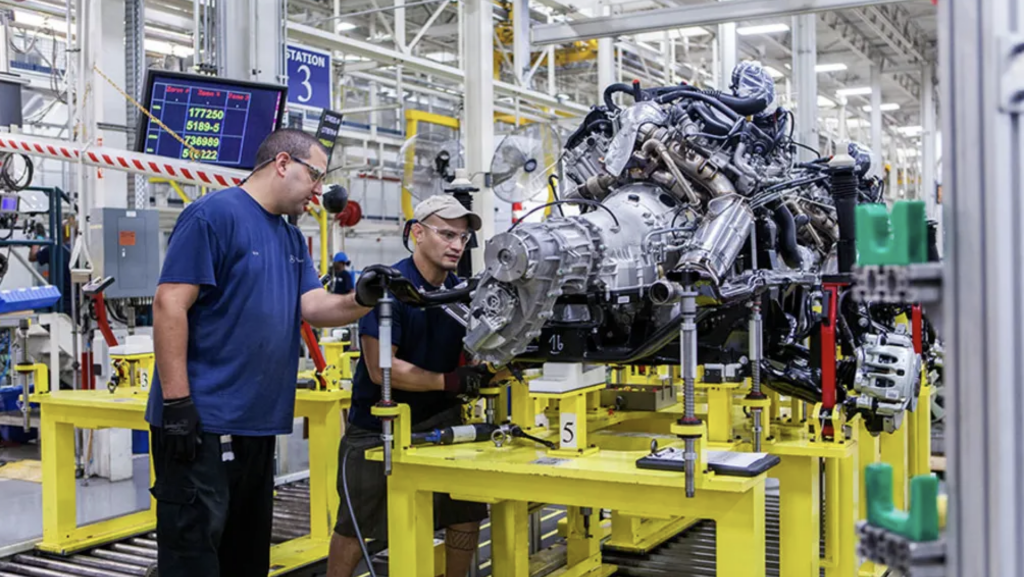
When a global manufacturer announces a new facility in the Charleston region, or an innovative technology company selects the Lowcountry for expansion, there’s often an organization working behind the scenes long before the ribbon-cutting ceremony takes place. That organization is the Charleston Regional Development Alliance (CRDA), a public-private partnership that has spent more than three decades helping transform the Charleston metropolitan area into one of the Southeast’s most dynamic economies.
Representing Berkeley, Charleston and Dorchester counties, the CRDA serves as the region’s lead economic development organization, bringing together business leaders, local governments, educational institutions and workforce partners with one common objective: creating long-term prosperity through strategic economic growth. Rather than competing county by county, the alliance markets the Charleston region as a unified destination for investment, innovation and talent.
Three Decades of Regional Leadership
Since its founding more than 30 years ago, the Charleston Regional Development Alliance has helped recruit and support hundreds of business expansion and relocation projects that have reshaped the regional economy. According to the organization, its efforts from 1995 through 2025 helped facilitate more than 330 business announcements, nearly 39,000 new jobs, $13 billion in capital investment, and approximately $1.5 billion in annual payroll across the three-county region.
While Charleston has long been recognized for its history, tourism and quality of life, CRDA has played a significant role in expanding the region’s economic identity to include aerospace, advanced manufacturing, life sciences, logistics, technology and professional services. Today, companies from around the world view the Lowcountry as a competitive location for investment because of the collaborative foundation built over decades.
A Single Point of Contact for Growing Businesses
One of CRDA’s greatest strengths is simplifying what can often be a complicated process for businesses considering relocation or expansion.
The alliance provides confidential, no-cost assistance to corporate decision-makers by coordinating site selection, labor market analysis, workforce availability, incentive information, commercial real estate opportunities and introductions to regional partners. Instead of navigating multiple agencies independently, businesses work through a single organization that connects them with local governments, utilities, higher education institutions, workforce development organizations and state agencies.
This streamlined approach saves companies valuable time while allowing local governments and economic development partners to present a unified vision for regional growth.
Supporting Charleston’s Key Industries
Much of Charleston’s economic success can be traced to the development of industry clusters rather than isolated business recruitment.
CRDA actively promotes sectors including:
Aerospace and aviation
Automotive manufacturing
Logistics and global trade
Advanced manufacturing
Life sciences
Technology and software
Corporate headquarters and professional services
The organization’s regional strategy leverages assets such as the Port of Charleston, an expanding international airport, interstate connectivity, higher education institutions and a highly skilled workforce to attract employers seeking long-term growth opportunities.
Investing in Innovation
Economic development today extends well beyond recruiting new employers.
Recognizing this, CRDA has broadened its mission to strengthen the region’s innovation ecosystem. Through initiatives such as the Charleston Region Innovation Scorecard and partnerships with research institutions, entrepreneurs and The Catalyst Foundation, the alliance measures innovation performance while encouraging startup growth, technology commercialization and research collaboration.
This focus helps ensure the Charleston region remains competitive as industries increasingly rely on advanced technologies, automation and highly skilled talent.
Addressing Workforce Challenges
One of the biggest challenges facing the Charleston region is balancing rapid job growth with housing affordability and workforce availability.
CRDA works closely with educational institutions, technical colleges and workforce development organizations to help employers build talent pipelines. In addition, the organization has launched initiatives such as the Charleston Workforce Housing Fund, designed to preserve attainable housing options for the employees who keep the region’s economy moving.
These efforts recognize that successful economic development is about more than attracting employers—it also requires ensuring workers can afford to live and build careers in the communities they serve.
Why Regional Collaboration Matters
Perhaps CRDA’s greatest contribution has been changing how the Lowcountry approaches economic development.
Rather than competing internally, Berkeley, Charleston and Dorchester counties increasingly collaborate on projects that benefit the entire metropolitan area. This regional mindset allows the Charleston market to compete more effectively against larger metropolitan areas across the Southeast for major corporate investments.
For businesses evaluating multiple states and regions, a coordinated strategy often becomes a deciding factor.
Looking Ahead
As population growth, technological innovation and global competition continue to reshape local economies, organizations like the Charleston Regional Development Alliance will play an increasingly important role in guiding sustainable growth.
By connecting businesses with resources, supporting entrepreneurs, fostering innovation and strengthening partnerships across the public and private sectors, CRDA continues to help ensure the Charleston region remains one of America’s premier places to invest, work and build a business.
For many residents, the organization’s work happens quietly behind the scenes. Yet the new jobs, expanding industries and economic opportunities enjoyed throughout the Lowcountry are often the result of years of planning, collaboration and strategic leadership.
In many ways, the Charleston Regional Development Alliance serves as both the architect and ambassador of the region’s economic future—helping preserve the qualities that make the Lowcountry unique while ensuring it continues to thrive for generations to come.
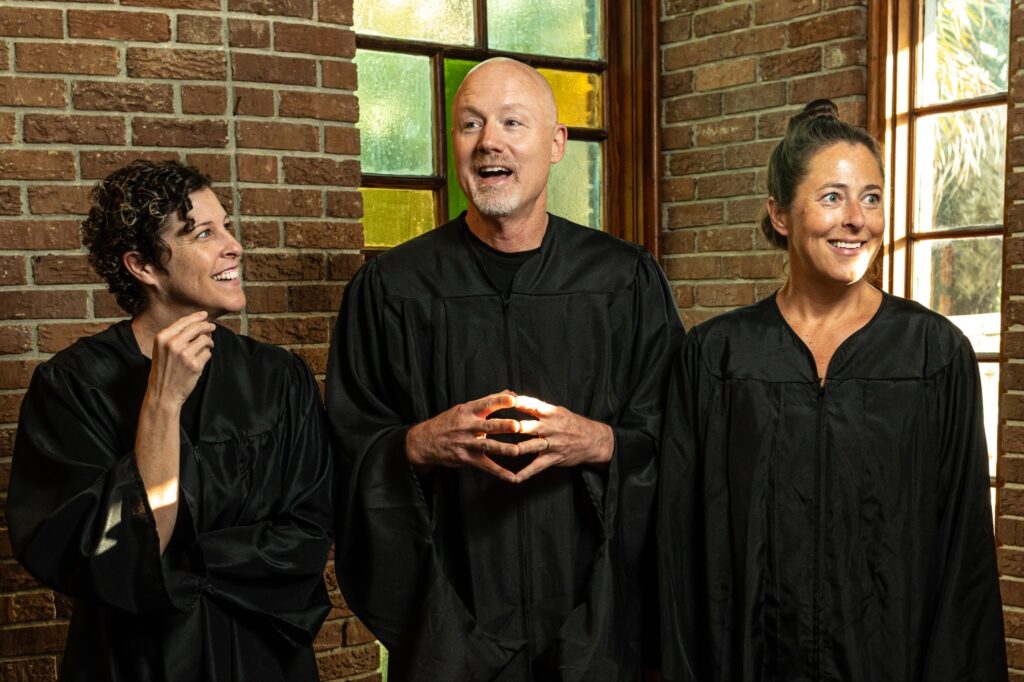
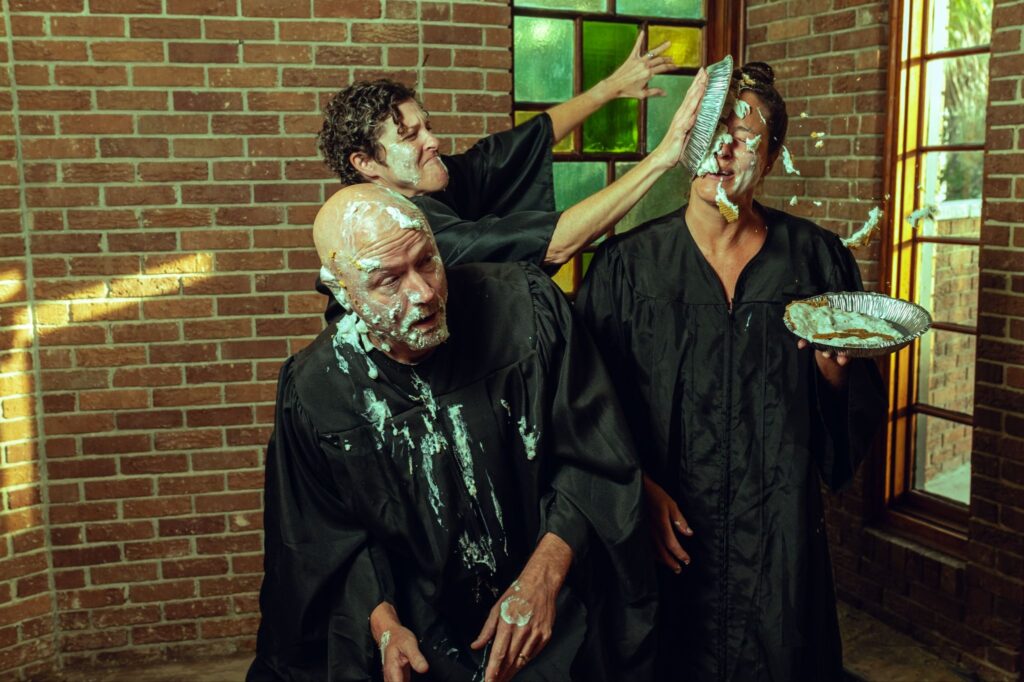
A church’s cookbook committee reaches for financial salvation and finds all-out war in this brand new comedy, all captured in ridiculously nuanced honesty by a mockumentary film crew straight out ofBest in Show or The Office.
PURE Theatre will open its 24th season with the world premiere of Church Wars, a new comedy by Fred Thompson, directed by PURE Co-founder and Artistic Director Sharon Graci. The production runs August 28 through September 19 at the Cannon Street Arts Center, with a Pay What You Will preview on August 27.
Charleston audiences will remember Thompson as the playwright behind PURE’s hugely popular Atwater, which found notorious South Carolina political operative Lee Atwater at the gates of heaven, furiously lobbying Saint Peter to let him in. In Church Wars, Thompson turns that same uniquely comic and sardonic eye toward another institution built on faith, fellowship, ambition, and the deeply held conviction that somebody else is doing it wrong.
The church is in financial trouble. The solution? A cookbook.
Not just any cookbook, mind you. This one will be chock-full of cherished family recipes, lovingly collected and sold to an eager public. And if the committee’s planned first printing of 100,000 copies seems overly optimistic, well, that is exactly the kind of negativity the church does not need right now.
Everyone is happy to share a treasured family recipe until someone suggests changing it or leaving it out. Before long, project-managing the cookbook is creating far more trouble than it was meant to solve.
Church Wars unfolds as a live film-within-a-play mockumentary, blending onstage action with documentary video footage that catches the characters saying more than they intended and reacting before they can edit themselves.
“Fred has an extraordinary ability to expose the absurdity in people without ever losing sight of their humanity,” said Graci. “These characters are completely certain they are acting in the best interest of the church. Once the cameras start rolling, things go perfectly, gloriously off the rails.”
The production features PURE Theatre Core Ensemble members Camille Lowman, Emily Wilhoit, R.W. Smith, Anna Lin, and Michael Smallwood, joined by Julian Gordon, Ngaa Magombedze, Edie Allen, Tara Holwenger, Samantha Smith, and Mason Monti.
“PURE’s audience is amazing,” said Graci. “For 24 seasons, they have actively participated in the generative nature of professional theatre by showing up for new work and helping us bring new plays fully to life. Church Wars is our third world premiere in a row, following The Ocean We Swim In and Red Shirts, and it could not be more different from either of them. Fred has filled this church with characters who feel unmistakably Southern, from their fierce loyalties to the grudges tucked beneath all that fellowship. We know them, we love them, and, if we’re honest, most of us know exactly where we’d be sitting at that committee table.”
Tickets for Church Wars range from Pay What You Will to $53. Pay What You Will performances will be held on August 27 and September 2, with Pay What You Will tickets available for online purchase one week before opening. Student tickets are available for $12 for every performance.
Additional information about Church Wars can be found on PURE’s website at puretheatre.orgor by calling the box office at 843.723.4444, Tuesday through Friday from 10:00 am to 4:00 pm.
ABOUT PURE THEATRE
Founded in 2003, PURE Theatre is Charleston’s award-winning professional theatre company, now entering its 24th season. Built around a resident ensemble of actors, directors, and designers, PURE produces bold contemporary plays, often Southeastern and world premieres, that bring the most current voices in American theatre to Charleston. Known for exceptional ensemble work at close range, PURE offers audiences a boutique cultural experience that complements the city’s historic and culinary landscape.
PURE Theatre creates exceptional theatre experiences that enliven thought, ignite conversation, and heighten consciousness for a diverse gathering of artists and audiences.
PURE’s staff includes Sharon Graci, Co-founder and Artistic Director; Rodney Lee Rogers, Co-founder and Producing Director; David Mandel, Associate Artistic Director; Joy Vandervort-Cobb, Associate Artistic Director; Tippy Trombly, Patron Experience and Marketing Manager; and Isabella Gardner, Associate Patron Experiences Manager.
Serving on PURE Theatre’s board of directors are Stephanie Hunt, President; James M. Ward, CPA, Treasurer; Michael Culler; Amy Gaffney; David Smalls; Bea Wray; and Josh Wilhoit.
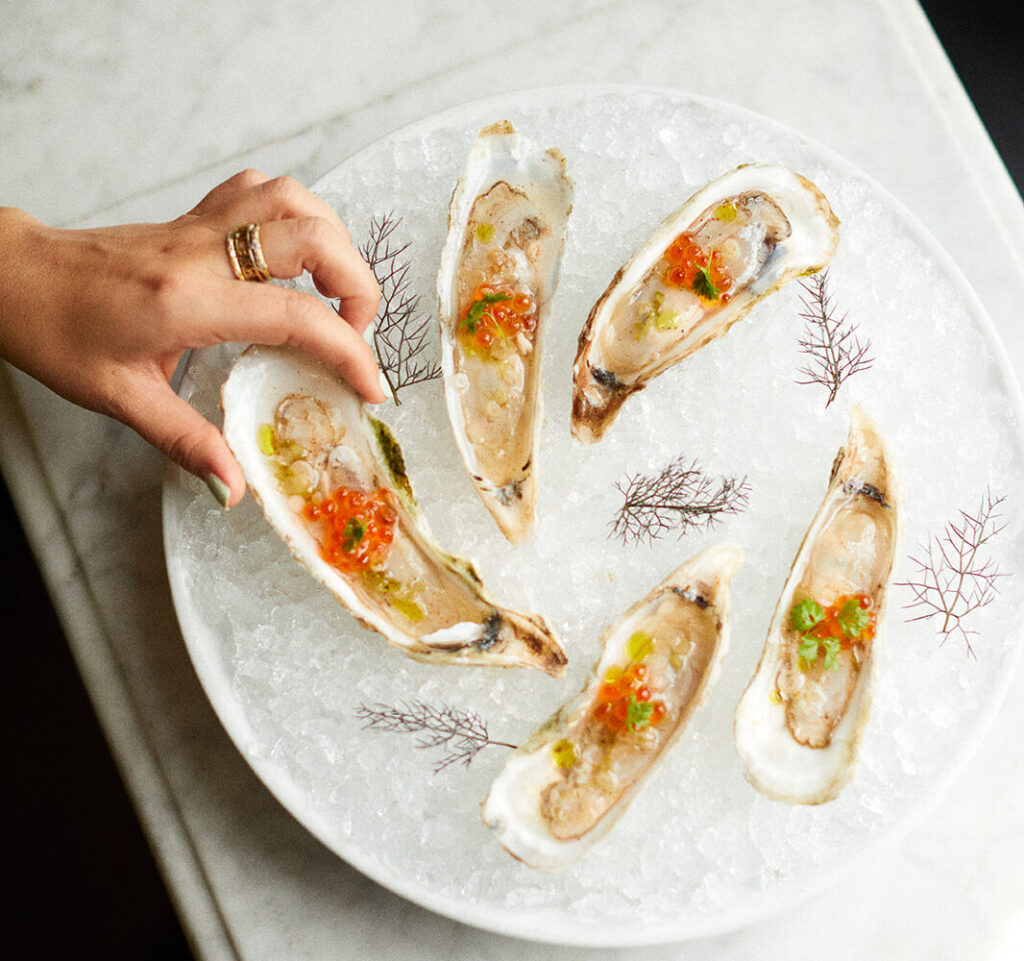
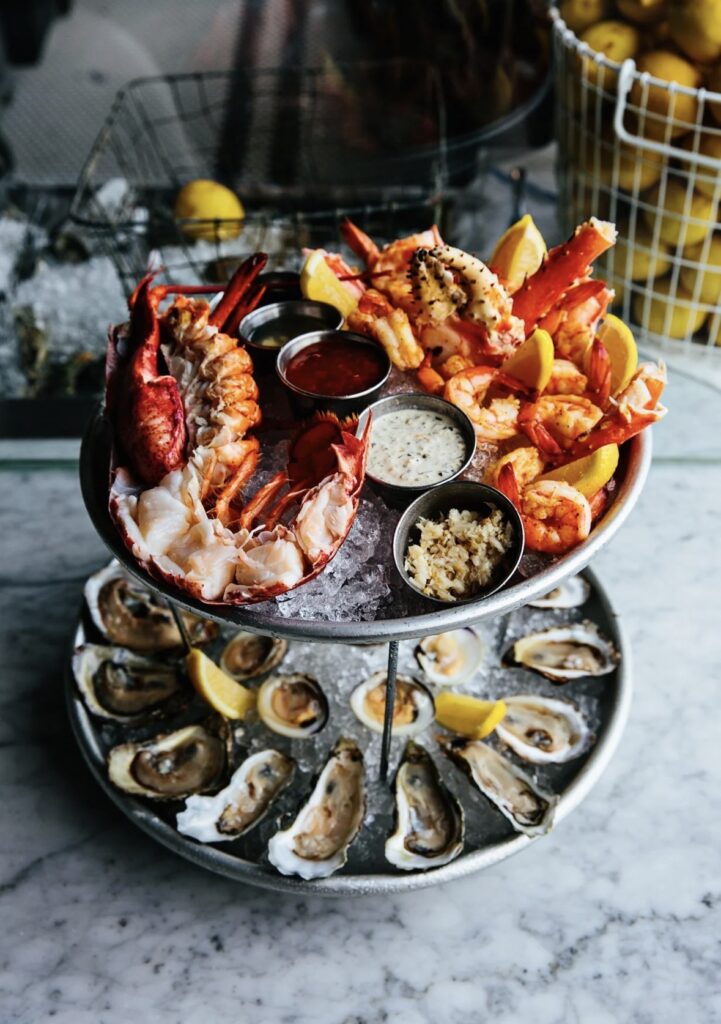
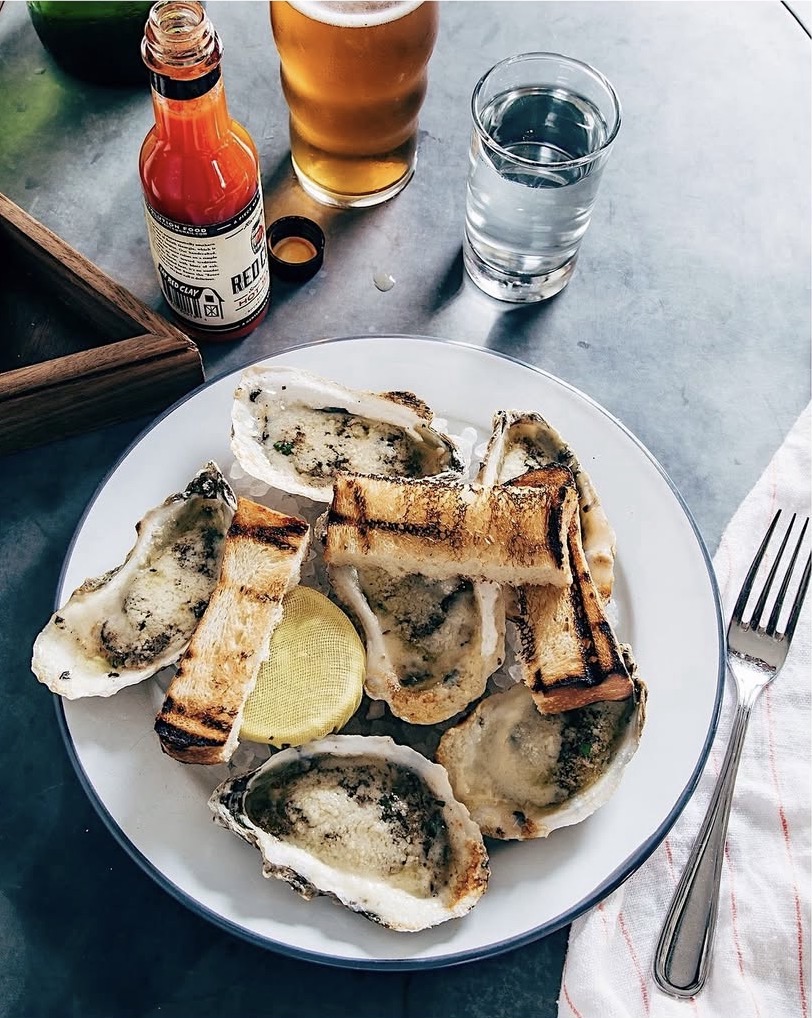
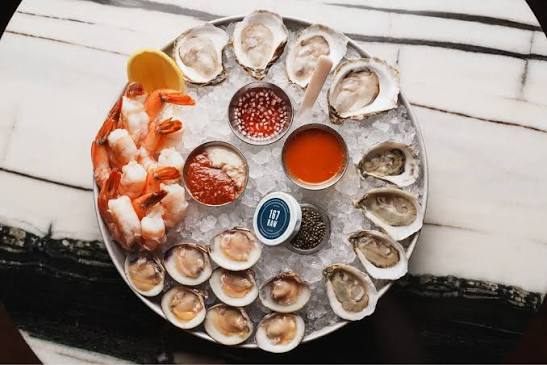
It’s National Oyster Day, and in Charleston, that’s about as good an excuse as we need to order another dozen.
There are few foods more deeply woven into the Lowcountry than the humble oyster. Charleston’s relationship with the bivalve goes well beyond the restaurant plate — oysters help build reefs, filter coastal waters and have long been part of the region’s culinary culture. And while South Carolina’s wild oyster harvesting season is a cooler-weather affair, Charleston’s raw bars keep oyster lovers supplied year-round with selections from around the East Coast and beyond. (SCDNR)
So, in honor of National Oyster Day — August 5 — here are five solid Charleston stops for getting your slurp on. (National Day Calendar)
1. The Ordinary
The Ordinary Web Address: 544 King St, Charleston, SC 29403, United States Phone: +1 843-414-7060 544 King Street
If oysters are the mission, The Ordinary is one of Charleston’s essential stops. Housed in a beautifully repurposed historic bank building on Upper King, this seafood hall puts the raw bar front and center, with a rotating selection that showcases the different flavors of oysters from coastal waters.
The experience feels distinctly Charleston but decidedly modern — elegant without being precious. And if you’re willing to venture beyond the half-shell, the restaurant’s celebrated crispy oyster sliders are another reason to come hungry. (Charleston Area CVB)
Best for: A more polished oyster night with plenty of seafood to explore.
2. 167 Raw Oyster Bar
167 Raw Oyster Bar Web Address: 193 King St, Charleston, SC 29401, United States Phone: +18435794997 193 King Street
There’s a reason 167 Raw has become almost synonymous with Charleston’s modern seafood scene. The intimate King Street oyster bar is buzzy, casual and serious about its seafood, with a constantly changing selection of oysters and an atmosphere that feels more like a great neighborhood hangout than a formal restaurant.
The only catch? Popularity. 167 Raw does not take traditional reservations, and waits can be part of the experience. But for many oyster devotees, a little patience is a small price to pay for a plate of beautifully shucked oysters — and perhaps one of the city’s legendary seafood sandwiches afterward. (Charleston)
Best for: Oyster obsessives who don’t mind a little wait for a lot of reward.
3. The Darling Oyster Bar
The Darling Oyster Bar Web Address: 513 King St, Charleston, SC 29403, United States Phone: +1 843-641-0821 513 King Street
The name gives away the agenda. The Darling is one of Charleston’s most unabashedly oyster-centric restaurants, with a lively raw bar right on King Street.
It’s a particularly good choice if your table has mixed seafood tastes. You can settle in over oysters and cocktails while the rest of the group explores everything from seafood starters to Lowcountry favorites. The raw bar regularly features multiple oyster varieties, making it a fun place to compare the subtle differences in flavor and texture. (Charleston Area CVB)
Best for: A lively night out when oysters are only the beginning.
The Darling
4. Amen Street Fish & Raw Bar
Amen Street Fish & Raw Bar Web Address: 205 E Bay St, Charleston, SC 29401, United States Phone: +1 843-853-8600 205 East Bay Street
Just steps from the City Market, Amen Street is an easy choice when you want oysters without turning dinner into a major production. The downtown raw bar has a relaxed, energetic atmosphere and a menu built around seafood, making it particularly well suited to a spontaneous oyster-and-cocktail stop.
The oyster bar is often the star for diners who want to sample the raw selection, while the broader menu makes it easy to turn the visit into a full Charleston seafood dinner. (Tripadvisor)
Best for: A casual downtown oyster stop while exploring the Historic District.
5. Leon’sFine Poultry & Oysters
Leon’s Web Address: 698 King St, Charleston, SC 29403, United States Phone: +1 843-531-6500 698 King Street
For something a little more relaxed, head to Leon’s. The casual Upper King favorite famously pairs two Southern obsessions — fried chicken and oysters — in a converted auto-shop setting that feels quintessentially Charleston without feeling remotely formal.
Leon’s is especially appealing if you’re not looking for a white-tablecloth seafood experience. Grab a cold drink, settle into the laid-back atmosphere and order the oysters alongside that famous fried chicken. It’s a combination that sounds slightly improbable until you realize it makes perfect sense.
Best for: Casual Charleston dining, cold drinks and oysters without the fuss.
Leon’s
A Charleston Oyster Note
If you’re looking specifically for South Carolina wild oysters, remember that August isn’t the traditional harvesting season. SCDNR’s recreational harvest season generally runs from October into the spring, with harvesting prohibited during the warmer months. (SCDNR)
But that doesn’t mean you have to wait until fall to celebrate. Charleston’s oyster bars source oysters from a variety of farms and regions, meaning a good half-shell is still very much on the menu in August.
So today, raise a cold drink, order a dozen, add a squeeze of lemon — and celebrate one of the Lowcountry’s greatest gifts from the sea.
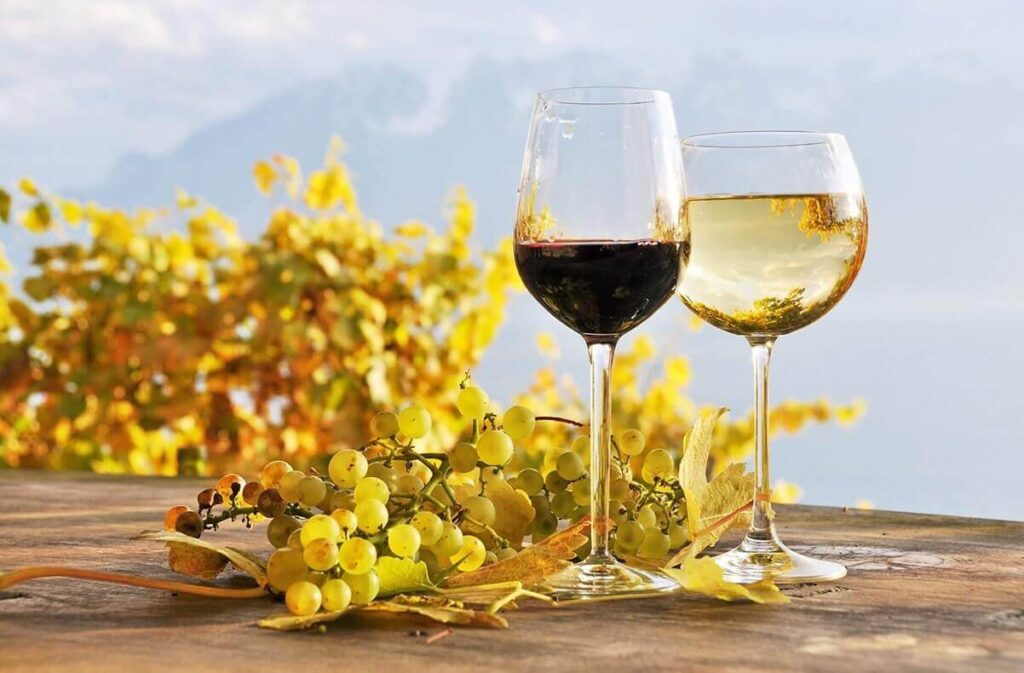
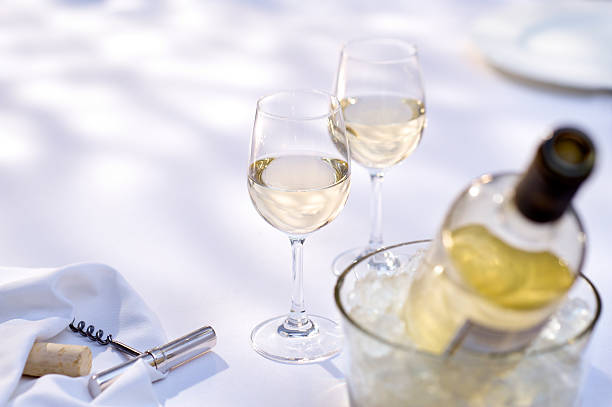
There’s no better way to celebrate National White Wine Day than with a chilled glass of Sauvignon Blanc, Chardonnay, Albariño, Pinot Grigio, or Riesling at one of Charleston’s outstanding wine bars. Observed each year on August 4, the day encourages wine lovers to explore the incredible diversity of white wines, from crisp and refreshing coastal varieties to rich, full-bodied classics.
Charleston’s dining scene has evolved into one of the Southeast’s premier destinations for wine enthusiasts. Whether you’re looking for an intimate date night, an educational tasting, or a lively evening with friends, these local favorites offer exceptional wine lists, knowledgeable staff, and unforgettable atmospheres.
1. Bin 152
📍 152 King Street, Charleston
A longtime King Street favorite, Bin 152 brings the charm of a European wine cave to the heart of downtown Charleston. The cozy space features more than 150 wines available by the glass or bottle, along with expertly curated wine flights that make it easy to sample several white varietals in one visit. Pair your wine with artisan cheeses or charcuterie for the complete experience.
One of Charleston’s trendiest wine destinations, Graft has built a loyal following by showcasing small-production, natural, and sustainable wines from around the world. The knowledgeable staff loves introducing guests to bottles they may have never considered, making every visit feel like a personalized tasting.
If you’re looking for an approachable wine experience without the intimidation, Wine & Company is the place to be. The inviting atmosphere encourages guests to linger over thoughtfully selected wines while learning about new regions and varietals. It’s equally popular for first-time wine drinkers and seasoned enthusiasts.
Uncork offers one of the city’s most unique wine experiences with its self-pour wine wall. Guests receive a tasting card and can sample dozens of wines at their own pace, choosing anything from a small taste to a full glass. It’s a fun and interactive way to discover a new favorite white wine.
📍 1070 East Montague Avenue, Suite B, North Charleston
Located in the heart of Park Circle, Stems & Skins has earned national recognition for its exceptional natural wine program. The ever-changing list features low-intervention wines from around the world alongside Mediterranean-inspired small plates, making it one of the Lowcountry’s most exciting places for adventurous wine lovers.
For a more laid-back neighborhood experience, Avondale Wine & Cheese combines excellent wines with customizable charcuterie boards and artisan cheeses. It’s an ideal stop for a casual evening with friends or a relaxed date night away from downtown.
This Mount Pleasant gem offers another interactive tasting experience through its self-serve wine dispensing system, allowing guests to sample wines from around the world before committing to a full glass. French-inspired small plates and desserts round out the experience, making it an excellent destination for celebrating National White Wine Day.
Whether your favorite pour is a bright New Zealand Sauvignon Blanc, a buttery California Chardonnay, a crisp Pinot Grigio, or a mineral-driven Albariño, Charleston’s wine bars offer something for every palate. National White Wine Day is the perfect excuse to explore a new varietal, discover a hidden neighborhood gem, or simply gather with friends over a perfectly chilled glass.
After all, in a city known for world-class seafood, fresh oysters, and waterfront sunsets, there may be no better pairing than a great glass of white wine enjoyed at one of Charleston’s exceptional wine bars.
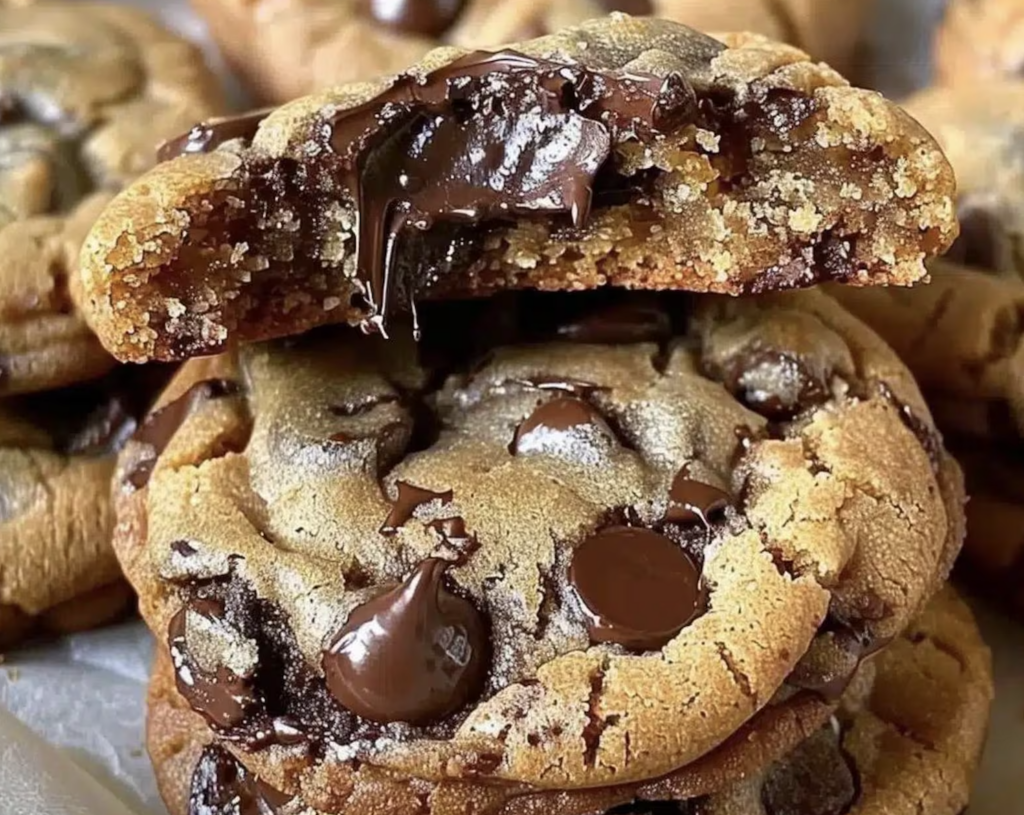
There’s no better excuse to indulge your sweet tooth than National Chocolate Chip Cookie Day, celebrated each year on August 4. Whether you’re craving a warm, gooey chocolate chip cookie fresh from the oven or an over-the-top dessert to share with friends, Charleston is home to some of the South’s most beloved bakeries and dessert cafés.
From historic downtown favorites to neighborhood gems, here are five places that deserve a spot on every dessert lover’s list.
1. The Harbinger Cafe & Bakery
📍 1107 King Street, Charleston
One of Charleston’s most beloved bakeries, The Harbinger Cafe & Bakery has earned a devoted following for its legendary “Best Friend” Cookie—a thick, chewy chocolate chip cookie packed with three kinds of chocolate and finished with flaky sea salt. Beyond its famous cookie, the bakery offers an ever-changing selection of scratch-made pastries, brownies, bars, and seasonal desserts that often sell out before the day is over.
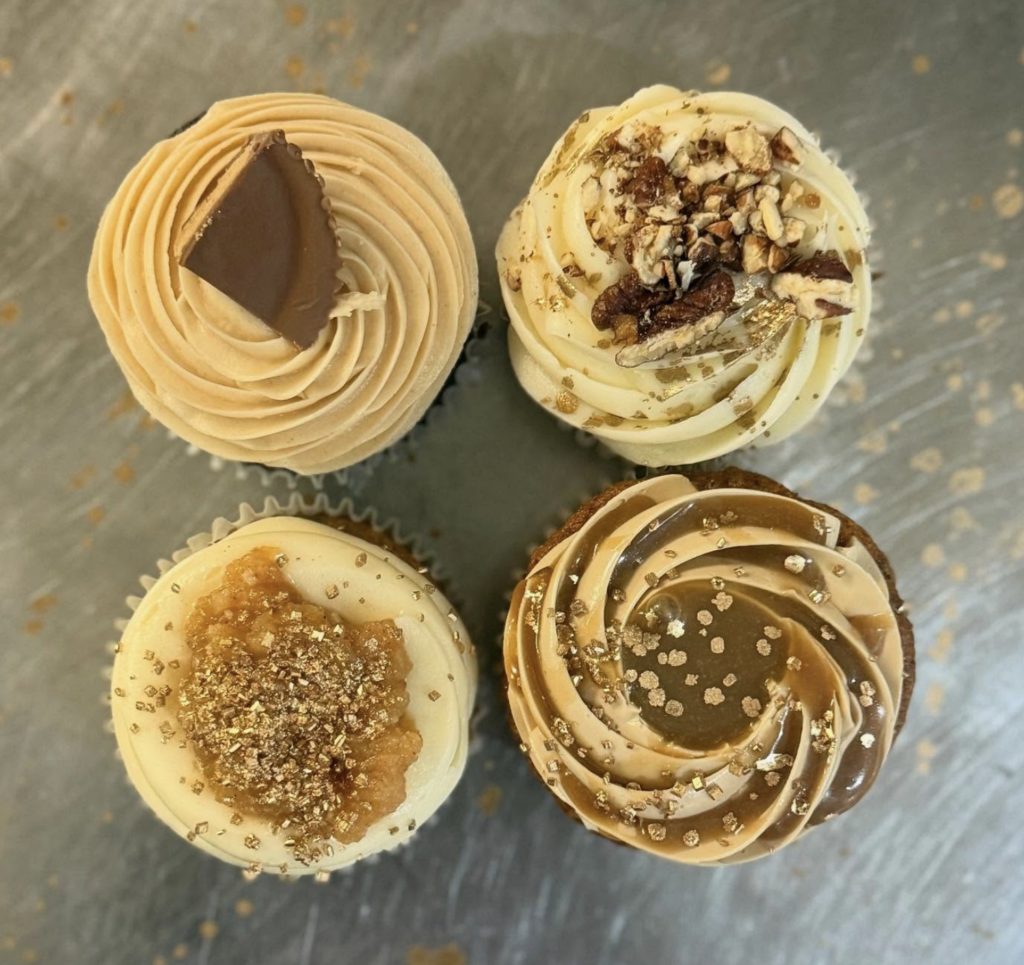
Nestled in Charleston’s Cannonborough-Elliotborough neighborhood, Sugar Bakeshop is a local favorite known for creating beautiful desserts with classic Southern charm. The bakery’s chocolate chip cookies, cupcakes, Charleston Chewies, brownies, and custom cakes make it a destination for both everyday treats and special celebrations. Their rotating menu means there’s always something new to tempt visitors.
For nearly a century, Byrd’s Famous Cookies has been synonymous with Southern cookies. Its Market Street shop is a favorite stop for visitors looking to sample the company’s signature bite-sized cookies, while locals return for classics like chocolate chip, Key Lime Coolers, and traditional Benne Wafers. The colorful tins also make for one of Charleston’s most popular edible souvenirs.
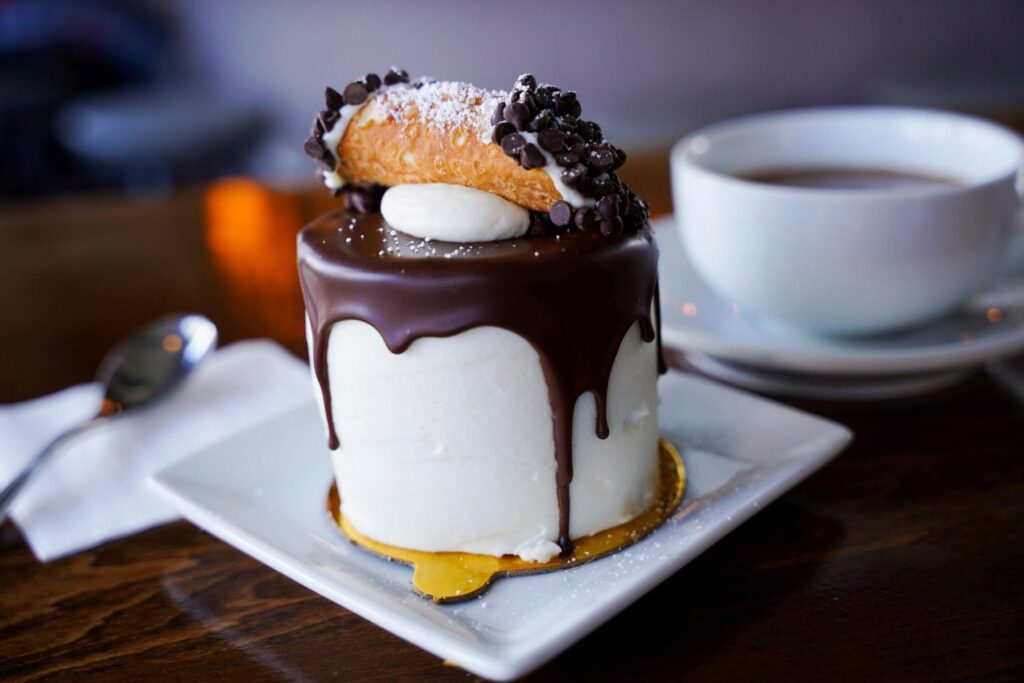
Located just steps from Waterfront Park, Carmella’s has become one of downtown Charleston’s premier dessert destinations. Open into the evening, it’s the perfect place to end a night out with towering slices of cake, creamy cheesecakes, authentic cannoli, handcrafted gelato, or an espresso paired with your favorite dessert. The lively atmosphere makes it a favorite among both locals and visitors.
WildFlour Pastry has quietly built one of the city’s most loyal followings thanks to its artisan baking and small-batch desserts. Guests rave about its rich chocolate cookies, buttery croissants, and famously indulgent Sticky Bun Sundays. Everything is made from scratch, making each visit a little different depending on the season and what’s coming out of the oven.
If your dessert tour isn’t over yet, Charleston has plenty of additional options worth discovering. Christophe Artisan Chocolatier is known for handcrafted French chocolates and elegant pastries, Welton’s Tiny Bakeshop creates inventive seasonal baked goods and exceptional cookies, Kilwins delights guests with homemade fudge, caramel apples, chocolates, and ice cream, while Harken Cafe has become another local favorite for outstanding pastries and chocolate chip cookies.
Whether you’re celebrating National Chocolate Chip Cookie Day or simply searching for your next favorite dessert, these Charleston bakeries prove that the Holy City is every bit as impressive for its sweets as it is for its renowned restaurants. Grab a friend, sample a few cookies, and enjoy one of the sweetest food holidays of the year while supporting some of Charleston’s finest local businesses.
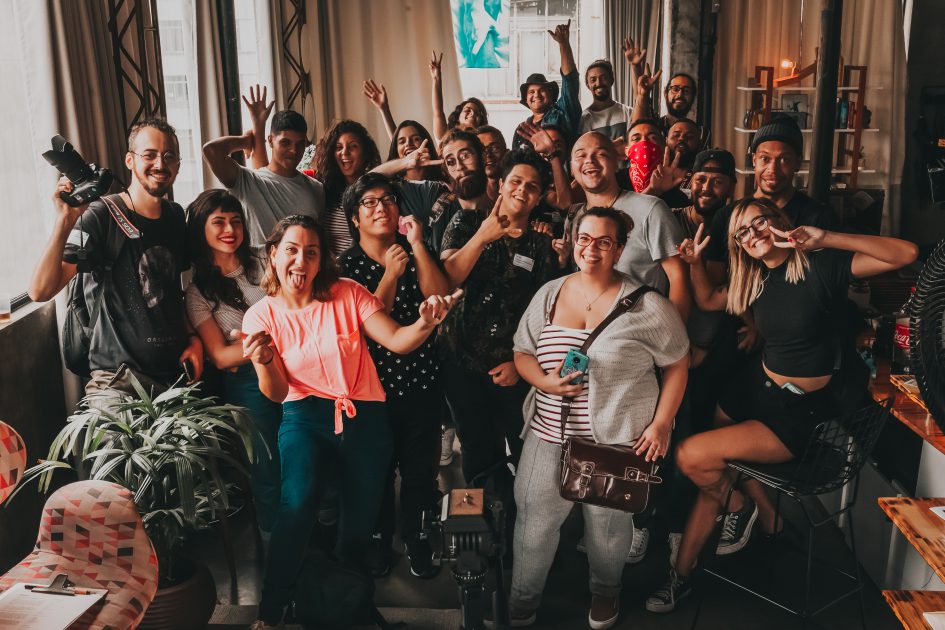
If you’re looking to make new friends, build your professional network, or simply find people who share your interests, Meetup has become one of the best resources in the Charleston area. From outdoor adventures and women’s networking to technology, language exchange, and book clubs, there are dozens of active communities hosting events every week throughout Charleston, Mount Pleasant, North Charleston, and Summerville.
Here are some of the most active and highly recommended Meetup groups to help expand your community in the Lowcountry:
Best Meetup Groups to Expand Your Community in Charleston
1. Charleston Walk and Socialize Perfect for newcomers and locals alike, this is one of Charleston’s largest social groups, featuring weekly walks, coffee meetups, brunches, and outdoor adventures. Meetup:Charleston Walk and Socialize
2. Charleston Women In Tech A thriving community for women in technology, entrepreneurship, marketing, cybersecurity, engineering, and STEM careers. The group hosts networking events, workshops, and mentoring opportunities. Meetup:Charleston Women In Tech
3. Lowcountry Ladies One of Charleston’s most active women’s social groups, offering happy hours, fitness events, brunches, wine nights, and opportunities to make new friends. Meetup:Lowcountry Ladies
4. Charleston Women’s Social Meetup Created for women of all ages looking to build friendships through dinners, book clubs, fitness outings, wine nights, and community events. Meetup:Charleston Women’s Social Meetup
5. Charleston Area Singles (40–65) A welcoming group that organizes dinners, beach trips, concerts, trivia nights, and social gatherings for adults looking to meet new friends and companions. Meetup:Charleston Area Singles (40–65)
6. Charleston Spanish Social Practice your Spanish while meeting locals and international residents through relaxed conversation meetups at cafés and libraries. Meetup:Charleston Spanish Social
7. CharlestonHacks Tech Happy Hour A networking community for Charleston’s software developers, startup founders, designers, and technology professionals. Meetup:CharlestonHacks Tech Happy Hour
8. Agile Charleston Meetup Ideal for project managers, Scrum Masters, product owners, developers, and business leaders interested in Agile methodologies and professional development. Meetup:Agile Charleston Meetup
9. Coffee and Coloring A relaxed, low-pressure social group that combines coffee shop meetups with coloring, conversation, and creativity. Meetup:Coffee and Coloring
10. Charleston Riichi Mahjong Whether you’re an experienced player or a complete beginner, this group offers regular Riichi Mahjong meetups in a friendly environment. Meetup:Charleston Riichi Mahjong
These groups are among the most active communities on Meetup in the Charleston area, covering everything from social networking and outdoor activities to professional development, language exchange, and hobby-based gatherings.
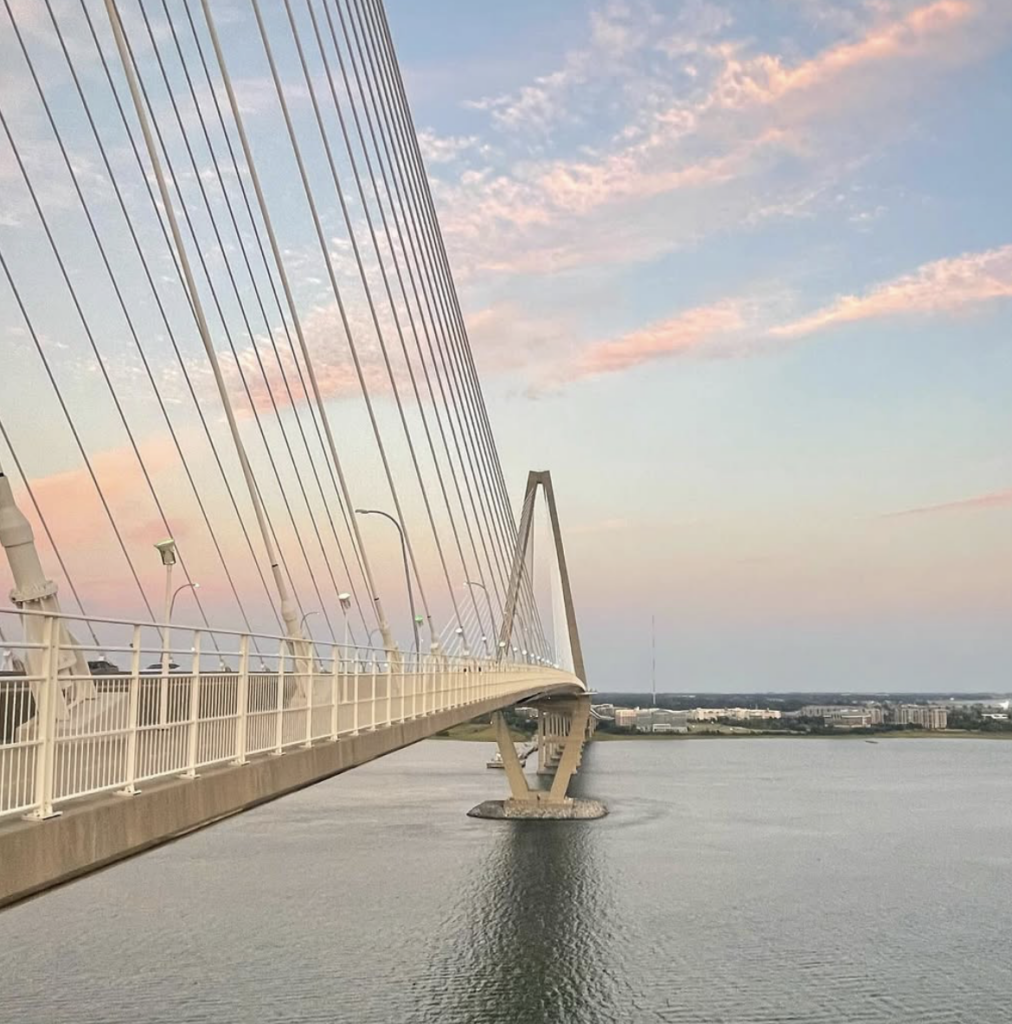
Columbia, S.C. (August 3, 2026)— The South Carolina Department of Transportation will conduct routine inspections of the Ravenel Bridge in Charleston County beginning August 4.
These inspections should only have minor traffic impacts and will not require simultaneous multi-lane closures.
A schedule of the closures for improved visibility inspections are as follows:
August 4 – 6 from 9 a.m. to 3 p.m. | Southbound right lane
August 7 – 8 from 9 a.m. to 3 p.m. | Northbound right lane
August 10 from 9 a.m. – 3 p.m. | Northbound right lane
During this time, drivers will likely see crew members on the towers and bridge cables as part of the inspection process.
SCDOT encourages drivers to slow down and pay attention to crews when driving through the work zone.
About SCDOT
The South Carolina Department of Transportation (SCDOT) is the state agency with oversight of South Carolina’s network of highways and bridges, including responsibilities such as planning, design, construction, financing, and roadway safety. To ensure the nation’s fourth-largest highway system is prepared to serve the needs of South Carolina’s growing economy and population, SCDOT has developed a Strategic 10-Year Plan that addresses improvements to the state’s highway and bridge systems. Learn more at scdot.org.
From downtown Charleston to the beaches, here’s where to find your next great bagel
There was a time when Charleston-area residents craving a truly good bagel had two choices: make the drive north—or learn to live with disappointment.
Those days are over.
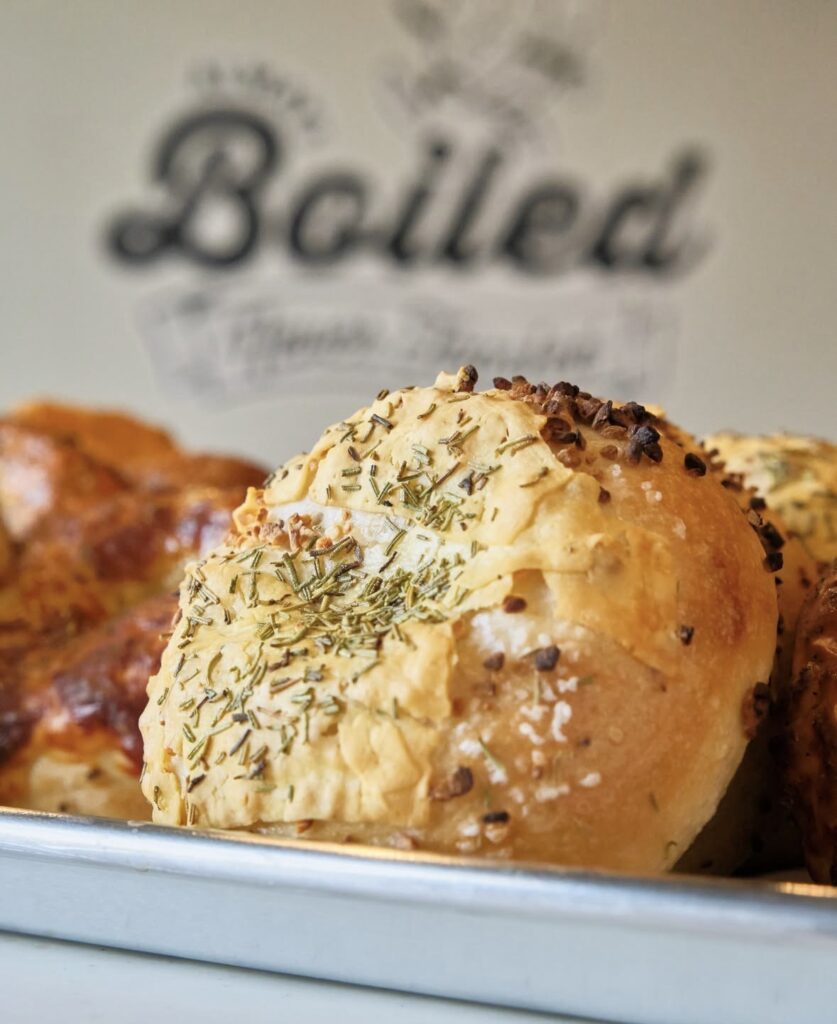
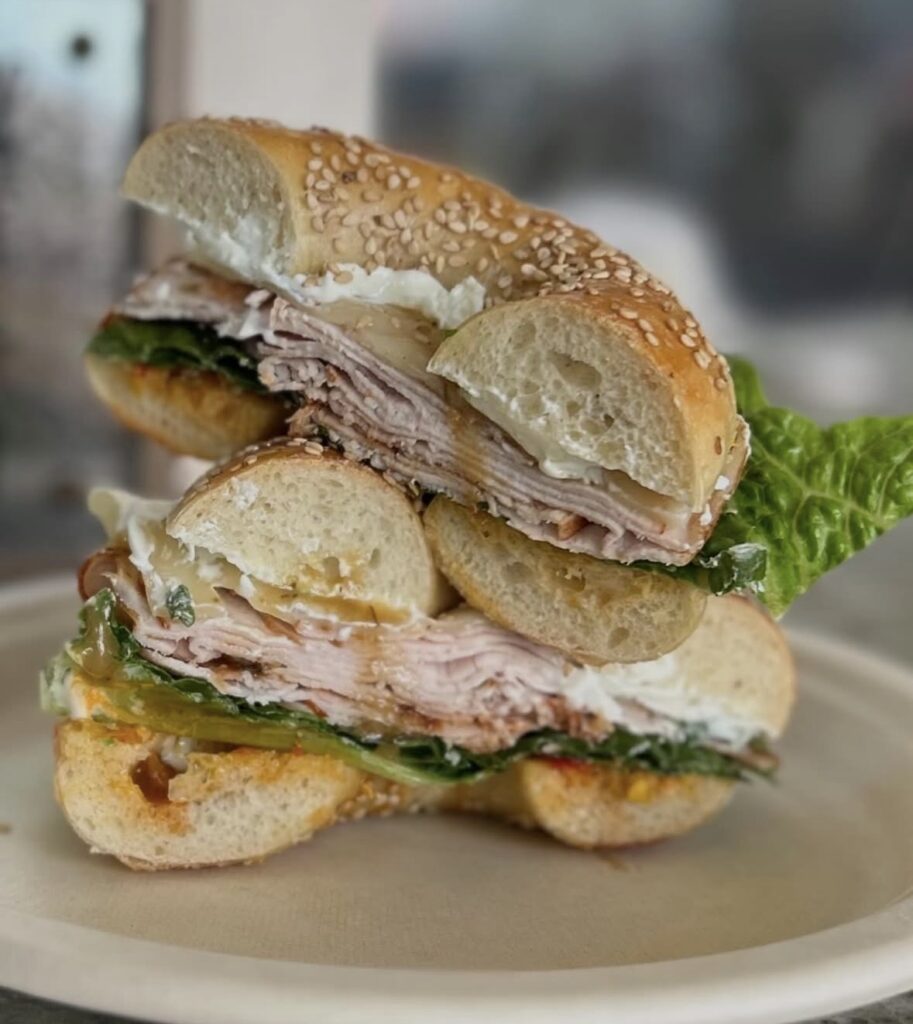
Charleston County has developed a surprisingly serious bagel culture, with everything from traditional New York-style bagels and hand-rolled, water-boiled classics to sourdough bagels and creative breakfast sandwiches. Whether you’re heading to work downtown, taking the kids to the beach or simply nursing a Sunday morning craving, there’s a bagel worth chasing.
Here are some of the county’s favorites.
CHARLESTON
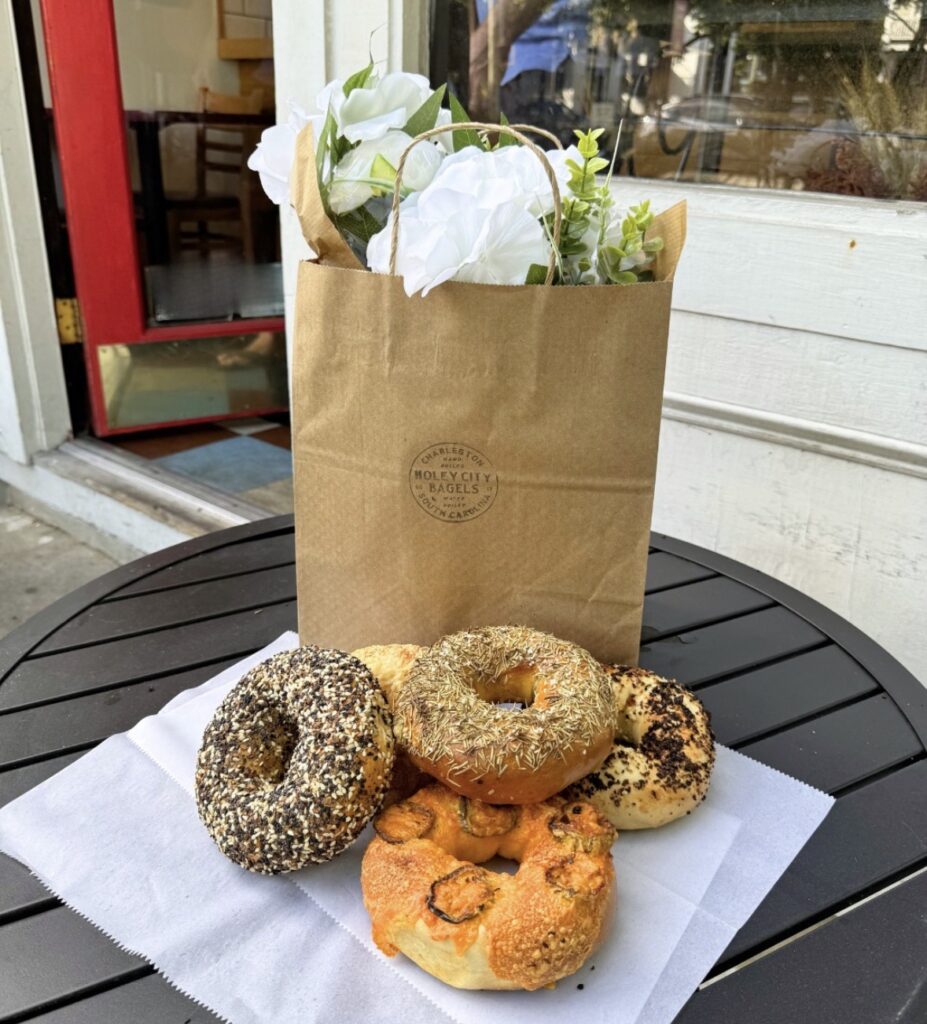
Holey City Bagels
Holey City Bagels has earned a devoted following with its hand-rolled, water-boiled bagels and hearty sandwiches. The family-owned shop has become a downtown favorite, and even South Carolina’s official tourism site has singled it out for its bagels.
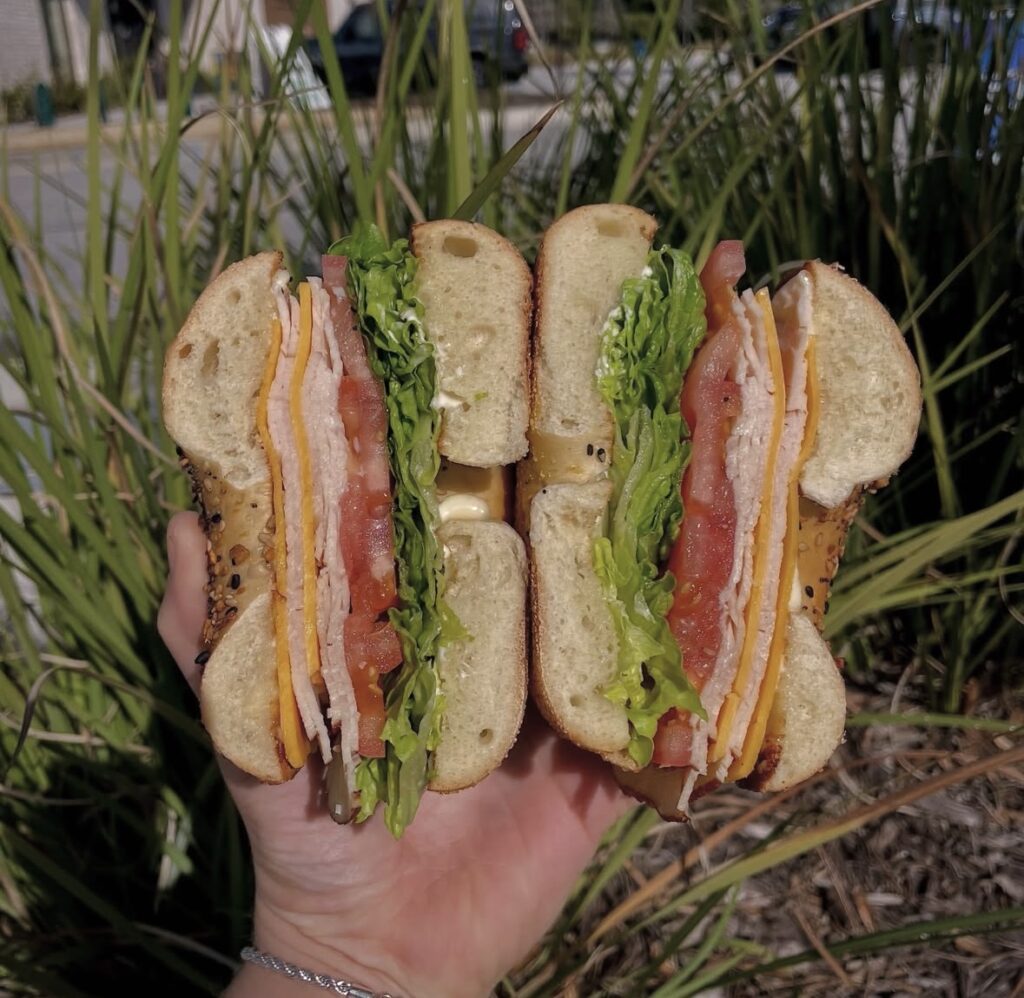
Fan favorite: The Lox Deluxe — or keep it classic with an Everything bagel piled with lox, cream cheese, tomato, cucumber and capers.
Address: 43 Cannon Street, Charleston, SC 29403 Website:Holey City Bagels
CHARLESTON — DOWNTOWN
PopUp Bagels
PopUp Bagels brings a slightly different philosophy to the bagel game: hot bagels served whole, designed to be torn apart and dipped into schmear rather than sliced and toasted. The Charleston location is part of the rapidly expanding brand with Northeast roots.
Fan favorite: Salt Bagel with Apple Pie Cream Cheese. A recent Charleston visitor rated the Salt Bagel particularly highly.
Address: 83 Mary Street, Charleston, SC 29403 Website:PopUp Bagels
WEST ASHLEY
Ruby’s New York Style Bagels
Ruby’s New York Style Bagels has become one of the biggest names in the local bagel scene. Ruby’s makes its bagels fresh daily and says it uses unbromated, unbleached flour and a traditional process designed to produce a crunchy exterior and chewy center. The company has also won Charleston’s Choice recognition in multiple years.
Fan favorite: The Rico Bagel — avocado, egg, cheddar, bacon and chipotle mayo. For traditionalists, the Nova Lox is another strong choice.
Bagel Nation is a longtime James Island institution and one of the area’s old-school bagel stops. Local Redditors have repeatedly named Bagel Nation when asked where to find the best bagels around Charleston.
Fan favorite: The Southern Belle, featuring egg, sausage, cheese, green peppers, tomatoes and Cajun seasoning. If you have a sweet tooth, try the cinnamon-sugar Frazzle.
Girl Nextdough takes the bagel in a more artisanal direction. This small-batch bakery specializes in sourdough bagels alongside pastries and creative breakfast fare. The bakery is open Thursday through Sunday mornings, making it an especially good weekend stop before heading toward Folly.
Fan favorite: The sourdough Everything bagel, especially with one of the bakery’s inventive spreads. The hummus and tomato-confit combination has also developed a following.
Address: 1939 Maybank Highway, James Island, SC 29412 Website:Girl Nextdough
Girl Next Dough
DANIEL ISLAND
Blondies Bagels & Cafe
Blondies Bagels & Cafe has become a neighborhood staple on Daniel Island, making house bagels, homemade cream cheeses, breakfast sandwiches and espresso drinks. The shop was voted Best of Daniel Island in 2026.
Fan favorite: The Lox Sandwich is a popular choice, while the breakfast sandwiches are another reliable crowd-pleaser.
Mount Pleasant is where Ruby’s began its Charleston-area bagel journey. The company was founded with the goal of recreating the traditional Northeast bagel experience in the Lowcountry—and its popularity has helped make Ruby’s one of the region’s most recognizable bagel brands.
Fan favorite: The Rico Bagel is a standout, while the Bagel & Nova Lox is the choice for anyone looking for the classic Jewish-deli experience.
Charleston Bagel Co. has been a Mount Pleasant fixture for years, with a broad selection of bagels, spreads, breakfast sandwiches and deli-style lunch options. Locals have long mentioned it when debating the area’s best bagel.
Fan favorite: The Charleston Club or one of the shop’s lox and caper combinations.
Address: 656 Long Point Road, Mount Pleasant, SC 29464 Website:Charleston Bagel Co.
NORTH CHARLESTON
Ruby’s New York Style Bagels
Ruby’s has brought its New York-style formula to North Charleston, where it offers freshly baked bagels, cream cheeses, breakfast sandwiches and deli-style options.
Fan favorite: The Cheddar Bacon Habanero bagel is a particularly popular choice for something beyond the ordinary.
Summerville has not been left out of the bagel boom. Ruby’s has two locations serving the growing community, including shops in Nexton and on North Main Street. The company describes its bagels as fresh-baked daily with a crunchy exterior and chewy center.
Fan favorite: The 7 Train and Hangover are frequently mentioned by customers, along with the shop’s creative cream cheeses.
Jeff’s Bagel Run has brought its scratch-made, boiled-and-baked bagels to the beach. The company emphasizes that its bagels are made fresh every day, with a wide range of traditional and creative flavors and house-made spreads.
Fan favorite: The Salt Bagel with Roasted Jalapeño Cream Cheese is Jeff’s own go-to order and a great place to start.
Dead Low Cafe isn’t strictly a bagel shop, but it deserves a spot on the Folly list. This local coffee and breakfast stop serves bagels and substantial breakfast sandwiches—perfect fuel before a morning on the beach.
Fan favorite: The Bacon, Egg & Cheese Bagel with Hash Brown.
Address: 113 E. Ashley Avenue, Folly Beach, SC 29439 Website:Dead Low Cafe
SULLIVAN’S ISLAND
The Co-Op
The Co-Op Deli & Market is not a dedicated bagel shop, but its Sullivan’s Island location is an excellent stop for a casual breakfast, including bagels with cream cheese and breakfast sandwiches. The original Sullivan’s Island location is at 2019 Middle Street.
Fan favorite: The Meat Lover’s Breakfast Sandwich with eggs, bacon and cheddar—or keep it simple with a bagel and cream cheese.
Address: 2019 Middle Street, Sullivan’s Island, SC 29482 Website:The Co-Op
JOHNS ISLAND
Jeff’s Bagel Run
For Johns Island, the bagel boom has arrived in a big way. Jeff’s Bagel Run serves scratch-made bagels and a huge range of cream cheese flavors at its Bees Ferry location. Reviews particularly praise the freshness and creative spreads.
Fan favorite: The Everything Bagel with one of the house-made cream cheeses. For something more adventurous, try the roasted jalapeño spread.
Address: 1180 Bees Ferry Road, Unit 106, Johns Island, SC 29455 Website:Jeff’s Bagel Run
JOHNS ISLAND
KISS Cafe / Bagels by KISS
KISS Cafe has quietly become another destination for serious bagel fans. Its Bagels by KISS program makes New York-style bagels in-house using a traditional boil-and-bake method. Reviews are particularly enthusiastic about the chewy exterior and soft interior.
Fan favorite: A classic Everything bagel with cream cheese, or one of the hot bagel sandwiches.
Address: 1802 Crowne Commons Way, Suite C1, Johns Island, SC 29455 Website:KISS Cafe
Bagels by Kiss
A BAGEL FOR EVERY DIRECTION
The great news for Charleston County bagel lovers is that you no longer have to cross a state line—or even a bridge—to find a good one.
Want traditional New York style? Try Ruby’s, Holey City or Jeff’s. Looking for something more artisan? Girl Nextdough brings sourdough into the conversation. Want a beach breakfast? Jeff’s on Isle of Palms or Dead Low on Folly has you covered.
And if your personal definition of a great bagel involves an argument over whether it should be toasted, we recommend starting the debate over breakfast.
After all, Charleston has plenty of things worth arguing about.

 by
by