Could a rail system fix Charleston’s traffic? Options, costs and what to expect

Read More

Could a rail system fix Charleston’s traffic? Options, costs and what to expect

Charleston’s growth has put real pressure on roads, and planners have spent recent years looking at a range of transit solutions — from modern light rail and heritage-style streetcars to expanded ferries and the bus-rapid-transit project already underway. Below is a concise guide to the realistic options for a “little rail” (or light-rail/streetcar) system in the Lowcountry, how much each might cost in ballpark terms, and the likely advantages and tradeoffs for the region.

The main options

  1. Light rail
    A light-rail line uses rail vehicles on fixed guideways with dedicated stations and can move big volumes of people at relatively high frequency. It’s typically considered for corridors with high ridership potential that justify the higher capital cost and permanent infrastructure. The region would need substantial right-of-way or conversion of existing road lanes, and careful integration with historic downtown streets.
  2. Streetcar / tram
    Streetcars are lower-speed rail vehicles usually sharing road space (or running in short, dedicated lanes). They can work well for downtown circulation and short-distance connections (e.g., park-and-ride to historic districts) and tend to stimulate local development — but passenger capacity and top speed are lower than light rail.
  3. Commuter rail / existing-rail upgrades
    If existing freight corridors or short-distance rail rights-of-way can be used, a commuter or regional rail approach is an option — best for longer-distance commuters (e.g., Summerville–North Charleston–Charleston), but less suitable for frequent one-seat trips inside downtown where stops must be close and frequent.
  4. Bus Rapid Transit (BRT) — the path already chosen
    Charleston’s region is actively building the Lowcountry Rapid Transit (LCRT), a modern BRT corridor with dedicated lanes, articulated electric buses, off-board fare collection and frequent service. BRT can deliver near-rail service levels at substantially lower cost and with faster delivery. The LCRT is advancing through engineering and federal approvals now.  
  5. Ferries, microtransit, and demand management
    Expanded ferry service, microtransit (on-demand shuttles), better bike/ped infrastructure, congestion pricing and parking policy changes are lower-capital or complementary steps that reduce car trips and increase the usefulness of any fixed-guideway system.

A clear view of the 21.3-mile LCRT route linking Ladson, North Charleston, and Downtown’s WestEdge area. Includes around 20 stations and outlines major neighborhoods and activity centers along Rivers Avenue.  


Costs — big picture and real examples

Transit capital costs vary enormously depending on whether lines are at-grade, elevated or tunneled, and how much land acquisition and station work are required. Historical U.S. projects in the Federal Transit Administration database demonstrate a huge range — from roughly $10 million per mile for very simple at‑grade projects to hundreds of millions per mile (and in rare cases near $1 billion/mi) for complex tunneled segments. That variability means any Charleston estimate must be corridor‑specific. 

By contrast, the Lowcountry Rapid Transit BRT project — a 21‑mile system with dedicated guideway in many sections, electric buses, stations and a maintenance facility — is being planned at a total regional cost in the hundreds of millions (press reporting and project materials have cited figures in the $600M+ range for major phases). BRT’s per‑mile capital cost is typically much lower than light rail for equivalent service and can be a faster way to get high-quality frequent transit in place. 

Estimates to build new light‑rail in U.S. cities commonly fall into the tens to low‑hundreds of millions of dollars per mile for at‑grade projects, and much higher if significant elevated or tunneled work is required. Operating costs, rolling stock and maintenance facilities are additional and ongoing line-item expenses. 

Advantages (what Charleston would gain)

  • Traffic relief and reliability: High‑capacity transit shifts people off single-occupant cars, reduces congestion on key corridors, and provides predictable travel times during peak periods.  
  • Economic development: Rail and high‑quality BRT stations often spur transit-oriented development, increase property values and concentrate jobs and housing near frequent service.  
  • Environmental and equity benefits: Electric vehicles and modal shifts reduce emissions; transit gives options to residents without cars, improving access to jobs and services.  
  • Tourism and downtown circulation: Frequent, legible transit helps move visitors and residents through the dense historic core without adding cars to fragile streets.  

Challenges and tradeoffs

  • Cost and financing: Rail is expensive and takes time to build; it usually requires a mix of local, state and federal money and political consensus. The historic downtown’s narrow streets make dedicated rail lanes politically and technically tricky.  
  • Right‑of‑way and construction impacts: Building fixed rail can require property acquisition or long construction periods that disrupt neighborhoods and businesses.
  • Ridership and justification: Any expensive rail program must demonstrate sufficient projected riders to justify capital and operating subsidies. Planners must carefully model demand and land‑use scenarios.  
  • Resilience: Charleston faces flooding and sea‑level rise; any fixed infrastructure must be sited and designed with resilience and long‑term maintenance needs in mind.  

A pragmatic path forward

  1. Finish LCRT and measure results: The current Lowcountry Rapid Transit BRT is a near-term, federally-supported investment that can deliver many benefits similar to light rail at lower cost and can be built faster. Monitor ridership, traffic impacts, and development effects.  
  2. Use BRT as a stepping stone: If demand grows along BRT corridors, corridors can be upgraded incrementally (higher-capacity vehicles, more dedicated guideway, or in the long term conversion to rail where justified).  
  3. Invest in downtown circulation and feeder services: Complement trunk corridors with frequent local shuttles, ferries, safe bike lanes and improved pedestrian access so the whole system works together.  
  4. Protect funding and design for resilience: Pursue federal capital grants, state and local matches, and make sure projects account for flooding and sea‑level rise in siting and design.  

Charleston has the pieces of the puzzle — an active regional transit authority, a major BRT program underway, and detailed downtown transit study work — which together create an opportunity to build a multimodal network that reduces congestion and supports sustainable growth. Whether the next step is “little rail” (streetcar or light rail) or upgrading BRT to rail over time will depend on corridor‑level studies, funding availability, and whether ridership and development patterns support the higher up‑front cost of track-based systems. 

Stay connected and subscribe to Charleston Daily.

Celebrating 20 Years – Muddy Waters Coffeeshop: A James Island Gem Rooted in Community and Love

Read More

By Mark A Leon

Nestled on Maybank Highway in the heart of James Island, Muddy Waters Coffeeshop (1739 Maybank Hwy) has been a cornerstone of Charleston’s coffee culture since Michele Hoben and her family opened its doors in 2005. Born from the owners’ West Coast backgrounds and their love for the coffee scene in Seattle, Muddy Waters was founded after Michele and George Hoben noticed a lack of locally owned, quality coffee shops in Charleston.

Their vision: create an inviting space for the community to gather, connect, and enjoy exceptional coffee crafted with care.

A Welcoming, Local Experience

Locals and visitors alike praise Muddy Waters for its warm ambiance and friendly atmosphere. The coffee bar caters to early risers, students, busy professionals, and casual coffee lovers with its extensive hours—opening at 6:30am most days and welcoming guests well into the evening. Whether stopping in for a quick caffeine fix or settling in for a relaxed conversation, patrons find comfort in the shop’s unique menu (standouts include the lavender honey latte and Muddy Mocha) and the personal touch provided by the staff.


Reviewers frequently mention the sense of community that radiates from Muddy Waters. The shop is described as more than a business—it’s a local hub where connections form, ideas spark, and neighbors greet one another as friends. The dedication to remaining locally owned ensures that the coffeeshop reflects the spirit and tastes of James Island itself.

Michele Hoben: Heartfelt Commitment to Community

At the center of Muddy Waters’ success is Michele Hoben, owner and operator. Michele’s commitment to community goes beyond serving excellent coffee; it’s about fostering a sense of belonging and supporting the vibrancy of James Island. She intentionally sources local goods to feature in the shop, showcases regional artists, and helps create opportunities for small business partnerships.

Michele’s leadership style encourages both her team and customers to value kindness, creativity, and mutual support. Her approach—rooted in years spent among Seattle’s vibrant coffee scene—translates to an ethos where every guest feels appreciated, and the shop actively participates in community betterment. Muddy Waters frequently hosts community events, supports local causes, and remains a welcoming environment for all, underscoring Michele’s lifelong dedication to making a difference at the neighborhood level.


Why Muddy Waters Matters
• Local Ownership: Michele and her family’s stewardship ensures every decision benefits both the shop and the wider James Island community.
• Community Connection: The coffeeshop acts as a hub for local creatives, students, and professionals, reinforcing social ties and supporting local enterprise.
• Longevity and Reliability: Open for over twenty years, Muddy Waters is a trusted mainstay that continues to evolve and serve new generations.

Muddy Waters Coffeeshop isn’t just where Charleston goes for coffee—it’s where James Island goes to find community, comfort, and connection. Thanks to Michele Hoben’s ongoing commitment, the shop stands as a testament to what a passionate, local owner can do for a neighborhood and beyond.

Follow Muddy Waters on Instagram.

Stay connected and subscribe to Charleston Daily.

Photo Credit: Muddy Waters

Bonnie Brunt Cakes: Blending South Carolina Roots, Southern Flavor, and Artistic Imagination

Read More

Nestled just outside of Columbia in the small rural town of Saint Matthews, South Carolina—what Bonnie affectionately calls “the middle of nowhere” on her family farm—Bonnie Brunt Cakes is a celebration of Southern roots, creativity, and heartfelt tradition.

From Farmer’s Daughter to Cake Artist

Bonnie Brunt’s journey began in a warm, close-knit family surrounded by Sunday lunches after church, where cake was always a simple yet cherished treat—her grandmother’s pound cakes with sprinkles, the ultimate luxury in a child’s eyes. Her passion for baking and design blossomed over time, ultimately paired with her background in graphic design. Initially using her creative skills in web development and visual arts, Bonnie wove in cake-making almost as a hobby until a fateful ad in 2010 sparked a blossoming second career.

Growing a Business with Heart

With unwavering family support and her husband at her side, Bonnie transformed her basement into a professional kitchen, earning a perfect score on her health inspection and even winning the “Golden Spatula” from a local TV station. Today, that same farm-based space holds a magical 1,700-square-foot studio brimming with creativity, laughter, and the sweet aroma of cake in every step.

Southern Flavors, Artistic Flair

What truly sets Bonnie Brunt Cakes apart is the seamless blend of Southern flavor and artistry. From “Mississippi sweet potato” (their signature flavor) to French vanilla, lemon, red velvet, hummingbird, and more—each cake is carefully crafted in small batches to evoke the taste of Bonnie’s childhood and the region’s culinary heritage. Every flavor pairs perfectly with a wide array of inventive icings and fillings, from caramel and fresh strawberry to amaretto velvet and spiced cream, transforming every cake into an edible masterpiece.

Attention to Detail and Customer Delight

Bonnie’s customers rave about the experience: from personalized consultation and custom sketches to picture-perfect delivery and setups that mirror the initial vision. Reviews brim with excitement: “It literally took my breath away!” or “the most beautiful and tastiest cakes imaginable!” Their designs range from vintage-inspired elegance to themed groom’s cakes and playful birthday creations, always with a side of Southern hospitality.

Rooted in family tradition, shaped by creative ambition, and baked with Southern charm, Bonnie Brunt Cakes is more than a bakery—it’s a legacy crafted one spectacular cake at a time.

Follow Bonnie’s deliciously fun journey on Instagram.

Photo Credit: Bonnie Brunt Cakes

Stay connected and subscribe to Charleston Daily.

Outer Banks (OBX) Season 5 Casting in Charleston, SC – August 12-19, 2025

Read More

Outer Banks, Season 5
Charleston, SC & surrounding areas

IF SUBMITTING FOR MULTIPLE ROLES, ONLY SEND 1 EMAIL.

PLEASE do not leave any of the required submission information out.

BACKGROUND ACTOR RATE – $132/12 per day
FEATURED RATE – $150/10 per day


Tuesday, August 12:

–DOCTOR–
All races, All genders, Ages 30 & up

–EMT–
All races, All genders, Ages 25 & up

–PATIENT–
All races, All genders, Ages 40 & up


Monday, August 18:

–PEDESTRIAN w/ VEHICLE–
All races, All genders, Ages 21 & up
NO RED & NO WHITE VEHICLES
Include photo of your vehicle in your submission
$25 added to pay for Vehicle being parked in the scene.


Tuesday, August 19:

FEATURED MAID–
FEMALE, All races, Ages 30 & up ONLY – HAVE NOT WORKED ON SEASON 5 YET.
Director will be selecting this role. Rate $150/10
PHOTOS MUST BE TAKEN WITHIN 48 HOURS OF SUBMITTING, TAKEN IN A WELL LIT AREA & NO FILTERS!

–WORKER–
MALE, All races, Ages 30 & up


SUBMISSION INSTRUCTIONS

Submit via email stewartcastingbg@gmail
.com
Subject line of email should be the Role/s & DATES you’re submitting for

-If you’re submitting for multiple roles – ONLY SEND 1 EMAIL!

-Please do not submit unless you are fully available to work with no prior engagements.

-You must included 2 CURRENT photos of yourself in your submission:
1 headshot framed shoulders up & 1 full body shot
NO professional headshots.
Photos MUST be taken within the last 2 weeks & accurately represent your current look.
NO FILTERS!! NO MIRROR SELFIES, NO CAR SELFIES
NO SUNGLASSES, NO HATS & NO OTHER PEOPLE IN THE PHOTO WITH YOU UNLESS YOU ARE SUBMITTING WITH ANOTHER TO WORK TOGETHER.
PLEASE only send 2 photos unless otherwise specified!

ALL OF THE FOLLOWING MUST BE INCLUDED IN YOUR SUBMISSION ALONG WITH PHOTOS.

Please do not leave anything out or you will not be considered.
-NAME-
-PHONE NUMBER-
-AGE-
-HEIGHT-
-WEIGHT-
-SHIRT SIZE-
-PANT SIZE-
-SHOE SIZE-
-HAVE YOU WORKED YET THIS SEASON-
-IF YOU HAVE WORKED DURING OBX Season 5, WHAT WAS YOUR ROLE-
-COLOR, YEAR, MAKE & MODEL OF VEHICLE-
-CITY, STATE YOU LIVE-
-IF NOT LOCAL TO CHARLESTON, SC, PLEASE CONFIRM YOU UNDERSTAND YOU ARE RESPONSIBLE FOR TRAVEL COST-

Stay connected and subscribe to Charleston Daily.
South Carolina Stingrays and Charleston International Airport Donate $3000 to One80Place

Read More

NORTH CHARLESTON, S.C. – The South Carolina Stingrays, proud ECHL affiliate of the NHL’s Washington Capitals and AHL’s Hershey Bears, in partnership with the Charleston International Airport, proudly donated $3,000 to One80 Place

The donation from the Stingrays and Charleston International Airport came from a portion of the proceeds from the Stingrays game-worn and autographed CHS navy alternate jersey auction following the conclusion of the 2024-25 season. 

On August 11, Stingrays President Rob Concannon and Caroline Connolly, Manager of Public Affairs at Charleston International Airport, presented the check to One80 Place continuing to show the organization’s commitment to making a difference in the community. 

“The Stingrays have been a big part of the Charleston community for the last 32 years,” Concannon said. “It’s always been our main objective to give back and be helpful for the community. It’s our pleasure to be able to work with good people like the Charleston International Airport and One80 Place who do wonderful things for the people in the Charleston community.”

One80 Place is an organization in Charleston committed to ending and preventing homelessness. The donation from the Stingrays and the Charleston International Airport will benefit all of One80 Place’s services including housing, shelter, clinics, legal services and community kitchens. 

“I’m really grateful,” Mary Steury, Manager at One80 Place, said. “It’s people like you guys, and groups like you, that keep this place funded, keep it going and keep the people here to make that next step.”

The Stingrays are proud to continue their partnership with the Charleston International Airport and remain dedicated to supporting those in the community. Thank you to all the fans who contributed to this meaningful cause. 

____

The Stingrays’ 2025-2026 season begins on Saturday, October 18th, with the Home Opener against the Norfolk Admirals at 6:05 p.m. The full schedule can be viewed on our website here.

2025-26 Season ticket plans are on sale now! For more information or to purchase, contact the Stingrays by phone at 843-744-7418 or submit this form.

Save money with group tickets! For more information or to purchase, contact the Stingrays by phone at 843-744-7418 or submit this form.

Source: South Carolina Stingrays

What It Really Costs to Live Comfortably in Charleston County — From Downtown to Mount Pleasant, With Childcare Factored In

Read More

Mark A Leon

The question about cost of living seems to be part of every day conversation for most.

Here’s a well-rounded breakdown of what it might take to live comfortably in key areas of Charleston County—Downtown Charleston, West Ashley, James Island, and Mount Pleasant—as of August 2025:

Cost of Living Snapshot in Charleston County

General Metrics

  • Charleston County’s overall cost of living is approximately 12% higher than the U.S. average and 25% higher than South Carolina’s average. 
  • BestPlaces recommends:
    • $97,920/year for a family to live comfortably.
    • $54,400/year for a single person. 
  • For the city of Charleston specifically, a similar metric cites:
    • $94,680/year for a family.
    • $63,600/year for a single person. 

Key Costs by Category

  • Rent and Housing:
    • 1-bedroom in city center: $2,430/month (~$29,160/year). 
    • 1-bedroom outside center: $1,831/month (~$21,972/year). 
    • Median two-bedroom rent county-wide: $1,530/month (~$18,360/year). 
    • Housing cost index: up to 74% above national average. 
  • Monthly Cost of Living (General Estimate):
    • Single adult: $2,915 including rent ($35,000/year total). 

What Income Means Comfortable Living in Each Area

1. Downtown Charleston

  • Housing demands are highest—expect ~$2,400+/month.
  • For a single person, budget ~$65,000–70,000/year to cover rent, utilities, groceries, transportation, and leisure.
  • For a family, target $95,000–100,000/year, aligning with BestPlaces benchmarks. 

2. West Ashley

  • Slightly more affordable than downtown—housing, utilities, and services may cost a bit less.
  • Recommended income:
    • Single person: around $60,000/year
    • Family: around $90,000/year

3. James Island

  • Similar to West Ashley, with moderate savings.
  • Estimate:
    • Single person: ~$60,000/year
    • Family: ~$90,000/year

4. Mount Pleasant

  • Often more expensive due to high desirability, schools, and amenities.
  • Estimated needs:
    • Single person: $70,000/year
    • Family: $100,000/year or more


Childcare Costs in Charleston, SC

Here’s what reliable sources reveal about childcare costs in Charleston and South Carolina:

  • Center-based infant care in South Carolina averages around $9,048 per year, or about $754 per month. 
  • For a 4-year-old, center-based care costs approximately $8,727/year. 
  • An updated analysis reports Charleston-area infant care runs about $959/month ($11,512/year), while care for a 4-year-old averages $873/month ($10,476/year). 
  • Hourly provider rates in Charleston average $18.53/hour, translating to roughly $2,409/month for a 130-hour care week. 

Bottom line: Depending on age and type of care, expect $9K–$12K/year per child, with infants on the higher end.

Conclusion (Not factoring childcare)

  • Charleston’s cost of living is notably above average, largely driven by steep housing costs. 
  • A single person generally needs $60K–70K/year for comfortable living, depending on the neighborhood.
  • For a family, $95K–100K/year is a reliable benchmark—especially for desirable areas like downtown or Mount Pleasant.

Stay connected and subscribe to Charleston Daily.
From Market Street to Eastside: City Lights’ Artistic Revival and Community Spirit in Charleston, South Carolina

Read More

By Mark A Leon

City Lights Eastside is a vibrant neighborhood café in Charleston that carries rich roots from its Market Street origins while establishing a fresh identity through a strong commitment to the arts and a closely-knit owner relationship. 

The original City Lights Coffee on Market Street was a beloved community staple for 15 years before closing in 2021. This closure sparked a new vision from co-founder Candace Patterson, who sought to carry forward the spirit of City Lights but as a more expansive, community-oriented space. 


In partnership with photographer and fellow former City Lights co-owner Gregg Lambton-Carr, Patterson co-founded City Lights Eastside, which opened in April 2024 on Line Street, breathing new life into a historic building that had been vacant for decades.

The location that houses City Lights Eastside has a storied past of nearly 100 years, having served as a corner store, candy shop, billiards hall, and restaurant. The meticulous renovation by Patterson and artist Will Kiser brought a nostalgic art deco vibe combined with modern touches, evoking a sense of old-world charm blended with contemporary community warmth. Their outdoor patio features an eye-catching mural of Lowcountry marshlands, creating a “tropical urban oasis” that fits Charleston’s subtropical climate.

Central to City Lights Eastside’s mission is a deep commitment to the arts. Both Patterson and Lambton-Carr are artists themselves and have infused the café with an artistic soul. 


The interior showcases rotating exhibits of local artists’ work on an art wall, while the patio hosts live music and poetry slams, turning the café into a lively cultural hub. This aesthetic commitment extends to the culinary side with offerings such as South African-inspired dishes honoring Lambton-Carr’s heritage, alongside classic café fare that elevates the experience beyond the ordinary.

The owner relationship at City Lights Eastside is rooted in shared history, mutual passion for creativity, and a community-first mindset. Patterson emphasizes the café as a “third place” beyond home and work where people can gather, connect, and feel at ease. She and Lambton-Carr have diligently crafted a space that balances affordability with unique culinary and artistic expressions, opening as early morning breakfast spot and transforming into an evening venue with beer, wine, and entertainment.


City Lights Eastside stands as a rejuvenation of a beloved local institution, continuously building on its Market Street legacy while embracing artistry and community connection as its foundation. It is a testament to Charleston’s evolving cultural landscape and the power of neighborhood spaces to inspire and unite.

Stay connected and subscribe to Charleston Daily.
U.S. Justice Department proposes settlement with Charleston, SC based Greystar to end alleged rental price collusion

Read More

August 11 (Reuters) – The U.S. Justice Department said on Friday that it had filed a proposed settlement to resolve claims against apartment manager Greystar in a case alleging algorithmic collusion and anticompetitive practices in rental markets.

If approved, the settlement would require Greystar, among other conditions, to refrain from using any anticompetitive algorithm that generates pricing recommendations using its competitors’ data, the Justice Department said.

The proposal would also require Greystar to refrain from sharing competitively sensitive information with competitors and accept a court-appointed monitor if it uses a third-party pricing algorithm that is not certified in the settlement terms, the department added.

The proposed U.S. settlement deal would require Greystar to cooperate with the United States in its ongoing lawsuit against RealPage. The Justice Department in 2024 sued RealPage over its revenue management software.

RealPage did not immediately respond to a request for comment about the lawsuit and GreyStar’s potential cooperation.

Greystar has also reached a settlement in principle to resolve a related lawsuit brought by private attorneys representing renters.

The proposal includes what the plaintiffs’ lawyers on Friday called “significant” monetary damages for tenants nationwide. The details of the accord will be presented to a judge for approval as early as October, they said.

“This agreement represents meaningful relief for renters affected by the alleged practices,” the plaintiffs’ attorneys said in a statement. “We are pleased that Greystar has stepped forward to resolve these claims, and we commend the DOJ for its parallel efforts to protect competitive markets.”

Greystar in a statement on Friday denied any wrongdoing and said it maintains that its use of RealPage’s revenue management software complied with applicable laws.

“The settlements provide clarity for Greystar and the industry at large,” Greystar said. The accords will allow the company to focus on its clients and business operations, it said.

Reporting by Ismail Shakil in Ottawa and Mike Scarcella in Washington, Editing by Rosalba O’Brien

Closing King Street (Charleston, SC) to Cars Permanently: Advantages and Disadvantages

Read More

By Mark A Leon

Closing a major commercial spine like King Street to cars is a big move — it reshapes daily life, business, transit, and the character of a city. Below is a balanced look at the likely benefits and trade-offs of making King Street permanently car-free.

Advantages

  1. Improved pedestrian experience and safety. Removing cars creates wider walkways, safer crossings, and fewer vehicle–pedestrian conflicts. That encourages foot traffic, leisurely browsing, lingering at cafés, and family-friendly street life.
  2. Boost to local businesses and placemaking. Pedestrianized streets often see higher dwell time and spending per visitor. Outdoor dining, pop-up markets, and street performances can thrive, strengthening King Street’s identity as a destination and improving property values over time.
  3. Lower noise and air pollution. Fewer vehicles means quieter streets and better air quality, which benefits residents, workers, and visitors — especially vulnerable groups like children and older adults.
  4. Climate and urban-design benefits. Removing through-traffic supports sustainable transport: more biking, walking, and transit use. It also frees space for greenery, permeable paving, and stormwater features — important in a low-lying coastal city.
  5. Stronger tourism and branding. A car-free King Street could become an iconic attraction, offering memorable, Instagram-ready experiences that differentiate Charleston from other historic downtowns.

Disadvantages

  1. Traffic diversion and congestion elsewhere. Cars won’t disappear — they’ll be forced onto adjacent streets, potentially increasing congestion, noise, and pollution in residential neighborhoods. Without good traffic planning, the net mobility outcome could be worse.
  2. Access and equity concerns. People with mobility impairments, older residents, and those relying on cars for errands may find access harder. If alternatives (accessible transit, curbside drop-offs, nearby parking) aren’t well-provided, the policy risks excluding some groups.
  3. Delivery, service, and emergency logistics. Businesses need deliveries; emergency vehicles need access. Permanent closure requires carefully designed loading zones, scheduled delivery windows, and clear emergency ingress plans — all of which add complexity and cost.
  4. Economic risk for some businesses. While many retail and hospitality businesses benefit, others (certain service providers, destination shops that depend on short-term parking) might see reduced footfall without targeted mitigation.
  5. Implementation and enforcement costs. Physical changes (bollards, regrading, furniture, landscaping), signage, enforcement, and transit upgrades require upfront investment and ongoing maintenance. Funding and political will are necessary.

Mitigations and design principles

  • Phase the change with pilot closures and robust data collection to adapt before going permanent.
  • Provide accessible drop-off zones, dedicated delivery times, and emergency corridors.
  • Expand high-quality public transit, bike lanes, and parking hubs at the periphery with shuttle connections.
  • Invest revenue-sharing or grants to help small businesses adapt (streeteries, façade improvements).
  • Engage residents and businesses in planning to surface equity concerns early.

Conclusion

A permanently car-free King Street could unlock major quality-of-life and economic benefits for Charleston, creating a safer, greener, and more walkable downtown. But success depends on thoughtful planning — managing traffic spillover, ensuring accessibility, funding infrastructure, and bringing the community along. With careful design and adaptive implementation, the upside is substantial; neglected, the downside could deepen existing access and congestion problems.

Stay connected and subscribe to Charleston Daily.
Bangin’ Vegan Eats: Charleston’s Healthful, Flavor-Packed Vegan Comfort

Read More

By Mark A Leon

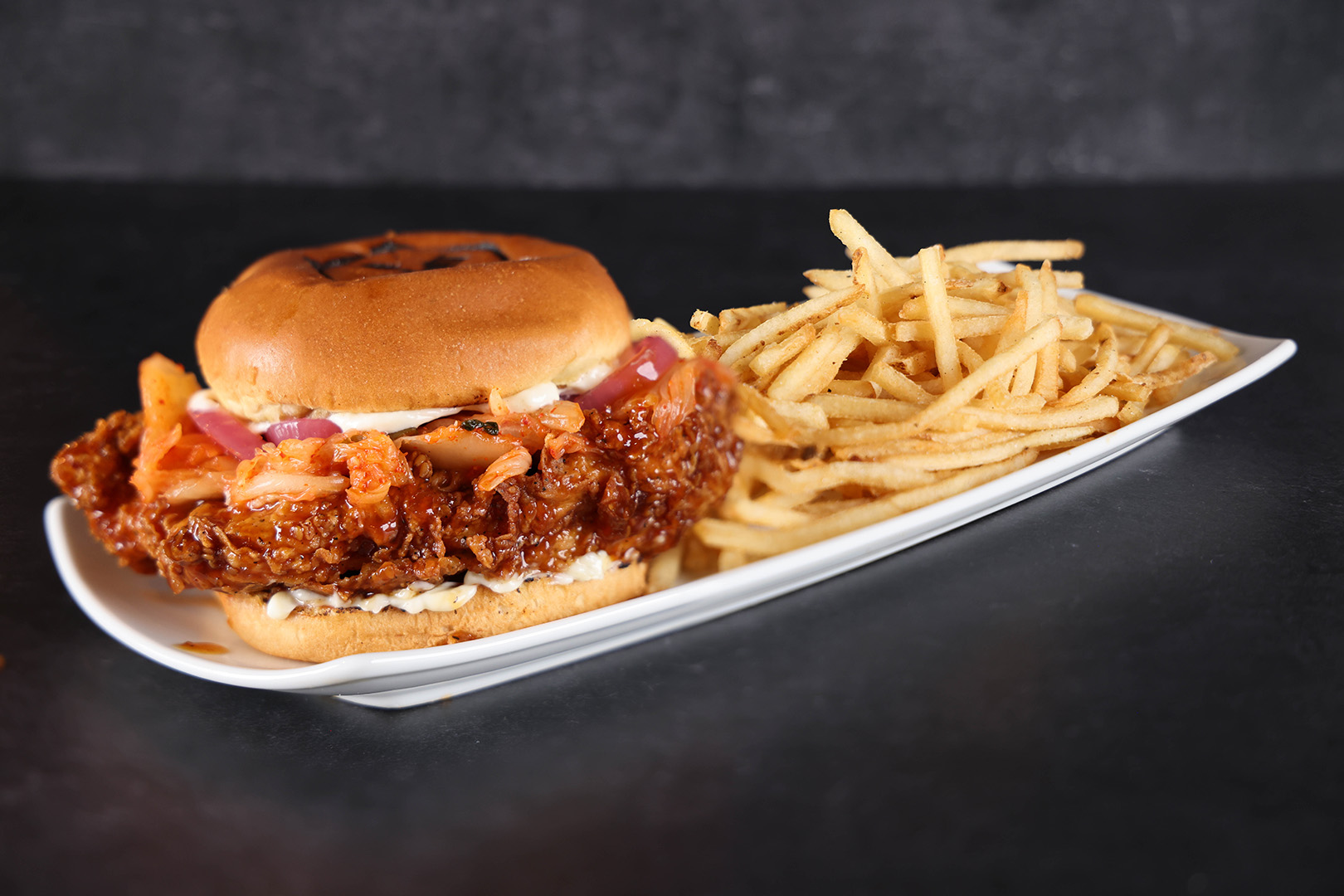
Nestled in Charleston’s vibrant food-truck scene, Bangin’ Vegan Eats elevates traditional comfort cuisine using 100 % plant-based ingredients, proving that vegan food can be both indulgent and nourishing  . This mobile kitchen serves up rich “cheezesteaks,” Beyond Meat burgers, and loaded fries—but with significantly less guilt and more nutritional value  .

From kale-packed sides to cauliflower wings, their menu isn’t just tasty—it’s thoughtfully designed to offer healthier alternatives without skimping on flavor  . Patrons rave about standout dishes like the “Hunny Garlic Bangers” and “Thic Chic,” praising both taste and quality—“Always amazing food… you can’t go wrong eating anything from Bangin Vegan Eats”  . Another reviewer noted: “Some of the best cauliflower wings I have ever had! The ranch is awesome as well”.

The passion behind the truck shines through in every detail. The owners’ mission to make plant-based comfort food vibrant and accessible fuels their creative menu and community presence. Their commitment brings veganism into the mainstream with that familiar, irresistible comfort-food feel  .

3 Other Healthy Food Trucks in Charleston

Looking for more health-conscious grub on wheels? Here are three excellent local options:

  1. Platia (Greek-inspired fare) – Serving fresh, locally sourced cuisine like salads and gyros that are light yet satisfying.
  2. Roti Rolls – Wraps combining Asian, Latin, and Indian flavors in customizable, veggie-forward roti creations.
  3. Healthy Listings via Roaming Hunger – Explore a curated list of 29 healthy-focused food trucks (vegan, organic, veggie bowls, smoothies) operating across Charleston.


Final Bite

Bangin’ Vegan Eats stands out in Charleston by making plant-based comfort food exciting, flavorful, and health-minded—backed by genuine passion from the team. And if you want to keep exploring healthy options on the go, Platia, Roti Rolls, and the wide range featured on Roaming Hunger are great places to continue your culinary adventure.

Get updates on where to find Bangin’ Vegan Eats on Instagram.

Photo Credit: Bangin’ Vegan Eats

Stay connected and subscribe to Charleston Daily.