 by
by 
By Mark A Leon
Charlie’s Place, a legendary nightclub in Myrtle Beach, was more than a venue—it was a sanctuary where music broke boundaries and secrets flourished in the shadows of segregation.
Owned by the mysterious and resourceful Charlie Fitzgerald and his wife, Sarah, the club’s true magic lay just beneath the surface, hidden from all but those who knew where to look.
On Carver Street, at the edge of the Booker T. Washington neighborhood known as “The Hill,” Charlie’s Place was alive every night with the sounds of jazz and rhythm & blues. Iconic performers like Ray Charles, Little Richard, Billie Holiday, and Otis Redding played to packed rooms, the air thick with anticipation and cigarette smoke.
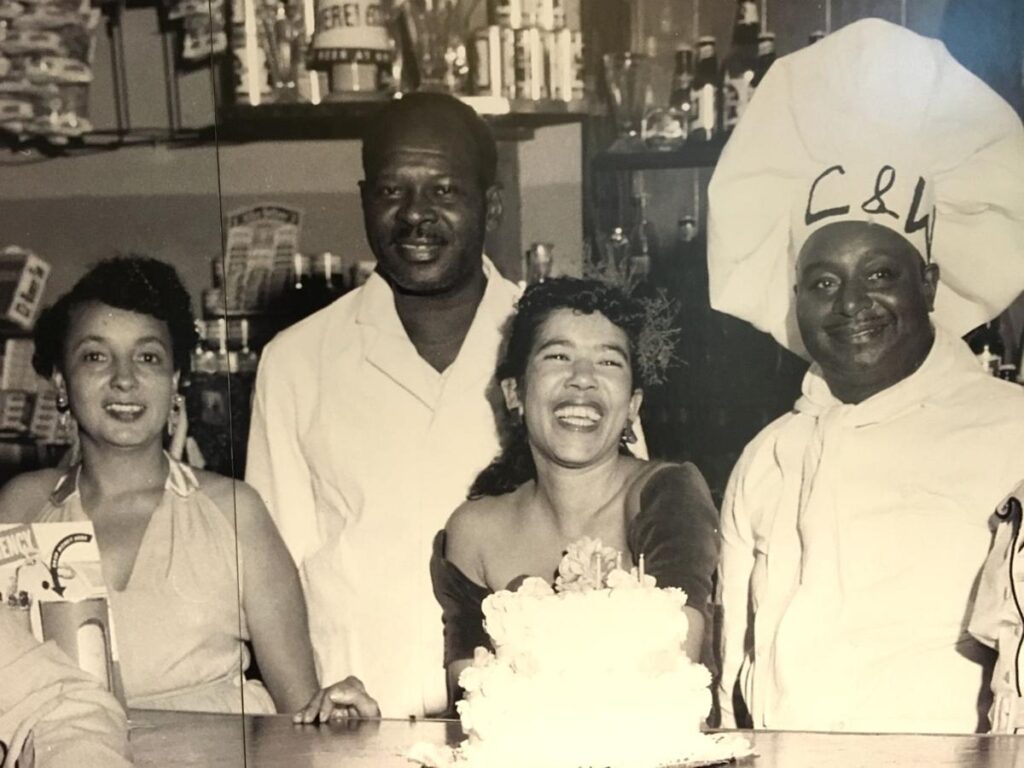
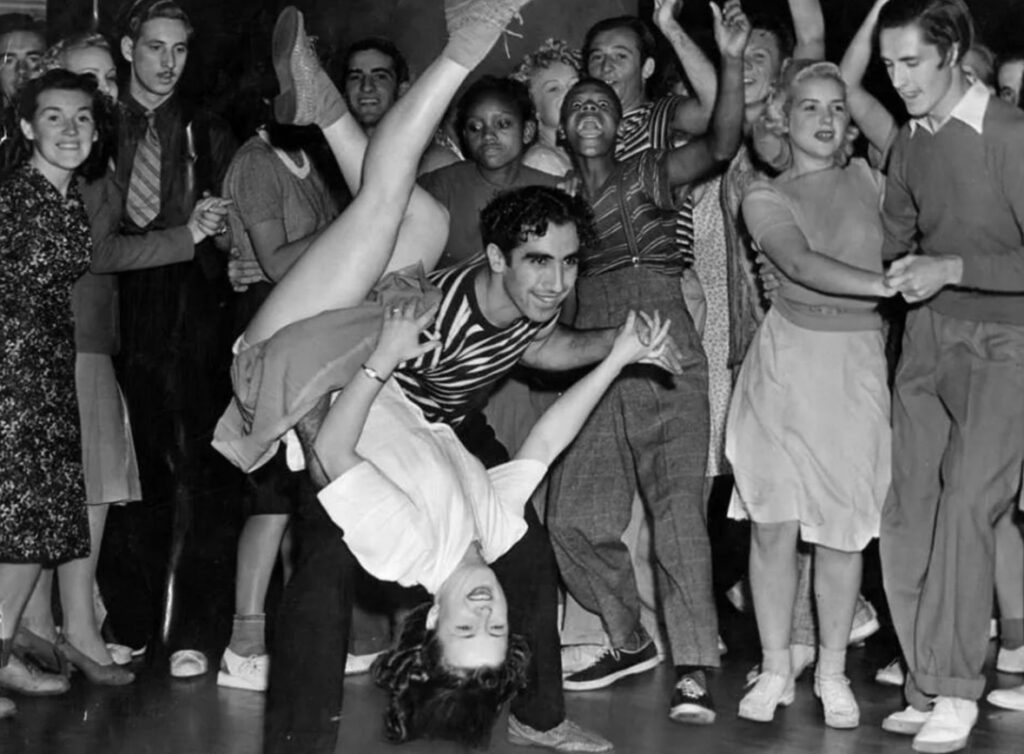
Amid the laughter and dancing, Black and white patrons mingled, an extraordinary act defying the era’s strict segregation laws.
But the real secret was behind a locked door camouflaged as part of a mahogany-paneled wall. Rumor had it, this was Charlie’s integrated bar—a place even more progressive and discreet than the main club.
Only those trusted by Charlie or initiated by Sarah found their way in. Here, both Black and white city notables, musicians, and locals would sip whiskey, share stories, and plot the future of music far from prying eyes.
Charlie’s integrated bar remained an open secret, protected by the respect Charlie commanded in the community. He was known to lend money to white business owners and was rumored to dine in white-only establishments—his quiet power making him untouchable for a time. The joy and risk of this hidden alliance only added to the club’s mystique.
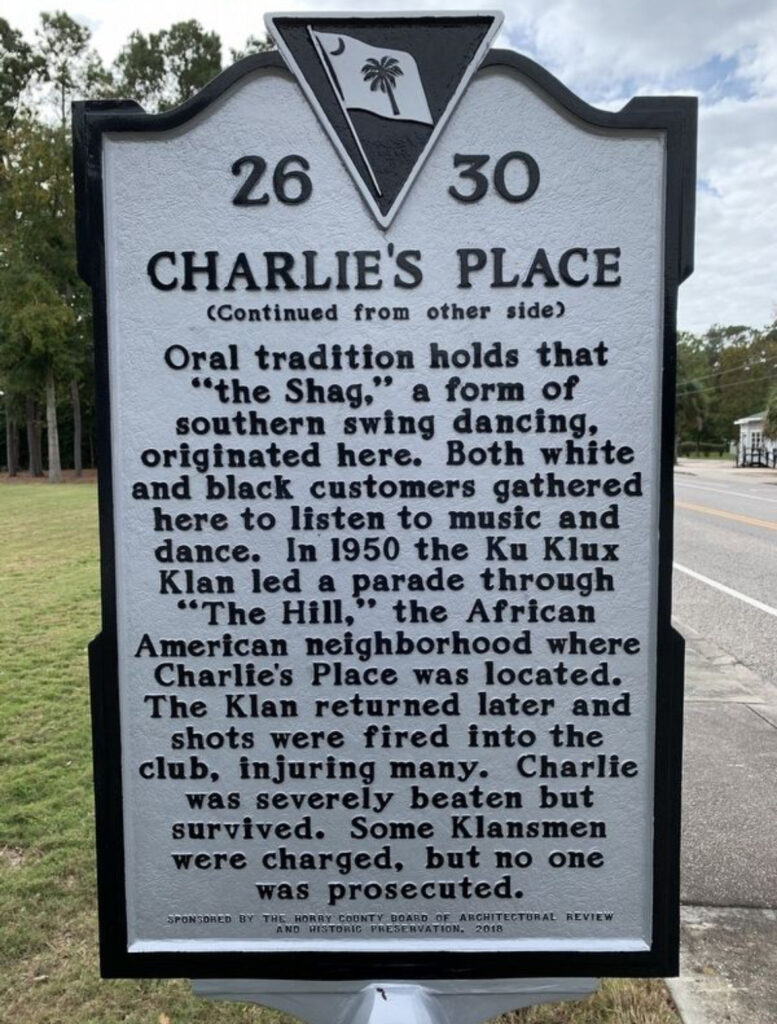
That delicate peace shattered one notorious night in 1950 when the Ku Klux Klan attacked Charlie’s Place, firing hundreds of rounds into the building. Despite the violence—and Charlie himself being beaten—he never revealed the true nature of the secret bar or those who crossed its threshold.
Even after Charlie’s tragic passing and the decline of the original club, whispers of the hidden bar lingered, its legend growing as a symbol of unity and quiet resistance. Today, Charlie’s Place is honored as a monument to courage, music, and the secret ways people defied hate to build something beautiful together.
The story of Charlie’s Place and its secret integrated bar stands as a reminder: sometimes, the most profound revolutions happen behind closed doors, under the cover of music and friendship.
Related: Remembering Charlie’s Place – South Carolina Living
Related: Charlie’s Place – PBS (Video)
Stay connected and subscribe to Charleston Daily.

Why is “black” capitalized but not “white?”
I have a book about Charlie’s Place. A wonderful read for anyone. Don’t miss it!
I see you borrowed the Front Cover of my book…Boogie Woogie Beats.
I knew Charlie, my dad was a friend of Charlie’s, stopped there at times for an illegal drink. Charlie ate in my dad’s restaurant in the 1940s and 50s in downtown Myrtle Beach at the Kozy Korner Cafe.
I hung out, danced and gambled in Charlie’s, saw 30 different acts there, hmmm, never once heard of a “Secret Bar”