 by
by 
By Mark A Leon
In the heart of Charleston, South Carolina, a powerful documentary has emerged to shed light on the struggles of residents in Gadsden Green, an 82-year-old affordable housing community that has long been overlooked and underserved. Filmmaker Travis Pearson‘s “Back Da Green” , released in 2024, is more than just a documentary – it’s a raw, unflinching examination of systemic challenges facing low-income communities.
Pearson was initially drawn to the project after being approached by State Representative Wendell Gilliard to document a community meeting. What he discovered was a shocking reality that demanded broader attention. “Every day, residents were dealing with 24 to 25 rats,” Pearson recalls. “I was like, ‘There’s no way people are living like this.'”
The documentary meticulously unpacks the multifaceted challenges facing Gadsden Green residents. Flooding is a persistent nightmare, with water regularly infiltrating homes and creating uninhabitable conditions. Rat infestations have become so severe that residents report seeing multiple rodents daily, posing significant health risks. Bed bugs compound the misery, turning what should be a safe living space into a constant battle for basic human dignity.
Affordability issues sit at the core of the documentary’s narrative. Residents not only endure substandard living conditions but are often required to pay out of pocket for repairs in properties they can barely afford to live in. This creates a cycle of economic oppression that traps families in seemingly insurmountable circumstances.
“My only aim was to try to get people to care,” Pearson explains. “Not just to care, but to actually want to do something about it – at least have a conversation about what’s happening.”
The documentary goes beyond simply highlighting problems. It delves into the rich historical context of the community, exploring the demographic shifts and systemic challenges that have shaped Gadsden Green over decades. Pearson meticulously researched the area’s history, uncovering how African American communities have been systematically marginalized in housing development.
The redevelopment project currently underway presents both hope and uncertainty. The Integral Group from Atlanta plans a phased approach, building a high-rise and potentially offering residents the option to return to renovated units. However, Pearson remains cautiously optimistic, understanding the complex dynamics of urban renewal.
“Back Da Green” is particularly powerful in its humanistic approach. Rather than presenting residents as victims, Pearson portrays them as resilient individuals fighting against systemic challenges. The documentary gives voice to those who have been historically silenced, bringing their experiences to the forefront of public consciousness.
The film’s impact extends beyond mere documentation. It serves as a call to action, challenging viewers to recognize the human cost of neglected affordable housing. By highlighting the daily struggles of Gadsden Green residents, Pearson forces Charleston – and by extension, broader society – to confront uncomfortable truths about inequality and urban development.
Challenges in Production
Technical challenges in producing the documentary were significant. Pearson faced resistance from potential subjects who feared potential repercussions, including possible eviction. Many residents were hesitant to appear on camera, reflecting the vulnerability of their position.
“Social media does not make people social anymore,” Pearson observes. “It makes people introverts, and it’s hard to get people’s attention and make them care anymore.”
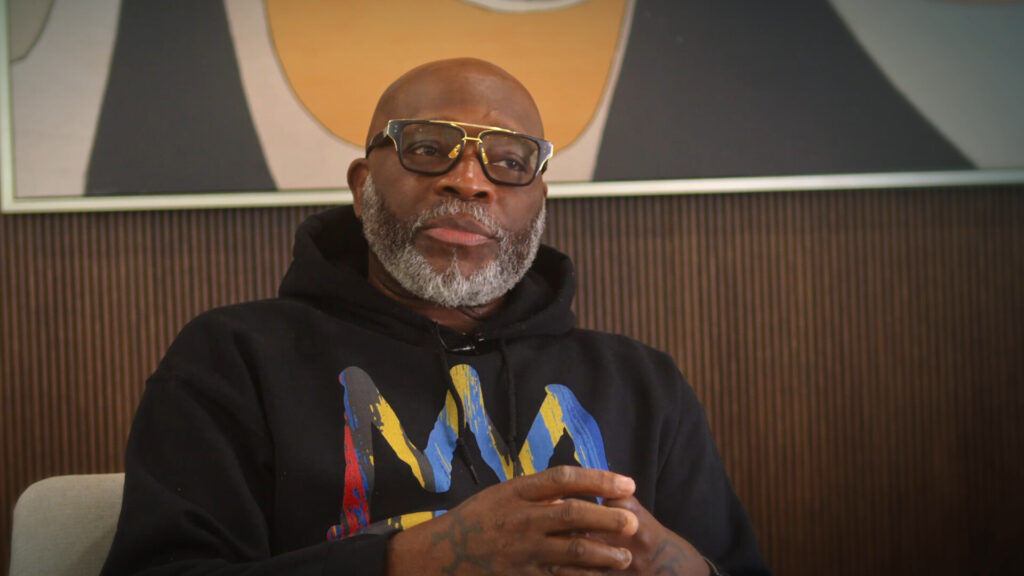
A future of uncertainty and hope
The documentary represents more than just a film – it’s a critical piece of social documentation. It captures a moment in Charleston’s ongoing transformation, serving as both a historical record and a contemporary critique of housing inequity.
As Charleston continues to evolve, “Back Da Green” stands as a powerful testament to the resilience of communities often overlooked. Travis Pearson has created more than a documentary; he’s crafted a mirror reflecting the city’s most pressing social challenges.
The film challenges viewers to look beyond surface-level narratives and recognize the complex human stories underlying urban development. It’s a call for empathy, understanding, and meaningful action.
A special thank you goes to Darryl Ray Griffin and Neal Brothers, whose generous funding significantly contributed to this documentary becoming a reality.
Stay connected and subscribe to Charleston Daily.
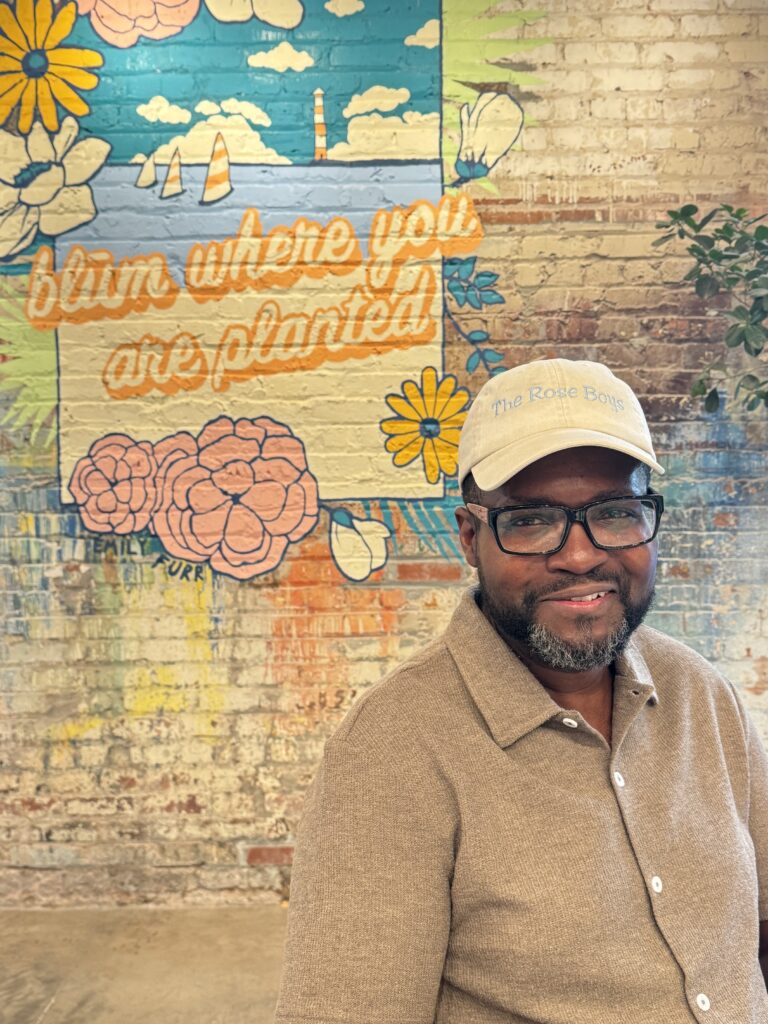
Photo credit: Travis Pearson and Charleston Daily

They are on the way to taking it, under the auspices of affordable housing (30% of the gross, any gross). However, it will be housing for hospital personnel, biotech workers, etc.. It’s happening nationwide everywhere. Public housing was located where no one wanted to live, on
the water. But, the “new” migration back into the Cities makes it attractive.
Hope someone gets a grant to show this film regularly at the Cannon Street Arts Center so everyone can see what is happening to grass roots African Americans in Charleston neighborhoods, and begin to understand why. Then, perhaps, we can do somethings to stem the tide, elevate and empower ourselves and our culture.