 by
by 
Editorial commentary by Mark A Leon
The COVID-19 pandemic forced many Americans to reconsider where and how they lived. As work and life shifted to remote and virtual spaces, people began seeking places with a better quality of life, more open spaces, and a slower pace. Charleston, South Carolina, with its historic charm, temperate climate, and burgeoning food scene, found itself at the crossroads of these desires. But did the pandemic truly accelerate the volume of new residents in Charleston, or was this a phenomenon waiting to happen?
One of the most significant changes brought about by the pandemic was the widespread adoption of remote work. As businesses closed their offices or transitioned to virtual environments, many employees no longer felt tethered to their traditional workspaces. With the freedom to live anywhere, many sought out cities that offered a balance of convenience and lifestyle. Charleston, with its scenic waterfronts, vibrant culture, and welcoming atmosphere, quickly became a prime destination.
During the early days of the pandemic, Charleston’s lax policies surrounding stay-at-home orders helped make it a more attractive option. While cities like New York and San Francisco imposed stricter lockdowns, Charleston’s more relaxed stance allowed businesses to remain open longer, with appropriate distancing measures in place. Many restaurants, bars, and shops adjusted by offering outdoor seating, curbside pickup, and even virtual ordering platforms. Despite the challenges, the city’s resilient business community adapted quickly. For many, Charleston’s flexible approach to social distancing was appealing compared to other cities where life came to a near halt.
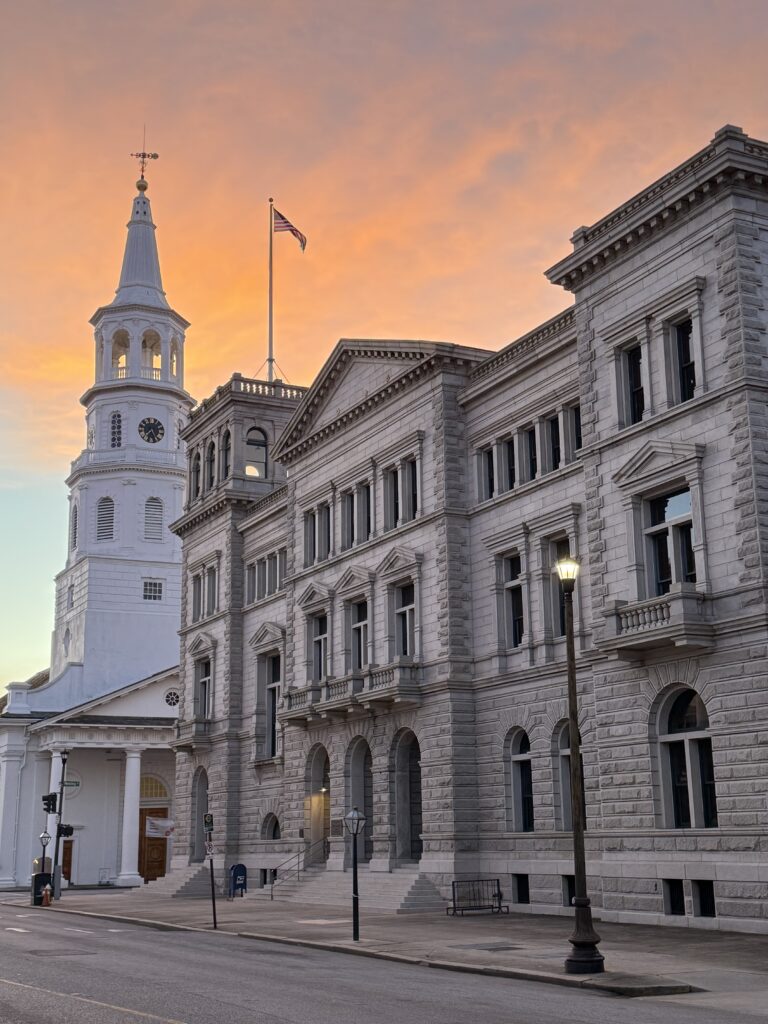
But it wasn’t just the pandemic-related policies that drew newcomers. Charleston’s temperate climate, with its mild winters and warm, beach-friendly summers, was an enticing draw. Unlike colder regions where people were cooped up indoors for long stretches, Charleston’s year-round pleasant weather allowed residents to enjoy outdoor activities in relative safety during the worst of the pandemic. Whether it was taking walks along the Battery, enjoying the beauty of the Lowcountry’s beaches, or dining outdoors in historic courtyards, Charleston’s lifestyle was well-suited for socially distanced living.
Moreover, the city’s rich cultural history, renowned cuisine, and strong sense of community were already major draws before the pandemic, but now, as people looked for a place to settle during a period of uncertainty, these attributes became even more important. Charleston offers an enviable blend of old-world charm and modern-day amenities. The vibrant restaurant scene, bolstered by an influx of culinary talent and tourists, means that new residents have no shortage of dining options to suit any palate, from traditional Lowcountry fare to contemporary fine dining. This gastronomic culture also allowed restaurants to thrive in an outdoor-focused world, further embedding the city’s place as a destination for those seeking an elevated lifestyle.
However, the decision to move to Charleston wasn’t purely driven by the pandemic’s circumstances. The city’s affordable housing market, lower cost of living compared to larger metropolitan areas, and growing job opportunities in tech, healthcare, and tourism made it a logical choice for those looking for a fresh start. The pandemic merely highlighted these advantages.
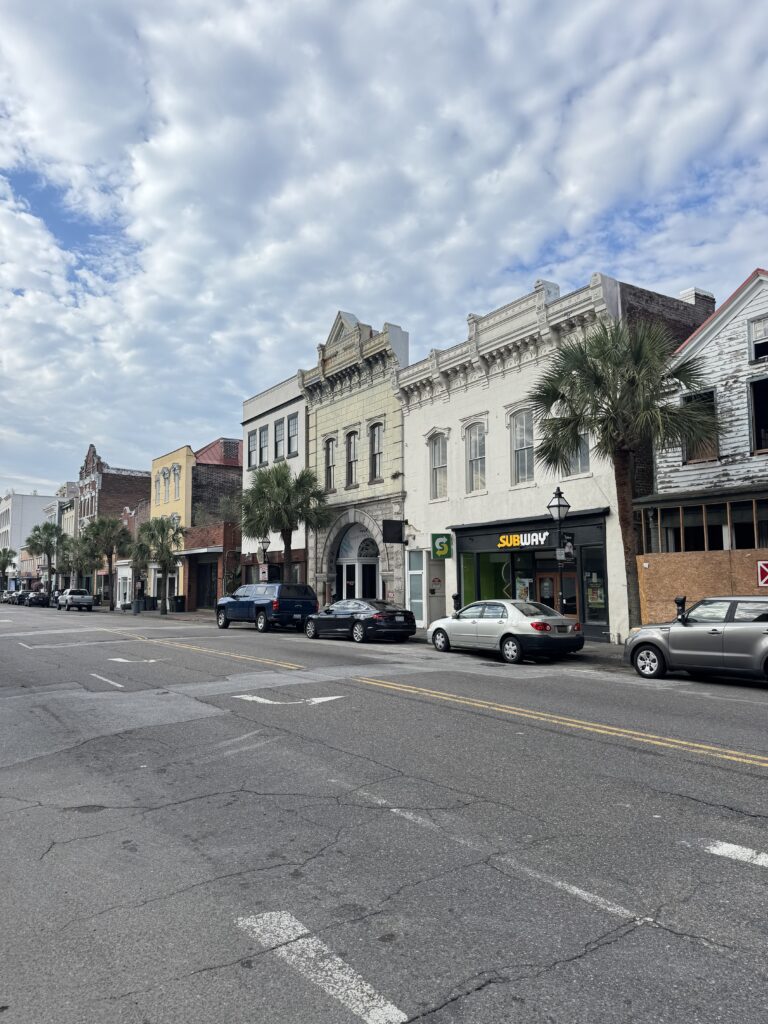
As we look ahead, it’s clear that the pandemic played a role in accelerating the decision for many people to relocate to Charleston. While the city’s beauty, culture, and lifestyle were already well-known, COVID-19 highlighted how a relaxed environment and flexible work arrangements could offer a quality of life that was not just desirable but essential. The new residents flooding into Charleston may be a temporary spike, but the city’s growth is likely to continue as it remains a beacon for those seeking a better work-life balance and a connection to nature, culture, and history.
Stay connected and subscribe to Charleston Daily.

One thought on “Did COVID-19 Accelerate the Volume of New Residency in Charleston, South Carolina?”