 by
by 
By Mark A Leon
Owning a small business in Charleston, South Carolina, can feel like trying to keep pace with a city that is both booming and burdened. While the historic charm and steady tourism create opportunity, they also introduce a unique set of challenges that many entrepreneurs struggle to overcome.
Rising Rents and Real Estate Pressure
One of the most significant pain points is the cost of rent—especially in downtown Charleston. Retail and restaurant spaces on the peninsula command some of the highest rates in the state, driven by tourism demand and limited supply.
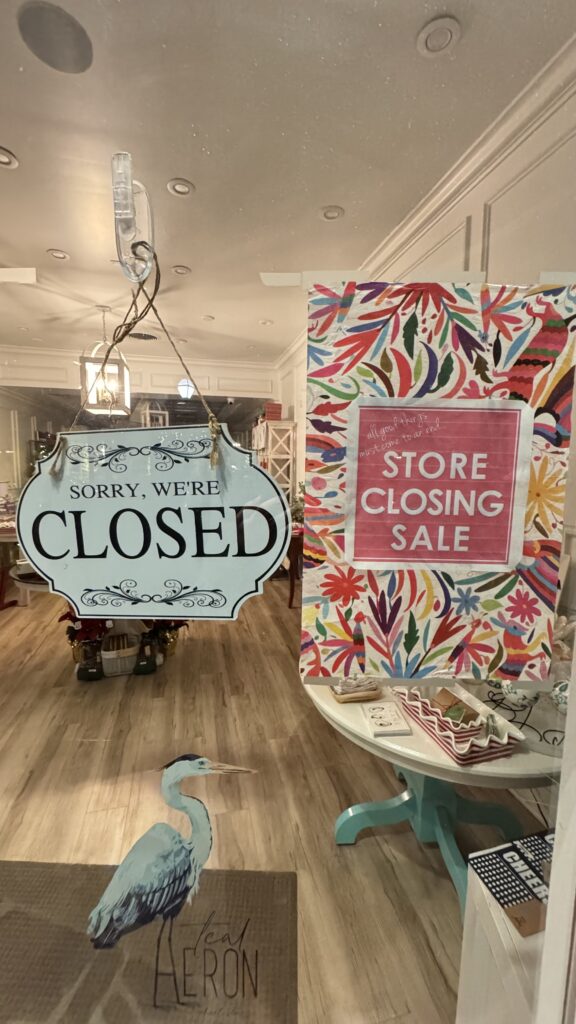
At the same time, property owners often favor short-term vacation rentals or high-end tenants that cater to visitors, which reduces availability for locally owned businesses. This shift has contributed to steep rent increases and, in many cases, the displacement of long-standing neighborhood shops.
Regulations and Compliance Costs
Charleston’s regulatory environment is another hurdle. From strict zoning laws to evolving short-term rental rules, business owners must constantly adapt to new policies. For example, short-term rental operators face annual permit renewals and stricter enforcement measures, reflecting a broader trend of increasing oversight.
Restaurants and bars face additional pressure from state-mandated liquor liability insurance, with premiums rising dramatically in recent years—sometimes high enough to prevent new businesses from opening altogether.
Construction, Infrastructure, and Congestion
Ongoing construction and infrastructure strain are daily realities in Charleston. The city’s narrow, historic streets were never designed for modern traffic volumes, and the influx of visitors only compounds the issue. Roadwork, detours, and limited parking can discourage customers and complicate deliveries.
For business owners, this translates into lost foot traffic, frustrated customers, and logistical headaches that directly impact revenue.
Tourism-Driven Price Inflation
Charleston’s economy is heavily tied to tourism, which creates a double-edged sword. While visitors bring spending power, they also drive up prices across the board. Restaurants, retail goods, and services often reflect tourist-level pricing, making it harder for locals to remain consistent customers.
Additionally, the demand for hotels and luxury experiences pushes commercial development toward high-end concepts, leaving fewer affordable options for small, independent operators.
Labor and Cost-of-Living Challenges
As housing costs rise, many workers can no longer afford to live near downtown. This forces employees to commute longer distances, increasing turnover and pushing wages higher. Businesses must then balance rising payroll costs with already thin margins—especially in hospitality.
The Bottom Line
Charleston remains an attractive place to start a business, but success requires navigating a complex landscape of high rents, strict regulations, infrastructure challenges, and tourism-driven inflation. For many owners, the biggest challenge isn’t attracting customers—it’s sustaining a business in a city where the cost of operating continues to climb faster than the ability to keep up.
Stay connected and subscribe to Charleston Daily.

I lived in Charleston as a toddler and later after I graduated from college. A total of many years. I am so glad that I lived there when I did. Charming Charlestonians lived downtown …not rich people who come in six weeks a year to play Scarlett O Hara. People were witty but had taste, manners, dressed appropriately. Now it is so over built and teaming with less charming people. Bottom line the town though still beautiful has gotten “ way too big for its britches.”.
As a small business owner who previously operated a studio on Rutledge Avenue, I can certainly attest to these challenges. I experienced firsthand the difficulty of maintaining a local presence when the market shifts so rapidly. Being pushed out of a long-standing location makes it incredibly tough to find a sustainable, permanent home in the area. It’s a vital conversation to have if we want to keep the local character of Charleston alive