 by
by 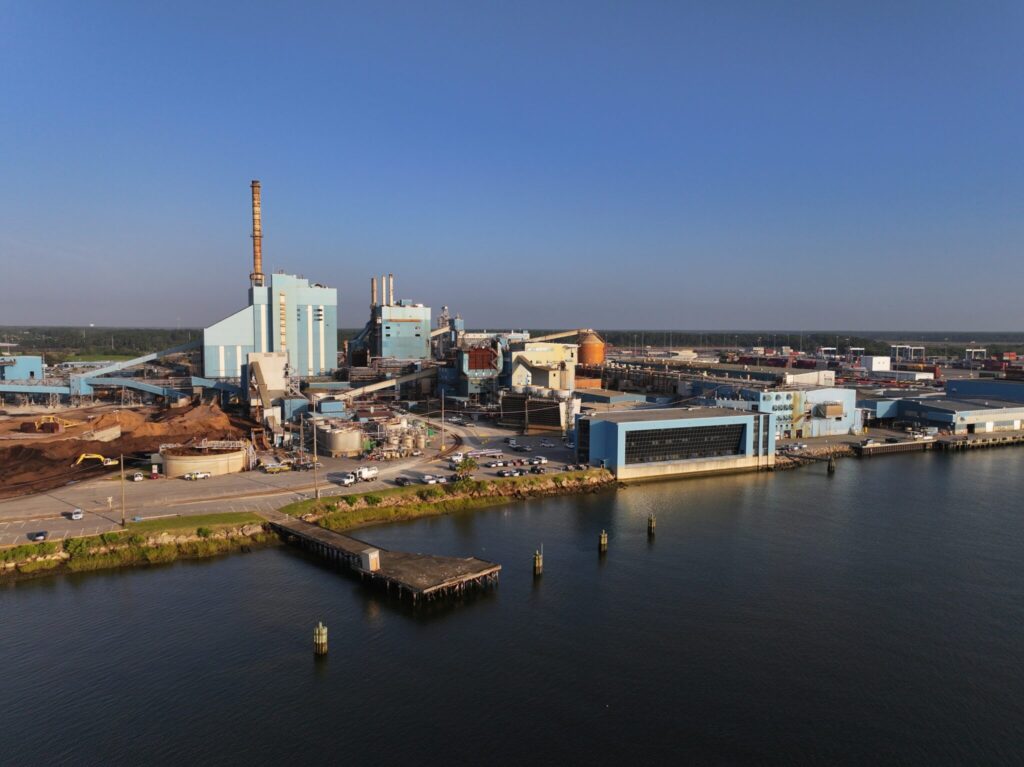
MOUNT PLEASANT, SC — The State Ports Authority will move some of its vehicle export operations to North Charleston to help protect Upstate-built BMWs and other cars from flooding while also freeing up space at the Port of Charleston’s current — and low-lying — export hub for new cargo.
The authority’s board of directors on Friday approved a $720,000 design contract for rail and cargo yard improvements at the port’s North Charleston terminal. That’s the first step toward moving some vehicle exports away from Columbus Street Terminal along the Cooper River in downtown Charleston.
The project aligns with the authority’s goal of generating new revenue from existing property by making Columbus Street available for additional breakbulk cargo — that is, cargo that doesn’t fit into containers.
“We made a commitment to our various constituencies — our board and the regional supply chain entities that depend on us to grow — that we would focus our investment on immediate revenue-generating opportunities or capacity,” said Micah Mallace, the authority’s president and CEO, adding this is the first of several expected announcements.
“We’ll find creative new ways to monetize our real estate, which we have a fair amount of,” he said. “This is the first one.”
The authority’s plans also include demolition starting this summer of the old WestRock paper mill, which is adjacent to the North Charleston terminal.
The authority bought the roughly 280-acre paper mill site for $105 million two years ago after WestRock shut down the facility following 86 years of operation.
Rail improvements are planned on the old paper mill site so state-owned Palmetto Railways can help Norfolk Southern and CSX Corp. move vehicles to the new vehicle export center.
The expanded rail service “builds on existing rail infrastructure and improves capacity for future cargo growth,” said Patrick McCrory, president and CEO of Palmetto Railways.
McCrory said the short-line railroad, a division of the state’s Commerce Department, will also collaborate with the authority on future cargo opportunities at Columbus Street Terminal.
Flooding has vexed Columbus Street Terminal for years, and the maritime agency has spent millions looking for a solution to protect vehicles parked there waiting to be shipped overseas.
In 2024, for example, hundreds of BMWs parked at the terminal were damaged by saltwater intrusion.
Last year, the authority’s board approved spending nearly $400,000 to study raising the elevation of Columbus Street Terminal.
The authority also installed machinery to move water off the 155-acre site, purchased removable barriers to divert floodwater away from vehicles and spent $2 million to pave a backup staging area for BMW exports at the Leatherman Terminal in North Charleston.
Mallace said the North Charleston Terminal plan “absolutely” would help mitigate flooding concerns.
Columbus Street Terminal, which dates to the late 1950s, also serves Volvo Cars and Mercedes-Benz Vans as well as several breakbulk customers.
The terminal, which has the capacity to move more than 250,000 vehicles annually, has handled 116,328 exported vehicles through the first nine months of this fiscal year, which started July 1.
Work to create a vehicle export site in North Charleston will start next year, with operations expected to begin in 2028.
The authority’s board also approved a demolition contract for the WestRock paper mill site that will also address asbestos remediation. Demolition costs will be covered by selling scrap materials from tearing down the paper mill.
The maritime agency has long-term plans to add more container cargo to the site where the WestRock mill once operated.
But before that expansion can take place, the state’s Department of Transportation will have to replace the Don Holt Bridge over the Cooper River to make room for the tall container ships that now visit U.S. ports.
Those plans are in the early stages. Vessels that carry vehicles don’t need the higher bridge clearance.
The authority’s board also heard an update on the port’s cargo levels, which continue to be roiled by global tariff and economic concerns.
The port’s marine terminals handled 102,246 cargo containers of all sizes in April.
That’s the second-lowest during the current fiscal year and a 13.5% drop from the same month a year earlier. Revenue is down about 4% so far this fiscal year, due largely to the drop in container volumes.
The problem isn’t limited to Charleston’s port. Projections by the National Retail Federation show U.S. ports saw a 3.6 percent year-over-year drop in imports in April.
“With inflation rising and consumer confidence falling among global economic uncertainty driven by the conflict in Iran, the overall trend of lower imports is expected to continue after that,” Jonathan Gold, the federation’s vice president for supply chain and customs policy, said in a written statement.
Maritime analyst Ben Hackett, founder of Hackett Associates, said retailers are cautious about building up inventories.
“Containerized imports in the first quarter were down year over year, and forward demand is weakening,” Hackett said in a written statement.
Stay connected and subscribe Charleston Daily.
