by
by 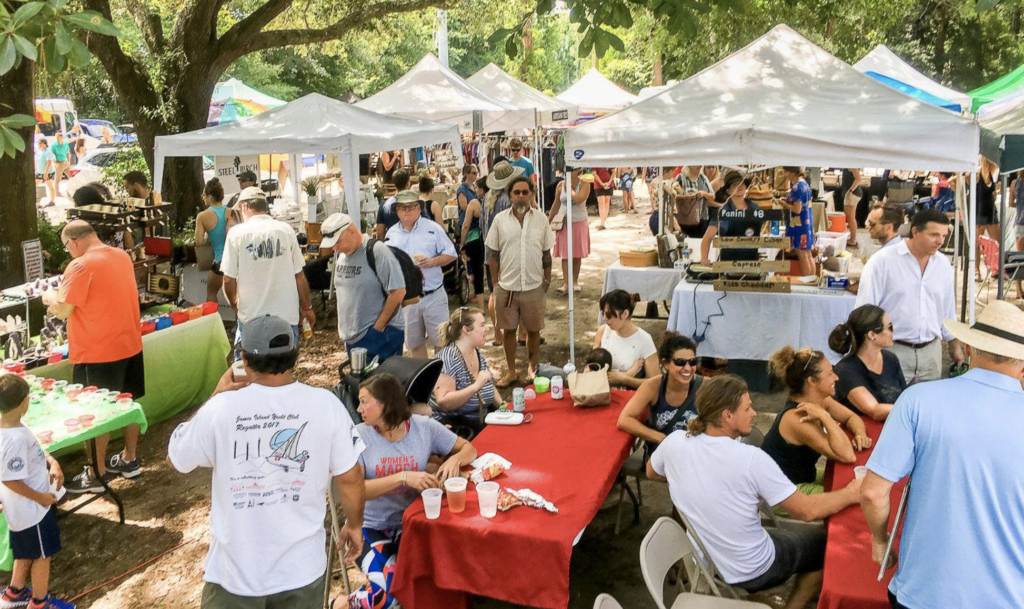
By Mark A Leon
There is something wonderfully old-fashioned about buying food from the people who grew it.
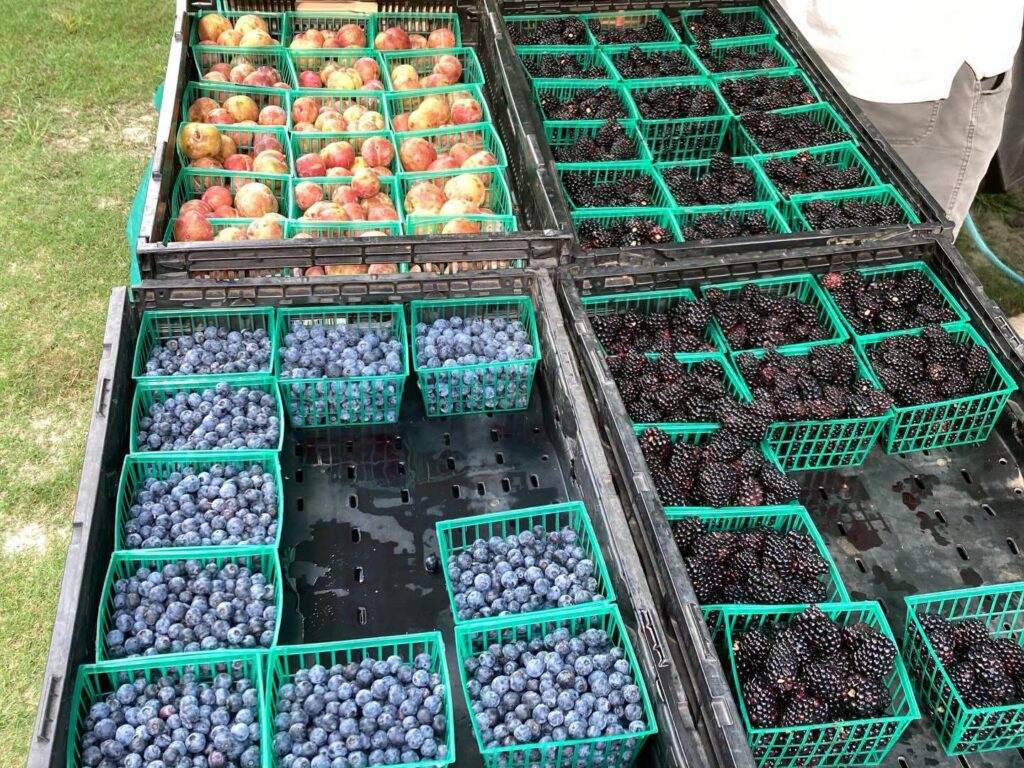
In Charleston, that tradition has never completely disappeared. It has simply evolved. Today, farmers markets, farm stands, organic growers and community-supported grocery programs are becoming an increasingly important part of the Lowcountry food scene — offering everything from heirloom tomatoes and leafy greens to mushrooms, flowers, eggs, baked goods and locally made specialty foods.
And while not every farmers market is exclusively organic, many feature individual farmers who use organic, sustainable or regenerative growing practices. For shoppers, that creates an opportunity to ask questions, get to know the growers and understand exactly where their food comes from.
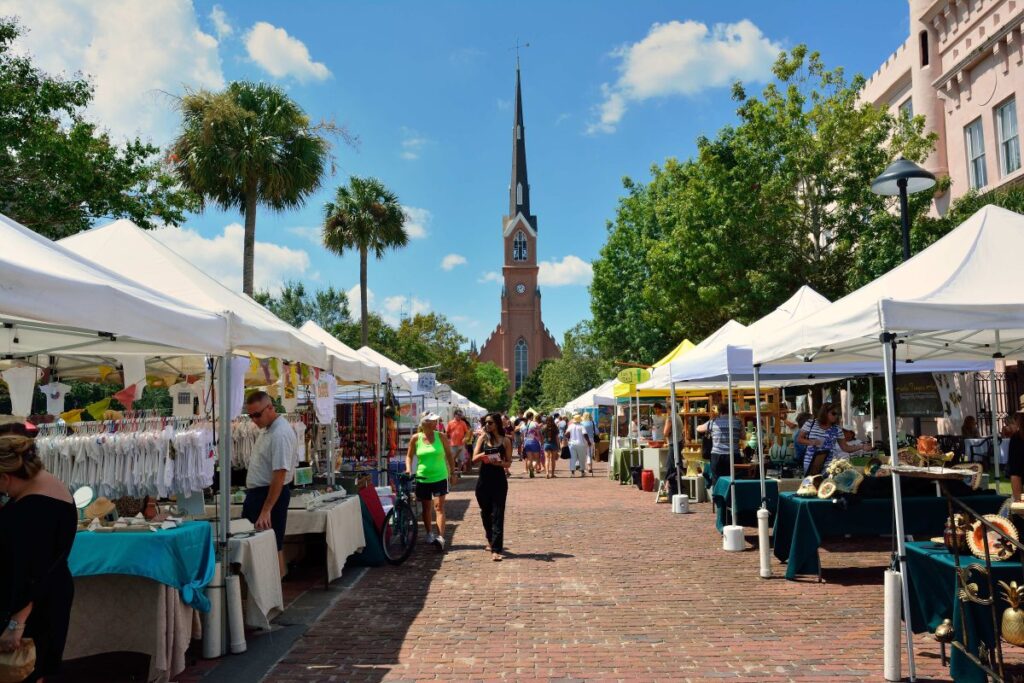
Perhaps the best-known starting point is the Charleston Farmers Market at Marion Square, a Saturday tradition dating back to 1989. From April through November, the square becomes a gathering place for farmers, growers, food makers, artisans and neighbors. Seasonal produce, herbs, flowers, prepared foods and locally made products fill the market, but the real attraction is the sense of community. It feels less like grocery shopping and more like participating in Charleston’s food culture.
If Marion Square represents the city’s traditional market culture, Sunday Brunch Farmers Market on James Island represents a more eclectic, decidedly Charleston version of it. Held Sundays behind the Charleston Pour House, the year-round market blends local farms with makers, prepared food, music and an easygoing neighborhood atmosphere. Vendors include farms such as Spade & Clover Gardens, Fili-West Farms and R&R Acres, along with Super Mushroom Brothers, bread makers, pasta makers, kombucha producers and other local businesses.
It is the sort of market where you can buy vegetables for dinner, grab something to eat, listen to music and spend an hour talking to a farmer — all without feeling like you ever left James Island.
On Johns Island, the connection between farming and community becomes even more apparent. Sea Island Farmers Market, held Saturdays at Charleston Collegiate, operates year-round and brings together farmers, food producers, artisans and regular neighborhood shoppers. Johns Island has long been one of the agricultural hearts of the Charleston area, and the market reflects that heritage.
The island is also home to some of the region’s most interesting farms. Rosebank Farms, for example, has been farming on Johns Island since 1988 and produces seasonal fruits, vegetables, herbs and flowers. Nearby Joseph Fields Farm carries an even deeper historical connection: it is a certified organic farm operated by Joseph Fields, a third-generation Gullah-Geechee farmer.
For shoppers interested specifically in organic agriculture, Joseph Fields Farm deserves special attention. Beyond the produce itself, buying from a farm like this means supporting a piece of Lowcountry agricultural history and a farming tradition that stretches across generations.
Another Johns Island institution is Stono Market & Tomato Shed Café, where the experience goes beyond simply picking up produce. The market and café combine farm products, local foods and Southern cooking, making it an appealing stop for anyone who wants to experience the connection between what is grown around Charleston and what eventually lands on the plate. The South Carolina Department of Agriculture lists Stono Market among the area’s roadside markets.
Stono Market & Tomato Shed Café
For those who want the convenience of local food without necessarily spending Saturday morning walking a market, Lowcountry Street Grocery offers a particularly innovative solution. The organization brings fresh groceries to neighborhoods through its mobile grocery operation and works with local farms and food producers. It represents another important side of Charleston’s local-food movement: making fresh, locally sourced food more accessible rather than limiting it to traditional market settings.
And then there are the larger natural-food stores. Earth Fare and Whole Foods Market offer something the farmers markets cannot always provide: consistency and convenience. Shoppers can find organic produce, natural pantry products and specialty foods throughout the week, while still having access to products from regional producers.
But perhaps the most interesting thing happening is that Charleston’s definition of an “organic market” is becoming broader.
It is no longer simply about whether a tomato carries an organic certification.
It is about knowing who grew it. It is about supporting a family farm. It is about buying something that was harvested nearby rather than shipped thousands of miles. It is about keeping agricultural land productive and preserving the knowledge, culture and traditions that have shaped the Lowcountry for generations.
That may be the real appeal of Charleston’s farmers markets and local food movement.
In a city celebrated around the world for its restaurants, the story ultimately begins somewhere much simpler — with a farmer, a piece of Lowcountry soil and something growing in it.
Stay connected and subscribe to Charleston Daily.