Where Southern Charm Meets Stardom: Inside Charleston’s Celebrity Coastal Hideaway


By Mark A Leon


Charleston’s blend of historic charm, coastal beauty, and relative privacy has quietly transformed the Lowcountry into a magnet for high-profile residents. From oceanfront estates on barrier islands to tucked-away homes in Mount Pleasant’s Old Village, a surprising number of celebrities now call the Charleston area home—at least part-time—bringing national attention to places like Kiawah Island, Sullivan’s Island, and Isle of Palms.

Sullivan’s Island: The Celebrity Enclave

Among the most star-studded pockets of the Lowcountry is Sullivan’s Island, long favored for its understated elegance and lack of commercial overdevelopment. Comedy legend Bill Murray is perhaps the area’s most visible local, frequently spotted at Charleston RiverDogs games and neighborhood restaurants. Late-night host Stephen Colbert also maintains a home here, returning often to his hometown roots.

Adding to the island’s A-list appeal, Academy Award winner Reese Witherspoon reportedly owns a beach house, while actors Danny McBride and John Goodman have both put down roots after filming projects in the region. 


Isle of Palms: Music and Coastal Living

Just across the inlet, Isle of Palms offers a slightly more resort-oriented lifestyle, attracting musicians and entertainers. Charleston native and Hootie & the Blowfish frontman Darius Rucker owns a home here and remains deeply connected to the community through performances and philanthropy. 

The island’s golf courses and beachfront properties make it especially appealing for celebrities seeking a balance between privacy and social life.

Mount Pleasant: Old Village Meets Modern Fame

Across the Cooper River, Mount Pleasant—particularly the Old Village—has quietly become a haven for creative professionals. Singer-songwriter Michelle Branch and Patrick Carney have a home here, blending into a community known for its coastal charm and family-friendly atmosphere. 

Mount Pleasant offers proximity to downtown Charleston while maintaining a quieter, residential feel—an ideal mix for celebrities raising families.


Kiawah Island: Seclusion and Luxury

For those seeking true privacy, Kiawah Island stands apart. This gated barrier island is synonymous with exclusivity, attracting high-profile figures looking to escape the spotlight. Former South Carolina governor Nikki Haley owns a home here, and Olympic figure skater Tara Lipinski has also been linked to the island. 

Kiawah’s world-class golf courses, expansive estates, and natural beauty make it one of the most desirable celebrity retreats in the Southeast. 

A Growing Celebrity Footprint

Beyond these areas, the broader Charleston region continues to attract actors, musicians, and public figures drawn by its slower pace, architectural beauty, and tight-knit community. Whether it’s a primary residence or a second home, these celebrities are not just passing through—they are investing in and contributing to the culture of the Lowcountry.

In a city known for preserving its past, Charleston is quietly building a modern identity as a coastal haven for some of the country’s most recognizable names.

Stay connected and subscribe to Charleston Daily.

Observations from a Porch of an Aging Farmer in a Changing South

Read More
Screenshot

By Mark A Leon

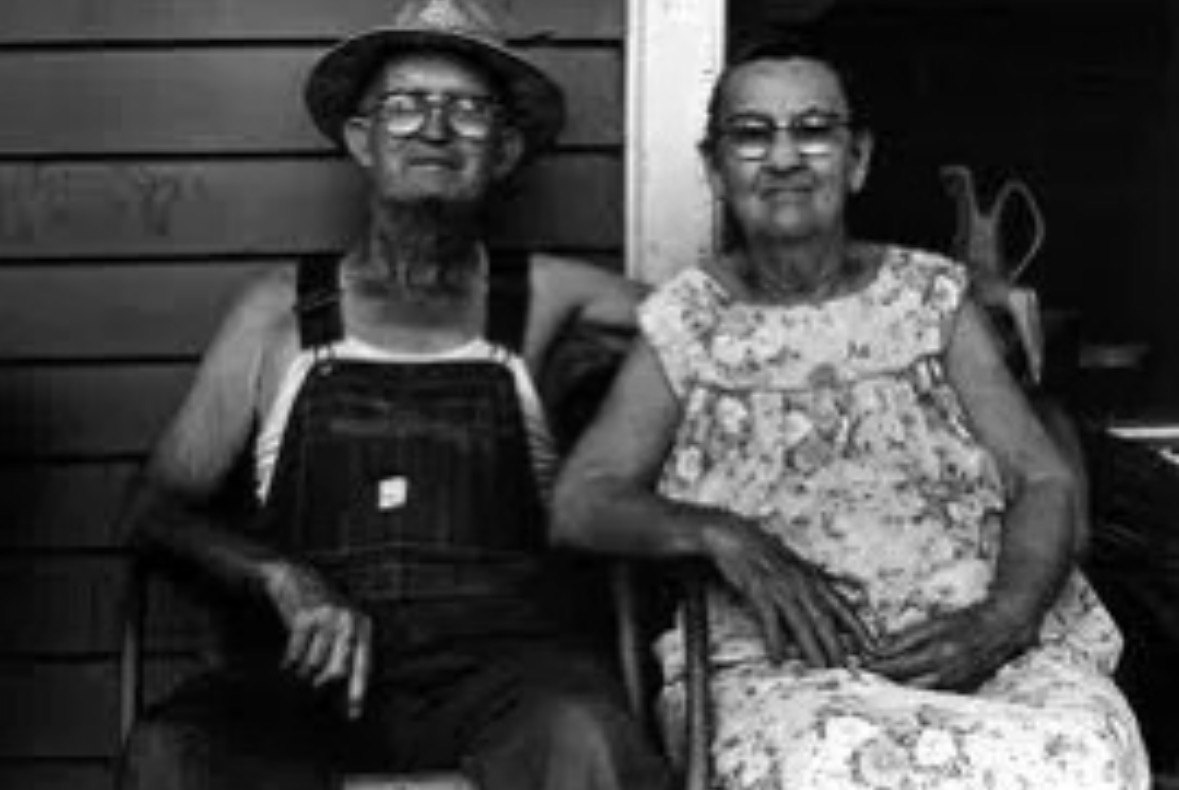
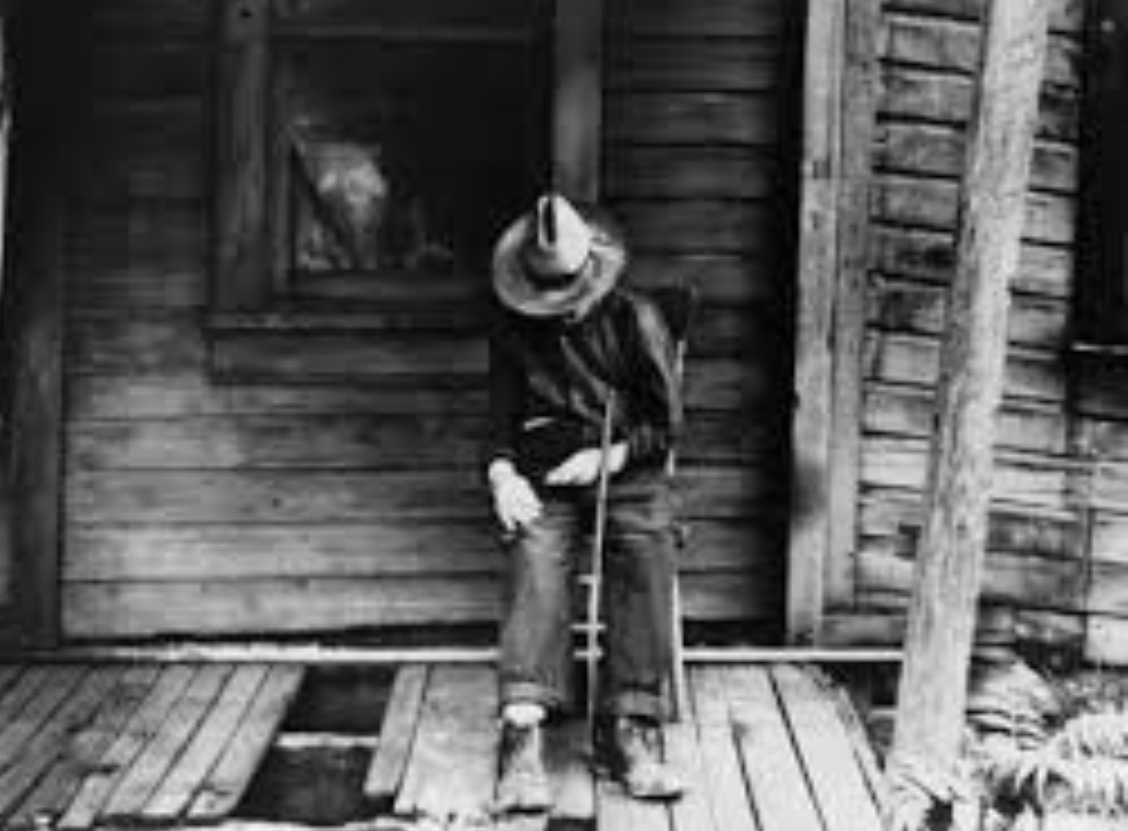
The porch is still there. Weathered boards, a couple of rocking chairs, maybe a ceiling fan that hums more out of habit than necessity. But everything beyond that porch—everything that once defined a Southern farmer’s life—has changed.

Where fields once stretched uninterrupted to the horizon, there are now subdivisions, solar farms, and “For Sale” signs that don’t stay up long. The land is still rich, but its purpose feels less certain. Farming, once a way of life passed down like a family recipe, is now a business measured in margins, data, and global markets.

And yet, the porch remains a place to sit and think.

An aging Southern farmer today doesn’t just watch the weather roll in—he checks it on his phone first. He tracks crop prices before sunrise and reads about droughts halfway across the world that will somehow affect his own yield. The rhythm of the land is still there, but it now beats alongside the pulse of technology and uncertainty.

What hasn’t changed is the weight of memory.

From that porch, he remembers when neighbors didn’t need invitations—just a slowing truck and a wave. When evenings meant stories instead of screens. When the only noise was cicadas and distant laughter, not the steady hum of traffic creeping closer year by year.


Rural America is shrinking in some ways and stretching in others. Young people leave for cities, chasing opportunity, while newcomers arrive looking for quiet they don’t quite understand yet. The culture shifts, subtly at first, then all at once.

Still, the porch offers perspective.

It’s where past and present sit side by side. Where a man can hold onto what was while trying to make sense of what is. The land may no longer define life the way it once did, but it still shapes the soul of those who’ve worked it.

And maybe that’s the truth of it.

The South isn’t disappearing—it’s evolving. Faster than some would like, slower than others expect. But on that porch, with the same wide sky overhead, there’s a quiet understanding:

Some things are worth holding onto.

Even as everything else changes.

Stay connected and subscribe to Charleston Daily.

Charleston Reimagined: A Playful New Vision for a Family-Friendly Downtown

Read More
Screenshot


By Mark A Leon

Downtown Charleston, SC is on the cusp of a bold and imaginative transformation, as city leaders and community planners continue shifting their focus toward creating more engaging, family-friendly public spaces. While Charleston has long been celebrated for its history and architecture, a new vision is emerging—one that blends tradition with interactive, playful experiences designed for residents and visitors of all ages.

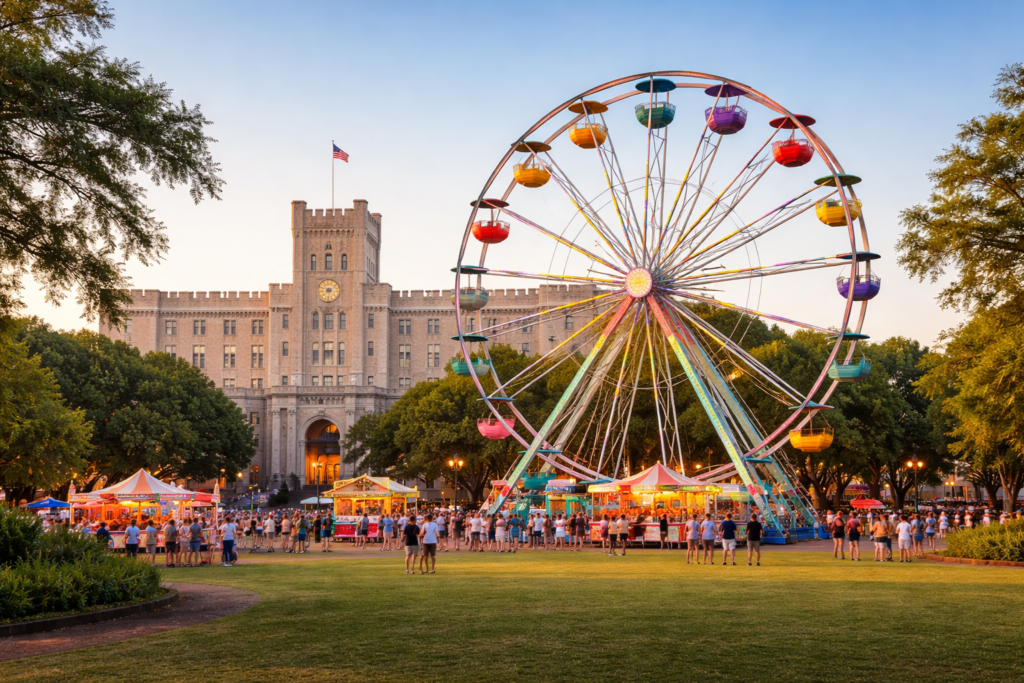
At the heart of this reimagining is Marion Square, the city’s central gathering space. Already known for hosting festivals, markets, and community events, the square has historically served as a flexible urban park connecting multiple neighborhoods.  Plans now imagine a permanent Ferris wheel rising above its iconic lawn, offering sweeping views of the peninsula and adding a dynamic, year-round attraction that brings energy both day and night.

Water-based recreation is also central to the city’s evolving identity. Along the Ashley River, Brittlebank Park —traditionally a passive waterfront green space—is envisioned as the future home of a family-oriented water park. This concept builds on the city’s ongoing investments in upgrading parks and playgrounds to create safer, more vibrant recreational environments for children and families. 


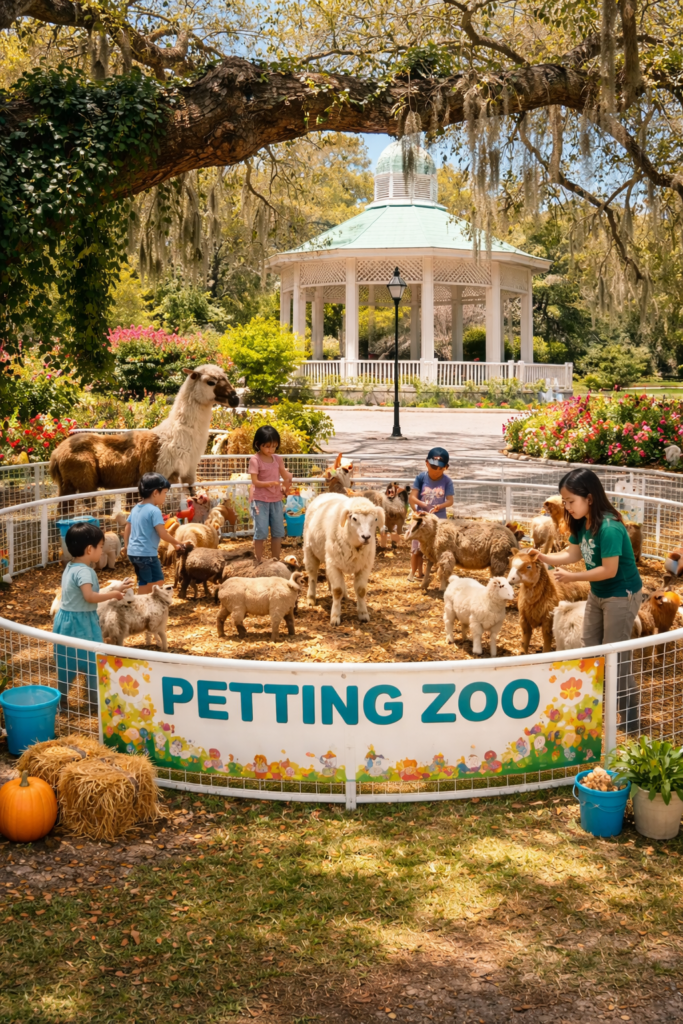
Further north, Hampton Park, already one of Charleston’s most beloved green spaces, could take on an even more interactive role. Known for its gardens and walking paths, the park has previously undergone planning efforts to expand amenities and attract broader community use.  A proposed petting zoo would introduce an educational, hands-on experience for younger visitors, reinforcing the park’s role as a destination for families.

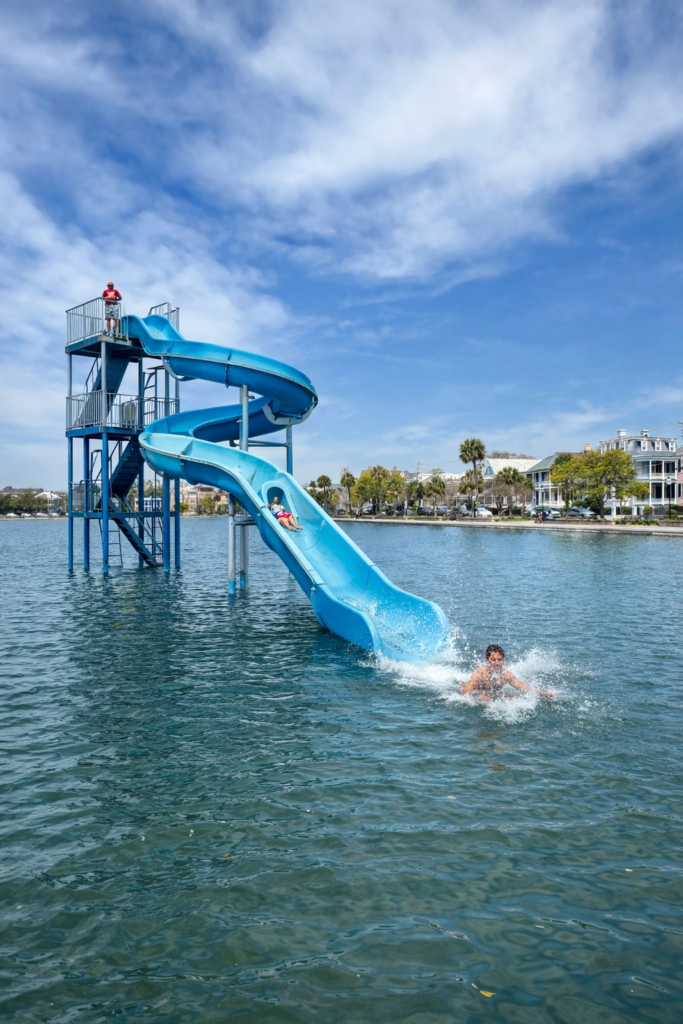
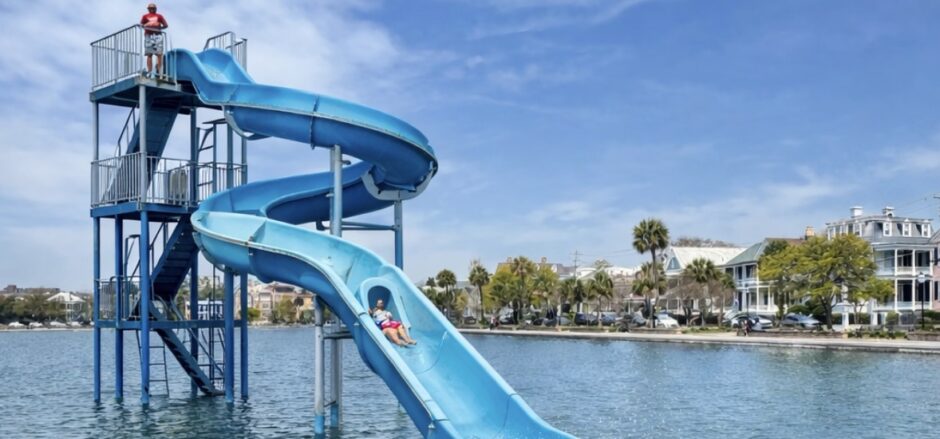
Even Charleston’s smaller, picturesque spaces are part of the vision. Colonial Lake, a serene neighborhood retreat, could see a whimsical addition in the form of a water slide, blending playful recreation with the city’s historic charm.

These ideas—while imaginative—reflect a broader and very real trend: Charleston’s continued investment in parks, public spaces, and community-centered design. With more than 100 parks across the city and ongoing capital improvements, officials are prioritizing accessibility, safety, and enjoyment for all residents. 


As Charleston evolves, the balance between preservation and innovation remains key. By leaning into family-friendly experiences, the city is not only enhancing quality of life but also ensuring that its historic downtown remains vibrant, welcoming, and full of joy for generations to come

Stay connected and subscribe to Charleston Daily.
Disclaimer: This story was written for entertainment purposes and is not based on factual or research based content. Happy April Fool’s Day.

Guardians of Charleston: How the Preservation Society of Charleston Protects the City’s Past While Shaping Its Future

Read More

By Mark A Leon

Few organizations are as deeply woven into the fabric of Charleston’s identity as the Preservation Society of Charleston. For more than a century, it has stood as both guardian and guide—protecting the city’s architectural heritage while shaping thoughtful growth for future generations.

Origins: A Grassroots Movement That Changed America

The story of the Preservation Society begins in 1920 with a single act of defiance. Charleston native Susan Pringle Frost rallied a small group of citizens to save the historic Joseph Manigault House, which was slated for demolition to make way for a gas station. 

That effort sparked the creation of what was originally called the Society for the Preservation of Old Dwellings—widely recognized as the first grassroots historic preservation organization in the United States. 

From the outset, the Society’s mission extended beyond saving a single building. It ignited a movement that would define Charleston’s future. By 1931, the organization successfully advocated for the nation’s first historic zoning ordinance, establishing Charleston’s “Old and Historic District” and creating the Board of Architectural Review—tools that cities across America would later adopt. 

A Century of Advocacy and Impact

Over the decades, the Preservation Society has evolved from a reactive preservation group into a proactive civic leader. Today, it works at the intersection of history, planning, and community advocacy—ensuring that Charleston remains both livable and authentic. 

Its influence can be seen in:

  • Protecting historic neighborhoods from incompatible development
  • Guiding zoning and architectural decisions
  • Educating residents on preservation tools and processes
  • Celebrating excellence through the Carolopolis Awards

Perhaps most importantly, the Society reframed preservation as a “living” concept—not freezing the city in time, but allowing it to evolve without losing its soul.

Properties and Preservation Wins in the Last Five Years

Unlike organizations that directly purchase and restore buildings, the Preservation Society often works through advocacy, public pressure, and collaboration. Its victories are frequently measured in prevented demolitions and improved outcomes, rather than ownership.

In the past five years, several notable efforts highlight its ongoing importance:

  • Historic Homes on Cannon and Sheppard Streets – The Society has actively fought proposals that would have led to demolition, pushing instead for rehabilitation and adaptive reuse.  
  • Philip Simmons-related structures and cultural sites – Advocacy efforts have focused on protecting properties tied to Charleston’s African American heritage, ensuring these stories remain visible within the city’s landscape.  
  • Multiple Carolopolis Award-winning restorations – While not always the developer, the Society has influenced and recognized dozens of preservation projects, helping ensure historic buildings are restored rather than replaced.  

Additionally, individual properties such as the John Ravenel House have undergone award-winning preservation work in recent years, reflecting the broader ecosystem the Society helps sustain. 

These efforts collectively represent a quieter but powerful form of preservation: stopping loss before it happens.

Why the Preservation Society Still Matters

Charleston’s popularity has brought rapid growth, rising property values, and intense development pressure. Without a strong advocate, the very qualities that make the city special—its scale, craftsmanship, and sense of place—could easily be eroded.

The Preservation Society plays a critical role by:

  • Acting as a watchdog in public planning decisions
  • Giving residents a voice in development debates
  • Protecting not just buildings, but cultural identity
  • Promoting equitable preservation across all neighborhoods

Its founding principle remains as relevant today as it was in 1920: that cities are strongest when their past informs their future.

A Legacy Still Being Written

More than 100 years after Susan Pringle Frost took her stand, the Preservation Society of Charleston continues to shape the city in visible—and invisible—ways. Every preserved façade, protected streetscape, and restored home is part of that legacy.

In Charleston, preservation is not just about saving old buildings. It is about protecting a way of life. And thanks to the Preservation Society, that story is still being told—one building, one block, and one community at a time.

Follow their journey on Instagram.

Stay connected and subscribe to Charleston Daily.
Look Up Charleston: Where Fine Art Meets Everyday Discovery in the Heart of the Holy City

Read More

By Mark A Leon

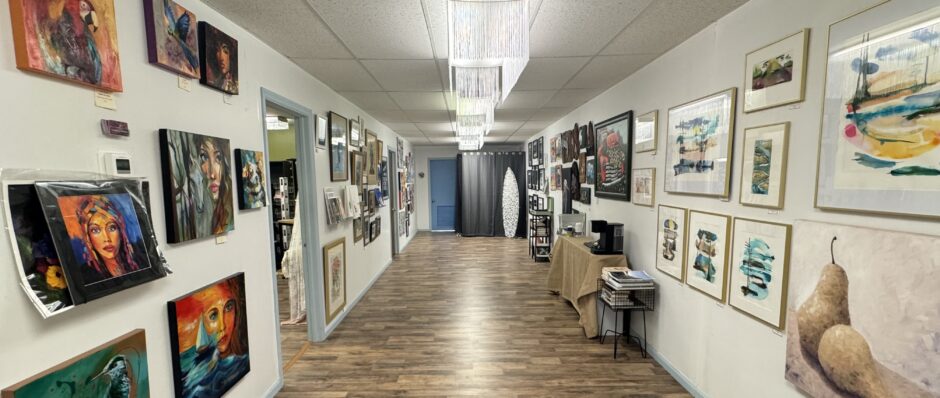
In the heart of Charleston’s historic district—just steps from some of the city’s most established galleries—Look Up Charleston is quietly redefining what a fine art gallery can be. Equal parts gift emporium and curated art space, it has emerged as one of the most approachable and engaging destinations for discovering local creativity.

Charleston has long held a reputation as a serious art city, anchored by institutions like the Gibbes Museum of Art and supported by dozens of traditional galleries throughout the French Quarter.  Yet what sets Look Up Charleston apart is its intentional shift away from formality and toward accessibility—without sacrificing artistic quality.

Located upstairs at 128 Meeting Street, the space feels less like a gallery in the traditional sense and more like a living, breathing creative collective. Visitors encounter a rotating mix of works from more than 50 artists, alongside active studio spaces where art is not only displayed but made in real time.  This immediacy creates a sense of connection between artist and collector that is often missing in more conventional settings.

Alicia Colella


At its core, Look Up Charleston’s philosophy is rooted in curation with personality. The gallery bridges the gap between established and emerging artists, offering a range of styles that feel both refined and deeply personal. The result is a collection that invites discovery—where a first-time buyer feels just as welcome as a seasoned collector.

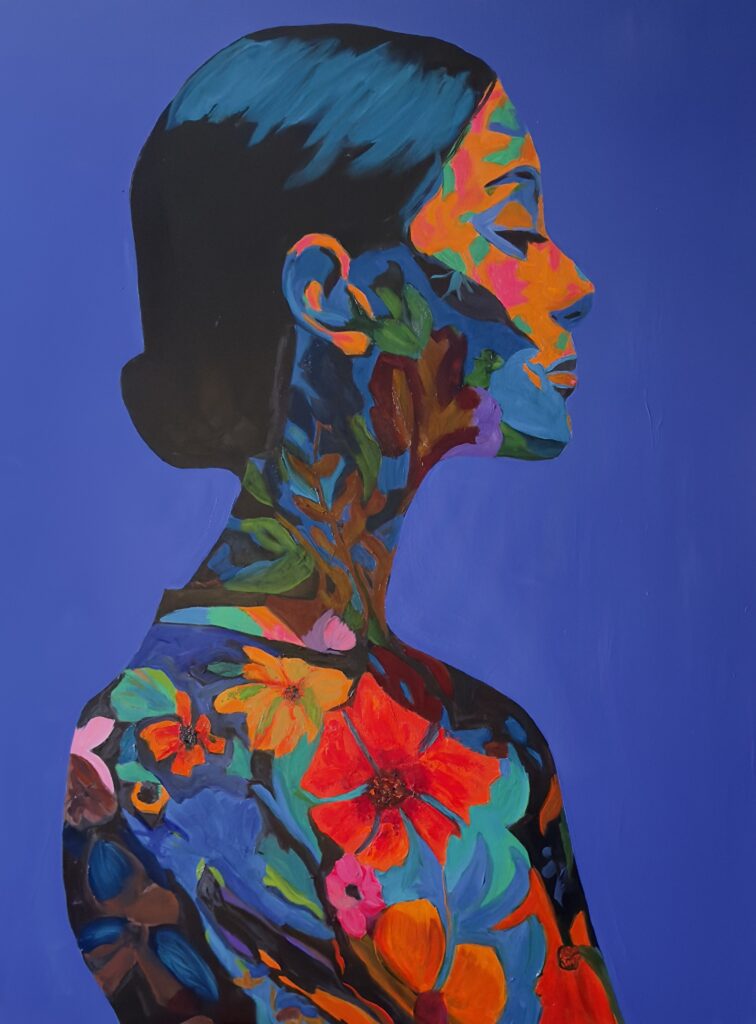
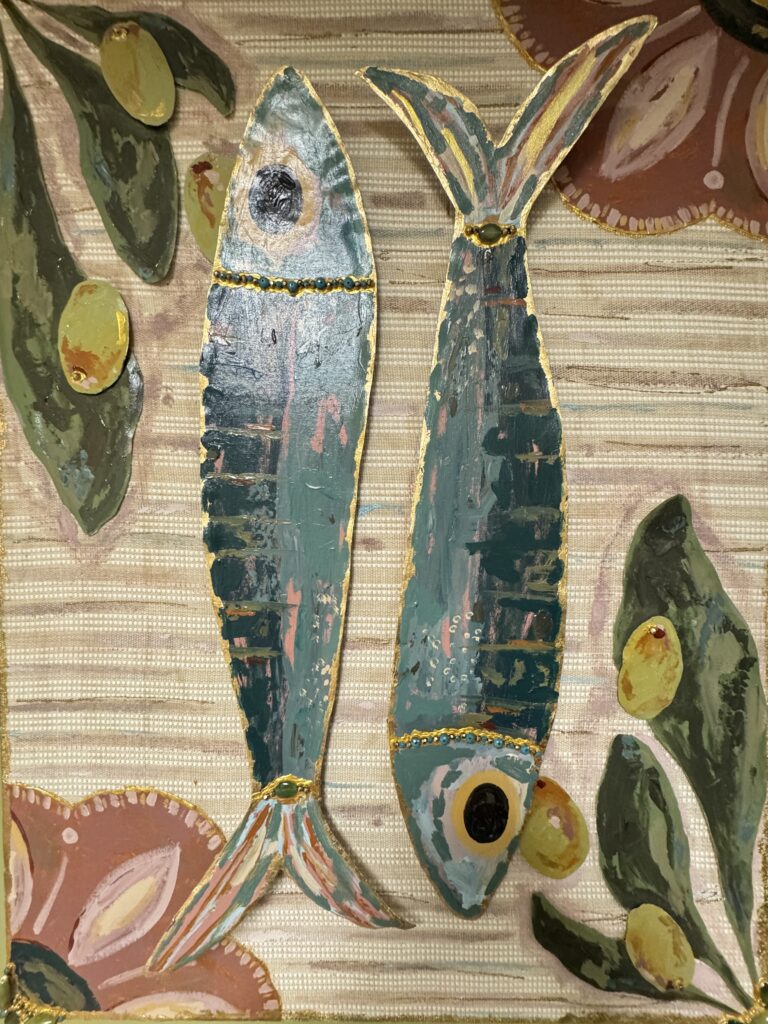
That diversity is reflected in the artists themselves. The delicate, architectural line work and coastal narratives of Alicia Colella bring a sense of Charleston’s historic charm into sharp, modern focus. In contrast, the vibrant, playful compositions of Tulips & Tillie introduce a more whimsical, color-forward aesthetic that feels both contemporary and joyful. Nancy DeMore merges nature and humanity into a tapestry of vibrancy and beauty.

Nancy DeMore


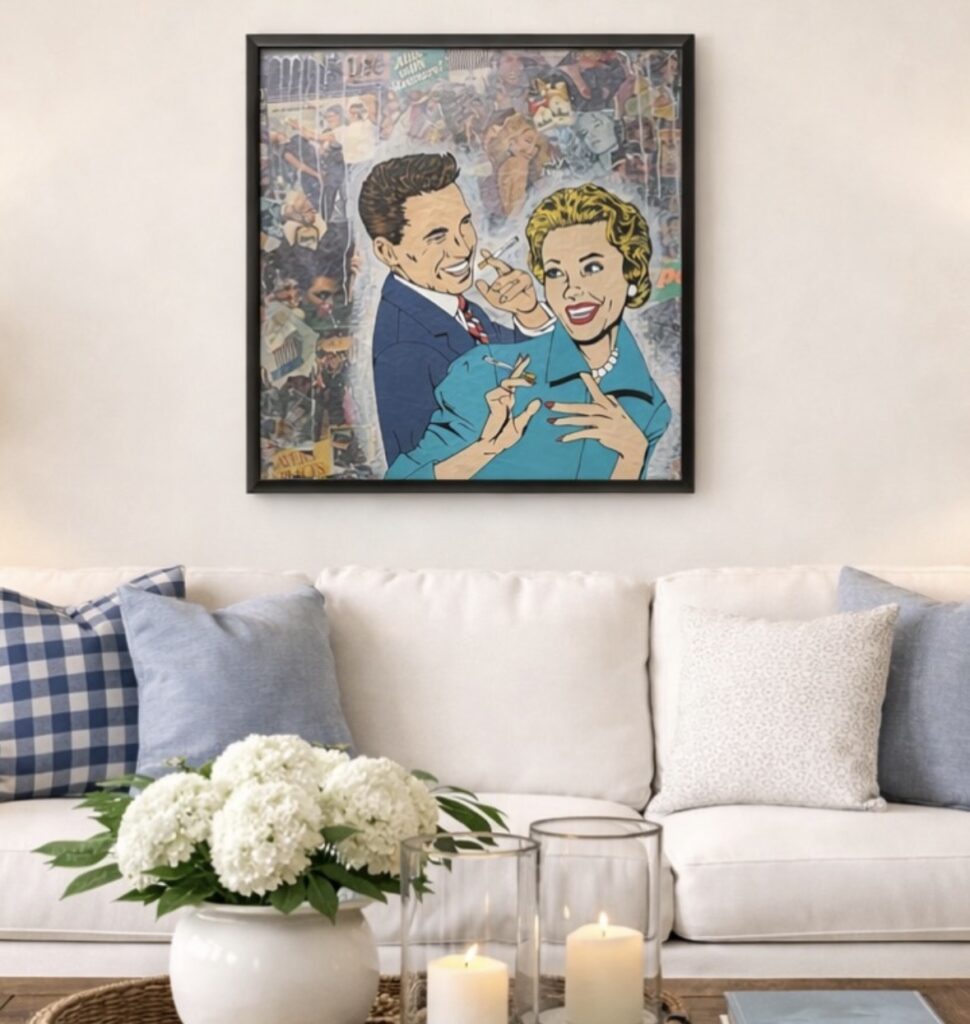
Elsewhere, artists like Julie Byrd Diana channel urban influences into bold, graphic statements, while Christmas Touch of Nature leans into organic textures and seasonal storytelling through natural materials. Clay and Sea offers handcrafted jewelry made to be worn every day — effortless, timeless, and uniquely you.

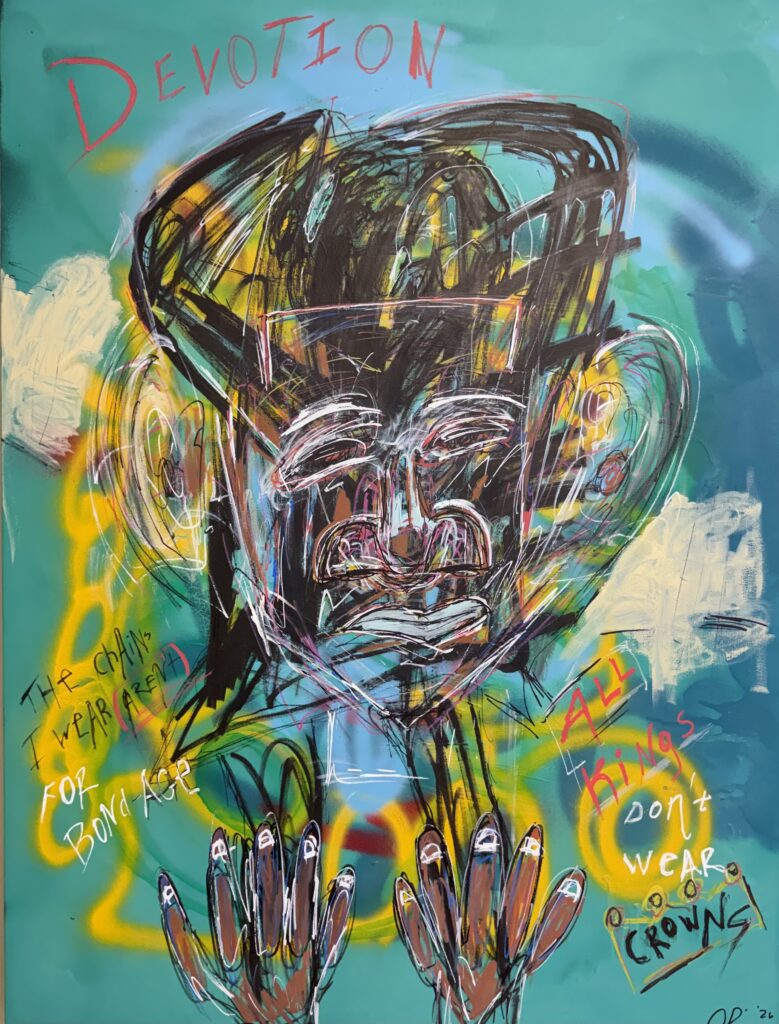
The gallery’s range continues with the expressive, often abstract works of Demetrius Bing and Daniela Salgado, whose paintings explore movement, emotion, faith, grit, heart and color in layered, intuitive ways. Meanwhile, Considine Designs and Maddy Alexa Art bring a fresh, modern sensibility—balancing clean design with artistic experimentation that appeals to a new generation of collectors.

What unites these artists is not a single style, but a shared commitment to craftsmanship and authenticity. Every piece tells a story, and importantly, every artist is visible. Tags often include not just a name, but insights into process, materials, and inspiration—inviting buyers into the creative journey itself. 

Tulips & Tillie


This transparency is part of what makes Look Up Charleston so compelling. It removes the intimidation often associated with fine art galleries and replaces it with curiosity and conversation. Whether you’re purchasing a small ceramic piece, a bold original painting, or a thoughtfully crafted gift, the experience feels personal and intentional.

In a city known for its artistic heritage, Look Up Charleston represents something refreshingly current: a gallery that embraces evolution. It honors Charleston’s deep creative roots while making space for new voices, new mediums, and new audiences.

For locals and visitors alike, it’s quickly becoming more than just a place to shop—it’s a place to connect, explore, and, quite literally, look up at the future of Charleston’s art scene.

Stay connected and subscribe to Charleston Daily.
Maddy Alexa Art

Byrd on a Wall

Demetrius Bing

Lowcountry Treasures: Six Amazing Charleston Area Shops for Children’s Gifts and Fashion

By Mark A Leon

Charleston’s historic streets aren’t just known for their beauty—they’re also home to some of the most charming and creative children’s gift shops in the South. Whether you’re shopping for a birthday, holiday, or keepsake, these six standout destinations offer everything from imaginative toys to heirloom-quality clothing—perfect for delighting kids of all ages.

Wonder Works

Address: 188 Meeting St, Charleston, SC 29401

Website: https://wonderworkstoys.com

Located in the heart of the Historic City Market, this beloved toy store is a wonderland of imagination. With thousands of hands-on toys, puzzles, and games, it encourages creativity and play at every turn. The shop prides itself on unique, hard-to-find items and locally inspired gifts, making it a go-to for something truly special.

Under the Almond Tree

Under the Almond Trees

Address: 190 King St, Charleston, SC 29401

Website: http://www.underthealmondtrees.com

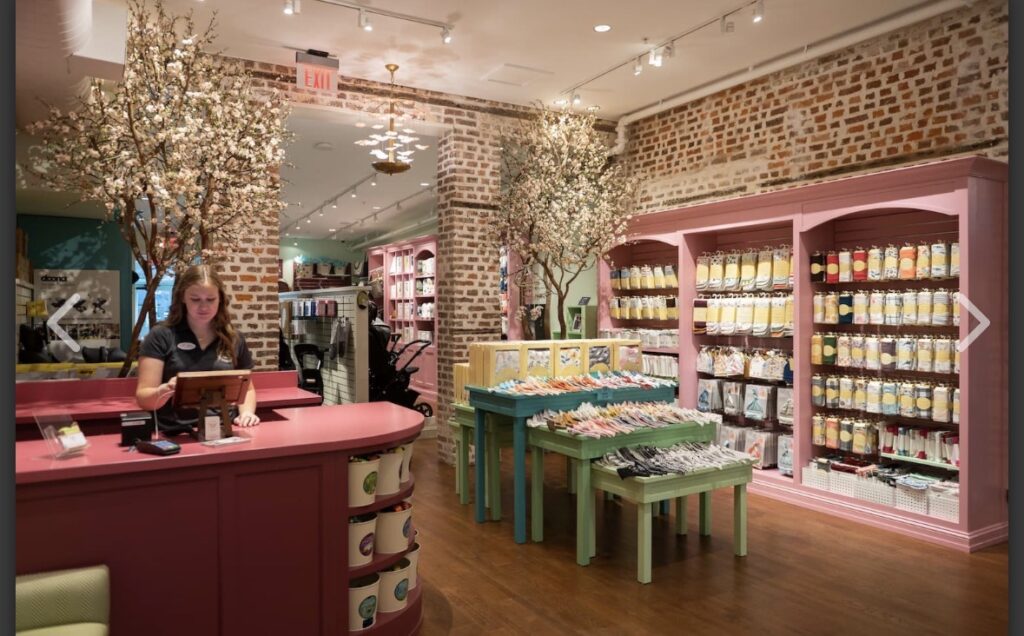
This King Street boutique blends modern style with thoughtful functionality. Offering a curated selection of toys, baby gear, and children’s clothing, it’s a favorite for parents seeking both beauty and practicality. The store’s warm atmosphere makes it ideal for meaningful, stylish gifts.

Ragamuffin Children’s Boutique

Address: 210 Coleman Blvd, Mount Pleasant, SC 29464

Website: http://www.ragamuffinchildrensboutique.com/

Located just over the bridge, this charming boutique specializes in upscale children’s clothing and unique gifts. From classic Southern styles to playful accessories, Ragamuffin is known for quality and personality—perfect for distinctive, fashionable finds.

Pixie Lily

Address: 48 Society St, Charleston, SC 29401

Website: https://www.pixielily.com/

A Charleston staple for generations, Pixie Lily is synonymous with timeless children’s fashion. Known for heirloom-quality garments and classic designs, it offers beautiful gifts that often become cherished keepsakes passed down through families.

Turtle Creek

Address: 84 N Market St, Charleston, SC 29401

Website: http://www.puzzleboxguy.com/

Tucked near the City Market, this quirky shop is a hidden gem for puzzles, brainteasers, and interactive toys. It’s a fantastic place to find gifts that challenge young minds while still being fun—perfect for curious and creative kids.

Pink Chicken

Pink Chicken

Address: 202 King St, Charleston, SC 29401

Website: http://www.pinkchicken.com/

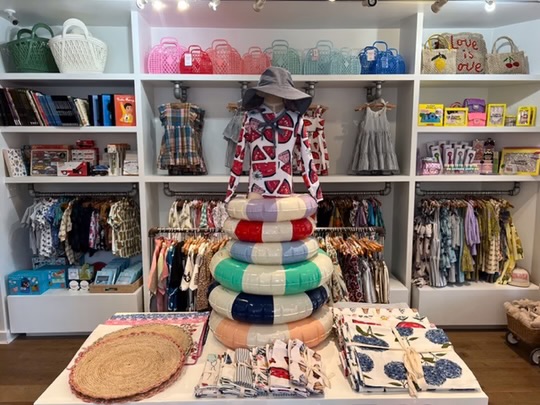
Bright, colorful, and full of personality, this King Street boutique is known for playful children’s clothing and accessories. With vibrant patterns and cheerful designs, it offers gifts that stand out and bring joy to any child’s wardrobe.

From imaginative toy stores to elegant boutiques, Charleston offers a diverse and inspiring shopping experience for children’s gifts. Whether you’re drawn to creativity, classic style, or something truly one-of-a-kind, these six shops capture the spirit of the Lowcountry while delivering joy to families and little ones alike.

Subscribe to Charleston Daily.

South Carolina Sets Long Lens Development Program for Palmetto State Producers

Read More
Screenshot

Josh Foster, Liza Burnett Fefferman and Mark Rodriguez are among the industry veterans joining the film commission to support local projects

By William Earl – Variety

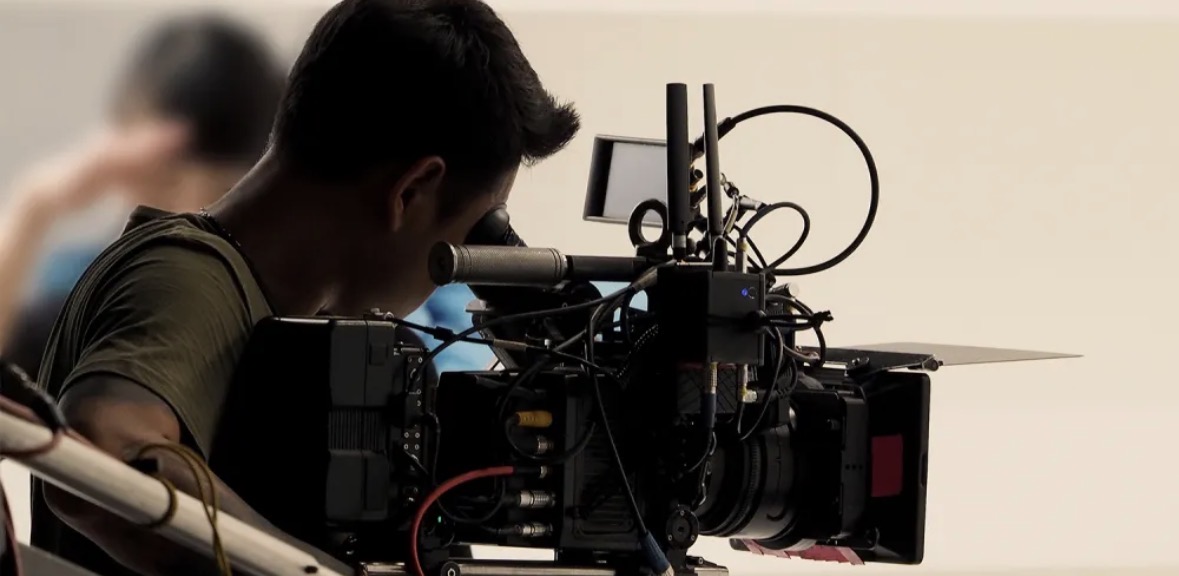
South Carolina has launched a production development program that aims to foster homegrown film and TV projects from Palmetto State-based creatives.

The Long Lens program will offer support from a clutch of entertainment industry veterans to local producers as they develop, produce and market movie and TV productions. The program is designed to work in tandem with the Palmetto State’s generous program of lensing tax incentives that include 20% to 25% cash rebates on wages and 25% to 30% on supplies bought in South Carolina (at a minimm spend of $1 million, plus a new 25% cash rebate for low-budget (below $1 million) projects from state-based producers.

“This is a mechanism to help further activate the entrepreneurial drive and resources within the state’s
exceptional production community,” said Matt Storm, director of the South Carolina Film Commission. “These are producers and filmmakers with track records of creating quality content and the cohort will allow them to work together as they drive forward, feeding off of each other’s energy, ideas and determination.”

The filmmaker lab will be led by a group of industry veterans who have recently joined the state’s film commission as advisors. 


Michael Quiqley, founder of QVH Media and an alum of Warner Bros. and Turner Broadcasting, and Don Mandrik, a partner with consulting firm Hall Booth Smith, will help guide capital and financing strategies. Mark Rodriguez, head of global distribution at Relativity Media, will advise on distribution. Paramount/Viacom alum Liza Burnett Fefferman will do the same for marketing and communications. Another Paramount alum, Ranfi Rivera, will steer legal and business affairs concerns. Josh Foster, a South Carolina native who is a film production and finance executive at Cinetic Media, and actor Jeff Howard, a fellow Palmetto state native, will serve as general advisors.

The initial slate of projects getting the Long Lens treatment are:

ALL THE NAMES WE BURIED(Independent Feature/Thriller)

Two strangers wrestle with a decision in the aftermath of a deadly car accident. As they try to bury their secret, the truth comes to the surface.
Bad Theology Pictures
Writer/Director: Thomas Torrey
Producer: Matt Wyns
Producer: Noah Lang

BOUND (Independent Feature/YA Thriller)

A celebrated high school athlete’s championship victory takes a dark turn when a mysterious message lures him to a desolate lake house, forcing him to confront a deadly secret tied to his past.
Perry Moore & Out-Barnz Entertainment
Co-Writer/Producer: Stephanie Perry Moore
Director/Producer: Dr. Brandon Glover

HI-5 (Independent Animated Film/Family Feature)

As Principal Rex’s talent-stealing machine threatens his school, reluctant teen fox Zeke is pulled into the
Eworld, a musical world forged from pure emotion, where he reunites with his long-missing father and
confronts the deepest wounds standing between them and forgiveness in a race to stop Rex from silencing every voice they love.
Moondog Animation Studio
Producer: Ben Davis
Director: Kyle Roberts
Moondog Head of Production: JM Khayat

MANIAC RIDGE (Episodic/Dark Comedy)

Best Selling crime author, Joyce Evans, has been hailed as “The Female Stephen King.” Her record-breaking Maniac Ridge book series has made her the pride of Charleston, and famous world-wide. What’s the secret to her books murderous success? She does all her own killing.
The Ministry Filmworks
Writer/Producer: Maximiliano Hernandez

NO WAVE (Independent Feature/Drama)

Inspired by a true story in the racially charged South of the 1950s, a charismatic Chinese-American traveling salesman and a crusading African-American school teacher dare to fall in love, profoundly disrupting their families and societal norms.
Salt Run Entertainment
Writer/Director: Charles Randolph-Wright
Studio Operations Coordinator, Salt Run Entertainment: Martin Wilkins

SO LONG FAREWELL (Independent Feature/Screwball Musical Comedy)

Struggling middle-aged brother and sister have ten days to produce their deceased father’s autobiographical musical — in the hometown they left long ago, with people they left behind — or lose their life-saving inheritance.
Studio15
Producer: Emily Reach White
Writer/Director: Chris White

THE BRANCH MANAGER (Independent Feature/Sci-fi Thriller)

A bright teen finds himself caught in a bloody heist that fractures more than just the trust of the crew. What he finds inside the vault makes him question his reality, his past and whether he ever had a choice.
19 Pictures
Producer: Kale Murphy
Writer/Director: Bruce Branit

Source: Variety

Stay connected and subscribe to Charleston Daily

Lowcountry Flavor, Island Style: 6 Must-Try Dining Experiences on Daniel Island, SC

Read More
Screenshot

Daniel Island, South Carolina, may be known for its laid-back coastal lifestyle, but its dining scene offers a surprisingly diverse mix of flavors—from waterfront seafood to global cuisine and casual neighborhood gems. Whether you’re looking for an upscale evening out or a relaxed bite after a day on the water, these six standout dining experiences showcase the island’s eclectic culinary personality.

1. The Kingstide

Address: 32 River Landing Dr, Daniel Island, SC 29492, United States

Phone: +1 843-216-3832

Genre: Coastal Seafood

Location: Waterfront at River Landing

Set along the Wando River, The Kingstide delivers one of the most scenic dining experiences on Daniel Island, pairing elevated Lowcountry cuisine with sweeping waterfront views. Known for its polished atmosphere and fresh seafood, it’s a go-to for both special occasions and sunset dinners. 

Recommendations:

  • Seafood Tower (a showcase of the freshest regional catch)
  • Crab Fried Rice (a local favorite with bold flavor)  

2. Vespa Pizzeria

Address: 224 Seven Farms Drive #101, Daniel Island, SC 29492

Phone: +18438810101

Genre: Italian / Neapolitan Pizza

Location: Seven Farms Drive

A lively favorite for both families and date nights, Vespa brings authentic wood-fired Neapolitan pizza to the island. Its relaxed courtyard setting and creative toppings make it a standout for casual dining. 

Recommendations:

  • Prosciutto, fig, and goat cheese pizza
  • Seasonal house salad with champagne dressing  

3. Mpishi Restaurant

Address: 162 Seven Farms Drive #340, Daniel Island, SC 29492

Phone: (843) 867-6066

Genre: Global Café / Brunch

Location: Seven Farms Drive

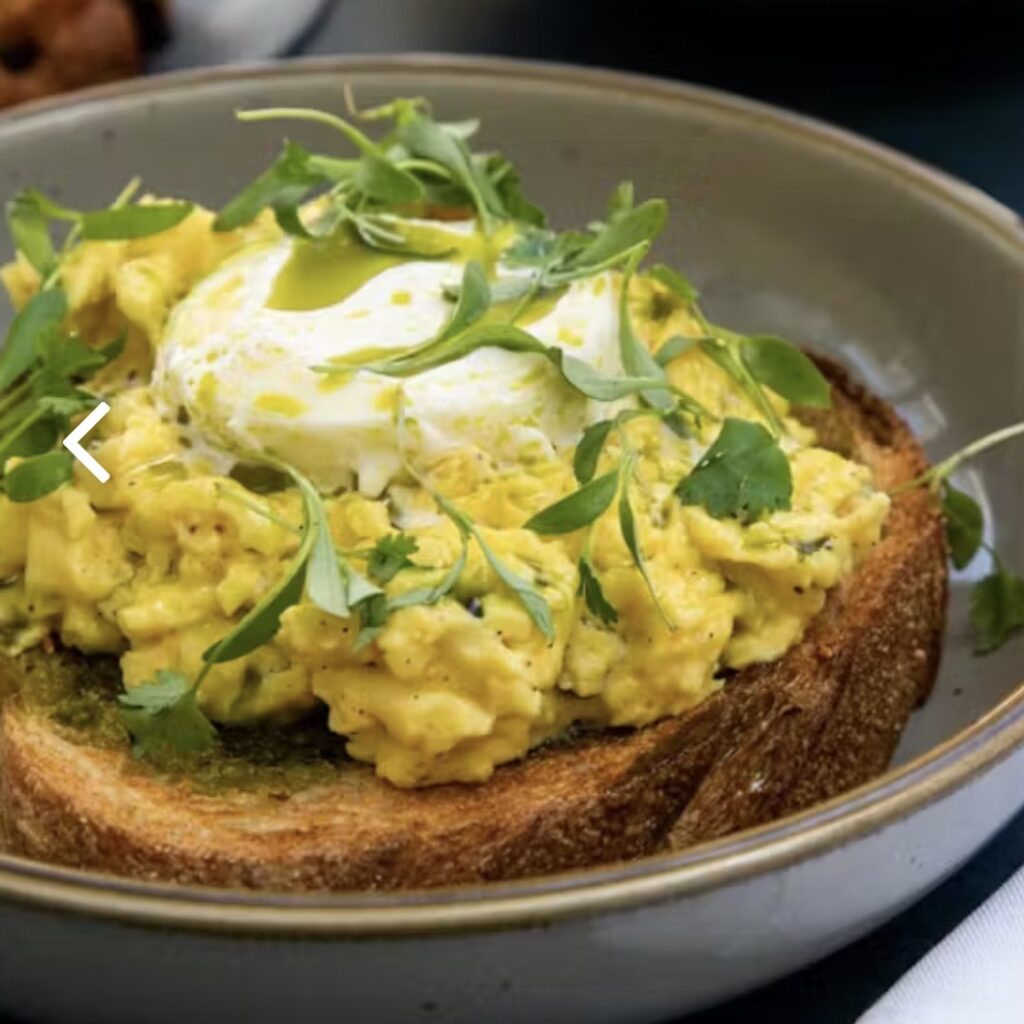
With international influences and a bright, welcoming atmosphere, Mpishi offers a refreshing twist on brunch and casual dining. Its globally inspired menu reflects the owners’ international background and culinary creativity. 

Recommendations:

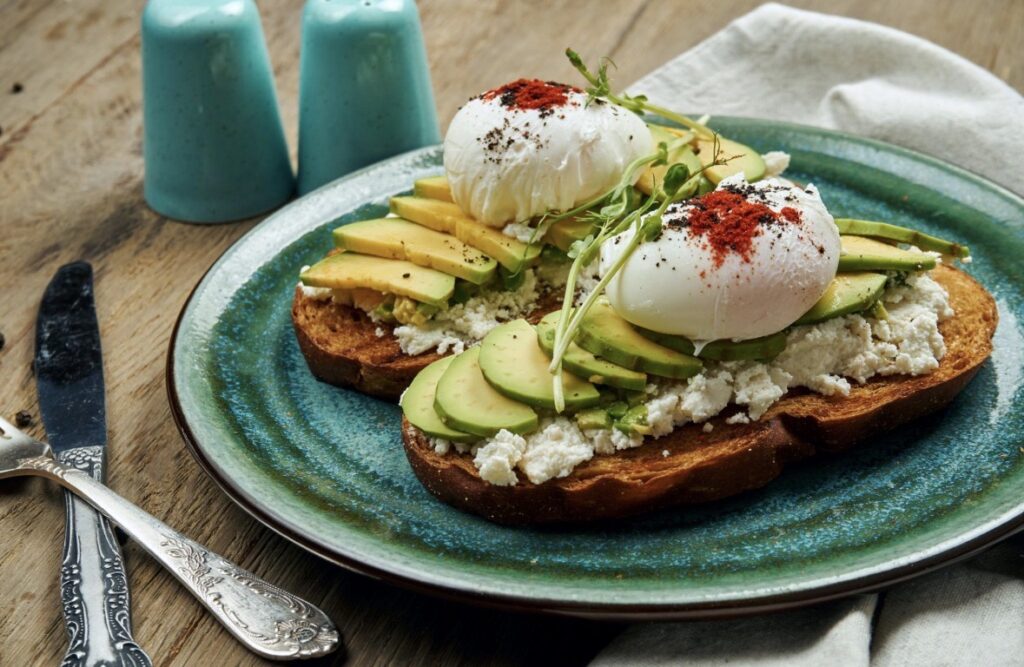
  • Avocado Toast on sourdough
  • Buttermilk Pancakes or French Toast  

4. Wasabi Daniel Island

Address: 194 Seven Farms Dr, Charleston, SC 29492

Phone: +18433888828

Genre: Japanese / Sushi

Location: Seven Farms Drive

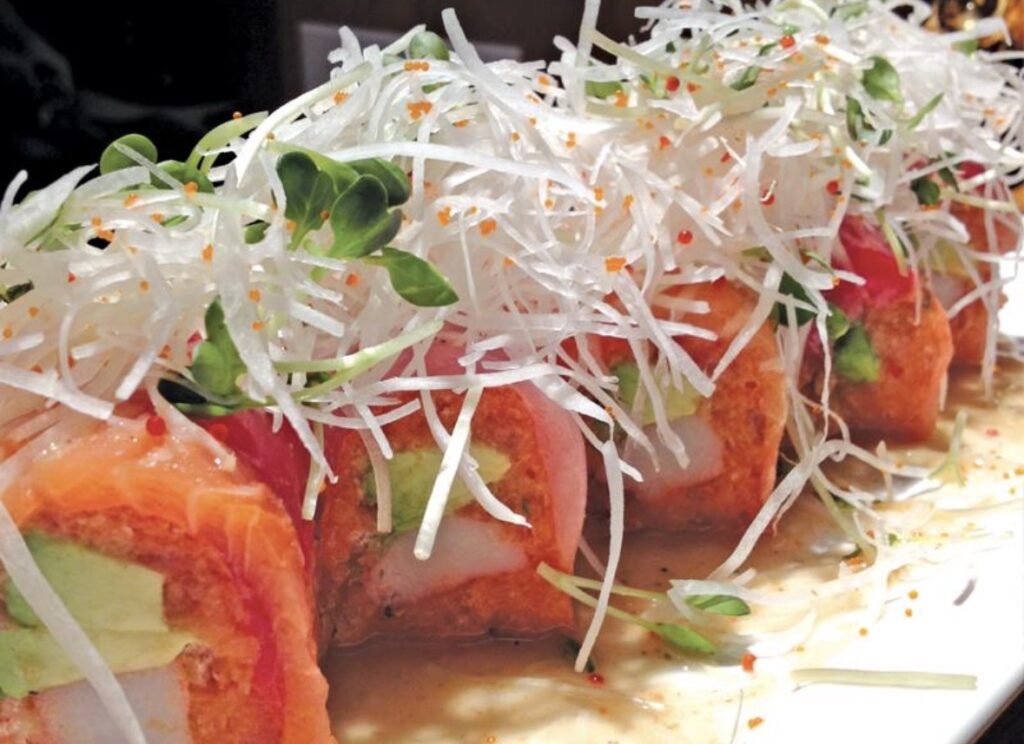
For sushi lovers, Wasabi delivers a reliable mix of traditional Japanese fare and modern fusion rolls. It’s a staple for locals craving fresh sashimi or a lively hibachi-style dinner. 

Recommendations:

  • Signature sushi rolls
  • Hibachi steak or chicken plates


5. Dragon Palace Chinese Bistro

Address: 162 Seven Farms Dr, Ste 320, Daniel Island, SC 29492

Phone: +18433888823

Genre: Chinese / Dim Sum

Location: Seven Farms Drive

Offering a more international flavor profile, Dragon Palace stands out for its dim sum and classic Chinese dishes. It’s a casual spot with a strong following for comfort food and shareable plates. 

Recommendations:

  • Shrimp dumplings (dim sum favorite)
  • Mongolian beef


6. The Dime

Genre: Café / Gourmet Market

Location: 30 River Landing Drive, Daniel Island, SC

The Dime brings a fresh, modern twist to casual dining on Daniel Island. This waterfront café and market offers everything from specialty coffee to wood-fired pizza in a relaxed, airy setting. It’s a versatile spot for breakfast, lunch, or an easy dinner by the water. 

Recommendations:

  • Breakfast Burrito
  • Margherita Pizza

From waterfront elegance at The Kingstide to global bites at Mpishi and classic comfort at Dragon Palace, Daniel Island’s dining scene offers something for every palate. While compact, the island’s restaurant lineup proves that great culinary variety doesn’t require a big city—just creativity, quality ingredients, and a strong sense of place.

Stay connected and subscribe to Charleston Daily.
Related: EAS Environmental Golf Classic – March 30, 2026 on Daniel Island

Related: What you need to know to prepare for the Charleston Open March 28 – April 5 on Daniel Island at Credit One Stadium

Carolina Country Music Fest Introduces The Wellness Ranch & Spa Experience For 2026 Fest

Read More
Screenshot

Pop-Up Beauty and Recovery Destination Brings Fest-Ready Glam and Wellness to the CCMF

MYRTLE BEACH, S.C. (MARCH 27, 2026) Carolina Country Music Fest (CCMF) is elevating the fan experience for 2026 with the debut of The Wellness Ranch & Spa, a pop-up beauty and wellness destination designed to help festgoers look great, feel great while recharging throughout the four-day event.

Located directly inside the fest grounds, Wellness Ranch & Spa will offer a curated menu of appointment-based beauty, styling and recovery services — bringing a full self-care experience to fans attending CCMF this June.

Created specifically for music festivals and major live events, Wellness Ranch & Spa makes it easy for fans to stay refreshed and fest-ready without ever leaving the grounds. Whether preparing for a day of live music, getting ready for the evening’s headliners or recovering between sets, guests can book services designed to keep them energized all weekend long.

Appointments will be available to book in advance online starting Thursday, April 30, with walk-in availability offered onsite through the Wellness Ranch & Spa reception desk.

Festival Glam Meets Recovery Lounge
Wellness Ranch & Spa will feature a range of beauty, styling and recovery services tailored for the festival environment, offering fans a place to reset, refresh and recharge between performances.


Services will include:

  • Festival Hair Styling — Braids, styling and custom looks designed to last through long days of music, sun and dancing.
  • Express Festival Makeup — Glowing skin, glitter, gems and bold festival-ready looks designed for outdoor events.
  • Barber Services — Clean fades, line-ups and quick grooming services to keep guests looking sharp throughout the weekend.
  • Henna & Airbrush Tattoos — Hand-applied designs ranging from subtle accents to detailed festival-inspired artwork.
  • Permanent Jewelry — Custom-fit bracelets, anklets and rings welded onsite for a clasp-free piece designed to be worn forever.
  • Chair Massage — Quick recovery sessions focused on relieving tension in the neck, shoulders and upper back.
  • Red Light Therapy — Non-invasive light therapy designed to support muscle recovery and circulation.
  • Leg Compression Therapy — Recovery boots using rhythmic air pressure to help reduce fatigue and stimulate circulation.
  • Ice Baths — Guided cold exposure sessions designed to refresh and reset between long festival days.
  • Oxygen Bar — Aromatherapy-enhanced oxygen sessions designed to help guests recharge and re-energize.
  • IV Therapy — Hydration and recovery infusions designed to help guests recharge, restore energy and stay fest-ready throughout the weekend.

The experience will extend beyond the service area with an adjacent chill zone where fans can unwind and enjoy shaded lounge seating, a DJ and bar service between performances.

The addition of Wellness Ranch & Spa reflects CCMF’s continued focus on enhancing the overall fan experience by bringing lifestyle and wellness activations directly into the festival environment.

With one of the biggest lineups in festival history — featuring Post Malone, Blake Shelton, Luke Bryan, Riley Green, Cole Swindell, Tucker Wetmore, Justin Mooreand more than 40 artists performing across multiple stages — fans will have the opportunity to pair world-class country music with unique experiences throughout the fest grounds.

Now entering its second decade, Carolina Country Music Fest continues to evolve into a full-scale destination experience, blending live music, fan activations and immersive experiences along the Myrtle Beach Boardwalk.

Carolina Country Music Fest returns June 4–7, 2026. Tickets and additional information are available at CarolinaCountryMusicFest.com. For the latest updates, follow Carolina Country Music Fest on FacebookInstagramX and TikTok.

About CCMF:
Carolina Country Music Fest™, (CCMF), the East Coast’s largest outdoor country music fest, is located in Myrtle Beach, SC, at the Boardwalk within the Burroughs and Chapin Pavilion Place. CCMF is host to the industry’s biggest stars with 40+ artists at the beach, June 4th-7th, 2026. CCMF hosts a unique blend of today’s country headliners, regional stars, up-and-comers and locals favorites on multiple stages. With the combination of country music and the scenic beach backdrop, this family-friendly, four-day fest is a summer vacation destination.

About Wellness Ranch & Spa: 
Wellness Ranch & Spa is CCMF’s elevated pop-up beauty and wellness destination, designed to bring festival-ready style and recovery experiences directly to the heart of the event. Created for music festivals and large-scale live events, the concept offers a curated menu of appointment-based services that allow guests to look their best, feel their best and recharge without ever leaving the grounds. Blending beauty, wellness and convenience, Wellness Ranch & Spa is an extension of the CCMF experience — where long days in the sun, nonstop music and unforgettable moments are matched with opportunities to reset, refresh and stay energized all weekend long.

About Southern Entertainment:
Southern Entertainment is a full-service event and production company with an unwavering commitment to excellence that has produced more than 500 events across the United States. For more information, visit www.southernentertainment.com

Stay connected and subscribe to Charleston Daily.
Charleston Welcomes a Rodin Tour de Force – New Exhibit at The Gibbes through January 17, 2027

Read More

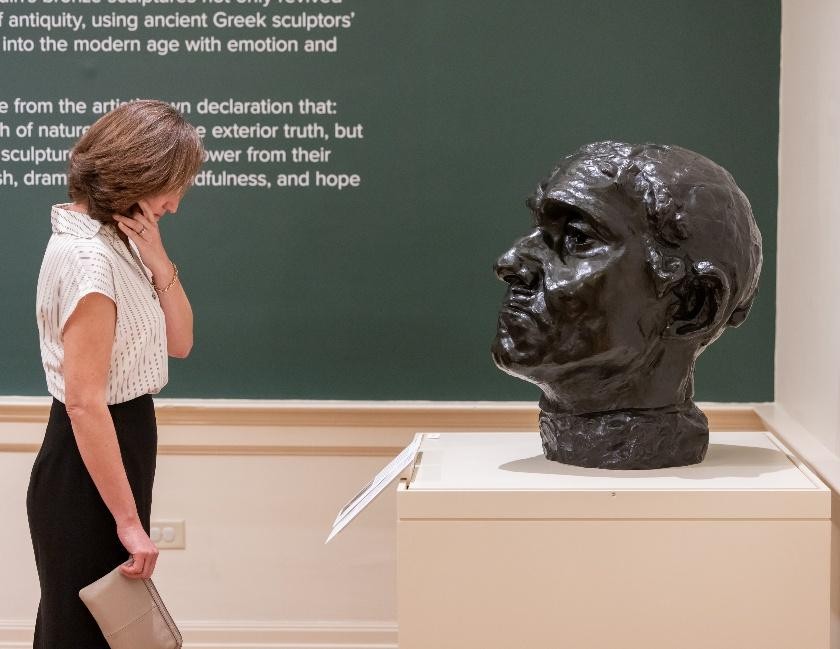
Rare showing of fourteen sculptural masterpieces in bronze of Auguste Rodin at the Gibbes Museum of Art – On view through January 17, 2027 

Rodin is one of the biggest names in the history of art, and the Gibbes Museum of Art is honored to ăring fourteen of his bronzes to Charleston for the next year,” says Dr. H. Alexander Rich, the President and CEO of the Gibbes.

Perhaps best known for his iconic Thinker, Auguste Rodin (1840-1917) is considered the founder of modern sculpture, bringing the glory of bronze figuration into the modern age. At the peak of his career, he was regarded as the greatest sculptor since Michelangelo, transforming sculpture into an art that conveyed the vitality of the human spirit and creating his own immediately recognizaăle form of artistic expression. Rodin is considered as seminal to the creation of modern sculpture as Manet, Monet, van Gogh, and Cézanne are to the creation of modern painting.

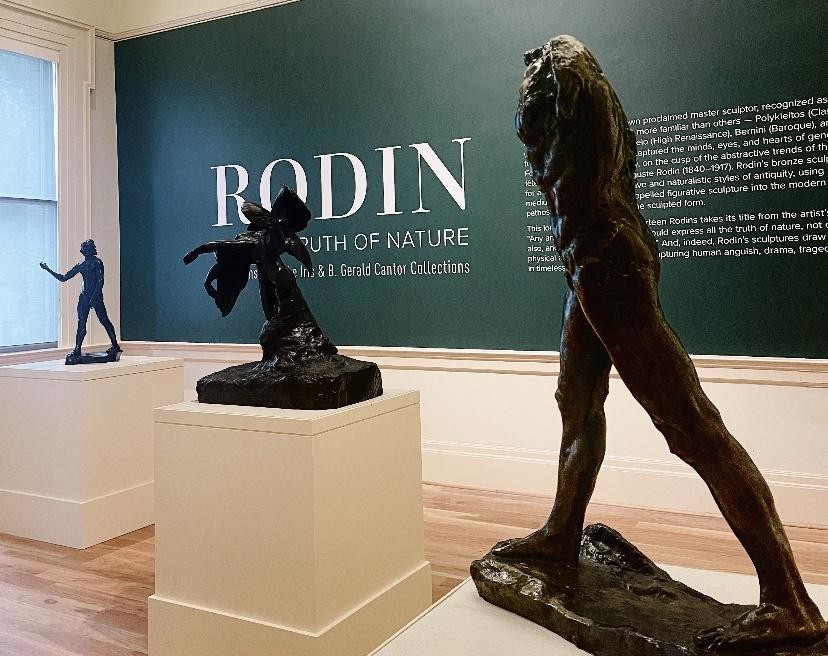
The exhibition Rodin: All the Truth ofi Nature will feature fourteen of Rodin’s extraordinary ăronze sculptures on long-term loan to the Gibbes thanks to a partnership with the Iris and B. Gerald Cantor Foundation and the Iris Cantor Trust. From 1946 through the 1990s, the Cantors grew their collection of Rodins into the world’s largest private collection of Rodin work. Their intention was to share the collection with the wide public, and the arrival of these bronzes in Charleston continues this mission.

“This exhibition and long-term loan is a coup for our city. When art lovers walk into the Gibbes they will be greeted with celebrated examples of Rodin’s work, just as they might see in New York, London, or Paris,” says Dr. Rich. The undisputed star sculptor of the late nineteenth and early twentieth centuries, Rodin revived for the modern world the expressive, theatrical, and supremely naturalistic styles associated with Ancient Greek ăronzes of the distant past.
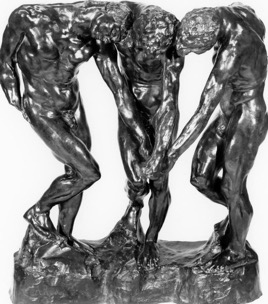
He did not gain his first commission until he was 40 years old in 1880, and that commission became the central focus of twenty years of his life and career. While the Gates ofi Hell forever remains Rodin’s unfinished masterpiece (he never saw it translated to bronze in his lifetime), this exhibition features one of the early maquettes for the Gates. In it, viewers can see the ideas and overall composition for the Gates forming, with abstract renderings of future iconic sculptures like The ThinkerThe Kiss, and The Three Shades already present.

Rodin’s genius lay in his ability to model sculpture that captured the moving and evolving figure, and that combined bodies in ways that expressed emotions and provoked responses.Because both during his lifetime and after his death his work could ăe seen all over the world, it is celebrated for its innovations, risks, and inventiveness. Rodin continues to influence artists as an example of one who accepted ăeing controversial if it meant ăeing true to his own aesthetic ideals. “Rodin’s mastery is something viewers never forget after they come face to face with his ability to make bronze come to life. Rodinevoked emotions through sculpted human forms in ways that are second to none,” adds Dr. Rich.

Rodin made his personal passions the suătexts of his artworks, with a sexual candor that today is often still astonishing. And in authorizing posthumous casts of his work, Rodin ăecame a pioneer for other artists who made art to ăe faăricated ăy others – artists like Sol Lewitt and El Anatsui.

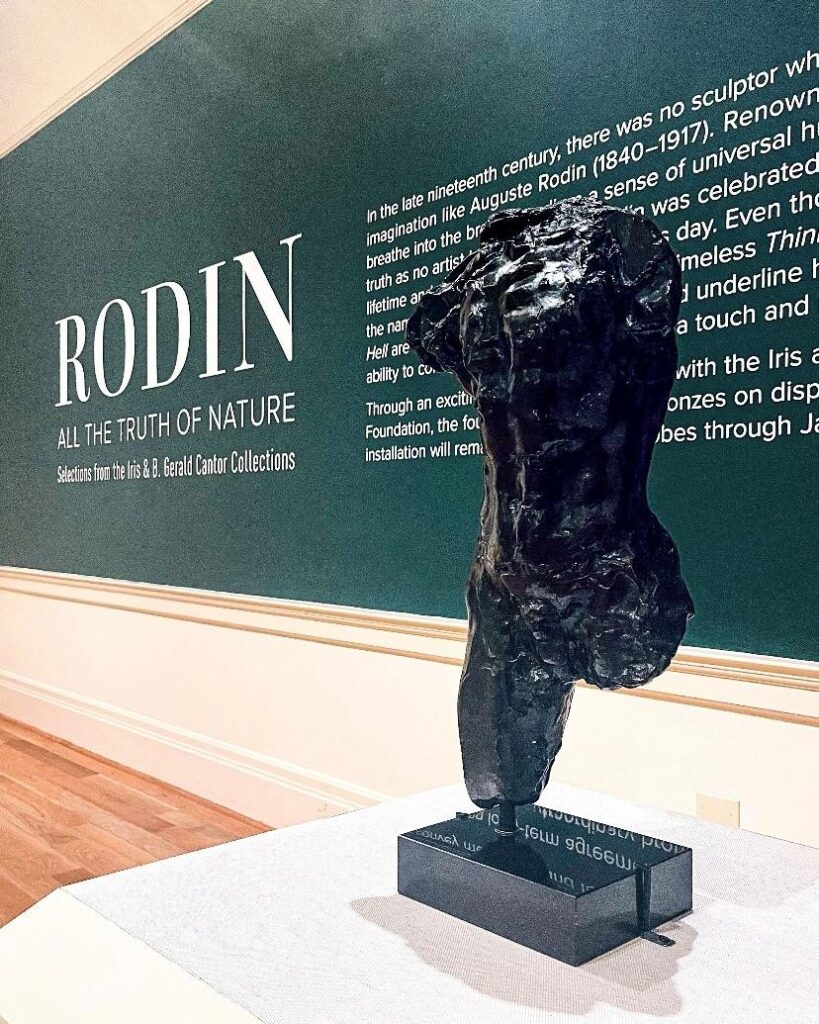
Another way Rodin modernized sculpture was ăy insisting that a part of a figure – such as a torso or a hand – could ăy itself convey meaning and thus ăe a complete work of art. He found such meaning in fragments of ancient Greek and Roman sculpture ăeing unearthed in archaeological digs during his lifetime, the last half of the nineteenth century.

In this exhibition, intentional partial figures like Torso of the Walking Man convey his response to these unintentional fragments. And they point forward to sculptures of body parts created ăy artists of today.

Study for Torso of the Walking Man, by Auguste Rodin. Foundry: Coubertin. Bronze, brown with green, Musée Rodin cast 10 of 12, 1979. Iris & B. Gerald Cantor Foundation (20 1/2 x 10 3/4 x 8 inches) 40 lbs.

One more way Rodin is modern: marketing. His goal was to make significant artwork and to ăe famous and wealthy because of it. He used the resources availaăle to him in the worlds of art and media to achieve his goal.

He was also eager to pick up the mantle of “master sculptor” not merely in his work as an instructor of artisans ăut also in the eyes of the wider puălic; he wanted recognition like that which had ăeen ascriăed to his own precursors like Donatello, Michelangelo, and Bernini.

“The opportunity to present Rodin’s ăronze sculptures for a full year is hopefully a gift for our community and for every art lover. We want museum goers of all ages to ăe able to experience the magnitude of Rodin’s artistic prowess, and for artists in our community to be inspired by his example to create wondrous art of their own,” adds Dr. Rich.

Installation photo by MCG photography.

Three Shades, by Auguste Rodin. Foundry: Coubertin. Bronze, dark brown. Musée Rodin, cast 10 in an edition of unknown size, 1981. Iris Cantor as Trustee of the Iris Cantor Trust (40 3/4 x 37 1/2 x 20 1/2 inches) 325 lbs.

Installation photo by MCG photography.

Installation photo by Banks Creative/Erin Banks.

Installation photos by Banks Creative/Erin Banks.

About the Gibbes Museum ofi Art

The Gibbes Museum of Art, a beacon in the American South for arts and culture since 1858 when the Museum’s art collection was founded as the Carolina Art Association, is heralded as one of the earliest and most longstanding arts institutions in the United States.

The Museum’s collection spans 350 years, and features some of the country’s most celeărated artists ‒ including contemporary, modern and historical works. With world-class rotating exhibitions and a dynamic visiting artist residency program, the Gibbes is a southern museum with a gloăal perspective.

The Museum’s mission is to enhance lives through art ăy engaging people of every ăackground and experience with art andartists of enduring quality, providing opportunities to learn and discover, to enjoy and ăe inspired ăy the creative process.

The Iris and B. Gerald Cantor Foundation

The Iris and B. Gerald Cantor Foundation promotes and recognizes excellence in the arts and enhances cultural life internationally through its support for art exhiăitions and scholarship and for the endowment of galleries and sculpture gardens at major museums. Most unusual for philanthropic foundations, the Cantor Foundation also owns a significant collection of Rodin sculpture. During the last four decades it has loaned individual works and entire exhiăitions to museums in more than 160 cities in Australia, Canada, Japan, Singapore, and the United States. Nearly eleven million people have seen these shows.

Monumental Head of Jean D’Aire, by Auguste Rodin. Foundry: Georges Rudier. Bronze, very dark brown with green undertones. Cast 5. Iris Cantor as Trustee of the Iris Cantor Trust. (26 ¾ x 20 x 22 ½ inches) 200 lbs.

Stay connected and subscribe to Charleston Daily.