by
by 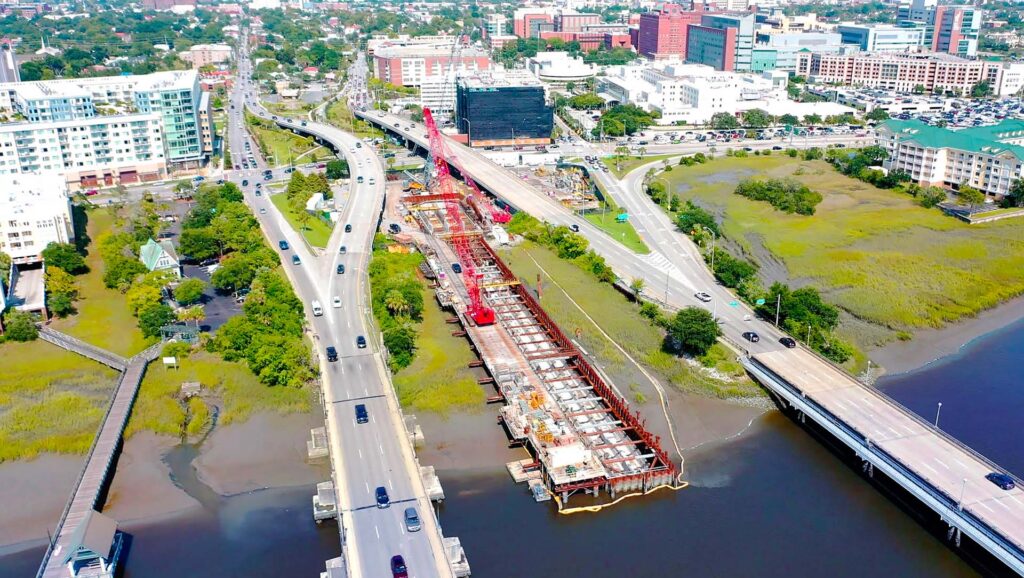
By Mark A Leon
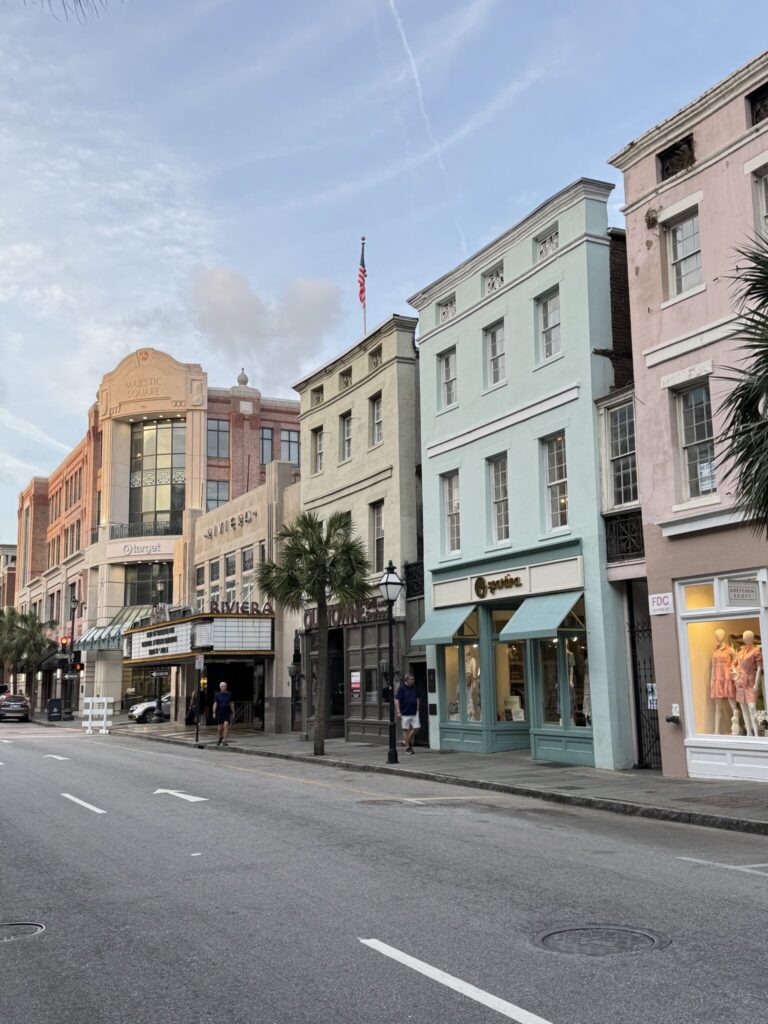
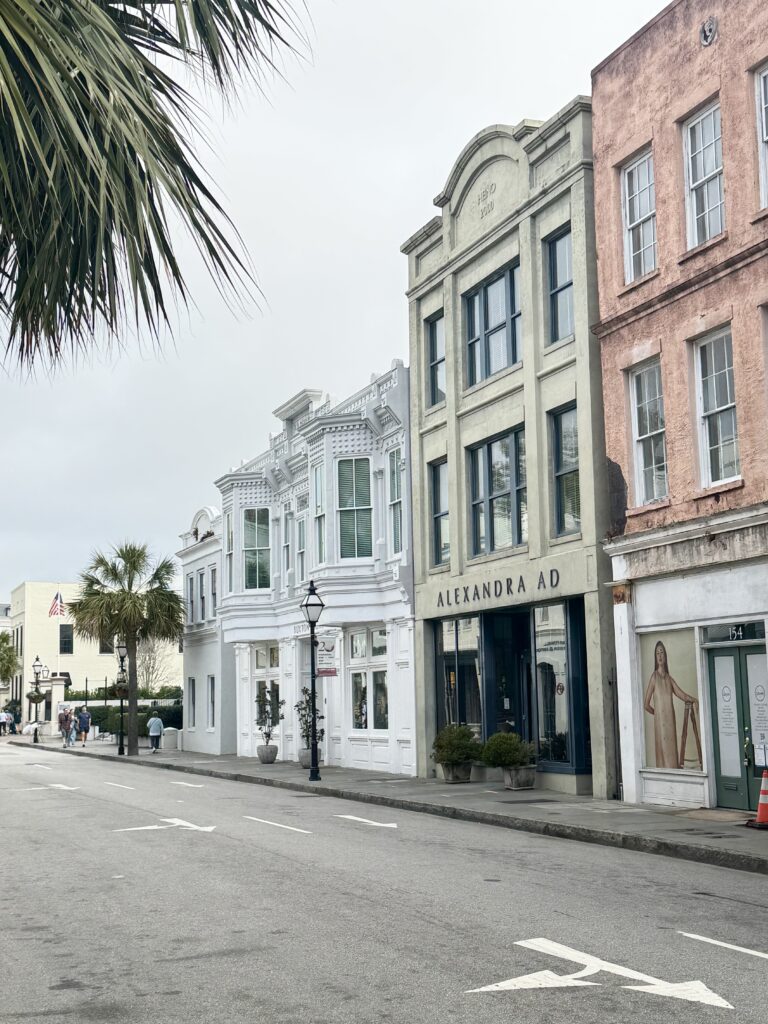
Charleston, South Carolina, known for its historic cobblestone streets, vibrant culinary scene, and Antebellum architecture, faces a relentless existential challenge: severe flooding. Driven by sea-level rise, tidal surges, and increasingly frequent extreme weather, sunny-day nuisance flooding and torrential storm runoffs routinely disrupt daily life across the low-lying peninsula and surrounding basins.
In response, municipal, state, and federal agencies have ramped up funding for flood mitigation and coastal resilience infrastructure. A detailed breakdown of major flood control initiatives funded, expanded, or brought to fruition highlights the substantial capital investments, involved engineering firms, and ongoing harbor projects shaping Charleston’s defense strategy.
The Masterwork Harbor Shield: USACE Charleston Peninsula CSRM
The centerpiece of Charleston’s long-term defense against storm surge is the Charleston Peninsula Coastal Storm Risk Management (CSRM) project. Led by the U.S. Army Corps of Engineers (USACE) in partnership with the City of Charleston, this multi-billion-dollar coastal protection program involves a integrated system of perimeter seawalls, floodwalls, storm surge gates, and localized pump stations.
Total Projected Cost: Est. $1.75 Billion to $2 Billion
Key Components:
Adger’s Wharf Segment: Construction of approximately 1,200 linear feet of seawall and pedestrian promenade extending to Waterfront Park (Estimated $15M – $30M).
Lockwood Drive Segment: Creation of 7,820 linear feet of coastal protection from the Ashley River Bridges to Tradd Street, integrating tide gates, public promenades, and nature-based shoreline stabilization (Estimated $150M – $250M).
Key Partners & Contractors:
U.S. Army Corps of Engineers (USACE) Charleston District: Lead Federal Agency.
Stantec Joint Venture: Selected to advance preconstruction engineering, environmental design, and technical planning for complex segments of the perimeter wall and inland connections.
Subterranean Shield: Spring-Fishburne Drainage & Tunnel Project
Running beneath the surface of the historic peninsula, the Spring-Fishburne Drainage Project is one of the most complex urban civil engineering undertakings in the city’s history. Designed to drain low-lying areas—including the crucial U.S. 17 Septima Clark Parkway (“Crosstown”), Roper Hospital, and the Medical University of South Carolina (MUSC)—the project collects stormwater and channels it through massive underground tunnels to high-capacity pump stations.
Total Investment: $198 Million
Scope & Milestones:
Tunnels extending up to 140 feet deep engineered to move water at rates ten times greater than historical gravity systems.
Phase 4 and Phase 5 construction focused on finalizing shaft connections, underground wet wells, and a massive 360,000 gallon-per-minute (GPM) pump station discharging into the Ashley River.
Engineers & Contractors:
Davis & Floyd: Lead engineering design, modeling, and construction management firm.
Jay Dee Contractors, Inc.: Primary tunneling and underground shaft excavation specialist.
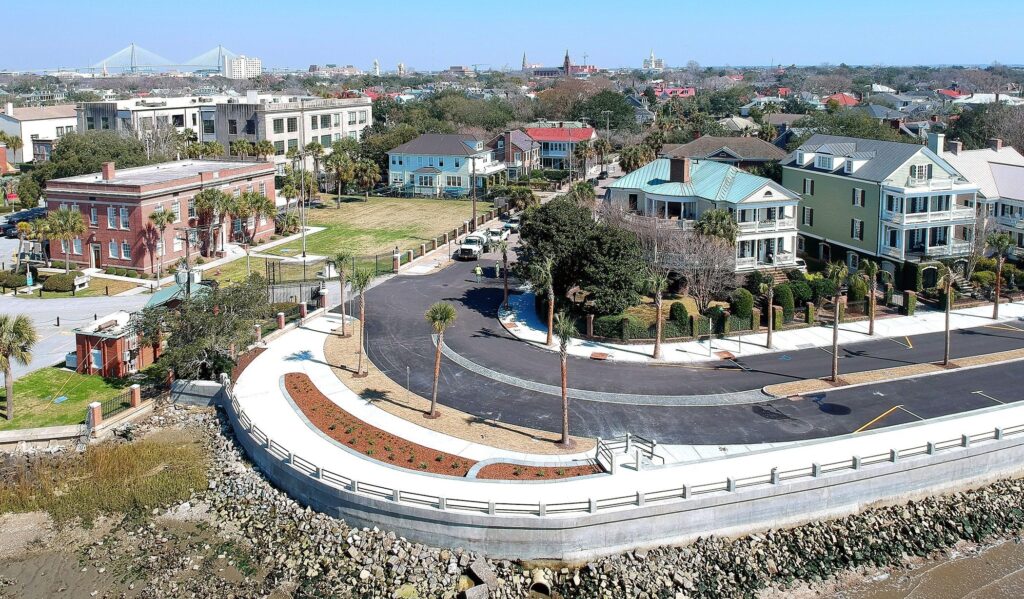
Historic Armor: The Low Battery Restoration
The historic seawall encircling the southern tip of the peninsula underwent a comprehensive structural overhaul to elevate street elevations and reinforce the city against rising harbor tides.
Total Project Cost: $71 Million
Scope: Rebuilding and raising the iconic Low Battery seawall promenade to 12 feet, integrating sub-surface soil stabilization grout injections, ADA-compliant pedestrian ramps, and upgraded check-valve stormwater drainage networks.
Primary Contractor:
Gulf Stream Construction Company: Lead contractor executing multi-phase seawall reconstruction, structural reinforcement, and concrete restoration.
Neighborhood Drainage & Watershed Restoration Programs
Beyond large-scale downtown projects, significant federal and state funds—including allocations from the American Rescue Plan Act (ARPA) administered through the South Carolina Office of Resilience (SCOR)—have been funneled into suburban watersheds and coastal basins.
The Path Forward for Lowcountry Resilience
To complement hard structural engineering, Charleston has revised its municipal code, embedding stricter water retention guidelines into the City’s Stormwater Design Standards Manual. Ongoing investments blend natural nature-based solutions—such as living shorelines and wetland restorations—with traditional heavy civil infrastructure.
As climate projections demand sustained action, Charleston’s multi-layered infrastructure strategy demonstrates how historic coastal communities can secure billions in intergovernmental funding to safeguard both heritage and future growth against rising ocean waters.
Stay connected and subscribe to Charleston Daily.