VIO Med Spa Enters South Carolina with Three-Unit Agreement in Charleston

  • Local entrepreneur and former CVS executive will spearhead the brand’s development across the Charleston area 
  • Expansion strengthens VIO Med Spa’s growing presence across the East Coast  
  • First Charleston area location targeted to open in 2027  

CHARLESTON, S.C. – VIO Med Spa, a nationally recognized, physician-guided medical spa franchise specializing in advanced, non-invasive aesthetic and wellness treatments, has signed a three-unit development agreement to enter South Carolina for the first time, bringing the brand to the greater Charleston area. The first location is expected to open in 2027, with site selection currently underway.  

“Charleston is more than a new market on the map for VIO; it is an important link in the East Coast footprint we are building,” said Ryan Rao, Chief Development Officer at VIO Med Spa. “The city’s deep-rooted culture of hospitality makes it an especially meaningful place to introduce our brand because the guest experience matters just as much as the services themselves. Establishing VIO here strengthens our presence in the Southeast and positions us to carry that momentum into new markets along the East Coast.” 

Healthcare Executive Turns to Multi-Unit Franchise Ownership 

Leading VIO Med Spa’s Charleston development is local entrepreneur Ted Loya, who spent more than 23 years with CVS Health in the company’s pharmacy benefits business, working with major national employers to provide prescription benefit services. When Loya began exploring business ownership, his healthcare background and personal interest in wellness naturally drew him toward the growing medical aesthetics space, where he saw an opportunity to build a business centered on personalized, service-driven care.  

New to both franchising and medical aesthetics, Loya focused on finding an experienced brand with a proven system and national footprint. VIO’s established infrastructure, strong financial backing, and existing brand presence across the East Coast, including North Carolina and Georgia, gave him confidence in bringing the brand to South Carolina.  

“After more than two decades in healthcare, I wanted my next chapter to remain connected to an industry that improves how people feel and live,” said Loya. “VIO stood out because it pairs the structure and support of an established franchise with a highly personal, physician-guided guest experience. Charleston values quality, relationships and exceptional service, and I believe VIO is uniquely positioned to become a trusted part of this community.”  

A Physician-Guided Model Built for Scalable Growth 

Built on established clinical protocols and medical oversight, VIO Med Spa delivers a range of medical-grade aesthetic and wellness services, including injectables, skin rejuvenation, laser treatments, and facials, which are designed to prioritize safety, consistency, and results. 

Named the #1 Med Spa Franchise in Entrepreneur Magazine’s Franchise 500® for a third straight year in 2026, VIO Med Spa is attracting experienced and new operators drawn to the brand’s strong unit-level performance. VIO Med Spa’s Franchise Disclosure Document reports a $1.3M AUV for all operating locations throughout 2025, along with a $2.3M top-quartile system average*. 

The brand is actively seeking franchise partners and multi-unit operators with backgrounds in hospitality, fitness, healthcare-adjacent, QSR, and other service-driven industries. 

To learn more about VIO Med Spa’s franchising opportunity, please visit:https://viomedspafranchise.com/.  

About VIO Med Spa® 
Founded in 2017, VIO Med Spa is a category-leading medical spa franchise redefining results-driven aesthetics and wellness with an uncompromising commitment to safety. Headquartered in Nashville, TN, VIO is built on the philosophy that every guest deserves transparent, expert-led, and personalized care. Entering 2026, the nationally recognized brand operates 65 locations across 20 states, with more than 175 territories open, sold, or actively in development. Backed by Freeman Spogli, a strategic growth partner with deep experience scaling consumer and franchise brands, VIO is supported by robust operational infrastructure, expanded senior leadership and field operations, data-driven insights, and long-term capital to fuel continued expansion. VIO offers a full range of treatments, including injectables, skin rejuvenation, advanced facials, wellness services, and medical-grade skincare, all designed to help guests look great and feel amazing®. 

*Source: Item 19, VIO Med Spa 2026 Franchise Disclosure Document (issued March 13, 2026), reflecting average Gross Sales of Operational Franchise Outlets during the 2025 Calendar Year, based on a total of 51 Operational Franchise Outlets (16 operating as a Spa and 35 as a Spa Management Business); the total represents the cumulative average across all four quartiles. Some outlets have achieved this level of performance; there is no assurance a new franchisee will achieve similar results. Individual results may vary, and past performance does not guarantee future results. 

Stay connected and subscribe to Charleston Daily.

Charleston’s Sorghum & Salt Fall Dish Supports Haiti Nonprofit

In partnership with TastemakersCHS, Sorghum & Salt will donate $1 from every Acorn Squash dish sold from Oct. 7 to Nov. 7 to Haiti Outreach Ministries (HOM), a Haitian-led, faith-based nonprofit serving communities in Port-au-Prince, Haiti. 

Founded in 2016 by Charlotte Berger, TastemakersCHS is a group of more than 45 Charleston-based culinary influencers who use their social media reach to support local restaurants and nonprofits.

Specializing in farm-and-sea-to-table cuisine with an emphasis on local ingredients, Chef Tres modifies Sorghum & Salt’s menu daily based on the availability of fresh produce and protein. This fall, the highly seasonal menu includes new dishes like Acorn Squash with pistachio butter, habanada pepper and pork katsuobushi.

According to UNICEF, nearly half of Haiti’s population lacks access to basic sanitation services. At the same time, ongoing armed violence and displacement are disrupting access to essentials like healthcare, education and food, making community-based support even more critical. HOM helps meet these needs through schools, medical clinics, churches, community programs and clean water initiatives, providing children and families with essential resources and greater stability.

Related: Local Culinary Social Media Club Caps $65k in Donations to Charleston Nonprofits

Stay connected and subscribe to Charleston Daily.

Adeptus USA selects Anderson County to establish first South Carolina operation – $215M Investment

$215.56 million investment will create 217 new jobs

COLUMBIA, S.C. – Adeptus USA (Adeptus), a wood products manufacturer, today announced it selects Anderson County to establish its first South Carolina operation. The company’s $215.56 million investment will create 217 new jobs.

Adeptus’ new facility, located at 1205 Hamby Road in Honea Path, will manufacture value-added and processed pine wood products for a diverse range of building products and millwork applications. The company’s primary product offerings include painted and primed moulding, boards, shiplap, and a variety of panel products and grades. A full assortment of Adeptus products can be found at adeptus.com.

Operations are expected to begin in the second quarter of 2027. HTI will support Adeptus’ hiring efforts during the startup phase, with employment opportunities posted as positions become available. Interested applicants can view current openings and apply at htijobs.com/adeptus.

The Coordinating Council for Economic Development approved job development credits related to the project. The council also awarded a $850,000 Closing Fund grant to Anderson County to assist with the costs of building improvements.

QUOTES

“The tremendous commitment shown by the state of South Carolina, Anderson County and the local forestry community made it clear that this is the right place for Adeptus to invest and grow. We are proud to become part of South Carolina’s well-established wood products industry and look forward to building lasting partnerships throughout the region. This investment represents far more than a manufacturing operation — it reflects a long-term commitment to our employees, our customers, and the communities of Anderson County and the surrounding area. We are sincerely grateful to the state of South Carolina and Anderson County for their partnership and support throughout this process. We would also like to recognize Atlantic Union Bank; Venturus, a division of Heritage Bank; USDA Rural Development; and Capital Resource Advisors. Their partnership and commitment were instrumental in helping bring this project to fruition.” -Adeptus USA CEO Billy White

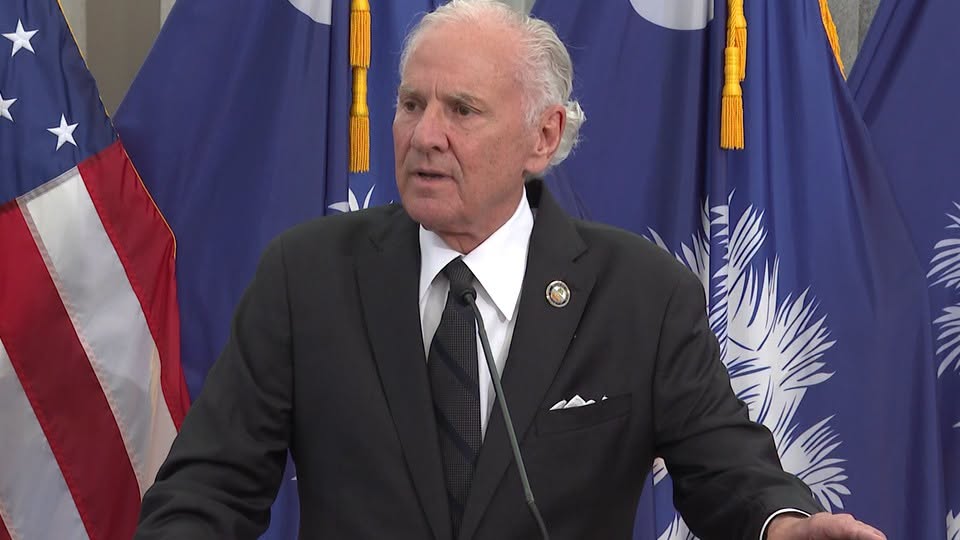
“Adeptus’ $215.56 million investment will bring new jobs and opportunity to Anderson County. The company’s decision to invest in South Carolina is a testament to the strength of our workforce and the quality of our manufacturing capabilities.” -Gov. Henry McMaster 

“South Carolina prospers when businesses like Adeptus bring economic development opportunities to our region. With the addition of 217 jobs in Anderson County, Adeptus is supporting the state’s growing wood products industry and workforce.” -Secretary of Commerce Harry M. Lightsey III

“I’m pleased to welcome Adeptus to South Carolina’s agribusiness community. Expanding and diversifying opportunities for our forestry sector is a major priority for South Carolina, and Adeptus’ investment is great news.” -South Carolina Commissioner of Agriculture Hugh Weathers

“We welcome Adeptus USA’s decision to make South Carolina home for its newest solid wood furniture, panels and moulding manufacturing facility. We’re letting the world know that S.C. forests are open for business, and Adeptus’ announcement is evidence of the sustainable, high-quality, home-grown forest resources we have to offer.” -State Forester Scott Phillips

“Projects like this demonstrate the tremendous potential across Anderson County. A more than $200 million investment and more than 200 new jobs represent a tremendous opportunity for our residents. Bringing a closed facility back to life and creating quality jobs makes this project an especially meaningful investment in our community.” -Anderson County Councilman Greg Elgin

FIVE FAST FACTS


  • Adeptus USA (Adeptus) selects Anderson County for its first South Carolina location.
  • The company’s $215.56 million investment will create 217 new jobs.
  • Adeptus is a wood products manufacturer.
  • The company will be located at 1205 Hamby Road in Honea Path, S.C.
  • Individuals interested in joining the Adeptus team can view current openings and apply at htijobs.com/adeptus.

Stay connected and subscribe to Charleston Daily.
Morris Island Lighthouse 150th Anniversary Celebration at Bowen’s Island Restaurant – October 18, 2026

The Morris Island Lighthouse will celebrate its 150th anniversary with a community celebration at Bowen’s Island on Sunday, October 18, 2026, bringing together food, art and Lowcountry history for an afternoon honoring one of the region’s iconic landmarks.

Doors open at 2 p.m. Guests will enjoy a traditional Lowcountry Boil, barbecue, sides, wine, beer and soft drinks, along with fun freebies and commemorative keepsakes.

The celebration will also unveil the 150th Anniversary Art Contest gallery, featuring entries from artists of all ages. Winners in the adult and children’s divisions will be announced, while guests can participate in the People’s Choice Contest and vote for their favorite submission.

🎟️ Tickets

Tickets are available exclusively through Save the Light.

👉 Purchase tickets here: https://savethelight.org/150th-anniversary-celebration/

Come celebrate 150 years of history, community and the Morris Island Lighthouse at Bowen’s Island.

Stay connected and subscribe to Charleston Daily.
The Lowline Hotel Reimagines King Street, Bringing a New Boutique Experience to Downtown Charleston

By Mark A. Leon

A familiar address on Charleston’s King Street has taken on a new identity as The Lowline Hotel, a 197-room lifestyle property that marks the arrival of the JdV by Hyatt brand in South Carolina.

Located at 560 King Street, the hotel is a full renovation and reimagining of the former Hyatt Place Charleston/Historic District. Highline Hospitality Partners acquired the property, along with the adjacent Hyatt House Charleston Historic District, in November 2024 and undertook the transformation as part of a broader vision for the prominent King Street corridor. 

The Lowline officially opened in July 2026, positioning the property as a more design-forward, neighborhood-oriented hotel intended to connect visitors with Charleston’s historic character while offering a contemporary hospitality experience. 

The renovation represents a significant change from the property’s previous identity. Rather than simply refreshing the existing hotel, the project involved a full gut renovation and reconceptualization of the ground-level amenity spaces.

Architecture, Incorporated served as Architect of Record, working with Ealain Studio on the hotel’s rebranding and renovation. The design draws on Charleston’s maritime history, coastal trade winds, gardens and historic architecture. Throughout the property, rich navy tones, warm wood, brass accents and custom textiles create a more residential and intimate atmosphere. Ealain Studio says the 197 guestrooms and suites were designed to blend contemporary forms with subtle retro influences and references to Charleston’s natural landscape. 

At street level, the transformation is particularly visible. The new hotel includes a courtyard, bar, coffee bar and retail area, along with Leeward, its restaurant and bar. Guests can also use an indoor pool, fitness center, event spaces and The Long Game, a golf simulator lounge with large-screen televisions and access to food and cocktails. 

Leeward adds a distinctly Lowcountry element to the property, serving dishes such as shrimp and grits, crab dip and pimento cheese alongside cocktails. The restaurant and outdoor spaces are designed not only for overnight guests but also to create gathering places along King Street. 

The hotel’s name is closely tied to Charleston’s evolving urban landscape. The property sits near the planned Lowcountry Lowline, a roughly 1.6-mile linear park and multi-use trail project intended to transform an existing transportation corridor into a new public space. The Lowline Hotel’s location places it at what developers describe as the southern end of this broader revitalization area. 

The adjacent Hyatt House has also received targeted updates to its guestrooms and public spaces, creating a complementary hospitality presence on the block.

For Charleston, the project represents another step in the continued evolution of King Street as a destination for hotels, restaurants, retail and entertainment. The Lowline Hotel’s JdV by Hyatt identity gives the former Hyatt Place property a distinctly different role—one centered less on being simply a place to stay and more on creating spaces where visitors and locals can gather, dine and experience downtown Charleston.

With its combination of renovated guestrooms, new dining and social spaces, and a design rooted in the city’s coastal identity, The Lowline Hotel is adding another layer to the ongoing transformation of one of Charleston’s most active downtown corridors.

The Lowline Hotel
560 King Street
Charleston, SC 29403

The Lowline Hotel at Hyatt

Stay connected and subscribe to Charleston Daily.
Photo credit: Architecture Incorporated

Meet Virginia Shaffer, The Oyster Sommelier:  Learn more about her new book and connection to Charleston’s Lowcountry 

By Mark A Leon

Virginia Shaffer’s journey from travel management to oyster sommelier is a coastal coming-of-age story rooted in craftsmanship, storytelling, and a deep sense of community and place. In a conversation with Charleston Daily about her new book, Oyster Society, Shaffer reflects on the experiences that shaped her career and the people who taught her that oysters are more than just food—they’re a bridge between waters, workers, and the memories we carry home. Through oral storytelling, immersive experiences, and the beauty of the natural landscape, Shaffer creates meaningful moments that stay with her guests long after the experience ends.

The spark came on a wind-swept Maine shoreline, where Shaffer led a six-night seafood retreat that brought together cooking classes, farm tours, fishing trips, and conversations around the table. Guests left with more than full stomachs; they left with a deeper connection to the food, the people, and the places behind it. It was there that Shaffer discovered her calling: translating complex marine ecosystems into stories anyone could appreciate and taste. At the heart of her work is a commitment to highlighting the people behind the product and the natural environments that give each oyster its distinctive character. As she puts it, “Taste appreciation is a combination of natural environments and the efforts of our oyster growers. Our job is to give our guests the full context of the story that defines “merroir.”

Oyster Society brings that purpose to life. Each chapter unfolds like an essay with its own distinct voice, introducing chefs who credit the producers behind their ingredients, restoration leaders working to revive lost species and foodways, and shuckers whose precision and nerve transform a demanding craft into a ritual. A central theme emerges throughout: an oyster’s origin matters just as much as the technique used to prepare it. By weaving these perspectives together, Shaffer creates a collective portrait of food systems as people systems, reminding readers that respect for the source is the first ingredient.

Her profiles reach beyond accolades to capture the realities of the work: dawn harvests in biting winds, the unpredictability of Mother Nature, the community partnerships needed to protect clean waters, and the choreography of shucking, where speed must never come at the expense of care. In Shaffer’s telling, flavor is geography you can taste. She explores merroir—the ocean’s answer to terroir—revealing how salinity, phytoplankton, minerals, and nearby marshes or eelgrass beds shape an oyster’s distinctive character. From the minerality of a clay-bottom farm to the bright, vegetal notes of a sheltered cove, every harvest captures a moment in place and time. “Every oyster is a little vintage, like wine of its home water,” she says, “and when opened, it tells us a story.”

She invites readers to slow down at the raw bar: smell the oyster’s aromatics first, sip the brine, and fully chew the oyster to release flavors.

Charleston Connection

Charleston stands out as a place where tradition and innovation share the same table. Shaffer celebrates the Lowcountry’s steamed-oyster heritage—rooted in family gatherings, tonged reefs, and Gullah culture—alongside a newer wave of aquaculture that improves water quality and expands access. She’s clear-eyed about the balance: farms can supercharge clarity and habitat conditions but don’t replace the human effort required to rebuild wild reefs. That duality feels rare and instructive—reverence for history paired with practical methods that sustain the future. 

In kitchens across the city, she sees chefs writing menus that honor both lanes: raw-bar flights named for the creeks they came from, humble roasts that echo the communal tables of decades past. On the water, farmers experiment with gear heights and rotations to tune texture and cup depth—micro-decisions that ripple into mouthfeel and finish.

Beneath the science and policy is a deep-rooted passion for hospitality. Shaffer has a clear vision of what she hopes guests will take away from her experiences: first, a lasting memory; second, a story worth sharing; and third, a meaningful lesson that stays with them. This philosophy reflects her belief that wonder is the gateway to learning and that sensory experiences allow people to connect with oysters in their own way. The goal is to create an experience that is felt before it is analyzed, remembered before it is recited.

At her events, a “gateway” oyster—broiled with chili butter and mild cheese—offers a welcoming introduction for skeptical palates, gently guiding newcomers toward the vibrant flavors of raw oysters and the subtle nuances of their origins. Shaffer pairs each tasting with a story: a farmer’s first season, a cove’s shifting currents, or a restoration crew’s early-morning work. In doing so, she transforms tasting notes into human stories, connecting each bite to the people and places behind it.

In Charleston’s docks and dining rooms, Shaffer sees a living classroom. From the festivals that first sparked her imagination to the shorelines where wild and farmed oysters coexist and the kitchens where creativity meets responsibility, the Lowcountry offers an endless source of inspiration. Her mission is to continue amplifying these voices, helping diners recognize the ecosystem, craftsmanship, and community behind every oyster.

Heart of Oyster Society

For Shaffer, the oyster is a reminder of the importance of listening—to the land and water, to one another, and to ourselves. Within that simple act lies a deeper invitation: to see taste as a map, community as its legend, and every shell, once opened, as an opportunity to connect and belong. When we understand the story, we savor the season; when we honor the source, we help nourish the future.

Click HERE to learn more about Virginia and purchase Oyster Society.

Stay connected and subscribe to Charleston Daily.

106 Coming Street Project: Community Engagement Council to Meet

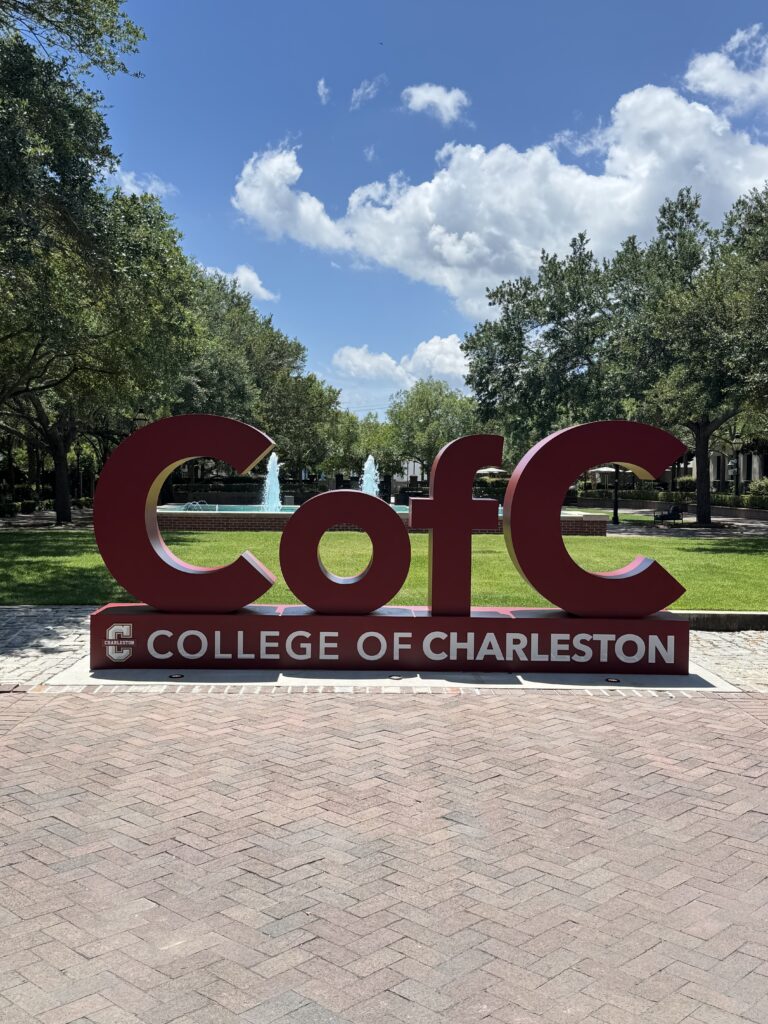
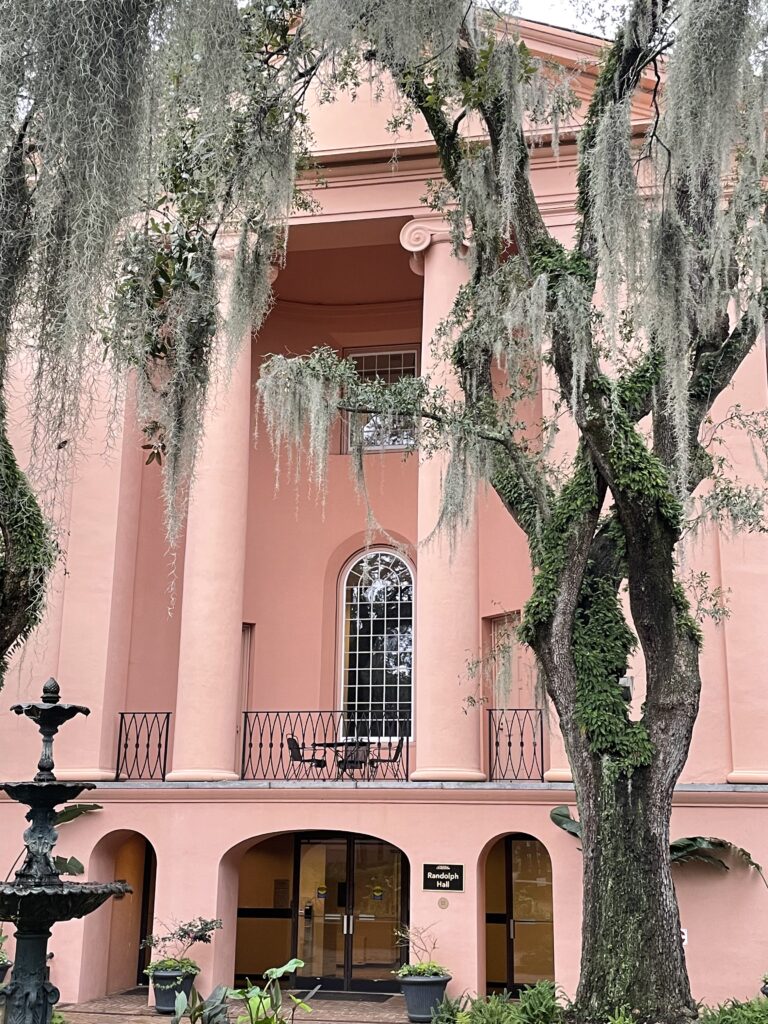
The College of Charleston continues its efforts to partner with a diverse group of community members to help guide the commemoration and development efforts of Coming Street Commons, a planned student residence hall at 106 Coming St. in downtown Charleston. 

The Community Engagement Council (CEC) will reconvene at 6 p.m. on Thursday, Oct. 1, 2026,for further discussion and collaboration. 

The meeting will be held at the Alumni Center, School of Education, 86 Wentworth St., Charleston. (Please enter through the courtyard on St. Philip St.) 

 Virtual Meeting Link

The CEC plays a central role in supporting the College’s efforts in honoring and memorializing both the former potter’s field and the former YWCA, providing insight and feedback on potential events and interpretative approaches to the commemoration efforts associated with this project.  

Those interested in the project can read a list of frequently asked questions and answers on the project website and join the mailing list at the bottom of the Get Involved webpage. 

Following the Oct. 1 meeting, the next CEC meeting is scheduled for Nov. 5, 2026. In addition, the Coming Street Commemorative Gathering is planned for Saturday, Oct. 24 at 10 a.m. Information on meetings and the gathering can be found on the CEC page. 

Founded in 1770, the College of Charleston’s mission is to provide students with a world-class education in the arts and sciences, business and technology, engineering and health sciences. Students have more than 150 majors and minors from which to choose — and they often choose to combine several—and complement their academic courses with overseas study, undergraduate research and internships for a truly customized education.

Nearly 12,000 students choose the college for its unique urban, mid-sized university feel. The College, home to undergraduates from across the country and around the globe, provides a creative and intellectually stimulating environment where students are challenged and guided by a committed and caring faculty of distinguished teacher-scholars. The city of Charleston serves as a living and learning laboratory for student experiences and opportunities for career development. The university bridges the old with the new in a setting that is truly extraordinary — where historic character and forward-looking innovation come together to shape a distinctive and inspiring environment for learning. A College of Charleston education focuses on discovery and personal growth, as well as preparation for life, work, and service to our society.

Stay connected and subscribe to Charleston Daily.
LUNG FORCE Run/Walk Returns to Folly Beach October 17, 2026

The American Lung Association’s LUNG FORCE Run/Walk – Charleston returns to Folly Beach on Saturday, October 17, bringing runners, walkers, survivors, families and supporters together for a morning dedicated to fighting lung cancer and lung disease.

Participants can run, walk, jog or stroll along the beach while celebrating survivors, remembering those lost and supporting people affected by lung disease.

Event Details

Saturday, October 17, 2026
9:00 AM
The Dunes House at Folly Beach County Park
1100 W. Ashley Ave., Folly Beach, SC 29439

Register or Support the Event

Register for the LUNG FORCE Run/Walk⁠

Donate to the Charleston LUNG FORCE Run/Walk⁠

Questions can be directed to Lindsay Bridges at Lindsay.Bridges@lung.org or 843-556-8451.

Run. Walk. Remember. Support.

Event information is provided by the American Lung Association and is subject to change.

Stay connected and subscribe to Charleston Daily.
Southern Screams 2026: Charleston’s Ultimate Haunted House Returns to North Charleston

Southern Screams: MACABRE – September 25 – November 7, 2026

Holy City Brewing | 1021 Aragon Ave., North Charleston

Something dark has arrived in North Charleston.

Southern Screams returns for the 2026 Halloween season with “MACABRE,” an all-new immersive haunted house experience at Holy City Brewing. This year, guests are invited beyond the polished plaques and velvet ropes of Museum Macabreo — a twisted collection where cursed relics, forgotten objects and something far more sinister have been brought together.

The story centers around The Curator, whose latest discovery has awakened something that may have been better left forgotten. As guests make their way through the museum, the exhibits begin to feel less like artifacts and more like living nightmares.

Southern Screams runs on select nights from September 25 through November 7, bringing elaborate sets, theatrical characters, special effects and an immersive walk-through experience to the Park Circle area of North Charleston. The attraction covers more than 4,000 square feet and features winding hallways, rooms and outdoor areas designed to keep guests guessing about what comes next.

THE AWAKENING

Before the haunted house opens each night, the creatures of Southern Screams emerge for The Awakening, a free pre-show ritual where monsters invade the crowd outside the attraction. Guests can take photos, interact with characters and experience the chaos before entering the haunted house.

CHOOSE YOUR LEVEL OF FEAR

General Admission provides entry into the haunted house, with advance online tickets starting at $20.99 on non-peak nights.

For those looking to spend less time waiting and more time screaming, R.I.P. Access includes expedited entry, access to an exclusive lounge with photo opportunities and characters, and a 10% merchandise discount.

The Behind the Screams experience goes even further, adding a guided backstage tour, an opportunity to meet the creators, a Q&A, unlimited re-entry that evening and a commemorative Southern Screams T-shirt.

LIGHTS OUT

On November 6 and 7, Southern Screams turns the lights off.

During Lights Out!, guests navigate the haunted house with nothing but a lantern to guide them through the darkness.

HALLOWEEN FOR THE LITTLE GHOULS

Southern Screams is also offering something new for families this year.

On Halloween night, October 31, from 5–6 p.m., Trick-or-Treat Night will feature a lights-on walkthrough, friendly characters, photo opportunities, treat stops and a reusable Halloween tote bag for each trick-or-treater.

BEFORE YOU GO

Southern Screams is designed as an intense haunted-house experience and is not recommended for children under 13. Guests should expect strobe lights, fog, haze, sudden loud noises, air blasts, darkness and other intense effects. Comfortable clothing and closed-toe shoes are recommended because portions of the experience include outdoor areas, grass and gravel.

The attraction is located at Holy City Brewing in North Charleston’s Park Circle neighborhood, where guests can grab food and drinks while waiting in Southern Screams’ virtual queue.

So gather your bravest friends, leave your fear of the dark at home and step inside the museum.

Just remember: at Southern Screams, the exhibits may be watching you.

📍 Holy City Brewing
1021 Aragon Ave.
North Charleston, SC 29405

🎟️ Tickets: Southern Screams Official Website & Tickets⁠

Stay connected and subscribe to Charleston Daily.
Youth in Action: University of South Carolina’s Anne Frank Center extends influence beyond campus

By Zoe Nicholson, zen@mailbox.sc.edu

When staff from Amsterdam’s Anne Frank House came to Columbia in 2013 to launch an exhibition about the Holocaust at Dent Middle School, then-eighth grader Sam Livoti was recruited to be a tour guide.

She and her fellow docents guided more than 1,000 students through an exhibit about the life and legacy of Anne Frank, a young Jewish girl whose journal documenting her family’s years hiding from Nazis during World War II was published by her father.

Livoti’s experience helping to tell that story set the South Carolinian on a path she’s still on today.

“As a young person, this was one of the first experiences that I had where I felt like my voice mattered,” she says. “I felt empowered because I got to take the lead in front of my peers.”

Livoti now works at the University of South Carolina’s on-campus Anne Frank Center, which is tasked with expanding Holocaust education nationwide — all with the goal of building stronger, more tight-knit communities.

Becoming an Anne Frank educator

While Livoti was as an undergraduate English major at USC, she got an email: The Anne Frank House — created from the dreams of Anne’s father, Otto, to inspire the world to be better — was opening a center on USC’s campus. Would she be interested in volunteering?

“They had found in The State newspaper that I had done this exhibition years ago, and they did the math,” the 2023 USC alumna says, “and the young people from my middle school class should have been in college by then.”

Livoti came on board as a volunteer even before the center opened in 2021.

When she graduated two years later, she took a full-time staff position at the center, which is the only affiliated operation in North America to the Amsterdam-based Anne Frank House.

“I had plans to go to law school, but the work here has had such an impact on me,” Livoti explains. “And now I get the opportunity to give other young people the same empowerment, confidence and leadership skills that were given to me.”

As the center’s education specialist, Livoti manages the on-site museum, but her passion lies in her other role: leading the fast-growing Anne Frank Youth Network, a volunteer organization for people age 16 to 26 to prepare them to lead civic programming in their community — all inspired by Anne Frank’s story.

The Anne Frank Center at USC is the only affiliated center in North America to the Anne Frank House in Amsterdam. It opened in 2021 and has since expanded its progamming to 44 states.

Taking Holocaust education beyond USC’s campus

The network is just one way the center has extended its influence beyond campus. In addition to hosting historians and educational scholars, training K-12 educators and serving thousands of students through tours each year, the center has done programming in 44 states. And more on- and off-campus exhibits are in the pipeline, including an unveiling of the center’s renovated gardens.

It’s all building to 2029. Anne Frank’s 100th birthday.

The Anne Frank House has charged USC’s center with having a presence in all 50 states by the time the centennial rolls around, according to Doyle Stevick, center director.

And while the charge is ambitious, so, too, are the goals of the organization: Through meaningful, peer-led conversations, Anne Frank’s story can help develop tight-knit communities filled with people more willing to stand up for one another and for what is right.

“This history is so powerful and important, we believe it’s a powerful means to achieve those elusive goals, which is, ‘How do we build community?’” Stevick explains. “‘How do we create relationships and understanding between people?’”

Growing a network of young community leaders

As North American coordinator for the Youth Network, Livoti has helped grow the Anne Frank House’s presence in communities across the U.S. She works with young people who — just like she did back in middle school — have worked as student docents for the center’s travelling exhibitions.

Sam Livonia smiles in the museum at USC's Anne Frank Center. Historic images of the Holocaust victim are on the wall behind Sam.
Sam Livoti runs the North American chapter of the Anne Frank Youth Network, which encourages young people to create their own community project aimed at combating discrimination.

The network mirrors the Anne Frank Center’s mission of generating peer-led, civic discussion about hard topics, namely antisemitism and discrimination.

“We bring young people together across the United States where we are collaborating on projects that have a positive impact on the community,” Livoti says. “We are committed to fostering a world that is rooted in tolerance, inclusivity and human rights.”

The youth network exists in 22 countries. Livoti was first exposed to the international community in 2024, when she attended a conference for the group in Amsterdam. That experience was enhanced by a two-month staff exchange the Anne Frank House sponsored, which laid the groundwork to expand the network’s impact across the U.S.

She gathered 20 youths in Chicago this summer — where a replica of the Franks’ hiding place is on display — to discuss the community projects each student conducted, as well as facilitate trainings. The goal is for the students to go back home and train future tour guides and youth network members, creating a ripple effect of civic action.

The projects are aimed at community betterment, as well as encouraging conversations between students — with or without a teacher present. Stevick calls it the “positive side of peer pressure.”  

For example, one student organized an assembly at her school for Holocaust Remembrance Day. Another project involved students facilitating a workshop about refugee protections through the lens of Aristotle’s Golden Mean. 

“We help students recognize that they can help bring the best out in one another,” Stevick says.

Having students lead these projects — just like they lead the center’s tours across the country — takes a lot of training and a lot of staff support, Stevick explains. The center partners with museums and freelancers nationwide to activate students, who then go on to educate their peers.

“It’s a deeper commitment,” he says, “but that’s where the deep learning happens.”

Source: University of South Carolina

Stay connected and subscribe to Charleston Daily.