by
by 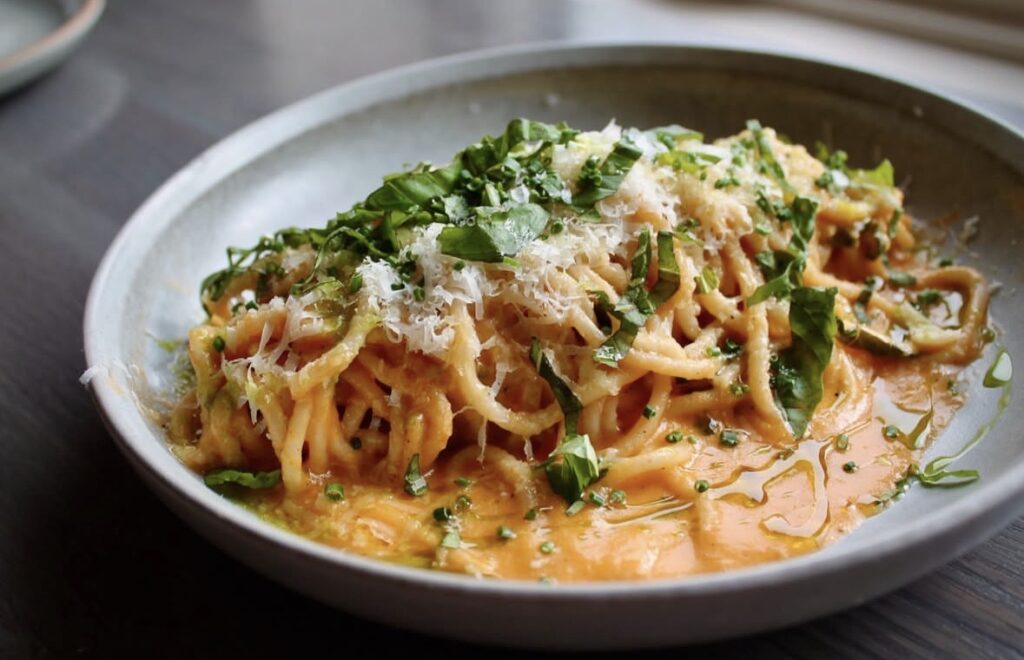
By Mark A. Leon | Charleston Daily
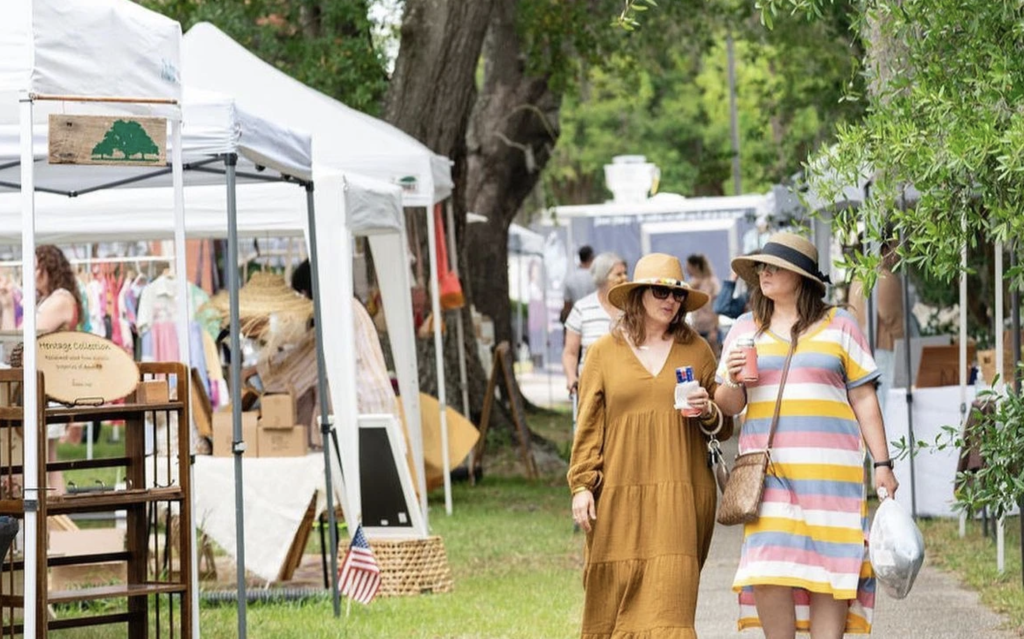
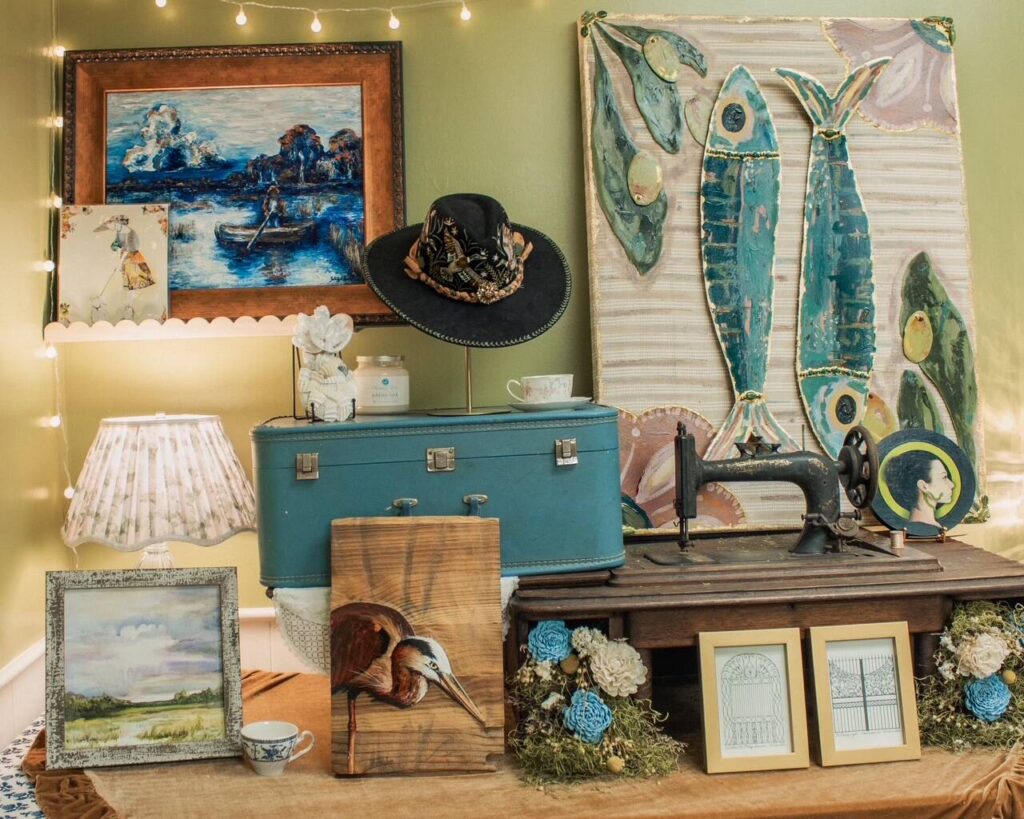
At the corner of St. Philip and Cannon streets, in Charleston’s revitalized Cannonborough neighborhood, a distinctive blend of culinary creativity, local character and neighborhood charm comes together. With Sorghum & Salt, Annie Mae’s Bakeshop and Hermosa Jewelry adding their own personalities to the surrounding streetscape, this corner has become a reflection of the independent spirit that continues to shape Charleston’s evolving food and lifestyle scene.
But for those seeking a dining experience that goes beyond what arrives on the plate, Sorghum & Salt deserves a closer look.
At the center of it all is owner Tres Jackson, immersed in the final preparations and details that define the restaurant’s identity. Behind the scenes, a familiar head of curls (Tres son) moves through the kitchen, while a staff that understands the importance of personal connection ensures that hospitality is as much a part of the experience as the food itself.
The result is a memorable blend of approachable fine dining, thoughtful culinary experimentation and genuine warmth — the kind of experience that stays with you long after the last bite.
Hospitality and a commitment to exceptional customer experiences are hardly new to Charleston. They are woven into the fabric of the city. Yet Sorghum & Salt brings something distinctive to the table.
I had known the restaurant’s reputation since 2018: a place recognized for exceptional ingredients, creative freedom and artistic presentation. Those expectations were met, but the story behind the food reveals something more meaningful.
For Jackson, cooking is rooted in family. Growing up in a household where food was an extension of family life helped establish an appreciation for the connections created around a table. Fourteen years operating a restaurant in Tuscaloosa, Alabama, further shaped his understanding of the business. Travels through Iceland, Belgium and Amsterdam offered opportunities to observe different culinary traditions, flavor combinations and approaches to presentation.
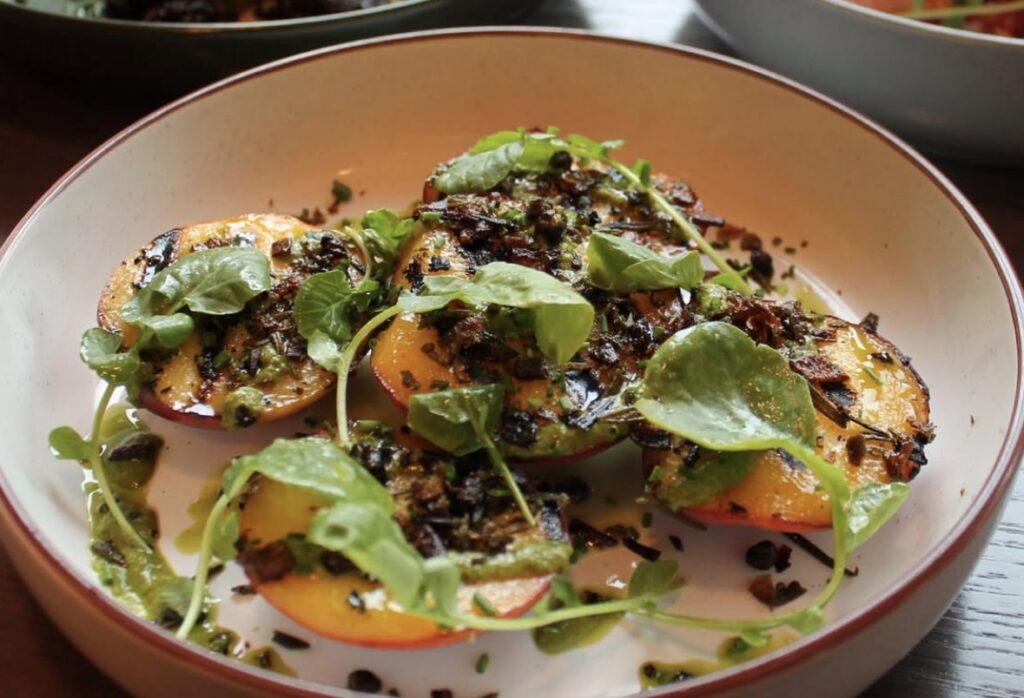
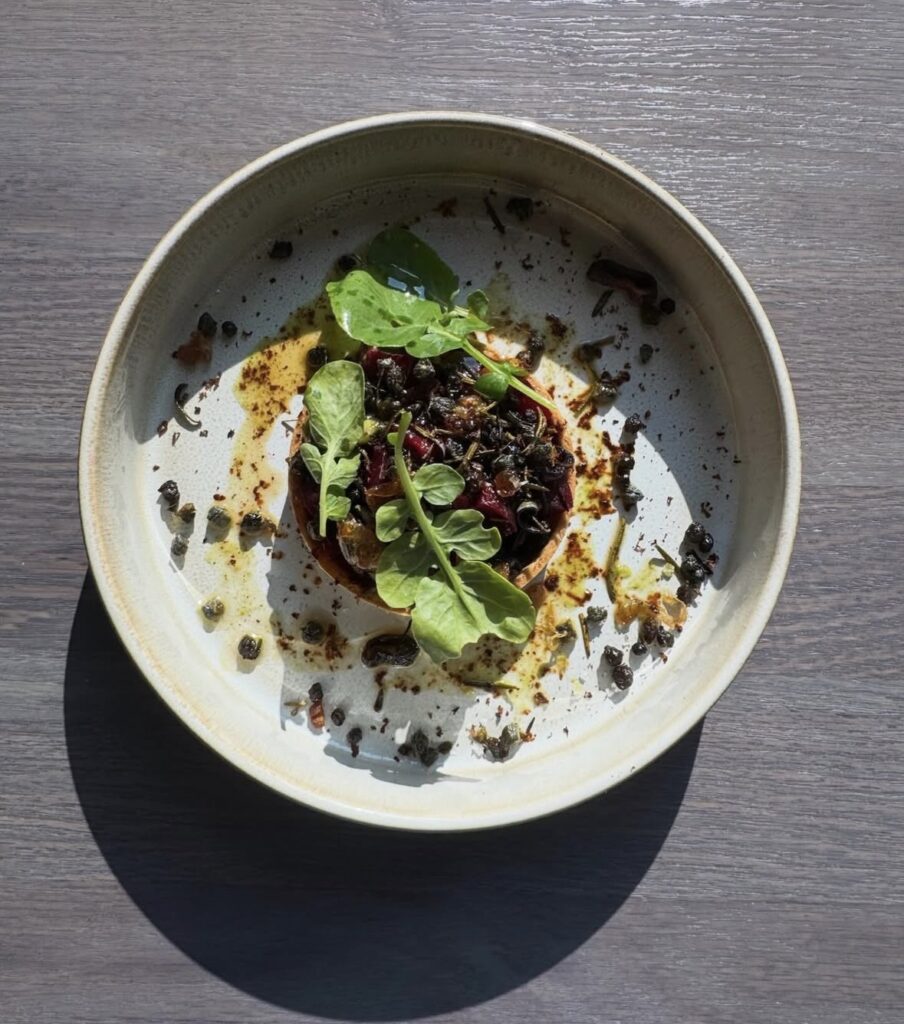
Chef Tres has a distinctive ability to transform familiar vegetables into something unexpected, using techniques such as roasting, dehydrating, fermenting and pickling to develop layers of flavor and texture. His rainbow carrots exemplify this approach. After roasting, the carrots are dehydrated for four to six hours the following day to concentrate their flavor, then flashed to create a leathery exterior. They are served with miso emulsion, pickled carrots and lavender, bringing together contrasting textures and complementary flavors. The roasted beets showcase that same spirit of creativity, featuring house-made vegetable bottarga crafted by smoking, baking and drying vegetable scraps over several weeks. Paired with cumin caramel, capers and rosemary, the dish transforms a familiar root vegetable into a complex and memorable culinary experience.
These experiences and techniques have become part of the foundation for Sorghum & Salt — a restaurant that reflects a lifetime of learning while embracing the freedom to do things a little differently.
Choose Your Dining Experience
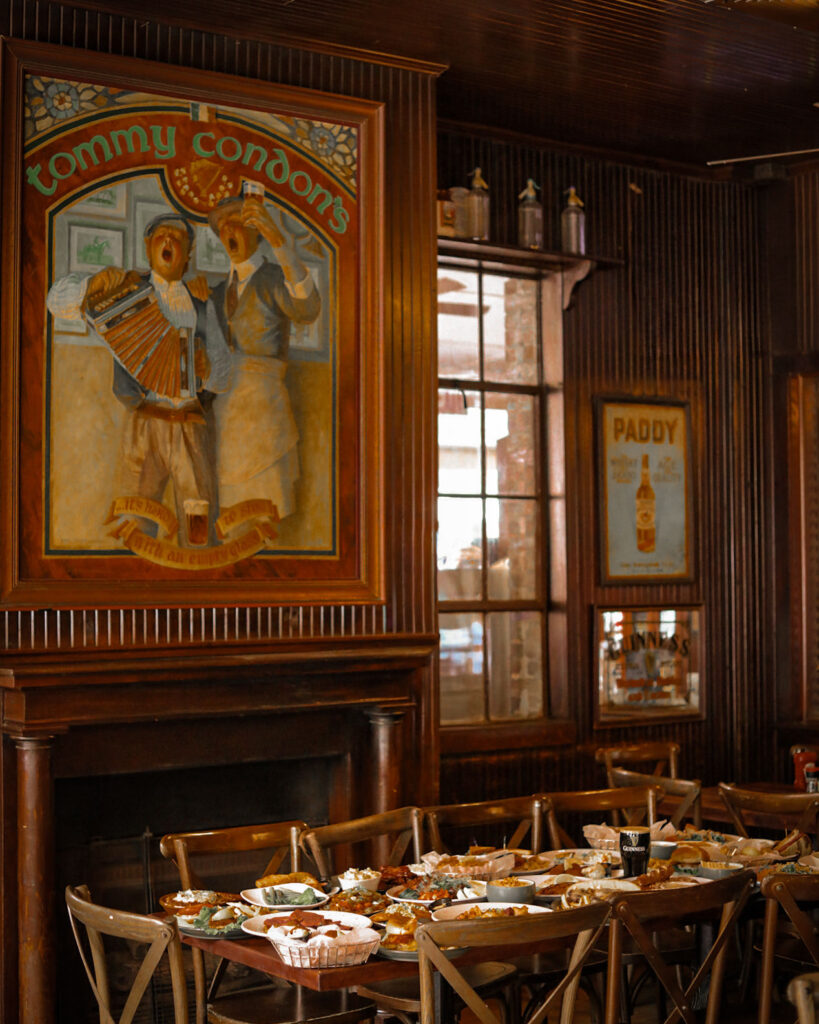
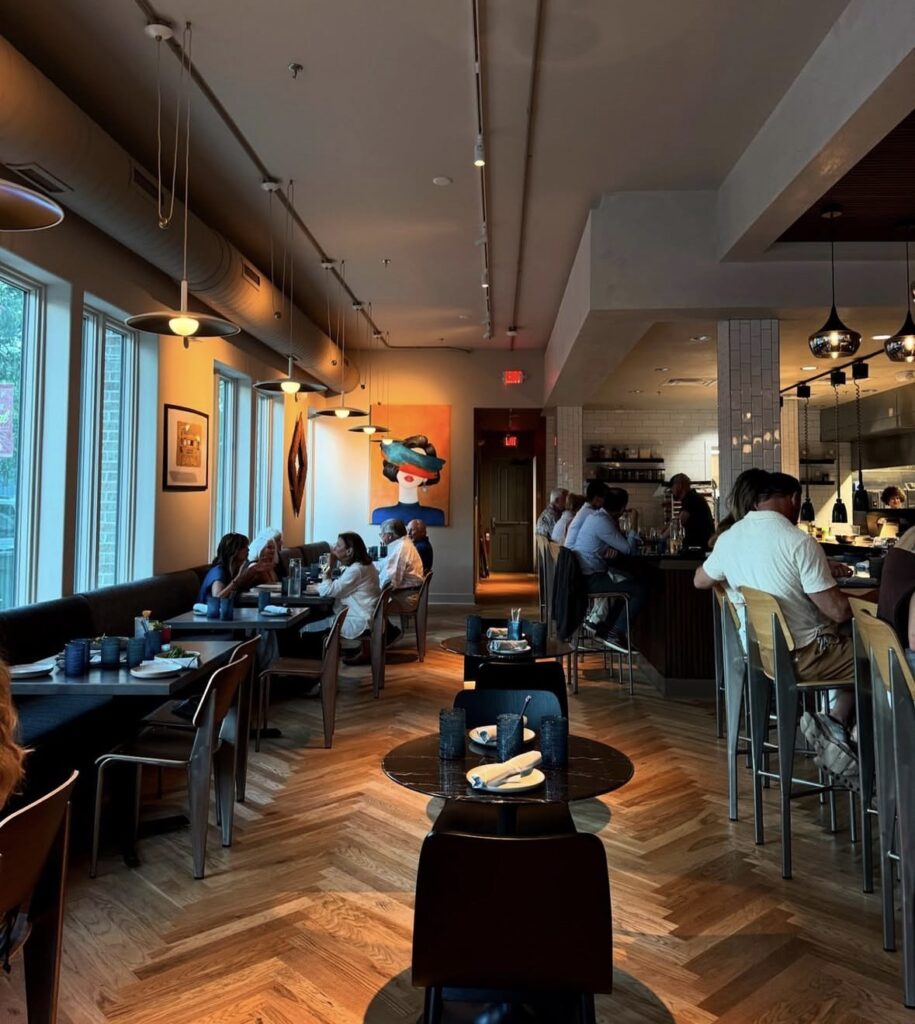
Located at 186 St. Philip Street, the restaurant’s new space offers three distinct ways to experience the evening: the dining room, the bar and seating overlooking the open kitchen.
Although the areas share one open, welcoming environment, each offers its own atmosphere.
For those who appreciate the artistry behind a meal, the open kitchen is the place to be. Watching ingredients move from the pan to the plate offers a front-row seat to the precision, timing and creativity that bring each dish to life.
If your ideal evening begins with a thoughtfully prepared cocktail and a little conversation, the bar provides a natural gathering place.
And for a quieter, more intimate dinner, the dining area offers a comfortable setting. If available, a window seat is worth requesting. In this part of Charleston, people-watching is an experience all its own, providing a glimpse into the neighborhood’s lively mix of residents, visitors and local businesses.
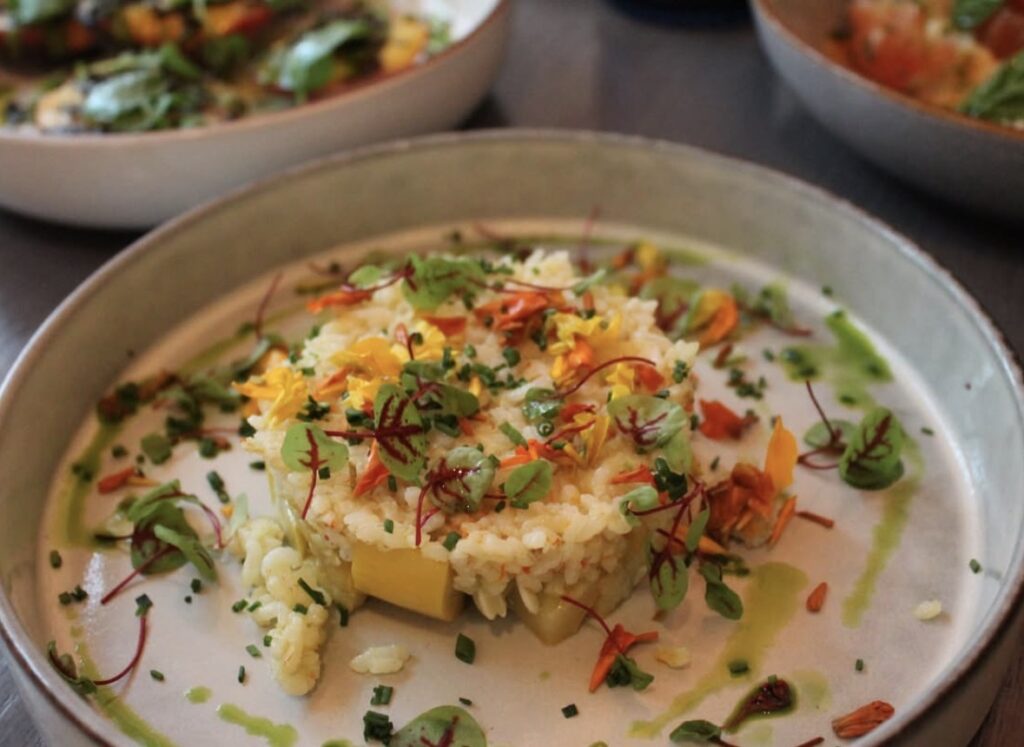
Food and Presentation: A Beautiful Marriage
The first question is straightforward: Do we recommend Sorghum & Salt, and who should make a reservation?
Absolutely.
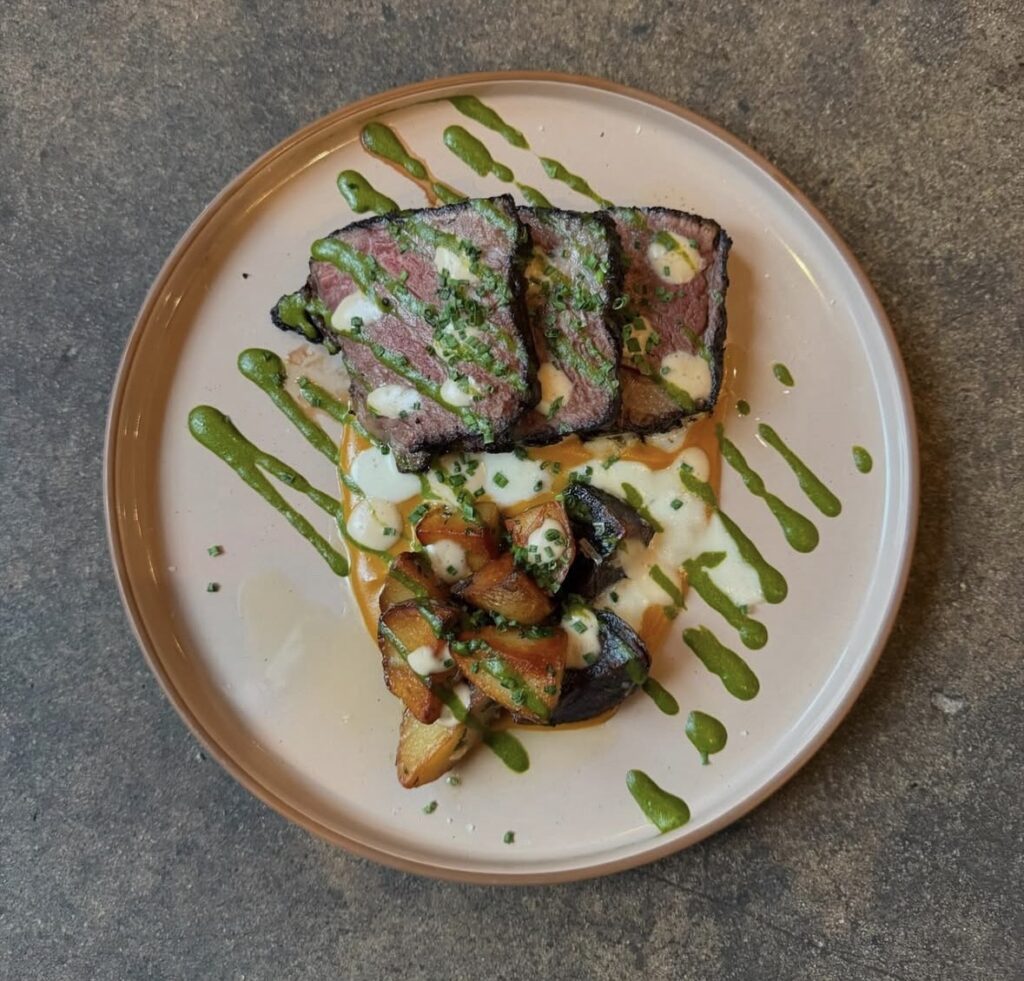
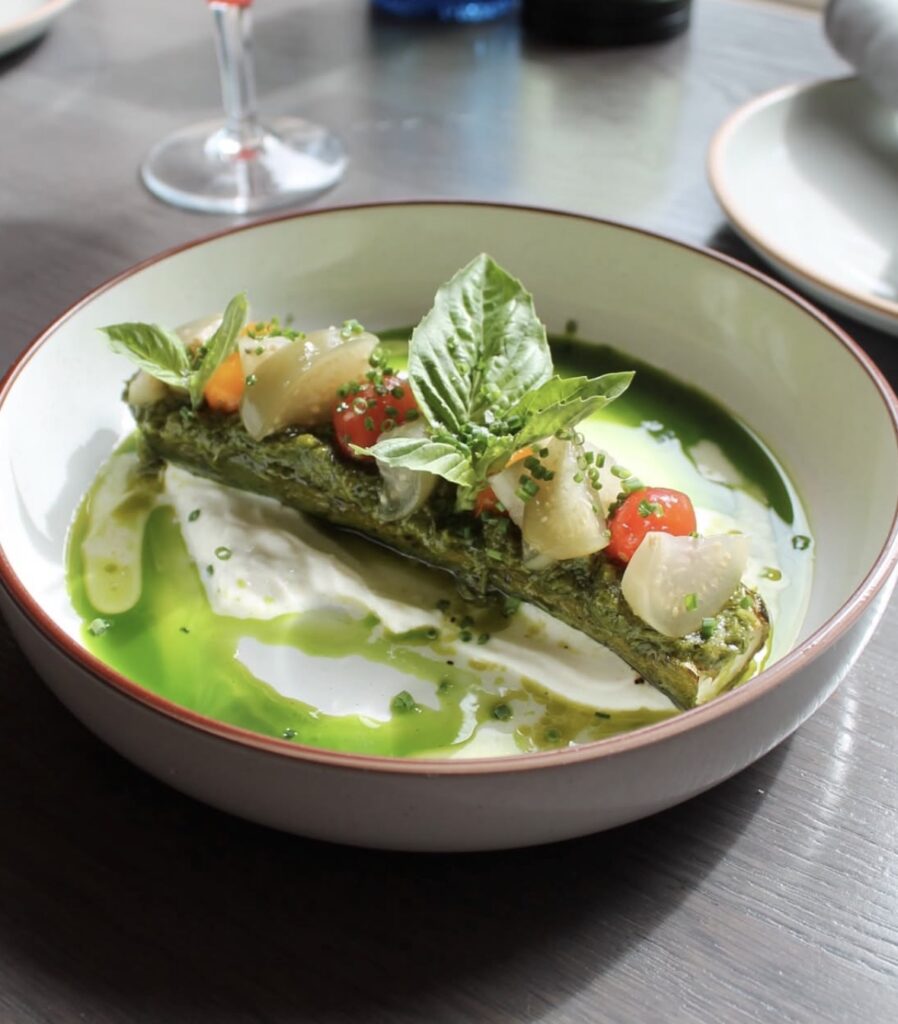
If you appreciate vegetables treated as culinary stars, fresh ingredients, inventive sauces and the science behind balancing flavors, this restaurant belongs high on your Charleston dining list. The menu brings together fruits, vegetables, proteins and spices with remarkable precision, creating dishes that are visually engaging without sacrificing flavor.
Seafood and meat preparations lean toward a more delicate approach, allowing the ingredients and accompanying flavors to share the spotlight. Many plates are ideal for sharing, making it easy to explore several different directions throughout the meal.
The second question is a little more complicated: What should you order? (Menus)
Personal taste always plays a role, but a few dishes made a particularly strong impression.
The Gem Lettuce — featuring maple tahini, pistachios, breadcrumbs and pink peppercorns — is an excellent place to begin. Refreshing and layered with flavor, it offers a lively combination of textures and a welcome introduction to the kitchen’s approach to balancing ingredients.
For those who prefer a deeper, more savory vegetable dish, the Roasted Beets, accompanied by cumin caramel, capers, rosemary and vegetable botarga, offer another compelling option. The combination brings earthiness, sweetness and savory complexity together in a way that gives a familiar ingredient a new dimension.
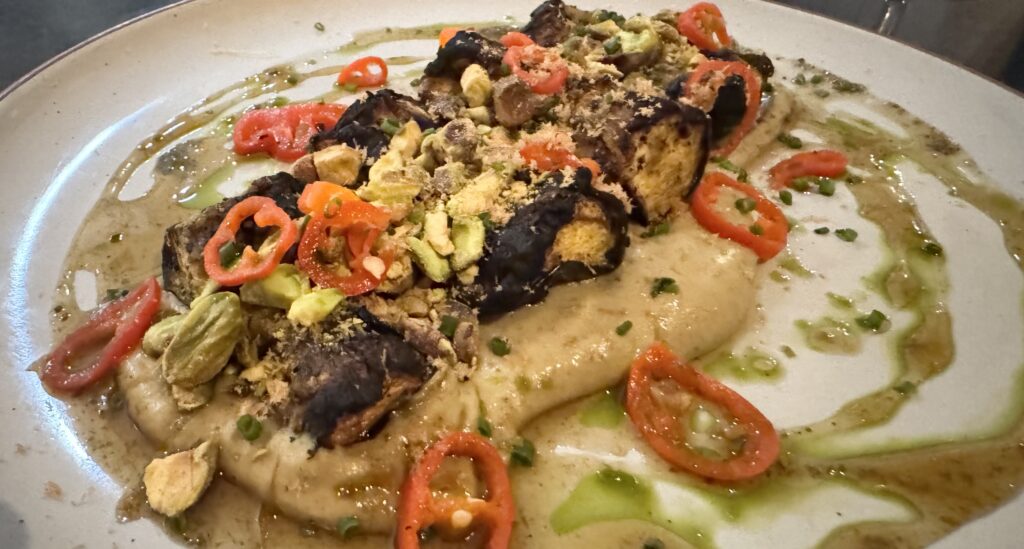
Two dishes, however, stood out as favorites: the Seared Yellowfin Tuna, served with cashew tahini, plums and porcini mushroom powder, and the Acorn Squash, paired with pistachio butter, peppers, pork katsuobushi and seabean agave.
Both delivered an experience that went well beyond simply enjoying a good meal. Each bite revealed a different interplay of flavors, textures and unexpected combinations. The tuna balanced its delicate character with the richness of cashew tahini and the fruit-forward notes of plum, while the acorn squash offered a deeper, more layered experience.
These are dishes worth slowing down for — and sharing. Both earned a place on our list of Lowcountry favorites.
A Pasta Worth Saving Room For
Pasta lovers have another reason to visit. Sorghum & Salt makes its pastas from scratch daily, and the attention to texture and preparation is evident.
If there is one dish to prioritize, it is the Carrot Bolognese, featuring house-made rigatoni, labneh, smoked breadcrumbs and Parmesan.
The pasta’s delicate texture provides the foundation, while the smoked breadcrumbs add an unexpected dimension. The accompanying sauce brings everything together, creating a satisfying, deeply flavorful dish that feels both comforting and distinctive.
It is the kind of plate that reminds you how much creativity can emerge from familiar ingredients when technique and imagination work together.
Save Room for Dessert
We cannot leave without indulging your sweet tooth. If you are looking for a dessert that delivers a genuine wow factor, consider the Beets Crémeux, featuring blackberries, cocoa nibs and dulce de leche.
Unexpected, inventive and beautifully composed, this is not your typical dessert. The combination brings together contrasting flavors and textures in a way that challenges expectations while delivering a memorable finish. It is the kind of dish that stays with you long after you leave the table — and one you are unlikely to find replicated elsewhere.
More Than a Meal
Charleston, South Carolina, continues to strengthen its reputation as a culinary destination, with an ever-growing selection of restaurants offering distinctive experiences. But when we evaluate a dining experience, we look beyond the menu. Hospitality, quality, culture, selection, education and service all contribute to the larger picture. The most memorable restaurants are those that bring these elements together to create a complete experience.
Sorghum & Salt is one of those places.
From Jackson’s culinary vision and the kitchen’s thoughtful creativity to the welcoming staff and dishes that invite exploration, the restaurant delivers an experience that engages more than the palate. It encourages curiosity, sparks conversation and reminds us that dining can be as much about discovery as it is about nourishment.
Consider Sorghum & Salt for your next Charleston restaurant adventure. Come with an open mind, share a few plates, save room for dessert and prepare to be surprised.
It really is an adventure for the senses.
Come for the food. Stay for the experience. And leave with a few new favorite dishes — along with a reminder of why Charleston’s independent restaurant community continues to give this city its unmistakable flavor.
Click HERE for reservations.
Stay connected and subscribe to Charleston Daily.
Photo Credit: Sorghum & Salt and Charleston Daily