by
by 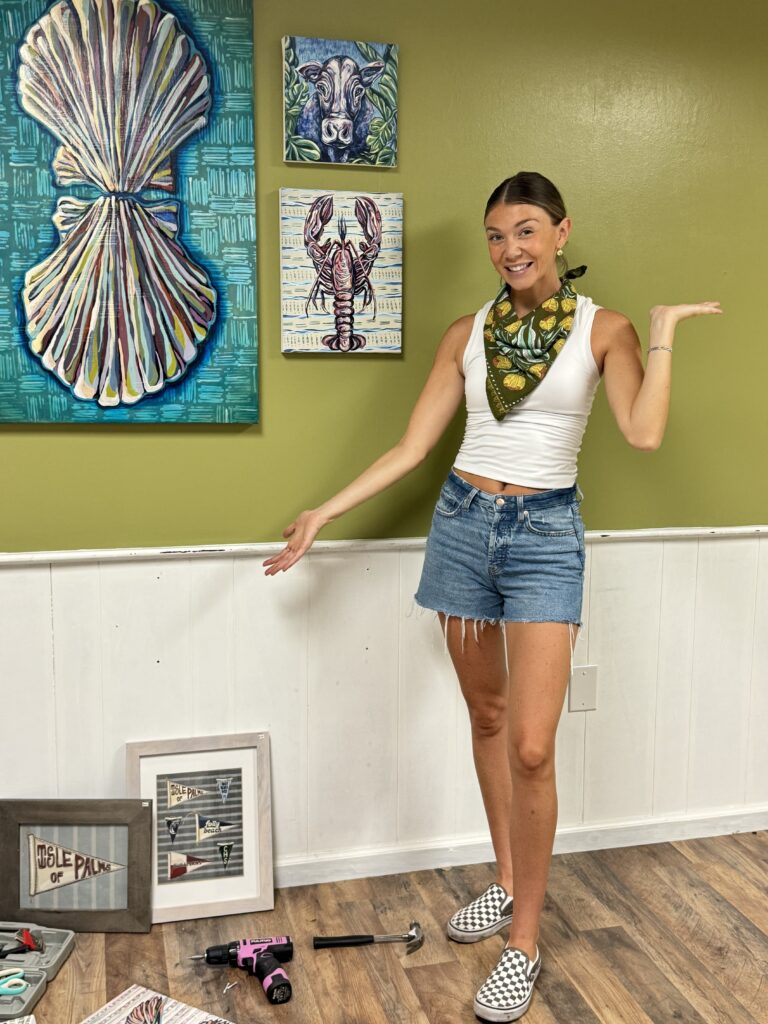
By Mark A Leon
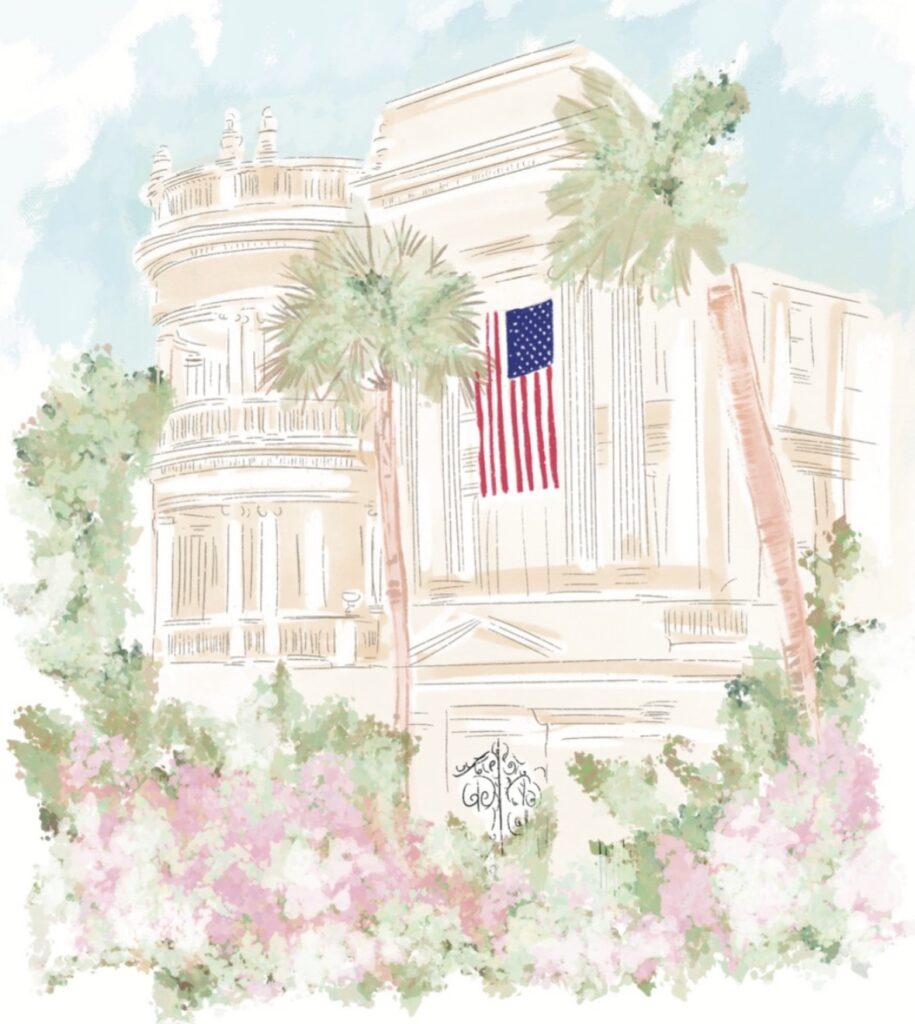
From learning to knit at six years old to creating original artwork, designing wallpaper and bringing color to Charleston’s streets, Brooke Callery has spent a lifetime turning creativity into something tangible.
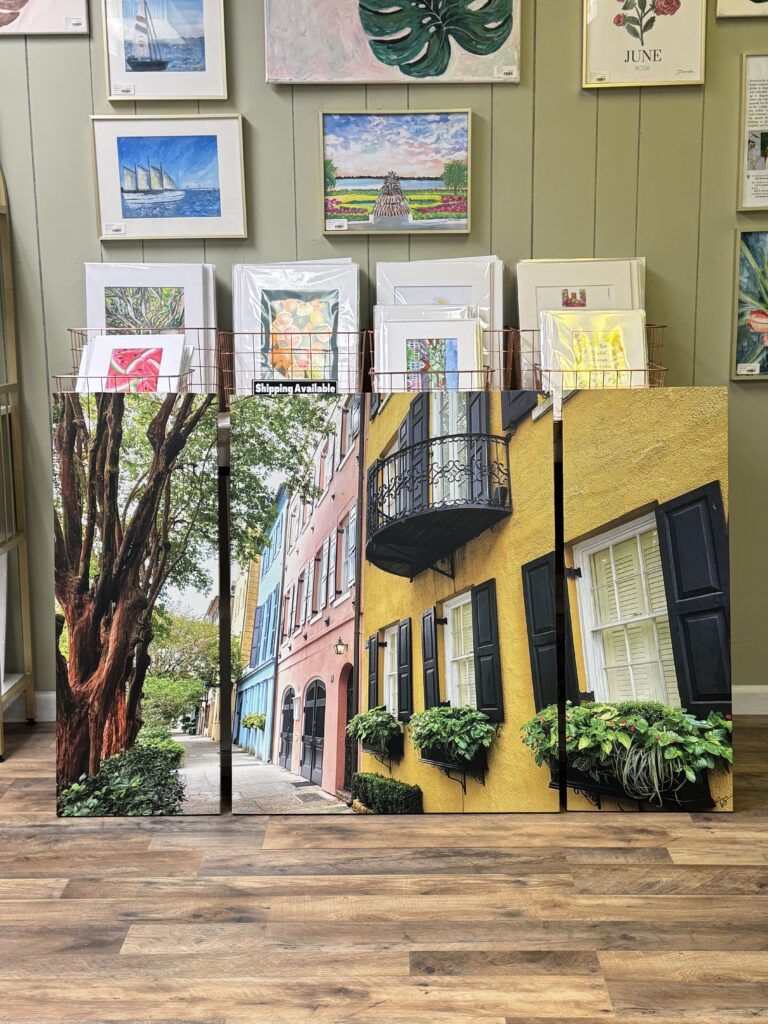
In a city celebrated for its historic architecture, colorful streets and unmistakable character, local artists play an essential role in keeping Charleston’s creative spirit alive. Artist and designer Brooke Callery is one of those creatives, bringing together the charm of the Lowcountry and the grit of Massachusetts in a body of work that reflects both her artistic roots and her entrepreneurial spirit.
For Brooke, creativity began early. She learned to knit at just six years old and started taking sewing lessons at eight. Long before establishing herself as an artist and designer, she was already developing the hands-on skills, curiosity and imagination that would become the foundation of her career.
Today, her work extends across multiple creative disciplines, from original artwork to wallpaper and design. Her story is a reminder that artistic talent can grow into an entire creative enterprise when passion is paired with persistence.
An Artistic Journey That Reaches Beyond Charleston
Brooke’s artistic accomplishments include having her work displayed at a state Capitol building. In a particularly remarkable milestone, that same piece was later used as the cover of a college textbook in China, giving her artwork an international connection that reaches far beyond the city she calls home.
Her educational background also helped shape her creative approach. Brooke studied studio art and arts management at the College of Charleston before pursuing an internship in textile design. That experience helped bridge her fine-art background with digital art, allowing her to combine traditional artistic sensibilities with contemporary techniques.
The result is a creative practice that can move between different formats and settings while maintaining a distinctive visual perspective.
Brooke has also brought her talents directly into Charleston’s streets through hand-painted holiday window displays for local businesses. These installations transform ordinary storefront windows into seasonal works of art, adding color, personality and a sense of celebration to the downtown shopping experience. Her work has been featured on local television and in The Post and Courier, further showcasing the connection between her creativity and the community around her.
From Original Art to Gable Ridge Wallpaper
Beyond Brooke Callery Art, Brooke has developed her own wallpaper brand, Gable Ridge, expanding her creative vision into interior design.
Wallpaper offers artists a unique opportunity to bring their designs into the spaces where people live, gather and create memories. It turns walls into visual experiences, making patterns, colors and artistic details part of everyday life.
For Brooke, this additional venture reflects the entrepreneurial side of her creativity. Rather than limiting herself to a single medium, she has built a broader artistic identity that allows her work to reach people in different ways.
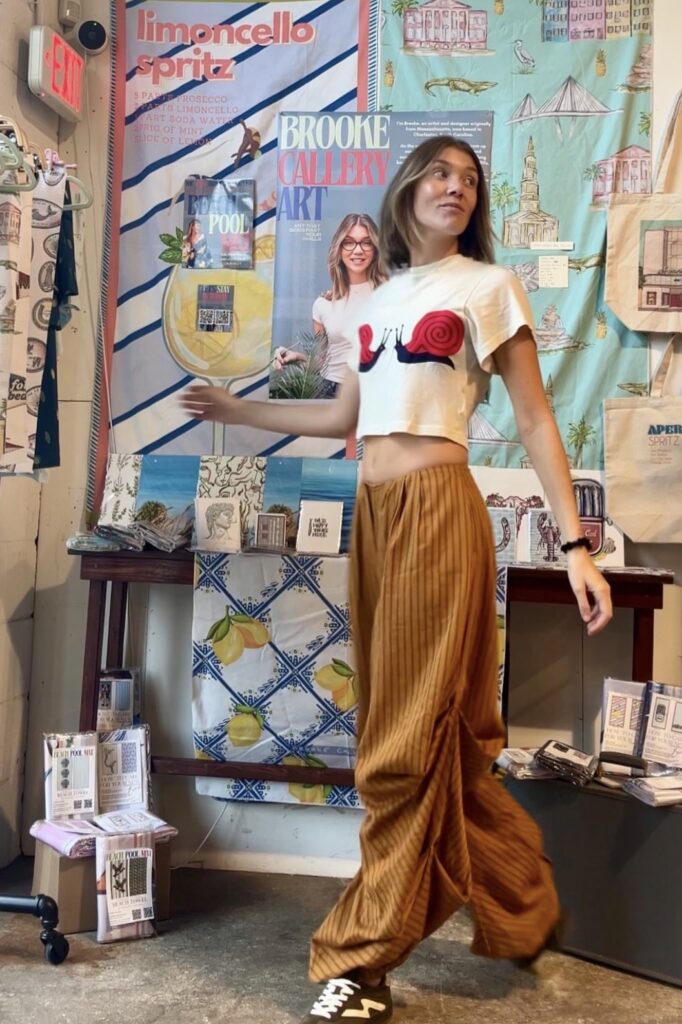
Her inspiration comes from two places with distinct personalities: the charm of Charleston and the grit of Massachusetts. That combination offers an intriguing creative foundation, blending the warmth, architectural beauty and historic character of the South with the resilience and straightforward spirit associated with New England.
It is a balance that feels particularly at home in Charleston, where tradition and individuality have always found ways to coexist.
Discover Brooke Callery at Look Up Charleston
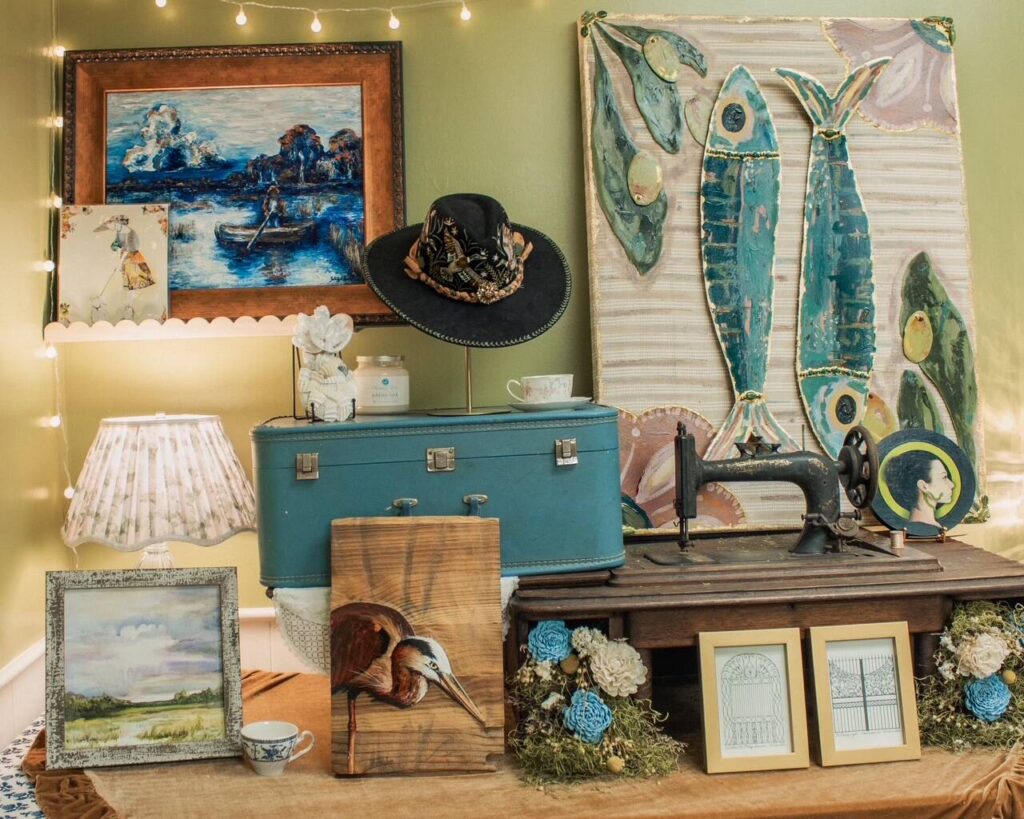
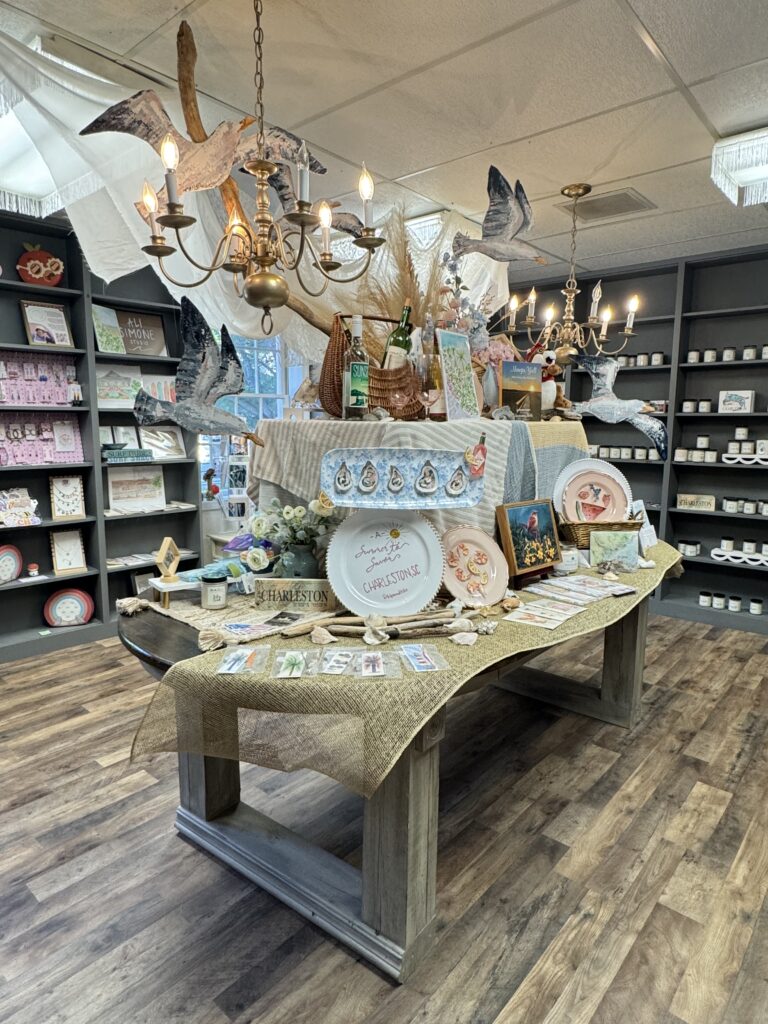
For locals and visitors who want to experience Charleston’s creative community firsthand, Brooke’s work can be discovered at Look Up Charleston, upstairs at 128 Meeting Street. Her studio and storefront are part of a larger collective dedicated to showcasing independent artists, designers, artisans and makers.
Look Up Charleston brings together local creativity under one roof, offering a place where visitors can discover original artwork, distinctive gifts, fashion and handmade treasures while meeting the people behind the work.
Brooke’s presence reflects what makes this kind of creative community special: artists are not simply selling products; they are sharing their perspectives, skills and personal stories.
From childhood knitting and sewing lessons to internationally featured artwork, original designs and her own wallpaper brand, Brooke Callery’s journey illustrates how a lifelong love of making can evolve into a multifaceted creative career.
Her work celebrates the places that shape us while finding new ways to bring art into the world — whether on a canvas, a storefront window or the walls of a home.
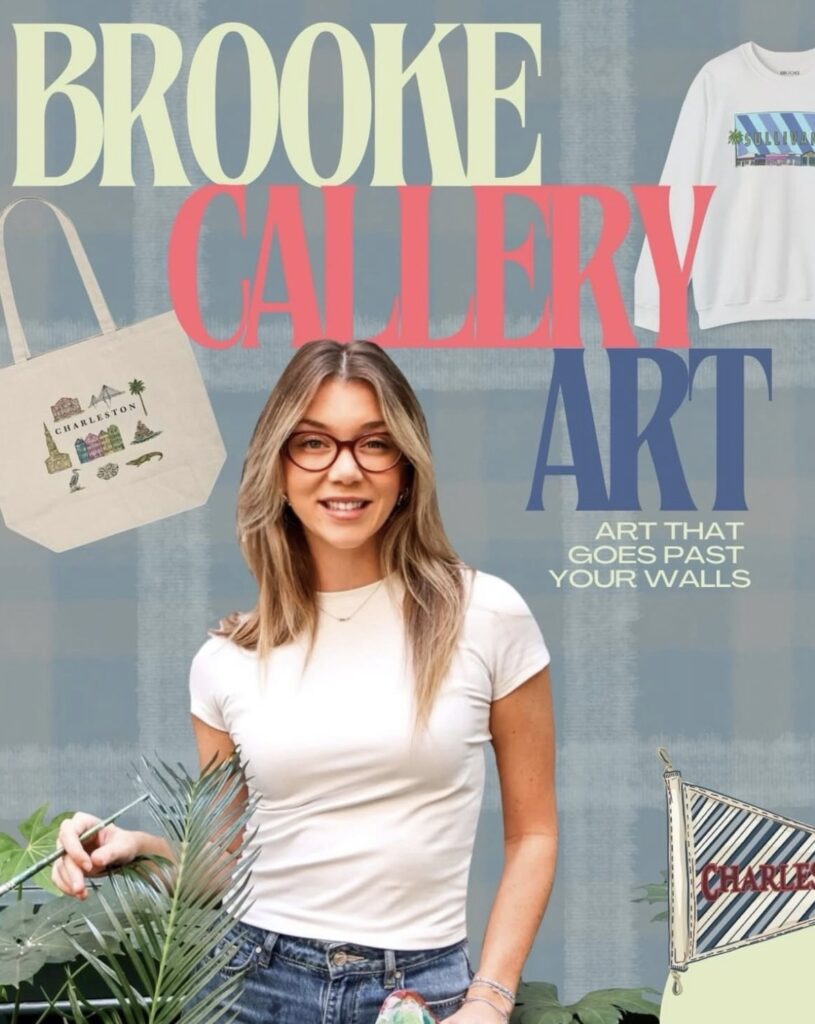
Meet the Artist
- Studio and storefront: Look Up Charleston, upstairs at 128 Meeting Street, Charleston, SC.
- Website: brookecalleryart.square.site
- Instagram: @brooke_callery_artt
- Wallpaper brand: Gable Ridge
Stay connected and subscribe to Charleston Daily.