Historic Charleston Foundation Announces the 2026 Charter Day Award Winners, Honoring Excellence in Stewardship, Craft, and Advocacy 

CHARLESTON, SC – Historic Charleston Foundation (HCF) is proud to announce the 2026 Charter Day award winners, recognizing outstanding achievements in the protection, restoration, and interpretation of Charleston’s historic built environment. This year’s honorees represent a diverse range of projects, from meticulous residential rehabilitations and institutional restorations to cultural landscape preservation and innovative public advocacy. Historic Charleston Foundation recognizes their excellence in preservation, offering not just technical expertise in maintaining historic sites and cultural landscapes, but also their dedication, resources, and a strong commitment to the city’s lasting legacy. 

On Thursday, April 30th, we will celebrate winners of the following awards at the annual Charter Day awards ceremony and reception: The Whitelaw Founders Award, the Joseph H. Peter McGee Advocacy Award, and the Stoney Craftsmanship Awards. The event is held at the historic First Baptist Church at 61 Church Street at 6 pm, immediately followed by a reception at the Nathaniel Russell House Museum, 51 Meeting Street. This program is free and open to the public; space is limited and registration is required on HCF’s website, HistoricCharleston.org. 

The Whitelaw Founders Award recognizes individuals, groups, or government entities that actively engage in the long-term preservation of important buildings and places. 

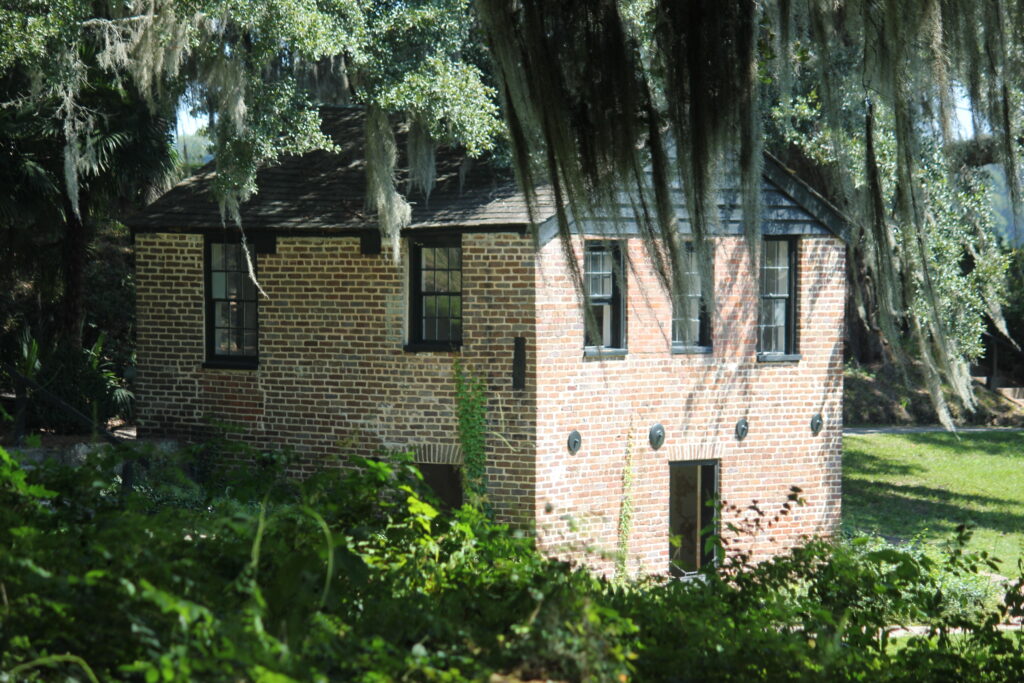
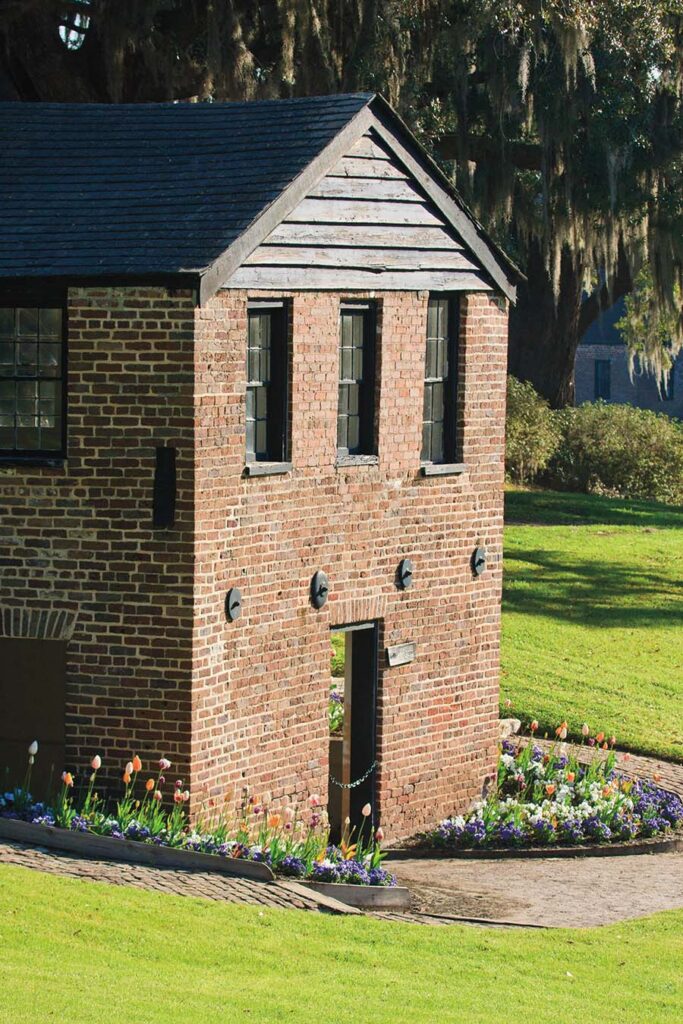
The Bennett Rice Mill, SC Ports Authority (Landmark Preservation; GEL Engineering) | The Bennett Rice Mill at Union Pier is being honored for its remarkable stabilization and restoration of a fragile yet powerful remnant of Charleston’s industrial past. Dating to the mid-19th century, the surviving masonry wall stands as a rare physical link to the city’s once-dominant rice economy. Through a $1.6 million investment, the South Carolina Ports Authority partnered with Landmark Preservation and GEL Engineering to carefully assess, stabilize, and restore the deteriorating structure. Over more than a year of work, the team employed highly specialized preservation techniques to ensure the wall’s structural integrity while maintaining its historic character. As redevelopment of Union Pier continues, this project ensures that Charleston’s layered history remains visible—bridging past and future through thoughtful, place-sensitive preservation. 

89 Smith Street (Mark Maresca, Owner) | The rehabilitation of 89 Smith Street reflects a deep respect for architectural history and craftsmanship. Purchased in 2022 by architect Mark Maresca, the c.1840 Bennett-Jones House underwent a careful two-year restoration that prioritized original materials and design intent. Built in the Greek Revival style by Jefferson Bennett and later owned by renowned architect Edward C. Jones, the home features a striking Doric portico and distinctive polygonal bay windows blending Gothic, Roman, and Egyptian influences. Maresca’s work focused on restoring historic finishes while removing non-historic alterations, allowing the house’s architectural narrative to reemerge. The result is a thoughtful and academically grounded rehabilitation that honors both the building’s origins and its evolution, ensuring its preservation as a significant example of Charleston’s antebellum residential design. 

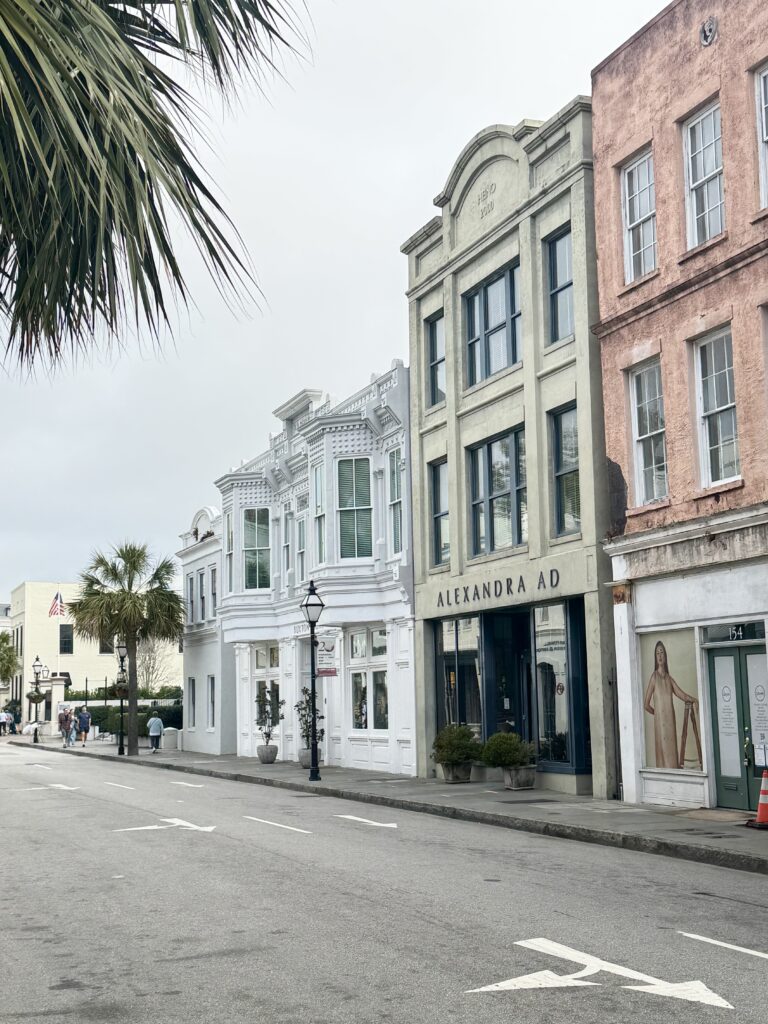
26 South Battery (Kevin Story & Stephanie Finch, Owners) | The restoration of 26 South Battery, the Col. John Ashe House, is a masterclass in patient, detail-driven preservation. Acquired in 2021, this c. 1828 Italianate residence underwent a multi-year, full-scale rehabilitation that balanced historical accuracy with the needs of a modern and growing family (two children were born during the course of the project). The undertaking, working with Richard Marks Restorations and Thomas & Denzinger Architects, entailed extensive plaster and stucco repair, piazza restoration, and the installation of a standing seam copper roof. A defining achievement was the painstaking return of the home’s exterior to its original limewash finish, complete with historically accurate color analysis and hand-restored detailing. Inside, original moldings, mantels, and decorative elements were carefully preserved or recreated using traditional techniques. Even landscape features were designed to echo the home’s geometry. The result is a cohesive and deeply respectful restoration that celebrates the building’s craftsmanship while ensuring its continued vitality as a lived-in historic home. 

60 Tradd Street (Dr. John Kerrison, Owner) | The project at 60 Tradd Street represents the power of research-driven restoration and multi-generational stewardship. Built circa 1732 and held within the same family since 1967, the home underwent a transformative effort to reconstruct its long-missing piazza—an architectural feature removed in the mid-20th century. Upon acquiring the property, Dr. John Kerrison, who grew up in the home, collaborated with architect Bill Huey and a team of engineers and builders to investigate the piazza’s original form using historic maps, photographs, and physical evidence embedded within the structure. The reconstruction required both technical precision and historical sensitivity, resulting in a structurally sound and visually authentic addition that reintegrates the house into its historic context. This project reflects a profound commitment not only to architectural integrity, but also to generational stewardship and Charleston’s evolving yet continuous streetscape. 

60 Meeting Street (Jon Mazzoli, Owner) | The rehabilitation of 60 Meeting Street highlights the successful integration of traditional building arts with advanced preservation techniques. Originally constructed in 1771 and later transformed in 1893 into a high-Victorian residence, the building presented a complex restoration challenge. Mazzoli worked with Meadors Inc. on a comprehensive interior and exterior rehabilitation, including the restoration of its distinctive mansard roof and turret using custom-fabricated metal tiles. Additional work included window restoration, stucco repair, and the modernization of building systems, all while correcting prior alterations that had compromised the structure’s integrity. The project stands as a model for how historic properties can be sensitively adapted while preserving the craftsmanship and character that define them. 

60 Tradd Street

Mosquito Beach (Bill “Cubby” Wilder) | The Pine Tree Hotel and Skeeta Lounge at Mosquito Beach represents a vital investment in cultural preservation and storytelling. Supported by a $1.25 million grant from the Mellon Foundation and facilitated by Historic Charleston Foundation, the project seeks to restore these landmark structures to active use while honoring their significance as centers of African American leisure during the Jim Crow era. Extensive rehabilitation work, under the expert leadership of Cubby Wilder, Larry Graves, and Kyle Taylor, is nearing completion, alongside plans to revive the site as a destination that celebrates Gullah Geechee culture, foodways, and history. By pairing physical restoration with interpretive programming and operational support, this effort ensures that Mosquito Beach’s legacy is not only preserved, but also meaningfully shared with future generations. 

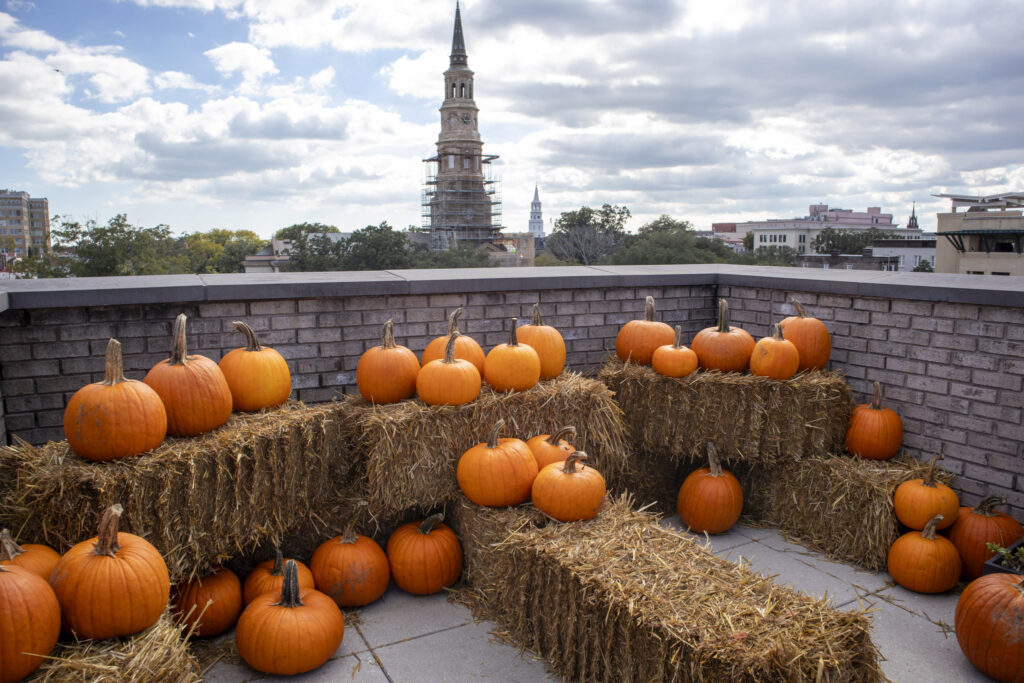
St. Philip’s Church | St. Philip’s Church is being recognized for its ambitious and comprehensive “Shine the Light” preservation campaign. Beginning in 2020, the congregation worked with Ryan Magee and Bill Huey + Associates to undertake a wide-ranging initiative to restore the structural and aesthetic integrity of its historic campus, including the Sanctuary, cemetery gates, and primary entrances. As work progressed, the scope expanded to include intricate interior restoration, such as the repair of cast plaster ornamentation and the installation of discreet lighting to highlight architectural details. Entirely funded by the congregation, the campaign reflects a profound commitment to stewardship. The project not only preserves one of Charleston’s most iconic landmarks, but also reinforces its role as a living 

institution, welcoming thousands of visitors each year while continuing to serve its active faith community. According to Rector Jeff Miller, the congregation regards “these magnificent buildings as Gospel assets. The iconic steeple is a lighthouse to shine the light of Christ.” 

The Joseph H. (Peter) McGee Advocacy Award recognizes excellence in advocacy, community preservation and planning. 

Bill Olson | Bill Olson, a.k.a. “Charleston’s Civic Storyteller” wins this year’s Joseph McGee Advocacy Award for his community outreach, generating broad interest and engagement for preservation advocacy through digital storytelling. A local real estate professional and busy dad, Olson has built a substantial following by translating complex development, zoning, and preservation issues into accessible, fact-based video content. Via his Instagram presence @The.Bill.Olson and via YouTube, he creates relatable, sharable content, prioritizing clarity over commentary and empowering residents to engage thoughtfully with issues shaping their city. With tens of thousands of followers and over a thousand videos produced, his work has amplified public awareness around key preservation topics, from rezoning debates to demolition concerns. By encouraging informed participation and highlighting the importance of civic engagement, Olson has expanded the reach of preservation advocacy beyond traditional audiences, demonstrating the vital role of communication in shaping Charleston’s future. 

The Stoney Craftsmanship Award recognizes craftspeople who have kept alive Charleston’s tradition of excellence in the building trades. 

Jeff Emig | Jeff Emig is recognized for his exceptional craftsmanship in masonry, stucco, plaster, and tile, skills essential to the preservation of Charleston’s historic fabric. Having honed his expertise through years of work on significant projects, including the restoration of the Sottile Theatre, Emig has built a reputation for precision and dedication to traditional methods. His work is widely respected by peers and collaborators, who value his ability to execute complex restoration tasks with both technical skill and artistic sensitivity. By maintaining and advancing these specialized trades, Emig plays a critical role in ensuring that historic buildings are not only preserved but authentically restored using the materials and techniques that define their character. 

Picquet Roofing | Picquet Roofing will receive the Stoney Award for their long-standing commitment to excellence in traditional roofing systems. Established in 1929, this third-generation, family-owned company is the oldest roofing firm in Charleston, carrying on a legacy rooted in craftsmanship and reliability. Specializing in materials such as copper, slate, tile, and metal, Piquet Roofing has contributed to the preservation of countless historic structures across the region. Their work reflects a deep understanding of both historic techniques and modern performance standards. By sustaining and elevating a highly specialized trade, the company continues to play an indispensable role in protecting Charleston’s architectural heritage. 

About Historic Charleston Foundation: Established in 1947, Historic Charleston Foundation (HCF) is a preservation advocacy organization whose mission is to advocate for a future for Charleston that honors and protects its people, places, culture, and community. In its 79th year, the Foundation is known for its preservation advocacy programs including protective covenants and easements; education and outreach; and it is the first organization in the country to establish a revolving fund to acquire and preserve historic buildings, a model now replicated in historic communities across the nation. HCF is also the proud steward of two historic house museums: the Nathaniel Russell House, c. 1808 and the Aiken-Rhett House, c. 1820., both open to the public for tours daily. HistoricCharleston.org 

Stay connected and subscribe to Charleston Daily.
26 South Battery

Signarama Opens New Shop in North Charleston, Offering Custom Business Signage, Vehicle Wraps and Graphic Solutions

Woman owner leads team providing end-to-end sign and branding solutions for businesses 

NORTH CHARLESTON, S.C. (Apr. 27, 2026) —Signarama® , the world’s largest sign and graphics franchise, has opened a new location at 7448 Stafford Road, Suite 604 in Northwoods Business Park.The shop is locally owned byentrepreneur Lisa Wright, who looks forward to helping local businesses stand out with attention-getting marketing materials. 

As part of the global Signarama network, the North Charleston location provides a full range of custom sign and graphics services for businesses, organizations, and commercial clients. Other offerings include illuminated signs, window decals, banners, murals, real estate signs, and visual branding solutions designed to help companies increase visibility and strengthen brand recognition. 

“I’m excited about meeting people in the community and helping local businesses get to the next level,” said Wright, a former dental management consultant. “At Signarama, we are more than just sign makers. When we work with our clients, we consider ourselves a team who takes the time to learn their business goals and how we can help to achieve them.” 

Wright worked in the dental field for 23 years, working her way up the ranks from an assistant, office manager and most recently as a management consultant. A native of Port Robinson, Ontario, and the past four years living in Mexico, Wright now resides with her husband and two children in the Historical District of Summerville. In her spare time, Wright enjoys cooking and traveling and is a passionate practitioner of mixed martial arts.   

The 2,500-square-foot North Charleston facility is equipped with modern sign-making technology and offers personalized, one-on-one consultations to ensure each project aligns with the client’s business goals, location requirements, and target audience.  

Signarama in North Charleston is open Monday through Thursday from 8:30 a.m. to 5:00 p.m. and Friday from 9 a.m. to 3 p.m. For more information, call 843-604-0220, visit the showroom, or go to Signarama

About Signarama

Signarama®, the world’s leading sign franchise, offers branding and messaging solutions in addition to comprehensive sign and graphic services to consumers and commercial customers – from business signs, vehicle wraps, and digital signs, to advertising and marketing services. Signarama is a member of the United Franchise Group™ family of affiliated brands and consultants. As part of a $49-billion-plus worldwide sign market, Signarama has been at the forefront of the sign industry for four decades. For more information, visit www.signarama.com. For more information on the Signarama franchise opportunity, visit www.signaramafranchise.com.  

About United Franchise Group  

Led by Chairman and CEO Ray Titus, United Franchise Group™ (UFG) is a globally recognized leader in franchising, home to an award-winning family of brands and franchise consulting services. With over 1,600 franchises across more than 60 countries, UFG empowers entrepreneurs through proven franchise systems, multi-unit growth opportunities, and industry-leading support. Its portfolio includes iconic brands like Signarama®, Fully Promoted®, Black Optix Tint®, Transworld Business Advisors®, Exit Factor®, Accurate Franchising™, Franchise Real Estate™, and thriving food concepts under Big Flavor Brands™, such as The Great Greek Mediterranean Grill® and Graze Craze®. With 40 years of franchising experience, UFG and its expert consultants have helped develop over 350 successful franchise brands, supporting thousands of franchisees worldwide. From B2B services to fast-casual dining, UFG offers scalable, high-demand business opportunities backed by comprehensive training, marketing, and operations support. Entrepreneurs choose UFG to lead in their local markets and grow with a trusted network that’s driving the future of franchising. With a commitment to rapid growth, UFG continues to expand its global footprint, helping franchise owners thrive in local markets worldwide.  

Stay connected and subscribe to Charleston Daily.

Ferrara Candy Company selects Orangeburg County for first South Carolina operation – 1000 new jobs over 10 years

US sugar candy category leader to invest $675 million, projected to create 1,000 new jobs over 10 years

COLUMBIA, S.C. — Ferrara Candy Company (Ferrara), a leading sugar confectioner in the United States, Brazil and Europe, today announced plans to establish its first South Carolina operation in Orangeburg County. The company’s $675 million investment is projected to create 1,000 manufacturing and corporate jobs over the next 10 years. 

Headquartered in Chicago for 118 years, Ferrara operates a network of more than 30 facilities worldwide and employs more than 9,400 people. Its products are sold in over 60 countries and span a portfolio of more than 40 iconic brands including NERDS®, SweeTARTS®, Laffy Taffy®, Trolli®, Brach’s®, Jelly Belly® in the U.S., Terry’s and Carambar in Europe, and Dori in Brazil. Ferrara is a privately held Ferrero-affiliated company.

Ferrara’s new operation will be located at Highway 21 and Rowesville Road in Orangeburg, where the company plans to construct a 750,000-square-foot manufacturing facility including processing and packaging, a warehouse for raw and pack materials, and an administrative office. The investment will support Ferrara’s high level of consumer demand and strengthen its position as a leader in sugar confections.


The first production lines in the new facility are expected to be operational in the first quarter of 2029. Individuals interested in joining the Ferrara team should visit readySC’s recruitment website, https://ferrara.readyscjobs.com/. Companies interested in becoming a supplier or vendor for Ferrara should complete the online interest form.

After the Joint Bond Review Committee recommended approval, the State Fiscal Accountability Authority authorized the issuance of General Obligation State Economic Development Bonds in a principal amount not exceeding $85 million to offset the cost of acquiring the site, site improvements and related infrastructure.

The Coordinating Council for Economic Development also approved job development credits related to the project.

QUOTES

“Our new Orangeburg facility represents a major step forward in transforming Ferrara’s manufacturing scale and capability, positioning the company for long-term global leadership. We are excited about the opportunity to inspire sweetness in the Palmetto State, and we are grateful to the leadership of Governor McMaster, Secretary Lightsey and their teams, and the Orangeburg County officials, in their partnership and effort to bring us to South Carolina.” -Ferrara Chief Executive Officer Marco Capurso

“Today marks a transformative moment for Orangeburg County and all of South Carolina. Ferrara Candy Company’s $675 million investment in the Midlands is a powerful vote of confidence in our state that will bring many new opportunities for our people. We are proud Ferrara has chosen South Carolina as a place to build their future and look forward to the company’s continued success here.” -Gov. Henry McMaster

“We are excited to welcome Ferrara Candy Company to the Palmetto State. This milestone investment in Orangeburg County, as well as the addition of 1,000 new quality jobs in South Carolina, is set to transform the community, strengthen the workforce and fuel economic prosperity for generations to come.” -Secretary of Commerce Harry M. Lightsey III

“Orangeburg County is excited to add Ferrara Candy Company to a growing list of international companies that have discovered the advantages we offer business and industry. We look forward to partnering with them as we strive together to make our community a better place to live and work.” -Orangeburg County Council Chairman Johnnie Wright


FIVE FAST FACTS

  • Ferrara Candy Company (Ferrara) selects Orangeburg County for its first South Carolina operation.
  • The company’s $675 million investment is projected to create 1,000 new jobs over 10 years.
  • Ferrara is a leading global manufacturer of sugar confections, under well-known brands such as NERDS®, SweeTARTS®, Laffy Taffy®, Trolli®, Brach’s® and Jelly Belly® in the U.S., Terry’s and Carambar in Europe, and Dori in Brazil.
  • The company will be located at Highway 21 and Rowesville Road in Orangeburg, S.C.
  • Individuals interested in joining the Ferrara team should visit readySC’s recruitment website.

Stay connected and subscribe to Charleston Daily.

Mount Pleasant, South Carolina Releases 2025 Annual Report

Mount Pleasant, S.C. – The Town of Mount Pleasant’s 2025 Annual Report is now available online. The publication highlights major milestones, initiatives, and achievements that shaped the past year. The theme of this year’s report is a scrapbook. It represents all of the little pieces that come together to make Mount Pleasant our home – that being the community, the local businesses, and the beautiful nature and views across the town. Each individual is an important piece of what makes Mount Pleasant a unique and wonderful place to live, work, and play.

“As we reflect on 2025, Mount Pleasant continues to grow stronger through thoughtful investments in the places where our community gathers and the services that support daily life,” said Mayor Will Haynie.

Click HERE for full report.

Source: Mount Pleasant, SC Government

Stay connected and subscribe to Charleston Daily.
University of South Carolina Women’s Basketball Head Coach Dawn Staley elected to American Academy of Arts and Sciences

Women’s basketball coach becomes only the fourth academy member at USC

By Dan Cook

Gamecock women’s basketball coach Dawn Staley has been elected to the American Academy of Arts and Sciences.

Coach Staley joins just three others from the University of South Carolina who are currently members of the academy: William Hubbard, dean of the Joseph F. Rice School of Law; Susan Cutter, professor of geography; and Nikky Finney, poet and professor of English language and literature. Staley is one of 252 leaders in academia, the arts, industry, journalism, philanthropy, policy, research and science elected in 2026. Very few sports figures have ever been elected. 

“Election to the Academy is a rare honor, and the university applauds Coach Staley for earning this distinction,”said President Michael Amiridis. “As an innovative coach, educator, mentor, philanthropist and role model, Coach Staley continues to elevate our students, our university and our community.”

Founded in 1780, the academy is both an honorary society that recognizes and celebrates the excellence of its members and an independent research center convening leaders from across disciplines to address significant challenges. Historically, members of the academy have included Benjamin Franklin, Albert Einstein, Martin Luther King Jr. and Madeleine Albright.

Coach Staley came to the University of South Carolina in 2008 and has since led the women’s basketball team to three national championships. She has coached the Gamecocks in eight Final Four appearances, including six consecutive Final Four matchups between 2021 and 2026. South Carolina is only the second team in NCAA history to reach six Final Fours in a row. She has also coached the U.S. Olympics team three times, including as head coach in 2020, and has won a gold medal each time.

“There are so many opportunities that basketball has given me that I could have never imagined when I picked up a ball as a young girl in North Philly,” Coach Staley said. “Being elected to the American Academy of Arts and Sciences is definitely one of those, and I am overwhelmed by the honor of joining this group of brilliant minds from every walk of life. Every day I strive to give back to the game of basketball everything that it has provided me and to be a dream merchant and an example for young people — those who I get to work with daily and those who only know me from afar. Recognition for that is not something I think about, but I know that my inclusion in this group is another example of the uncommon favor bestowed on me. I am beyond thankful to those who chose to bring me into this circle.”

Beyond her work on the court, Staley is a strong advocate for equity in women’s sports and of developing student-athletes for off-court success. Last year, she published a New York Times bestselling memoir, Uncommon Favor: Basketball, North Philly, My Mother, and the Life Lessons I Learned from All Three. Through the Dawn Staley Foundation, she supports after-school programs for at-risk youths.

“It is most fitting that Dawn Staley would be elected to membership in one of America’s most prestigious organizations, founded in 1780 by John Adams, John Hancock and others, which honors excellence in leaders who advance the ‘interest, honor, dignity, and happiness of a free, independent, and virtuous people,’” said Dean William Hubbard. “Her groundbreaking leadership has brought women’s basketball to unprecedented levels, and her mentorship of hundreds of women and men leaves a legacy for generations to come.”Gamecock women’s basketball coach Dawn Staley has been elected to the American Academy of Arts and Sciences.

Coach Staley joins just three others from the University of South Carolina who are currently members of the academy: William Hubbard, dean of the Joseph F. Rice School of Law; Susan Cutter, professor of geography; and Nikky Finney, poet and professor of English language and literature. Staley is one of 252 leaders in academia, the arts, industry, journalism, philanthropy, policy, research and science elected in 2026. Very few sports figures have ever been elected. 

“Election to the Academy is a rare honor, and the university applauds Coach Staley for earning this distinction,”said President Michael Amiridis. “As an innovative coach, educator, mentor, philanthropist and role model, Coach Staley continues to elevate our students, our university and our community.”

Founded in 1780, the academy is both an honorary society that recognizes and celebrates the excellence of its members and an independent research center convening leaders from across disciplines to address significant challenges. Historically, members of the academy have included Benjamin Franklin, Albert Einstein, Martin Luther King Jr. and Madeleine Albright.

Coach Staley came to the University of South Carolina in 2008 and has since led the women’s basketball team to three national championships. She has coached the Gamecocks in eight Final Four appearances, including six consecutive Final Four matchups between 2021 and 2026. South Carolina is only the second team in NCAA history to reach six Final Fours in a row. She has also coached the U.S. Olympics team three times, including as head coach in 2020, and has won a gold medal each time.

“There are so many opportunities that basketball has given me that I could have never imagined when I picked up a ball as a young girl in North Philly,” Coach Staley said. “Being elected to the American Academy of Arts and Sciences is definitely one of those, and I am overwhelmed by the honor of joining this group of brilliant minds from every walk of life. Every day I strive to give back to the game of basketball everything that it has provided me and to be a dream merchant and an example for young people — those who I get to work with daily and those who only know me from afar. Recognition for that is not something I think about, but I know that my inclusion in this group is another example of the uncommon favor bestowed on me. I am beyond thankful to those who chose to bring me into this circle.”

Beyond her work on the court, Staley is a strong advocate for equity in women’s sports and of developing student-athletes for off-court success. Last year, she published a New York Times bestselling memoir, Uncommon Favor: Basketball, North Philly, My Mother, and the Life Lessons I Learned from All Three. Through the Dawn Staley Foundation, she supports after-school programs for at-risk youths.

“It is most fitting that Dawn Staley would be elected to membership in one of America’s most prestigious organizations, founded in 1780 by John Adams, John Hancock and others, which honors excellence in leaders who advance the ‘interest, honor, dignity, and happiness of a free, independent, and virtuous people,’” said Dean William Hubbard. “Her groundbreaking leadership has brought women’s basketball to unprecedented levels, and her mentorship of hundreds of women and men leaves a legacy for generations to come.”

Where Time Stands Still: Five Charleston, South Carolina Small Businesses Built to Last

In Charleston, the true measure of a small business isn’t just survival—it’s staying power with soul. Tucked along historic streets and coastal corners are businesses that have quietly thrived for more than half a century, not by scaling endlessly, but by staying deeply rooted in relationships, service, and community trust.

At Croghan’s Jewel Box, family ownership has guided the business since 1919. Generations of Charlestonians have walked through its doors for engagements, celebrations, and remembrances. What keeps Croghan’s relevant isn’t just craftsmanship—it’s the way each customer is treated like part of a living legacy. Stories are shared as often as stones are set, creating a bond that transcends transactions.
Address: 155 King Street, Charleston, SC 29401
Website: https://www.croghansjewelbox.com

Across the Cooper River, Gwynn’s of Mount Pleasant has been a staple since 1967. Though it has grown over time, it remains a deeply personal operation at heart. Customers aren’t just shoppers; they’re known, styled, and remembered. The staff’s attentiveness reflects a philosophy that has carried the business through decades: evolve with taste, but never lose the human touch. Coming this summer (2026), Gwynn’s will be opening a second location on King Street in the heart of downtown Charleston, SC (
Address: 916 Houston Northcutt Blvd, Mount Pleasant, SC 29464
Website: https://www.gwynns.com

Southern hospitality finds a home at Poogan’s Porch, serving guests since 1976. Housed in a Victorian residence, the restaurant feels less like a commercial space and more like an invitation. Its longevity comes from consistency—both in its menu and in its warmth. Locals and visitors alike return because they know what they’ll receive: comfort, familiarity, and a sense of belonging.
Address: 72 Queen Street, Charleston, SC 29401
Website: https://www.poogansporch.com

Few places embody Charleston’s culinary heritage like Hannibal’s Kitchen. Established in 1985 by Robert “Hannibal” Huger, this family-owned community driven restaurant has built its reputation on authentic Gullah Geechee flavors and unwavering consistency. More than a restaurant, it’s a cultural touchstone—where recipes are preserved, stories are shared, and the community gathers. Its longevity is rooted in tradition, resilience, and a deep connection to the people it serves.
Address: 16 Blake Street, Charleston, SC 29403
Website: https://hannibalkitchen.com

Rounding out this group is Dave’s Carry Out, a true small, single-owner operation that has quietly endured for generations. Known for its no-frills approach and fiercely loyal following, Dave’s represents the backbone of Charleston’s independent business culture. It’s the kind of place where regulars are greeted by name and newcomers quickly feel like insiders—proof that consistency and authenticity can outlast almost anything.
Address: 42 Morris Street, Charleston, SC 29403
Website: https://daves-carry-out.nearby-res.com/

Together, these businesses tell a distinctly Charleston story. Longevity here isn’t about chasing growth—it’s about nurturing relationships. Each has endured by staying close to its customers, investing in its community, and understanding that real success is measured not just in years, but in the lives touched along the way.

Stay connected and subscribe to Charleston Daily.

Charleston County Parks launches a new refreshed website

Charleston County Parks have done a refresh of our website! The newly redesigned website is officially live at charlestoncountyparks.com – and it’s built to help members of our community explore, discover, and plan their next park adventure more easily than ever.

What’s new?

  • Park Finder (https://www.ccprc.com/parks/): Quickly find the parks, facilities, and amenities you’re looking for — from beach access and trails to playgrounds, fishing piers, and more.
  • Robust Events Calendar (https://www.ccprc.com/events/): Discover festivals, programs, camps, classes, and special events all in one place, with improved filtering to help you find exactly what fits your schedule.
  • Feature Stories (www.ccprc.com/blog): Go beyond the map with stories that highlight the people, places, and experiences that make Charleston County Parks special in our Park Bench Stories.
  • Choose Your Own Adventure: Not sure where to go? Let us help you match your interests — nature, history, family fun, or outdoor adventure — with the perfect park experience. (From the homepage)

We hope the new site makes it easier for members of Charleston community to connect with the parks they know and discover new ones along the way.

Stay connected and subscribe to Charleston Daily.
Clemson University receives $11 million Bezos Earth Fund grant for sustainable cotton research

What we wear carries an environmental cost long before clothing reaches a store shelf. From water-intensive dyeing to chemical processing and waste, the materials used in fashion have a major impact on natural resources. Researchers at Clemson University are working to change that by rethinking cotton from the ground up.

With an $11 million grant from the Bezos Earth Fund, Clemson scientists led by Christopher “Chris” Saski, systems geneticist and professor in the Department of Plant and Environmental Sciences, will advance research aimed at creating cotton that performs better, uses fewer resources and opens new possibilities for growers, manufacturers and consumers.

“Clemson University is proud to be a part of shaping the future of global agriculture and the fashion industry through bold innovation and advancing groundbreaking research,” said Clemson University Interim President Robert H. Jones. “Dr. Saski’s cutting-edge research in the fields of gene editing and synthetic biology has the potential to positively impact the lives of every person on our planet, which is a testament to the work we do every day at Clemson University and to fulfilling our unique land-grant mission of education, research and service.”

For South Carolina, where cotton remains an important part of the agricultural economy, the work could help strengthen a legacy crop while positioning the state at the forefront of sustainable textile innovation.

Reinventing cotton at the source

The project will combine gene editing, synthetic biology and advanced breeding to develop next-generation cotton with built-in color, improved performance and greater resilience. Instead of adding those traits later through resource-intensive manufacturing, researchers are designing them directly into the plant.

The approach could reduce water use, lower chemical inputs and create fibers better suited for modern manufacturing. It could also help growers by increasing the value and versatility of cotton in a rapidly changing global market.

Collaborators from the University of Georgia are also part of the team. The project builds on Clemson’s advances in cotton transformation and eco-friendly fiber coloring.

“This work focuses on growing fibers that are inherently better for the planet by moving color, performance and resilience into the biology of cotton itself,” Saski said. “This approach flips the traditional model that has been used for more than a century to build a future of sustainable fashion, and we’re excited to have support from the Bezos Earth Fund to help us move this research forward and further.”

A global challenge with local impact

The Bezos Earth Fund is investing in new approaches to the materials used in clothing, an industry with a significant environmental footprint, including greenhouse gas emissions, water use, pollution and waste. Clemson researchers say addressing those challenges starts with rethinking how fibers are grown and produced.

For the Clemson team, the grant represents an opportunity to turn scientific discovery into practical solutions with impact far beyond the lab. From South Carolina farms to global supply chains, the work could help shape a more sustainable future for one of the world’s most widely used natural fibers.

Source: Clemson University

Stay connected and subscribe to Charleston Daily.
Sammy the Sullivan’s Island Dolphin:  A Story About Love and Conservation (Perfect bedtime story)

By Mark A Leon 

Once upon a time, just off the shores of Sullivan’s Island, there lived a friendly dolphin named Sammy.

Sammy loved the sparkling blue water, the soft sandy beaches, and the kind people who visited the island each day.

Sammy spent his days playing in the waves, leaping into the sunshine, and greeting everyone he met.

“Hello!” he would chirp, splashing happily.

To Sammy, the ocean wasn’t just home—it was family.

But one day, Sammy noticed something wasn’t right.

There was trash in the water.

The beaches didn’t sparkle like they used to.

And some of his ocean friends were in trouble.

A sea turtle struggled with plastic wrapped around its flipper.

His friends nodded. They believed in Sammy.

Sammy felt a heavy sadness in his heart.

Sammy swam to shore and gathered his friends—the seagulls, the pelicans, the sea turtles, and even the tiny crabs.

“We all share this beautiful island,” Sammy said gently.

“If we work together and show love for our home, we can help it heal.”

Soon, something wonderful happened.

The people of Sullivan’s Island began to notice.

They picked up litter.

They used reusable bags.

They protected the dunes and cared for the ocean.

They showed love—just like Sammy.

Little by little, the island began to shine again.

The water became clearer.

The beaches became cleaner.

Sammy’s friends were safe and free.

The sea turtle swam with a happy splash.

Sammy leaped high into the golden sunset, his heart full.

He knew something important:

Love can change the world.

Even small acts of kindness can make a big difference.

So remember, little friend:

Love your home.

Protect the ocean.

Take care of each other.

Together, we can keep Sullivan’s Island beautiful—today, tomorrow, and always. ❤️

Stay connected and subscribe to Charleston Daily.