By Mark A Leon

Charleston is a city that leans into charm, history, and coastal elegance—but part of what defines it is what isn’t there. Unlike larger metros, it has intentionally (and sometimes unintentionally) avoided certain big-ticket developments and cultural staples. Here’s a thoughtful look at what Charleston, South Carolina notably does not have—and how that absence shapes its identity.
1. A Major League Sports Franchise
You won’t find Charleston represented in the NFL, NBA, MLB, or NHL. While minor league teams and college sports thrive, the city has never pursued (or landed) a major league identity—keeping the sports culture more intimate and local.
2. A Large-Scale Amusement Park
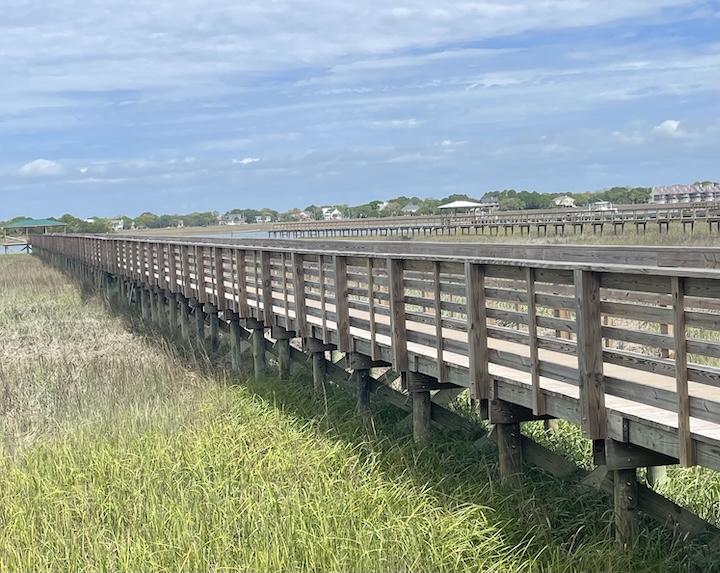
There’s no Charleston equivalent to Walt Disney World or Six Flags Over Georgia. The region opts instead for natural attractions—beaches, marshes, and waterways—over roller coasters and mega attractions.
3. A Skyscraper-Dominated Skyline
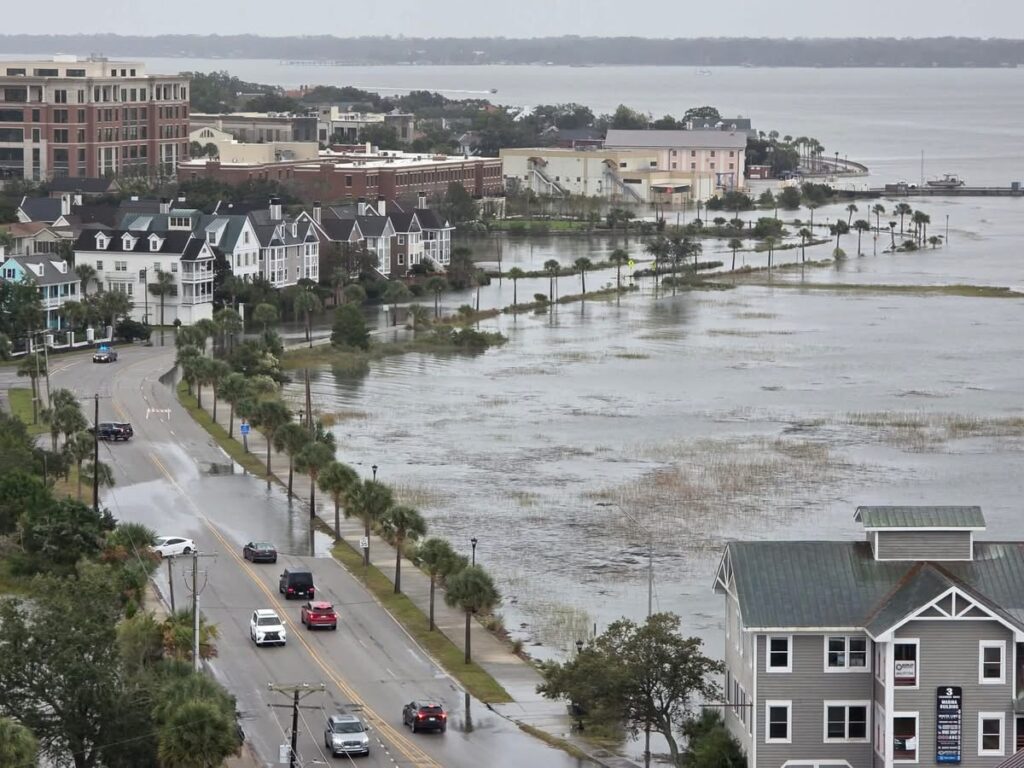
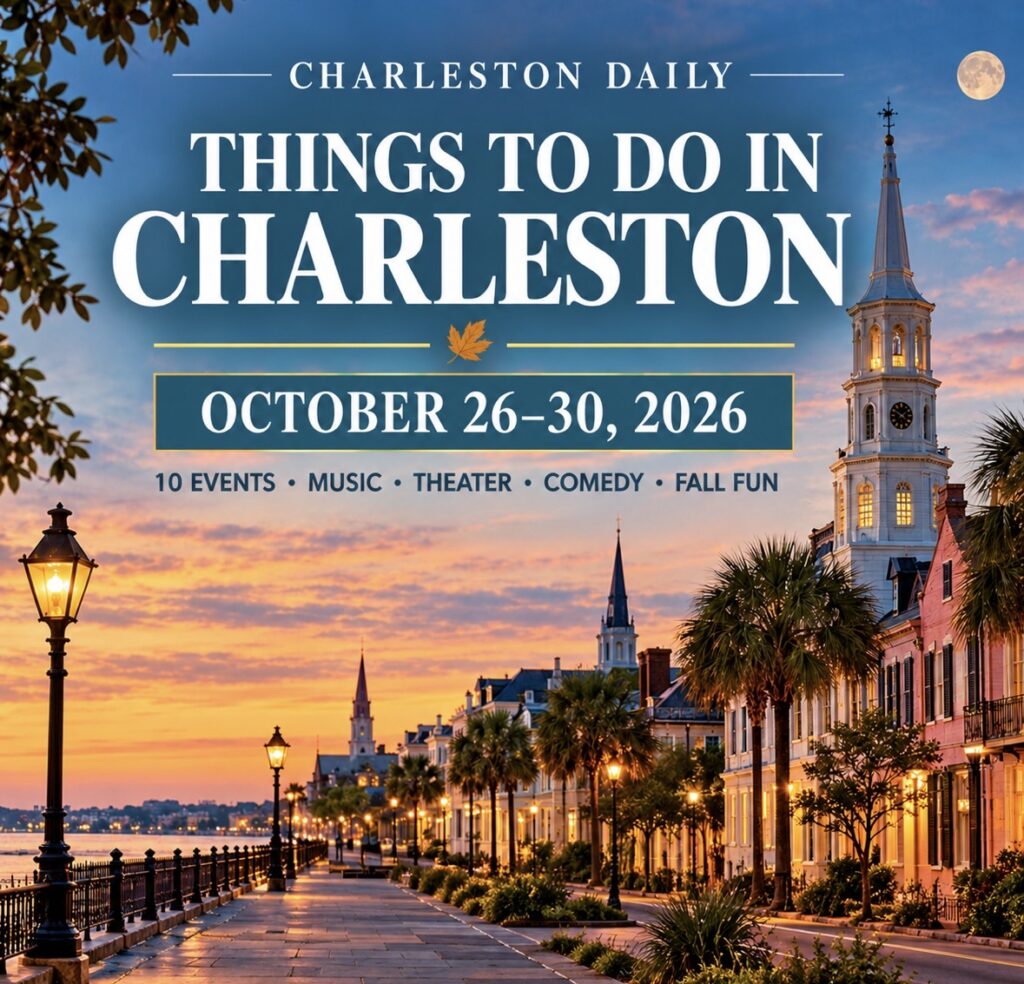
Charleston famously resists vertical growth. Strict preservation laws prevent a skyline like New York City or Chicago. Church steeples—not glass towers—still define the horizon.
4. A Major International Airport Hub
While Charleston International Airport is efficient and growing, it’s not a global hub like Hartsfield-Jackson Atlanta International Airport. Direct international travel options remain limited.
5. A Comprehensive Public Transit System
There’s no subway, light rail, or commuter rail system comparable to the New York City Subway or Washington Metro. Charleston is still largely car-dependent, with modest bus service.
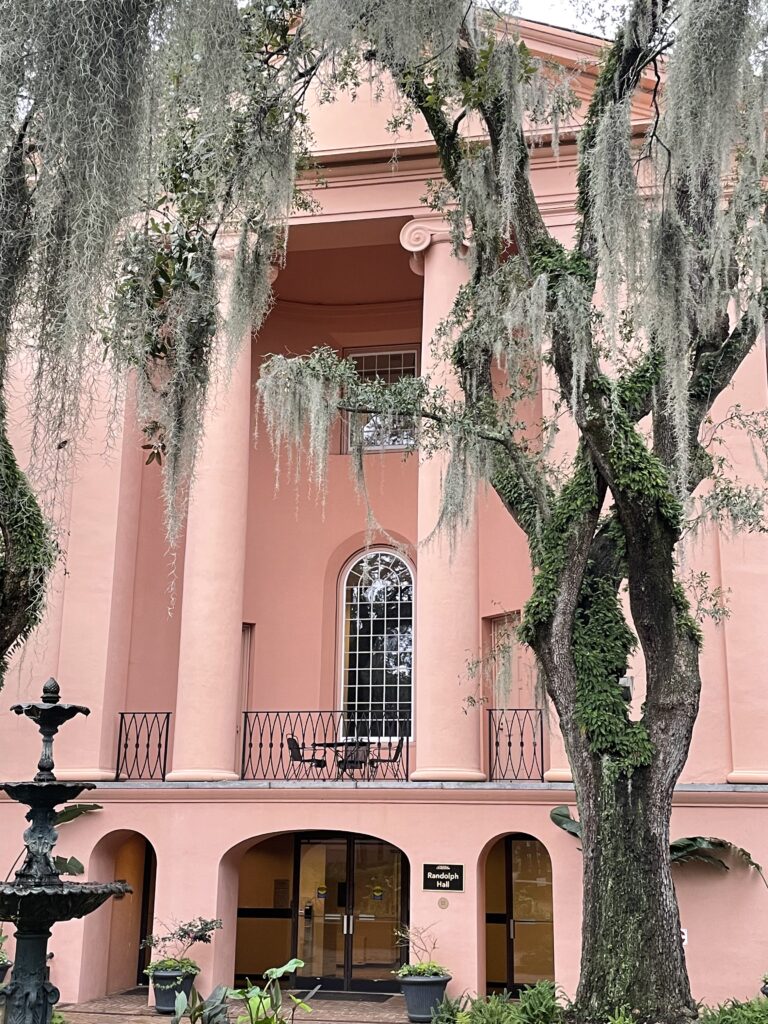
6. A Major Research University Presence
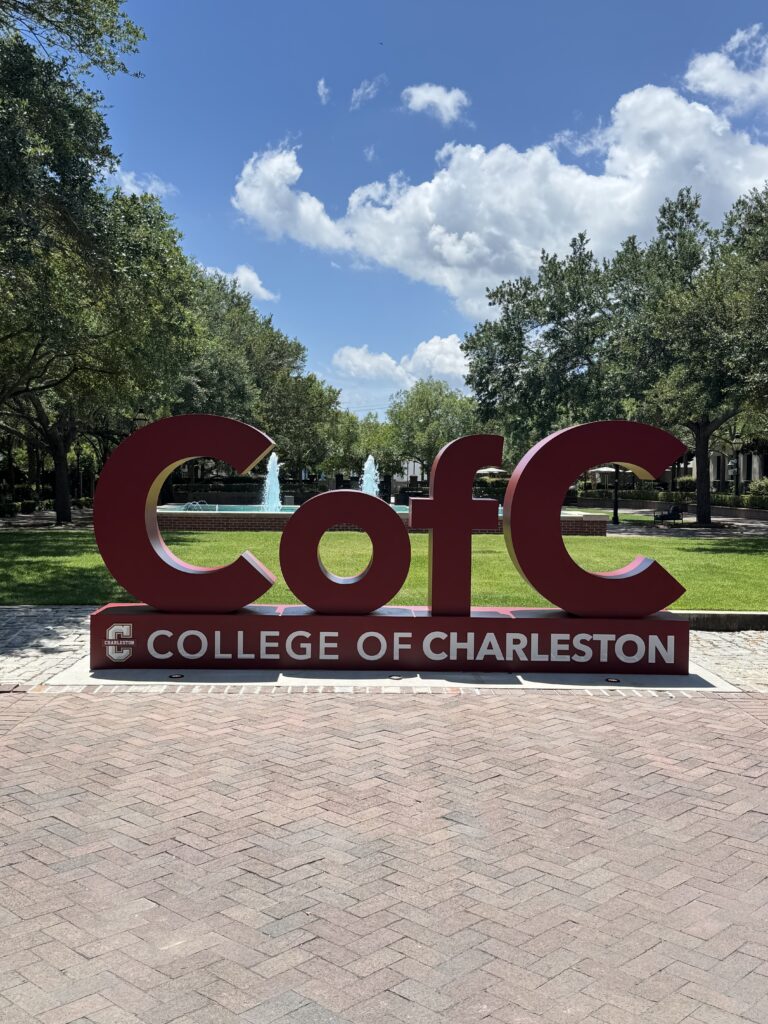
While the College of Charleston is respected, the city lacks a powerhouse research institution on the scale of Duke University or University of North Carolina at Chapel Hill.
7. A Tech Industry Hub
Charleston has a growing startup scene, but it’s not competing with Silicon Valley or even regional players like Austin. The economy still leans more toward tourism, hospitality, and logistics.
8. A Dense Urban Core
There’s no sprawling, hyper-dense downtown filled with high-rise living like Miami. Charleston’s peninsula remains walkable but low-scale, with development carefully controlled.

9. A Four-Season Climate
Charleston doesn’t experience true winters or dramatic seasonal shifts like Boston. Snow is rare, and the climate stays largely warm and humid year-round.
10. A Major Music Festival Circuit Stop
While the city hosts events, it’s not a primary destination for massive festivals like Coachella Valley Music and Arts Festival or Lollapalooza.
11. A Large Convention Mega-Center
Charleston has event space, but nothing rivaling the scale of the Orange County Convention Center. This keeps tourism more boutique than convention-driven.
12. A Pro Sports Stadium Complex
There’s no massive multi-stadium district like those found in Dallas or Los Angeles—again reinforcing a smaller-scale, community-oriented sports culture.
13. A Major Film Production Hub
Though visually cinematic, Charleston isn’t a production powerhouse like Atlanta, which has become a major filming destination for Hollywood.
14. A True 24/7 City Rhythm
Unlike Las Vegas or New York City, Charleston winds down at night. Its pace favors early mornings, long lunches, and evening dinners over all-night energy.
15. A High-Speed Rail Connection
There’s no bullet train or high-speed rail system like Japan’s Shinkansen connecting Charleston to other cities. Travel remains car- or air-based.
The Bigger Picture
Charleston’s “missing pieces” aren’t oversights—they’re part of a deliberate balance. The absence of mega-developments, towering skylines, and industrial-scale entertainment has preserved something increasingly rare: a city that prioritizes character over expansion.
In a world where many cities race to become bigger, faster, and louder, Charleston has quietly chosen to remain something else entirely—refined, restrained, and deeply rooted in place.
Stay connected and subscribe to Charleston Daily.


Students from SCSU and Duke with a dental patient in Guatemala.
Courtney Johnson helps a patient with a blood pressure check.Learning beyond the classroom