Bless Your Heart: 25 Questions Charleston Tourists Ask That Make Locals Blink Twice

By Mark A Leon

From “Is this the whole city?” to “Can I see everything before dinner?” — a loving field guide to the questions that make Charleston locals reach for the sweet tea.

Charleston loves tourists.

We really do.

Without visitors, a substantial part of the Lowcountry economy would be having a very different conversation. Tourists fill our hotels, restaurants, galleries, shops and tours. They buy our shrimp, our souvenirs, our art and, occasionally, a $14 cocktail that contains approximately three blueberries.

So this isn’t an anti-tourist article.

It’s a we-love-you-but-what-on-Earth-made-you-ask-that article.

Because Charleston is a place where visitors sometimes arrive with a mental picture that is approximately 40 percent history, 30 percent Southern charm, 20 percent Instagram and 10 percent something they saw on TikTok.

And then they start asking questions.

Here are 25 that Charleston locals have either heard, encountered online or can easily imagine being asked.

1. “Is this the whole city?”

No, darling.

This is the historic peninsula.

Charleston did not end at the Battery.

2. “Can we walk everywhere?”

Technically, yes.

But if you’re visiting in July, please understand that “walkable” is not the same thing as “walkable while remaining emotionally stable.”

3. “Can we see Charleston in one day?”

Sure.

You can also eat Thanksgiving dinner in 11 minutes.

Charleston is best consumed slowly.

4. “Is Rainbow Row really all the different colors?”

No. We painted it that way specifically for your arrival.

Yes, it’s really that colorful.

5. “Do people actually live in these historic houses?”

No. We put fake furniture in them for tourists.

Of course people live there.

And they are probably watching you photograph their front door.

6. “Can I go inside?”

If it’s somebody’s house, we’re going to go with no.

Charleston’s historic district is not one enormous open-air museum.

7. “Where is the antebellum part of Charleston?”

You may want to reconsider that question.

Charleston has a complicated history that extends well beyond beautiful architecture and horse-drawn carriages.

8. “Does everybody here really talk like that?”

No.

And the person you just asked may now be speaking significantly less like that.

9. “Where can I see the real locals?”

We are the real locals.

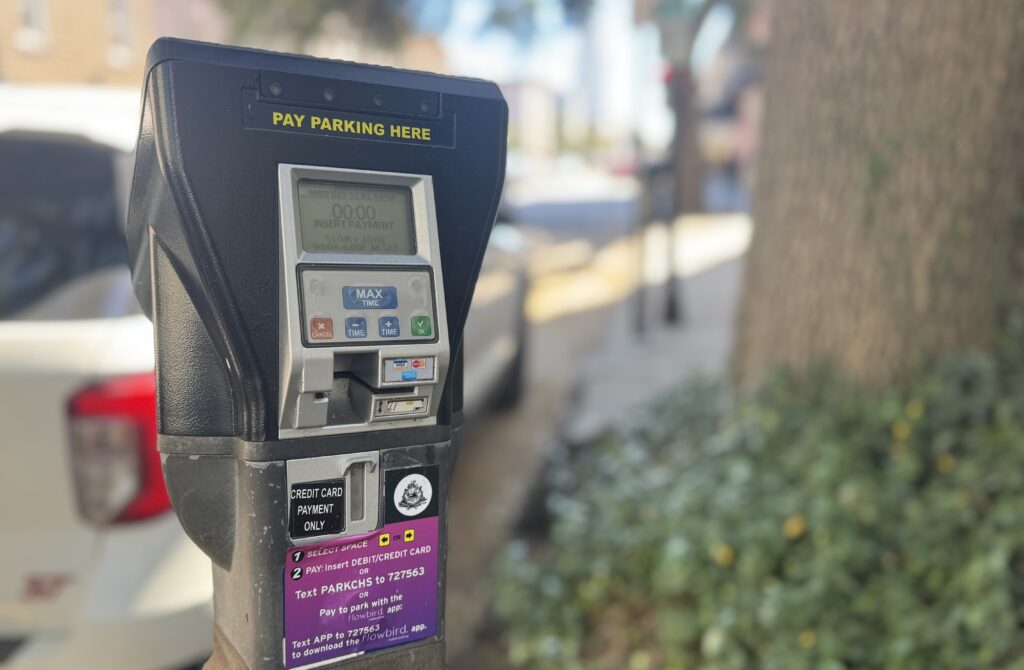
We’re the ones complaining about parking while simultaneously refusing to pay for parking.

10. “Where do locals eat?”

Ah.

Now we’re getting into dangerous territory.

Charleston Reddit is filled with debates about restaurants tourists love versus places locals prefer. Hyman’s comes up with almost comical regularity. One local discussion essentially wondered why tourists would wait in a giant line when there are so many other restaurants nearby. (Reddit⁠)

The correct answer to “Where do locals eat?” is therefore:

It depends who you ask, and how hungry they are.

11. “Is everything downtown expensive?”

Not everything.

But Charleston does have a remarkable ability to turn a perfectly ordinary purchase into a luxury experience.

Especially parking.

Especially cocktails.

Especially anything with the word “artisan” attached to it.

12. “Is the City Market just a tourist trap?”

Here’s where things get complicated.

Yes, tourists love it.

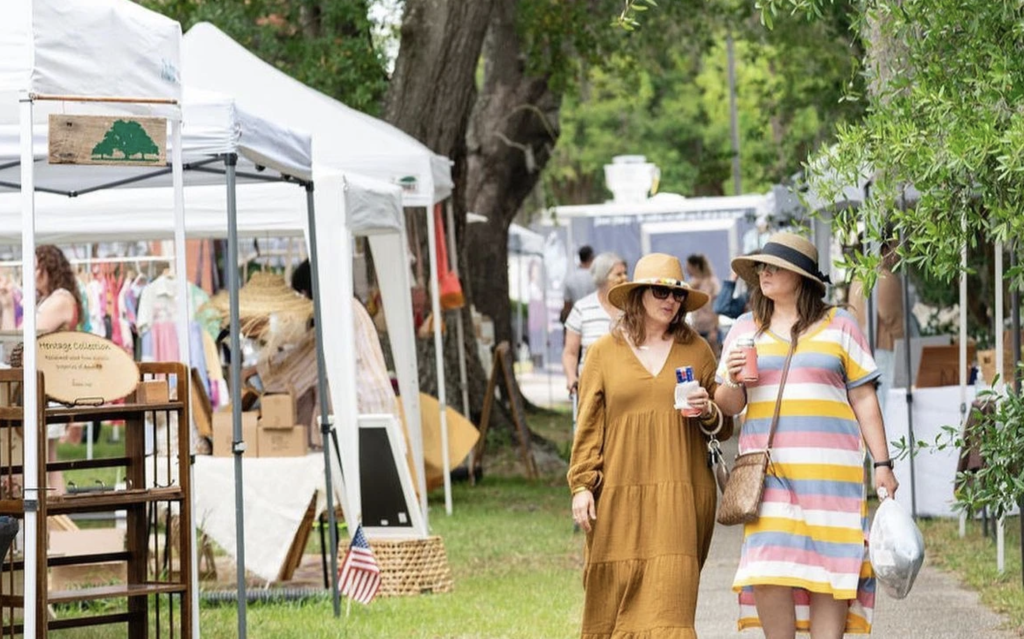
But the Charleston City Market is also home to actual vendors, artists and small businesses, and visitors occasionally ask questions that reveal they have no idea how much work goes into producing the things they’re looking at.

One visitor recently went online trying to track down a specific City Market vendor because they’d seen a chinoiserie vase during their honeymoon and regretted not buying it. The internet, naturally, turned into a small-town detective agency. (Reddit⁠)

So maybe don’t dismiss the Market.

Look around.

Talk to the artists.

Buy something made here.

And please don’t ask an artist if they can “do it cheaper because you’re buying two.”

13. “Is sweet tea just iced tea?”

Leave.

Just leave.

14. “Can I get sweet tea without sugar?”

That’s called tea.

15. “Can I touch the Spanish moss?”

You can.

But why?

What has the Spanish moss ever done to you?

Also, Charleston’s trees are not interactive displays.

16. “Are those alligators in the marsh?”

Probably.

Congratulations. You have successfully identified a marsh.

17. “Can we swim in that?”

The Lowcountry has a fascinating relationship with the word “no.”

If a local says don’t swim there, don’t ask whether you can swim there really quickly.

18. “Can we drive to the beach at noon?”

Absolutely.

You can also choose to park at the airport and walk.

Charleston locals know that timing is everything at the beach. A recent Reddit conversation had locals recommending early morning or late afternoon while warning about peak-hour congestion. (Reddit⁠)

The secret isn’t really a secret:

Go early.

19. “Is Charleston always this hot?”

No.

Sometimes there’s humidity.

20. “Do locals go to the beach every day?”

This question has apparently been asked often enough that Charleston locals have discussed it online.

One response summed up the misconception perfectly: life here isn’t a permanent vacation for everyone who lives here. (Reddit⁠)

We have jobs.

We have errands.

We have bills.

We have that one drawer in the kitchen that needs organizing but never will be.

21. “Do you know everyone here?”

Pretty much.

And if we don’t know them, our mother does.

22. “Why does everyone wave?”

Because we’re Southern.

Or because we recognize you.

Or because we think you’re somebody else.

Either way, wave back.

23. “Why is there so much traffic?”

This one is easy.

Because you came.

We’re kidding.

Mostly.

Charleston locals themselves acknowledge that the city is dealing with big-city problems despite its relatively small geographic footprint, including traffic and population growth. (Reddit⁠)

24. “Where’s the

real

Charleston?”

This may be the most insulting question that doesn’t intend to be insulting.

There isn’t one “real” Charleston.

There’s the historic district.

There’s West Ashley.

There’s James Island.

There’s Johns Island.

There’s the Eastside.

There’s North Charleston.

There’s Mount Pleasant.

There’s the beaches.

There’s the neighborhoods where people have lived for generations and the neighborhoods that barely existed a generation ago.

Charleston isn’t a postcard.

It’s a living city.

25. “Can you tell us your secret local spots?”

Here’s a secret:

Charlestonians don’t have secret spots.

We have places we’d like to continue being able to visit.

That’s different.

And this is where tourists might actually learn something from the locals.

A Charleston Reddit thread from 2026 featured a visitor asking locals for recommendations for relatives who had never traveled before. Instead of being mocked, the visitor received helpful suggestions and even an apology for not finding the community’s visitor guide first. (Reddit⁠)

That’s Charleston at its best.

We’ll complain about you.

We’ll complain about traffic.

We’ll complain about parking.

We’ll complain that you waited 90 minutes for a restaurant we wouldn’t eat at if someone paid us.

But we’ll still tell you where to go.

Because here’s the thing:

Charleston needs tourists.

And tourists need Charleston.

The trick is simply understanding that this isn’t Disneyland with palm trees.

It’s a real city.

People live here. They work here. They raise children here. They sit in traffic here. They complain about the weather here. They know where to get breakfast without waiting an hour. And they have very strong opinions about where you should—and absolutely should not—eat.

So come visit.

Ask questions.

Explore.

Buy something from a local artist.

Eat somewhere that doesn’t have a three-hour wait.

Don’t touch the Spanish moss.

Don’t try to swim in the marsh.

And when a local tells you the beach is 20 minutes away, remember that Charleston time and Google Maps time are two entirely different sciences.

Welcome to Charleston, y’all.

And please…

try not to make us say “Bless your heart.”

Editorial: Charleston The City Market’s Parking Problem Is Really a Small-Business Problem

By Mark A Leon

There is a bigger issue behind the loss of a parking lot near Charleston’s City Market.

It is not really about parking.

It is about priorities.

The City of Charleston has sold the Port property parking area to the Beemok Group, the organization behind The Cooper hotel. The immediate consequence is that hundreds of small, independent City Market vendors who have relied on that parking for decades are suddenly scrambling to figure out where they—and their merchandise—will go.

According to comments made before Charleston City Council, approximately 300 City Market vendors have been affected. Some had been parking there for as long as 50 years. Vendors told the Council they had purchased monthly passes only to be told that their parking access was ending, leaving them without a practical place to park, load and unload the products that make up their businesses. (Charleston SC⁠)

That should concern every Charleston resident.

The City Market is not simply another attraction. It is one of the places where Charleston’s entrepreneurial spirit is most visible. Its stalls are occupied by artists, craftspeople, makers and small-business owners—people who create products, pay taxes, employ people and contribute to the character that makes Charleston different from virtually every other destination city in America.

They are not multinational corporations.

They don’t have corporate parking decks.

They don’t have a transportation department.

They have a car, a van, a cart, boxes of merchandise—and a small business to run.

And that is why parking matters.

For a City Market vendor, losing convenient parking isn’t merely an inconvenience. It can mean arriving earlier, walking farther, paying more, transporting less inventory, losing time and potentially losing sales. It can make an already difficult business model even harder.

The irony is difficult to miss.

Charleston has made a point of recognizing the importance of small businesses and the hospitality economy. The city has even experimented with dedicated parking initiatives for hospitality workers because it understands that workers and businesses need practical ways to access downtown. (Charleston SC⁠)

Yet right beside one of Charleston’s most recognizable small-business institutions, hundreds of vendors have lost access to a parking resource they depended upon for generations.

This is not an argument against The Cooper.

Charleston should welcome investment. New hotels, restaurants, developments and major employers can bring jobs, visitors and tax revenue.

But economic development should not require choosing between big investment and small business.

A thriving downtown needs both.

The question Charleston should be asking is simple:

When the city makes a decision that benefits a major private development, who makes sure the small businesses next door don’t pay the price?

The answer cannot be, “Find somewhere else to park.”

The city already acknowledges that downtown parking is scarce. Its own parking information states that there are currently no vacancies for monthly accounts in city garages or lots, and that the city has stopped adding prospective monthly parkers to waiting lists because there has been so little movement. (Charleston SC⁠)

So telling small businesses to simply find another place isn’t a solution.

It is passing the problem along.

Charleston Market vendors deserve a seat at the table—not after the decision has been made, but before decisions affecting their ability to operate are finalized.

The city should work urgently with the Market vendors, the Port, Beemok and other downtown stakeholders to identify dedicated spaces for vendor parking and, critically, loading and unloading. If necessary, the city should consider permitting arrangements, reserved spaces or other creative solutions that recognize the unique needs of businesses that transport inventory every day.

Because there is something bigger at stake here than a parking lot.

Charleston’s identity has always been built by people who took something they made with their own hands and put it on a table downtown hoping someone would buy it.

That tradition is part of what visitors come here to experience.

If we make it increasingly difficult for those people to afford to work downtown, eventually the market may still be standing—but the people and creativity that made it special won’t be.

Charleston should absolutely grow.

But growth should not mean that the little guy gets pushed out of the picture.

A city that wants to preserve its character has to preserve the people who create it.

And sometimes that starts with something as unglamorous—and as important—as a place to park.

Stay connected and subscribe to Charleston Daily.

10 Best Sunset Proposal Spots in Charleston, SC: Where to Pop the Question

By Mark A. Leon

CHARLESTON, S.C. — Charleston has long been considered one of America’s most romantic destinations. Between centuries-old cobblestone streets, quiet waterfront parks, pristine beaches, and golden marsh sunsets, the Lowcountry offers countless settings for one of life’s biggest moments: a marriage proposal.

While every couple has their own story, the perfect proposal often comes down to finding a place that feels authentic, beautiful, and unforgettable. Across Charleston and the surrounding Lowcountry, several locations stand out for their stunning sunset views, intimate atmosphere, and unmistakable Southern charm.

Leading the list is Pitt Street Bridge in Mount Pleasant, a former trolley bridge transformed into a waterfront park overlooking Charleston Harbor. As the sun begins to sink behind the marshes and the Arthur Ravenel Jr. Bridge glows in the distance, the setting becomes remarkably peaceful. Couples can walk to the end of the pier, away from most visitors, where panoramic harbor views create one of the most romantic backdrops in the Charleston area.

For those envisioning a classic beach proposal, Sullivan’s Island remains a favorite among locals. Unlike many East Coast beaches, Sullivan’s Island maintains a quieter, residential feel that allows couples to escape the crowds with a short walk along the shoreline. As daylight fades, soft pastel skies and rolling Atlantic waves provide a naturally elegant setting without feeling overly staged.

Just south of downtown, Folly Beach County Park offers another spectacular option. The western end of Folly Beach is particularly popular for sunset, where marshes, tidal creeks, and the Stono River create dramatic reflections across the water. Dolphins are frequently spotted near sunset, making the experience feel uniquely Lowcountry.

Downtown Charleston offers no shortage of iconic proposal locations, and Waterfront Park continues to rank among the city’s most recognizable. The famous Pineapple Fountain, harbor promenade, and sweeping views of Charleston Harbor make it an ideal choice for couples wanting a proposal surrounded by historic architecture and waterfront scenery. As sailboats drift through the harbor and church steeples silhouette against the evening sky, few places capture Charleston’s charm quite like this.

Folly Beach

For couples seeking a quieter coastal experience, Beachwalker Park on Kiawah Island delivers miles of pristine shoreline and some of the most colorful sunsets in South Carolina. The protected beach provides ample privacy while maintaining the natural beauty that has made Kiawah one of the nation’s premier coastal destinations.

Another hidden favorite is Breach Inlet, where Sullivan’s Island meets Isle of Palms. The meeting point of ocean currents and tidal waterways creates an ever-changing landscape filled with fishing boats, shorebirds, and expansive marsh views. Elevated walkways nearby also offer photographers exceptional vantage points to capture the moment.

History lovers may gravitate toward The Battery, where stately antebellum homes, towering live oaks, and Charleston Harbor come together in one of the city’s most iconic settings. Evening strolls along the seawall have become a tradition for generations of couples, making it an especially meaningful place to begin a new chapter.

Those willing to venture beyond the Charleston peninsula will find unforgettable scenery at Cypress Gardens in Moncks Corner. While sunset access depends on seasonal operating hours, the cypress-lined blackwater swamp—draped in Spanish moss—offers one of the most cinematic natural settings anywhere in the Lowcountry. Few places feel as timeless or uniquely South Carolina.

Colonial Lake

About an hour southwest of Charleston, Edisto Beach State Park provides a slower pace and remarkable privacy. Free from the high-rise development found in many beach communities, Edisto’s natural shoreline creates an intimate atmosphere where couples often feel as though they have the coast entirely to themselves.

Rounding out the list is Isle of Palms, whose wide beaches, oceanfront resorts, and expansive Atlantic views make it a perennial favorite for engagements. Walking away from the main beach accesses allows couples to enjoy a quieter stretch of sand while the setting sun paints the horizon in shades of gold, orange, and pink.

While each destination offers its own personality, proposal planners should consider arriving at least an hour before sunset to enjoy the changing light and secure a favorite spot. Checking tide schedules, avoiding peak weekend crowds when possible, and arranging for a professional photographer can also help make the moment even more memorable.

In a city built on romance, hospitality, and breathtaking coastal scenery, there may never be a truly wrong place to ask one of life’s most important questions. But whether it’s overlooking Charleston Harbor from Pitt Street Bridge, standing barefoot on the sands of Sullivan’s Island, or watching the sun disappear beyond the marshes of Folly Beach, these Lowcountry locations offer the kind of unforgettable backdrop worthy of a lifetime commitment.

After all, in Charleston, some of the most beautiful sunsets don’t just mark the end of the day—they become the beginning of a new story.

Honorable Mentions: Colonial Lake and Bowen’s Island Restaurant.

Stay connected and subscribe to Charleston Daily.

Bowens Island Restaurant

10 Ways to Show Southern Hospitality When Visiting Charleston, SC

By Mark A. Leon

Charleston is celebrated around the world for its legendary Southern hospitality. Visitors often arrive expecting warm smiles, gracious service, and friendly conversations—and they’ll usually find all three. But hospitality isn’t just something locals offer. Travelers can help preserve Charleston’s welcoming culture by showing the same kindness and respect in return.

Whether you’re spending a weekend downtown or exploring the Lowcountry for a week, these simple gestures can make your visit more meaningful for both you and the people who call Charleston home.

Slow Down and Respect the City’s Pace

Charleston isn’t designed to be rushed. Stroll the historic streets instead of racing from attraction to attraction, allow extra time for meals, and embrace the slower rhythm that has defined the city for generations. Patience goes a long way, especially during busy tourist seasons.

Support Locally Owned Businesses

Charleston’s charm comes from its independent restaurants, boutiques, coffee shops, bookstores, galleries, and neighborhood markets. Choosing local businesses over national chains helps keep money in the community and supports the families who make Charleston unique.

Learn a Little of Charleston’s History

Charleston is one of America’s oldest cities, with more than 350 years of history. Taking time to understand its Revolutionary War significance, Civil War history, Gullah Geechee heritage, and architectural preservation shows respect for the city beyond its postcard-perfect views. Locals appreciate visitors who are interested in the stories behind the landmarks.

Be Courteous in Residential Neighborhoods

Many of Charleston’s most photographed streets are also home to full-time residents. Keep voices down early in the morning and late at night, avoid blocking sidewalks and driveways while taking pictures, and remember that these beautiful homes aren’t museums—they’re someone’s front porch.

Treat Restaurant and Hospitality Staff with Kindness

Charleston’s hospitality industry works hard to create memorable experiences for millions of visitors each year. A smile, patience during busy hours, and appreciation for great service make a difference. If you receive exceptional service, consider leaving a generous tip and a positive online review.

Respect the Beaches and Waterways

Whether you’re visiting Sullivan’s Island, Isle of Palms, Folly Beach, or Kiawah, leave the shoreline cleaner than you found it. Dispose of trash properly, follow local beach regulations, avoid disturbing wildlife, and be mindful of sea turtle nesting areas during the summer months.

Ask for Recommendations Instead of Following Only Social Media

Some of Charleston’s best restaurants, parks, and hidden gems aren’t trending online—they’re neighborhood favorites. Asking a local bartender, shop owner, hotel concierge, or server where they enjoy spending time often leads to more authentic experiences while supporting businesses that may not appear on every travel list.

Be Patient with Traffic and Parking

Charleston’s historic streets were built centuries before automobiles. Parking can be limited, and traffic often increases during festivals, cruise ship arrivals, and holiday weekends. A little patience—and a willingness to walk a few extra blocks—helps reduce frustration for everyone.

Appreciate Charleston’s Diverse Culture

Charleston is shaped by a rich blend of cultures, traditions, and communities. Attend a local festival, visit museums, explore Gullah Geechee cultural sites, and support Black-owned businesses and local artists. Experiencing Charleston through multiple perspectives offers a deeper understanding of what makes the city special.

Leave Charleston Better Than You Found It

Perhaps the greatest expression of hospitality is simple stewardship. Pick up litter if you see it, respect public spaces, follow local rules, and encourage fellow travelers to do the same. Small acts of care help preserve Charleston for future visitors and for the people who proudly call it home.

Hospitality Goes Both Ways

Charleston has earned its reputation as one of America’s friendliest destinations because generations of residents have welcomed visitors with warmth and generosity. Returning that kindness doesn’t require grand gestures. It simply means being thoughtful, respectful, and appreciative of the city and its people.

When visitors embrace the spirit of Southern hospitality themselves, everyone benefits—and Charleston remains the welcoming destination that millions have come to love.

Stay connected and subscribe to Charleston Daily.

Photo Credit: Mark A. Leon – Charleston Daily,

A Taste of France Is Coming to Broad Street: Quarter French Set to Open in Charleston’s Historic French Quarter

By Mark A Leon

A new all-day French-inspired restaurant is preparing to welcome diners on one of Charleston’s most historic streets.

Broad Street is about to get a new culinary destination.

Quarter French, an upcoming restaurant at 40 Broad Street, is taking shape inside a historic circa-1806 building in Charleston’s French Quarter. The concept comes from Charleston natives Mike and Kathleen Shuler, owners of Blind Tiger Pub, and their business partner and sommelier Nathan Wheeler.

Rather than being a strictly traditional French restaurant, Quarter French is envisioned as an approachable neighborhood bistro with French influence throughout the day—from breakfast and coffee to lunch, cocktails and dinner.

The historic building, formerly home to Brown Dog Deli, is being carefully restored while incorporating new spaces designed for lingering. Plans include indoor and outdoor seating and a four-season courtyard with a retractable roof.

Food is expected to center on French-inspired bistro fare made with locally sourced ingredients, while Wheeler’s wine expertise will play a significant role in the beverage program. A dedicated wine cellar is also planned.

The project was initially expected to open in spring 2026, and work continues as Quarter French moves toward its long-awaited debut.

For Charleston, where French influence is woven into the architecture, history and identity of the French Quarter, the arrival of Quarter French feels particularly fitting.

Soon, Broad Street may have a new place to begin the morning with coffee, linger over lunch, raise a glass of wine in the courtyard—or settle in for dinner and let the evening unfold.

Charleston’s French Quarter is getting ready to welcome a new neighbor.

Follow the journey on Instagram.

Stay connected and subscribe to Charleston Daily.

$10,000 Gibbes Museum Art Prize Extends Deadline to September 14

Southern artists have a new opportunity to compete for one of the region’s leading contemporary art prizes.

Artists working across all media have until September 14 to apply for the Society 1858 Prize for Contemporary Southern Art, presented by the Gibbes Museum of Art and Society 1858.

Now in its 18th year, the competition awards $10,000 to one winning artist, along with an opportunity that could provide significant exposure: the winner’s artwork will be exhibited at the Gibbes for an entire year.

The winner will also be invited to Charleston in February 2027 for a three-day celebration that will include the official unveiling of the artwork, the annual Society 1858 Winter Party and the Amy P. Coy Forum, where the artist will be invited to discuss their work at the museum.

Click HERE to apply.

Who Can Apply?

The competition has expanded its geographic eligibility. Maryland and Texas have been added, bringing the total to 14 Southern states:

Alabama, Arkansas, Florida, Georgia, Kentucky, Louisiana, Maryland, Mississippi, North Carolina, South Carolina, Tennessee, Texas, Virginia and West Virginia.

Artists currently living or working in one of those states are eligible. Artists living elsewhere may also apply if they are originally from one of the eligible Southern states.

More than 350 artists applied last year, underscoring the competition’s growing profile among contemporary artists throughout the South.

A Prize With a Track Record

The Society 1858 Prize was established in 2008 to recognize outstanding contemporary artists connected to the American South. Previous winners have gone on to receive major honors and fellowships, including recognition from the Guggenheim Memorial Foundation, Joan Mitchell Foundation, United States Artists and Pollock-Krasner Foundation.

Works by past winners have also entered the permanent collections of institutions including The Metropolitan Museum of Art, the National Gallery of Art and the Art Institute of Chicago.

The Gibbes has likewise acquired works by several Prize winners and finalists for its own permanent collection.

Meet the 2025 Winner

The 2025 Society 1858 Prize went to Kandy G. Lopez, an Afro-Caribbean American multidisciplinary artist from Florida whose work explores cultural identity, representation and power through fiber, painting, glass and mixed media.

Following her prize win, Lopez presented her first international solo exhibition at the Florence Foundation in Paris and her second New York gallery solo exhibition at ACA Galleries. Her work has also been exhibited at institutions including the Armory Art Center, Ringling College of Art + Design and the North Dakota Museum of Art.

The Gibbes recently acquired Lopez’s Hispaniola III – Mia and Kenya for its permanent collection.

Supporting the South’s Creative Future

The Prize reflects the Gibbes’ longstanding commitment to contemporary Southern artists. Society 1858, the museum’s young professionals auxiliary group, raises funds that support the competition as well as exhibition and educational initiatives at the museum.

For artists, the opportunity goes beyond the $10,000 award. A year-long museum exhibition, national exposure and a celebration in Charleston offer the winner an important platform for advancing their career.

The final application deadline is September 14.

Artists can review eligibility requirements and submit their work through the official competition resources:

Gibbes Museum — Society 1858 Prize

Kandy G. Lopez — 2025 Winner

Eligible artists are encouraged to review the official application requirements and submit through the Gibbes Museum’s designated application portal before the September 14 deadline.

Click HERE to apply.

Stay connected and subscribe to Charleston Daily.

Octapharma selects York County for its first US manufacturing site – 1500 Jobs in South Carolina


$1.5 billion investment will bring over 1,500 jobs to South Carolina

COLUMBIA, S.C. — The South Carolina Department of Commerce (S.C. Commerce) today announced the completion of final approvals for Octapharma’s first U.S. manufacturing and production facility in York County. The $1.5 billion investment is projected to bring more than 1,500 jobs to Rock Hill, and marks a significant milestone as the biopharmaceutical manufacturer moves forward with establishing operations in South Carolina, further strengthening the state’s rapidly growing life sciences industry.

Headquartered in Lachen, Switzerland, Octapharma has more than 40 manufacturing and office sites worldwide, with production facilities in Austria, France, Germany and Sweden. The company, which was founded in 1983, develops and produces medicines based on proteins derived from human cell lines and human plasma.   

This new facility will be located in Rock Hill’s Palmetto Research Park and include an administrative campus for Octapharma’s plasma donation operations.

Operations are expected to commence in the mid-2030s. Individuals interested in joining the Octapharma team can visit the company’s careers page to learn more.

The Coordinating Council for Economic Development approved job development credits related to the project. The council also awarded a $65,000,000 Closing Fund grant to York County to assist with the costs of site preparation, building construction and road improvements.

QUOTES


“South Carolina’s talented workforce and strong life sciences ecosystem made it clear this was the right home for our first U.S. manufacturing facility, and we’re grateful to Governor McMaster, the Department of Commerce, York County and the city of Rock Hill for welcoming us to the Palmetto State. This is just the beginning of a long partnership with Rock Hill and York County, one that will strengthen America’s domestic supply of life-saving, plasma-based therapies for patients, hospitals and those who serve our country.” -Octapharma USA President Flemming Nielsen


“By establishing Octapharma’s manufacturing operations in York County, as well as a corporate campus for Octapharma Plasma, Inc., the company will bring more than 1,500 new jobs to our state, creating opportunities for South Carolinians and advancing innovation in our life sciences industry. We are proud to celebrate this partnership with a global leader in biopharmaceutical manufacturing that will further strengthen our state’s position as a destination for companies looking to invest and succeed.” -Gov. Henry McMaster


 “As Octapharma’s historic $1.5 billion investment in York County officially moves forward, South Carolina is proud to support its expanding U.S. presence. This landmark project underscores why global companies choose the Palmetto State to manufacture, innovate and establish corporate operations — further advancing our burgeoning life sciences industry.” -Secretary of Commerce Harry M. Lightsey III


“Octapharma’s decision to establish its new corporate offices and advanced manufacturing operations in York County is an investment in our community’s future. This transformational project will bring more than 1,500 high-quality jobs, strengthen South Carolina’s growing life sciences industry and generate lasting economic opportunities for our residents. We are proud to welcome Octapharma and look forward to the company’s long-term success in York County.” -York County Council Chairwoman Christi Cox


“Working with the S.C. Department of Commerce, SCbio and the Charlotte Regional Business Alliance, we pursued a development strategy designed to deliver lasting value for our residents, businesses, educational institutions and public-sector partners. Octapharma is exactly that kind of investment, creating high-quality jobs across all education levels for generations to come. We are honored to welcome Octapharma to Rock Hill.” -City of Rock Hill Mayor John Gettys

FIVE FAST FACTS

  • Octapharma selects York County for its first U.S. manufacturing site.
  • The company’s $1.5 billion investment will bring more than 1,500 jobs to South Carolina.
  • Octapharma is a manufacturer of plasma-derived therapies and medicines.
  • The company will be located in Palmetto Research Park in Rock Hill, S.C.
  • Individuals interested in joining the Octapharma team should visit the company’s careers page

Stay connected and subscribe to Charleston Daily.

48 Hours in Charleston, South Carolina: The Ultimate Bachelorette Weekend

https://www.instagram.com/marykathleen.co

Two days. One bride. A whole lot of Charleston.

Charleston was practically made for a bachelorette weekend: pastel historic houses, palm-lined streets, boutiques, luxurious spas, Lowcountry food, rooftop cocktails and enough nightlife to keep the celebration going long after sunset.

The secret is not trying to do everything. Choose a great downtown home base, keep most of the weekend walkable, make reservations for the big moments—and leave room for a little Charleston magic.

Here is the perfect 48-hour Charleston bachelorette itinerary.

DAY ONE

Arrive • Shop • Spa • Photos • Dinner • Rooftops • Nightlife

12:00 PM — Check In & Get Charleston Ready

Stay downtown so you can walk to restaurants, shopping, historic streets and nightlife.

Boutique hotels such as The Restoration or The Dewberry put you close to the action while giving the group a beautiful place to regroup between adventures.

Before everyone arrives, consider arranging champagne, flowers, personalized welcome bags or matching pajamas for the bride and her crew.

1:00 PM — Lunch with a Charleston Twist

Start with a proper Lowcountry welcome.

Book a table at Poogan’s Porch on Queen Street for a quintessential Charleston experience in a historic house setting.

Or choose something contemporary and casual if the group is ready to start exploring immediately.

Pro tip: Reserve ahead. Charleston weekends can be busy.

2:30 PM — King Street Shopping

Now it’s time to shop.

Make King Street your playground, wandering through designer boutiques, local shops and Charleston retailers.

For a luxury splurge, check out Hampden Clothing, a major Charleston fashion destination known for designer clothing, shoes and accessories.

Then wander toward the French Quarter, where the shopping becomes increasingly eclectic and distinctly Charleston.

Bachelorette challenge: Give everyone 30 minutes to find something the bride has to wear that night.

https://www.instagram.com/camelliaschs

4:30 PM — Spa Time

After shopping, walking and trying on approximately 47 dresses, it’s time to slow down.

Woodhouse Spa or Sôlt Wellness offer massages, facials and spa experiences that can work particularly well for groups and bachelorette celebrations.

Another elegant choice is The Dewberry Spa, while Salt Spa & Yoga offers another downtown wellness option.

Best group strategy: Book massages or facials for everyone, then leave enough time to return to the hotel and get ready without rushing.

6:30 PM — Charleston Photoshoot

Now comes the part that will live on Instagram forever.

Hire a professional photographer for a 60–90 minute Charleston portrait session.

Consider:

  • Rainbow Row
  • The Battery
  • South of Broad
  • Philadelphia Alley
  • Waterfront Park
  • St. Michael’s Church
  • King Street
  • Charleston’s historic alleys and piazzas

For a completely different look, head to Folly Beach or Sullivan’s Island for golden-hour photographs.

Photo tip: Have the bride wear white or a standout color while the rest of the group coordinates instead of matching exactly.

https://www.instagram.com/champagnegetaway

8:00 PM — The Big Night Dinner

This is the evening to dress up.

Choose a restaurant with a memorable Charleston atmosphere and reserve well ahead of time. Here are a few exceptional options:

For a more intimate evening, select one of Charleston’s acclaimed contemporary restaurants and ask about a private dining area, group menu, champagne toast or special dessert for the bride.

10:00 PM — Rooftop Cocktails

No Charleston bachelorette weekend is complete without a rooftop.

Consider The Rooftop at The Vendue for downtown views, Citrus Club at The Dewberry for a sophisticated hotel setting, or Pavilion Bar for panoramic views of the city and harbor.

The assignment: One group photo. One bride toast. Zero regrets.

11:30 PM — Dance the Night Away

Charleston nightlife is more than giant nightclubs. The city excels at cocktail lounges, rooftop bars, live music and dancing.

If your group wants a late-night club atmosphere, consider Ritual Nightclub.

The best strategy is to choose two or three spots rather than trying to conquer the entire city.

DAY TWO

Brunch • Create • Shop • Local Gifts • Sunset • Farewell Toast

9:30 AM — Slow Morning & Coffee

Don’t schedule anything too early.

Grab coffee, hydrate, put on sunglasses and let everyone recover from the previous night.

Then head out for brunch.

10:30 AM — The Charleston Brunch

Make brunch another celebration.

Return to Poogan’s Porch for a quintessential Charleston setting or choose High Cotton Charleston Restaurant for a more polished brunch atmosphere. You won’t go wrong with Virginia’s on King or Millers All Day.

And, of course, this is the moment when everyone officially reviews the previous night’s photographs and decides which ones are absolutely never to be posted.

12:30 PM — Make Something Together

Instead of another sightseeing tour, create something you can take home.

Candlefish offers hands-on candle-making workshops using its fragrance library. It’s a fun group experience and gives everyone a physical reminder of the weekend.

For something even more personalized, consider a perfume-making experience at Tijon, where participants create their own fragrance.

Let’s take it even one step more intimate and fun, Southern Ruetz Custom Hat Bar Experience (128 Meeting Street) is a place where you create a hat that is an extension of your personality from shape to accessories and all the flare a girl can want. Let’s enjoy a cocktail or two while we are creating.

For larger groups: Ask about private experiences and group bookings when making reservations.

2:30 PM — French Quarter & Charleston Shopping

Spend the afternoon wandering rather than rushing.

Explore:

King Street → City Market → French Quarter → Broad Street → South of Broad

Look for:

  • Jewelry
  • Local art
  • Charleston souvenirs
  • Bridal gifts
  • Home décor
  • Southern fashion
  • Handmade goods
  • Something fabulous for the bride

The best Charleston shopping isn’t just about what you buy—it’s about wandering into a beautiful shop and discovering something you weren’t looking for.

https://www.instagram.com/carolinacabanacruises

4:30 PM — End-of-Weekend Local Shopping at Look Up Charleston

Before the weekend comes to an end, make one final stop at Look Up Charleston at 128 Meeting Street.

Located upstairs in the heart of downtown, Look Up Charleston is an art collective and gift destination showcasing the work of 35+ local artists and makers and more than 1,000 Charleston-made creations.

This is the place to skip the generic souvenir and find something that actually feels like Charleston.

Browse local artwork, jewelry, accessories, home décor and handmade treasures while everyone searches for that final “I found this in Charleston” gift.

It’s also a perfect stop for:

Bridesmaid gifts • A special keepsake for the bride • Hostess gifts • Charleston-made souvenirs • One-of-a-kind finds

Bachelorette challenge: Give everyone a small budget and have them find one Charleston-made gift that captures something about the bride—or the weekend.

Then gather everyone for one final group photograph before heading toward the waterfront.

Look Up Charleston on Instagram

5:30 PM — One Last Charleston Photoshoot

If the group wants a final set of photographs, this is the perfect time.

Think:

Sundresses. Historic homes. Sweet tea. Palm trees. The Battery.

Or take the celebration to Sullivan’s Island or Folly Beach for a completely different backdrop.

The goal isn’t a formal photoshoot this time. It’s capturing the feeling of the weekend.

www.instagram.com/lookupcharleston

6:30 PM — Sunset Drinks

Don’t rush directly to dinner.

Have one last Charleston cocktail while the sky turns golden.

A rooftop such as Citrus Club makes an ideal setting for the final toast.

Raise a glass to the bride, the friendships and the fact that everyone somehow survived the weekend.

8:00 PM — The Farewell Dinner

Keep the final dinner celebratory but slightly less ambitious than night one.

Choose somewhere beautiful, order a few dishes for the table and let everyone relive the weekend.

Then finish with dessert—or one final cocktail.

Because technically, it’s still the bachelorette weekend.

https://www.instagram.com/thepinkfiggy

THE CHARLESTON BACHELORETTE CHECKLIST

DINING
✓ Lowcountry lunch
✓ Dress-up dinner
✓ Charleston brunch
✓ Rooftop cocktails
✓ Farewell dinner

SPA
✓ Massage
✓ Facial
✓ Wellness time
✓ Group spa experience

SHOPPING
✓ King Street
✓ French Quarter
✓ Designer boutique
✓ Local Charleston gifts
✓ Look Up Charleston

PHOTOS
✓ Rainbow Row
✓ The Battery
✓ South of Broad
✓ Waterfront Park
✓ Historic Charleston streets
✓ Golden-hour beach

EXPERIENCES
✓ Candle-making or perfume-making
✓ Historic streets
✓ Charleston architecture
✓ Optional beach excursion

NIGHTLIFE
✓ Rooftop
✓ Cocktail lounge
✓ Dancing
✓ One final toast

THE SECRET TO A GREAT CHARLESTON BACHELORETTE

Don’t try to conquer Charleston.

Experience it.

Walk slowly beneath the live oaks. Stop for a cocktail you didn’t plan on having. Take too many photographs. Buy something beautiful. Let the bride pick the dessert. Laugh until you’re exhausted.

And before you leave, take home something made by a Charleston artist—not simply something with the word Charleston printed on it.

Because the best souvenirs aren’t things you buy.

They’re the things that remind you where you were, who you were with and how it felt to be there.

Charleston is at its best when the itinerary leaves room for a little magic.

48 hours. One unforgettable bride. And a city that knows something about celebrating life’s beautiful moments.

Planning note: Restaurant, spa, workshop and nightlife hours and availability can change. Confirm current hours, reservations and group policies directly with each business before booking.

Stay connected and subscribe to Charleston Daily.

Francis Salvador: The South Carolinian Who Became the First Jew Killed for American Independence Mortally Wounded 250 Years Ago Today

By Mark A Leon 

Francis Salvador died before he ever knew whether the country he fought for would survive.

On a remote South Carolina frontier, just weeks after the Declaration of Independence was adopted in Philadelphia, a 29-year-old Jewish immigrant named Francis Salvador was mortally wounded fighting for the American cause.

There is a haunting possibility that he never knew the Declaration had been approved. News traveled slowly in 1776, and Salvador was deep in the backcountry when he entered the fight on July 31. By the time the news of American independence reached South Carolina, he was already gone.

He would never return to his wife and children in England. He would never see the United States become a nation.

But Salvador had already helped shape the country he died defending.

His story is extraordinary: an immigrant who arrived in Charleston seeking a new beginning, a Jewish pioneer who broke barriers in South Carolina politics, and a patriot who ultimately exchanged a life of promise for a cause whose outcome remained uncertain.

Francis Salvador was 29. The country he fought for was barely a month old.

And on the last day of July 1776, his name became part of the story of American independence.

Francis Salvador: A Brief Biography

Born: 1747, London, England

Died: August 1, 1776, South Carolina

Age: 29

Faith: Jewish, Sephardic

Occupation: Planter, legislator and militia officer

Arrived in South Carolina: December 6, 1773

Political distinction: First Jewish person elected to South Carolina’s legislature and the first Jewish American elected to a popular assembly

Revolutionary service: Patriot militia during the Cherokee War of 1776

Historical distinction: First known Jewish person to die fighting for the American revolutionary cause

South Carolina connection: His plantation, Corn Acre, was in the Ninety Six District near present-day Greenwood County.

On July 31, 1776, Francis Salvador entered battle. On August 1, he died.

More than two centuries later, his story remains part of South Carolina’s revolutionary history—and the larger American story of those who fought, sacrificed and believed in the promise of a new nation.

Stay connected and subscribe to Charleston Daily.

South Carolina Ranks Among the Worst States for Women in WalletHub’s 2026 Study

By Mark A Leon

South Carolina has once again found itself near the bottom of a national quality-of-life ranking. According to WalletHub’s 2026 Best & Worst States for Women report, the Palmetto State ranks 45th out of 51, including the District of Columbia, placing it in the bottom 10% nationwide for women’s overall well-being.

The annual study compares all 50 states and Washington, D.C., using a broad set of economic, health care, safety, education, and leadership indicators that measure how well each state supports women throughout different stages of life. While South Carolina continues to attract new residents and businesses, the report suggests many women still face significant barriers compared with those living in much of the country.

Why South Carolina Ranked So Low

WalletHub’s methodology examines more than two dozen metrics grouped into two primary categories: Women’s Economic & Social Well-Being and Women’s Health Care & Safety. South Carolina’s lower ranking reflects challenges across several areas rather than a single issue.

Wage and Economic Opportunity

One of the largest contributors is women’s economic well-being. South Carolina continues to trail many states in median earnings for women, and the gender pay gap remains a persistent challenge. Lower average wages, combined with higher rates of financial insecurity for single mothers and working women, reduced the state’s overall score.

Women also face disparities in executive leadership positions and business ownership opportunities compared with higher-ranked states, limiting career advancement and long-term earning potential.

Health Care Access

Access to quality health care also weighed heavily on the rankings. WalletHub evaluates preventive care, the quality of women’s hospitals, access to physicians, and broader health outcomes.

Although South Carolina is home to nationally recognized medical providers, many rural communities continue to experience shortages of physicians and specialists. Geographic disparities can make routine screenings, maternal care, and specialized services more difficult to access for thousands of women.

Safety Concerns

Public safety is another area where South Carolina struggled. WalletHub incorporates measures related to violence against women and overall safety into its rankings.

Advocates have long pointed to domestic violence, sexual assault, and barriers to support services as ongoing issues requiring continued investment in prevention, education, and victim resources.

Political Representation

Women’s representation in elected office and leadership positions also influences the rankings. States with greater participation by women in government and senior leadership tend to score higher, reflecting broader opportunities for civic engagement and policy influence.

South Carolina continues to lag behind many states in female representation across several levels of government.

Bright Spots for the Palmetto State

While the overall ranking is disappointing, the report does not suggest South Carolina is falling behind in every category. The state has experienced strong population growth, expanding employment opportunities, and continued investment from major employers across manufacturing, logistics, health care, and technology.

Organizations throughout South Carolina are also working to improve outcomes for women through workforce development programs, maternal health initiatives, entrepreneurship support, and expanded educational opportunities.

Looking Ahead

WalletHub’s rankings provide a snapshot rather than a definitive measure of life in any one state. Still, landing 45th out of 51 highlights areas where policymakers, businesses, health care providers, and community organizations can focus future efforts.

Improving access to quality health care, narrowing wage disparities, expanding leadership opportunities, and strengthening protections for women could help South Carolina improve its standing in future rankings while enhancing quality of life for the more than 2.6 million women who call the state home.

Stay connected and subscribe to Charleston Daily.