by
by 
By Mark A Leon
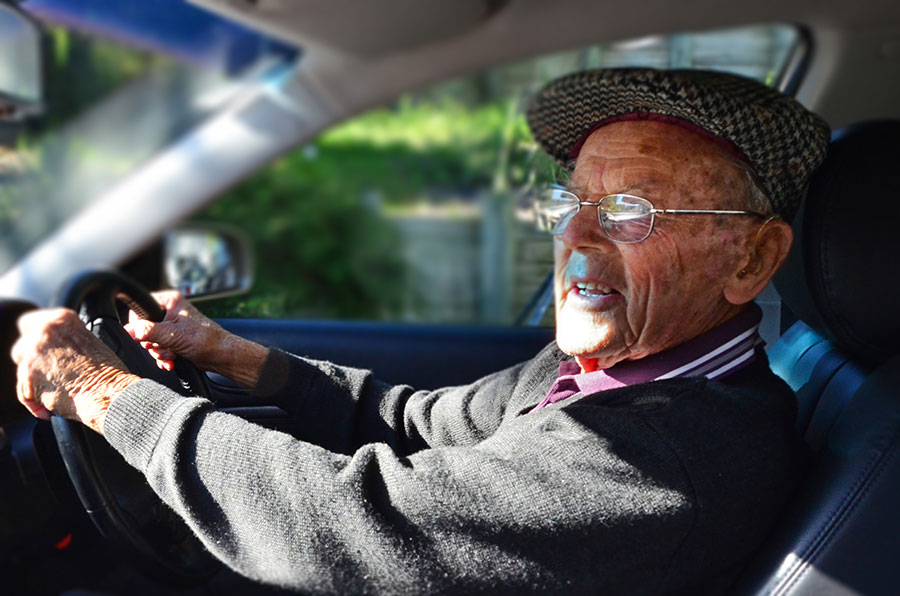
Charleston’s coastal charm, mild winters and growing healthcare infrastructure have turned the region into a magnet for retirees — and with that shift comes an important, often overlooked consequence: more older drivers on local roads. As Charleston and the larger Lowcountry continue to attract retirees, the rising number of drivers aged 65 and older is reshaping traffic patterns, public safety priorities and community planning across the area.
Nationwide data show older adults are an expanding share of the driving population. In 2023, older drivers made up about 22% of all licensed drivers — a share that has grown steadily over the past decade. Locally, South Carolina is among the states seeing strong retiree in-migration and attention as an appealing retirement destination, which increases the likelihood Charleston’s driver demographics will continue shifting toward older age groups.
The safety trade-offs are complex. Aging can bring changes in vision, reaction time, hearing and mobility that affect driving performance; nationally, crash and fatality rates per population often rise for the oldest drivers. South Carolina in particular has been flagged in recent reporting and state traffic analyses for elevated rates of older-driver-involved crashes and fatalities, prompting concern among public health and transportation officials. For Charleston, a city with narrow historic streets, tourist traffic and seasonal surges, these risks are magnified when coupled with an aging driver base.
The impacts are already showing up in several practical ways. Emergency medical services and hospital systems must prepare for a potential rise in crash-related injuries among older adults, who often have greater frailty and medical complexity. Local planners and transit agencies face pressure to expand safe alternatives to driving — more senior-friendly bus routes, on-demand shuttle services, and pedestrian improvements that help people age in place without relying exclusively on cars. Parking design, curb cuts, crosswalk timing and intersection visibility all become public-safety priorities when older residents are a larger share of street users.
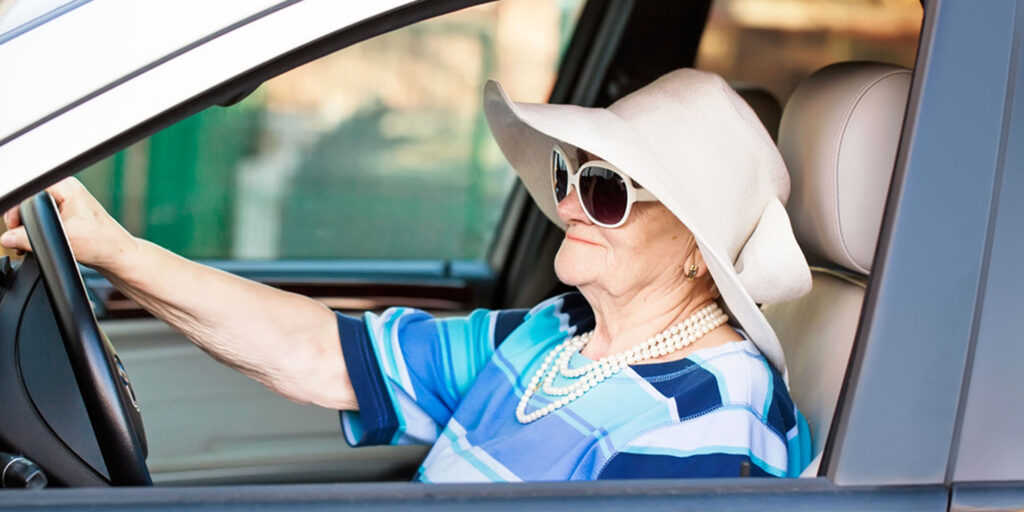
Policy responses are emerging but need scaling. Driver re-testing rules, vision screenings, and targeted safety education for older drivers can reduce risk, and community programs that pair driving assessments with mobility counseling help match individuals to safe transportation alternatives. Charleston-area nonprofit and health organizations can also play a role by offering mobility clinics, fall-prevention programs and workshops on vehicle adaptations — from larger mirrors to advanced driver-assistance features that compensate for slower reaction times.
There’s no single “right” solution: preserving independence is central for many retirees, yet public safety demands adaptation. For Charleston, the most effective approach will be layered — better data and targeted enforcement, investments in transit and walkability, community-based alternatives to solo driving, and technology that supports safer driving for older adults. As the Holy City continues to welcome retirees, planning that recognizes the realities of aging behind the wheel will be essential to keeping streets safe, neighborhoods connected, and older residents mobile and engaged.
Stay connected and subscribe to Charleston Daily.