Broad Street at 4 AM

From the Rutledge House to the Spencer Art Gallery, there is nothing more romantic than Broad Street at 4 AM.  Passing under gas lamps and seeing the faint writing on the tombstones behind St Michaels, we are but visitors to the past. Looking into the windows up above, you can sense the ghosts inside.

Washington Park is a safe haven as you are protected by the statues and soothed by the sound of a fountain nearby. Every sound echoes like a thousand bongs beating at once. So quiet you can hear your heartbeat. Even in darkness you can see the exquisite detail of the signs, fences and doorways. Just at the most silent moment, the bells of St Michaels ring reminding us of the humbleness of our mortality.  Shocked but still comforted.

On a weekend where all area hotels are sold to capacity, cars flooding the streets all day and tourist groups monopolizing the sidewalks, being the only living boy in Charleston for just a few minutes is a dream. The next time you can’t sleep, come to Broad Street and let the voices of the past guide you down the quiet streets.

Experience the architecture, decor, stillness of the trees and the rich deep history of the great city.


More Fun For Visitors – The Road to Charleston Tea… – The Retired Mensch

Photo By Paul Brustowicz

The last time company showed up at the Mensch residence, we had a nice visit to Patriot’s Point. This time I had to find something to distract the in-laws, Jan & Jay, from the NCAA March Madness.
What could be more distracting than a visit to The Charleston Tea Plantation and more fun than lunch at a food truck at Irvin’s Vineyard and a quick stop at the Angel Oak.

The Charleston Tea Plantation is almost at the end of Wadmalaw Island, south and east of the Holy City. The only way out there is to drive the Maybank Highway which starts at Folly Road and crosses Main Road.

The drive is pretty simple: find your way to Savannah Highway, Route 17, and head south. Hang a left on Main Road, cross over the Intracoastal Waterway on one of the ugliest bridges in the world, and turn right onto Maybank Highway, Route 700, to the Plantation. You can get to Maybank Highway from Folly Road, too, but the four-lane of Savannah Highway is a little quicker.

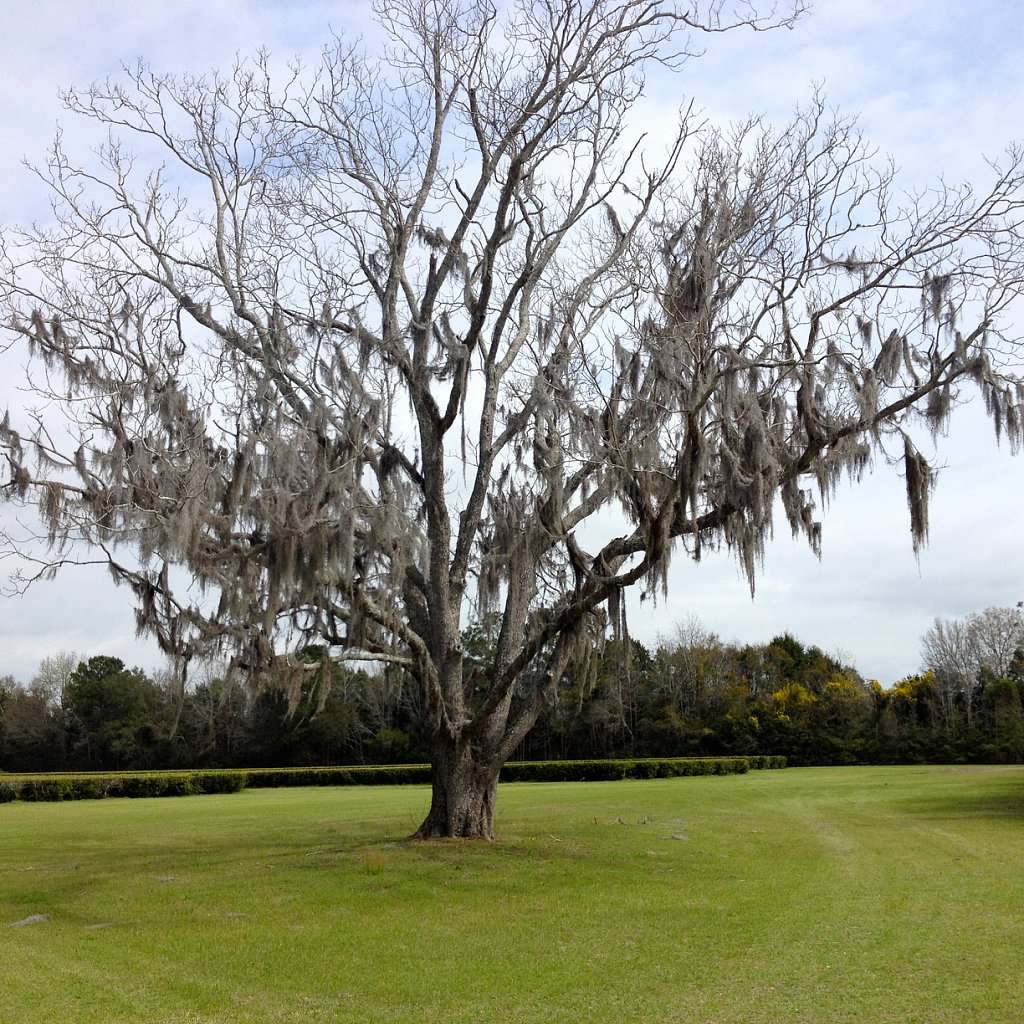
Driving down the Maybank Highway is a little like driving back in time. You pass under old live oak trees with Spanish Moss dripping down like the conquistador’s beard from whence it got its name. Just pass the Angel Oak dirt road turnoff, Maybank curves to the left with Bears Bluff Road heading off to the right. (If your interests are more in the realm of wine and booze, head right on Bears Bluff Road to Irvin Vineyards.) Along the ten mile route you’ll pass plantations, churches, a school, a tree farm; You could probably tune your radio to an AM station and hear Patsy Cline.

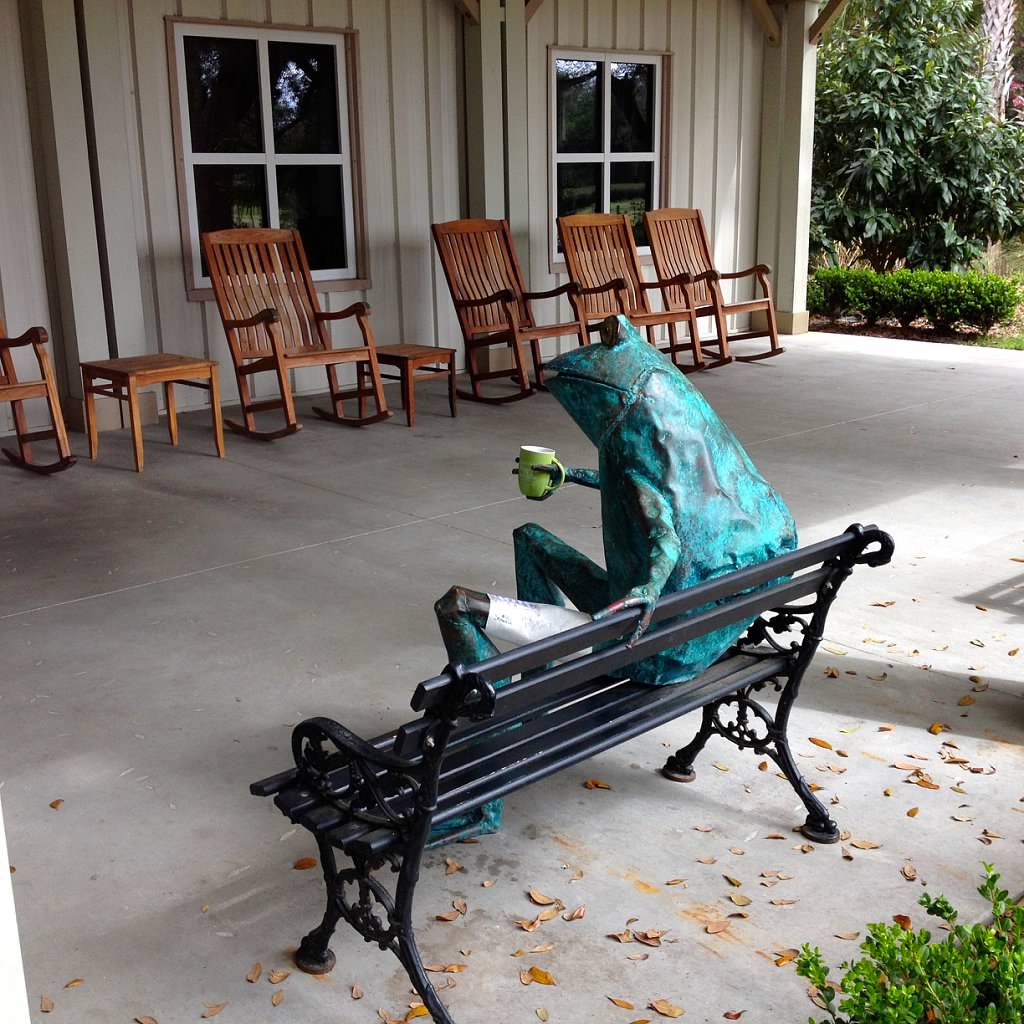
I found the gated entry on the left and followed the dirt road pass the experimental tea field and found a parking space under the trees. It was a short walk to the visitor’s center and gift shop where everything is tea, tea and more tea. There was on over-sized frog, named Waddy, sitting on a bench on the porch waiting for us to stop by for a photo opportunity.

My visitors were wowed with the free factory tour of how the tea is processed after harvest and prepared for delivery to the Bigelow Tea Company for packaging in a unique pyramid=shaped teabag. Bigelow? I thought this was the Charleston Tea Plantation?

Photo By Paul Brustowicz

Bigelow Tea Company is a recent part of the history of CTP that goes back to 19th century China, Summerville, SC of all places, and the Lipton Tea Company as we learned on the not-free-but-reasonable Trolley tour of the Plantation. (AAA discount available.)

Our guide and driver was John Kennedy along with voice over from Bill Hall, the Founder of Charleston Tea Plantation.

It turns out that tea plants love South Carolina: the heat and the humidity are tea plants’ best friends and the sandy soil of Wadmalaw Island is perfect for their cultivation. And who knew they are camellias? Yes, the scientific name is Camellia sinensis. The plants from China that were planted in Summerville in the 19th century are now producing tea in Wadmalaw Island thanks to the Lipton company. Apparently tea plants give live oaks a run for their money in the longevity department.

When Hall needed to expand the ONLY tea plantation in North America, he turned to Bigelow Tea Company as an investment partner. It allowed him to expand production and include a new visitors center and gift shop. Hall is actively involved in the business, checking on plants in the green house, supervising harvesting and planting.

Just outside the visitor’s center there is a geography pole, you know, a pole with arrows pointing in different directions with country names and distances painted on the arrows? This pole points to the next closest tea plantations.

There is a map of the world in the visitor’s center with tea plantation sites illuminated. The only light in North America is Wadmalaw Island.

Photo by Paul Brustowicz

We left America’s Tea Garden with a several boxes of American Classic Tea and some souvenirs for tea drinking friends and headed back to the Angel Oak. The turn popped up before I knew it and I almost missed it. Why does the return drive always feel shorter than the drive out? Anyhow, the Angel Oak duly impressed our visitors with its girth, length and age. They actually seemed awed as do most visitors to the Angel Oak. All the free tea was beginning to work its magic and we headed for home to tune in the NCAA.

Observations from a Porch of an Aging Southern Farmer

“Aging is a process of understanding. It is the collective journey of all emotion fed by a thirst for knowledge, enlightenment and meaning.”

It was a hot Southern morning in the heart of August in the Carolinas.  Humidity was already taking a toll on old Mason.  Sweat dripping from his leathery forehead and the sun up in the sky high enough to cover half the front porch.  His wife, who affectionately has called “ma” for the last 67 years was bringing a steaming cup of coffee; black just like he always drank it.

Mason nodded and continued his stair at the trees covering the sun just enough to make these summer days bearable.

“I reckon the farm hands be coming by soon.  Strange seein’ them whites and coloreds walking the path together.  Sure seen some changes round these parts.”

Mason turned to ma, resting comfortably in her rocking chair continuing to deepen the groove in the wood base below.

“This some good coffee ma.”

He struggles with his sentences now.  Some shortness of breath forces a slowing in his speech.  The deep southern drawl very pronounced.  For this old farmer, now retired, the porch is passing the time reflecting on a hard life until his inevitable demise.  The years are documented by the wrinkles under his eyes.  The blue sparkle now faded.

The creaking noise is soothing.  It is one of the few sounds still audible to Mason.  Familiar and constant.

“The cotton crop ain’t what it used to be.  Nothing but Yankees, colored and fancy cars.  It’s hard to be proud ma.”

“You are an old bitter man Mason Chapman.  Old and bitter.” She exclaimed.

Once, an affluent cotton farmer, Mason is the only remaining child of Emma and William Chapman.  The youngest of seven children, his heart beats last.

“What will we leave behind ma when they find our crippled old bones?”

“What are you talkin’ about, we?”

With all the muscle strength in his face, a smile reared itself.
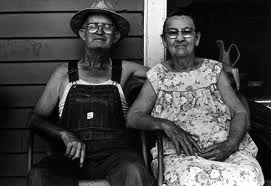
“I gave you a good home didn’t I ma?”

“You did.  From the time you carved our names in that oak tree 68 years ago, my heart belonged to you.  You give me a good home and a good bed to rest.”

“I’d like to see Will today.  Reckon we can see Will?”

“Yes, love, yes.”

Mason tried to life his body with his thin boney hands.

“Now you stop you hear.  You will break in two.”

Ma got up from her rocking chair and lifted her 110 pound Mason upright.  Arm in arm they walked slowly down the three steps and walked to the side of the house.  Surrounded by layers of autumn colored leaves and pine cones stood a small unassuming tombstone.

They stood two feet from the stone and stared down.

“Oh Will boy, we miss ya.  You dun us proud.  We really miss ya being around.  He was a good boy, ma.  A good boy.”

“He was.  Polite, hard workin’ and a true Southern gentleman.”

“He was, ma.  He was.  I may be ready to see him soon.”

“You hush up Mason.”

“I’m tired.  I see folks walk by, young and full of hope.  I had my hope.  Now I’m ready to rest.  Let’s go back to the porch.  It’s safe there.  I’ll tell ya about the great crop of ’52.”

“I’d like that.  I’d like to hear that story a lot.”

Together, hands intertwined like a million other times, Mason and Ma walked around the house and sat on the porch.

The chairs rocked, and Mason told story after story until the warmth of the sun lulled him to sleep.

Ma smiled.

A Message of Hope from Dock Street’s The Diary of Anne Frank

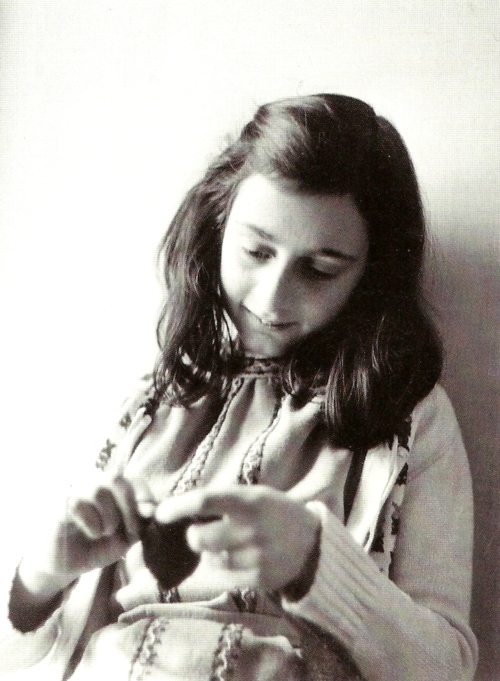
Your journey begins with an exquisite set design inviting you in with a bed of tulips in the forefront and a cramped shelter with the walls and floors covered in the writings of a thirteen year old dreamer.  The back center wall is a soft and heartfelt black and white image of Anne Frank.  Before the first words are uttered, the audience becomes part of a two year struggle for survival.  Surrounded by chaos and uncertainty, these eight children and adults from different backgrounds and lifestyles endured starvation, alienation and potential death.  At the heart of situation was a young, energetic young lady named Anne Frank who shared her experiences with the world through her personal and candid observations during this period of hiding.

Played with poise and emotional strength by Lila Clark, a freshman at Academic Magnet High School, Lila brought a air of innocence, warmth, hope and optimism to the stage.  Her portrayal of Anne was highlighted by the many layers she exposed during her performance.  Throughout the live production, you witnessed a young lady with the same dreams, boyhood crushes and imagination as any young boy or girl, but her situation was unlike any other.  Throughout the performance, she brought a level of energy and complexity that complimented the acting troop and comforted the audience who watched fully aware of the impending tragedy.  Her playful demeanor and mature observation of the world around her was played elegantly.  As we moved toward a bitter climax, we never lost site of hope as we witnessed her first crush, her nightmare episodes and her dreams to dance and travel to Paris.

Victor Clark gave an exceptional portrayal of the  role of Otto Frank, the grounded and calm father and business owner.  His ability to absorb all the chaos and maintain a sense of order was a gift on stage.  His relationship with Anne and ability to internalize all his fears provided salvation to the rest of the residents who hid in silence for over two years.

In the background the sounds of sirens and planes built up the tensions and inside the cramped quarters, the eight Jewish survivors waited, starving not knowing if they would live or die.

The Diary of Anne Frank as told by the Dock Street Theater, was not a story of Nazis and Jews (though a flag of Europe and Asia with a swastika was ordained on the back wall), good versus evil or coming of age.  It is a story of family, hope and love.  One of the greatest tragedies of this story is that a young girl, intelligent, loving and full of dreams was taken from us.  In her foresight, Anne wanted to leave behind a reminder of not just her life and struggles, but all those that fought to stay alive.

Anne Frank was the biographer of a generation lost and never truly got to see the importance of her words.

As the story begins, we see a black and white image of Anne center stage on the back wall.  Her father walking through the hidden shelter one final time after the war had past and the survivors were released from the concentration camps.   Along with a scarf and glove on the floor, he finds Anne’s journal.  For the next two hours, we are taken through those pages, feeling the pain Otto felt being the last survivor.  During a Hanukkah scene in December, 1944, Otto recited the Hanukkah prayers on the first night.  One candle representing his future, alone without family.

The supporting cast contributed well depicting the anger and anticipation.  Complimented by Steve Fordham, who has been a fixture in the community as a long time actor, playing Jan Dussell, Benjamin McCoy as young Peter Van Daan, Maddy Seabrook as Margot Frank, Andrea Rausch and Kent Reynolds as the Van Daan’s and Beth Curley as Edith Frank, the mother of reason trying to understand why this madness was happening all around.

The strength of the performances of Lila Clark and Victor Clark to some extent minimized the contributions of the supporting cast, but overall, the actors played off of each other well and provided an excellent interpretation of Anne Frank’s writing.

The direction of the play by Julian Wiles was artistic and respectful.  By creating separation points throughout the stage and panning light on the key scenes, he could capture the essence of the quarters and still provide direction to the audience on the emphasis of the scene.  Whether it was Anne writing at her desk or a hug from her father after a nightmare, the soft lighting with the backdrop of darkness let us be part of something intimate.

This is an personal story told from the heart of a teenage girl.  Even in the end, she never stopped believing and hoping.

In a time of adversity, we have one thing that can keep the heart strong and that is love.  Anne Frank has taught millions of people that lesson in the last 70 years since her passing.  Dock Street used gentleness and dignity to interpret her words and bring them back to life.

 The Diary of Anne Frank will be playing at Charleston Stage at Dock Street February 11 – March 1 – Tickets


Proactive ways to fight the Winter gloom in Charleston – Dr. J

It’s the dead of winter in Charleston and many of us are missing the beach, riding around with the convertible top down or simply being comfortable going about our daily lives. While it is certainly not “North Face” weather here on most winter days, despite the attire some Charlestonians wear, it is cold, rainy and gloomy. It can leave many of us depressed, unfortunately contributing to a surge in suicides in the springtime. The Charleston Daily recommends being proactive to fight the Winter gloom with the following tips.

1) Add some color to your life, or kitchen. Think about heading to your nearest paint or hardware shop and pour over the wide array of colors available. From Sunburst Yellow to Caribbean Blue, a color will likely call your name. Buy a gallon, a brush, and give your favorite room a new glow. If you can’t commit, sample paint colors are available for under $3. http://www.valsparpaint.com/en/explore-colors/sample-store/index.html

2) Make your own springtime. Garden centers have started displaying seeds and starter pods. My experience has been that most garden center employees, particularly those at Royall Ace Hardware on Coleman Boulevard, are enthusiastic about educating new gardeners. In just a few days, you may have adorable spouts of green herbs and flowers, in your own home.

3) Warm up around the fire. So many folks pass by the woodpile outside the grocery store without giving it a second thought. It’s easy to forget about the fireplace or fire pit in our own backyards. Consider buying a bundle and making a fire that friends and family can gather around. Safety first though… http://www.fireplaces.com/Fireplace-Safety.aspx

4) Get your own glow. While the risk of skin cancer is real with tanning beds and sunning at the beach, a spray tan holds little risk. Long gone are the days of the orange tinged “fake bake.” Some brilliant scientists have learned how to create a natural appearing tan for your sallow winter skin. The spray tan lasts for at least 7 days and can give you a huge confidence boost that may make these last two chilly months easier to bear. Lulu at Sun Station Tanning in Mount Pleasant can give you a great lesson in sunless tanning.

5) Don’t waste a pretty day on a colonoscopy. Take one of these gloomy days and spend it inside prepping for one of the most important preventative health exams you can offer yourself, a colonoscopy. Over 50? Get one. Have a first degree relative with colon cancer? You need one at age 40 or ten years earlier than their age at diagnosis. 1/20 Americans will be diagnosed with colorectal cancer and it can be deadly if caught late. The good news is, many cases can be prevented with routine screening and surveillance colonoscopy. The procedure itself is not without risk, but I witness and perform this life-saving, routine procedure every day. For more info about risk, check out: http://www.cancer.org/cancer/colonandrectumcancer/moreinformation/colonandrectumcancerearlydetection/colorectal-cancer-early-detection-acs-recommendations

Have any other tips to fight off the gloom? Let us know.

Until next time, stay warm and healthy. ~ Dr. J

Patriots Point Naval & Maritime Museum – The Retired Mensch

Image courtesy of Paul Brustowicz

It’s not hard to find something to do in Charleston when company comes to town. What is hard is deciding on where to go and what to see. Fortunately the latest guest at the Mensch house was a Marine who served in Vietnam. Patriots Point here we come. Down I-26, over the Ravenel Bridge and $5 later we were in the parking lot at Patriots Point Naval & Maritime Museum. Mrs. Mensch had discovered a two-for-one Groupon which made treating cousin Frank to a tour a no-brainer.

There is plenty to see and tour at Patriot’s Point: the aircraft carrier USS Yorktown, the submarine Clamagore, the destroyer class USS Laffey, a Vietnam Support base exhibit and a cold war submarine Memorial. Our time was limited so we opted for the self-guided tours on the Yorktown and the Vietnam exhibit.

A snowbird volunteer named Al greeted us on the hangar deck with a “Semper Fi” and Cousin Frank smiled for the first time all day. It was a Jethro Gibbs moment. Al explained the self-guided tour, handed us the flyer with the admonition to follow the yellow arrows and we were off to Hangar Bays #1 and #2.

There were the F4F Wildcat jet, F6F Hellcat, F-9 Cougar and other fighter aircraft on display. We opted not to take the flight simulator ride after seeing it in action. We needed to keep our lunch under control.

Over in Hanger Bay #3 was the Jimmy Doolittle display and a B-25 bomber hanging over the Sticky Fingers Smokehouse Express snack bar. We got a kick out of the Doolittle display when we read the front page of the San Francisco newspaper: there was a front page story way on the bottom about the Brooklyn Dodgers winning eight in a row. For a couple of Brooklyn natives, that was a hoot!

We followed Tour #3 yellow arrows up to the flight deck through the pilot’s ready room, air operations room, air traffic control room, and combat information center and emerged on the flight deck. What a marvelous day in Charleston, blue sky, temps in the 50’s and slight breeze. We were better off in the sun. We wandered from plane to plane. Here’s the link to all the aircraft at the USS Yorktown: http://www.patriotspoint.org/explore_museum/aircraft/.

To see the Corsair, Intruder and Skyhawk and helicopters on the flight deck was great.

Image courtesy of Paul Brustowicz

After wandering on the flight deck, we made our way to the chart room, pilot house, captain’s bridge. It is a wonder to see the Admiral’s Bridge and Sea Cabin on level 5. We passed the radar rooms on our way to hangar deck to end our tour.

We made a brief stop at the USS Laffey to read the plaque and moved on to the Vietnam Experience Exhibit. Cousin Frank thought he was back in Southeast Asia at this exhibit.

From the brown water navy, to the latrines and helicopters, cousin Frank applauded the authenticity of the exhibit. The Mensch applauded cousin Frank’s service to his country.

The Spring Street Experience – An Urban Journey in Charleston

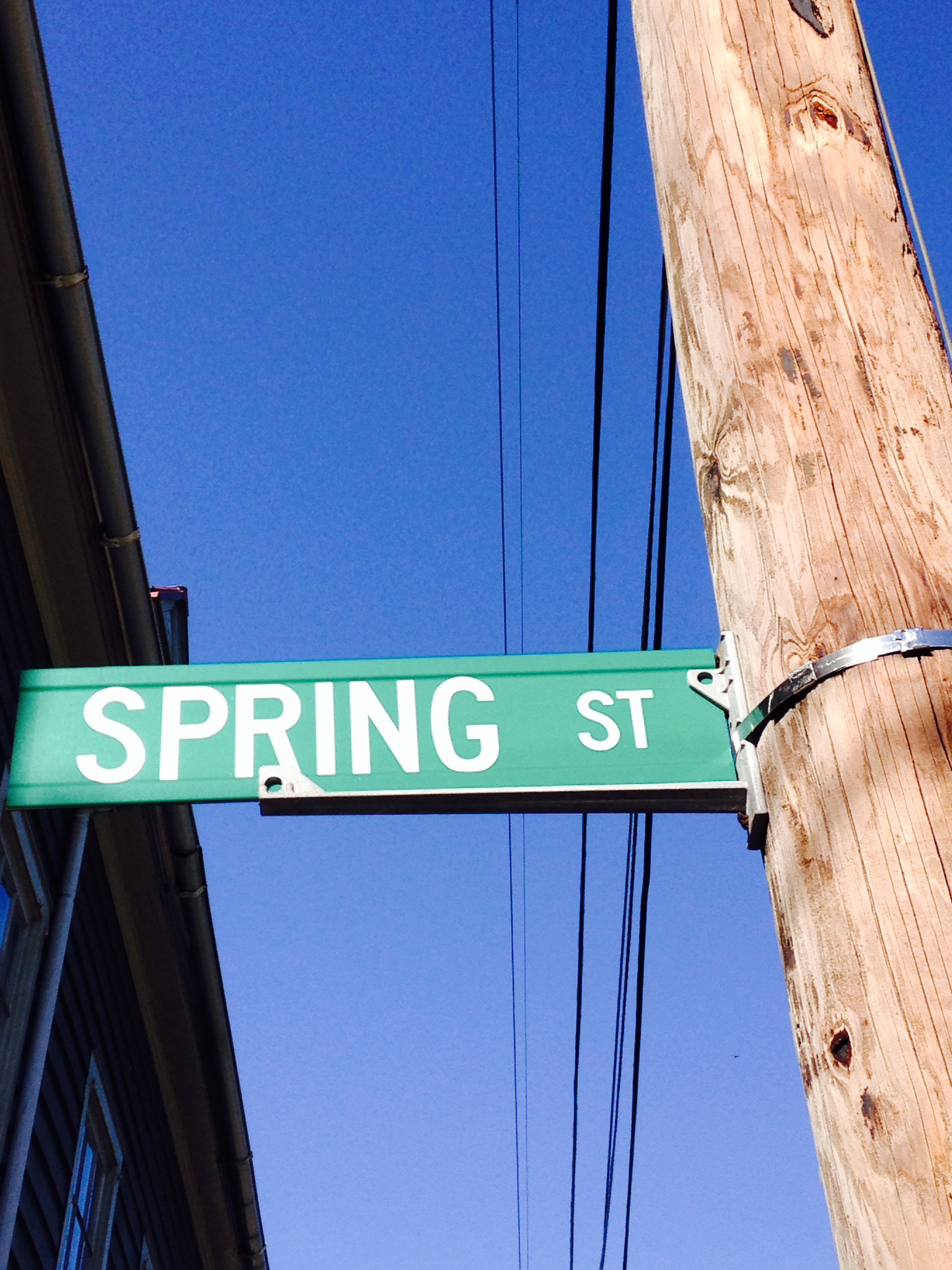
The Spring Street Experience is an urban shopping, lifestyle and dining experience built on patience and perseverance.  It is a journey that is a number of years in the making.  Spring Street has an eclectic mix of residents and bystanders from all walks of life.  With a melting pot of backgrounds, this street opens the door of possibility for a unique living and shopping experience.  Over the years a number of business has strategically plotted themselves on this evolving street.  Now, Spring Street has found a permanent home for shoppers and lifestyles for all needs.  From yoga, to wedding dress design, to Vietnamese food to vintage clothing, Spring Street has started a grass roots effort to continue expanding the evolution of Charleston.

With a comfortable and safe urban setting built for the upscale shopper, hipster or back packer, Spring Street is becoming one of the most unique and enlightening places to spend a day.

For years, Charleston has relied on a few neighborhoods to sustain its economic growth for locals and tourists.  From the Market to King Street, Charleston created consolidated fronts for shoppers and activity seekers to find refuge.  Now Spring Street is testing the boundaries and inviting you to expand your thinking and territory and experience this new thriving urban shopping and activity center.  Now with thirty plus establishments, Spring Street is thriving.

If you have not taken in the Spring Street Experience, now is the time.

Spring Street Experience Directory

Clothing and Design

Maddison Row Bridal Chic – 171 Spring Street

Innovative Interiors – Interior Design – 139 Spring Street

WED – Wedding Event Design – 123 Spring Street

Carolina Fine Art Framing – 76 Spring Street

Read Brothers – Stereo and Designer Fabric – 593 King Street (Corner of King Street and Spring Street)

red1

Food and Beverage

Wild Flour Pastry – 73 Spring Street

Parlor Deluxe – 207A St. Philips Street

Wine Awesomeness – 94 Spring Street

The Vegetable Bin – 96 Spring Street

Sunrise Bistro Xpress Restaurant – 116 Spring Street

Artisan Meat Share – 33 Spring Street

Bon Bahn Mi – A Vietnamese Sandwich Bar – 162 Spring Street

Cannon Green Restaurant / Wedding Reception Hall – 103 Spring Street

Octobachi – Sushi Bar – 119 Spring Street

Charlie’s Grocery on Spring – 119 Spring Street

Xiao Bao Biscuit – 224 Rutledge Avenue (Corner of Rutledge Avenue and Spring Street)

Sweet and Savory Cafe – 100A Spring Street

Seafood Alley – 35 Spring Street

Toyko Crepes – 62 Spring Street

Warehouse – 45 1/2 Spring Street


Art and Galleries

Sanavandi Art Gallery – 66 Spring Street

Karpeles Manscript Library / Gallery – 68 Spring Street

red2

Lodging

Not So Hostel – 156 Spring Street


Salon

Salon Vari – 101 Spring Street


Yoga

Mission Yoga – 125 Spring Street

Bikram Yoga Charleston – 137 President Street (Corner of President Street and Spring Street)


Florist

 Tiger Lily Florist – 131 Spring Street

Rose Florist – 117 Spring Street


Specialty – Sports / Body Art

Continuum Skate Shop – 49 Spring Street

Museum of Living Arts Body Piercing – 47 Spring Street


Creches are Cribs – The Retired Mensch

cribs1

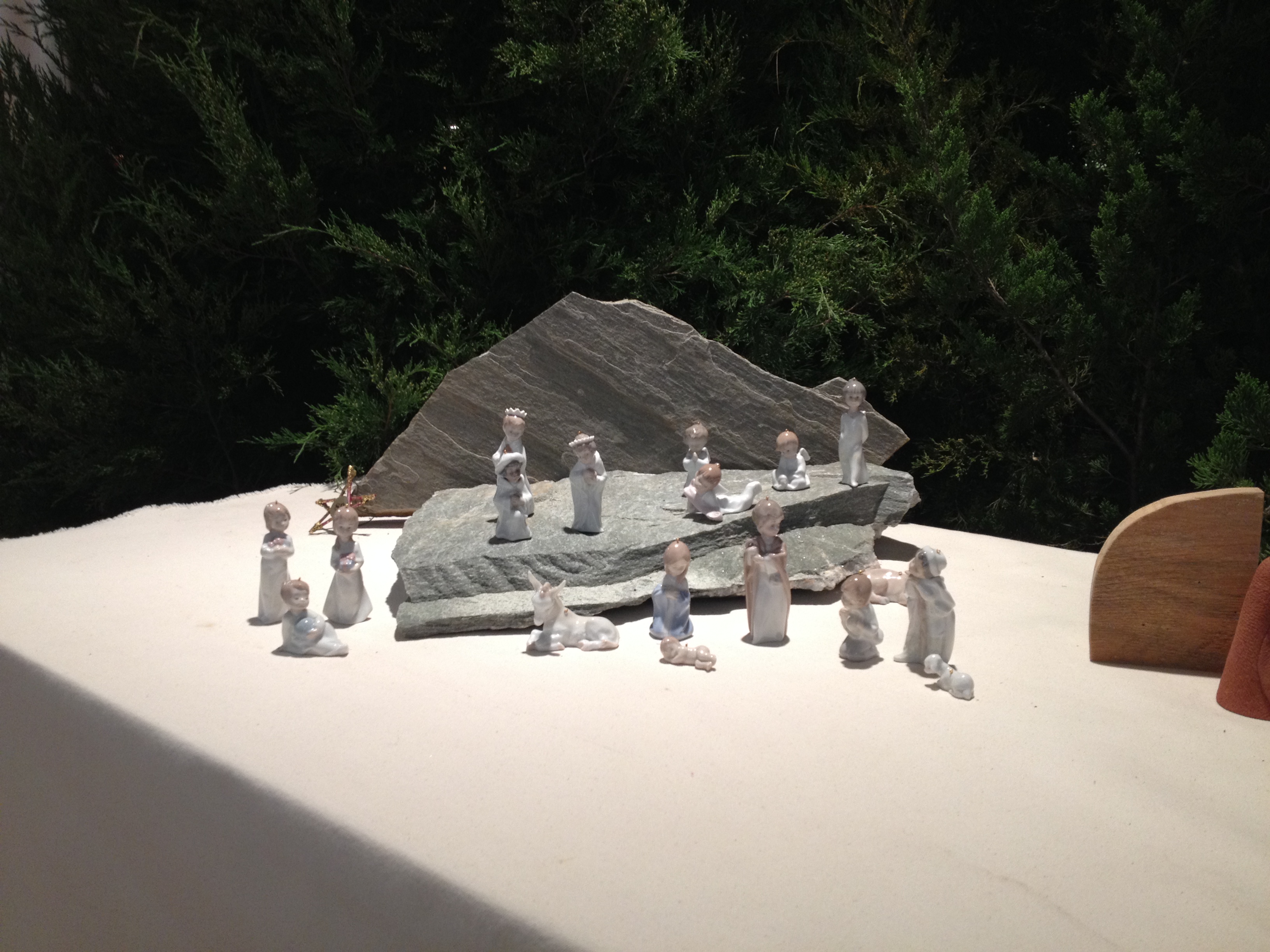
The Mensch has learned something new: creches are cribs, that is crèche is the French word crib. The Trappist Monks at Mepkin Abbey are having their annual Creche Festival with over 80 displays of creches and the Mensch is just one of a small army of volunteers who make it happen up there at Monck’s Corner.

Over the years benefactors have donated creches to the Abbey; commissioned artists to create them for the Festival and the monks have bought them so that now their collection numbers over eight hundred. The variety is endless.

Along the path from the Gift Store to the The Clare Booth Luce Library, there are creches made of wood, marble, recycled materials, and copper. In the library, artists have carved juniper and other woods, glued oyster shells, sewn fabric, woven sweet grass baskets, painted papier-mâché, and hammered brass into interpretations of a creche.

The creches hail from Poland, Lithuania, Italy, North Carolina, Beaufort, New Mexico, Haiti, Ethiopia, and many other foreign places. One of the fun things about the festival is the vote for a favorite. Visitors are asked for their ONE favorite creche at the end of the tour. It is always a tough choice. The Mensch’s volunteer job was to record the votes of visitors. Good thing it was pencil and paper and a big eraser. Some folks had no problem choosing a favorite: number 75, number 8, number 14. Others had a tough time: Not sure, it is between 14, 75 and 80, can I pick three?

cribs1

When the festival is over the Monks will tally the votes and the top three vote getters will be announced on the web site, www.mepkinabbey.org. Next year the winners are guaranteed a spot in the festival. A little competition is good for all.

There is no politically correct way to say this so I’ll just blurt it out: this is a festival for shoppers who are mostly women. Based on the Mensch’s observations, most of the visitors were women, retirees, and gray-haired guys who carried shopping bags for their wives. The gift store and the creche store are shoppers’ paradise for those who have Christian religious gifts on their gift list. And, yes there is fruitcake baked by the Monks for your giving pleasure.

cribs2

The Festival ends December 6th and if you can’t make it, here are a few photos of what you missed.

Is Charleston the New Teletown? – Television and Film Invade Charleston

By David McNamara
By David McNamara

As a film and television graduate with a strong international background in media production I’m always mindful of a city’s character in the lexicon of filmlore when I travel. While I tend to favor the solitude and shinrin-yoko of mountains and forests these days, cities are fertile ground for escapist forays while ambling through mutable streets of strange faces.

My mind makes a game of it − conjuring classic films from the concrete jungle then putting myself in the sequel of my own creation. Call it an indulgent folly of imaginative minds. Although I was immediately struck by the immense beauty of historic Charleston when I first visited, I was surprised that it didn’t evoke an emblematic film, which showcased the city like so many other cinematic cities along the east coast of the USA.

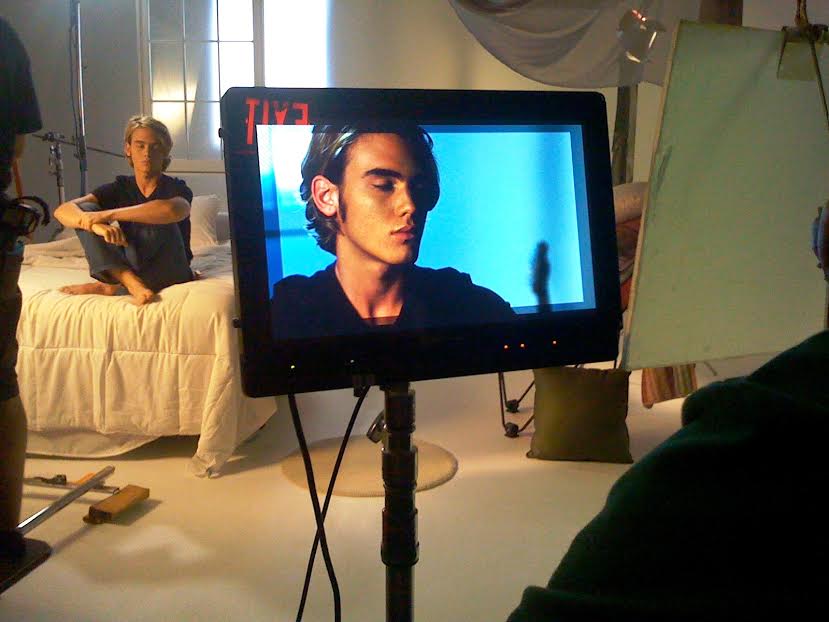
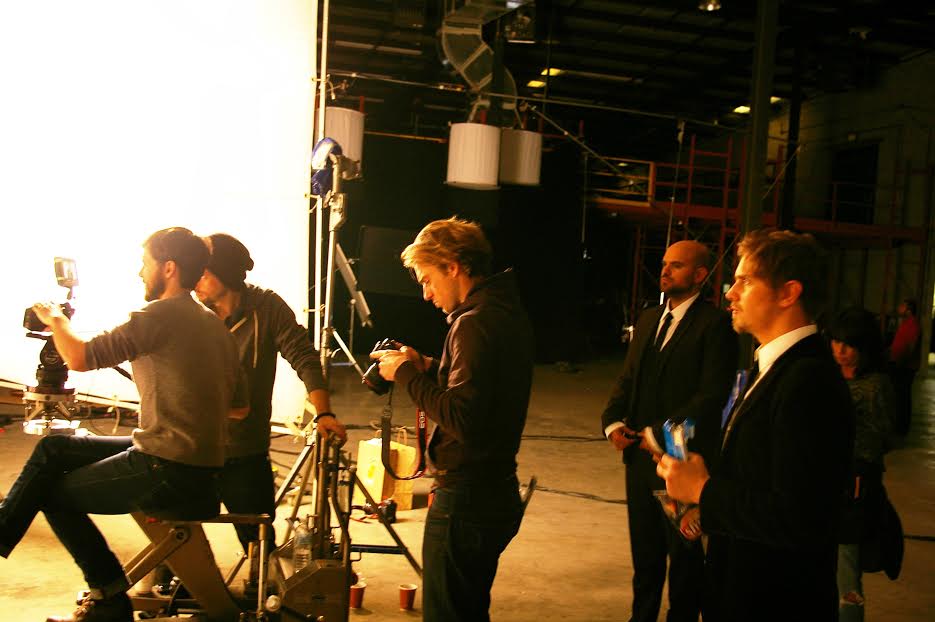
I asked around and got uncertain answers such as The Patriot and Forrest Gump, but I was after a counterpart to Ferris Bueller’s Chicago or the Ghostbusters’ New York. When I recently put the question to Studio Charleston founder, Harald Galinski, he explained that film incentives along with the versatility of abundant filming locations all in close proximity is what makes the Charleston region a desirable filming destination with an extensive filmography.

“The Charleston region and South Carolina offer an incredibly diverse canvas for filmmakers. Dear John is a perfect example where an amazing production designer was able to recreate Afghanistan, Africa, Germany and an Eastern European village all in Charleston – which otherwise would have been shot in Morocco.”

Galinski would know since he was part of the team who brought Relavity Media’s Dear John to Charleston, the last big budget feature to truly spotlight Charleston which was released in 2010.  In a story many newcomers would appreciate, Galinski fell in love with the city during eight months of filming. After deciding to call Charleston home he founded Studio Charleston, the state’s first turn-key creative and functional production space.

I’ve noticed in the past three years living in Charleston the once rare sight of a film crew now seems common. With shows like Army Wives, Southern Charm and Reckless it appears Charleston has suddenly exploded as a television hotspot. I asked Galinski if this was an indication of the growing popularity of the city − was Charleston and the South suddenly cool?

“Reckless was one show written for Charleston, but the producers made it clear that if the new incentives were not passed they may have not shot the show in South Carolina. I can honestly say that since 2006, most of the projects, both film and TV came to SC because of the incentives.”

studio2

Galinski helped successfully lobby for the new film incentives after they were dropped in 2012. Along with starting the South Carolina Film Council, which currently has over 1000 members, in a short time Galinski’s efforts have markedly helped stimulate local production.

This growth is evident with shows like South from Hell starting production in Charleston. Meanwhile Walking Dead creators are about to commence filming a pilot outside Columbia. Not to be overlooked in the bright lights of location filmmaking is Moondog Animation Studio.

Moondog didn’t overlook Charleston when deciding on a location with incentives to establish their animation studio last year. Founder/CEO Bryan Ransom said it was Charleston’s international charm, with a mix of low-cost living and high-quality coastal lifestyle that won them over. But since the magic behind animation storytelling isn’t tethered to the reality of location filming I asked Ransom if the city is important where he films.

“Digital animation is a unique medium that blends art and technology and Charleston is a unique area that does the same. Its history of art and design has continued to evolve while in the background you can find a growing tech community. This creates an atmosphere that indirectly affects the film. Charleston let us imagine great things and create beautiful stories with no creative or technological limits. What more could you ask from a town?”

Given the recent spate of local and regional productions I was curious what Ransom thought about the improvement in the local film and television industry.

“Never settle! The SC film industry is in a small season of growth, but this can disappear as quickly as it appeared. Incentives are one piece of the puzzle. We need to avoid becoming complacent and continue to push for competitive incentives. There are literally billions of dollars in filming that can be taken away from Georgia and Louisiana. South Carolina has taken steps in the right direction but they are not there yet. “

studio1

While Galinski cites additional production infrastructure is needed to increase the level of local media productions, he says there are more immediate concerns critical to the state’s film and television industry.

“We still need to push for a new SC Film Commissioner as soon as possible, which we have not had since 2010. I am also trying to work with local and regional authorities to create a Charleston Area Film Office.”

The dynamic success of the Charleston International Film Festival, which recently concluded its 7th festival year only adds to the bounty of the local film and television cultural landscape. With increased support from state legislators, along with the tireless and creative efforts of industry leaders there is every reason Charleston should continue to emulate the successful film and television growth in neighboring states.

South Carolina Film Commission

Ask a Woman – The Retired Mensch

Paul & Cathy 5x7
Rather than listen to the town fathers, mothers, brothers and sisters debate the merits of a boutique hotel on a busy downtown thoroughfare in Summerville, the Mensch chose to accompany Mrs. Mensch to an awards ceremony for a friend. I came away from the ceremony knowing I had made the right choice.

Summerville’s weekly newspaper, The Journal-Scene, has a unique niche in promoting and developing community spirit by giving awards for different categories of people. Wednesday, November 12, was recognition night for ten “Women to Watch in 2014”. It was a simple affair at the Holiday Inn Express in Summerville. Who knew the Holiday Inn Express had these great meeting rooms? Not the folks who want new meeting space downtown, apparently.

No expense was spared: there were adult beverages – Kirkland’s finest wines, a few snacks of crackers and cheese, sandwich wraps, salads for the crackers and cookies. What else could you ask for? A brief ceremony? Yes! Short and sweet and to the point, just what an awards ceremony should be.
Frank Johnson, the host and J-S editor, introduced each winner with a few words that succinctly captured her accomplishments to be named a “Woman to Watch in 2014”. The introduction was accompanied by a photograph of the recipient on the big screen. Unlike those blabby “stars” who seem to go on forever thanking people at an awards show, each of these women said a few words of thanks in under two minutes.

What struck me most about each woman was her humility. One said, “I’m just doing my job, which I love”. Another said she was blessed to be able to help people in poor health and to give back to the community. In one way or another they all said the same thing: “what I accomplished was due to efforts of other people”, “it is not about me” and “I’m the beneficiary of good people around me.”

The women had been nominated by their friends and family. What a mix of women and accomplishments: an HIV survivor, a middle school principal, a teacher, a health care worker, an arts volunteer, a community development activist, a school counselor. There were African-American women, white women, young women, old women, middle-aged women, blonds, brunettes, tall, short, thin, not-so-thin, single, married, pregnant, mothers, grandmothers, widows. Ordinary women who do extraordinary things.

What great lessons in leadership these women give to their families, friends and co-workers.

“Women to Watch” has been going on since 2007. With ten winners a year for seven years, there are 70 “Women to Watch” award winners in Summerville. I can only imagine that the boutique hotel would not be the brouhaha it is if some of these women had been involved.  For that, we thank them for their wisdom and courage.