 by
by 
By Mark A Leon
Few organizations are as deeply woven into the fabric of Charleston’s identity as the Preservation Society of Charleston. For more than a century, it has stood as both guardian and guide—protecting the city’s architectural heritage while shaping thoughtful growth for future generations.
Origins: A Grassroots Movement That Changed America
The story of the Preservation Society begins in 1920 with a single act of defiance. Charleston native Susan Pringle Frost rallied a small group of citizens to save the historic Joseph Manigault House, which was slated for demolition to make way for a gas station.
That effort sparked the creation of what was originally called the Society for the Preservation of Old Dwellings—widely recognized as the first grassroots historic preservation organization in the United States.
From the outset, the Society’s mission extended beyond saving a single building. It ignited a movement that would define Charleston’s future. By 1931, the organization successfully advocated for the nation’s first historic zoning ordinance, establishing Charleston’s “Old and Historic District” and creating the Board of Architectural Review—tools that cities across America would later adopt.
A Century of Advocacy and Impact
Over the decades, the Preservation Society has evolved from a reactive preservation group into a proactive civic leader. Today, it works at the intersection of history, planning, and community advocacy—ensuring that Charleston remains both livable and authentic.
Its influence can be seen in:
- Protecting historic neighborhoods from incompatible development
- Guiding zoning and architectural decisions
- Educating residents on preservation tools and processes
- Celebrating excellence through the Carolopolis Awards
Perhaps most importantly, the Society reframed preservation as a “living” concept—not freezing the city in time, but allowing it to evolve without losing its soul.
Properties and Preservation Wins in the Last Five Years
Unlike organizations that directly purchase and restore buildings, the Preservation Society often works through advocacy, public pressure, and collaboration. Its victories are frequently measured in prevented demolitions and improved outcomes, rather than ownership.
In the past five years, several notable efforts highlight its ongoing importance:
- Historic Homes on Cannon and Sheppard Streets – The Society has actively fought proposals that would have led to demolition, pushing instead for rehabilitation and adaptive reuse.
- Philip Simmons-related structures and cultural sites – Advocacy efforts have focused on protecting properties tied to Charleston’s African American heritage, ensuring these stories remain visible within the city’s landscape.
- Multiple Carolopolis Award-winning restorations – While not always the developer, the Society has influenced and recognized dozens of preservation projects, helping ensure historic buildings are restored rather than replaced.
Additionally, individual properties such as the John Ravenel House have undergone award-winning preservation work in recent years, reflecting the broader ecosystem the Society helps sustain.
These efforts collectively represent a quieter but powerful form of preservation: stopping loss before it happens.
Why the Preservation Society Still Matters
Charleston’s popularity has brought rapid growth, rising property values, and intense development pressure. Without a strong advocate, the very qualities that make the city special—its scale, craftsmanship, and sense of place—could easily be eroded.
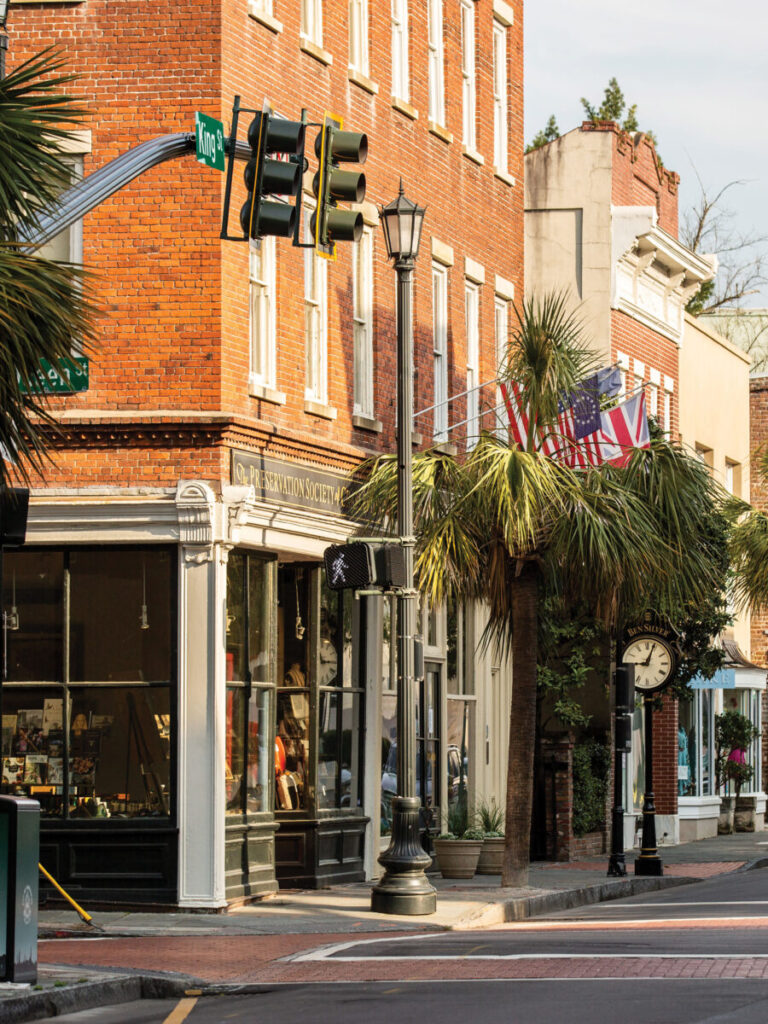
The Preservation Society plays a critical role by:
- Acting as a watchdog in public planning decisions
- Giving residents a voice in development debates
- Protecting not just buildings, but cultural identity
- Promoting equitable preservation across all neighborhoods
Its founding principle remains as relevant today as it was in 1920: that cities are strongest when their past informs their future.
A Legacy Still Being Written
More than 100 years after Susan Pringle Frost took her stand, the Preservation Society of Charleston continues to shape the city in visible—and invisible—ways. Every preserved façade, protected streetscape, and restored home is part of that legacy.
In Charleston, preservation is not just about saving old buildings. It is about protecting a way of life. And thanks to the Preservation Society, that story is still being told—one building, one block, and one community at a time.
Follow their journey on Instagram.
Stay connected and subscribe to Charleston Daily.

