 by
by 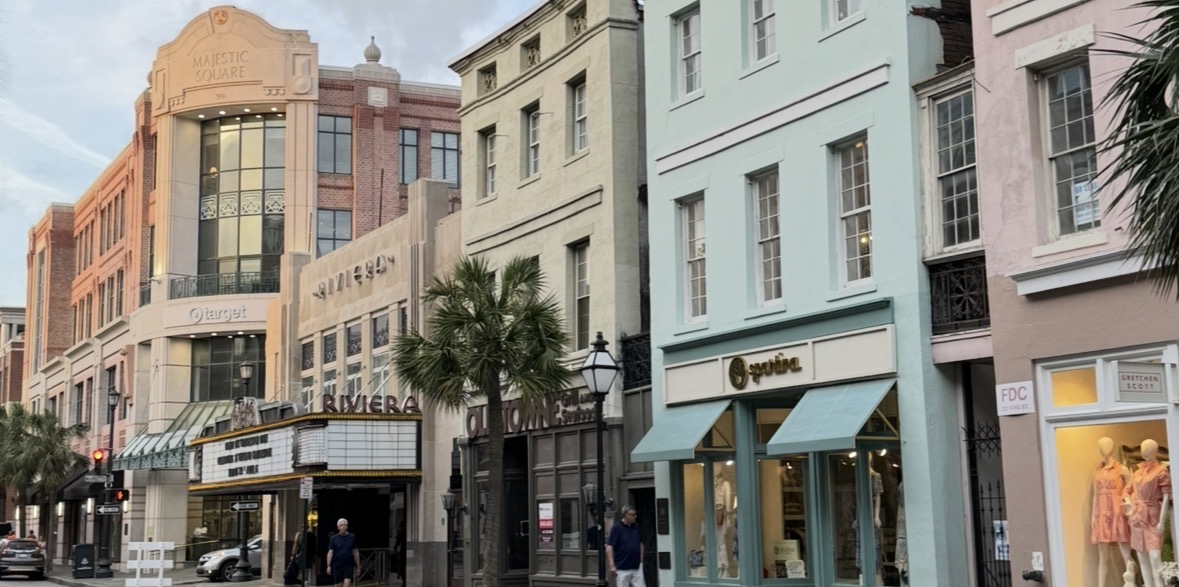
By David Caraviello
The last patches of snow had yet to melt away from the winter storm that swept across South Carolina in late January, but downtown Charleston was already preparing for the tourist season to come. In Marion Square, a large white tent was being erected for the annual Southeastern Wildlife Exposition, the mid-February event that serves as the unofficial tourism kickoff in the Holy City.
Hopes for a robust 2026 tourism season were high across the Palmetto State, on the heels of a 2025 report from the S.C. Department of Parks, Recreation and Tourism that said South Carolina’s tourism industry has an economic impact of $30 billion annually. One out of every 10 people in the state work in the hospitality industry, which supports more than 200,000 jobs, according to SCPRT.
That effect is felt throughout the state, from the mountains to the coast:
· The economic impact of tourism in Charleston was $14 billion in the most recent report issued by the College of Charleston Office of Tourism Analysis, which was released in May of 2025. A total of 23.5 percent of all sales in the region can be attributed to the tourism industry, which employs over 54,000 people in the Lowcountry.
· Myrtle Beach reported $13.2 billion in direct visitor spending in its most recent report covering 2024, according to the city’s tourism bureau. Tourism supports more than 82,000 jobs in the region, the report added, and generates approximately $59 million in annual Horry County taxes.
· Greenville touted a $2.5 billion economic impact from tourism in its most recent annual report released in July of 2025. Nearly one of every 25 jobs in Greenville County exists because of visitors, who also generated $201 million in taxes, according to the report by Visit Greenville SC.
· Columbia’s most recent tourism report covering the 2024-25 fiscal year reported a $1.9 billion impact from visitors, who generated $146 million in taxes and supported over 24,000 jobs. Sporting events alone generated an economic impact of $21.3 million, according to Experience Columbia SC, up 184 percent from the previous fiscal year.
Bucking trends in Charleston
While Charleston has long been a favorite among U.S. and international tourists alike, the $14 billion economic impact reported in May of 2025 still represented a 7 percent increase from the previous fiscal year. Through the third quarter of 2025, Charleston’s hotel occupancy rate stood at 70.1 percent and its average daily rate at $168.41.
Those figures were driven by a strong high-end market, according to a report by the commercial real estate firm Colliers South Carolina, bucking a regional trend of hotel occupancy downturns.
“Despite headwinds associated with weather, consumer uncertainty, the government shutdown, and geopolitical dynamics, (2025) was a good year for tourism in the Charleston area,” said Chris Campbell, vice president of strategy and external affairs at Explore Charleston, the city’s tourism arm. “The destination saw an uptick in hotel demand in a year when U.S. occupancy was down slightly. Moreover, our increase in average daily rate indicates the market is maintaining its pricing power.”
In 2026, Charleston’s vaunted events scene returns mainstays like the Southeastern Wildlife Exposition, the Cooper River Bridge Run and the Credit One Charleston Open tennis tournament, while the Spoleto arts festival will celebrate its 50th anniversary and the Charleston Wine+Food Festival its 20th. Food and Wine Classic Charleston returns for its third year in 2026, while spring brings the opening of The Cooper, the first and only luxury waterfront hotel on the Charleston peninsula.
“There are a number of positive factors that support stability and cautious optimism in our market amid continued industry uncertainty on a national level,” Campbell said.
Greenville’s basketball boost
Although Hurricane Helene ravaged the Upstate in September of 2024, its aftereffects were still felt in the region well into 2025. Displacement and recovery efforts flattened hotel spending in the Greenville market, which reported a 64 percent occupancy rate and a $124.46 average daily rate as of the third quarter of 2025, according to Colliers South Carolina.
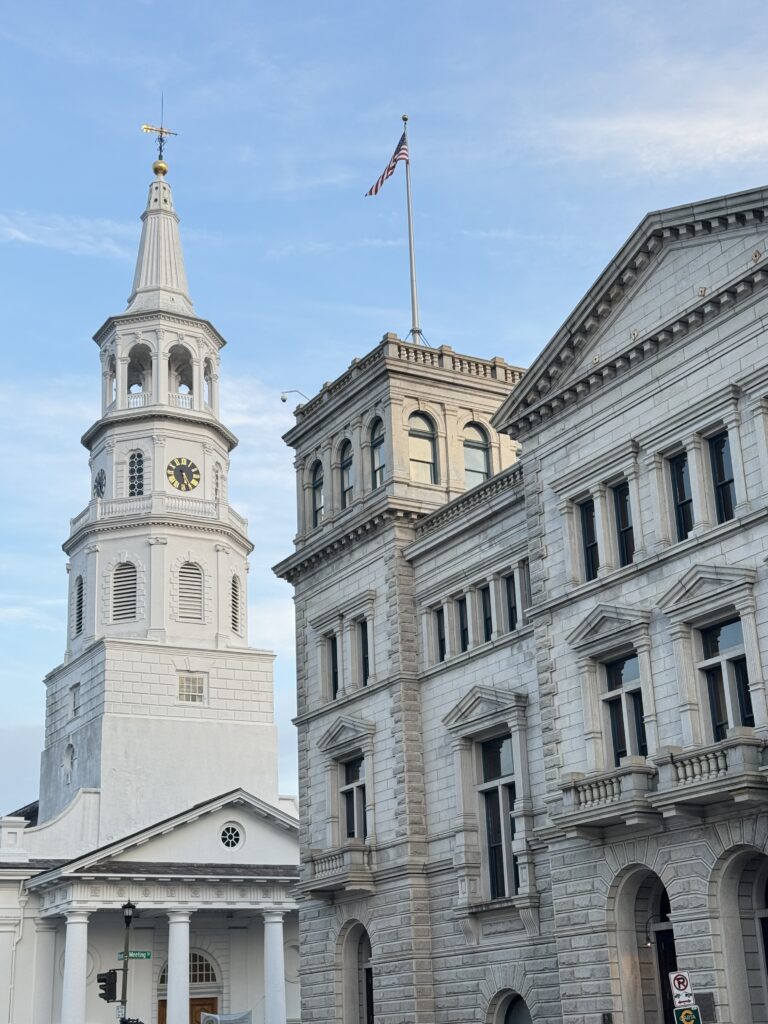
But most other indicators were up in a region that’s seen a 35 percent increase in tourism’s economic impact since 2019. “When the final 2025 reports are available, we expect that it’ll show another record year for tourism in Greenville County,” said Heath Dillard, president and CEO of VisitGreenvilleSC.
Passenger volume at Greenville-Spartanburg International Airport topped 3 million for the first time in 2025, Dillard added, while spending in bars and restaurants increased by nearly $50 million for the year. The group and events sector saw record activity, and jobs within the region’s tourism industry continue to expand.
“Tourism continues to be a force that contributes significant economic and financial benefits to our community,” Dillard said, “and also increases the quality of life and prosperity for Greenville residents.”
Greenville in 2026 will see the return of annual events like Artisphere and Fall for Greenville, and add two major sports events in the SEC Women’s Basketball Tournament and the first and second rounds of the NCAA Division I Men’s Basketball Championship. And recruiting group business like meetings and conventions continues to be a key tenet in the city’s tourism strategy.
“I remain optimistic about tourism in Greenville, as we’ve consistently outperformed expectations and overcome national and regional trends that have slowed tourism in other places over the past couple of years,” Dillard said. “We have strong fundamentals as a destination, and 2026 brings a healthy mix of demand drivers including major sports, our signature events, and national exposure that keeps Greenville in the conversation.”
Party like it’s 1776
The 250th anniversary of the American Revolution will be everywhere in South Carolina in 2026, from license plates to events held throughout the state. And it promises to be a driver of tourism as well, with the Palmetto State boasting so many sites related to the struggle for independence — like Fort Moultrie on Sullivan’s Island, Historic Camden, Cowpens National Battlefield near Gaffney, and the Battle of Musgrove Mill State Historic Site in Clinton.
There’s particular interest in Charleston, which produced four signers of the Constitution, and was named by the U.S. Congress Semiquincentennial Commission as one of four “signature cities” — along with Boston, Philadelphia, and New York — key to American independence.
“There is tremendous anticipation locally surrounding America’s 250th anniversary,” said Campbell, of Explore Charleston. “Being named by Congress as one of only four signature cities in the U.S., and the only Southern city, is an honor for our community and presents an opportunity to highlight a part of our history that many people don’t consider when thinking about Charleston. There’s been a lot of interest nationally and internationally.”
The South Carolina commission commemorating the 250th anniversary of the American Revolution, known as SC250, has scheduled events throughout the state ranging from lectures to re-enactments. While Greenville has no sites of its own related to the Revolution – only a granite monument stands in tribute to the 1775 Battle of Great Cane Brake in southern Greenville County – the city sees itself as a natural jumping-off point for those interested in exploring Upstate battlefields like Cowpens and Ninety-Six.
“Greenville’s role is a little different,” Dillard said. “We are positioning the destination as a hub, a ‘basecamp to the battlegrounds,’ where visitors can stay, enjoy everything Greenville offers, and take half-day trips to nearby historic areas. We do not expect the 250th to create a new tourism category for us on its own, but it can add depth to itineraries and help us serve visitors well when they are already motivated to travel to the region.”
Struggles on the Strand
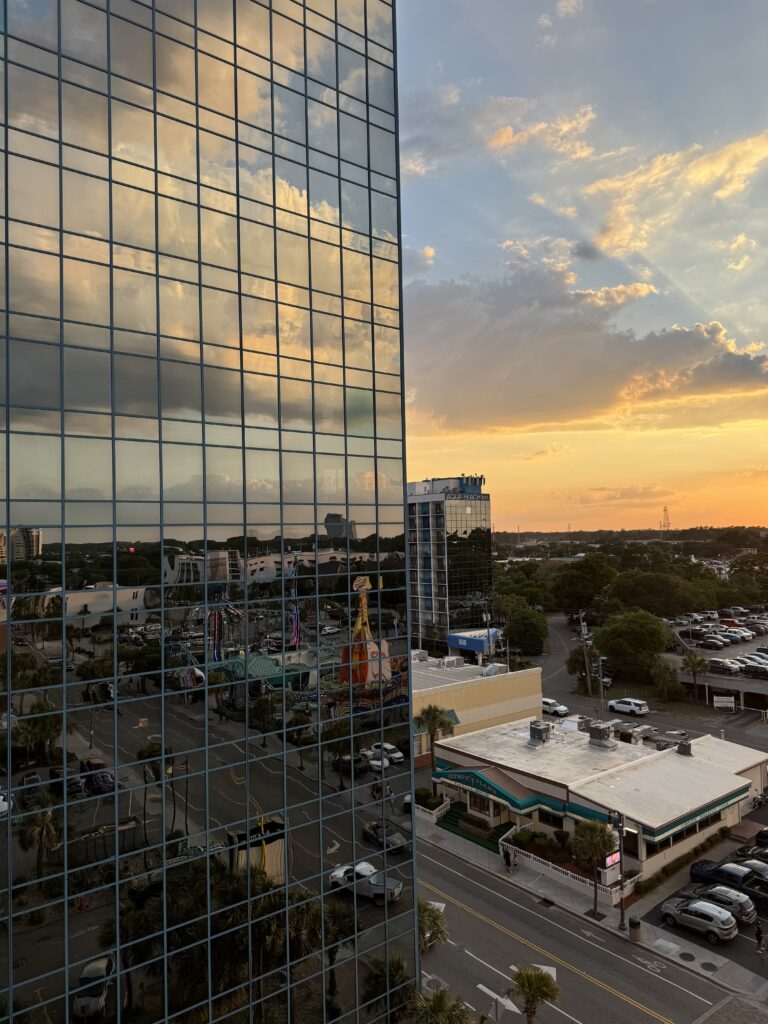
In Myrtle Beach, the hope is that 2026 represents something of a rebound from the previous year. Hotel metrics as of the third quarter of 2025 were down across the board, according to Colliers South Carolina, with overall occupancy dropping to 65.5 percent and average daily rate to $155.53.
Economy hotels represent half of Myrtle Beach’s hotel inventory, Colliers wrote, and over the latter half of the summer their performance “plummeted as middle-income families reduced discretionary spending in 2025.” That coincides with early February reports that Myrtle Beach tourism was down 3 percent for the year, according to comments by Chamber of Commerce officials at a city council workshop.
Hotel occupancy in Myrtle Beach was down 3.3 percent in 2025, according to WGHP-TV, while the city’s accommodations tax saw a 10.8 year-over-year decline. The 2025 report was not yet publicly available online, and Myrtle Beach Chamber officials had not responded to calls and emails at press time.
One bright spot for the Grand Strand: a specialized study by SCPRT valued the economic impact of the state’s golf sector at $3.3 billion, making it the South Carolina’s leading entertainment activity by revenue.
Source: Columbia Business Monthly
Stay connected and subscribe to Charleston Daily.
