 by
By Mark A Leon
The charm is real, but so are the headaches. A little Southern honesty about life in the Lowcountry.
Charleston, South Carolina, is one of America’s most beautiful places to live. The historic architecture, incredible restaurants, beautiful beaches, warm weather, rich history and unmistakable Lowcountry charm make it easy to understand why people move here from all over the country.
But let’s be honest: Living in Charleston isn’t always sipping sweet tea on a historic porch, watching sailboats glide across the harbor or enjoying a sunset over the marsh.
Behind the postcard-perfect scenery are some genuine frustrations that locals know all too well. From traffic that can test your patience to flooding that turns familiar streets into waterways, Charleston has a few drawbacks that don’t always make it into the relocation brochures.
Here are ten of the worst things about living in Charleston, SC. Consider this a little friendly reality check for anyone thinking about making the Lowcountry home.
1. The Traffic Is Absolutely Frustrating
Charleston’s roads were never designed for the population and traffic volume the region experiences today. Historic streets are narrow, major arteries become congested, and getting between downtown, Mount Pleasant, West Ashley, James Island and North Charleston can be an exercise in patience.
The Ravenel Bridge is beautiful, but it can become a parking lot during rush hour. Highway 17, I-26, Savannah Highway and major intersections throughout the region regularly test commuters.
And forget about assuming that a destination five miles away will take ten minutes. In Charleston, distance and travel time are two entirely different things.
2. Flooding Is Part of Everyday Life
Few things frustrate Charleston residents more than flooding.
It doesn’t always take a hurricane or major tropical storm. A heavy afternoon thunderstorm, an unusually high tide or a coastal weather system can put water on streets that were perfectly dry just hours earlier.
Downtown Charleston, particularly areas with lower elevations, can experience tidal flooding even when the weather is beautiful. Some neighborhoods also face drainage problems that make ordinary rainstorms an inconvenience.
Residents learn which streets to avoid, where not to park and how quickly conditions can change. For newcomers, discovering that your daily commute depends on the tide schedule can be quite an introduction to Lowcountry living.
3. The Cost of Living Isn’t What It Used to Be
Charleston once had a reputation as a relatively affordable Southern city. Those days are increasingly difficult to find.
Housing prices, rents, insurance, utilities, property taxes and everyday expenses have put pressure on residents, particularly people working in hospitality, retail, education and other service industries.
The popularity of the region has created tremendous demand for housing, and finding an affordable home close to downtown, the beaches or major employment centers can be challenging.
You can still find a wonderful life here, but the price of admission has increased considerably.
4. The Heat and Humidity Can Be Brutal
Charleston summers are not for the faint of heart.
Temperatures regularly climb into the 90s, but the humidity is what really gets you. Walking a few blocks downtown in July can feel like stepping into a sauna.
Your clothes stick to you, your sunglasses fog up when you leave an air-conditioned building, and getting into a car that has been sitting in the sun feels like opening an oven.
Outdoor activities become early-morning or evening events, and even longtime residents sometimes wonder why they chose a place where sweating can become a full-time occupation.
5. Tourists Can Make Everyday Life Difficult
Tourism is an important part of Charleston’s economy, and visitors are a big reason the city remains vibrant.
But living in a destination that millions of people want to experience comes with a price.
Spring, summer, holiday weekends and major events bring crowded sidewalks, packed restaurants, limited parking and increased traffic. Downtown residents sometimes have to navigate tour groups, horse-drawn carriages, pedicabs, delivery vehicles and visitors stopping in the middle of sidewalks to take photographs.
There’s nothing wrong with sharing Charleston. But occasionally, locals would appreciate being able to run a quick errand without feeling like they’re participating in a walking tour.
6. The Mosquitoes, No-See-Ums and Other Bugs
Charleston’s beautiful marshes, waterways and warm climate create an ideal environment for some very unwelcome residents.
Mosquitoes can make an evening outside miserable, while no-see-ums are practically invisible little villains that leave itchy reminders of their presence.
Palmetto bugs are another Lowcountry institution. Despite the reassuring name, nobody is particularly excited to encounter one flying through the living room.
Add termites, ants, spiders and other insects to the mix, and pest control becomes less of an occasional expense and more of a regular part of homeownership.
7. Hurricane Season and Severe Weather Anxiety
Living along the South Carolina coast means accepting that hurricane season is part of the deal.
From June through November, residents keep an eye on tropical forecasts, monitor evacuation zones and occasionally find themselves shopping for batteries, bottled water and plywood.
Even when a storm doesn’t make direct landfall, coastal residents can experience heavy rain, strong winds, storm surge, power outages and flooding.
The uncertainty can be exhausting, particularly for people who have experienced a major storm or evacuation. And when a hurricane does approach, the entire region seems to have the same idea about getting gas and supplies.
8. Parking Is a Nightmare in the Wrong Places
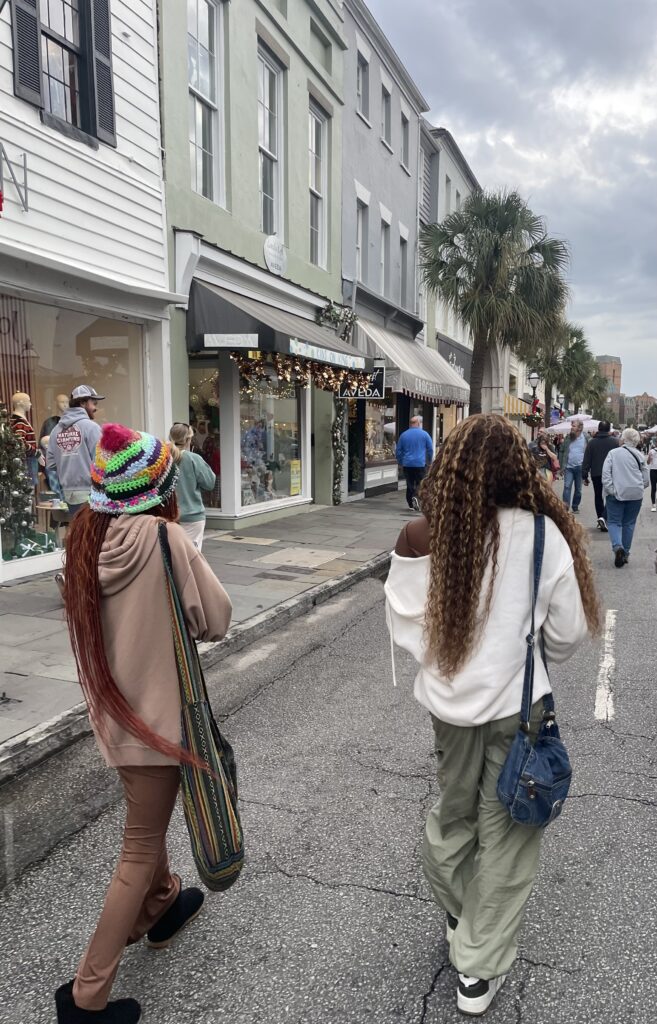
Parking in historic downtown Charleston can be expensive, inconvenient and downright aggravating.
Street parking is limited, parking garages fill up during busy periods, and finding a space near popular restaurants, shopping districts or special events can take longer than the actual drive.
Some older homes and residential properties have little or no off-street parking. For people who live downtown, visitors, deliveries and everyday errands can become logistical challenges.
And if you accidentally park somewhere that floods during a high tide, you may have a much bigger problem than a parking ticket.
9. Infrastructure Has Trouble Keeping Up With Growth
Charleston and the surrounding communities continue to attract new residents, businesses and development.
Growth brings opportunity, but it also puts pressure on roads, schools, drainage systems, utilities and public services.
Residents frequently debate whether infrastructure improvements are keeping pace with development. Construction projects, road closures, aging drainage systems and increasing traffic can make daily life more complicated.
The challenge is particularly noticeable when a growing population must share transportation networks and infrastructure that were not necessarily designed for today’s demands.
10. Leaving Charleston Can Be Surprisingly Difficult
This one might sound strange, but getting out of Charleston can be an adventure.
Charleston International Airport offers convenient service to many destinations, but travelers sometimes find themselves connecting through larger airports to reach certain cities.
Driving out of town can also mean dealing with congestion on I-26, particularly during holidays and peak travel periods.
And if you’re heading to the mountains, Charlotte, Savannah or anywhere farther away, you quickly discover that Charleston isn’t exactly centrally located.
For a city that feels like a world of its own, getting somewhere else can take a little planning.
So, Is Charleston Still Worth It?
Absolutely. At least for many of us.
There is something special about Charleston that is difficult to quantify. It’s the beauty of the live oaks, the sound of church bells downtown, the smell of salt air, the restaurants, the beaches, the history and the people who make this community unique.
It’s the ability to spend a morning walking along the Battery, an afternoon at the beach and an evening enjoying dinner with friends.
But loving Charleston doesn’t mean pretending it’s perfect.
Every city has its challenges, and Charleston has more than its share. The key is understanding what you’re signing up for before making the move.
The traffic may drive you crazy. The humidity may ruin your hair. The mosquitoes may win a few battles. And sooner or later, you will probably get caught in a flood.
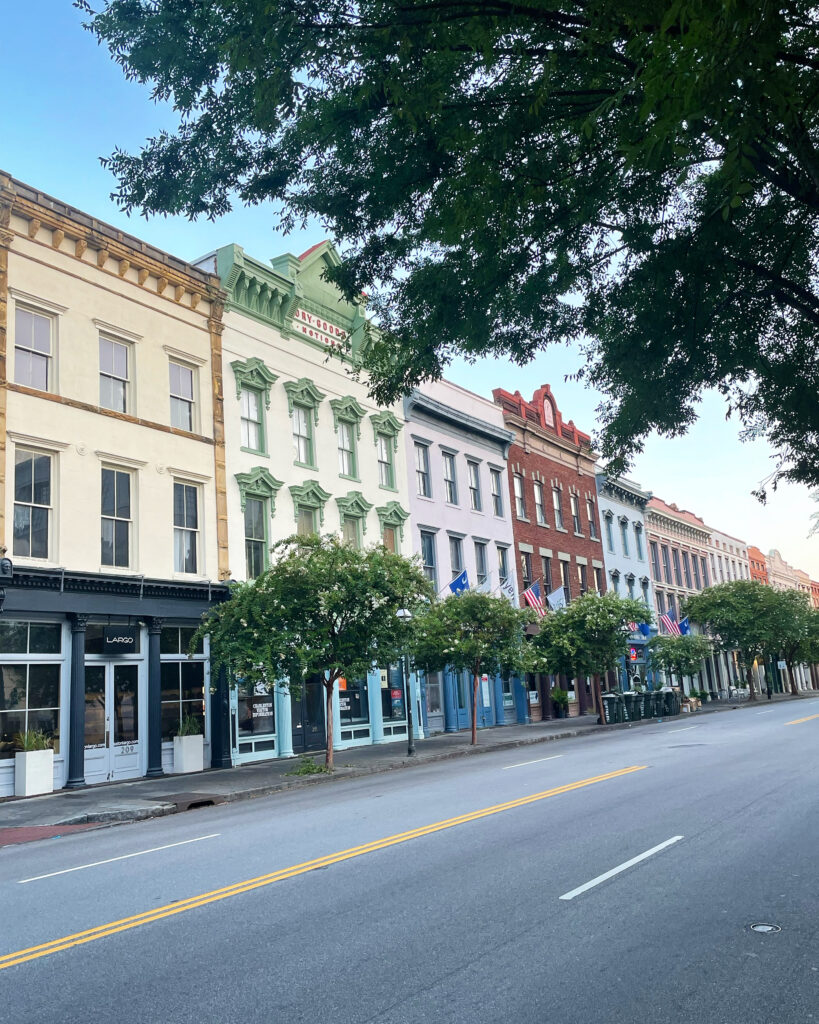
But then you’ll catch a sunset over the harbor, stroll down a beautiful historic street or discover a little local restaurant that reminds you why you came here in the first place.
Charleston isn’t perfect. But for many of us, it’s still pretty close to paradise.
Charleston Daily — Celebrating the good, acknowledging the bad and telling the stories that make the Lowcountry home.
Stay connected and subscribe to Charleston Daily.
