 by
by 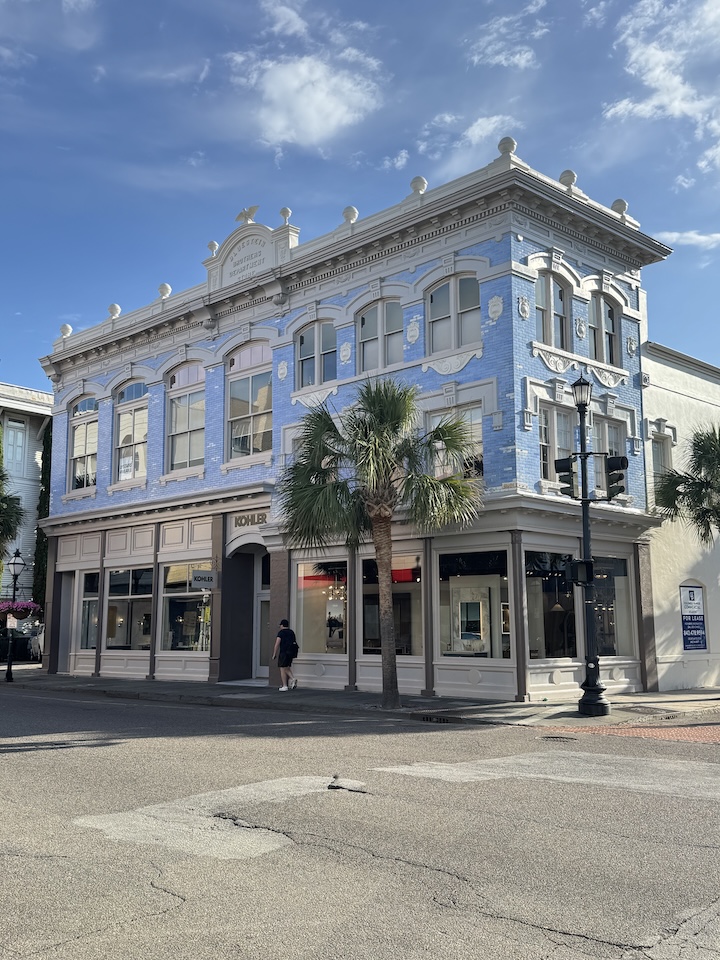
Charleston is consistently ranked among America’s favorite cities, but beyond its cobblestone streets and pastel-colored homes lies a fascinating collection of firsts, hidden stories, famous residents, and remarkable places. Whether you’ve lived in the Lowcountry for decades or are planning your first visit, these 25 facts reveal why Charleston is one of the most unique cities in the United States.
1. Charleston Was Once the Wealthiest City in America
During the late 1700s and early 1800s, Charleston ranked among the richest cities in North America thanks to its booming rice, indigo, and Sea Island cotton industries. At one point, it rivaled New York, Philadelphia, and Boston in wealth and influence. Grand mansions along the Battery and throughout the Historic District were built during this era, many of which still stand today. The city’s prosperity also helped establish Charleston as one of the country’s earliest centers for banking, commerce, architecture, and international trade.
2. America’s First Museum Opened Here
The Charleston Museum opened in 1773, making it the oldest museum in the United States. Its collections include artifacts from colonial Charleston, Civil War history, natural history, and Lowcountry culture. Visitors can also explore preserved historic homes and one of the nation’s most impressive collections of decorative arts and textiles. The museum continues to uncover new discoveries through archaeological research and partnerships with local historians.
3. George Washington Stayed Here for a Week
President George Washington visited Charleston in 1791 during his Southern Tour. Crowds lined the streets, elaborate banquets were held in his honor, and the city celebrated his visit for an entire week. His journey helped strengthen relationships between the newly formed federal government and Southern states after the Revolutionary War. Several buildings and locations associated with his visit remain important landmarks throughout downtown Charleston.
4. The Pineapple Became Charleston’s Symbol for a Reason
Today you’ll find pineapples on gates, fountains, signs, and homes throughout Charleston. In colonial America, the fruit symbolized hospitality because it was rare and expensive to obtain. Returning sea captains often displayed pineapples outside their homes to signal they had safely returned and welcomed visitors. The famous Pineapple Fountain at Waterfront Park has become one of the city’s most photographed attractions and a favorite gathering place for visitors.
5. Charleston Has More Than 2,800 Historic Buildings
The city’s Historic District contains one of the largest collections of preserved historic architecture in the United States, with homes dating back more than 300 years. Walking through downtown feels like stepping into a living history museum. Strict preservation ordinances have helped protect these structures from modern redevelopment for nearly a century. Architectural styles range from Colonial and Georgian to Federal, Greek Revival, Victorian, and Italianate, showcasing every era of Charleston’s development.
6. The First Public College Museum in America Is Here
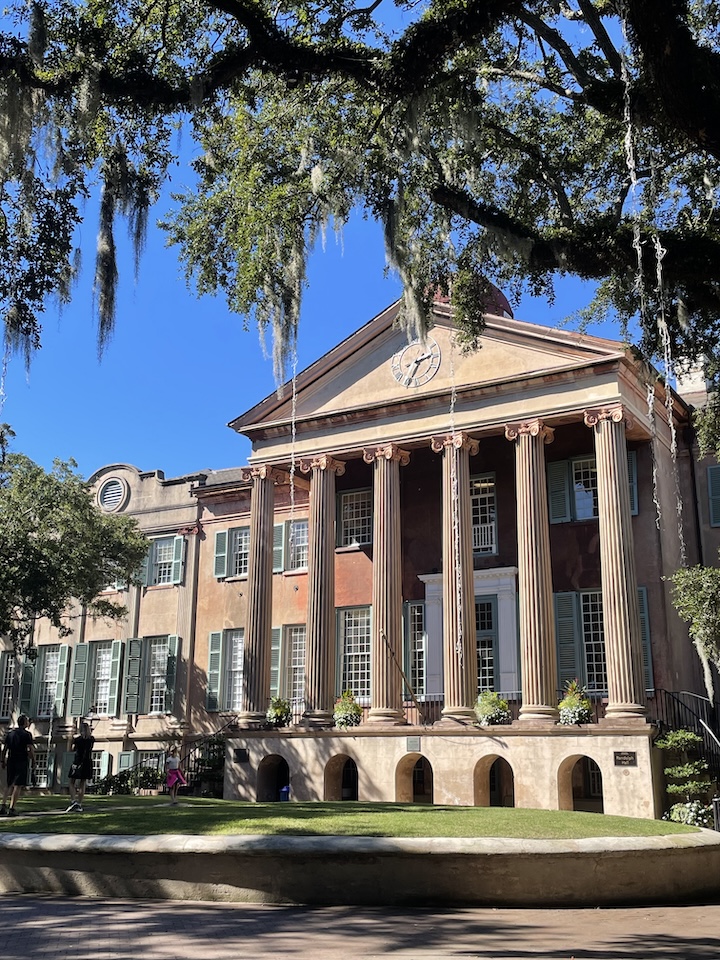
The Mace Brown Museum of Natural History at the College of Charleston houses one of the world’s largest collections of Oligocene fossils. Its exhibits feature ancient whales, giant sharks, marine reptiles, and prehistoric sea life that once inhabited South Carolina. Many of the fossils were discovered throughout the Lowcountry by local paleontologists and volunteers. Admission is free, making it one of Charleston’s hidden educational treasures.
7. Charleston Was Once Completely Surrounded by Defensive Walls
The city earned its name from King Charles II, and for much of its early history it was known as Charles Town. Massive walls and fortifications protected the settlement from pirates and foreign attacks. Portions of the original defensive system can still be traced through archaeological discoveries and historical maps. These fortifications helped Charleston become one of Britain’s most secure colonial ports in North America.
8. America’s First Golf Club Was Founded Here
The South Carolina Golf Club, established in 1786, is widely recognized as the first organized golf club in the United States. Scottish merchants living in Charleston introduced the game to the city decades before golf became popular elsewhere in America. Although the original club eventually disappeared, its legacy helped establish Charleston as the birthplace of American golf. Today, the region is home to dozens of nationally ranked public and private golf courses.
9. The First Shots of the Civil War Happened in Charleston Harbor
On April 12, 1861, Confederate forces fired on Fort Sumter, marking the beginning of the American Civil War. The battle lasted 34 hours before Union forces surrendered the fort. Today, visitors can reach Fort Sumter only by boat, making the journey part of the historical experience. Rangers provide detailed accounts of the events that forever changed American history and shaped Charleston’s future.
10. Rainbow Row Wasn’t Always Colorful
Today it’s one of Charleston’s most photographed landmarks, but the famous homes were painted in bright pastel colors during the 1930s restoration movement to revive the neighborhood. Before that restoration, many of the buildings had fallen into disrepair after the Civil War. The vibrant colors are now believed to reflect influences from Caribbean architecture and Charleston’s long maritime history. Rainbow Row has become one of the most recognizable streets in the South and appears on countless postcards, travel guides, and social media feeds.
11. Bill Murray Is Practically a Local
Actor and comedian Bill Murray owns a home in the Charleston area and has become something of a local legend. Unlike many celebrities, he’s known for blending into everyday life, often appearing unannounced at local restaurants, bars, and community events. He’s also a co-owner of the Charleston RiverDogs minor league baseball team and is frequently spotted entertaining fans at games. His spontaneous interactions—including serving drinks, singing karaoke, or taking photos with visitors—have only added to his reputation as Charleston’s most approachable celebrity.
12. Darius Rucker Still Calls Charleston Home
Grammy-winning musician Darius Rucker was born and raised in Charleston and proudly represents the city wherever he performs. Long before launching a successful country music career, he gained international fame as the lead singer of Hootie & the Blowfish. Rucker continues to support local charities, educational initiatives, and community organizations throughout the Lowcountry. His annual concerts and philanthropic efforts have helped raise millions of dollars for children’s hospitals and other South Carolina nonprofits.
13. Charleston Has America’s Only Commercial Tea Garden
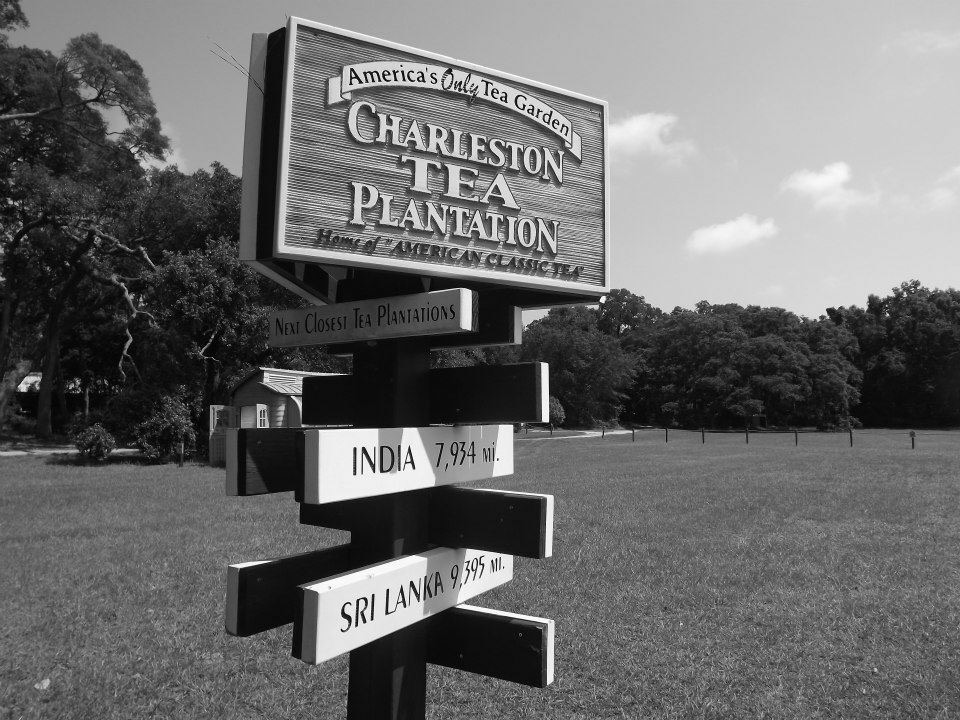
Nestled on picturesque Wadmalaw Island, the Charleston Tea Garden is the only large-scale commercial tea farm in North America. More than 300 acres of tea plants produce varieties enjoyed across the United States, giving visitors a rare glimpse into American tea production. Guests can tour the fields aboard a trolley, watch tea being processed in the factory, and sample freshly brewed tea. The attraction has become one of the region’s most unique day trips, combining agriculture, history, and scenic Lowcountry landscapes.
14. Angel Oak Is Older Than the United States
The magnificent Angel Oak on Johns Island is estimated to be between 400 and 500 years old, making it one of the oldest living oak trees east of the Mississippi River. Its sprawling canopy shades more than 17,000 square feet, while some of its massive limbs stretch nearly 200 feet from the trunk. The tree has survived centuries of hurricanes, wars, and development, becoming a powerful symbol of resilience. Visitors often describe standing beneath its enormous branches as one of the most unforgettable experiences in the Charleston area.
15. America’s First Purpose-Built Theater Was Here
Charleston’s Dock Street Theatre traces its origins to 1736, making it the site of America’s first building constructed specifically for theatrical performances. Although the original structure was destroyed by fire, today’s beautifully restored theater stands on the same historic location. It continues to host professional productions, concerts, and cultural performances throughout the year. Walking inside the theater offers visitors a chance to experience nearly three centuries of Charleston’s performing arts heritage.
16. Hidden Alleyways Tell Colonial Stories
Downtown Charleston is filled with narrow alleyways that many visitors overlook while exploring the city’s main streets. Passageways such as Philadelphia Alley, Longitude Lane, and Unity Alley were once bustling shortcuts for merchants, horse-drawn carriages, and dockworkers. Philadelphia Alley is especially famous for its history of duels during the 18th and 19th centuries, earning the nickname “Dueler’s Alley.” Today, these quiet lanes provide a fascinating glimpse into Charleston’s colonial past while offering some of downtown’s best hidden photo opportunities.
17. Pirates Once Terrorized Charleston Harbor
Long before Charleston became a popular tourist destination, pirates regularly sailed the waters surrounding the city. Notorious figures such as Blackbeard and the “Gentleman Pirate,” Stede Bonnet, operated along the Carolina coast, attacking merchant ships carrying valuable cargo. Charleston played a significant role in anti-piracy campaigns, helping the British Crown eliminate many pirate strongholds. Pirate legends, hidden treasure stories, and maritime folklore remain woven into the city’s history and continue to inspire ghost tours and local storytelling.
18. Charleston Has Its Own Distinct Accent
The traditional Charleston accent is unlike any other in the South, blending influences from England, France, the Caribbean, West Africa, and the American South. Historians believe the city’s status as one of the nation’s busiest ports created a unique linguistic mix over several centuries. Although fewer lifelong residents still speak with the classic Charleston accent today, it can occasionally be heard among older generations. Linguists consider it one of America’s most distinctive regional dialects and an important part of the city’s cultural identity.
19. Magnolia Cemetery Is Both Historic and Beautiful
Founded in 1850 along the banks of the Ashley River, Magnolia Cemetery is one of Charleston’s most picturesque and historically significant landmarks. The cemetery serves as the final resting place for Confederate soldiers, politicians, prominent families, artists, and community leaders who helped shape South Carolina’s history. Moss-draped live oaks, peaceful ponds, and Victorian-era monuments make it feel more like a botanical garden than a traditional cemetery. It’s also one of the best places in Charleston to spot wildlife, including herons, egrets, and even alligators.
20. Charleston Has Hidden Tunnels Beneath Downtown
For generations, stories have circulated about secret tunnels running beneath parts of downtown Charleston. While historians have confirmed that some underground passages existed beneath older commercial buildings and waterfront warehouses, many of the more dramatic tales remain part local folklore. Some tunnels were believed to transport goods between businesses, while others may have served practical purposes related to drainage or storage. Whether fact or legend, the mystery surrounding Charleston’s underground world continues to captivate historians, ghost tour guides, and curious visitors alike.

21. She Crab Soup Was Born in Charleston
Creamy, rich, and unmistakably Lowcountry, She Crab Soup is one of Charleston’s signature dishes. Local legend credits its creation to the early 1900s when Charleston’s African American butlers and chefs were asked to elevate traditional crab soup for President William Howard Taft during a visit to the city. By adding the bright orange roe (eggs) of female blue crabs and a splash of sherry, they created the luxurious version that remains a staple on menus throughout the region. Today, many Charleston restaurants fiercely guard their recipes, and the annual She Crab Soup Cook-Off celebrates one of the city’s most beloved culinary traditions.
22. Charleston City Market Has Welcomed Visitors for More Than 200 Years
Stretching four city blocks through the heart of downtown, Charleston City Market is one of the oldest continuously operating public markets in the United States. Originally established in the early 1800s as a place where local farmers, fishermen, and merchants sold fresh goods, it has evolved into one of Charleston’s most recognizable attractions. Today, visitors can browse handcrafted artwork, jewelry, locally made foods, and the famous sweetgrass baskets woven by Gullah artisans using techniques passed down through generations. Welcoming millions of visitors each year, the market offers a vibrant blend of history, culture, and shopping that reflects the spirit of the Lowcountry.
23. Charleston Is Known as “The Holy City”
Few American cities have as many church steeples defining their skyline as Charleston, earning it the nickname “The Holy City.” Throughout its history, Charleston became known for its remarkable level of religious tolerance, attracting Anglicans, Huguenots, Presbyterians, Baptists, Catholics, Methodists, Jews, and many other faith communities. The city’s skyline is still dominated by historic churches, many dating back to the 1700s and 1800s, creating one of the most recognizable architectural landscapes in the South. Every spring and fall, tours of these sacred spaces allow visitors to admire stunning stained glass, historic cemeteries, and centuries-old craftsmanship.
24. The Morris Island Lighthouse Once Stood on Dry Land
One of South Carolina’s most iconic landmarks, the Morris Island Lighthouse was completed in 1876 to guide ships safely into Charleston Harbor. When it was first constructed, the lighthouse stood hundreds of feet inland, surrounded by homes and military installations on Morris Island. Decades of hurricanes, erosion, and changing tides gradually claimed the shoreline, leaving the lighthouse standing alone in the Atlantic Ocean approximately 1,300 feet offshore. Although visitors can no longer enter the lighthouse, it remains one of the most photographed locations in the Charleston area, especially at sunrise and sunset from nearby Folly Beach.
25. Charleston Is One of America’s Best Places to Find Shark Teeth
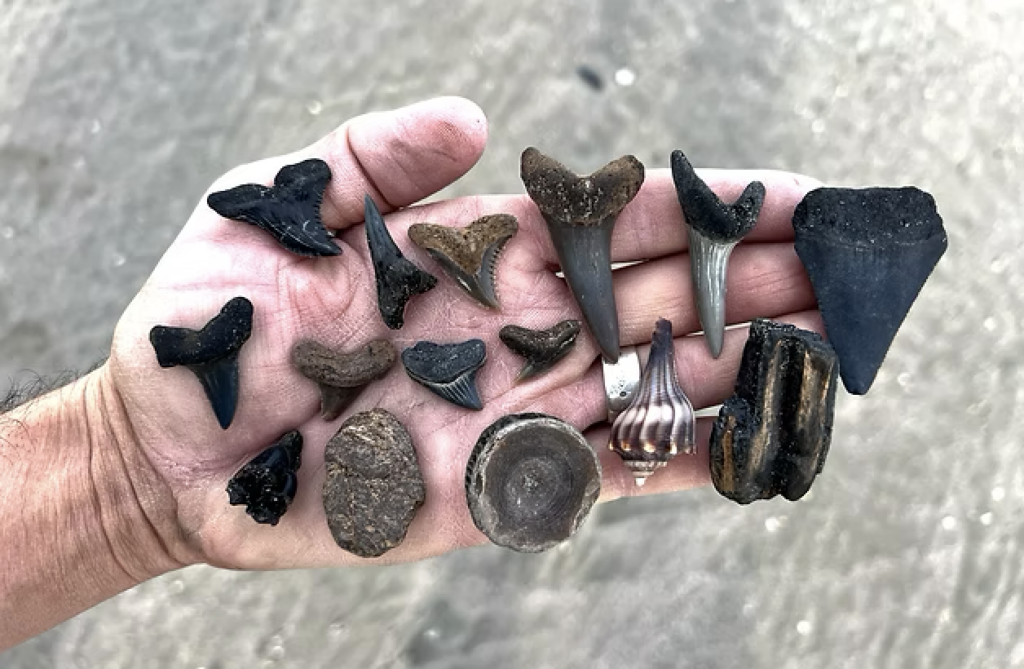
Millions of years before Charleston existed, much of the Lowcountry lay beneath a warm prehistoric sea teeming with giant sharks, whales, and marine life. As ocean currents and tides continue to reshape the coastline, fossilized shark teeth, whale bones, stingray plates, and ancient shells regularly wash onto area beaches and riverbanks. Beaches along Folly Beach, Morris Island, and Edisto Island are especially popular with fossil hunters searching for teeth from the massive Megalodon shark, which lived millions of years ago. It’s one of the few places in the country where an ordinary beach walk can turn into a genuine prehistoric treasure hunt.
Charleston: A City Full of Surprises
Charleston’s beauty is undeniable, but its true magic lies in the stories hidden behind every cobblestone street, church steeple, waterfront view, and centuries-old oak tree. From being home to America’s first museum and first golf club to producing legendary chefs, musicians, and preserving one of the nation’s richest collections of history, the Holy City continues to surprise even lifelong residents.
Whether you’re visiting for a weekend or have called the Lowcountry home for decades, Charleston rewards curiosity. The deeper you explore its neighborhoods, waterways, historic landmarks, and local traditions, the more you’ll discover that there is always another remarkable story waiting just around the corner.
Stay connected and subscribe to Charleston Daily.
