 by
by 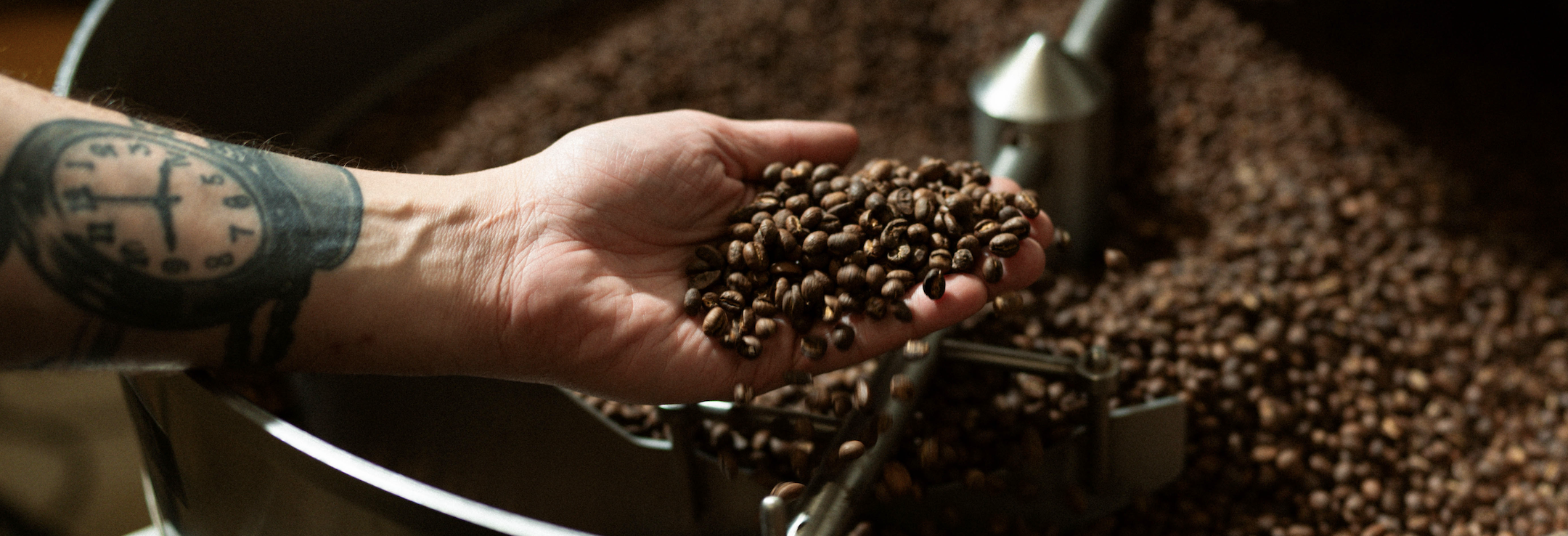
By Mark A. Leon
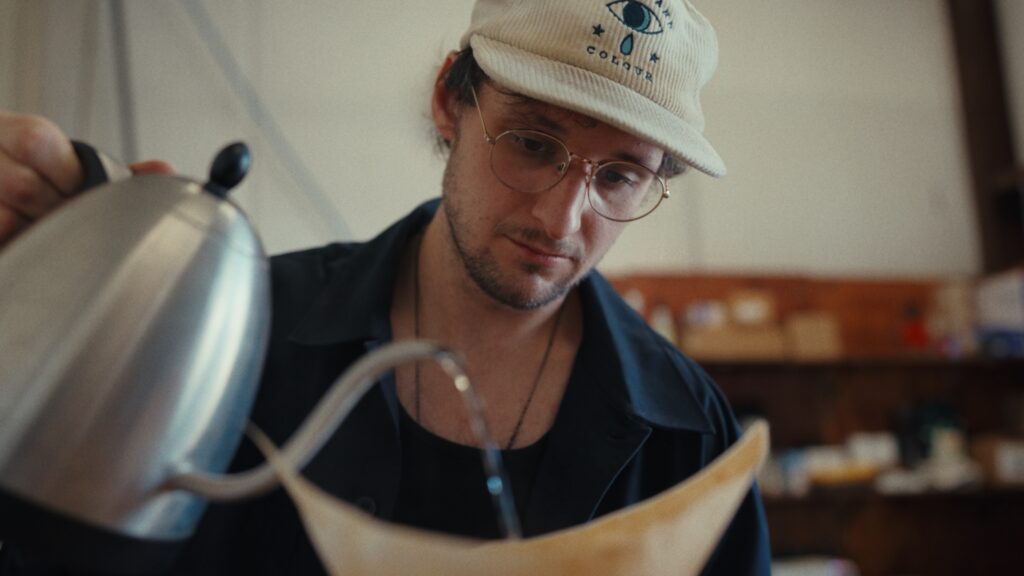
Chip Colon, owner and operator of Tuckaway Coffee Roasters in Charleston, South Carolina learned to count time in routines long before he learned to read roast charts.
Growing up in midtown Tulsa and then studying music in Nashville, he traded late-night gigs for early morning espresso shifts, the two lives folded together: a musician’s patience and a roaster’s precision. When he first walked into a Nashville café and was handed a mop and a set list, he stayed. Later in his tenure he was offered the opportunity to manage the cafe at the young age of 23. Fearful but ambitious Chip accepted the adventure. “I could either learn how to run a business and fail miserably,” he told himself, “Or I could learn it and know how not to run it.” He chose the learning, and the learning became everything.
At that café he managed, the back-and-forth of staff, the demands of customers, and the quiet discipline of tamping and steaming taught him the practical side of hospitality. Between shifts he found himself drawn to the roastery next door and began a journey of cross training and developing his trade to harness what is now Tuckaway Coffee Roasters.
“There’s a structure, and then you can put your own stuff into it,” he would say, and that philosophy became the backbone of his coffee.
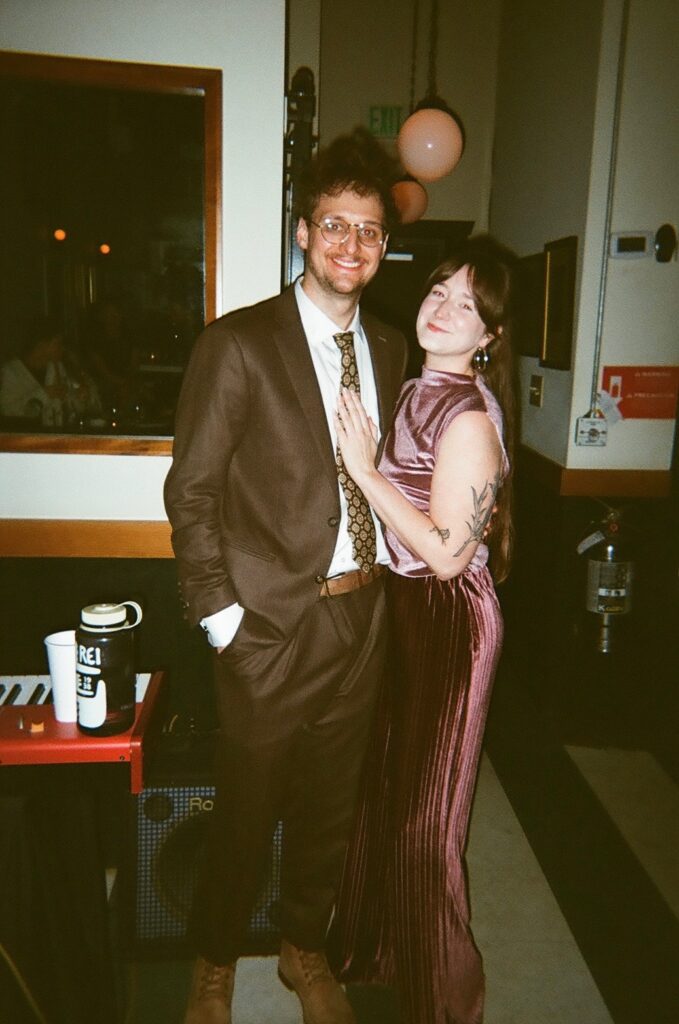
Chip met his wife Mary while visiting another local coffee shop. He was reading, she was his server and they hit it off. A true For the Love of Coffee Moment. Later into their courtship, Chip’s café was able to bring Mary on as Director of Hospitality.
The move to Charleston a few years later felt like an opening rather than an escape. “Our motivation to move to Charleston in 23’ was to slow down our pace of life, live somewhere beautiful and near the ocean, and to reset from the tunnel vision that keeping a restaurant afloat can generate”.
A job posting for Babas — a place with a quietly refined atmosphere and thoughtful late service — snagged his curiosity. He found a house, a new community, and steady work and play music (both solo and with Mary). Chip and his wife mainly perform jazz piano sets with a few lyrical standards blended into the mix.
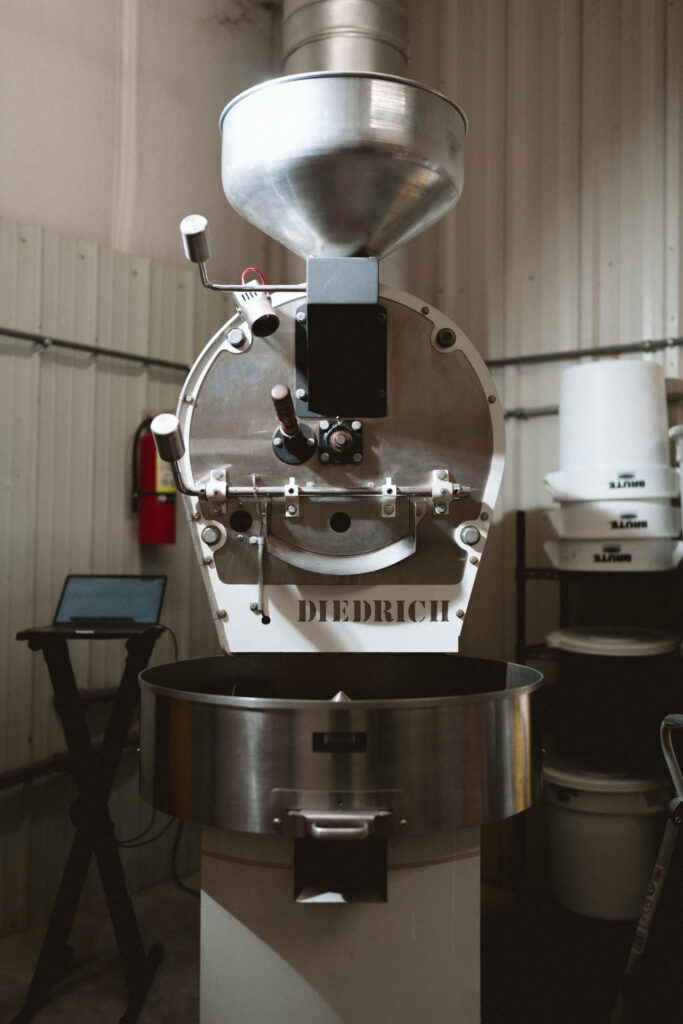
Finding a roastery felt like finding a key to Chip’s evolution. Through a local network, a café/roaster closing out of state and fortunate timing — a half-empty hanger-like space and the generosity of a property owner — Chip moved roasters into a 300-square-foot room. He learned to read beans the way a craftsman reads grain: the surface gives cues, but heat and time reveal the character.
His method favored slightly longer climbs in temperature, coaxing milk-chocolate notes into deeper, raisin-sweet finishes. “It’ll pull notes that are like milk chocolate into dark chocolate,” he explained. He wanted a coffee that felt like a welcoming neighborhood drink: approachable, familiar, and carefully made.
Tuckaway Coffee Roasters— named for a tucked-away street from his college years and for a small series of songwriter sessions he once hosted — became his brand and his promise. The name implied intimacy, the kind of place where people linger and stories are exchanged over a second cup.
At Babas he kept occasional evenings of live music on the calendar, not as a central pursuit but as a complement to the coffee: the right ambiance can make a roast taste more honest. The café scene and the roastery fed one another; a new blend was a new arrangement, and a quiet night could highlight a subtle acidity or a smooth texture.
Charleston itself shaped the way he worked. The city moved at a human tempo, its mornings threaded with local workers and neighbors who knew each other by face. Chip found the market collaborative rather than cutthroat; he welcomed partnerships and small, tailored projects over mass sales. “I want to appeal to as many people as possible,” he said once, meaning his blends should be inclusive rather than niche. His offerings — a house blend, single-origin Costa Rica and Guatemala, and a Peaberry Tanzania — were invitations rather than manifestos.
The house blend is built for balance: syrupy chocolate body with a bright but gentle acidity that works equally well black or with milk. The Costa Rica highlights clean citrus and caramel notes for filter or pour-over, while the Guatemala leans into honeyed sweetness and nutty depth; the Tanzania Peaberry is a lively, fruit-forward espresso choice with cranberry and dark chocolate edges.
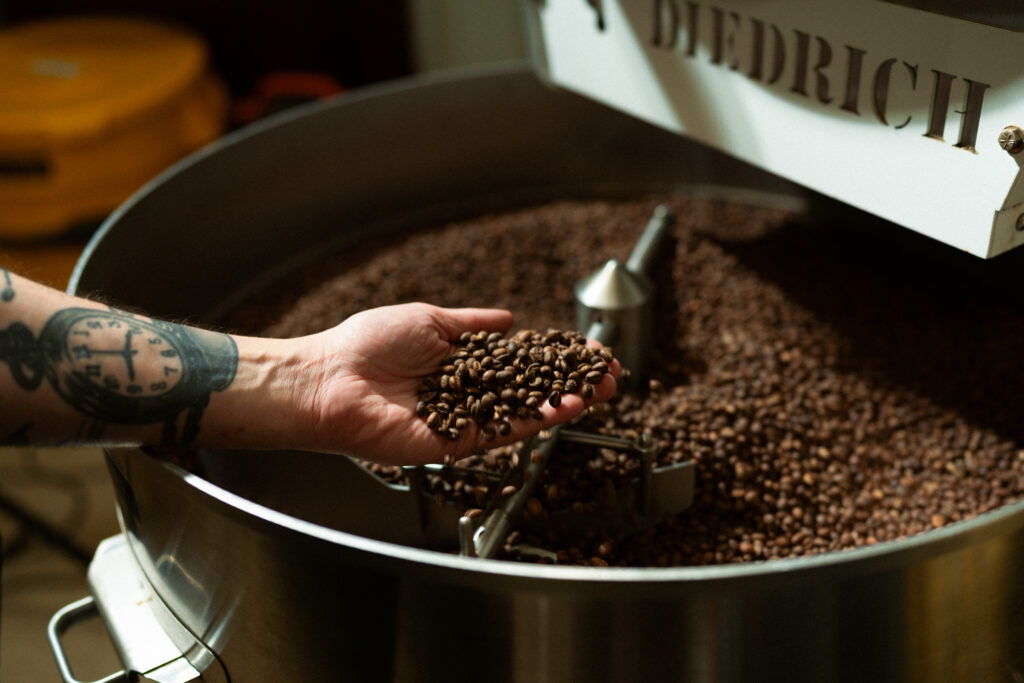
He kept one image steady: the roastery at dawn, the drum of the roaster, the smell of a first crack like a breath in the room. He loved the small satisfactions — a customer saying they can drink his coffee black for the first time, a café owner asking for a custom roast that fits their vibe. “The best compliment I can get is I usually drink this with cream and sugar, but here — I don’t,” he recalled, and smiled. He preferred working with local cafés like Babas and independent shops that wanted a coffee tied to their space and story, rather than chasing large accounts.
For Chip, Tuckaway was not about scaling fast or chasing headlines. It was about craft and service and a pace that allowed both quality and life. “I want to do the roasting in the mornings and pick up gigs here and there,” he said, framing a modest plan that kept his days varied. In
Charleston that plan fits: mornings pulling roast profiles, afternoons checking orders and meeting with local partners, evenings sometimes lending a quiet set to a small room. The rhythm is steady, small-scale, and true — a business shaped by care, community, and a clear sense of what matters.
Follow Chip’s journey on Instagram.
Photo Credit: Luke and Rachel Rae Garmon, Jake Griner and Chip Colon
- Related: Meet Robert Huffman, Owner and Operator of Camino Caffeino
- 5 Standout Coffee Shops in North Charleston, SC
- Related: 6 Pet Friendly Coffee Shops in Charleston, SC
Stay connected and subscribe to Charleston Daily.

One thought on “Neighborhood Roast: Building Tuckaway Coffee Roasters in Charleston, South Carolina”