 by
by 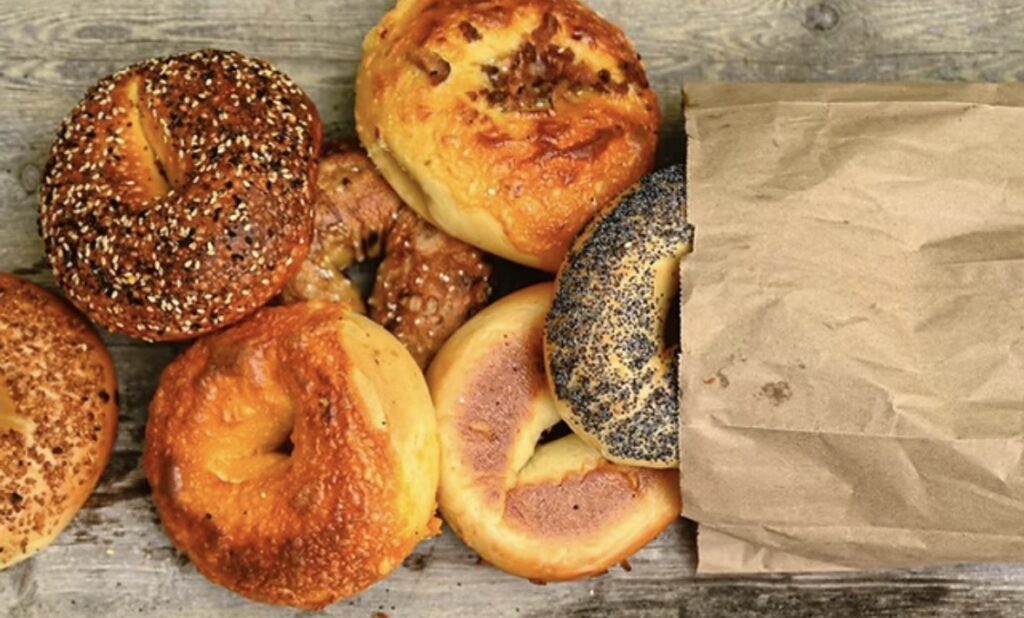
By Mark A Leon
There was a time when Charleston’s culinary identity felt as unmistakable as its architecture.
You could taste the Lowcountry in a bowl of shrimp and grits, a plate of she-crab soup, a basket of fried seafood or a serving of red rice. Charleston cooking was shaped by geography, history, agriculture and the generations of people who called this place home. It wasn’t simply food. It was a sense of place.
But something is changing.
Walk around Charleston today and you’ll find Detroit-style pizza, New York-style bagels, New York-style pizza, Texas-style steaks and restaurants built around culinary traditions imported from cities and regions thousands of miles away. None of these foods are inherently bad—in fact, many are excellent. Charleston has always welcomed outside influences.
The question is whether we are becoming so focused on what’s popular elsewhere that we are slowly losing sight of what makes Charleston different.
Part of this shift is understandable. Charleston is no longer the relatively sleepy Southern city it once was. It is a national destination, a booming tourist market and a magnet for people moving here from across the country. New residents bring their tastes with them, and restaurant owners are responding.
That is business.
If people from New York want the bagels they grew up eating, there is an opportunity. If diners want a Detroit-style square of crispy-edged pizza or a Texas-sized steak, someone will eventually provide it.
But there is a larger cultural question hiding beneath the menu.
When every growing American city begins offering the same culinary trends—smash burgers, Detroit pizza, New York bagels, Nashville hot chicken, Texas barbecue and steakhouses—what separates one city from another?
Charleston cannot afford to become interchangeable.
The irony is that Charleston has an extraordinary culinary history from which to draw. The Lowcountry has one of the most distinctive food cultures in America, influenced by Indigenous traditions, West African heritage, European settlers, enslaved cooks, coastal agriculture and generations of Southern home cooking.
There is an enormous difference between simply serving Southern food and pushing Lowcountry cuisine forward.
Charleston doesn’t need to reject New York pizza. It doesn’t need to banish Detroit-style pizza or pretend a good bagel isn’t worth eating. A great food city should welcome experimentation. Culinary cross-pollination is part of what makes restaurants exciting.
But perhaps the goal should be more than giving Charleston residents everything they can get somewhere else.
Maybe the next generation of Charleston restaurants should ask a different question:
What can we create here that someone cannot experience anywhere else?
Imagine Charleston chefs taking the techniques of New York, Detroit or Texas and filtering them through the Lowcountry. Imagine a culinary evolution that respects tradition without being trapped by it.
That is how food cultures survive. They evolve.
Charleston’s culinary identity doesn’t have to disappear because the city is changing. But it does require people willing to protect, reinvent and celebrate the flavors that made this place special in the first place.
Because Charleston can be a city where you find a great New York bagel.
It can also be a city where, after one bite, you know exactly where you are.
And that distinction matters.
Stay connected and subscribe to Charleston Daily.

So, a she-crab bagel?