 by
By Mark A Leon | Charleston Daily
From neighborhood restaurants and historic Southern institutions to rooftop nightlife and nationally recognized dining destinations, a new generation of hospitality groups is reshaping Charleston’s restaurant industry. But what does that mean for independent restaurants, local identity and the future of the city’s dining scene?
By Mark A. Leon | Charleston Daily
Charleston has always taken its food seriously. From generations-old family restaurants and neighborhood seafood establishments to award-winning chefs, innovative newcomers and nationally recognized dining destinations, the city’s culinary identity is deeply woven into its culture.
But something significant has happened over the past decade.
Charleston’s restaurant scene is no longer defined exclusively by individual restaurateurs opening a single neighborhood restaurant and building a following. Increasingly, some of the most recognizable names in local dining are part of larger hospitality organizations operating multiple restaurants, bars, entertainment venues, event spaces and, in some cases, hotels.
These hospitality groups have become powerful forces in the Charleston market. They influence where visitors dine, where locals gather, where people celebrate special occasions and, increasingly, what Charleston’s restaurant experience looks like to the outside world.
Their growth raises an interesting question: Is Charleston becoming a city of restaurant brands, or are these groups helping elevate an already exceptional culinary destination?
The answer is probably a little of both.
The Rise of Charleston’s Hospitality Groups
The growth of restaurant groups is not unique to Charleston. Across the country, restaurant operators have recognized the advantages of building multiple concepts under one organizational umbrella.
Shared management, marketing, purchasing, recruiting, training and event operations can create efficiencies that are difficult for independent restaurants to achieve.
In Charleston, however, the growth has been particularly visible because of the city’s combination of tourism, affluent visitors, a growing residential population, an active nightlife economy and an internationally recognized food culture.
Several hospitality groups have emerged as influential players, each bringing a different philosophy and business model to the market.
1. Uptown Hospitality: Changing the Face of Charleston Nightlife
Few groups have made a more visible impact on Charleston’s modern nightlife than Uptown Hospitality.
Beginning with Uptown Social in 2018, the organization recognized an opportunity to bring a more energetic, big-city nightlife experience to downtown Charleston. The concept combined food, drinks, sports, music and rooftop entertainment in a way that appealed to both locals and visitors.
The portfolio expanded to include Share House, Bodega, By The Way and other concepts and event offerings.
Uptown’s success demonstrates that Charleston’s restaurant industry is no longer just about the food. Atmosphere, social experiences, entertainment and the ability to turn a restaurant into a destination have become equally important.
The group has also demonstrated how effective branding and social media can be in building a recognizable hospitality identity.
The bigger impact: Uptown has helped redefine the Upper King Street nightlife experience and attract a demographic looking for more than a traditional dinner reservation.
Website: https://www.uptownhospitality.com/
2. The Indigo Road Hospitality Group: Taking Charleston Hospitality National
Perhaps no organization better represents the evolution of Charleston hospitality into a regional and national business than The Indigo Road Hospitality Group.
Founded by Steve Palmer, the Charleston-based company has developed an extensive portfolio of restaurants, bars, boutique hotels and event venues throughout the Southeast and beyond.
Its Charleston-area concepts include Oak Steakhouse, O-Ku, Indaco, The Cocktail Club, Brasserie La Banque, The Kingstide, Edmund’s Original, Mercantile & Mash, Post House and others.
The group’s influence extends beyond the Lowcountry. Several of its restaurant brands have expanded into other markets, introducing Charleston-developed hospitality concepts to diners throughout the country.
One particularly interesting development was the 2025 addition of Edmund’s Oast restaurant to the Indigo Road organization. The move illustrated another emerging trend: established independent restaurants partnering with larger hospitality organizations to gain operational support while preserving their identity. Edmund’s Oast Brewing Company remained independent.
The bigger impact: Indigo Road has helped put Charleston on the map as a place that doesn’t simply attract talented chefs and restaurateurs but produces hospitality concepts capable of succeeding nationally.
Website: https://www.theindigoroad.com/
3. Halls Hospitality: Southern Hospitality as a Business Model
The Hall family has built something particularly recognizable in the Charleston market.
Halls Chophouse opened in downtown Charleston in 2009, establishing a reputation for premium steaks, an extensive wine program and an exceptionally personal approach to customer service.
But the family did not stop with one successful restaurant.
Hall Management Group operates Halls Chophouse locations in Charleston, Greenville, Columbia, Nexton and Nashville, along with several other established Lowcountry dining destinations.
Its portfolio includes High Cotton, Slightly North of Broad (SNOB), Rita’s Seaside Grille and Halls Signature Events.
What makes this group particularly interesting is its ability to maintain different restaurant identities while operating under a shared hospitality philosophy.
A night at Halls Chophouse is a very different experience from a casual meal at Rita’s Seaside Grille or a dinner at SNOB. Yet the emphasis on service and hospitality connects the brands.
The bigger impact: Halls has helped establish a recognizable standard for upscale Southern hospitality while demonstrating that a Charleston-born restaurant brand can successfully expand beyond the peninsula.
Website: https://www.hallsmanagementgroup.com/
4. Neighborhood Dining Group: Protecting Charleston’s Culinary Reputation
While the name is sometimes shortened to Neighborhood Hospitality, its official name is Neighborhood Dining Group.
Founded by David Howard, the organization has played an important role in Charleston’s evolution as a serious culinary destination.
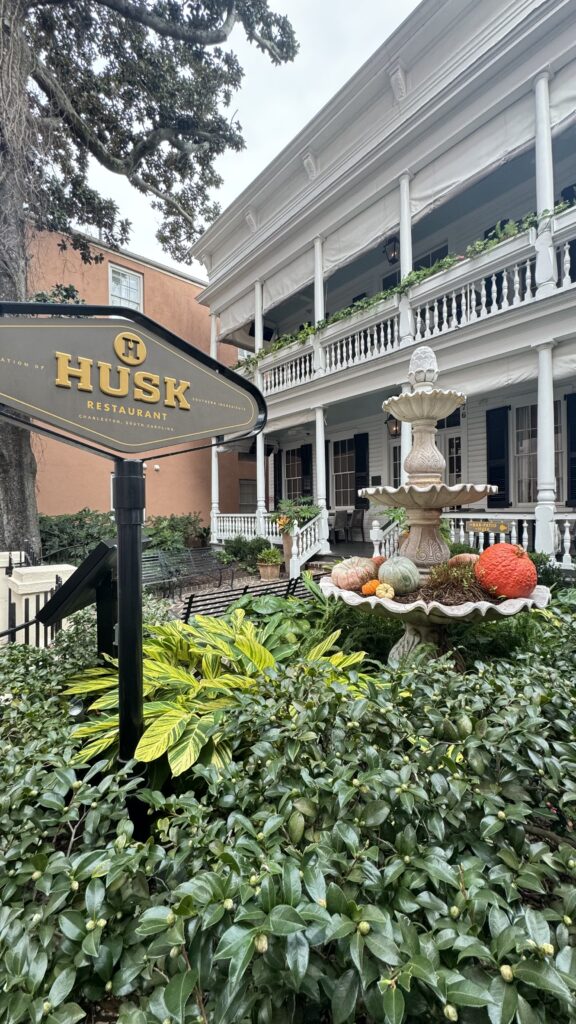
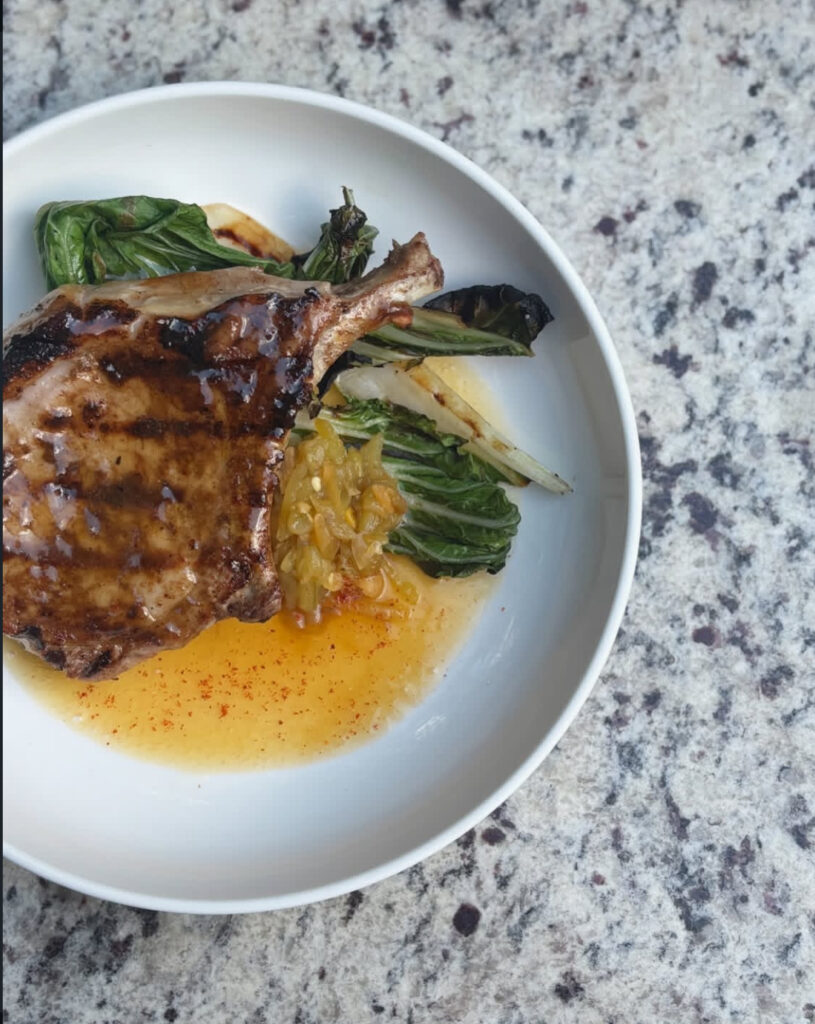
Its portfolio includes Husk, Marbled & Fin, Delaney Oyster House, Minero, Cheeky and The James American Grill.
Husk, in particular, became an important part of Charleston’s national culinary identity by emphasizing regional ingredients, Southern food traditions and relationships with local farmers and producers.
The group’s approach is interesting because it demonstrates that expansion does not necessarily mean abandoning culinary identity.
Each restaurant has its own personality, menu and audience. At the same time, the organization provides the infrastructure, leadership and resources necessary to operate multiple restaurants.
The bigger impact: Neighborhood Dining Group has helped reinforce Charleston’s reputation as a serious food city, where culinary creativity, regional ingredients and Southern traditions can coexist.
Website: https://neighborhooddininggroup.com/
5. Charleston Hospitality Group: Building a Portfolio for Every Occasion
Charleston Hospitality Group, founded in 2005 and led by CEO Sam Mustafa, has taken a diversified approach to the local restaurant and entertainment market.
Rather than concentrating on one particular dining demographic, the company has developed a collection of concepts that appeal to different audiences.
Its brands include Eli’s Table, Toast! All Day, John King Grill and Dueling Piano Bar, HonkyTonk Saloon, Toasted Crust, Queology and Cachita’s Kitchen, among other concepts.
The strategy is straightforward: offer something for just about everyone.
Visitors looking for brunch, families seeking a casual meal, tourists interested in Southern cuisine and groups looking for an evening of entertainment can all find something within the company’s portfolio.
The organization has also expanded beyond Charleston, including locations in Savannah, and has developed franchising opportunities for Toast! All Day.
The bigger impact: Charleston Hospitality Group demonstrates the commercial opportunities available when restaurant operators build recognizable brands that can serve different markets and dining occasions.
Website: https://charlestonhospitalitygroup.com/
6. Poogan’s Hospitality Group: Turning a Charleston Institution Into a Hospitality Brand
Some hospitality groups build their identities around contemporary concepts. Others build upon something that already belongs to Charleston.
Poogan’s Hospitality Group falls into the latter category.
Poogan’s Porch opened in 1976 on Queen Street and became one of Charleston’s best-known Southern restaurants. Named after a neighborhood dog that made the restaurant’s porch his home, the establishment developed a following among residents and visitors alike.
Over time, the brand expanded.
Poogan’s Smokehouse opened in 2015, followed by Poogan’s Courtyard, a private event venue. The group subsequently expanded into Nexton in Summerville, where its former Poogan’s Southern Kitchen location has since become another Poogan’s Smokehouse.
In 2026, Poogan’s celebrates 50 years in Charleston.
There is something particularly important about this business model. Rather than abandoning a recognizable historic identity to chase the next restaurant trend, the group has used an established local institution as the foundation for additional hospitality offerings.
The bigger impact: Poogan’s demonstrates how a locally established restaurant can evolve into a larger hospitality operation without losing the story that made it recognizable in the first place.
Website: https://www.pooganshospitality.com/
7. 5th Street Group: Design, Culinary Ambition and Destination Dining
5th Street Group has carved out a distinctive position in Charleston’s upscale dining market.
Headquartered in Charleston, the organization was created in 2012 by Patrick Whalen, Alejandro Torio and Top Chef alum Jamie Lynch.
Its Charleston portfolio includes Church and Union and Tempest, both downtown destinations that combine distinctive architecture, thoughtful interior design and ambitious menus.
Church and Union occupies a historic property on Market Street, while Tempest brings a contemporary approach to coastal seafood.
The company has also expanded into Charlotte and Nashville, demonstrating that its restaurant concepts can travel beyond their original market.
5th Street Group is particularly interesting because its approach places considerable emphasis on the entire dining experience. The setting, design, culinary direction and atmosphere all contribute to the identity of each restaurant.
The bigger impact: 5th Street Group reinforces Charleston’s position as a destination for sophisticated dining experiences while bringing a nationally competitive approach to restaurant design and branding.
Website: https://www.the5thstreetgroup.com/
8. Republic Hospitality: Redefining King Street Dining and Nightlife
Republic Hospitality has become a significant player in Charleston’s restaurant, entertainment and nightlife scene, building a portfolio of distinctive venues along the King Street corridor.
The organization operates six Charleston venues, each with its own personality and target audience: Republic Garden & Lounge, Bourbon N’ Bubbles, MESU, Lamar’s Sporting Club, Zachary’s Daiquiris and On Air.
Its approach is centered on creating destinations that extend beyond traditional dining. From upscale cocktails and dinner to sporting events, live entertainment, celebrations and late-night experiences, Republic Hospitality has developed a portfolio designed to capture multiple segments of Charleston’s social scene.
Republic Garden & Lounge has long been associated with Charleston nightlife, while Bourbon N’ Bubbles brings an upscale lounge atmosphere to King Street. MESU combines Mexican cuisine and sushi, offering a distinctive dining concept. Lamar’s Sporting Club caters to guests seeking a more intimate, sophisticated sports lounge experience. Zachary’s Daiquiris and On Air add additional options to the group’s entertainment and social offerings.
The company also emphasizes private events, group dining and celebrations, creating opportunities to serve corporate gatherings, special occasions and visitors looking for more than a conventional restaurant experience.
With a reported team of more than 200 employees across its venues, Republic Hospitality represents the operational scale that increasingly characterizes Charleston’s hospitality industry.
The bigger impact: Republic Hospitality has helped shape the modern King Street experience by combining restaurants, lounges, nightlife and entertainment under one organizational umbrella. Its portfolio illustrates how hospitality groups can become influential not just in where people eat, but in how an entire downtown district socializes and spends its evenings.
Website: https://republichospitality.com/
What Does the Growth of These Groups Mean for Charleston?
The rise of these organizations is changing the local restaurant industry in several important ways.
1. More Investment and More Sophisticated Operations
Operating a successful restaurant has become increasingly complicated.
Labor costs, insurance, food prices, commercial rents, marketing and regulatory requirements create enormous challenges for independent operators.
Larger hospitality organizations can spread some of these expenses across multiple locations and concepts.
They can also invest in professional management, recruiting, training, technology and marketing departments.
That creates advantages that a single-location restaurant may struggle to match.
2. Charleston Is Becoming a Restaurant Brand Incubator
Charleston is no longer simply a place where national restaurant brands open locations.
It is increasingly a place where restaurant concepts are developed, tested and expanded into other markets.
Indigo Road, Halls Management Group and 5th Street Group are examples of organizations that have taken concepts associated with Charleston and expanded their reach.
This helps strengthen the city’s culinary reputation nationally.
3. More Choices for Residents and Visitors
The growth of hospitality groups has created a broader range of dining and entertainment options.
From brunch and casual dining to steakhouses, sushi, seafood, rooftop bars, live entertainment and private events, the choices are extensive.
For visitors, this makes Charleston an even more attractive destination.
For residents, it provides more opportunities to enjoy the city’s hospitality industry without having to travel far.
4. Career Opportunities and Professional Development
Larger organizations can offer employees opportunities to move between restaurants, develop management skills and build careers within the same company.
A server, chef, bartender or manager may have opportunities to advance without leaving the organization.
That can be an important advantage in an industry historically associated with high employee turnover.
Of course, the quality of those opportunities ultimately depends on each organization’s workplace culture and management practices.

5. Increased Competition for Independent Restaurants
This is where the conversation becomes more complicated.
An independent restaurant is often competing against organizations with greater marketing budgets, established customer databases, purchasing power and professional management teams.
That doesn’t mean independent restaurants cannot succeed. Charleston’s dining identity depends heavily on creative independent operators.
But the competitive landscape is changing.
An independent chef opening a restaurant today may face a very different set of challenges than someone who opened one 20 years ago.
6. The Danger of Losing What Makes Charleston Different
There is another consideration that deserves attention.
Charleston’s restaurant identity was not built exclusively by restaurant groups.
It was built by family-owned establishments, independent chefs, neighborhood restaurants, seafood houses, small businesses and generations of people who understood the importance of hospitality.
The city’s appeal comes partly from its individuality.
If every new restaurant begins to look, feel and operate like a professionally marketed national concept, Charleston risks losing some of the character that makes it special.
The challenge for hospitality groups is to grow without making the city feel increasingly interchangeable with every other major American dining destination.
The Bigger Question: Can Charleston Have Both?
Absolutely.
In fact, Charleston’s restaurant industry is strongest when established hospitality organizations and independent operators complement one another.
The groups discussed here bring investment, employment opportunities, operational expertise, culinary ambition and national visibility.
Independent restaurants bring experimentation, individuality, neighborhood character and the entrepreneurial spirit that keeps a dining scene interesting.
Neither model is inherently better.
The important thing is maintaining an environment where both can thrive.
Charleston should welcome investment and recognize the contributions of its larger hospitality organizations. At the same time, the city should remain committed to protecting the small-business ecosystem that helped establish its culinary reputation.
That means supporting local restaurateurs, encouraging responsible development, maintaining a diverse commercial environment and recognizing that a restaurant’s value to Charleston cannot always be measured by revenue, locations or the number of guests served.
Sometimes it is the small neighborhood restaurant, the family-owned seafood establishment or the independent chef taking a chance on a new idea that makes the biggest difference.
Charleston’s Hospitality Future
The seven organizations highlighted here represent different approaches to building a successful hospitality business.
Some focus on nightlife and entertainment. Others emphasize culinary excellence, Southern traditions, historic identity, upscale dining or multi-market expansion.
Together, they illustrate just how much Charleston’s restaurant industry has evolved.
The city is now home to hospitality organizations with the resources and ambition to compete in major markets across the country.
That is something worth celebrating.
But as Charleston continues to grow, one thing should remain nonnegotiable: the city’s hospitality industry must never lose its sense of place.
Visitors don’t come to Charleston simply to experience another restaurant, another rooftop bar or another beautifully designed dining room.
They come for Charleston.
And the best hospitality groups will be the ones that understand that distinction.
The future of Charleston dining should be bigger, more innovative and more successful, but it should always feel unmistakably Charleston.
Charleston Daily Perspective: The growth of restaurant hospitality groups is an important part of Charleston’s economic and cultural evolution. This editorial recognizes their contributions while raising questions about competition, independent businesses and preserving the character of the Lowcountry.
Explore the Hospitality Groups
- Uptown Hospitality: https://www.uptownhospitality.com/
- The Indigo Road Hospitality Group: https://www.theindigoroad.com/
- Hall Management Group: https://www.hallsmanagementgroup.com/
- Neighborhood Dining Group: https://neighborhooddininggroup.com/
- Charleston Hospitality Group: https://charlestonhospitalitygroup.com/
- Poogan’s Hospitality Group: https://www.pooganshospitality.com/
- 5th Street Group: https://www.the5thstreetgroup.com/
Stay connected and subscribe to Charleston Daily
