106 Coming Street Project: Community Engagement Council to Meet

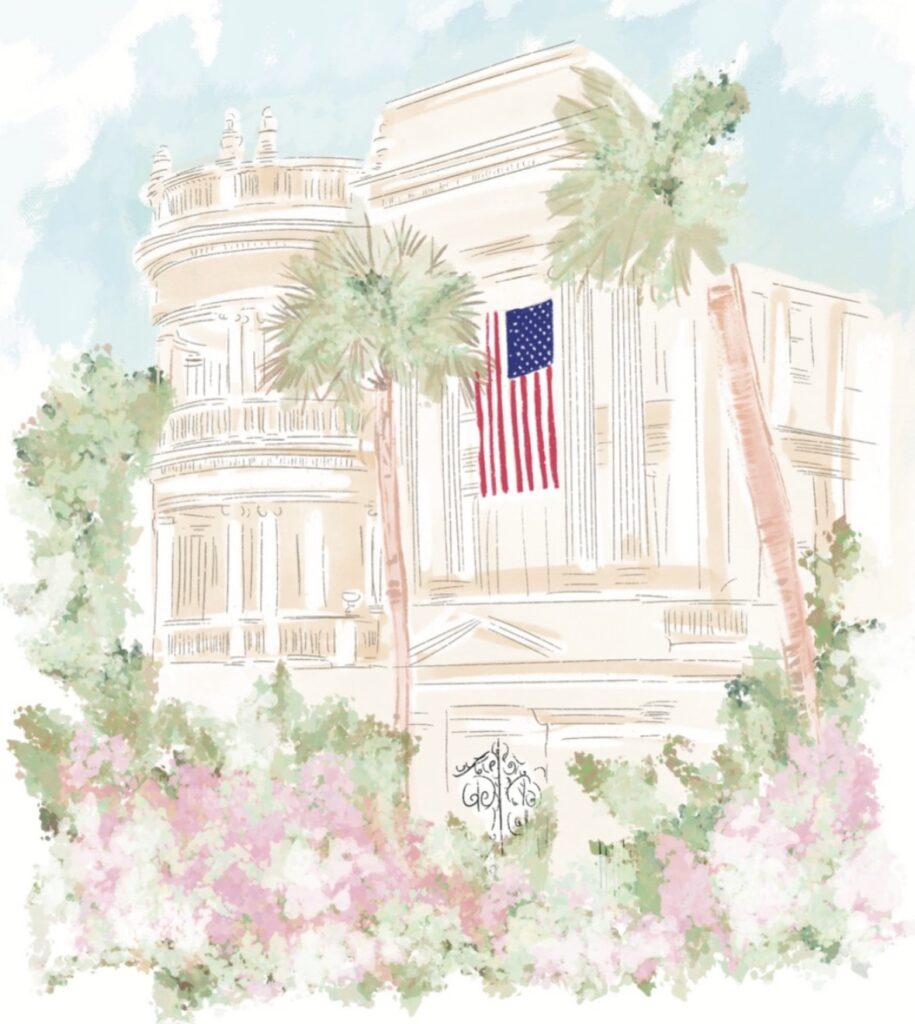
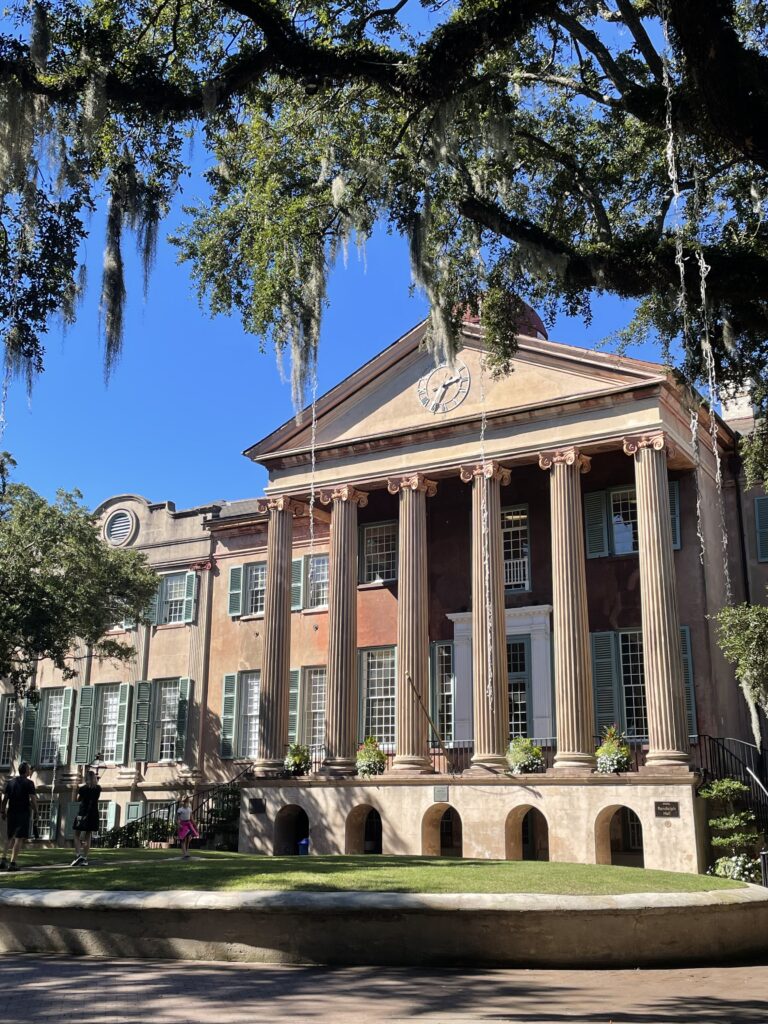
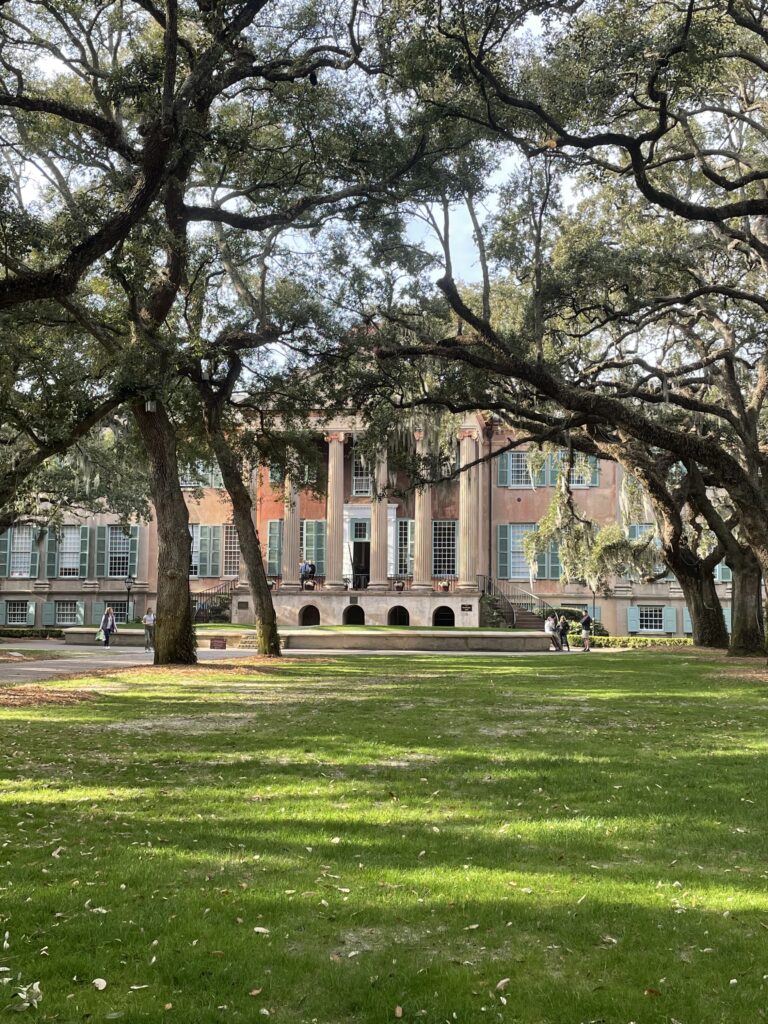
The College of Charleston continues its efforts to partner with a diverse group of community members to help guide the commemoration and development efforts of Coming Street Commons, a planned student residence hall at 106 Coming St. in downtown Charleston. 

The Community Engagement Council (CEC) will reconvene at 6 p.m. on Thursday, Oct. 1, 2026,for further discussion and collaboration. 

The meeting will be held at the Alumni Center, School of Education, 86 Wentworth St., Charleston. (Please enter through the courtyard on St. Philip St.) 

 Virtual Meeting Link

The CEC plays a central role in supporting the College’s efforts in honoring and memorializing both the former potter’s field and the former YWCA, providing insight and feedback on potential events and interpretative approaches to the commemoration efforts associated with this project.  

Those interested in the project can read a list of frequently asked questions and answers on the project website and join the mailing list at the bottom of the Get Involved webpage. 

Following the Oct. 1 meeting, the next CEC meeting is scheduled for Nov. 5, 2026. In addition, the Coming Street Commemorative Gathering is planned for Saturday, Oct. 24 at 10 a.m. Information on meetings and the gathering can be found on the CEC page. 

Founded in 1770, the College of Charleston’s mission is to provide students with a world-class education in the arts and sciences, business and technology, engineering and health sciences. Students have more than 150 majors and minors from which to choose — and they often choose to combine several—and complement their academic courses with overseas study, undergraduate research and internships for a truly customized education.

Nearly 12,000 students choose the college for its unique urban, mid-sized university feel. The College, home to undergraduates from across the country and around the globe, provides a creative and intellectually stimulating environment where students are challenged and guided by a committed and caring faculty of distinguished teacher-scholars. The city of Charleston serves as a living and learning laboratory for student experiences and opportunities for career development. The university bridges the old with the new in a setting that is truly extraordinary — where historic character and forward-looking innovation come together to shape a distinctive and inspiring environment for learning. A College of Charleston education focuses on discovery and personal growth, as well as preparation for life, work, and service to our society.

Stay connected and subscribe to Charleston Daily.

LUNG FORCE Run/Walk Returns to Folly Beach October 17, 2026

The American Lung Association’s LUNG FORCE Run/Walk – Charleston returns to Folly Beach on Saturday, October 17, bringing runners, walkers, survivors, families and supporters together for a morning dedicated to fighting lung cancer and lung disease.

Participants can run, walk, jog or stroll along the beach while celebrating survivors, remembering those lost and supporting people affected by lung disease.

Event Details

Saturday, October 17, 2026
9:00 AM
The Dunes House at Folly Beach County Park
1100 W. Ashley Ave., Folly Beach, SC 29439

Register or Support the Event

Register for the LUNG FORCE Run/Walk⁠

Donate to the Charleston LUNG FORCE Run/Walk⁠

Questions can be directed to Lindsay Bridges at Lindsay.Bridges@lung.org or 843-556-8451.

Run. Walk. Remember. Support.

Event information is provided by the American Lung Association and is subject to change.

Stay connected and subscribe to Charleston Daily.

Southern Screams 2026: Charleston’s Ultimate Haunted House Returns to North Charleston

Southern Screams: MACABRE – September 25 – November 7, 2026

Holy City Brewing | 1021 Aragon Ave., North Charleston

Something dark has arrived in North Charleston.

Southern Screams returns for the 2026 Halloween season with “MACABRE,” an all-new immersive haunted house experience at Holy City Brewing. This year, guests are invited beyond the polished plaques and velvet ropes of Museum Macabreo — a twisted collection where cursed relics, forgotten objects and something far more sinister have been brought together.

The story centers around The Curator, whose latest discovery has awakened something that may have been better left forgotten. As guests make their way through the museum, the exhibits begin to feel less like artifacts and more like living nightmares.

Southern Screams runs on select nights from September 25 through November 7, bringing elaborate sets, theatrical characters, special effects and an immersive walk-through experience to the Park Circle area of North Charleston. The attraction covers more than 4,000 square feet and features winding hallways, rooms and outdoor areas designed to keep guests guessing about what comes next.

THE AWAKENING

Before the haunted house opens each night, the creatures of Southern Screams emerge for The Awakening, a free pre-show ritual where monsters invade the crowd outside the attraction. Guests can take photos, interact with characters and experience the chaos before entering the haunted house.

CHOOSE YOUR LEVEL OF FEAR

General Admission provides entry into the haunted house, with advance online tickets starting at $20.99 on non-peak nights.

For those looking to spend less time waiting and more time screaming, R.I.P. Access includes expedited entry, access to an exclusive lounge with photo opportunities and characters, and a 10% merchandise discount.

The Behind the Screams experience goes even further, adding a guided backstage tour, an opportunity to meet the creators, a Q&A, unlimited re-entry that evening and a commemorative Southern Screams T-shirt.

LIGHTS OUT

On November 6 and 7, Southern Screams turns the lights off.

During Lights Out!, guests navigate the haunted house with nothing but a lantern to guide them through the darkness.

HALLOWEEN FOR THE LITTLE GHOULS

Southern Screams is also offering something new for families this year.

On Halloween night, October 31, from 5–6 p.m., Trick-or-Treat Night will feature a lights-on walkthrough, friendly characters, photo opportunities, treat stops and a reusable Halloween tote bag for each trick-or-treater.

BEFORE YOU GO

Southern Screams is designed as an intense haunted-house experience and is not recommended for children under 13. Guests should expect strobe lights, fog, haze, sudden loud noises, air blasts, darkness and other intense effects. Comfortable clothing and closed-toe shoes are recommended because portions of the experience include outdoor areas, grass and gravel.

The attraction is located at Holy City Brewing in North Charleston’s Park Circle neighborhood, where guests can grab food and drinks while waiting in Southern Screams’ virtual queue.

So gather your bravest friends, leave your fear of the dark at home and step inside the museum.

Just remember: at Southern Screams, the exhibits may be watching you.

📍 Holy City Brewing
1021 Aragon Ave.
North Charleston, SC 29405

🎟️ Tickets: Southern Screams Official Website & Tickets⁠

Stay connected and subscribe to Charleston Daily.

Youth in Action: University of South Carolina’s Anne Frank Center extends influence beyond campus

By Zoe Nicholson, zen@mailbox.sc.edu

When staff from Amsterdam’s Anne Frank House came to Columbia in 2013 to launch an exhibition about the Holocaust at Dent Middle School, then-eighth grader Sam Livoti was recruited to be a tour guide.

She and her fellow docents guided more than 1,000 students through an exhibit about the life and legacy of Anne Frank, a young Jewish girl whose journal documenting her family’s years hiding from Nazis during World War II was published by her father.

Livoti’s experience helping to tell that story set the South Carolinian on a path she’s still on today.

“As a young person, this was one of the first experiences that I had where I felt like my voice mattered,” she says. “I felt empowered because I got to take the lead in front of my peers.”

Livoti now works at the University of South Carolina’s on-campus Anne Frank Center, which is tasked with expanding Holocaust education nationwide — all with the goal of building stronger, more tight-knit communities.

Becoming an Anne Frank educator

While Livoti was as an undergraduate English major at USC, she got an email: The Anne Frank House — created from the dreams of Anne’s father, Otto, to inspire the world to be better — was opening a center on USC’s campus. Would she be interested in volunteering?

“They had found in The State newspaper that I had done this exhibition years ago, and they did the math,” the 2023 USC alumna says, “and the young people from my middle school class should have been in college by then.”

Livoti came on board as a volunteer even before the center opened in 2021.

When she graduated two years later, she took a full-time staff position at the center, which is the only affiliated operation in North America to the Amsterdam-based Anne Frank House.

“I had plans to go to law school, but the work here has had such an impact on me,” Livoti explains. “And now I get the opportunity to give other young people the same empowerment, confidence and leadership skills that were given to me.”

As the center’s education specialist, Livoti manages the on-site museum, but her passion lies in her other role: leading the fast-growing Anne Frank Youth Network, a volunteer organization for people age 16 to 26 to prepare them to lead civic programming in their community — all inspired by Anne Frank’s story.

The Anne Frank Center at USC is the only affiliated center in North America to the Anne Frank House in Amsterdam. It opened in 2021 and has since expanded its progamming to 44 states.

Taking Holocaust education beyond USC’s campus

The network is just one way the center has extended its influence beyond campus. In addition to hosting historians and educational scholars, training K-12 educators and serving thousands of students through tours each year, the center has done programming in 44 states. And more on- and off-campus exhibits are in the pipeline, including an unveiling of the center’s renovated gardens.

It’s all building to 2029. Anne Frank’s 100th birthday.

The Anne Frank House has charged USC’s center with having a presence in all 50 states by the time the centennial rolls around, according to Doyle Stevick, center director.

And while the charge is ambitious, so, too, are the goals of the organization: Through meaningful, peer-led conversations, Anne Frank’s story can help develop tight-knit communities filled with people more willing to stand up for one another and for what is right.

“This history is so powerful and important, we believe it’s a powerful means to achieve those elusive goals, which is, ‘How do we build community?’” Stevick explains. “‘How do we create relationships and understanding between people?’”

Growing a network of young community leaders

As North American coordinator for the Youth Network, Livoti has helped grow the Anne Frank House’s presence in communities across the U.S. She works with young people who — just like she did back in middle school — have worked as student docents for the center’s travelling exhibitions.

Sam Livonia smiles in the museum at USC's Anne Frank Center. Historic images of the Holocaust victim are on the wall behind Sam.
Sam Livoti runs the North American chapter of the Anne Frank Youth Network, which encourages young people to create their own community project aimed at combating discrimination.

The network mirrors the Anne Frank Center’s mission of generating peer-led, civic discussion about hard topics, namely antisemitism and discrimination.

“We bring young people together across the United States where we are collaborating on projects that have a positive impact on the community,” Livoti says. “We are committed to fostering a world that is rooted in tolerance, inclusivity and human rights.”

The youth network exists in 22 countries. Livoti was first exposed to the international community in 2024, when she attended a conference for the group in Amsterdam. That experience was enhanced by a two-month staff exchange the Anne Frank House sponsored, which laid the groundwork to expand the network’s impact across the U.S.

She gathered 20 youths in Chicago this summer — where a replica of the Franks’ hiding place is on display — to discuss the community projects each student conducted, as well as facilitate trainings. The goal is for the students to go back home and train future tour guides and youth network members, creating a ripple effect of civic action.

The projects are aimed at community betterment, as well as encouraging conversations between students — with or without a teacher present. Stevick calls it the “positive side of peer pressure.”  

For example, one student organized an assembly at her school for Holocaust Remembrance Day. Another project involved students facilitating a workshop about refugee protections through the lens of Aristotle’s Golden Mean. 

“We help students recognize that they can help bring the best out in one another,” Stevick says.

Having students lead these projects — just like they lead the center’s tours across the country — takes a lot of training and a lot of staff support, Stevick explains. The center partners with museums and freelancers nationwide to activate students, who then go on to educate their peers.

“It’s a deeper commitment,” he says, “but that’s where the deep learning happens.”

Source: University of South Carolina

Stay connected and subscribe to Charleston Daily.

Charleston Film Festival Returns to the Terrace Theater October 15–18, 2026

After several years away, the Charleston Film Festival is coming back to the Terrace Theater, bringing four days of international cinema, documentaries, classic films, music, special guests and filmmaker conversations to Charleston from October 15–18.

The festival will take place alongside the 13th annual Charleston Jewish Film Festival, creating an expanded celebration of film and storytelling that reaches well beyond the traditional theater experience.

This year’s program promises a little bit of everything—from narrative features and documentaries to classic cinema and early looks at films generating attention during this year’s awards season.

And while the festival is looking around the world for stories, it is also turning its lens toward Charleston.

One of the most anticipated local highlights will be the opening reception, which will feature a screening of “Summerville 1970,” a film made right here in Charleston. Details about the reception are expected to be announced soon.

From Charleston to the World

The 2026 festival lineup crosses borders and genres, with films representing countries including France, Spain, Canada, Pakistan and Germany.

The documentary program is equally eclectic, with subjects ranging from the early career of legendary musician Jimmy Buffett to the acclaimed documentary “Sherman’s March.”

The result is a festival designed not simply around movies, but around the conversations, histories, cultures and communities that movies can bring together.

This year’s festival also marks a particularly collaborative moment for Charleston’s cultural scene.

Organizers are partnering with a growing collection of local arts organizations, theaters and cultural groups, including PURE Theatre, Nuovo Cinema Italiano Film Festival, Alliance Française de Charleston, Charleston’s Absent Friends and Charleston Music Hall.

Those partnerships reflect something Charleston has long understood: its creative community is at its best when the city’s artists, filmmakers, musicians, theaters and cultural organizations share the same stage.

Four Days at the Terrace

For film lovers, the return of the festival means four days to settle into the Terrace Theater and discover something new.

There will be opportunities to see films from around the world, revisit cinematic classics, hear directly from filmmakers and special guests, and get an early look at movies that could become part of the larger awards-season conversation.

But perhaps the most meaningful part of the festival’s return is simply that it is returning.

After several years away, Charleston once again has a dedicated multi-day celebration bringing filmmakers, audiences and the city’s arts community together under one roof.

Whether you’re a serious cinephile, a fan of documentaries, someone who loves discovering international cinema, or simply looking for something different to do in Charleston this fall, the festival offers four days of stories from places both familiar and far away.

And it all begins October 15.

Tickets are now on sale for individual films. Click HERE for tickets

The festival runs October 15–18 at the Terrace Theater, alongside the 13th annual Charleston Jewish Film Festival.

For a city with a long relationship with storytelling, performance and the arts, the return of the Charleston Film Festival feels like another reason to look toward the screen—and see what stories are waiting there.

Stay connected and subscribe to Charleston Daily.

College of Charleston’s Unplug Week Encourages Campus Community to Step Away From Screens and Reconnect

The College of Charleston is hosting its bi-annual Unplug Week  Sept. 28 through Oct. 3., a campus-wide digital wellness initiative designed to give students, faculty and staff intentional opportunities to step away from their screens and reconnect with the people, activities and physical world around them.

Unplug Week will incorporate tech-free and tech-light classes, outdoor and hands-on activities, meditation, cooking classes, game nights, improv and other analog programming across campus. Faculty and staff are also encouraged to hold device-free meetings throughout the week.

“Unplugging isn’t about pretending technology doesn’t have a place in our lives,” said Kelley Cours Anderson, a College of Charleston marketing professor and creator of Unplug Week. “It’s about being more intentional about when we use technology and when we choose not to. We want to give our campus community opportunities to experience what happens when we create space for conversation, creativity, movement and connection without a screen.”

Anderson, who also serves as an advisor for the Global Day of Unplugging, said the lessons from that research extend beyond social media professionals to the broader challenge of establishing boundaries in a culture where being constantly connected has become the norm.

Unplug Week will also bring the conversation about technology and attention to the big screen on Thursday, Oct. 8, when Boston-based filmmaker Sara Robin will visit the College to screen her new documentary, Your Attention Please, followed by a conversation and Q&A with students and attendees. The documentary examines the growing pushback against the attention economy and explores the effects of social media and technology on childhood, mental health and human connection. The screening is co-sponsored by the College’s Civility Initiative and is free and open to the public.

The College’s Unplug Week initiative is part of a broader effort to make digital wellness an ongoing part of campus life rather than a one-time conversation. By encouraging faculty, staff and students to experiment with tech-free and tech-light experiences, the College aims to explore practical ways to build greater intentionality around technology while maintaining the benefits it provides.

For the complete schedule, visit the Unplug Week website. 

Founded in 1770, the College of Charleston’s mission is to provide students with a world-class education in the arts and sciences, business and technology, engineering and health sciences. Students have more than 150 majors and minors from which to choose — and they often choose to combine several—and complement their academic courses with overseas study, undergraduate research and internships for a truly customized education.

Nearly 12,000 students choose the college for its unique urban, mid-sized university feel. The College, home to undergraduates from across the country and around the globe, provides a creative and intellectually stimulating environment where students are challenged and guided by a committed and caring faculty of distinguished teacher-scholars. The city of Charleston serves as a living and learning laboratory for student experiences and opportunities for career development. The university bridges the old with the new in a setting that is truly extraordinary — where historic character and forward-looking innovation come together to shape a distinctive and inspiring environment for learning. A College of Charleston education focuses on discovery and personal growth, as well as preparation for life, work, and service to our society.

Photo Credit: College of Charleston

Stay connected and subscribe to Charleston Daily.

Book Discussion and Signing – “Rebecca Brewton Motte in the American Revolution in South Carolina.” – Charleston, SC – October 15, 2026 – Free Event

New book on Rebecca Brewton Motte reveals undaunted courage of a lost hero of the American Revolution in South Carolina

Charleston, September 23, 2026 –  On Thursday, October 15th at 6:00 pm pm, in the Great Hall of the Old Exchange Building in Charleston, Alexia Jones Helsley will introduce her compelling new book, “Rebecca Brewton Motte in the American Revolution in South Carolina.” Ms. Helsley will comment on the journey she took to complete Ms. Motte’s story during many years of research. 

Ms. Helsley is Senior Instructor and University Archivist at USC Aiken and the author of many historical books, including “Lost Aiken County” and “South Carolinians in the War for American Independence.”  “This book is a dream come true. I have wanted to write about Rebecca since Middle School,” said Ms. Helsley.

Chris Weatherhead, producing director of Actors’ Theater of South Carolina, who has portrayed Ms. Motte for twelve years on stage and film, will introduce Ms. Helsley.  Alexia has given commentary on camera in several award-winning docudrama films for the company, including “John Laurens War,” “Echoes of Glory, Heroes from the American Revolution,” and “Freedom Fighters of Calhoun County,” covering various heroes including Daniel Morgan, Francis Marion, William “Danger”Thomson, John Chavis, Alexander Gillon, and the redoubtable Mrs. Motte.

A book signing and short reception will follow Ms. Helsley’s remarks. The event is open and free to the public. 

Location: Old Exchange & Provost Dungeon Building 

122 East Bay St., Charleston,SC

For more information: www.ActorsTheaterOfSC.Org

Stay connected and subscribe to Charleston Daily.

 Alexia Jones Helsley will discuss the research for her book, 
“Rebecca Brewton Motte in the American Revolution in South Carolina.”

South Carolina Governor McMaster Completes South Carolina’s Opportunity Zone Submission to U.S. Treasury

COLUMBIA, S.C. – Gov. Henry McMaster today announced the completion of South Carolina’s submission of recommended Opportunity Zone census tracts to the U.S. Department of the Treasury. This announcement follows a statewide process led by the South Carolina Department of Commerce to gather input from local governments, economic development organizations, community leaders and the public.


Gov. McMaster submitted South Carolina’s Opportunity Zone nominations to the U.S. Treasury on September 23, 2026. The submission represents the next step in the redesignation of South Carolina’s Opportunity Zones under changes to the federal program enacted through the One Big Beautiful Bill Act (OBBBA).


“South Carolina has seen the value of Opportunity Zones in bringing investment and new opportunities to communities across our state,” said Gov. McMaster. “With the program now permanent, we can build on what has worked, focus on the communities with the greatest opportunities for investment, and continue strengthening South Carolina’s position for future economic development.”


The OBBBA, signed into law on July 4, 2025, made the Opportunity Zone program permanent and established a new redesignation process. Under the updated law, Opportunity Zones will be redesignated every 10 years.


Each governor may nominate up to 25 percent of a state’s eligible census tracts for designation as Opportunity Zones. Beginning July 1, 2026, governors were able to submit their nominations to the U.S. Treasury.


The U.S. Treasury will review South Carolina’s nominations before the new Opportunity Zones take effect on January 1, 2027.


A list of South Carolina’s submitted Opportunity Zone nominations and additional information about the nomination process can be found on the South Carolina Department of Commerce’s Opportunity Zone webpage.


As South Carolina waits for the next Opportunity Zones to take effect, Gov. McMaster is also calling on the General Assembly to prioritize conforming South Carolina’s tax code to the new federal Opportunity Zone provisions established by the OBBBA. 


A copy of the Governor’s letter can be found here. 

Stay connected and subscribe to Charleston Daily.

Okonite expands Orangeburg County operations – $400M and 105 new jobs

$400 million investment will create 105 new jobs

COLUMBIA, S.C. – The Okonite Company (Okonite), a cable and wire manufacturer, today announced it is expanding its operations in Orangeburg County. The company’s $400 million investment will create 105 new jobs.

Founded in 1878, Okonite is one of the oldest insulators of electrical wire and cable in the U.S., supporting a variety of industries including electric utility, oil and gas, railroad, and chemical. The company operates 34 locations nationwide, including two production facilities in Orangeburg County.

Okonite will build a new, approximately 552,000-square-foot manufacturing plant on its existing property, located at 2276 Rowesville Road in Orangeburg, to meet growing demand for the company’s high-voltage electric cable products.

The beginning phases of construction will start in the fourth quarter of 2026, and the project will take approximately two to three years to complete. Individuals interested in joining the Okonite team should visit the company’s careers page.

The Coordinating Council for Economic Development approved job development credits related to the project. The council also awarded a $1.5 million Rural Infrastructure Fund grant to Orangeburg County to assist with the costs of site preparation and building construction.

QUOTES

“We thank the South Carolina Department of Commerce, the Orangeburg County Development Commission and the city of Orangeburg for their invaluable help and prompt actions in making our expansion possible.” -Okonite CEO and Board Chairman David J. Sokira

“Okonite’s expansion in Orangeburg County is a testament to the economic opportunities and skilled workforce available here in the Palmetto State. We are pleased to see the company continue to invest in South Carolina and create 105 new jobs in Orangeburg County.” -Gov. Henry McMaster

“With an investment of $400 million, Okonite’s expanded manufacturing operations will be an exciting economic advantage for Orangeburg County. We congratulate the company on its decision to deepen its roots in South Carolina and strengthen our state’s industrial capacity.” -Secretary of Commerce Harry M. Lightsey III

“We are truly grateful for Okonite and the commitment they have shown to Orangeburg County over the years. An investment of more than $400 million and 105 new jobs means more opportunities for our citizens and more quality jobs right here at home. We thank them for continuing to invest in our people and for remaining an important part of the fabric of Orangeburg County.” -Orangeburg County Council Chairman Johnnie Wright

FIVE FAST FACTS


  • The Okonite Company (Okonite) is expanding its operations in Orangeburg County.
  • The company’s $400 million investment will create 105 new jobs.
  • Okonite is a cable and wire manufacturer.
  • The company is located at 2276 Rowesville Road in Orangeburg, S.C.
  • Individuals interested in joining the Okonite team should visit the company’s careers page. 

Stay connected and subscribe to Charleston Daily.

Emma Abbott Memorial Chapel Demolished: How Charleston’s 1890s Eastside Church Went From Preservation Plan to Demolition

By Mark A Leon

For more than 130 years, a small wood-frame chapel stood at 52 Cooper Street on Charleston’s Eastside.

Known as the Emma Abbott Memorial Chapel and later home to the Mt. Sinai Holiness Church of Deliverance, the building was constructed in 1892 as a mission church serving the Eastside community. Its connection to opera singer Emma Abbott, its distinctive architecture and its long association with Charleston’s African American history made the building more than simply an old structure. 

This week, it was demolished.

What happened in between is now the subject of a City of Charleston review.

The timeline

1890–1892: The chapel is born

In 1890, Citadel Square Baptist Church purchased property at Cooper and America streets for a mission church intended to serve Charleston’s Eastside.

The church later received a $5,000 bequest from the estate of opera singer Emma Abbott, who had attended Citadel Square Baptist Church during visits to Charleston.

Architect S.H. Foulk designed the Romanesque Revival-style building, and construction was completed in December 1892. 

1977: Mt. Sinai Holiness Church takes over

After its years as a Baptist mission church, the building became home to the Mt. Sinai Holiness Church of Deliverance, which occupied the property beginning in 1977. 

For generations, the building became part of the Eastside’s religious and community landscape.

Around 2021: A preservation-minded redevelopment plan

Approximately five years ago, the property came before Charleston’s Board of Architectural Review with a proposal to rehabilitate the historic church.

The plan called for converting the existing structure into six residential units, while preserving the historic exterior. Two additional townhomes were also proposed for the property.

At the time, preservationists viewed the project as an opportunity to give the historic building a new life. 

2021–2026: The building deteriorates

The rehabilitation did not occur as originally envisioned.

According to preservationists, the building remained exposed to the elements, including water intrusion through portions of the roof.

The Preservation Society of Charleston has argued that basic stabilization and weather protection could have slowed or prevented the deterioration.

That point is now part of the larger debate: Was the building’s eventual condition inevitable, or did years of inadequate stabilization contribute to the crisis?

That is an important distinction to make in the article because the preservationists’ position is an allegation/argument, not an established finding.

August 12, 2026: Engineering report raises alarm

An engineering report dated August 12 found extensive deterioration associated with prolonged water intrusion.

According to the City, portions of the roof, structural beams and columns had deteriorated significantly, with signs of potential failure.

The assessment concluded that stabilization could not safely be undertaken without substantial risk to workers. 

August 21, 2026: Demolition permit issued

The city issued a demolition permit on August 21.

This is where the controversy escalated.

Preservationists say they did not discover the permit through a public notification process. Instead, they found it while reviewing the city’s online permit system.

They argued that the public—and particularly the surrounding Eastside community—should have had an opportunity to understand what was happening before demolition became imminent. 

September 21: Demolition is suddenly put on hold

News of the impending demolition became public.

Community members and preservation advocates raised concerns about the loss of the historic structure.

Charleston officials then paused demolition and sought an independent assessment of the building’s condition.

City Councilmember Aaron Polkey said the community should have a voice because of the church’s importance to the Eastside and Charleston’s African American history. 

September 22: Preservationists make a last-minute appeal

The Preservation Society of Charleston met with representatives connected to the development.

Preservationists urged that, if demolition could not be avoided, historic materials should at least be carefully salvaged rather than simply discarded.

There were discussions about preserving and potentially reincorporating architectural elements into the redevelopment.

The proposed future project was designed to retain elements of the original building’s architectural character. 

September 23: The chapel comes down

Despite the temporary pause and calls for additional review, the historic structure was demolished.

The city subsequently acknowledged the significance of what had happened.

In a statement, Charleston officials called the building’s loss “a loss” and described it as a sacred place connected to generations of Eastside families and Charleston’s African American history. 

September 23: The City acknowledges problems with its process

Perhaps the most significant development came after the demolition.

The City of Charleston said it is conducting a full review of what happened, including whether the conditions attached to the demolition permit were followed.

The city also acknowledged:

“What is already clear is that our own process has gaps, and those are ours to fix.” 

The city says it intends to:

  • Guarantee meaningful public notice before future historic demolitions
  • Conduct a funded survey of downtown historic buildings
  • Add cultural significance to the factors considered in these decisions
  • Review the circumstances surrounding the 52 Cooper Street demolition 

The question Charleston is now left with

The central question isn’t simply “Why was the church demolished?”

The city says there were serious structural concerns and an imminent safety threat.

The more complicated question is:

How did a historic building that had once been the subject of a preservation-oriented redevelopment plan reach a point where demolition became the city’s only safe option?

And perhaps even more importantly:

Could something have been done years earlier to prevent it from reaching that point?

Preservationists say yes.

City officials are now acknowledging that the process itself needs examination.

And the building that prompted those questions is no longer standing.

For 134 years, Emma Abbott Memorial Chapel occupied this corner of Charleston’s Eastside. On September 23, 2026, it disappeared.

What remains is the history—and a much larger conversation about how Charleston protects historic buildings before they reach the point of no return.

The city says it intends to examine what happened at 52 Cooper Street and change the process going forward.

But for the families and community members who considered the chapel part of their history, there is an unavoidable reality:

A process can be changed. A building can be restored. But once a historic structure is gone, it cannot be brought back.

Stay connected and subscribe to Charleston Daily.

Photo Credit: Brandon Coffey – https://www.instagram.com/itsbrandoyo