by
By Mark A Leon
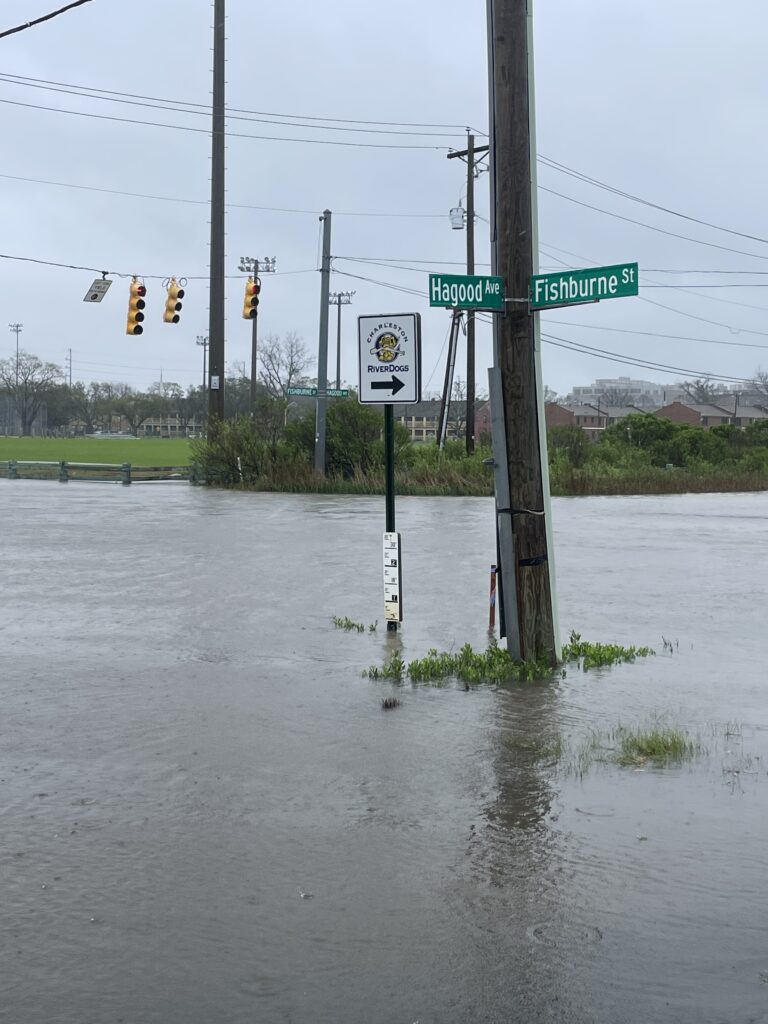
From king tides and heavy rainfall to flooded downtown streets and coastal storm surges, flooding is part of life in the Lowcountry. Knowing how to prepare, where to find reliable information, and what to do when the water rises can make all the difference.
Charleston is famous for its waterfront views, historic streets, beautiful marshes and coastal charm. But living in or visiting one of the country’s most recognizable coastal destinations also means understanding an occasional inconvenience—and sometimes a serious threat—of coastal flooding.
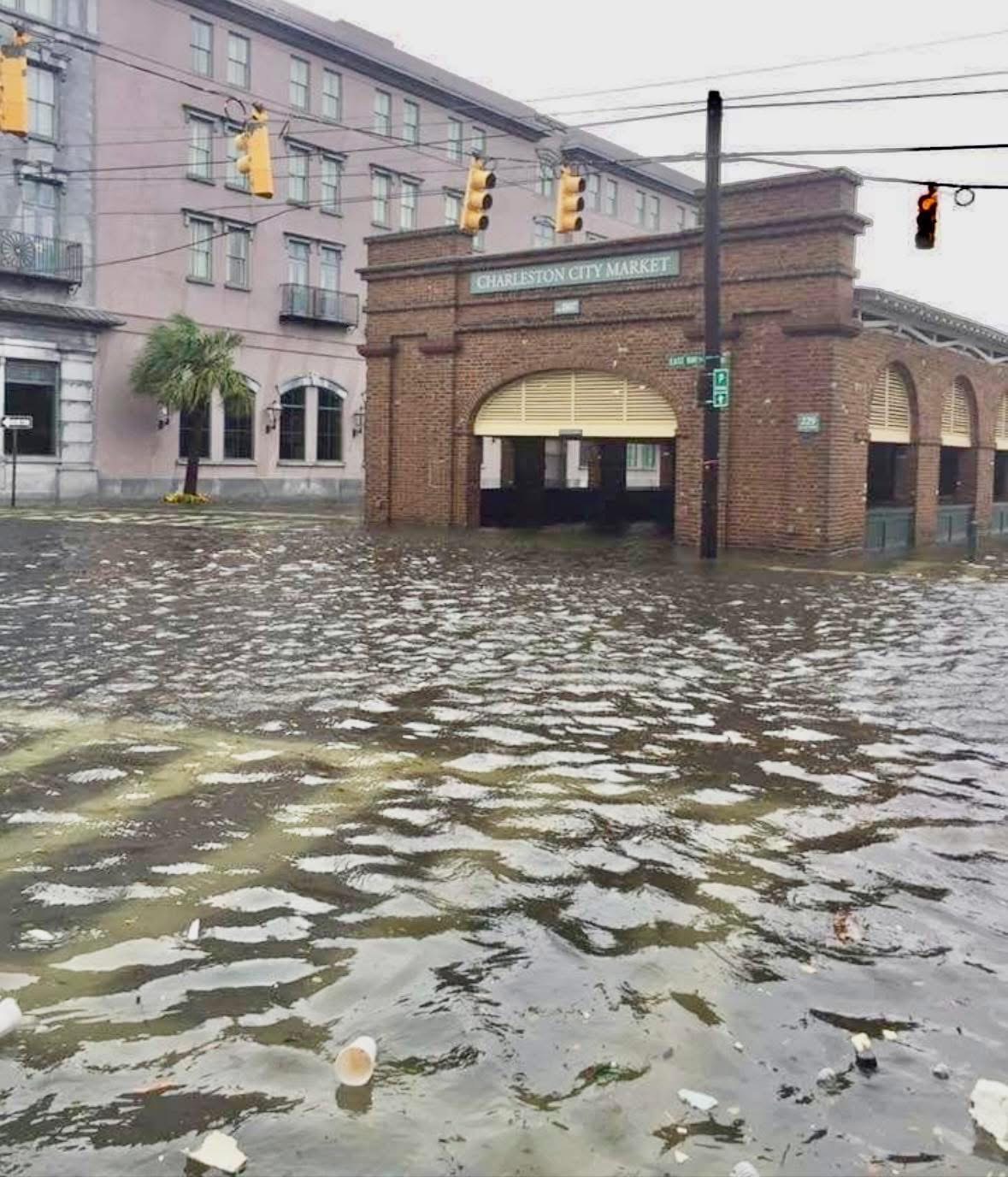
For longtime residents, street flooding during unusually high tides may be a familiar sight. For visitors, however, seeing seawater covering a downtown street can be surprising and potentially dangerous.
Charleston’s flooding can result from several conditions, including unusually high astronomical tides, commonly called king tides, heavy rainfall, tropical systems, storm surge and a combination of these factors. Because much of the Charleston peninsula sits at a relatively low elevation, even a combination of heavy rain and a high tide can create challenging conditions.
Whether you’re commuting to work, running a downtown business, staying at a hotel or enjoying a weekend getaway, here is what you should know about handling coastal flooding in Charleston.
1. Understand the Different Types of Flooding
Not all flooding in Charleston is the same. Understanding the difference can help you determine how seriously to respond.
King Tides: These are exceptionally high astronomical tides that occur during certain lunar cycles. They can cause water to spill onto waterfront streets, sidewalks and low-lying areas, even when the weather is otherwise beautiful.
Heavy Rainfall and Urban Flooding: Charleston’s drainage systems can become overwhelmed during periods of heavy rain. Water may accumulate on streets, intersections and parking areas, particularly when rainfall coincides with high tide.
Storm Surge: Tropical storms and hurricanes can push ocean water inland, creating dangerous coastal flooding. Storm surge can be life-threatening and should never be treated as ordinary tidal flooding.
Flash Flooding: Heavy rainfall can cause water to rise rapidly, sometimes with little warning. Flash flooding can occur away from the immediate waterfront and can make familiar roads impassable.
The important distinction: A flooded street during a routine high tide is not necessarily an emergency, but rapidly rising water, flash flood warnings and storm surge require immediate attention.
2. Know Which Charleston Streets Are Vulnerable
Certain areas of downtown Charleston are more susceptible to flooding than others. Waterfront locations, low-lying streets and areas with drainage challenges can experience standing water during high tides and heavy rainfall.
Residents and visitors should be particularly mindful when traveling through the historic district, lower peninsula and waterfront neighborhoods.
Do not assume a road is safe simply because you have driven it before. Flooding conditions can change considerably within a short period.
Before heading downtown, check the City of Charleston’s flood information and road conditions.
Helpful resource: City of Charleston TIDEeye and Flood Information
TIDEeye and the City’s flood-related mapping resources can help drivers understand where flooding has been reported and which roads may be affected.
3. Tips for Charleston Residents
For locals, coastal flooding is often something to plan around rather than react to at the last minute.
Here are several practical steps residents can take:
- Check the tide forecast. Pay attention to unusually high tides, particularly when heavy rain is also in the forecast.
- Move vehicles to higher ground. If your neighborhood or parking area is prone to flooding, relocate your vehicle before water begins rising.
- Protect your property. Move valuables, electronics, important documents and other belongings away from ground-level areas.
- Keep storm drains clear. Where it is safe and appropriate, help prevent leaves and debris from blocking drainage areas.
- Have an emergency supply kit. Keep flashlights, batteries, drinking water, medications, a first-aid kit and essential supplies readily available.
- Know alternate routes. Identify routes to work, school and home that avoid frequently flooded streets.
- Check on neighbors. Older residents, individuals with disabilities and those who may need assistance should be part of your emergency planning.
If you live in a flood-prone area, consider reviewing your insurance coverage. Standard homeowners and renters policies generally do not cover flood damage. Flood insurance is a separate policy, and coverage usually has a waiting period before it takes effect.
4. Tips for Tourists Visiting Charleston
Visitors shouldn’t let the possibility of flooding discourage them from enjoying Charleston. A little preparation can prevent a vacation inconvenience from becoming a dangerous situation.
Before leaving your hotel:
- Check the local weather forecast and tide conditions.
- Ask hotel staff about current road closures and areas experiencing flooding.
- Check whether your planned parking location is in a flood-prone area.
- Allow additional travel time during periods of heavy rain or unusually high tides.
While exploring downtown:
- Avoid walking through standing floodwater.
- Stay away from flooded intersections and waterfront areas where water is moving.
- Do not attempt to cross flooded streets simply because pedestrians or other vehicles appear to be doing so.
- Follow police instructions and respect road closure barricades.
- If a street is flooded, find another route or postpone your trip.
If you’re renting a vehicle: Remember that your rental car is not designed to navigate flooded streets. Even relatively shallow water can conceal potholes, debris and damaged pavement.
One of the biggest mistakes visitors make is assuming that because Charleston is accustomed to tidal flooding, it must be safe to drive through. It isn’t.
5. Never Drive Through Floodwater
This is perhaps the most important rule of coastal flood safety.
The National Weather Service emphasizes the message: Turn Around, Don’t Drown.
Just six inches of fast-moving water can knock an adult off their feet. Approximately 12 inches of rushing water can carry away most cars, while two feet can sweep away larger vehicles.
Standing water can also be deeper than it appears, conceal damaged pavement and contain dangerous debris.
If you encounter a flooded road:
- Stop before reaching the water.
- Never drive around barricades.
- Turn around and find another route.
- Never walk through moving floodwater.
- If your vehicle becomes trapped in rapidly rising water, prioritize getting yourself to safety and higher ground when possible. Call 911 if you need emergency assistance.
No destination, dinner reservation or appointment is worth risking your life.
6. Understand Flood Watches and Flood Warnings
Knowing the difference between a flood watch and a flood warning is important.
Flood Watch: Be Prepared.
Conditions are favorable for flooding. Monitor weather reports, prepare emergency supplies, check your surroundings and be ready to move to higher ground if necessary.
Flood Warning: Take Action.
Flooding is occurring or expected soon. Move to higher ground, avoid flooded roads and follow instructions from emergency officials.
Flash Flood Warning: Act Immediately.
Flash flooding can develop quickly. Do not wait for water to reach your property or vehicle before taking action. Move away from danger and seek higher ground.
If local authorities issue evacuation instructions, follow them promptly.
7. What to Do if Your Home or Business Floods
For homeowners and business owners, preparation is especially important in Charleston’s historic district, where older buildings and ground-level commercial spaces can face additional challenges.
Before a potential flooding event:
- Move merchandise, furniture and valuable equipment to higher ground.
- Protect important documents and electronic equipment.
- Keep emergency contact information accessible.
- Consider appropriate flood barriers or sandbags where permitted.
- Know how to shut off utilities if instructed and if it is safe to do so.
If water enters your building, avoid contact with electrical equipment and standing water. Never enter a flooded area if you suspect electrical hazards.
After flooding, do not assume a building is safe simply because the water has receded. Floodwater can leave behind sewage, chemicals, debris and structural damage. Have the property inspected when necessary, and follow local guidance before restoring electrical service or reopening a business.
8. Where to Find Charleston Flood Updates and Emergency Information
During a flooding event, social media posts and neighborhood conversations can be helpful, but official information should be your primary source.
Bookmark these resources before you need them:
- City of Charleston: www.charleston-sc.gov — City announcements, road closures and emergency information.
- TIDEeye / Charleston Flood Mapping: City Flood and Street Information — Flood-related mapping and street information.
- Charleston County Emergency Management: Storm and Flooding Information — Preparation, evacuation and flood safety guidance.
- National Weather Service: www.weather.gov/chs — Local weather forecasts, watches and warnings.
- South Carolina Emergency Management Division: www.scemd.org — Statewide preparedness and emergency information.
- Emergency Services: Call 911 for an immediate threat to life or safety.
9. Remember: Charleston’s Beauty Comes With a Responsibility to Be Prepared
Coastal flooding is one of the realities of living in and visiting the Lowcountry. It is also a reminder that Charleston’s relationship with the water is part of what makes this community so distinctive.
For residents, preparation means understanding local conditions, protecting property and knowing when to change your routine. For visitors, it means staying informed, listening to local officials and recognizing that a flooded street is not a sightseeing opportunity.
Charleston will continue to welcome visitors with its waterfront scenery, historic architecture, remarkable restaurants and unmistakable coastal character. The best way to enjoy it is to respect the environment, pay attention to changing conditions and put safety first.
The bottom line: Check the conditions, plan ahead, stay off flooded roads and remember—Turn Around, Don’t Drown.
Charleston Daily Safety Reminder: Weather and flooding conditions can change quickly. Always follow current instructions from local emergency officials. This article is intended as general preparedness information, not a substitute for emergency guidance.
Stay connected and subscribe to Charleston Daily.