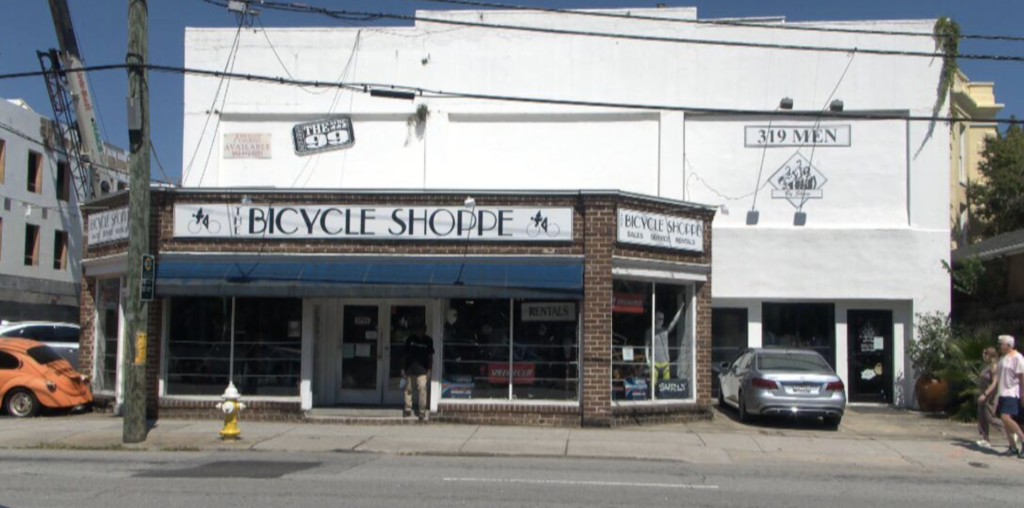
The End of an Era: Theatre 99 and The Bicycle Shoppe Say Goodbye as 280 Meeting Street Begins a New Chapter in Charleston, SC

By Mark A. Leon

For more than two decades, the building at 280 Meeting Street wasn’t just another address in downtown Charleston—it was a gathering place. It was where thousands of Charlestonians laughed until they cried during improv comedy shows, where generations of cyclists bought their first bike or had a flat tire repaired, and where local businesses gave the historic corridor a personality that couldn’t be replicated.

Now, one of Charleston’s most recognizable commercial buildings is entering a new chapter.

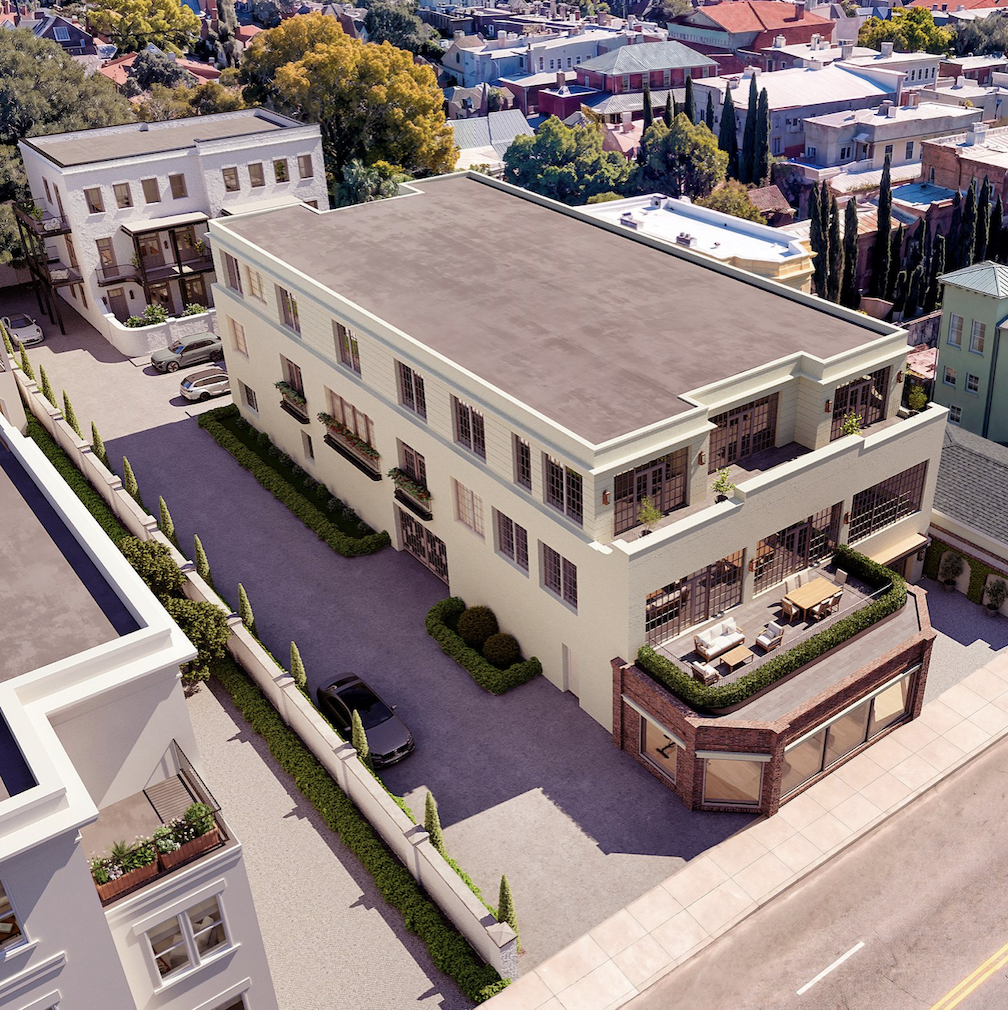
With Theatre 99 taking its final bow and The Bicycle Shoppe closing its doors, the corner that has long celebrated creativity, community and entrepreneurship is making way for a luxury residential redevelopment that aims to preserve the building’s history while adapting it for the city’s future.

A Home for Charleston’s Funniest Nights

Since moving into 280 Meeting Street in 2005, Theatre 99 became synonymous with Charleston’s comedy scene.

Founded by Greg Tavares, Brandy Sullivan and Timmy Finch, the improv theater built a loyal following through unscripted performances, festivals and classes that introduced thousands of locals to improvisational comedy. Over its 21 years at the Meeting Street location, the troupe staged more than 4,000 performances, making the intimate theater one of Charleston’s most beloved cultural institutions.

The move wasn’t voluntary.

After the property was sold, Theatre 99 searched throughout the Charleston region—including downtown, West Ashley, North Charleston and Park Circle—before ultimately finding a new home at The Venue MTP in Mount Pleasant. While the address has changed, the performers insist the spirit of Theatre 99 remains intact.

“Theatre 99 isn’t a place; it’s people,” co-founder Brandy Sullivan said as the company prepared for its next chapter.

A Charleston Cycling Institution

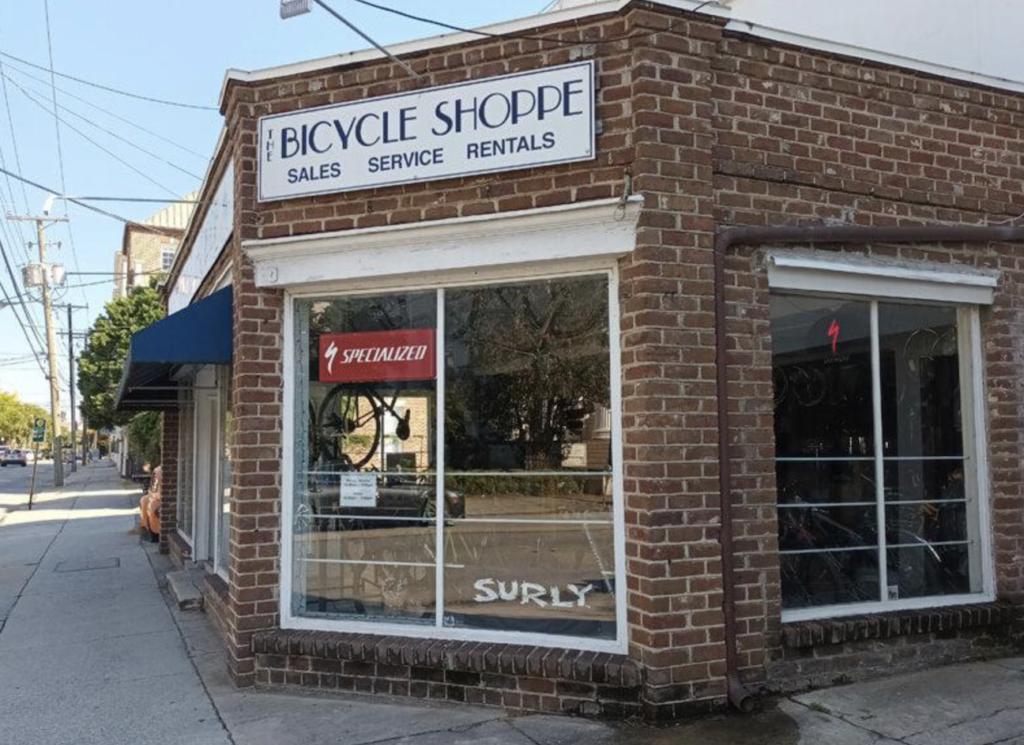
Sharing the building was another longtime local favorite: The Bicycle Shoppe.

For decades, it served everyone from recreational riders and beach cruisers to serious cyclists, becoming a trusted destination for repairs, fittings and advice. Families often returned generation after generation, making the shop one of downtown’s enduring small businesses.

Its closing marked the end of another chapter for Meeting Street and highlighted the changing economics of operating independent businesses on the Charleston peninsula.

A Building Worth Saving

The future of 280 Meeting Street was anything but certain.

In 2025, a proposal sought to demolish much of the early-20th-century industrial building, prompting widespread public opposition. Preservation advocates, residents and supporters argued the property represented far more than bricks and mortar—it was a home for local arts, small business and Charleston’s evolving architectural history. Hundreds of public comments urged the city to protect the building.

Ultimately, preservation prevailed.

Rather than being razed, the building will be adaptively reused, preserving its historic character while introducing new residential uses. The Charleston Board of Architectural Review approved plans that retain much of the original structure and its recognizable mid-century storefront.
The Future: 280 Meeting Street Residences

The property’s new owner, New Vintage Capital, plans to transform the site into 280 Meeting Street Residences, an upscale development featuring five luxury condominiums and two townhomes.

The residences will range from approximately 2,400 to nearly 4,000 square feet, with prices beginning around $3.1 million and reaching nearly $5 million. Even before construction begins, demand has proven strong, with one residence already under contract.

The redevelopment includes:

  • Preservation of the historic front building
  • Addition of a third story designed to complement the original architecture
  • A fitness center and sauna within the former Bicycle Shoppe space
  • A landscaped courtyard with a fireplace and swimming pool
  • Private outdoor living areas for each residence
  • Two dedicated parking spaces per home

The rear warehouse will be removed, while the building’s industrial roots—including its history as an automobile showroom—will continue to influence the architectural design through high ceilings and expansive windows. Construction is expected to conclude in spring 2028.

Charleston’s Constant Evolution

The story of 280 Meeting Street reflects a broader conversation happening throughout Charleston.

As the peninsula continues to attract investment and new residents, the city faces the challenge of balancing growth with preservation. Historic buildings increasingly find new life through adaptive reuse rather than demolition, but rising property values also make it more difficult for arts organizations and independent retailers to remain downtown.

The departure of Theatre 99 and The Bicycle Shoppe is bittersweet. Charleston loses two beloved institutions from one of its most recognizable corners, but it also retains a piece of its architectural history through a project that chose restoration over the wrecking ball.

For longtime Charlestonians, the memories created inside 280 Meeting Street won’t disappear with the renovations. They’ll simply become another chapter in a building that has continually reinvented itself for more than a century.

When the doors reopen in 2028, the laughter from the improv stage and the sound of bicycle wheels may be gone, but the building that housed them will still stand—a reminder that preserving history sometimes means allowing it to evolve.

Stay connected and subscribe to Charleston Daily.
The Great Charleston Burger Crawl: Five Downtown Stops Worth Every Bite

By Mark A. Leon | Charleston Daily

Charleston, South Carolina, is famous for its shrimp and grits, she-crab soup, fresh seafood, and Lowcountry cuisine. But there’s another side to the city’s food scene that deserves some attention: its burgers.

From old-school tavern cheeseburgers to crispy-edged smashburgers and upscale steakhouse creations, downtown Charleston has a burger scene worth exploring.

So why not turn lunch into an adventure?

Welcome to the Downtown Charleston Burger Crawl: five stops, five different approaches to the American hamburger, and plenty of reasons to loosen your belt.

This isn’t simply a ranking of the biggest burgers or the fanciest restaurants. Each stop earns its place because it brings something different to the table.

The plan is simple: walk, eat, enjoy a little Charleston atmosphere, and discover which burger deserves the crown.

STOP 1: CURRENTBURGER – THE WATERFRONT SMASHBURGER

138 Concord Street

Let’s start near the water, where Charleston’s historic waterfront provides a fitting backdrop for the first burger.

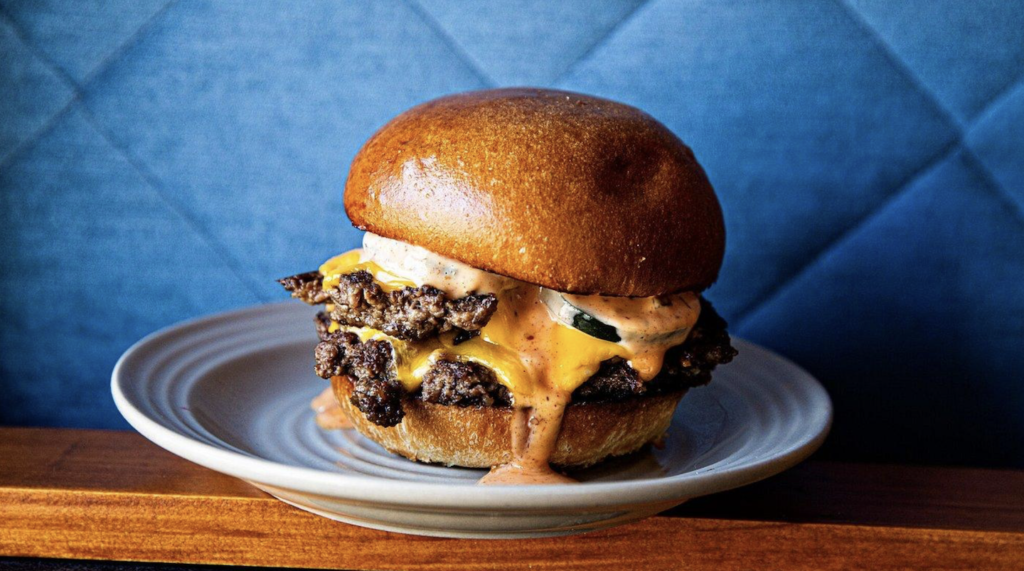
CurrentBurger, located at The Cooper, is a casual burger restaurant offering several patty choices, including beef smash, turkey, falafel, and fried chicken.

What to order: The Applewood Smash Burger

This is the one I’d put at the top of the tasting list. It combines a beef smash patty with applewood-smoked bacon, American cheese, aioli, and pickles.

It’s a familiar American cheeseburger combination, but the smoky bacon and creamy aioli give it a little extra personality.

Why it makes the list: Every good burger crawl needs a proper smashburger. The thin patty, griddled edges, melted cheese, and salty bacon provide a great introduction to the different burger styles Charleston has to offer.

It’s also a relaxed first stop, with Waterfront Park and the surrounding historic district nearby.

STOP 2: THE GRIFFON – THE CLASSIC DOWNTOWN PUB BURGER

18 Vendue Range

Next, head into the French Quarter and find The Griffon.

This place is almost as much about atmosphere as it is about food. The walls are famously covered with dollar bills, and the pub has the kind of personality that makes you want to settle in for another round.

What to order: The Griffon Burger

The house burger is a straightforward pub-style burger with classic toppings. It’s the kind of burger that doesn’t need a complicated ingredient list to make its case.

Think traditional beef patties, classic burger toppings, a soft bun, and a familiar pub-style presentation.

Why it makes the list: A burger crawl shouldn’t consist entirely of chef-driven creations. Sometimes the best burger experience is a straightforward cheeseburger in a proper neighborhood pub.

The Griffon delivers that traditional pub experience, and its French Quarter location makes it a natural stop along the way.

STOP 3: BIG GUN BURGER SHOP & BAR – THE CREATIVE HEAVYWEIGHT

137 Calhoun Street

Now we’re getting into serious burger territory.

Big Gun is a downtown Charleston burger joint with a relaxed, rock-and-roll atmosphere. It has been serving burgers in downtown Charleston since 2011, and its menu offers considerably more personality than the typical burger-and-fries operation.

What to order: The Bungalow Burger

This is my pick for the crawl.

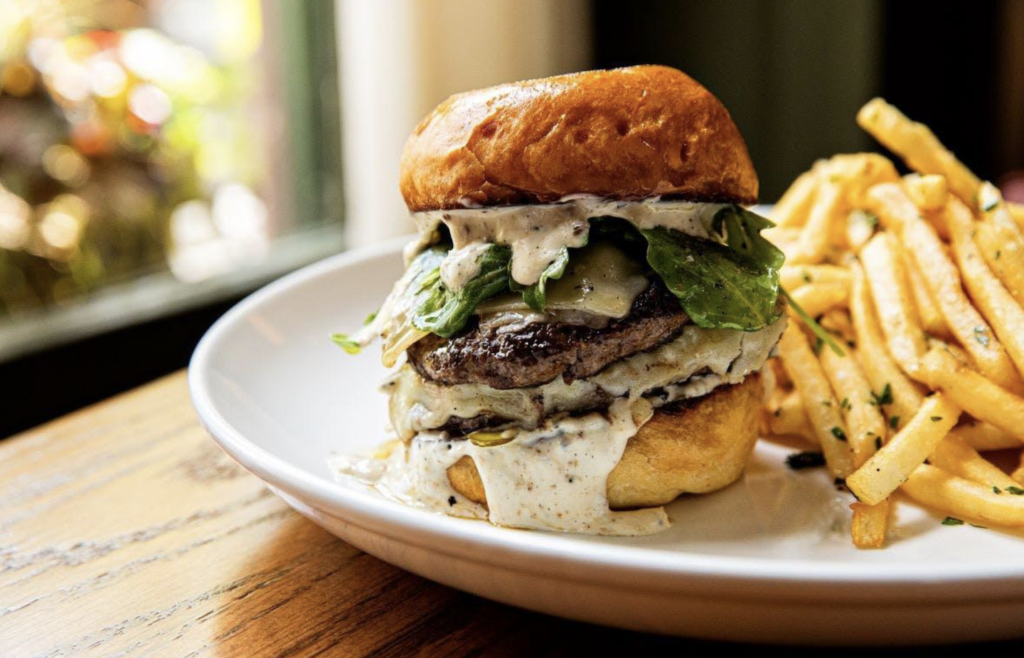
The Bungalow features bacon, caramelized onions, Havarti cheese, tomato, and house-made dill mayonnaise.

There’s a lot to like here.

The bacon brings smokiness, the caramelized onions add sweetness, and Havarti provides a buttery, creamy cheese component. The dill mayonnaise adds a fresh, slightly tangy finish that keeps everything from becoming too heavy.

Another contender is the Thin White Duke, featuring mushrooms, bacon, Swiss cheese, caramelized onions, and horseradish mayonnaise.

Why it makes the list: Big Gun demonstrates how much personality you can put between two buns without losing sight of what makes a burger great.

It’s also a great place to enjoy a beer and soak up a little of Charleston’s less-polished, more local nightlife.

The Bungalow is the burger I’d make a point of trying.

STOP 4: HALLS CHOPHOUSE – THE UPSCALE STEAKHOUSE BURGER

434 King Street

A burger crawl through Charleston wouldn’t be complete without a stop at Halls Chophouse.

Halls is known for its prime steaks, polished service, classic steakhouse atmosphere, and lively dining room. But its burger deserves attention, too.

What to order: The Halls Chophouse Cheeseburger

The burger features prime custom-ground beef, lettuce, tomato, onion, cheese, Halls burger sauce, and a pickle. It’s served with Parmesan-truffle fries.

The prime custom-ground beef is the attraction here. At a steakhouse, the quality and preparation of the beef are central to the experience, and that makes this burger a particularly interesting comparison with the smashburger stops.

The Parmesan-truffle fries are a welcome bonus.

Why it makes the list: This is the upscale interpretation of the American cheeseburger. Rather than relying on toppings or novelty, the appeal is the beef itself, paired with a steakhouse approach to preparation.

It also provides a change of scenery. After casual pubs and burger bars, Halls brings a little old-school Charleston dining-room glamour to the crawl.

One planning note: check the current bar-menu service hours before visiting. The burger is listed on the bar menu, and Halls is not a casual all-day burger counter.

STOP 5: LITTLE JACK’S TAVERN – THE GRAND FINALE

710 King Street

Let’s finish on King Street at Little Jack’s Tavern.

Little Jack’s has the atmosphere of an old-fashioned American neighborhood tavern. Think checkerboard tablecloths, classic cocktails, comfort food, and a dining room that feels inviting rather than pretentious.

The restaurant has earned considerable recognition for its burgers, including a Burger Bash win in 2017.

What to order: The Tavern Burger

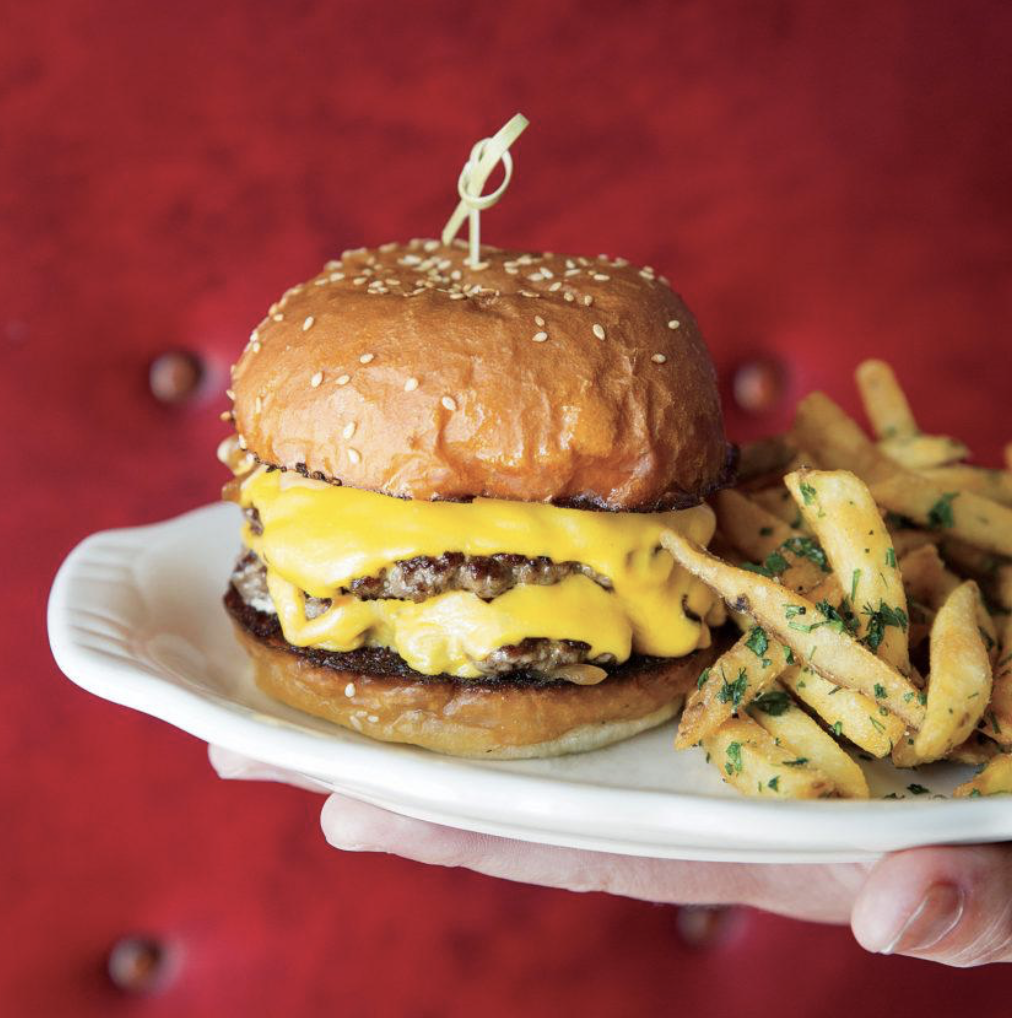
The classic Tavern Burger features a beef patty, American cheese, tavern sauce, and griddled onions. You can also order a Double Tavern Burger, which doubles the meat and cheese.

This is a burger that understands the importance of balance. American cheese melts beautifully, griddled onions bring sweetness, and the tavern sauce adds richness and flavor without turning the burger into an overloaded production.

Why it makes the list: Little Jack’s is one of the strongest representatives of Charleston’s classic tavern-burger tradition. Its reputation, focused menu, and old-school atmosphere make it a fitting place to end the adventure.

If I were saving one burger for the final stop, this would be a very strong candidate.

THE FINAL VERDICT: WHICH BURGER WINS?

Every stop brings something different, so I’d avoid declaring one universal winner. Here’s how I’d categorize the contenders:

  • Best Smashburger: CurrentBurger. Crispy-edged beef, bacon, and cheese.
  • Best Pub Experience: The Griffon. Classic burger and plenty of character.
  • Most Creative: Big Gun Burger Shop & Bar. The Bungalow’s flavor combination.
  • Best Upscale Burger: Halls Chophouse. Prime custom-ground beef and steakhouse execution.
  • Best Traditional Tavern Burger: Little Jack’s Tavern. Cheese, onions, and tavern sauce.

A FEW TIPS FOR PLANNING THE CRAWL

Best day: Saturday. You’ll have a better opportunity to enjoy the downtown atmosphere and make an afternoon of it.

Best approach: Start around lunchtime. Allow roughly 30–45 minutes per stop, with time to walk between locations.

How to order:

  • Split one burger between two people at each stop.
  • Skip the fries at most locations.
  • Try different burger styles rather than ordering five similar cheeseburgers.
  • Save room for a cocktail or local beer along the way.

The five restaurants are geographically walkable, but they aren’t all next door to one another. Expect to spend a good portion of the afternoon walking.

Restaurant menus and service hours can change, so confirm that the featured burger is available before setting out.

THE FINAL THOUGHT

The beauty of this crawl is that it showcases five different personalities of Charleston.

You have the waterfront smashburger, the old-fashioned pub, the rock-and-roll burger joint, the elegant steakhouse, and the neighborhood tavern.

And that’s what makes a great burger crawl: not necessarily finding five versions of the same perfect cheeseburger, but discovering five restaurants that each have their own interpretation of what a great burger should be.

If I had to pick just one must-try burger from the entire route, I’d put my money on the Bungalow at Big Gun. Bacon, caramelized onions, Havarti, tomato, and dill mayo make for a combination that’s hard to ignore.

But I’d still make room for Little Jack’s.

After all, you can’t have a proper Charleston burger crawl without ending at a great tavern.

Five stops. Five burgers. One very good afternoon in Charleston.

Stay connected and subscribe to Charleston Daily.
10 Reasons to Shop Look Up Charleston This Black Friday and Holiday Weekend

By Mark A Leon

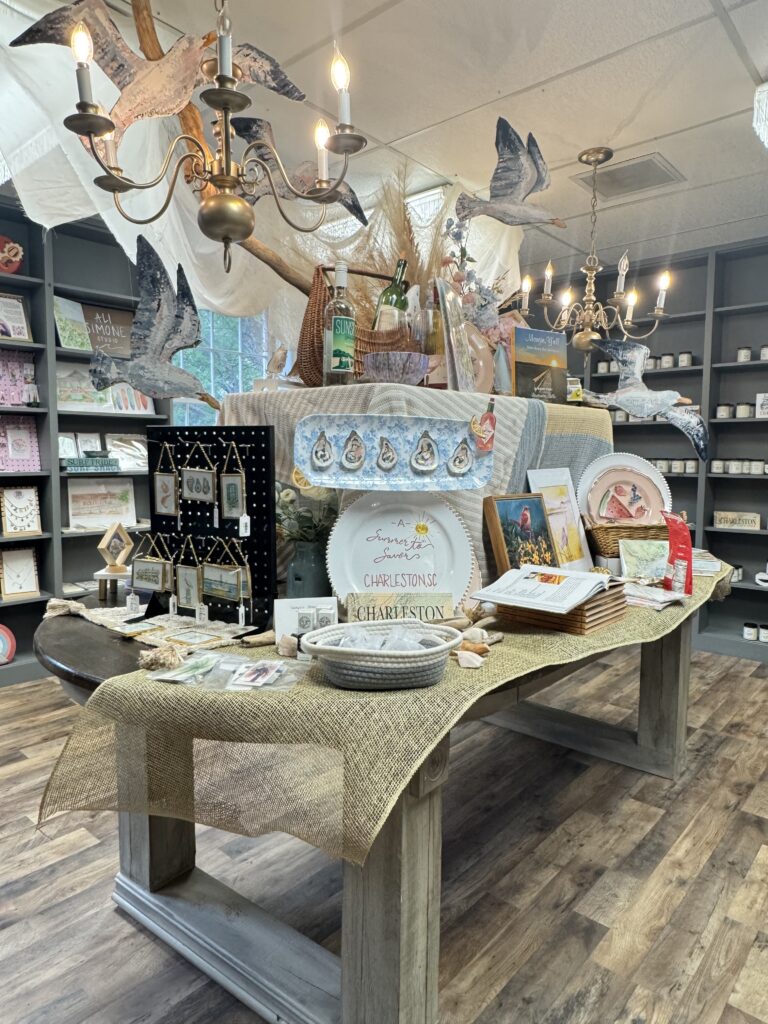
Looking for a different kind of Black Friday shopping experience? Skip the big-box stores and discover one of downtown Charleston’s most unique shopping destinations. Located upstairs at 128 Meeting Street, Look Up Charleston brings together local artists, artisans, fashion designers and creative entrepreneurs under one roof.

Black Friday and Small Business Saturday are traditionally among the busiest shopping days of the year. While national retailers compete for attention with doorbuster deals and big promotions, there is another way to approach holiday shopping: support local businesses, discover original gifts and invest in the creative community that makes Charleston special.

Look Up Charleston offers all three. Whether you’re shopping for family, friends, coworkers or yourself, here are 10 reasons to make it part of your holiday weekend.

1. Every Purchase Supports a Local Business

Shopping at Look Up Charleston means supporting independent Charleston-area artists, artisans, designers and entrepreneurs. Rather than sending your holiday dollars to a national chain, you’re helping local creative businesses grow and thrive.

2. Discover Gifts You Won’t Find Everywhere Else

Forget mass-produced merchandise. Look Up Charleston features hundreds of distinctive, locally created products. From handmade jewelry and original illustrations to home accessories and Charleston-inspired gifts, there’s always something unexpected to discover.

3. More Than 40 Local Creatives Under One Roof

Look Up Charleston brings together more than 39 local artisans, artists and fashion designers. It’s an opportunity to explore the work of an entire creative community without having to visit dozens of individual studios and shops.

4. Original Art for Your Home or Office

Looking for something beyond the traditional holiday gift? Explore original fine art, photography, prints and other creative works by local artists. Whether you’re furnishing a new home or searching for a meaningful present, you’ll find pieces with personality and a distinctly Lowcountry connection.

5. Fashion That Stands Out

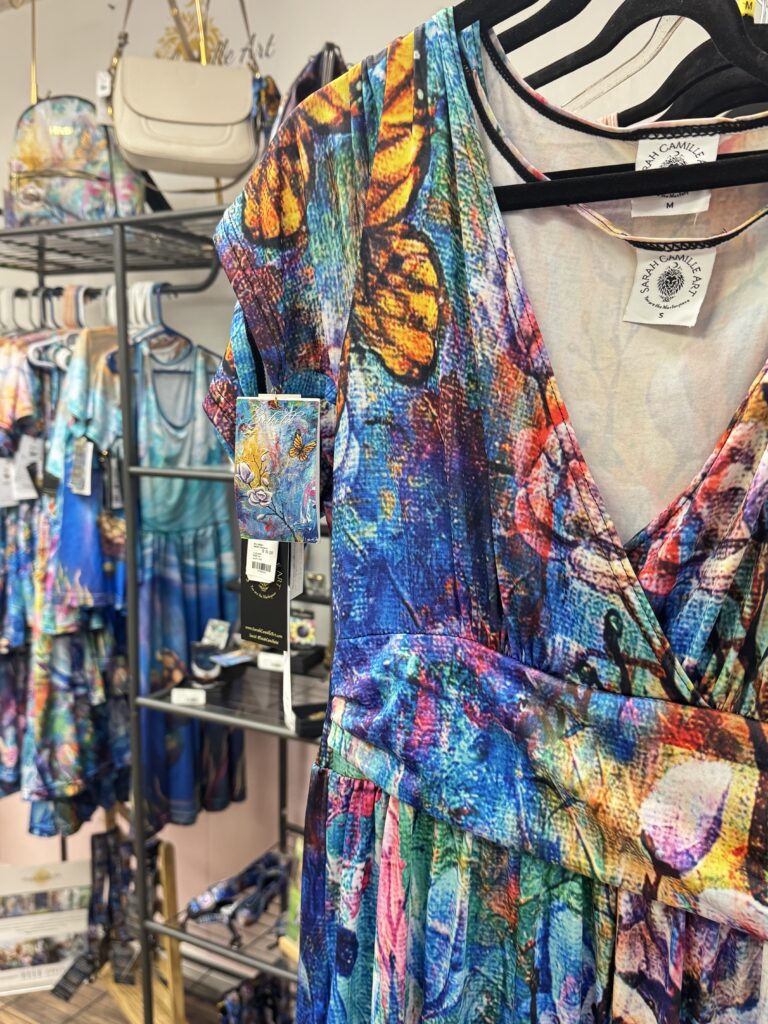
Discover locally designed clothing, accessories, jewelry and shoes. Look Up Charleston celebrates independent fashion and designers who bring their own perspective, creativity and personality to what they make.

6. Create a Personalized Gift at the Charm Bar

Looking for a gift with a personal touch? Stop by the charm bar and create something meaningful. It’s a fun way to put together a customized piece of jewelry and give someone a gift that feels uniquely theirs.

7. Something for Everyone on Your Holiday List

From handmade jewelry, handbags and clothing to candles, illustrations, photography, home décor, vinyl records and Charleston-themed treasures, the variety makes holiday shopping easier. Whether you’re buying for someone who has everything or searching for a small stocking stuffer, there are plenty of possibilities.

8. Every Visit Offers Something New

With hundreds of unique products and a constantly evolving collection of local creations, Look Up Charleston is a place worth exploring. New discoveries, different artistic perspectives and unexpected treasures make browsing part of the experience.

9. Help Keep Charleston’s Creative Community Thriving

Independent artists and small businesses are an important part of Charleston’s character. Supporting them helps sustain local talent, encourage entrepreneurship and preserve the individuality that makes this city special. Every purchase makes a difference.

10. It’s More Than a Gift Shop

Look Up Charleston describes itself as a gift emporium and art gallery, but the experience goes beyond traditional retail. It’s a creative collective, a gathering place and a showcase for the people who make Charleston interesting. With artist studios, fashion, original artwork and locally made merchandise, it’s a shopping experience with a distinctly local identity.

P.S. – The Holiday ornament selection is enormous.

Make Look Up Charleston Part of Your Holiday Weekend

This Black Friday and Small Business Saturday, consider giving your holiday shopping a local twist. Explore downtown Charleston, enjoy the historic surroundings and make a stop at a business that celebrates the people and creativity of the Lowcountry.

Look Up Charleston

128 Meeting Street, Upstairs
Historic Downtown Charleston, South Carolina

Discover local gifts, fashion, photography, fine art, handmade treasures and the charm bar.

All local; all the time.

Check out their Instagram.

This holiday season, don’t just shop Charleston. Support the people who make Charleston special.

It’s time to Look Up Charleston!

Stay connected and subscribe to Charleston Daily

Getting Around Historic Charleston: A Visitor’s Guide to Every Way to Explore the Holy City

By Mark A Leon

From free downtown shuttles and bicycle rickshaws to water taxis, bicycles, rideshares and traditional cabs, Charleston offers plenty of ways to explore its historic streets without spending your vacation looking for a parking space.

CHARLESTON, SC – One of the best ways to experience Charleston is to get out of the car. The city’s historic peninsula is filled with narrow streets, centuries-old homes, hidden gardens, waterfront parks, restaurants and independent shops, many of which are best discovered at a slower pace.

Fortunately, visitors have plenty of transportation options. Whether you’re staying downtown, visiting the Battery, heading to the Charleston City Market, exploring King Street or venturing across the harbor to Mount Pleasant, there is a transportation option for nearly every budget and travel style.

Here is a guide to getting around historic Charleston, including transportation options, estimated costs and useful links.

1. Walking: The Best Way to Experience Historic Charleston

Before booking a ride, consider walking. Charleston’s historic district is remarkably walkable, and many of its most popular attractions are within a short distance of one another.

Visitors can walk from the Charleston City Market to Waterfront Park, Rainbow Row, the French Quarter, the Battery and many of the city’s most recognizable historic landmarks.

  • Cost: Free.
  • Best for: Sightseeing, shopping, dining and exploring residential neighborhoods.
  • Keep in mind: Charleston’s summer heat, uneven sidewalks, cobblestones and occasional flooding can make longer walks challenging. Comfortable shoes are essential.

2. DASH: Charleston’s Free Downtown Shuttle

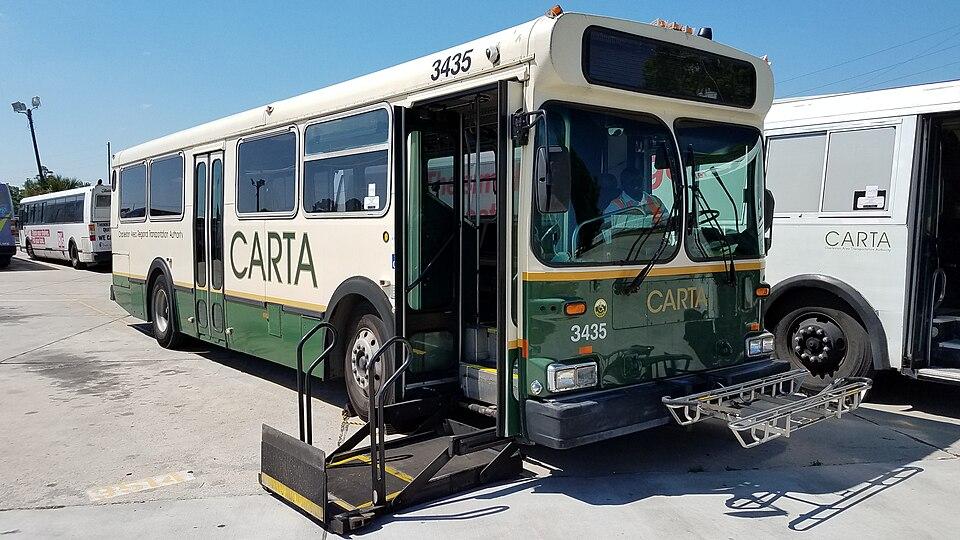
One of Charleston’s best transportation options for ofirst-time visitors is DASH, the Downtown Area Shuttle operated by CARTA.

DASH provides free transportation throughout much of the historic peninsula, connecting visitors with major attractions, shopping districts, hotels and cultural destinations.

There are three primary routes:

  • Orange Line (210): Connects the College of Charleston, South Carolina Aquarium and Visitor Center.
  • Green Line (211): Serves Meeting Street, King Street, Waterfront Park, City Market and the historic shopping district.
  • Purple Line (213): Connects the Visitor Center with Lockwood Drive, Calhoun Street and portions of the upper peninsula.

Cost: FREE.

Website and schedules: https://www.ridecarta.com/services/dash/

DASH is particularly helpful for visitors staying at downtown hotels who want to move between attractions without repeatedly walking the same routes.

3. CARTA Public Transportation Buses

Beyond the free DASH system, CARTA operates a regional bus network serving Charleston, North Charleston, Mount Pleasant, West Ashley, James Island and other surrounding communities.

Unlike DASH, these buses travel beyond the historic district and can be useful for visitors heading to destinations outside the downtown peninsula.

Published standard fares include:

  • Regular one-way fare: $2.
  • Express one-way fare: $3.50.
  • Passes: Available for visitors who plan to use the system regularly.
  • Transfers: Check current transfer policies and eligibility.

Website: https://www.ridecarta.com/

Fares and passes: https://www.ridecarta.com/fares-passes/

Route planning: https://www.ridecarta.com/services/

For visitors staying downtown, DASH will generally be more convenient. CARTA’s regional routes become more useful when traveling beyond the historic peninsula.

4. Bicycles and Electric Bikes: Explore Charleston on Two Wheels

Bicycles are a great way to cover more ground while still enjoying Charleston’s architecture and historic neighborhoods.

Visitors have two primary options: shared bicycles and traditional bicycle rentals.

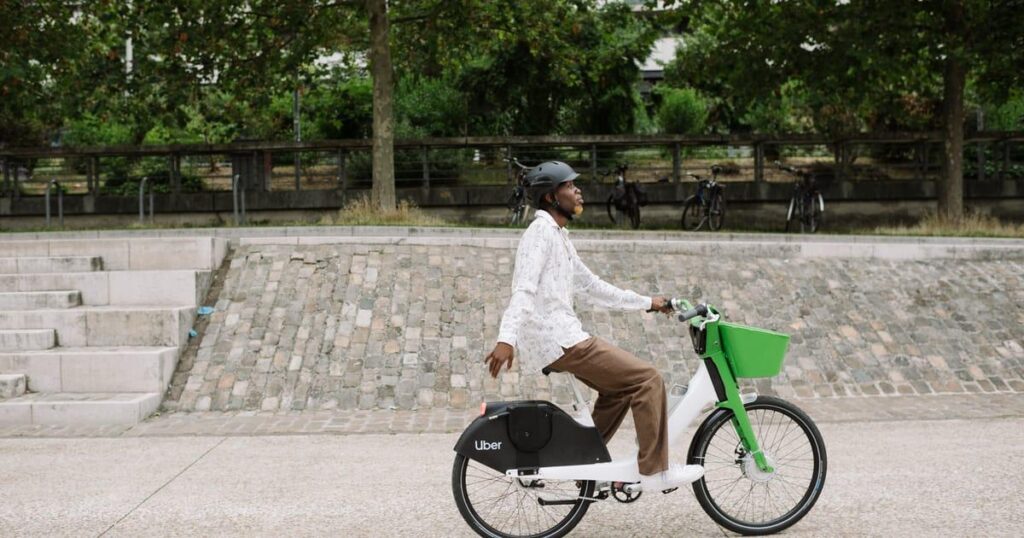
Lime Electric Bikes

Charleston has a shared electric-bike program operated by Lime. Riders can locate and unlock available bikes using the Lime mobile app.

Traditional Bicycle Rentals

Several local businesses offer bicycle rentals and cycling services.

Rental prices vary depending on the bicycle, rental duration and delivery requirements. Check individual providers for current daily and weekly rates.

A word of caution: Charleston’s streets are not always bicycle-friendly. Watch for pedestrians, parked cars, uneven pavement and narrow streets. Always follow posted bicycle regulations.

5. Pedicabs and Rickshaws: A Charleston Favorite

If there is one transportation option that feels particularly suited to Charleston, it is the bicycle-powered pedicab.

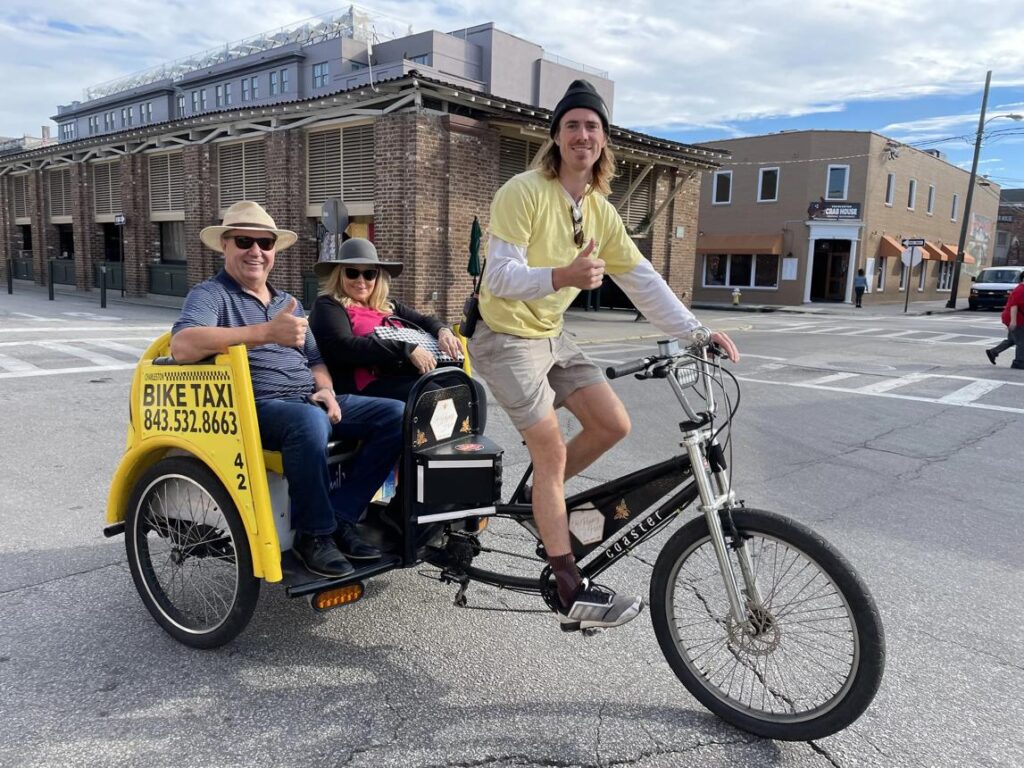
Often called rickshaws or bike taxis, these open-air vehicles are powered by a driver pedaling passengers around the historic district. They are especially popular for short trips between restaurants, hotels, shopping districts and nightlife destinations.

They also provide something a traditional taxi cannot: an opportunity to enjoy the sights and sounds of Charleston while someone else does the navigating.

Some drivers offer local history, recommendations and informal sightseeing along the way.

Charleston Pedicab

Website: https://www.charlestonpedicab.com/

Phone: (843) 577-7088

Published rate: Approximately $10 per passenger for the first 10 minutes, followed by additional per-minute charges. Confirm current pricing with the operator.

Charleston Bike Taxi

Website: https://biketaxi.net/

Phone: (843) 532-8663

Pricing: Rates vary by passenger count and trip duration. Confirm current rates before booking.

Charleston Rickshaw

Website: https://www.charlestonrickshaw.com/

Pricing: Contact the operator for current rates.

Pedicabs are particularly useful for visitors who want to avoid walking several blocks after dinner or who simply want a memorable Charleston experience.

6. Charleston Water Taxi: Take the Scenic Route

Charleston is a waterfront city, so why limit your transportation to land?

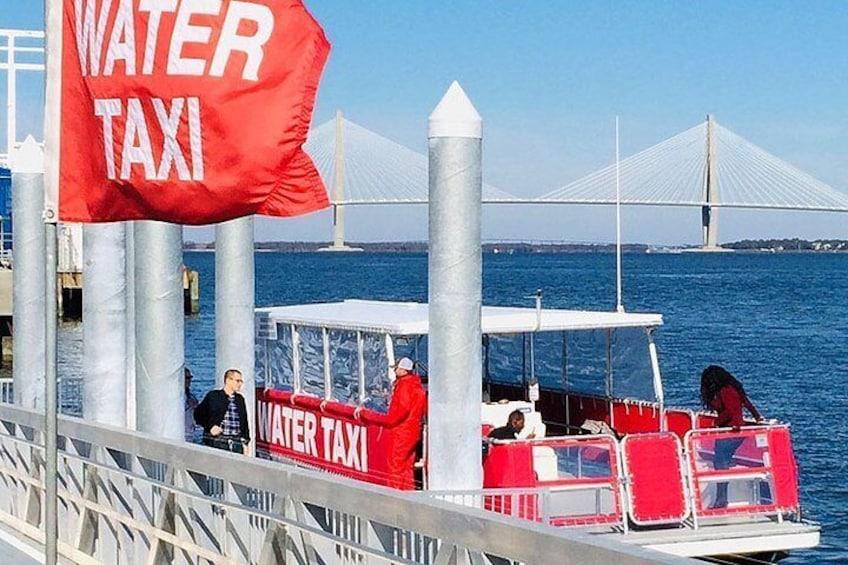
The Charleston Water Taxi offers a scenic connection between downtown Charleston and Mount Pleasant, with stops at Waterfront Park, Charleston Maritime Center/Aquarium Wharf, Patriots Point and Charleston Harbor Resort and Marina.

The service is especially convenient for visitors planning to explore the USS Yorktown, Patriots Point Naval & Maritime Museum or the Mount Pleasant waterfront.

The ride also provides beautiful views of the Ravenel Bridge, Charleston Harbor and, occasionally, dolphins.

  • Cost: Approximately $17 for an all-day pass.
  • Route: Downtown Charleston to Patriots Point and Charleston Harbor Resort and Marina.
  • Best for: Sightseeing, waterfront dining and crossing the harbor without driving.

Website: https://charlestonwatertaxi.com/

Schedule: https://charlestonwatertaxi.com/schedule/

The boats operate on a scheduled route, with departure times varying by stop and season. Check the schedule before planning your trip. Parking fees may apply at certain Mount Pleasant boarding locations.

7. Uber: Convenient Transportation on Demand

Uber is widely available throughout the Charleston area and is one of the easiest ways to get between downtown, the beaches, restaurants and surrounding communities.

Visitors can request standard rides, larger vehicles for groups and premium transportation through the app.

Uber is particularly helpful for:

  • Transportation to and from Charleston International Airport.
  • Trips to Folly Beach, Sullivan’s Island and Isle of Palms.
  • Evening dining and entertainment.
  • Trips to plantations and attractions outside the historic district.

Cost: Variable. Pricing depends on distance, demand, time of day and vehicle selection.

Website: https://www.uber.com/

Airport transportation: https://www.uber.com/global/en/r/airports/chs/pickup/

One tip: Check the fare before confirming your ride. Prices can increase significantly during busy weekends, festivals, rainstorms and major events.

8. Lyft: Another Rideshare Option

Lyft provides an alternative to Uber and is another convenient option for visitors exploring Charleston.

The two services operate similarly, allowing passengers to request rides through their mobile applications and compare available vehicle options.

Lyft can be particularly useful when leaving busy restaurants, hotels or entertainment venues where one rideshare service may have longer wait times or higher prices.

  • Cost: Variable, based on distance, demand and vehicle selection.
  • Best for: Airport transportation, beach trips, restaurant outings and nighttime transportation.

Website: https://www.lyft.com/

A good strategy is to check both Uber and Lyft before booking. The difference in price can sometimes be substantial.

Important for Upper King Street visitors: Charleston has designated rideshare pickup and drop-off zones in the Upper King area. Between 6 p.m. and 3 a.m., seven days a week, drivers must use designated locations rather than stopping wherever passengers request. The apps can help direct riders to the appropriate pickup locations.

9. Traditional Taxis: Still a Reliable Option

Although rideshare services have changed the transportation landscape, traditional taxis remain an important part of Charleston’s transportation network.

Taxis can be especially useful for airport arrivals, visitors who prefer calling a dispatcher and travelers who don’t want to rely on a smartphone application.

At Charleston International Airport, taxis are available outside baggage claim, with a transportation attendant providing destination-based fare information.

Published airport taxi pricing includes:

  • Minimum airport fare: $17.
  • Metered rate: $3 per mile, including up to two passengers.
  • Additional passengers: $7 per passenger.

The airport publishes sample fares, including approximately $37 to Charleston Place and $40 to the King and Broad Street area. These are estimates, not guaranteed quotes.

Local taxi providers include:

For airport transportation, always confirm the fare before departing.

10. Hotel Shuttles and Private Transportation Services

Many Charleston hotels offer complimentary or scheduled transportation to and from the airport, downtown attractions or nearby destinations.

Before booking a hotel, ask whether transportation is included. This can be a significant savings, particularly for families and visitors staying outside the historic district.

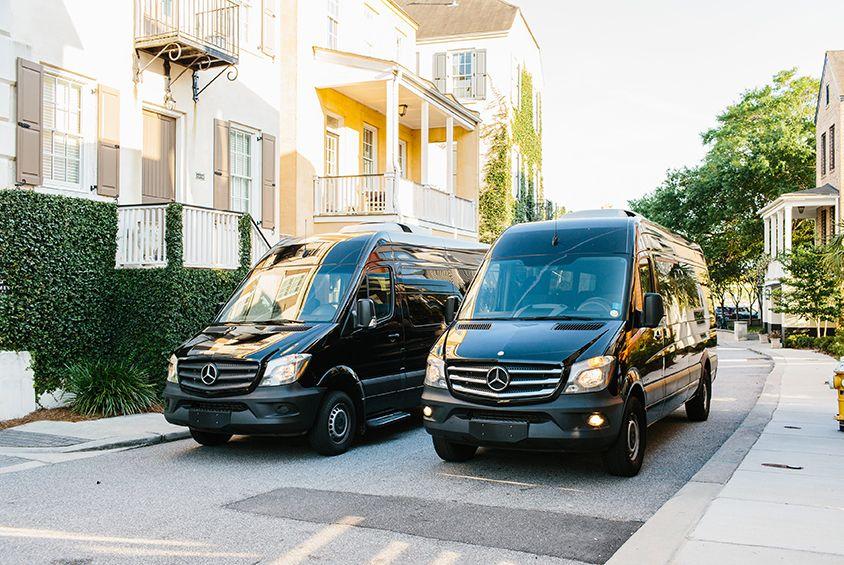
For larger groups, weddings, corporate outings and private excursions, several local companies offer chauffeured transportation.

Some options include:

Cost: Varies by vehicle, number of passengers, distance and duration. Most private transportation providers require advance reservations and individual quotes.

For visitors traveling with several people, splitting the cost of a private shuttle can sometimes be more economical than booking multiple rideshares.

11. Horse-Drawn Carriages: Transportation Meets Charleston History

Although horse-drawn carriages are primarily sightseeing experiences rather than practical transportation, they deserve a place in any guide to getting around Charleston.

Carriage tours offer visitors a narrated journey through historic neighborhoods, past antebellum architecture, churches, gardens and some of the city’s most recognizable landmarks.

Several licensed carriage operators provide tours departing from the downtown historic district.

  • Cost: Generally expect approximately $40–$50 per adult, with pricing varying by operator, tour and age.
  • Best for: First-time visitors, families and history enthusiasts.
  • Information: https://www.charlestoncvb.com/

Carriages are not a point-to-point taxi service. They operate as regulated sightseeing tours, with routes and departures determined by city regulations and operating conditions.

12. Airport Transportation: Getting from CHS to Downtown

For many visitors, the first transportation decision happens at Charleston International Airport (CHS), located in North Charleston, approximately 12 miles from downtown.

Here are the primary options:

  • Uber and Lyft: Variable pricing; check the apps.
  • Traditional taxi: $17 minimum airport fare.
  • CARTA bus: Approximately $2 for a regular one-way fare.
  • Hotel shuttle: Often complimentary, depending on the hotel.
  • Private shuttle: Advance quote required.

Uber and Lyft have designated pickup areas outside baggage claim. Traditional taxis are available through the airport’s ground transportation booth.

CARTA also provides scheduled service between the airport and surrounding areas.

Airport transportation information: https://iflychs.com/passengers/ground-transportation/

Which Transportation Option Should You Choose?

Here’s a quick comparison for visitors deciding how to get around:

| Transportation | Best Use | Estimated Cost |
| Walking | Historic district | Free |
| DASH | Downtown attractions | Free |
| CARTA | Regional destinations | From $2 |
| Lime bikes | Exploring downtown | App pricing |
| Bicycle rental | Independent sightseeing | Varies |
| Pedicab | Short downtown trips | Varies |
| Water Taxi | Harbor crossing | Approximately $17/day |
| Uber | Convenient point-to-point | Variable |
| Lyft | Convenient point-to-point | Variable |
| Taxi | Airport and local trips | $17 airport minimum |
| Hotel shuttle | Airport and hotel travel | Often free |
| Private shuttle | Groups and events | Quote required |
| Horse carriage | Historic sightseeing | Approximately $40–$50/adult |

A Few Things Visitors Should Know Before Getting Around Charleston

1. You probably don’t need a rental car if you’re staying downtown.

Many of Charleston’s most popular attractions, restaurants, shops and historic sites are within walking distance. A combination of walking, DASH and occasional rideshares can make a rental car unnecessary.

2. Don’t underestimate Charleston’s weather.

Summer heat, afternoon thunderstorms and coastal flooding can change your transportation plans. Pedicabs, bicycles and walking aren’t always practical during inclement weather.

3. Plan transportation for evenings.

King Street, Upper King, the Market and the entertainment districts can become particularly busy on weekends. Give yourself extra time when arranging rides.

4. Consider the beaches separately.

Folly Beach, Sullivan’s Island and Isle of Palms are outside the immediate historic district. Uber, Lyft, taxis and rental cars are generally more practical for these destinations than downtown shuttle services.

5. Check prices before booking.

Rideshare prices fluctuate, bicycle rental rates vary, and private transportation requires individual quotes. Prices in this guide are published rates or planning estimates, not guaranteed quotes.

The Bottom Line: Charleston Is Best Explored at Your Own Pace

Charleston is a city that rewards visitors who slow down and take the time to explore.

You might walk down Church Street in the morning, hop aboard a free DASH shuttle to the Aquarium, rent a bicycle in the afternoon, take a water taxi across the harbor and finish the evening with a pedicab ride to dinner.

There is no single right way to experience the Holy City.

Whether you choose a free shuttle, a traditional taxi, an electric bicycle or a horse-drawn carriage, getting around is part of the Charleston experience.

A little planning can save money, reduce parking headaches and leave more time for what really matters: enjoying Charleston.

USEFUL TRANSPORTATION LINKS

Editorial note: Fares and service availability should be confirmed directly with transportation providers before traveling. Prices, schedules and operating conditions may change.

Stay connected and subscribe to Charleston Daily.
New to South Carolina? Here’s Everything You Need to Do—and When You Need to Do It

South Carolina continues to be one of the fastest-growing states in the country, with thousands of new residents relocating every year for its beaches, historic cities, lower cost of living, and thriving economy. Whether you’ve settled in Charleston, Greenville, Columbia, Myrtle Beach, or one of the state’s charming small towns, there are several important tasks you’ll need to complete after establishing residency.

Here’s a simple guide to help you stay on schedule.


Within 45 Days: Get Your South Carolina Driver’s License

If you’ve moved to South Carolina permanently, state law requires you to obtain a South Carolina driver’s license within 45 days of becoming a resident.

You’ll need:

  • Your current out-of-state driver’s license
  • Proof of identity (passport or certified birth certificate)
  • Social Security number
  • Proof of your South Carolina address
  • Name change documents (if applicable)

If you’re applying for a REAL ID, you’ll need additional proof of residency.

Helpful Links:


Within 45 Days: Register and Title Your Vehicle

If you brought your vehicle with you, it must also be titled and registered in South Carolina within 45 days.

Before visiting the DMV, you’ll need to:

  1. Update your auto insurance with a company licensed in South Carolina.
  2. Contact your County Auditor’s Office to create your vehicle property tax bill.
  3. Pay that bill through your County Treasurer.
  4. Take your paid tax receipt, title or registration, proof of insurance, and identification to the DMV.

For most passenger vehicles, new residents can expect to pay:

  • $250 Infrastructure Maintenance Fee (one-time)
  • $15 Title Fee
  • $40 Registration/License Plate Fee

Vehicle property taxes are paid separately and vary by county and vehicle value.

Helpful Links:


Don’t Forget: Pay Vehicle Property Taxes First

One thing that surprises many newcomers is that South Carolina requires vehicle property taxes to be paid before your vehicle can be registered.

The process generally works like this:

  • County Auditor creates your tax bill.
  • County Treasurer collects payment.
  • DMV issues your South Carolina registration and license plate.

Once your vehicle is registered, future tax bills are due annually.

To locate your county offices, visit:

Helpful Link:


Register to Vote

Once you’ve established residency, you can register to vote.

There is no waiting period after moving into South Carolina, but you must register at least 30 days before an election in order to vote.

You can register:

  • Online (if you have a South Carolina driver’s license or DMV ID)
  • In person at your County Voter Registration Office
  • At many DMV offices
  • By mail

If you’re registering online, be sure to update your DMV address first.

Helpful Links:


Homeowners: Apply for the 4% Legal Residence Property Tax Rate

If you’ve purchased a home that will be your primary residence, don’t overlook one of the state’s best tax savings opportunities.

South Carolina offers a 4% Legal Residence Assessment Ratio for owner-occupied primary homes instead of the standard 6% assessment rate. This can save homeowners hundreds—or even thousands—of dollars annually.

Applications are processed through your county Assessor’s Office.

Helpful Link:


Other Important Items to Update

While you’re getting settled, don’t forget to:

  • Update your mailing address with the U.S. Postal Service
  • Notify your bank and credit card companies
  • Update your insurance policies
  • Transfer any professional licenses
  • Update payroll records with your employer
  • Enroll children in school
  • Register pets if required by your local municipality

New South Carolina Resident Checklist

Within 45 Days

✅ Obtain your South Carolina driver’s license

✅ Register and title your vehicle

✅ Pay county vehicle property taxes

Before the Next Election

✅ Register to vote (at least 30 days before Election Day)

If You Purchased a Home

✅ Apply for the 4% Legal Residence property tax assessment


Welcome Home

Relocating to South Carolina is an exciting new chapter. While there are a few important administrative tasks to complete, getting your driver’s license, registering your vehicle, paying property taxes, and registering to vote will ensure you’re fully established as a South Carolina resident.

For a complete list of services available to new residents, visit the State of South Carolina’s official Moving to South Carolina portal:

Official State Resource:

Moving to South Carolina – SC.gov

Welcome to the Palmetto State!

Stay connected and subscribe to Charleston Daily.
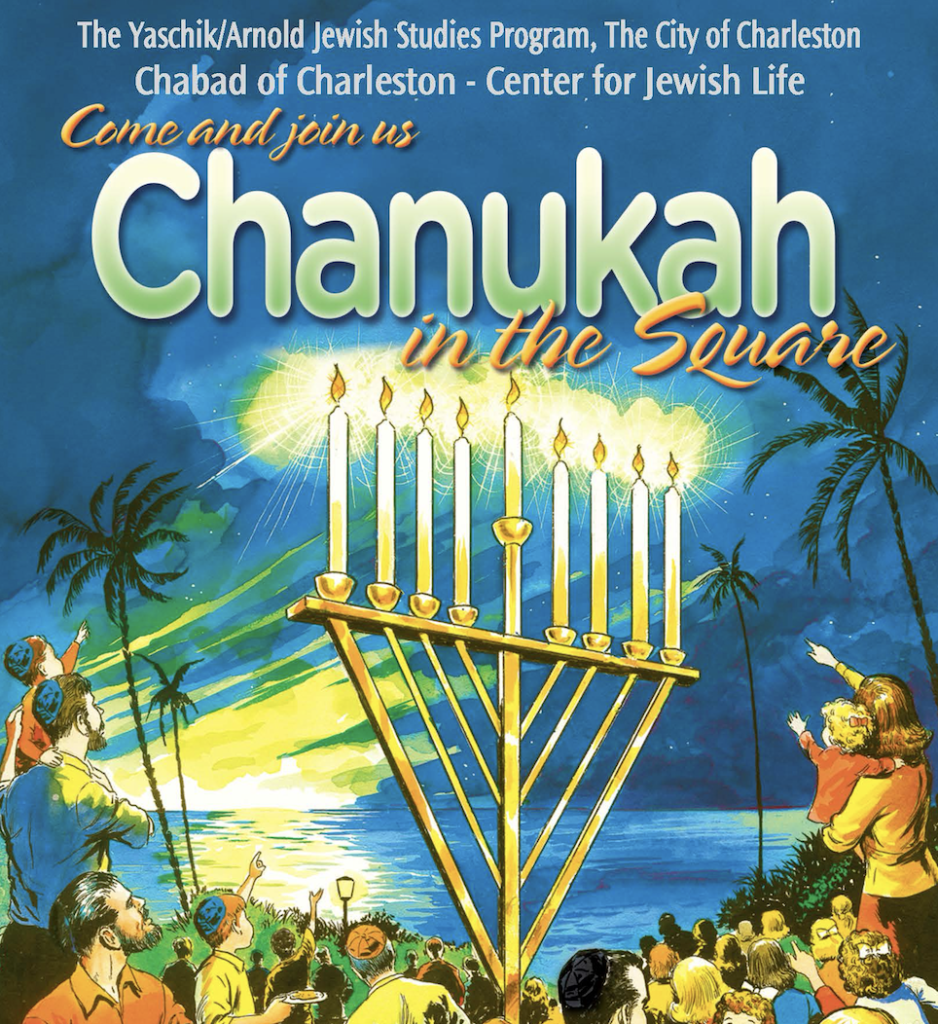
Charleston Invites the Community to Celebrate Chanukah in the Square – Sunday December 6, 2026

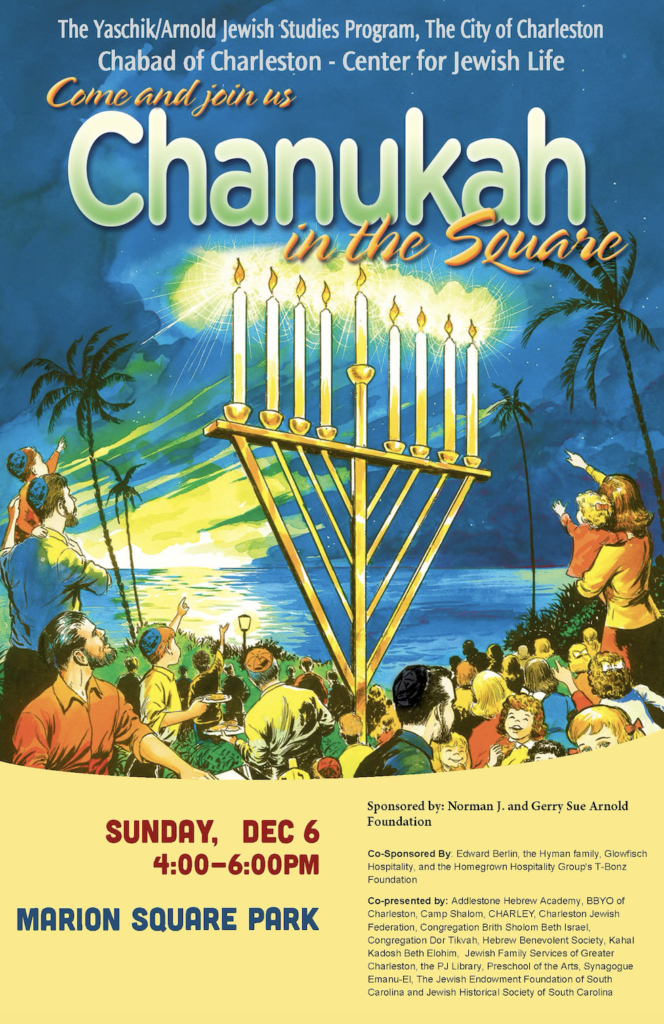
The spirit of the holiday season will shine brightly in downtown Charleston as community members of all backgrounds gather for the annual Chanukah in the Square celebration at Marion Square Park. Hosted through a partnership between The Yaschik/Arnold Jewish Studies Program, The City of Charleston, and Chabad of Charleston – Center for Jewish Life, the event offers an afternoon of tradition, music, family activities, and community fellowship.

Taking place on Sunday, December 6, from 4:00 p.m. to 6:00 p.m., the celebration is one of Charleston’s most beloved Hanukkah traditions, bringing together hundreds of residents and visitors to commemorate the Festival of Lights.

A Celebration for Everyone

Chanukah in the Square is designed as a welcoming event for people of all faiths and backgrounds. Families can gather to witness the lighting of the giant menorah while enjoying an atmosphere filled with holiday spirit, cultural traditions, and opportunities to learn about the meaning of Hanukkah.

The festival commemorates the miracle of the oil that burned for eight days following the rededication of the Holy Temple in Jerusalem. Each candle lit on the menorah symbolizes hope, perseverance, faith, and the triumph of light over darkness.

Community Comes Together

The event is made possible through the generous support of the Norman J. and Gerry Sue Arnold Foundation, along with co-sponsors including Edward Berlin, the Hyman Family, Glowfisch Hospitality, and the Homegrown Hospitality Group’s T-Bonz Foundation.

A wide range of Charleston organizations have also joined together to present the celebration, including:

  • Addlestone Hebrew Academy
  • BBYO of Charleston
  • Camp Shalom
  • CHARLEY
  • Charleston Jewish Federation
  • Congregation Brith Sholom Beth Israel
  • Congregation Dor Tikvah
  • Hebrew Benevolent Society
  • Kahal Kadosh Beth Elohim
  • Jewish Family Services of Greater Charleston
  • The PJ Library
  • Preschool of the Arts
  • Synagogue Emanu-El
  • The Jewish Endowment Foundation of South Carolina
  • Jewish Historical Society of South Carolina

The collaborative effort reflects Charleston’s long and rich Jewish history, one that dates back more than 300 years and continues to be an important part of the city’s cultural identity.

A Charleston Holiday Tradition

Held beneath the oaks of Marion Square, Chanukah in the Square has become an annual gathering where neighbors celebrate together in a festive and family-friendly atmosphere. The event serves as a reminder that the holidays are about bringing people together, celebrating diversity, and sharing messages of hope and kindness.

Whether attending for the menorah lighting, cultural experience, or simply to enjoy a joyful afternoon downtown, visitors can expect a memorable celebration that captures the warmth of the holiday season.

Event Details

What: Chanukah in the Square

Date: Sunday, December 6

Time: 4:00 p.m. – 6:00 p.m.

Location: Marion Square Park, Charleston, South Carolina

Hosted By: The Yaschik/Arnold Jewish Studies Program, The City of Charleston, and Chabad of Charleston – Center for Jewish Life

As Charleston’s holiday calendar fills with festive events, Chanukah in the Square remains one of the city’s most meaningful celebrations, inviting everyone to gather in the spirit of light, peace, and community.

Stay connected and subscribe to Charleston Daily.
THC Ban: What South Carolina Residents, Businesses and Consumers Need to Know About the Coming Federal Restrictions

By Mark A. Leon | Charleston Daily

A nationwide change to hemp regulations could dramatically reshape the THC market, putting South Carolina retailers, manufacturers and consumers at a crossroads. State lawmakers are also debating their own restrictions, adding another layer of uncertainty for an industry that has grown rapidly since 2018.

A significant change is coming to the hemp and THC industry, and South Carolina is directly in its path.

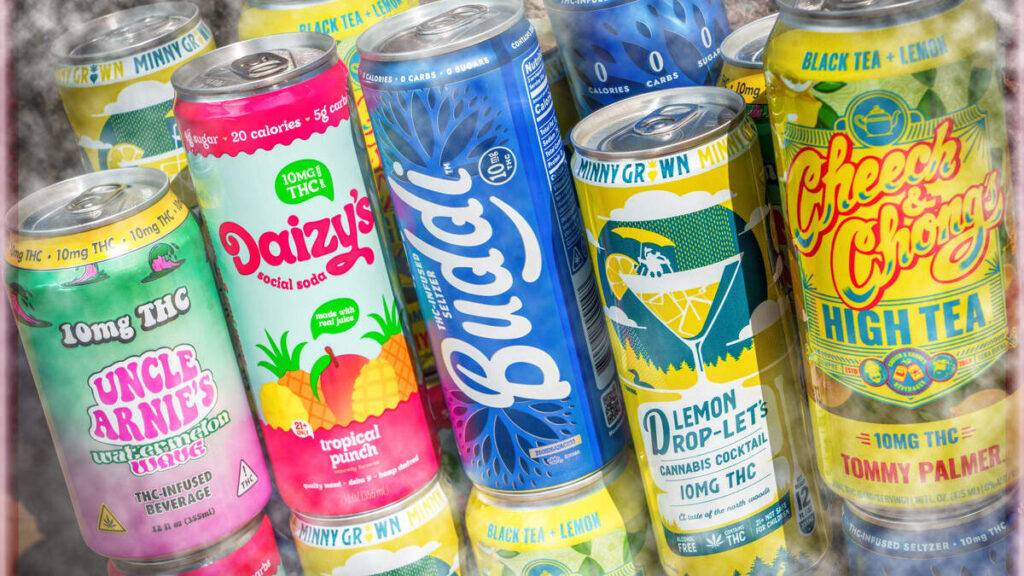
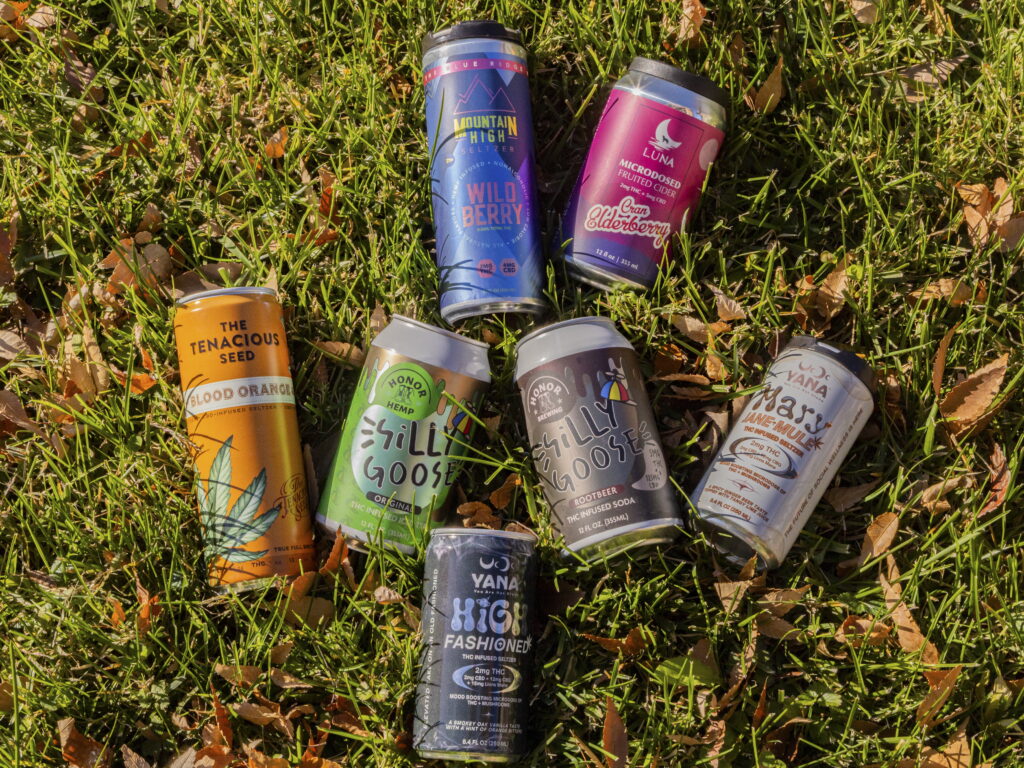
A federal law passed by Congress in November 2025 is scheduled to take effect on December 11, 2026, fundamentally changing which hemp-derived products qualify as legal hemp under federal law. The change could eliminate much of the market for hemp-derived intoxicating products, including many THC gummies, Delta-8 products, THC beverages and other cannabinoid-infused items.

While the federal legislation applies nationwide, South Carolina lawmakers are simultaneously debating separate legislation that could further restrict how these products are manufactured, distributed and sold within the state.

For consumers, small businesses and an expanding industry of hemp retailers, the next several weeks could be consequential.

What Is the Federal THC Ban?

The federal changes originated in legislation signed into law on November 12, 2025, as part of a federal appropriations package.

The legislation revises the definition of hemp established under the 2018 Farm Bill. That earlier legislation helped establish the legal framework for industrial hemp and opened the door to a rapidly expanding market for hemp-derived products.

Under the original framework, hemp was generally defined by containing no more than 0.3% Delta-9 THC on a dry-weight basis. That definition allowed manufacturers to develop and market certain intoxicating products, including Delta-8 THC and hemp-derived Delta-9 THC products.

The new federal definition takes a substantially different approach.

Among its provisions, the law:

  • Excludes certain cannabinoids that cannot naturally occur in the cannabis plant.
  • Excludes cannabinoids synthesized outside the plant.
  • Changes the THC measurement to account for total THC and certain other cannabinoids with similar effects.
  • Disqualifies finished hemp-derived products containing more than 0.4 milligrams of combined total THC and qualifying cannabinoids per retail container.

The original implementation date was November 12, 2026. Subsequent federal legislation delayed the effective date of portions of the revised definition until December 11, 2026.

The practical result is that many products currently sold as federally legal hemp products may no longer qualify as hemp under federal law.

This is a nationwide change, not a restriction limited to states that choose to enact their own THC legislation.

Which Products Could Be Affected?

The new federal definition could have a significant impact on products commonly found in smoke shops, convenience stores, specialty retailers and online marketplaces.

Potentially affected products include:

  • Delta-8 THC gummies and edibles.
  • Hemp-derived Delta-9 THC gummies.
  • THC-infused beverages.
  • THC vapes and other inhalable products.
  • Certain full-spectrum CBD products.
  • Other hemp-derived cannabinoid products exceeding the new federal limits.

Importantly, this does not mean every CBD product or every hemp product is automatically prohibited.

Products that meet the revised hemp definition may continue to qualify as hemp, subject to other applicable laws and regulations.

It is also important to distinguish this legislation from a blanket federal prohibition on all cannabis. The law changes the definition of hemp and the federal treatment of products that fall outside that definition. It does not independently legalize or prohibit every form of state-regulated marijuana.

What Is Happening in South Carolina?

South Carolina has been wrestling with its own approach to hemp-derived THC products.

House Bill 3924, commonly referred to as the hemp-derived ingestible bill, has been at the center of the debate.

Lawmakers have considered competing approaches, ranging from significant restrictions and outright prohibitions to a regulated marketplace that would allow certain THC beverages and edible products to remain available to adults.

Earlier versions of the legislation included proposals to:

  • Restrict purchases to adults 21 and older.
  • Establish THC concentration limits.
  • Require licensing for manufacturers and retailers.
  • Restrict where THC beverages and gummies could be sold.
  • Establish additional product and consumer safeguards.

The legislation has encountered significant disagreements between lawmakers over whether to prohibit most intoxicating hemp products or create a regulated marketplace.

As of November 26, the legislation remains under consideration in the South Carolina Senate. An amendment considered November 25 by Sens. Richard Cash and Danny Verdin Hembree proposed a more restrictive framework, including prohibitions on synthetic cannabis products and limitations on which hemp-cannabinoid products could be manufactured, distributed or sold.

South Carolina has not enacted a comprehensive statewide THC ban through this legislation. The latest amendment is a proposal, not an enacted law.

The distinction matters because the federal restrictions will take effect regardless of whether South Carolina reaches an agreement on its own legislation.

The Economic Impact on South Carolina

Perhaps the most significant local impact could be economic.

Over the past several years, hemp-derived THC products have become a substantial part of the specialty retail market. Independent smoke shops, convenience stores, beverage retailers, manufacturers and distributors have built businesses around products that were previously permitted under the federal hemp definition.

South Carolina businesses could face several challenges.

Small businesses and retailers

Retailers may have to remove products from their shelves, reconsider inventory purchases and find alternative revenue sources. Businesses that depend heavily on THC beverages, gummies and other hemp-derived products could face substantial financial pressure.

Manufacturers and distributors

South Carolina manufacturers could lose access to products and distribution channels that have supported their businesses. Companies may have to reformulate products, change packaging, discontinue certain product lines or reconsider their operations.

Employment and tax revenue

The impact could extend beyond individual store owners. Employees, suppliers, wholesalers, transportation companies and other businesses connected to the industry could also be affected.

State and local governments could see changes in business activity and associated tax revenue if the market contracts.

Charleston-area State Senator Deon Tedder has raised concerns about the potential consequences for South Carolina’s hemp industry. On November 25, Tedder called on the state’s congressional delegation to pursue federal action that would delay or prevent the restrictions while lawmakers develop a regulatory framework.

His proposal emphasizes age restrictions, independent testing, labeling requirements, reasonable THC limits and child-resistant packaging rather than prohibition.

What Does This Mean for Consumers?

For South Carolina consumers, the immediate concern is product availability.

People who currently purchase hemp-derived THC gummies, beverages and other products from local retailers may find that some familiar products disappear from store shelves after the federal effective date.

Other products may be reformulated to comply with the revised definition.

Consumers should also understand that a product being available for purchase today does not necessarily mean it will remain federally compliant after December 11.

The new restrictions could also create confusion as federal rules, state laws and product-labeling requirements intersect.

Consumers should not assume that products sold online or in another state can legally be shipped into South Carolina.

Is This a Ban on Medical Marijuana?

No. The federal hemp-definition changes should not be confused with a blanket ban on medical marijuana.

South Carolina does not currently have a comprehensive state medical marijuana dispensary program.

There has also been a separate discussion about federal marijuana rescheduling and whether existing South Carolina statutes could affect access to medical cannabis.

That is a different legal issue from the hemp-derived THC restrictions discussed in this article.

What Happens Next?

The coming weeks will be important for South Carolina’s hemp industry.

At the national level, the December 11 deadline is approaching. Unless Congress changes the law again, the revised definition will take effect.

At the state level, lawmakers still have to resolve disagreements over House Bill 3924 and determine whether South Carolina will establish its own regulatory structure.

For business owners, the uncertainty is particularly challenging. A retailer could be subject to federal restrictions even if South Carolina ultimately chooses a more permissive approach.

For consumers, the products available today may look very different by the end of the year.

The larger question is whether lawmakers will ultimately favor a tightly regulated hemp-derived THC marketplace or a substantially more restrictive approach.

For an industry built around the 2018 Farm Bill, the answer could determine the future of thousands of businesses and consumers across the country, including right here in South Carolina.

Charleston Daily will continue following the federal changes and the South Carolina legislative debate as the December 11 deadline approaches.

Stay connected and subscribe to Charleston Daily.
Frankie’s Fun Park Close to Reopening in North Charleston with Bigger Attractions and a Fresh New Look

NORTH CHARLESTON, S.C. — One of the Lowcountry’s favorite family entertainment destinations is officially back in action.

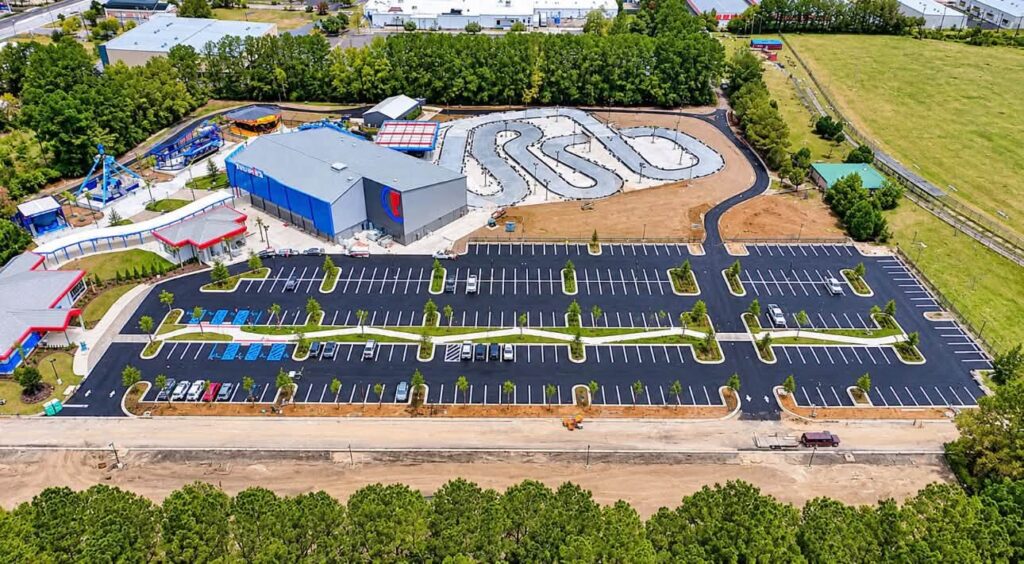
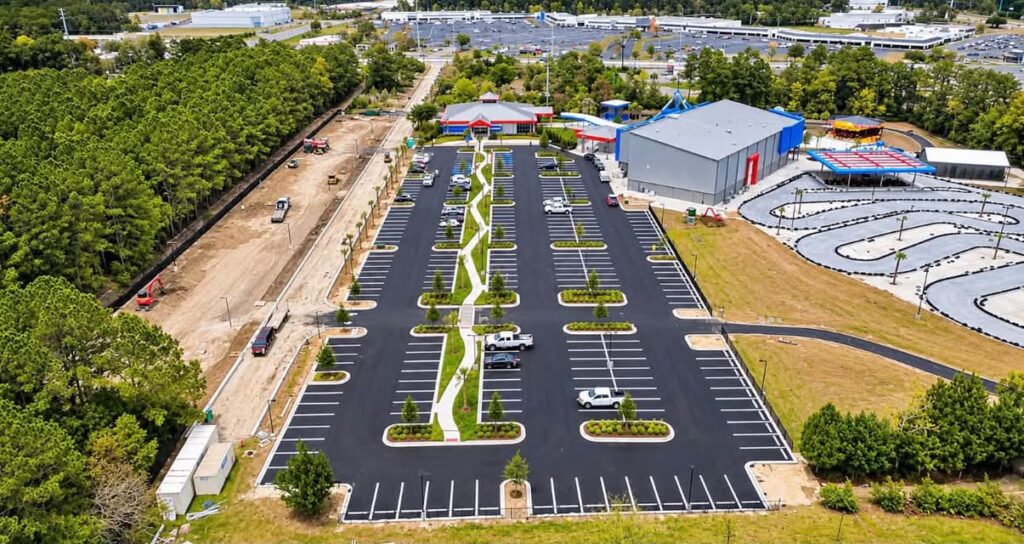
After an extensive redevelopment and expansion, Frankie’s Fun Park is close to reopening its North Charleston location, unveiling a refreshed park featuring new attractions, upgraded amenities, and a modern look designed to entertain visitors of all ages.

The long-awaited reopening marks a significant investment in family entertainment in the Charleston area and brings back a beloved destination that has served generations of Lowcountry families.

A Bigger, Better Frankie’s

Guests returning to Frankie’s will immediately notice a dramatically transformed property. The park has been redesigned with improved landscaping, expanded parking, and updated facilities while preserving the fun-filled atmosphere that has made Frankie’s a Charleston staple.

The revitalized park features:

  • Multiple go-kart tracks for drivers of varying skill levels
  • Two professionally designed miniature golf courses
  • A spacious indoor arcade packed with classic favorites and the latest interactive games
  • Batting cages
  • Thrill rides for older kids and adults
  • Family rides designed for younger visitors
  • Modern food and beverage options
  • Expanded outdoor gathering spaces

One of the most eye-catching additions is the newly constructed go-kart complex, which offers more room for racing enthusiasts while enhancing the overall guest experience.

A Longtime Charleston Tradition

For decades, Frankie’s Fun Park has been synonymous with birthday parties, first dates, school celebrations, family outings, and summer fun throughout the Charleston region.

Its North Charleston location has remained one of the area’s premier destinations for affordable entertainment, giving families a place to enjoy everything from miniature golf and arcade games to competitive go-kart racing.

The reopening represents more than just renovated buildings—it restores a community gathering place that many Charleston residents grew up visiting.

Designed for Every Age

Whether you’re introducing a new generation to mini golf, challenging friends on the racetrack, or simply spending an afternoon in the arcade, Frankie’s offers attractions that appeal to nearly every age group.

Families with young children can enjoy kid-friendly rides and games, while teenagers and adults will find plenty of excitement on the high-speed go-kart tracks and thrill attractions.

The park also continues to be a popular destination for:

  • Birthday parties
  • School field trips
  • Church groups
  • Corporate team-building events
  • Family reunions
  • Holiday celebrations

Screenshot

A Boost for North Charleston

The reopening is also welcome news for the North Charleston community. Attractions like Frankie’s help drive tourism, support nearby restaurants and retailers, and create local employment opportunities while giving residents another high-quality entertainment option close to home.

With Charleston continuing to experience rapid population growth, family entertainment venues have become increasingly valuable community assets.

Planning Your Visit

Frankie’s Fun Park is located in North Charleston and is expected to be one of the busiest entertainment destinations during weekends, holidays, and school breaks. Visitors are encouraged to purchase attraction packages in advance when available and arrive early during peak periods.

Whether you’re reliving childhood memories or creating new ones, the newly reopened Frankie’s Fun Park offers a refreshed experience while maintaining the fun-filled tradition that has made it a Lowcountry favorite for decades.

From the roar of go-karts to the excitement of the arcade and the friendly competition of miniature golf, Frankie’s is once again ready to welcome Charleston-area families for another generation of unforgettable memories.

Stay connected and subscribe to Charleston Daily.
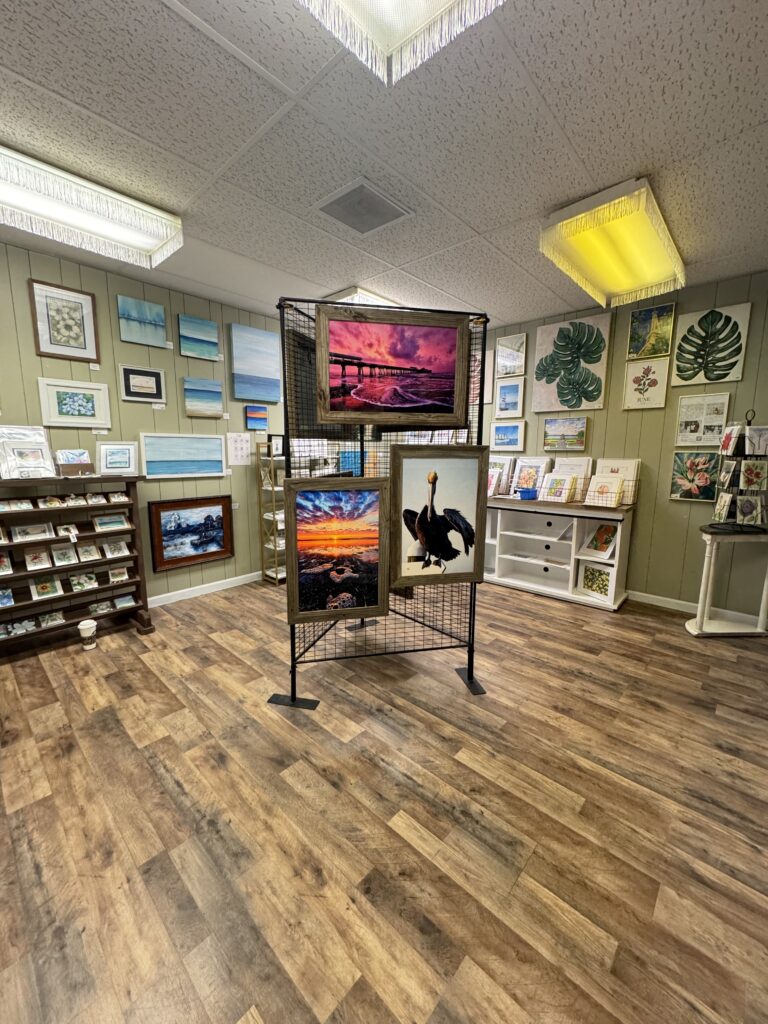
Photo Credit: Southeastern Thermoplastic

15 Thanksgiving Quotes That Capture the Spirit of Gratefulness in Charleston, South Carolina

By Mark A. Leon

As Thanksgiving arrives in the Lowcountry, there’s something special about the way Charleston celebrates the season. From oyster roasts beneath sprawling live oaks to family gatherings around tables filled with turkey, cornbread dressing, shrimp, and sweet potato pie, Thanksgiving here is about far more than the meal. It’s about slowing down, appreciating life’s blessings, and spending time with the people who matter most.

Whether you’re watching the sunrise over Folly Beach, taking an afternoon stroll along The Battery, or gathering with loved ones in the heart of the Holy City, these quotes remind us of the true meaning of Thanksgiving.


1. “Gratitude turns an ordinary meal into a feast and a simple house into a home.”

Thanksgiving isn’t measured by how much is on the table—it’s measured by the love gathered around it. In Charleston, hospitality has always been the richest tradition.


2. “Family is the heart of every Thanksgiving, and gratitude is the heartbeat.”

The Lowcountry has long been built on generations of families coming together. Thanksgiving is a reminder that our greatest blessings are often sitting right beside us.


3. “A thankful heart is the best recipe you’ll ever bring to the Thanksgiving table.”

No secret ingredient compares to genuine appreciation. Gratitude has a way of making every dish taste just a little better.


4. “Charleston teaches us that the best things in life are never rushed—especially family, friendship, and Thanksgiving.”

Like a slow walk through downtown or a sunset over Charleston Harbor, the most meaningful moments deserve to be savored.


5. “Love grows strongest where gratitude is spoken often.”

A simple “thank you” can strengthen families, heal friendships, and create memories that last far beyond the holiday.


6. “The richest Thanksgiving isn’t found in the menu—it’s found in the memories.”

Years from now, few will remember exactly what was served. They’ll remember the laughter, the conversations, and who was there.


7. “Every blessing becomes bigger when it’s shared.”

Whether you’re opening your home to relatives, neighbors, or someone spending Thanksgiving alone, generosity is one of the Lowcountry’s greatest traditions.


8. “Thanksgiving reminds us that home isn’t always a place—it’s the people who welcome you.”

Charleston has welcomed visitors for centuries, but its greatest beauty is found in the warmth of its people.


9. “Grateful people create grateful families.”

Children often learn gratitude by watching the adults around them appreciate life’s everyday blessings.


10. “There is no better view than a Charleston sunset shared with the people you love.”

The marshes may glow golden, church steeples may silhouette the skyline, but nothing compares to experiencing it together.


11. “The greatest Thanksgiving tradition is simply showing up for one another.”

Whether it’s traveling across the country or just across town, your presence is often the greatest gift you can give.


12. “A thankful spirit makes every season brighter.”

Thanksgiving may only last one day, but gratitude has the power to shape every day that follows.


13. “Around every Charleston table sits a story worth remembering.”

From family recipes passed down through generations to new traditions being created, every Thanksgiving adds another chapter.


14. “Love is the one dish that never runs out at Thanksgiving.”

Even when leftovers disappear, love has a remarkable way of multiplying.


15. “May your Thanksgiving be filled with grateful hearts, full plates, warm hugs, and the timeless charm of Charleston.”

The Holy City’s historic streets remind us that traditions endure because they’re built on love, family, and thankfulness.


The Charleston Daily Take

Charleston has always been known for its hospitality. It’s woven into the city’s history, reflected in welcoming front porches, shared meals, and neighbors helping neighbors. Thanksgiving is perhaps the perfect expression of that spirit.

This year, take a moment between the football games, pumpkin pie, and second helpings to appreciate the simple gifts: the family gathered around the table, the friends who feel like family, and the opportunity to create another cherished memory.

After all, the greatest Thanksgiving tradition isn’t found in the recipes passed down through generations—it’s in the gratitude we pass on to the next.

From all of us at Charleston Daily, Happy Thanksgiving. May your home be filled with love, laughter, grateful hearts, and the unmistakable warmth of the Lowcountry.

Stay connected and subscribe to Charleston Daily.

50 Fun, Silly & Slightly Crazy Things to Do in Charleston When Coastal Flooding Takes Over

Screenshot

By Mark A. Leon

Because if you’re going to be stuck waiting for the tide to go down, you might as well have a little Lowcountry fun.

If you’ve lived in Charleston for more than a few months, you’ve probably learned one universal truth: sometimes the ocean decides it wants a closer look at downtown.

King tides, heavy rain, and coastal flooding are all part of life in the Holy City. While you should never drive through floodwaters and always follow road closures and weather advisories, that doesn’t mean you have to sit around bored waiting for the water to recede. Charleston experiences regular nuisance tidal flooding during especially high tides, particularly in the fall, when king tides combine with rain and onshore winds. 

1. Become a “Flood Correspondent”

Narrate the rising water like you’re reporting live from a major natural disaster.

2. Count How Many Cars Turn Around

You’ll be surprised how many people ignore the “Road Closed” signs first.

3. Start a “Manhole Geyser” Photo Collection

Charleston’s bubbling storm drains become instant attractions.

4. Give Flooded Streets New Names

Venice Boulevard. Canal Street. Lake Lockwood.

5. Pretend You’re on an Episode of National Geographic

Observe the migration patterns of confused tourists.

6. Rate People’s Rain Boots

Fashion Week, Charleston Edition.

7. Guess Which Street Floods First

Longtime locals know the usual suspects.

8. Sip Coffee and Watch Nature Win

There’s something oddly relaxing about watching the tide reclaim the streets.

9. Keep a “King Tide Bingo Card”

Free space: Someone asks, “Does this happen often?”

10. Name the Ducks

They’re clearly enjoying themselves more than everyone else.

11. Count Jeeps Driving Through Water Like It’s an Obstacle Course

12. Guess Which Tourist Says, “I Thought This Was Supposed to Be Sunny.”

13. Have a Window Seat Competition

Find the best café with a flood view.

14. Take a “Before and After” Photo Every Hour

15. Create Charleston Flood Memes

16. Invent New Cocktail Names

The King Tide, Marsh Mojito, The Lockwood Splash, Holy City Hurricane.

17. Have a “Guess the Tide Height” Contest

18. Spot Someone Wearing Flip-Flops

True Charleston confidence.

19. Count Golf Carts Making Bad Decisions

20. Watch Delivery Drivers Perform Miracles

21. Photograph Reflections

Floodwater can create surprisingly beautiful mirror-like scenes.

22. Listen to the Rain on a Historic Porch

23. Read a Charleston Ghost Story

Flooding somehow makes them even creepier.

24. See How Many Umbrellas Flip Inside Out

25. Eat She-Crab Soup

Because flood days practically demand comfort food.

26. Build the Ultimate Charleston Playlist

Include beach music, Jimmy Buffett, and Hootie & the Blowfish.

27. Take the Long Way Home

Sometimes the scenic route is the only route.

28. Pretend You’re a Tide Expert

Use words like “astronomical tide” in casual conversation.

29. Make a “Flood Day Snack Board”

30. Watch Pelicans Dive

They don’t seem bothered at all.

31. Read a Book You’ve Been Avoiding

32. Have an Indoor Picnic

33. Time How Long It Takes the Water to Recede

34. See Which Friend Posts Flood Pictures First

35. Learn Charleston History

Many of these streets have flooded for generations.

36. Photograph Historic Buildings in Moody Weather

37. Find the Best Hot Chocolate in Town

38. Make Predictions About Tomorrow’s Headlines

39. Keep a Flood Journal

40. Learn Tide Terminology

You’ll sound like a local in no time.

41. Try Every Coffee Shop You’ve Never Visited

42. Organize Your Camera Roll

You’ll probably discover 400 photos of Rainbow Row.

43. Watch Boats Instead of Cars

44. Count Dogs That Love Puddles

45. Play “Flood BINGO”

Tourist asks for directions. Someone ignores barricades. A local says, “This isn’t even that bad.” News helicopter flies overhead.

46. Bake Something

Cookies somehow taste better on rainy days.

47. Call Grandma

She’s probably seen worse.

48. Appreciate Charleston’s Resilience

Locals somehow keep smiling through soggy commutes.

49. Plan Your Next Sunny Adventure

The beach will still be there tomorrow.

50. Stay Dry and Laugh About It

Sometimes the best Charleston stories begin with, “Remember that flood…”

Stay connected and subscribe to Charleston Daily.