 by
By Mark A. Leon | Charleston Daily
A nationwide change to hemp regulations could dramatically reshape the THC market, putting South Carolina retailers, manufacturers and consumers at a crossroads. State lawmakers are also debating their own restrictions, adding another layer of uncertainty for an industry that has grown rapidly since 2018.
A significant change is coming to the hemp and THC industry, and South Carolina is directly in its path.
A federal law passed by Congress in November 2025 is scheduled to take effect on December 11, 2026, fundamentally changing which hemp-derived products qualify as legal hemp under federal law. The change could eliminate much of the market for hemp-derived intoxicating products, including many THC gummies, Delta-8 products, THC beverages and other cannabinoid-infused items.
While the federal legislation applies nationwide, South Carolina lawmakers are simultaneously debating separate legislation that could further restrict how these products are manufactured, distributed and sold within the state.
For consumers, small businesses and an expanding industry of hemp retailers, the next several weeks could be consequential.
What Is the Federal THC Ban?
The federal changes originated in legislation signed into law on November 12, 2025, as part of a federal appropriations package.
The legislation revises the definition of hemp established under the 2018 Farm Bill. That earlier legislation helped establish the legal framework for industrial hemp and opened the door to a rapidly expanding market for hemp-derived products.
Under the original framework, hemp was generally defined by containing no more than 0.3% Delta-9 THC on a dry-weight basis. That definition allowed manufacturers to develop and market certain intoxicating products, including Delta-8 THC and hemp-derived Delta-9 THC products.
The new federal definition takes a substantially different approach.
Among its provisions, the law:
- Excludes certain cannabinoids that cannot naturally occur in the cannabis plant.
- Excludes cannabinoids synthesized outside the plant.
- Changes the THC measurement to account for total THC and certain other cannabinoids with similar effects.
- Disqualifies finished hemp-derived products containing more than 0.4 milligrams of combined total THC and qualifying cannabinoids per retail container.
The original implementation date was November 12, 2026. Subsequent federal legislation delayed the effective date of portions of the revised definition until December 11, 2026.
The practical result is that many products currently sold as federally legal hemp products may no longer qualify as hemp under federal law.
This is a nationwide change, not a restriction limited to states that choose to enact their own THC legislation.
Which Products Could Be Affected?
The new federal definition could have a significant impact on products commonly found in smoke shops, convenience stores, specialty retailers and online marketplaces.
Potentially affected products include:
- Delta-8 THC gummies and edibles.
- Hemp-derived Delta-9 THC gummies.
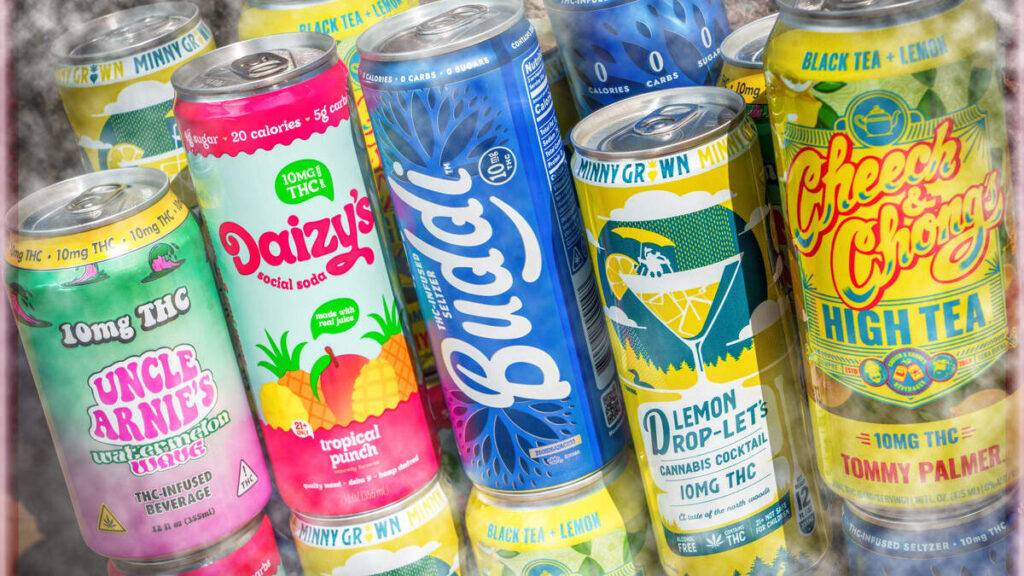
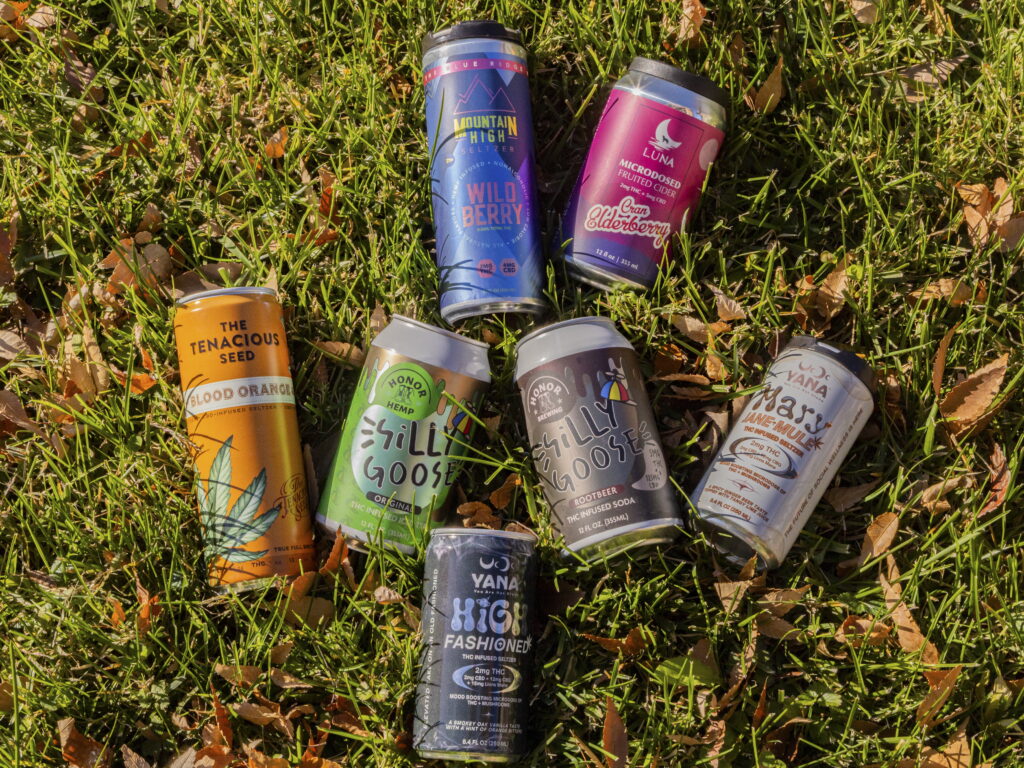
- THC-infused beverages.
- THC vapes and other inhalable products.
- Certain full-spectrum CBD products.
- Other hemp-derived cannabinoid products exceeding the new federal limits.
Importantly, this does not mean every CBD product or every hemp product is automatically prohibited.
Products that meet the revised hemp definition may continue to qualify as hemp, subject to other applicable laws and regulations.
It is also important to distinguish this legislation from a blanket federal prohibition on all cannabis. The law changes the definition of hemp and the federal treatment of products that fall outside that definition. It does not independently legalize or prohibit every form of state-regulated marijuana.
What Is Happening in South Carolina?
South Carolina has been wrestling with its own approach to hemp-derived THC products.
House Bill 3924, commonly referred to as the hemp-derived ingestible bill, has been at the center of the debate.
Lawmakers have considered competing approaches, ranging from significant restrictions and outright prohibitions to a regulated marketplace that would allow certain THC beverages and edible products to remain available to adults.
Earlier versions of the legislation included proposals to:
- Restrict purchases to adults 21 and older.
- Establish THC concentration limits.
- Require licensing for manufacturers and retailers.
- Restrict where THC beverages and gummies could be sold.
- Establish additional product and consumer safeguards.
The legislation has encountered significant disagreements between lawmakers over whether to prohibit most intoxicating hemp products or create a regulated marketplace.
As of November 26, the legislation remains under consideration in the South Carolina Senate. An amendment considered November 25 by Sens. Richard Cash and Danny Verdin Hembree proposed a more restrictive framework, including prohibitions on synthetic cannabis products and limitations on which hemp-cannabinoid products could be manufactured, distributed or sold.
South Carolina has not enacted a comprehensive statewide THC ban through this legislation. The latest amendment is a proposal, not an enacted law.
The distinction matters because the federal restrictions will take effect regardless of whether South Carolina reaches an agreement on its own legislation.
The Economic Impact on South Carolina
Perhaps the most significant local impact could be economic.
Over the past several years, hemp-derived THC products have become a substantial part of the specialty retail market. Independent smoke shops, convenience stores, beverage retailers, manufacturers and distributors have built businesses around products that were previously permitted under the federal hemp definition.
South Carolina businesses could face several challenges.
Small businesses and retailers
Retailers may have to remove products from their shelves, reconsider inventory purchases and find alternative revenue sources. Businesses that depend heavily on THC beverages, gummies and other hemp-derived products could face substantial financial pressure.
Manufacturers and distributors
South Carolina manufacturers could lose access to products and distribution channels that have supported their businesses. Companies may have to reformulate products, change packaging, discontinue certain product lines or reconsider their operations.
Employment and tax revenue
The impact could extend beyond individual store owners. Employees, suppliers, wholesalers, transportation companies and other businesses connected to the industry could also be affected.
State and local governments could see changes in business activity and associated tax revenue if the market contracts.
Charleston-area State Senator Deon Tedder has raised concerns about the potential consequences for South Carolina’s hemp industry. On November 25, Tedder called on the state’s congressional delegation to pursue federal action that would delay or prevent the restrictions while lawmakers develop a regulatory framework.
His proposal emphasizes age restrictions, independent testing, labeling requirements, reasonable THC limits and child-resistant packaging rather than prohibition.
What Does This Mean for Consumers?
For South Carolina consumers, the immediate concern is product availability.
People who currently purchase hemp-derived THC gummies, beverages and other products from local retailers may find that some familiar products disappear from store shelves after the federal effective date.
Other products may be reformulated to comply with the revised definition.
Consumers should also understand that a product being available for purchase today does not necessarily mean it will remain federally compliant after December 11.
The new restrictions could also create confusion as federal rules, state laws and product-labeling requirements intersect.
Consumers should not assume that products sold online or in another state can legally be shipped into South Carolina.
Is This a Ban on Medical Marijuana?
No. The federal hemp-definition changes should not be confused with a blanket ban on medical marijuana.
South Carolina does not currently have a comprehensive state medical marijuana dispensary program.
There has also been a separate discussion about federal marijuana rescheduling and whether existing South Carolina statutes could affect access to medical cannabis.
That is a different legal issue from the hemp-derived THC restrictions discussed in this article.
What Happens Next?
The coming weeks will be important for South Carolina’s hemp industry.
At the national level, the December 11 deadline is approaching. Unless Congress changes the law again, the revised definition will take effect.
At the state level, lawmakers still have to resolve disagreements over House Bill 3924 and determine whether South Carolina will establish its own regulatory structure.
For business owners, the uncertainty is particularly challenging. A retailer could be subject to federal restrictions even if South Carolina ultimately chooses a more permissive approach.
For consumers, the products available today may look very different by the end of the year.
The larger question is whether lawmakers will ultimately favor a tightly regulated hemp-derived THC marketplace or a substantially more restrictive approach.
For an industry built around the 2018 Farm Bill, the answer could determine the future of thousands of businesses and consumers across the country, including right here in South Carolina.
Charleston Daily will continue following the federal changes and the South Carolina legislative debate as the December 11 deadline approaches.
Stay connected and subscribe to Charleston Daily.
