Join in the Fun: Community Invited to Homecoming Parade, Events at College of Charleston – Wednesday, November 4

Need some post-Election Day fun? Bring the whole family!

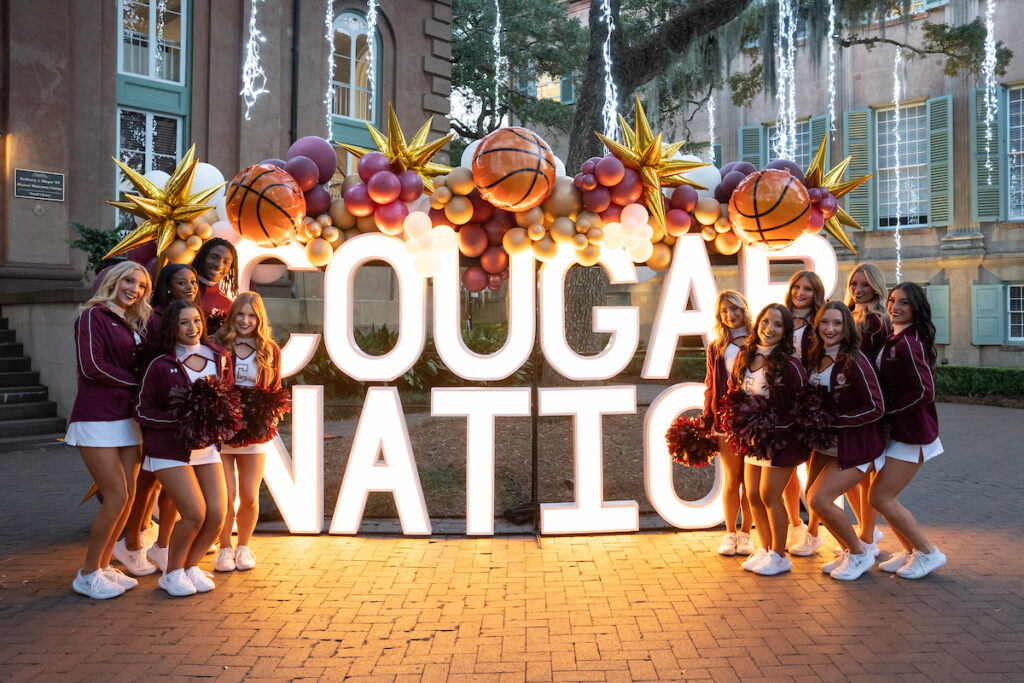
The College of Charleston is inviting the community to its homecoming events, including the Cougar Glow Parade.

The parade is happening this Wed. Nov. 4 at 6 p.m.

The parade starts at 6 p.m. sharp at Porter’s Lodge right outside Cistern Yard and runs along George Street to King Street, circling around Wentworth to Coming Streets before finishing back where it started.

Have kids bring treat bags for goodie handouts, get ready to meet and greet the College’s men’s and women’s basketball teams’ players and coaches and enjoy a fun event downtown.

After the parade, the community can enjoy spirit night events in Cistern Yard.

The homecoming parade and other homecoming week events offer a chance to connect (or reconnect) with generations of graduates, support current students and visit one of the most beautiful campuses in the world, according to the most recent accolade from House Beautiful.

For more information on all College of Charleston homecoming week events, when campus is buzzing with excitement and welcoming alumni, families and friends back home, please visit the College’s homecoming site. 

(Photo Credit: College of Charleston)

South of Calhoun: A Culinary Journey Along Charleston’s Historic Meeting Street

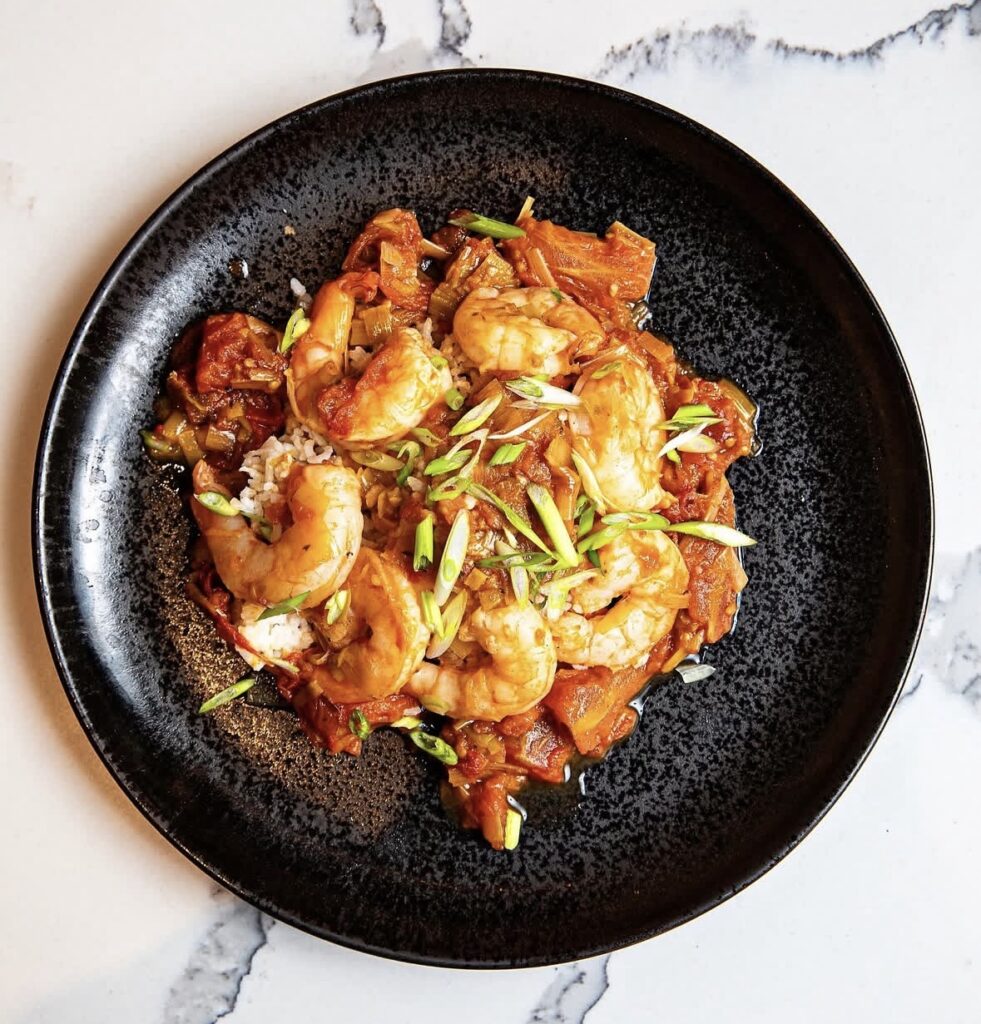
Iron Rose

By Mark A Leon

From Lowcountry seafood and elegant Southern dining to globally inspired cuisine, handmade pasta and decadent desserts, discover four restaurants adding flavor and personality to one of downtown Charleston’s most interesting dining corridors.

Charleston’s culinary reputation is built on tradition, but one of the things that makes the Holy City so exciting is its willingness to embrace new flavors and experiences.

South of Calhoun Street, Meeting Street offers a wonderful cross-section of that culinary personality. Historic buildings, intimate dining rooms, beautiful courtyards and distinctive kitchens create a neighborhood where no two dining experiences need to be alike.

Here, you can enjoy coastal Southern cooking, experience a Charleston seafood institution, discover globally inspired seafood and handmade pasta, or travel through the flavors of Pakistani cuisine without ever leaving downtown.

Whether you’re looking for an elegant evening out, a creative cocktail, a memorable dinner or something sweet to finish the night, these four restaurants deserve a place on your Charleston dining itinerary.

Iron Rose: Southern Coastal Cooking With a Garden Atmosphere

115 Meeting Street | Inside The Mills House Hotel

Located inside the historic Mills House Hotel, Iron Rose combines contemporary Southern coastal cooking with an inviting courtyard featuring lush greenery and a beautiful fountain. It is an appealing setting for brunch, a leisurely lunch or a romantic evening downtown.

The restaurant’s menu celebrates familiar Southern ingredients while incorporating contemporary techniques and unexpected flavor combinations.

Two dishes worth exploring include:

Seared Scallops: Served with asparagus, Vidalia onions, almonds and pesto limone. A thoughtfully composed seafood dish that balances richness with fresh, bright flavors.

Roasted Black Grouper: Prepared with wild mushrooms, fregola sarda, sherry cream and red wine gastrique. A wonderful example of coastal ingredients meeting contemporary culinary creativity.

And then there is dessert. Iron Rose offers tempting finishes, including its spiced carrot cake with whipped cream cheese and candied pecans, and strawberry lemon tiramisu featuring mascarpone and local strawberries.

For those who appreciate a beautiful setting as much as a good meal, Iron Rose is one of Meeting Street’s more inviting dining experiences.

Hyman’s Seafood: A Charleston Tradition That Keeps Giving

215 Meeting Street

The Hyman family’s business presence on this block dates to 1890, and the family opened its seafood restaurant in 1986. Today, it remains one of downtown Charleston’s most recognizable seafood destinations.

The atmosphere is energetic, the portions are generous, and the menu celebrates the seafood traditions that have helped define Lowcountry cooking.

Two signature selections stand out:

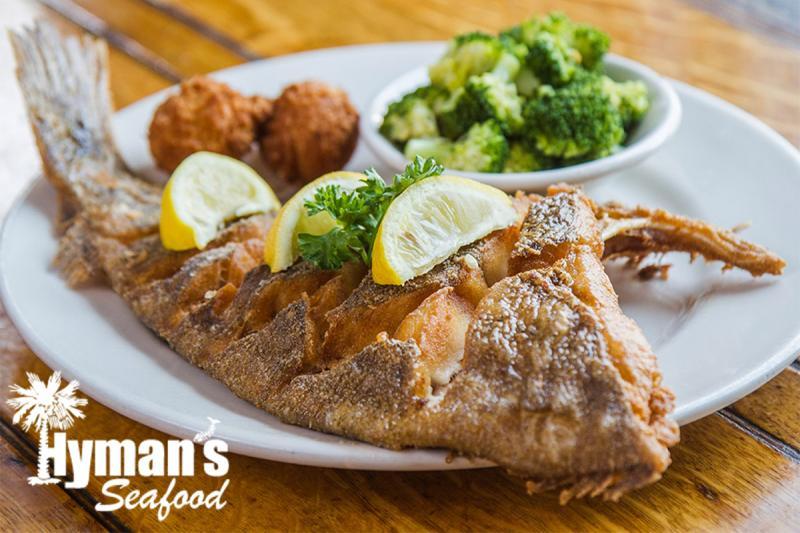
Whole Crispy Flounder: A 20-ounce, bone-in flounder, scored and fried until golden. It is Hyman’s best-selling dish and a favorite among seafood enthusiasts.

Charleston She-Crab Soup: A creamy Lowcountry classic featuring crab, offering a taste of one of Charleston’s most recognizable culinary traditions.

Hush puppies, shrimp platters, oysters and crab cakes round out the experience.

Hyman’s may not be an intimate, candlelit dining experience, but that’s part of its appeal. It is a lively, distinctly Charleston restaurant where seafood, family history and hospitality come together.

Cheeky: A Playful New Chapter for Meeting Street Dining

151 Meeting Street

Charleston’s restaurant scene has another reason to get a little cheeky.

From the team behind several successful Charleston restaurant concepts, Cheeky takes inspiration from the world’s great coastlines. Its approach is polished but playful, offering something a little different from the traditional Lowcountry dining experience.

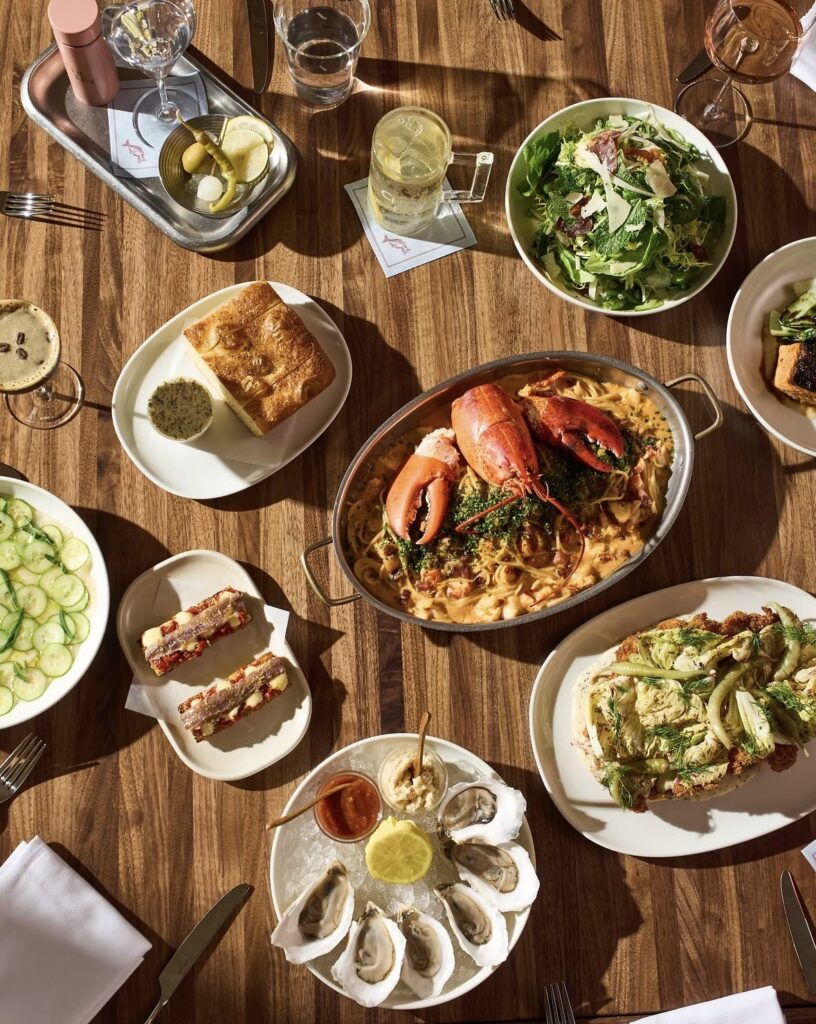
Cheeky

Two menu selections worth exploring:

Lobster Spaghetti: Handmade pasta paired with lobster, offering a decadent seafood-forward take on an Italian favorite.

Bluefin Toro Sashimi: Rich bluefin tuna belly prepared with yuzu kosho and shoyu, delivering bright, Japanese-inspired flavors.

Dessert deserves some attention, too. The Sticky Date Cake and Basque Vanilla Cheesecake offer two tempting ways to finish the evening.

The beverage program adds another layer of personality. Signature miniature cocktails, appropriately named Cheekies, offer a playful alternative to traditional cocktails, while martinis, highballs and sparkling wines round out the experience.

Cheeky brings something different to this historic stretch of Meeting Street: a lively, contemporary seafood destination that embraces Charleston’s coastal identity while looking well beyond the Lowcountry for inspiration.

Ma’am Saab: A World of Pakistani Flavor on Meeting Street

251 Meeting Street

Modern Pakistani cooking meets Southern hospitality at this imaginative restaurant, where bold spices, traditional recipes and contemporary presentation create something different from the familiar Charleston dining experience.

Inspired by the food cultures of Karachi, Lahore, Lucknow and beyond, Ma’am Saab invites guests to explore a cuisine that deserves a place in the conversation about Charleston’s evolving restaurant scene.

The atmosphere is equally memorable, with dramatic design, intimate lighting and a lively bar.

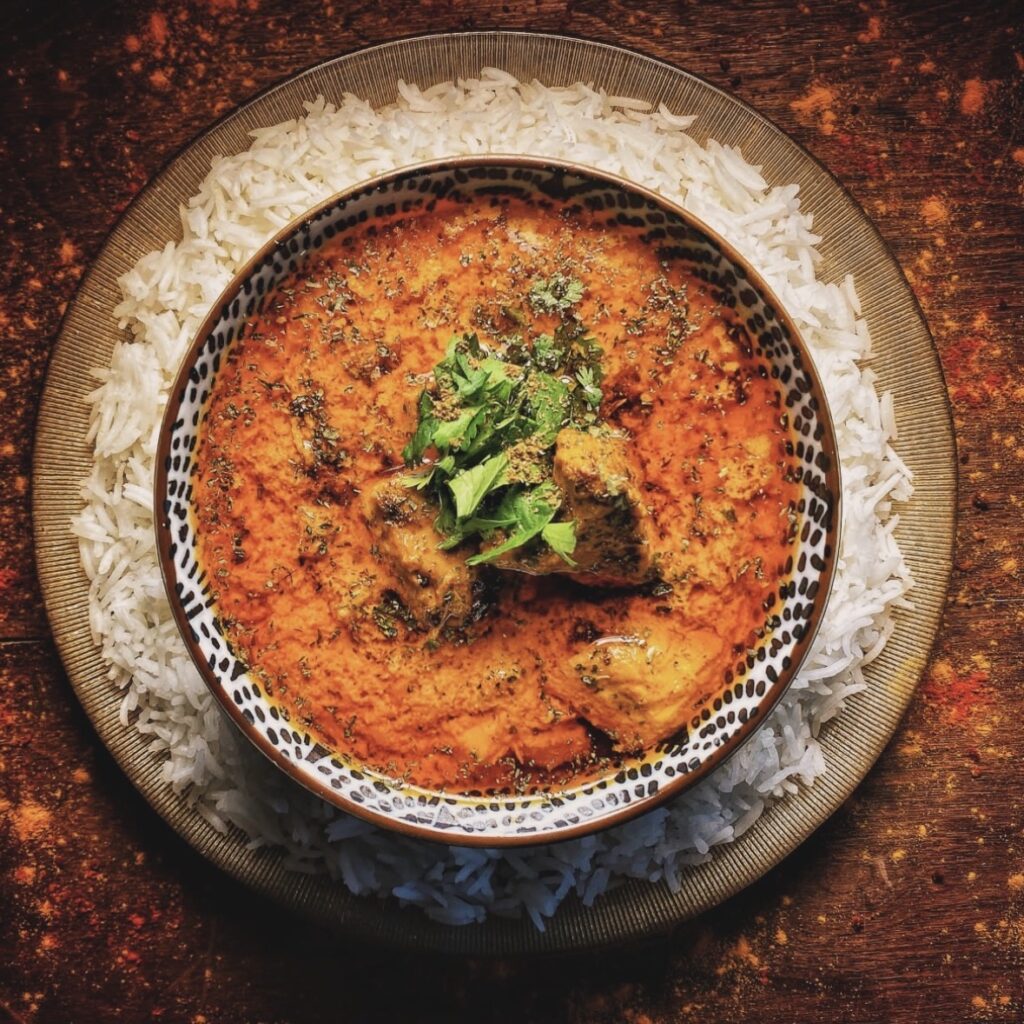
Ma’am Saab

Two menu selections worth considering:

Lucknow Nihari: A 16-hour slow-cooked lamb shank served in a silky gravy of roasted spices and aromatics. This traditional dish is a centerpiece of Pakistani culinary heritage.

Butter Chicken: Roasted chicken in a rich golden curry, served with basmati rice. A comforting and flavorful introduction for anyone discovering Pakistani cuisine.

The restaurant also offers a selection of starters, including chaat, samosas and specialty street-food-inspired dishes.

And don’t leave without considering dessert. Gulab Jamun, a traditional South Asian sweet, offers a delicious ending to a spice-forward meal. Seasonal cheesecake provides another option for those looking for a more familiar finish.

Ma’am Saab is more than another restaurant on Meeting Street. It represents the diversity of Charleston’s growing food culture and the creativity of chefs bringing their own heritage and stories to the table.

Four Restaurants, Four Different Charleston Experiences

What makes this section of Meeting Street so interesting is the contrast.

At Iron Rose, you have Southern coastal cooking served in a beautiful garden setting. At Hyman’s, you experience the seafood traditions and family history that have helped shape Charleston’s reputation. At Cheeky, you discover globally influenced seafood, handmade pasta and a playful approach to dining. At Ma’am Saab, you travel thousands of miles through flavor without ever leaving downtown.

Four restaurants. Four distinct culinary personalities. One historic Charleston corridor.

And while Charleston will always be celebrated for its shrimp and grits, she-crab soup, oysters and fresh local seafood, its food culture continues to grow through restaurants willing to introduce something unexpected.

There is something wonderful about being able to experience so many different culinary traditions within a relatively short walk. It’s part of what makes downtown Charleston such an appealing destination for locals and visitors alike.

The next time you’re exploring downtown, head south of Calhoun Street, take your time along Meeting Street and bring your appetite.

Stay for dinner. Order dessert. Enjoy a cocktail. Explore a little farther than you normally would.

Charleston has plenty of history to see. But some of its best stories are told one plate at a time.

Charleston Daily | Restaurant menus, prices and seasonal selections are subject to change. Check individual restaurant websites for current offerings and hours.

Related: Look Up Charleston Indoor Downtown Art Collective: Where Local Art, Heart, and Community Converge

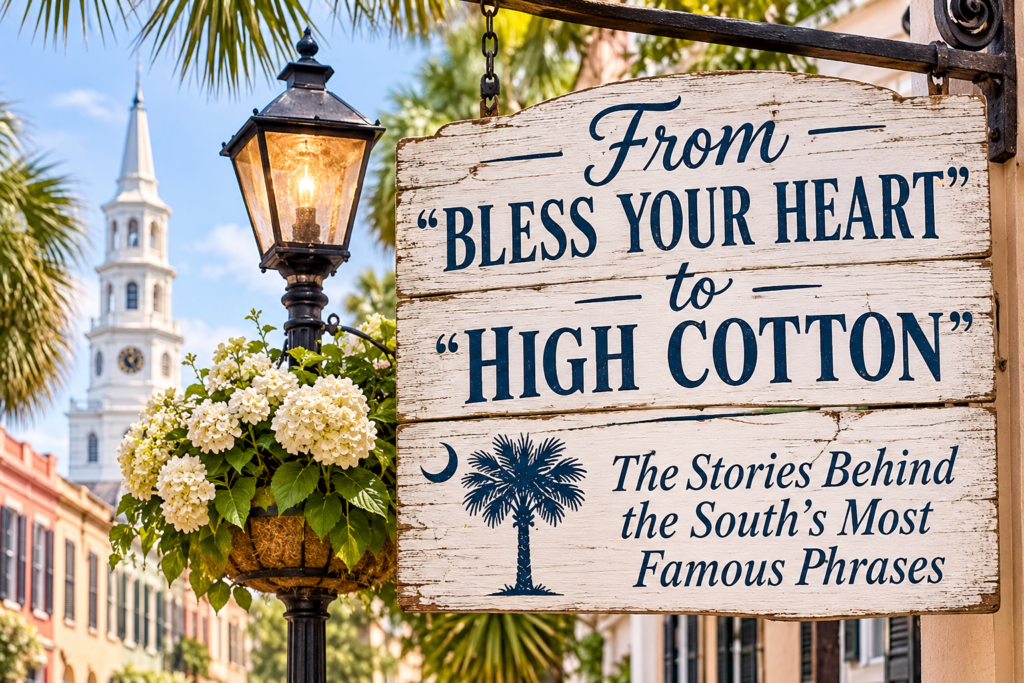
From “Bless Your Heart” to “High Cotton”: The Stories Behind the South’s Most Famous Phrases

By Mark A Leon – Charleston Daily

There are some things you simply cannot translate about the American South. The food, the hospitality, the slower pace of life and, perhaps most importantly, the language.

In Charleston, a conversation can begin with “How y’all doing?” move into a story about somebody being “in high cotton,” and end with a cheerful “If the good Lord’s willing and the creek don’t rise.”

To a visitor, it might sound like another language. To a Southerner, it is perfectly understandable.

Southern expressions are more than colorful combinations of words. Many are rooted in agriculture, hunting, religion, rural living and generations of oral storytelling. Some have been passed down through families for centuries, while others have evolved into expressions that now reach far beyond the Mason-Dixon Line.

But where did these famous phrases actually come from?

Let’s take a look at the history behind some of the South’s most recognizable sayings.

1. “Y’all” — A Little Word With a Long History

Few words are more closely associated with Southern identity than “y’all.”

A contraction of “you all,” the expression provides something English has historically lacked: an easy, conversational way to address more than one person.

Although its precise linguistic development has been debated, written examples of the Southern form date to the 19th century. A particularly interesting example appeared in an 1886 newspaper article discussing South Carolina expressions, which actually poked fun at the word.

Today, “y’all” has escaped its regional boundaries. It has become a popular, inclusive expression throughout the country.

And honestly, it’s a lot easier than saying “you guys.”

2. “Bless Your Heart” — Southern Kindness or a Polite Insult?

Perhaps no Southern expression has been more misunderstood, misinterpreted or enthusiastically adopted by outsiders.

“Bless your heart” has roots in religious language and the tradition of offering blessings, sympathy and goodwill to others.

But somewhere along the way, the expression developed another personality.

Depending on the circumstances, it can communicate genuine compassion or a subtle acknowledgment that someone has made a rather unfortunate decision.

Linguistic research published in the journal American Speech in 2020 examined the expression and found that its meaning is far more complicated than its popular reputation as a polite Southern insult suggests.

The secret is context.

If someone tells you about a difficult experience and responds with “Bless your heart,” they may genuinely mean it.

If you just made a spectacularly bad decision and hear those same three words, you might want to reconsider your choices.

3. “Fixin’ To” — Something Is About to Happen

“I’m fixin’ to leave.”

“I’m fixin’ to cook supper.”

“We’re fixin’ to have ourselves a good time.”

For Southerners, “fixin’ to” means preparing or intending to do something in the immediate future.

The expression has a fascinating linguistic history. Researchers have traced its development to the English verb “fix,” which evolved over centuries from meaning to make or arrange something into a regional expression indicating that an action is about to happen.

A 2014 study published in American Speech examined how “fixin’ to” developed into what linguists call a quasi-modal expression.

In other words, it isn’t simply bad grammar. It is a recognized and distinctive feature of Southern American English.

And if somebody tells you they’re fixin’ to do something, you can generally expect it to happen. Eventually.

4. “In High Cotton” — When Life Is Going Pretty Well

If somebody tells you they’re living in high cotton, consider it good news.

The expression means being prosperous, comfortable or enjoying a particularly fortunate period in life.

Its agricultural connection comes from the days when cotton was one of the South’s most important crops.

Cotton plants with abundant, higher-growing bolls could make picking easier because workers didn’t have to bend as far. The expression eventually became associated with favorable circumstances and prosperity.

Cotton shaped much of the Southern economy, although its history is inseparable from the forced labor of enslaved people whose exploitation made the plantation system possible.

Today, being “in high cotton” simply means things are going your way.

In Charleston, we’d probably say life is pretty sweet.

5. “That Dog Won’t Hunt” — A Southern Way of Saying No

You don’t need to own a hunting dog to understand this one.

“That dog won’t hunt” means an idea, excuse, explanation or proposal simply isn’t going to work.

The expression comes from the practical world of hunting, where a dog that refuses or fails to pursue game isn’t doing the job it was trained to do.

Interestingly, the phrase has a documented American history stretching back to the 19th century. An 1843 newspaper reference used the expression while discussing presidential politics.

It has since become a familiar Southern way of rejecting an idea without spending an entire afternoon explaining why.

For example:

“That business plan sounds good, but that dog won’t hunt.”

Translation: Start over.

6. “If the Good Lord’s Willing and the Creek Don’t Rise”

This might be one of the most beloved expressions in the South.

It generally means that something will happen as planned, provided nothing unexpected gets in the way.

The expression has a practical history. In rural communities, swollen creeks and rivers could make roads and crossings impassable, particularly before modern bridges and infrastructure.

There is also a popular story claiming that the phrase originated with Benjamin Hawkins, an American Indian agent who supposedly referred to the Creek Nation when discussing whether he could travel.

However, historians and language researchers have found no reliable documentary evidence supporting that story.

The earliest known printed version dates to 1851 and refers to a creek as a body of water.

Sometimes the simplest explanation really is the right one.

7. “Over Yonder” — Directions Without GPS

Before smartphones, navigation apps and satellite-guided directions, people often relied on landmarks, familiarity and a little local knowledge.

Enter “over yonder.”

The expression describes a location somewhere nearby or within sight, although its exact distance is left entirely to interpretation.

It could mean across the road, beyond the big oak tree or somewhere down the street.

The beauty of the expression is that it doesn’t require an address.

Of course, the person receiving the directions is expected to understand the local geography.

And if they don’t, well, that’s their problem.

8. “Come Hell or High Water” — A Promise of Determination

This expression means that something will get done regardless of the obstacles.

Its imagery is particularly fitting for the South, where floods, hurricanes, severe weather and difficult conditions have shaped communities for generations.

Although the phrase is not exclusively Southern, its language reflects a familiar regional experience: the determination to keep moving forward even when circumstances are working against you.

Whether it’s getting the family together, making it to Sunday dinner or opening a new business, some things are worth doing come hell or high water.

9. “Don’t Be Ugly” — It Has Nothing to Do With Your Appearance

In much of the country, ugly describes something unpleasant to look at.

In the South, however, telling someone not to be ugly has an entirely different meaning.

It is a reminder to behave, show some manners and treat other people with kindness.

A child being disrespectful might hear it from a grandparent. An adult behaving badly might hear it from a friend.

It is a remarkably efficient way of saying, “You know better than that.”

And in a region where hospitality and manners have long been important cultural values, the expression carries a little extra weight.

10. “Too Big for Your Britches” — Don’t Get Above Yourself

This expression is used to describe someone who has become overly confident, arrogant or convinced of their own importance.

Its imagery is wonderfully straightforward: someone wearing britches that are too big for them.

The phrase has been part of American English since the 19th century and reflects an older tradition of using clothing as a metaphor for someone’s social position or behavior.

It is essentially a reminder not to let success, money or a little attention go to your head.

In other words, remember where you came from.

The South Has a Language All Its Own

Southern expressions survive because they accomplish something that ordinary conversation sometimes cannot.

They communicate humor, affection, frustration, wisdom and even criticism without requiring a lengthy explanation.

They are part of the stories told around dinner tables, the conversations between neighbors, the advice handed down by grandparents and the everyday interactions that make Southern communities feel familiar.

Here in Charleston, where history and tradition are woven into everyday life, language is another part of the region’s character.

You might hear it in a downtown restaurant, on a neighborhood porch, at a family gathering or while talking with someone you’ve just met.

And perhaps that’s the real beauty of Southern expressions. They remind us that language isn’t simply about what we say. It’s about where we come from, who taught us and the communities that shaped us.

So the next time somebody asks how y’all are doing, just smile and tell them you’re doing pretty well.

And if somebody happens to ask whether you’re in high cotton?

Well, bless your heart. We certainly hope so.

Stay connected and subscribe to Charleston Daily.

Nash Technologies expands Charleston County operations

Company’s investment will create approximately 30 new jobs over the next five years

COLUMBIA, S.C. – Nash Technologies (Nash), a logistics artificial intelligence platform, today announced it is expanding its operations in Charleston County. The company’s investment will create approximately 30 new jobs over the next five years. 
Founded in 2021, Nash connects merchants, distributors, and transportation and logistics companies to optimize, dispatch, track and deliver orders through a single platform. The company powers deliveries for more than 1,000 customers across 20 countries.
Nash is expanding its existing operation, located at 7 Radcliffe St. in Charleston, which serves as the company’s North American field sales hub in addition to its headquarters based in San Francisco.
Operations are already online. Individuals interested in joining the Nash team should visit the company’s careers page. 
 

QUOTES
“Having personally hailed from San Francisco, I could not be more thankful to the city of Charleston for welcoming me and Nash. Charleston’s a city with deep roots in commerce and logistics and is the perfect place to build out our North American field sales hub. Our San Francisco headquarters is where we’ve built and continue to build the intelligence that moves the physical economy, and our new Charleston office is where we’ll build the team that brings this intelligence to the market.” -Nash Technologies VP of 

Global Sales Bobby Boyle
 

“With the addition of 30 new jobs in Charleston County, Nash Technologies continues to make a strong impact in the Lowcountry and beyond. We are pleased to celebrate the expansion of another innovative company that has found success in our state.” –

Gov. Henry McMaster
 

“South Carolina and Charleston County offer an innovative business environment where technology companies can thrive, and we are proud to see Nash Technologies continuing that legacy. Congratulations to Nash on this expansion and all it will mean for the Charleston community in the years ahead.” -Secretary of Commerce Harry M. Lightsey III
 

“Nash Technologies’ expansion in Charleston County brings new high-quality jobs and opportunities for our residents while strengthening an important sector of our economy. We are proud to support the company’s continued growth and look forward to seeing its success in our community.” -Charleston County Council Chairman Joe Boykin
 

FIVE FAST FACTS

  • Nash Technologies (Nash) is expanding its operations in Charleston County.
  • The company’s investment will create approximately 30 new jobs over the next five years.
  • Nash is a logistics artificial intelligence platform.
  • The company is located at 7 Radcliffe St. in Charleston, S.C.
  • Individuals interested in joining the Nash team should visit the company’s careers page. 

Subscribe to Charleston Daily.

Living Canvas: 100 Artists to Transform Charleston During First Annual Plein Air Competition

By Mark A Leon

Six days of painting, creativity and Lowcountry inspiration will turn downtown Charleston into an open-air art studio this November.

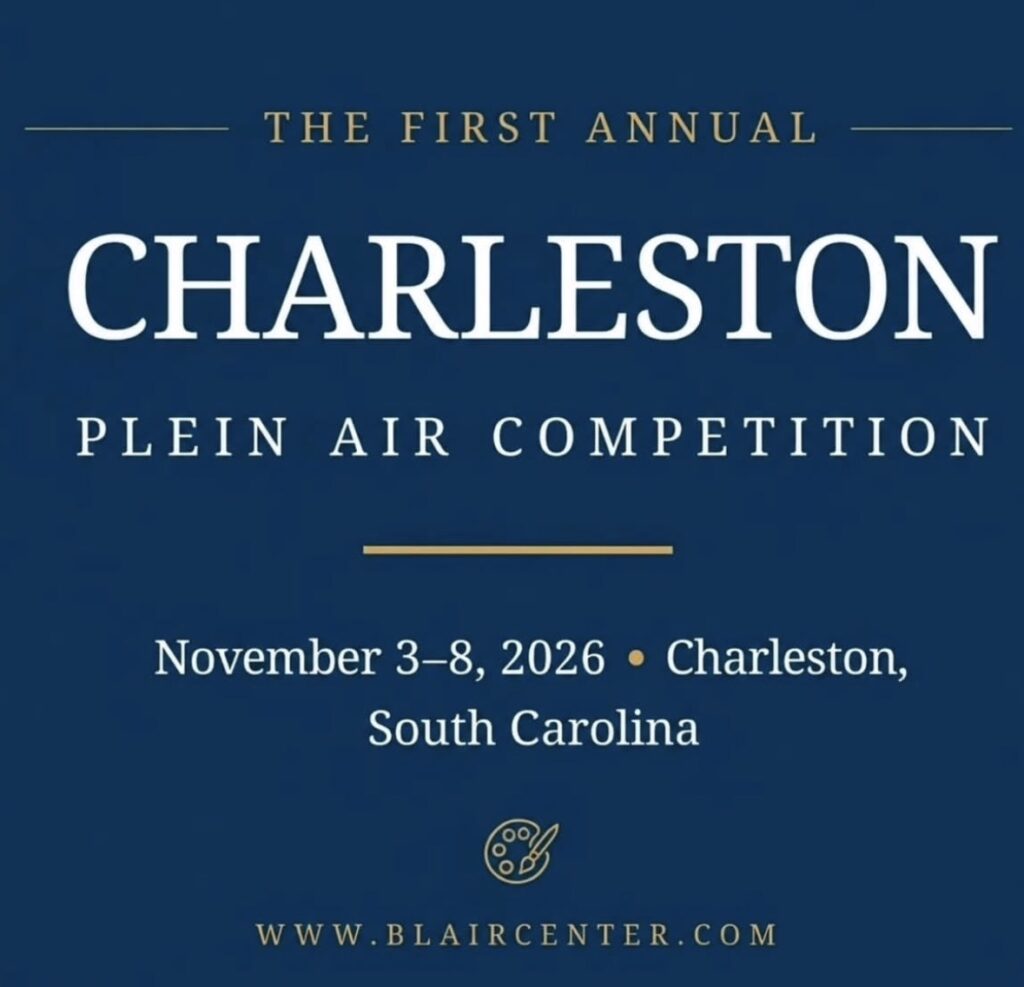
Charleston has long been an inspiration to artists, photographers and creative minds drawn to its historic architecture, colorful streets, waterfront scenery and unmistakable Lowcountry character. This November, that artistic spirit will take center stage as the city welcomes 100 artists from across the country for the inaugural Charleston Plein Air Competition.

Scheduled for November 3–8, 2026, the six-day event promises to bring an extraordinary collection of artistic talent to the Holy City, with participating artists painting throughout downtown Charleston and the historic peninsula.

The competition is presented by the Blair Center for the Arts and Mary Martin Gallery, celebrating the relationship between art, community and the natural beauty of Charleston.

The concept of plein air painting comes from the French expression meaning “in the open air.” Rather than working exclusively inside a studio, artists take their easels outdoors, painting directly from the landscapes, buildings, streets and surroundings that inspire their work.

For Charleston, the setting could hardly be more fitting.

From the pastel facades of Rainbow Row and the historic homes along the Battery to the church steeples, wrought-iron balconies, waterfront parks and hidden gardens, the city offers an extraordinary collection of subjects. Each artist will bring an individual perspective, interpretation and creative voice to the places that make Charleston so visually distinctive.

A City Becomes a Living Canvas

Over six days, residents and visitors will have an opportunity to experience the creative process firsthand as artists work throughout the city.

Suggested painting locations include Rainbow Row, White Point Garden, Waterfront Park and the Pineapple Fountain, St. Michael’s Church, Church Street, the French Quarter and Colonial Lake.

Instead of simply viewing finished paintings in a gallery, spectators may encounter artists at work, watching familiar Charleston scenes take shape on canvas.

There is something particularly special about watching an artist interpret a place in real time. The changing light, movement of the streets, architectural details and natural surroundings become part of the creative experience.

The competition welcomes professional, emerging and amateur artists, with all submitted competition artwork required to be created outdoors and on location.

The artist registration has officially sold out, reaching its limit of 100 participants.

$3,000 in Awards and an Opportunity for Artists

Beyond the creative experience, the competition offers participating artists an opportunity to showcase their work, connect with collectors and gain exposure within Charleston’s established arts community.

A confirmed $3,000 cash prize pool will be awarded:

  • First Place: $1,500, along with a featured gallery opportunity at Mary Martin Gallery.
  • Second Place: $1,000.
  • Third Place: $500.

The competition will be judged by Kevin LePrince, an accomplished American Impressionist painter and owner of LePrince Fine Art in Charleston. Known for expressive brushwork, rich colors and atmospheric landscapes, LePrince brings an appreciation for the distinctive light and character of the Lowcountry to the judging process.

The Art Comes Together at Mary Martin Gallery

The competition culminates with a public exhibition and sale of the participating artists’ work at Mary Martin Gallery, located at 103 Broad Street, at the corner of Broad and King Streets.

The exhibition opens Friday, November 6, at 5 p.m., coinciding with Charleston’s First Friday ArtWalk.

The gallery will continue its public exhibition and sale on Saturday, November 7, and Sunday, November 8. The awards announcement and presentation will take place Saturday.

For art collectors, enthusiasts and anyone who appreciates original artwork, the exhibition offers an opportunity to experience the breadth of talent participating in the inaugural competition and potentially take home an original interpretation of Charleston.

Celebrating Charleston’s Creative Spirit

Charleston’s artistic identity is inseparable from its sense of place. Its architecture, history, gardens, waterways and coastal light have inspired generations of painters and creative professionals.

The inaugural Charleston Plein Air Competition brings that relationship between place and artistic expression into the public eye. By inviting 100 artists to work throughout the community, the event celebrates not only the finished artwork but also the creative process and the inspiration behind it.

For six days, Charleston becomes more than a backdrop. It becomes a studio, a subject and a Living Canvas.

Whether you’re an established art collector, an aspiring artist or simply someone who appreciates the beauty of the Lowcountry, this November’s competition offers a compelling reason to explore downtown and see the Holy City through a fresh set of eyes.

EVENT DETAILS

  • Event: First Annual Charleston Plein Air Competition
  • Dates: November 3–8, 2026
  • Participating artists: 100 artists from across the country
  • Public exhibition opening: Friday, November 6, at 5 p.m.
  • Additional exhibition dates: November 7–8
  • Location: Mary Martin Gallery, 103 Broad Street, Charleston, SC 29401
  • Presented by: Blair Center for the Arts and Mary Martin Gallery
  • Public welcome: Yes

For event information and details, visit the official Charleston event listing⁠ or the Blair Center for the Arts⁠.

Stay connected and subscribe to Charleston Daily.

A New Scene Is Taking Shape: Charleston Film Network Connects the Lowcountry’s Filmmakers

Screenshot

Led by president Noah Krueger, the Charleston Film Network is bringing filmmakers, actors, producers and creative professionals together with a shared goal: building a stronger, more connected film community in the Lowcountry.

Charleston has long been celebrated for its historic streets, distinctive architecture, coastal landscapes and natural cinematic beauty. It is a place that seems to invite storytelling. But behind every compelling film is a community of people whose talents, relationships and collaboration make the finished product possible.

A new organization is working to bring that community closer together.

Launched on May 19, 2026, the Charleston Film Network (CFN) was established to strengthen the region’s film industry by creating more opportunities for connection, education, collaboration and professional growth. Under the leadership of president Noah Krueger, the organization is building a space where local filmmakers and creative professionals can meet, exchange ideas, showcase their work and develop relationships that could lead to the next project.

The premise is straightforward but important: Charleston has the talent, the stories and the locations. What it needs is a stronger network connecting the people behind the camera and in front of it.

From a launch party to a growing creative community

The network officially introduced itself to the community during a launch celebration on May 19 at Alhambra Hall in Mount Pleasant. The evening was designed to be more than a traditional meet-and-greet. It brought together industry leaders, local creatives and aspiring filmmakers for conversations about the future of filmmaking in the Charleston area.

The event featured guest speakers discussing the local film industry, an introduction to the network’s founders, announcements about prospective industry partnerships, and a presentation of a locally shot short film followed by a question-and-answer session with participating artists. The launch attracted more than 129 registered guests, an encouraging early indication of interest in building a more connected film community.

At the center of the initiative is Krueger, whose professional background includes video production, post-production and visual storytelling. He studied at the University of North Carolina School of the Arts and has worked in video production management and post-production. His work through Krueger Productions has included commercial, corporate, event and documentary-style storytelling, including projects highlighting businesses and community life in the Charleston area.

That professional perspective helps inform the network’s broader mission: creating an environment where the creative side of filmmaking and the business side of the industry can work together.

More than networking: Building opportunities

One of the challenges facing independent filmmakers and emerging creative professionals is finding the right people. A talented cinematographer may be looking for a director. An actor may be searching for opportunities to audition. A producer may need an editor, sound professional or production crew. And someone just beginning their journey may simply need a place to learn how the industry works.

Charleston Film Network is designed to help close those gaps.

Its programming and community initiatives include:

Networking opportunities: Bringing together directors, cinematographers, actors, editors, producers and production crews.

Industry spotlights: Giving Charleston-based filmmakers and creatives opportunities to showcase their work.

Town halls and meetups: Creating opportunities for open conversations, professional development and the exchange of ideas.

Collaborative projects: Encouraging local professionals to build relationships that can develop into actual productions.

Educational resources: Sharing industry knowledge and production insights that can help creatives advance their skills and careers.

The organization emphasizes that its doors are open to experienced industry professionals as well as people who are just getting started.

That inclusive approach could prove particularly valuable in a market where talented individuals often work independently or across different creative circles.

Giving local filmmakers a place on the screen

One of the network’s most interesting initiatives is its Monthly Screener Club, which gives independent and local filmmakers an opportunity to share their work with an audience and connect with other creatives.

The next scheduled gathering is Monday, November 16, 2026, at the Park Circle Community Building. The screening is free to attend, although registration is required. CFN is currently accepting short-film submissions, with filmmakers asked to submit a viewing link to CharlestonFilmNetwork@gmail.com by November 2.

The screenings offer something that can be difficult to find for independent artists: an audience, an opportunity for feedback and a chance to connect with others who understand the creative process.

Why Charleston?

Charleston has many of the ingredients that make a compelling film destination. Its historic downtown, waterfront communities, distinctive neighborhoods, coastal scenery and diverse architectural character provide a natural backdrop for productions of all sizes.

But beautiful locations alone do not create a sustainable film industry. A strong creative ecosystem also requires trained professionals, accessible resources, production opportunities, industry relationships and a community willing to support its own talent.

That is where an organization like Charleston Film Network could make a meaningful difference.

By connecting people who might otherwise never cross paths, CFN is working toward a stronger foundation for independent filmmaking and professional production throughout the Lowcountry.

There is also a broader economic opportunity. A thriving production community can create work for actors, camera operators, editors, sound technicians, writers, designers, local businesses and other professionals whose services support film and television projects.

For Charleston, building that infrastructure means creating opportunities that extend well beyond the finished production.

The next chapter

For Noah Krueger and the Charleston Film Network, the May launch was an introduction rather than a finish line.

The organization’s emphasis on collaboration, education, local talent and shared opportunity reflects an understanding that creative industries grow when people have the opportunity to work together.

Charleston doesn’t necessarily need to become another Hollywood. It needs to continue developing an identity of its own, one that gives local storytellers the resources and relationships to bring their ideas to life.

Whether someone is an established filmmaker, an aspiring actor, a production professional or simply someone with a story worth telling, the Charleston Film Network is extending an invitation to become part of that conversation.

And perhaps that is the most important part of this new venture: making sure the next great Charleston story has a local team ready to tell it.

Get involved with Charleston Film Network

Email: charlestonfilmnetwork@gmail.com

Phone: (843) 284-6464

Charleston Daily celebrates the people, organizations and creative entrepreneurs helping shape the Lowcountry’s cultural landscape.

Editorial note: This draft is based on the network’s published website, launch announcement and publicly available professional information about Krueger. I have avoided inventing direct quotes or attributing unverified statements to him. An interview with Noah would be a great addition, particularly to establish his personal vision, the network’s early accomplishments and its plans for attracting larger productions to Charleston.

Stay connected and subscribe to Charleston Daily.

A Shopper’s Guide to Lower Meeting Street: Discovering Charleston’s Independent Shops, Local Artists and Hidden Treasures

By Mark A Leon | Charleston Daily

There is something special about shopping in downtown Charleston. Beyond the familiar storefronts and nationally recognized brands, some of the city’s most interesting retail experiences are found in historic buildings, independent boutiques and galleries where every purchase has a story to tell.

One stretch particularly worth exploring is lower Meeting Street, south of Calhoun Street. This area offers a wonderful combination of local artistry, distinctive gifts, specialty foods, fine art and independently owned shops.

Whether you are a Charleston resident looking for something different, a visitor searching for a meaningful souvenir or simply someone who enjoys discovering independent retailers, here are six stops worth adding to your shopping itinerary.

1. Look Up Charleston – A Marketplace of Local Creativity

Address: 128 Meeting Street, Second Floor, Charleston, SC 29401
Official Website: 

Perhaps one of the most distinctive shopping experiences downtown is Look Up Charleston.

Located upstairs at 128 Meeting Street, this creative marketplace brings together approximately 39 local artists, artisans and designers under one roof. It is more than a traditional gift shop. It is an opportunity to discover the people and creative talent behind the products.

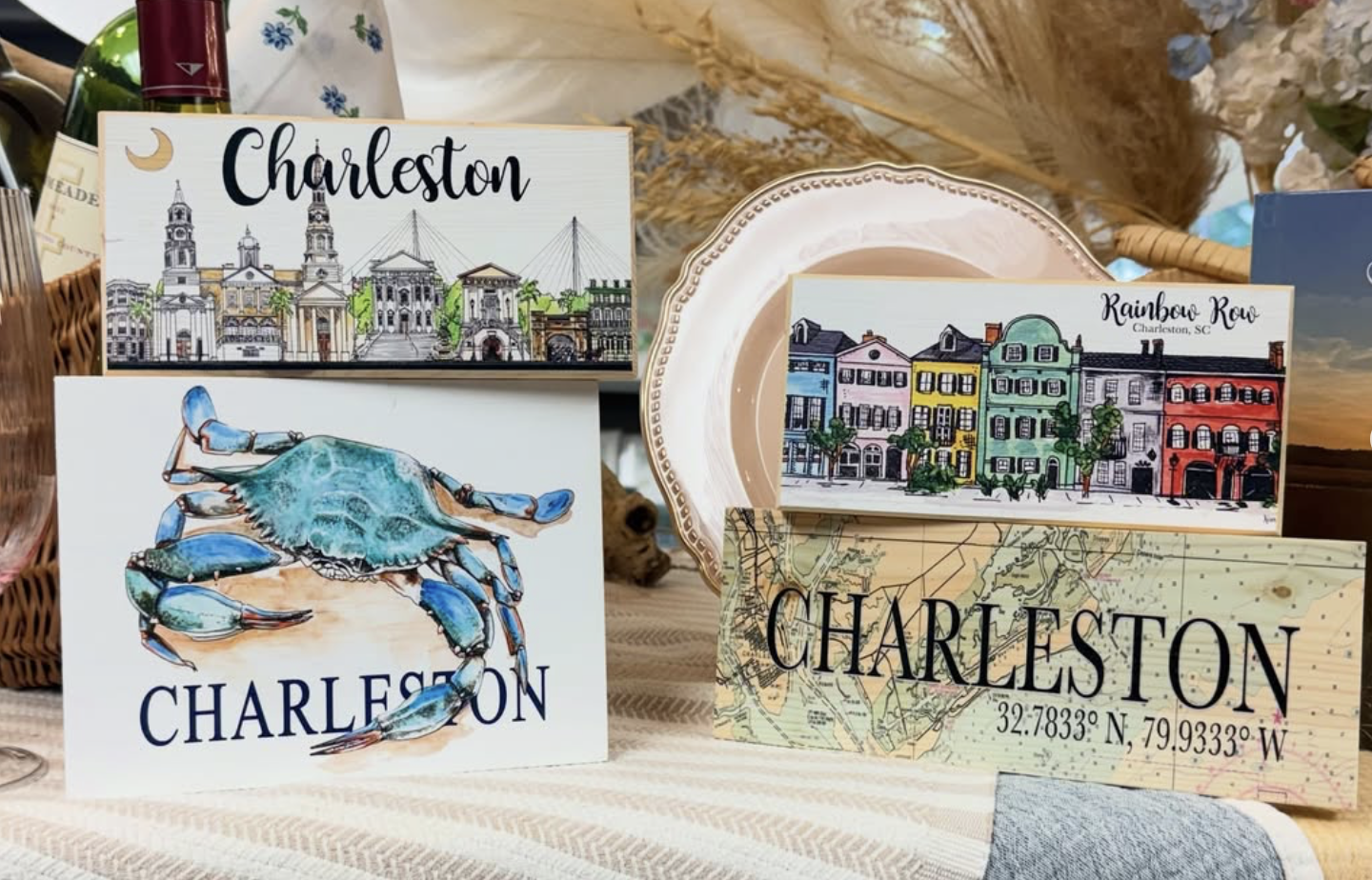
The collection includes original artwork, photography, jewelry, fashion, handmade gifts, home accessories and locally designed pieces. It offers shoppers an opportunity to meet the creative spirit of Charleston through merchandise that is anything but mass-produced.

Why visit? Because shopping here means supporting Charleston’s creative community directly. Instead of purchasing another conventional souvenir, you can take home something made by someone who lives and works in the Lowcountry.

2. Meyer Vogl Gallery – Contemporary Art With a Charleston Connection

Address: 122 Meeting Street, Charleston, SC 29401
Official Website: 

Art enthusiasts should make time for Meyer Vogl Gallery, a contemporary fine art gallery located in Charleston’s historic French Quarter.

Featuring permanent works by artists Laurie Meyer and Marissa Vogl, along with exhibitions by local and nationally recognized guest artists, the gallery showcases an exciting range of contemporary paintings and artistic styles.

The gallery has deep Charleston roots, with its owners bringing years of artistic experience and a passion for connecting visitors and collectors with compelling works.

Why visit? Whether you are an experienced collector or simply appreciate beautiful artwork, Meyer Vogl offers an opportunity to explore original paintings, discover emerging talent and perhaps find a piece that deserves a place in your home.

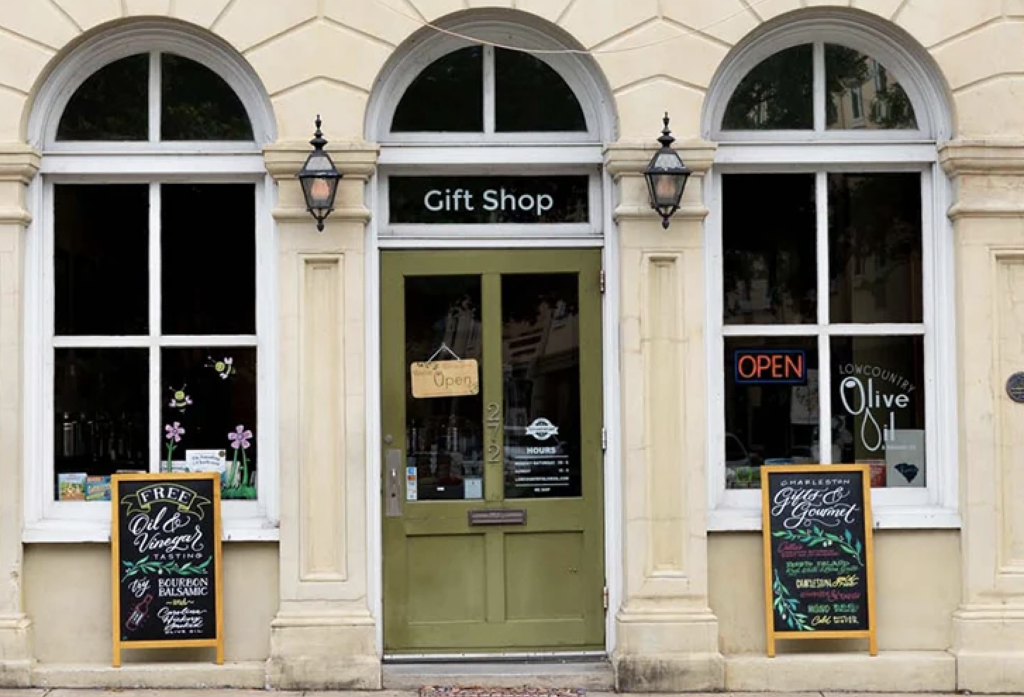
3. Lowcountry Olive Oil – A Taste of the Lowcountry

Address: 272 Meeting Street, Charleston, SC 29401
Official Website: 

For something a little different, stop at Lowcountry Olive Oil, a specialty shop that brings gourmet food shopping to downtown Charleston.

The store features more than 60 olive oils and balsamic vinegars, including infused and blended selections. Many are available for sampling, making the experience as much about discovery as it is about shopping.

Look for distinctive flavors such as Lowcountry Herb Olive Oil, specialty balsamic vinegars and locally inspired gourmet products. The shop also carries regional food products, gift baskets, spices, salts and other specialty items.

Why visit? It is an excellent destination for food enthusiasts, home cooks and anyone searching for a distinctive hostess gift or something delicious to bring home. The opportunity to sample different oils and vinegars makes this a particularly enjoyable stop.

4. The Gibbes Museum Store – Art You Can Take Home

Address: 135 Meeting Street, Charleston, SC 29401
Official Website: 

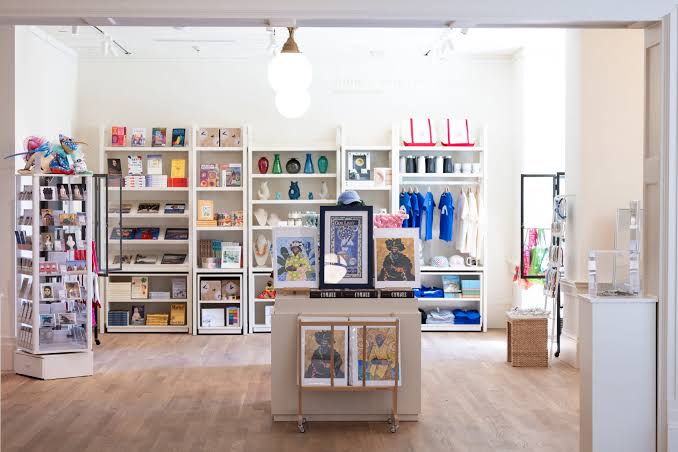
The Gibbes Museum of Art is one of Charleston’s cultural landmarks, but it is also worth visiting for its museum store.

The shop offers books, jewelry, gifts and specialty merchandise inspired by art and the region’s creative heritage.

For shoppers who appreciate thoughtfully curated merchandise, this is a welcome alternative to conventional gift shopping.

Why visit? It offers an opportunity to bring home something inspired by Charleston’s artistic community while supporting an institution that has played an important role in preserving and showcasing art in the region.

5. Charleston City Market – A Shopping Tradition

Address: 188 Meeting Street, Charleston, SC 29401
Official Website: 

No Charleston shopping guide would be complete without the Charleston City Market.

One of the city’s most recognizable historic destinations, the market offers a collection of merchants, independent vendors, craftspeople and specialty retailers.

Among the most meaningful purchases are traditional sweetgrass baskets, a celebrated Lowcountry craft connected to Gullah Geechee heritage. Visitors can also browse handmade jewelry, artwork, Charleston-themed gifts, clothing, specialty foods and other locally inspired merchandise.

Why visit? The City Market provides a shopping experience that connects visitors with Charleston’s history, traditions and small-business community. It is also an excellent place to find gifts for friends and family who want a little piece of the Lowcountry.

6. Southern Ruetz – Create Your Own Charleston Style

Address: 128 Meeting Street, Charleston, SC 29401
Official Website:

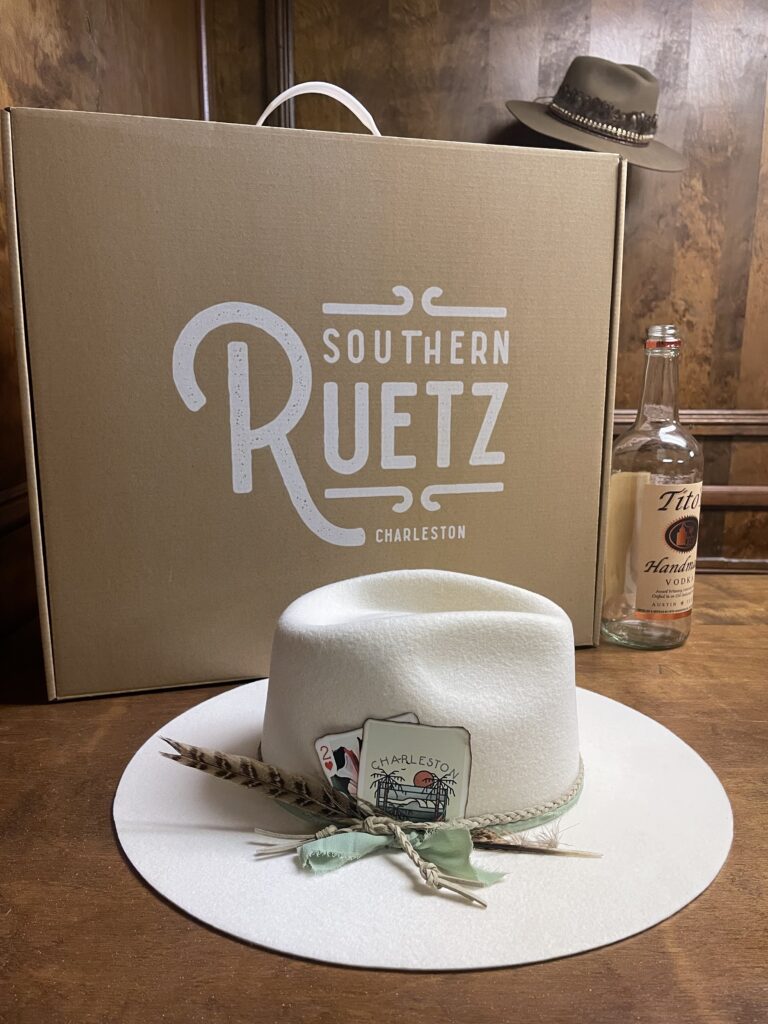
Shopping becomes an experience at Southern Ruetz, where customers can explore custom hat styling and personalization.

Visitors can create a look that reflects their personality through different hat styles, bands, accessories and embellishments.

Why visit? Because you are not simply purchasing an accessory off a shelf. You are participating in the creative process and leaving with something uniquely your own.


Make an Afternoon of It

What makes lower Meeting Street particularly appealing is the variety of experiences within a relatively short walking distance.

You can begin at Look Up Charleston and discover the work of local artists, visit Meyer Vogl Gallery to explore contemporary fine art, sample specialty oils and vinegars at Lowcountry Olive Oil, browse the Gibbes Museum Store and finish with the historic Charleston City Market.

It is an itinerary that combines independent retail, local craftsmanship, gourmet shopping, fashion, art and history.

More importantly, it provides opportunities to support small businesses and local creators while discovering merchandise that reflects the personality of Charleston.

For visitors, it is a chance to take home something more meaningful than a conventional souvenir. For residents, it is a reminder that some of the city’s best shopping experiences are right in our own backyard.

The Charleston Daily recommendation: Start upstairs at Look Up Charleston. With approximately 39 local artists, artisans and designers represented under one roof, it is an excellent introduction to the creativity and entrepreneurial spirit that make Charleston such a special place to shop.

Charleston Daily | Discover. Experience. Celebrate Charleston.

Stay connected and subscribe to Charleston Daily.

Brose Sitech selects Richland County (South Carolina) for first US manufacturing facility

$29.5 million investment will create 330 new jobs

COLUMBIA, S.C. – Brose Sitech, a leading supplier of car seats, structures and interior components, today announced it selects Richland County for its first U.S. manufacturing facility. The company’s $29.5 million investment will create 330 new jobs.

 Brose Sitech develops and produces complete seats, structures and other seat components. With its global headquarters in Poland, the company has 22 locations internationally, including its regional headquarters office in Detroit.

Located at the Just in Time facility in the Scout Supplier Park in Blythewood, Brose Sitech’s new 140,000-square-foot facility will supply the new Scout Motors plant with complete car seat sets.

Operations are expected to be online in 2027. Individuals interested in joining the Brose Sitech team should visit the company’s careers page.

QUOTES

“Establishing our first manufacturing location in Blythewood is an important milestone for Brose Sitech. The U.S. is a significant automotive market with strong opportunities for future growth. With our new production facility, we are bringing our expertise in complete seating systems closer to our customer Scout while laying the foundation for Brose Sitech’s long-term development in North America.” -Brose Sitech Columbia Inc. Executive Vice President Juan-Carlos Kieler

“With the addition of 330 new jobs in the Palmetto State, we are proud to welcome Brose Sitech to Richland County. By joining Scout Motors’ Supplier Park, the company is building on South Carolina’s position as a leader in automotive manufacturing and helping create new opportunities for our people.” -Gov. Henry McMaster

“Brose Sitech’s $29.5 million investment in Richland County will support Scout Motors’ powerful economic and industrial impact here in our state. South Carolina is in the business of innovation, and we are pleased to see companies like Brose Sitech create transformative opportunities for our region.” -Secretary of Commerce Harry M. Lightsey III

“The decision by Brose Sitech to establish its first U.S. manufacturing facility in South Carolina is a testament to the momentum created by Scout Motors’ historic investment in the Midlands. This announcement is another important step in the growth of South Carolina’s automotive industry, and I look forward to the jobs, investment and long-term economic opportunities it will create for communities across our state.” -U.S. Rep. Joe Wilson

“Brose Sitech’s investment demonstrates that Richland County is place global manufacturers want to be. This project will create new jobs and expand opportunities for residents in Richland County, while reinforcing the momentum of automotive investment across our region.” -Richland County Council Chairwoman and Columbia Area Development Partnership Co-Chair Jesica Mackey

 “When we announced we would build an on-site Supplier Park at the Scout Motors Production Center last year, we promised it would lead to even more jobs, investment and economic prosperity in South Carolina. This announcement represents the beginning of that promise being fulfilled. We’re proud to partner with Brose Sitech to create more opportunities for South Carolina communities and further strengthen the local automotive supply chain.” -Scout Motors President and CEO Scott Keogh

FIVE FAST FACTS

  • Brose Sitech selects Richland County for its first U.S. manufacturing facility.
  • The company’s $29.5 million investment will create 330 new jobs.
  • Brose Sitech is a leading supplier of car seats, structures and interior components.
  • The company will be located at the Just in Time facility in the Scout Supplier Park in Blythewood, S.C.
  • Individuals interested in joining the Brose Sitech team should visit the company’s careers page. 

Stay connected and subscribe to Charleston Daily.

Amick Farms expands South Carolina footprint with new Edgefield County operations

$54.78 million investment will create 40 new jobs

COLUMBIA, S.C. – Amick Farms, a poultry processor in Batesburg, announced today that it is expanding its South Carolina footprint with a new operation in Edgefield County. The company’s $54.78 million investment will create 40 new jobs.

 Founded in 1941, Amick Farms is a fully integrated operation with hatcheries, feed mills and processing facilities providing a variety of quality chicken products for retail, food service and industrial use. The company has four existing complexes: two in Saluda County, one in Laurel, Mississippi, and one in Hurlock, Maryland.

Amick Farms’ new hatchery, located in Trenton, will have the capacity to hatch over 1.5 million eggs, supporting the growth of the company’s South Carolina poultry processing operations.

Operations are expected to be online in April of 2027. Individuals interested in joining the Amick Farms team should visit the company’s careers page.

The Coordinating Council for Economic Development awarded a $1 million Set-Aside grant to Edgefield County to assist with the costs of site preparation and building construction.

QUOTES

“South Carolina’s agribusiness industry continues to drive our economy forward, and this announcement reflects the important role it plays in creating jobs and strengthening local economies. We are proud to see Amick Farms bring 40 new jobs to Edgefield County and look forward to the company’s continued success in our state.” -Gov. Henry McMaster

“Congratulations to Amick Farms on its new operation in Edgefield County. The company’s $54.78 million investment in agribusiness, one of our state’s key economic sectors, is a win for South Carolina.” -Secretary of Commerce Harry M. Lightsey III

“Poultry is South Carolina’s highest value agricultural product, and Amick Farms is a leader in the industry. Their expansion supports a broad swath of our agribusiness community, from corn and soybean growers to equipment manufacturers to the farmers who raise chickens. I’m proud of this homegrown company’s continued success.” -Commissioner of Agriculture Hugh Weathers

“Edgefield County appreciates Amick Farms’ investment in Edgefield County, and we are pleased they are growing with us. Edgefield County continues to provide an agile and ready workforce all while creating a business-sustainable environment to encourage smart, steady growth.” -Edgefield County Council Chairman Dean Campbell

 “Amick Farms has been an important part of South Carolina’s agricultural economy for generations, and we are excited to see the company continue its growth with the new hatchery in Edgefield County. This represents a significant commitment to the county and further strengthens our region’s agricultural and food processing industries. We appreciate Amick Farms’ continued confidence in our region and look forward to supporting the company’s continued success.” -Western South Carolina Economic Development Partnership Chairman Richard Pendarvis

FAST FACTS

  • Amick Farms is expanding its South Carolina footprint with a new Edgefield County operation.
  • The company’s $54.78 million investment will create 40 new jobs.
  • Amick Farms is a poultry processor.
  • Individuals interested in joining the Amick Farms team should visit the company’s careers page.

Stay connected and subscribe to Charleston Daily.

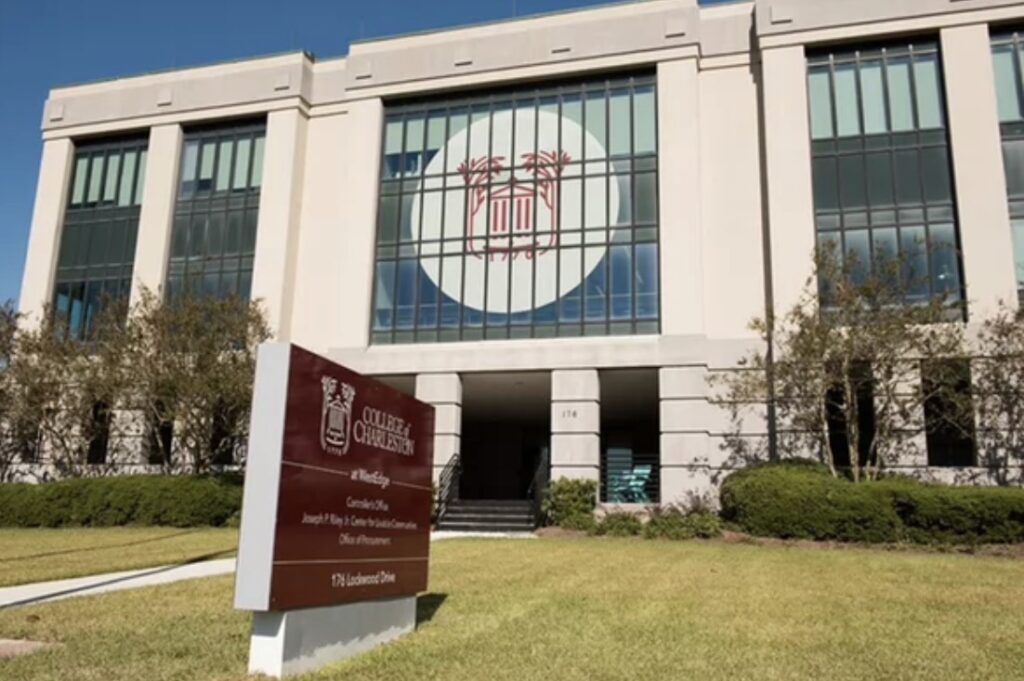
The Joseph P. Riley Center for Livable Communities Launches Rural Local Government Initiative

The Joseph P. Riley Jr. Center for Livable Communities at the College of Charleston today announced the launch of the Rural Local Government Initiative, a new effort to strengthen the capacity of rural local governments across South Carolina.  

The Center also named two leaders for the work: Laurens Mayor Nathan Senn joins as a Riley Center Fellow, and Maren Trochmann, Ph.D., joins as Director of Professional Development.

And although South Carolina is one of the fastest-growing states in the nation, 28 out of our 46 counties are either declining in population or growing by only 5%. Additionally, South Carolina is the only state in the Southeast without a major university-based center dedicated to strengthening local government capacity at scale. 

Small towns and counties often run with lean staff and limited budgets while facing the same demands as larger communities. The Initiative is designed to close that gap for three groups: small counties, small municipalities in emerging growth areas, and small towns in areas of declining growth.

The Rural Local Government Initiative will have three components:

  • A Rural Resource Hub, open to every rural community, with practical tools, templates and a roster of experienced rural government leaders and resources available.
  • A year-long training program for elected and appointed leaders and local government staff. Training is delivered in small, local cohorts, designed around rural travel and scheduling needs, and offered at little to no cost to participants.
  • Hands-on technical assistance for communities that complete the training and want deeper support on a specific project, scoped with each community to fit its needs.

“Rural communities are the backbone of South Carolina, and their leaders are asked to do a great deal with very little,” said Kendra Stewart, Director of the Riley Center. “This Initiative puts the resources, training and expertise of the College of Charleston directly to work for them.”

About the Leaders of the Rural Local Government Initiative

As a Riley Center Fellow, Mayor Nathan Senn will help deliver professional development and lead technical assistance for participating communities. Senn brings a background spanning political science, law and local government leadership, and is stepping back from the active practice of law to take on the role. With over 16 years of legal experience and seven years of public service as the mayor of his hometown, Senn brings a wealth of experience and an important perspective to this work. He will continue to serve as Mayor of Laurens, S.C., and extend the geographic imprint of this initiative through his work in the upstate.  Senn has held many additional leadership roles including serving on the board of the Municipal Association of South Carolina, and as faculty for the Riley Mayors’ Design Fellowship.

Senn told GoLaurens.com he was drawn to the role by “the rewarding work of bringing people together, solving hard problems and helping others.” He has noted that South Carolina has trailed neighboring North Carolina and Georgia in the resources available to support local government leaders. “As a mayor, I know the value of having someone to call who understands the challenges and can help move a good idea forward,” Senn said. “This initiative will give small-town and rural leaders practical tools, experienced partners and hands-on support. We are excited to help South Carolina’s rural communities shape their own futures and turn local priorities into lasting improvements.”

As Director of Professional Development, Maren Trochmann, Ph.D., will oversee the Initiative from end to end, including the needs assessment, training curriculum, Advisory Board and technical assistance program. She will also expand the Riley Center’s professional development offerings, including the local government supervisory training, the Local Government Leadership Institute (LGLI), Advanced Leadership Academy, and management training tailored to public and nonprofit organizations across the state. Trochmann brings more than 18 years of experience in public policy and administration. She has led the Center’s professional development programming in an interim role since 2025 and developed the implementation framework for the Rural Local Government Initiative. For over a decade in affordable housing work, she provided technical assistance and oversight to public housing agencies, many in rural towns and counties, and most recently oversaw more than $150 million in new housing voucher assistance nationwide. From 2019 to 2022, she was an assistant professor at the College of Charleston, teaching in the Master of Public Administration program and conducting research as a Riley Center fellow. She holds a Ph.D. in Public Affairs from the University of Colorado Denver and a B.S. from Georgetown University’s School of Foreign Service.

“We want this program to be shaped by the people who live, work, and lead in rural communities every day,” said Trochmann. “Our first step is to listen and build strong partnerships with people already serving rural communities across the state, so that what we build meets the needs of South Carolina’s small towns and counties.”

Work is now underway on a statewide rural needs assessment, including interviews with experienced rural leaders and partner organizations and associations across the state. The Center is also forming an Advisory Board of mayors, county and city councilmembers, administrators, clerks and statewide partners from rural communities in every region of the state. The Center plans to work closely with the Municipal Association of South Carolina, the South Carolina Association of Counties, regional councils of governments, along with other key state agencies to focus on existing needs and gaps and to avoid duplicating programs. The Advsiory Board will help shape the curriculum, outreach and technical assistance before the first training cohorts launch in the next six months. 

Rural local government leaders interested in the Initiative can contact RileyCenter@cofc.edu.  

About the Joseph P. Riley Jr. Center for Livable Communities

The Joseph P. Riley Jr. Center for Livable Communities partners with local governments, nonprofit organizations, associations, institutions, and community leaders throughout South Carolina to strengthen organizations, build leadership capacity, and create thriving communities. Drawing on the expertise of the College of Charleston and inspired by the leadership legacy of Mayor Joseph P. Riley Jr., we provide planning, facilitation, research, leadership development, and organization support that helps communities turn ideas into action.  

Founded in 1770, the College of Charleston’s mission is to provide students with a world-class education in the arts and sciences, business and technology, engineering and health sciences. Students have more than 150 majors and minors from which to choose — and they often choose to combine several—and complement their academic courses with overseas study, undergraduate research and internships for a truly customized education.

Nearly 12,000 students choose the college for its unique urban, mid-sized university feel. The College, home to undergraduates from across the country and around the globe, provides a creative and intellectually stimulating environment where students are challenged and guided by a committed and caring faculty of distinguished teacher-scholars. The city of Charleston serves as a living and learning laboratory for student experiences and opportunities for career development. The university bridges the old with the new in a setting that is truly extraordinary — where historic character and forward-looking innovation come together to shape a distinctive and inspiring environment for learning. A College of Charleston education focuses on discovery and personal growth, as well as preparation for life, work, and service to our society.

Source and Photo Credit: College of Charleston

Subscribe to Charleston Daily.