Downtown Charleston’s Sports Bar Scene: Where Every Game Feels Like a Home Game

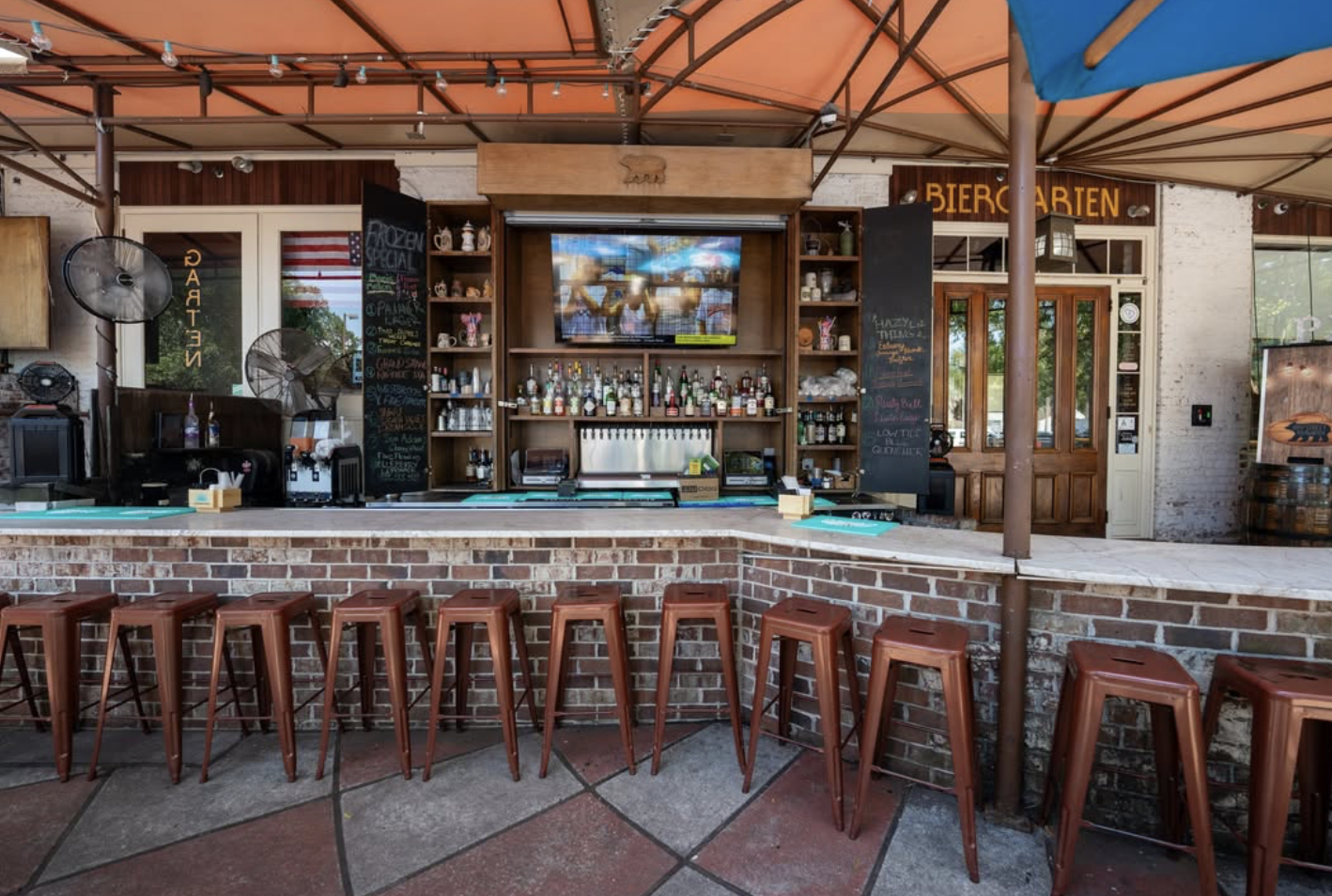
Bay Street Biergarten

By Mark A. Leon

Charleston may be known worldwide for its historic churches, award-winning restaurants, and coastal charm, but every fall weekend—and increasingly year-round—the Holy City transforms into one of the Southeast’s most passionate sports destinations.

Whether it’s NFL Sundays, college football Saturdays, March Madness, playoff hockey, or Premier League mornings, downtown Charleston’s sports bars have become gathering places where transplanted fans find their people. With thousands of newcomers arriving from across the country each year, these establishments have evolved into neighborhood clubhouses representing cities, colleges, and lifelong fan bases from coast to coast.

The result is a sports bar scene that’s as diverse as Charleston itself.

A City of Transplants, A City of Team Allegiances

Unlike many Southern cities where one college or professional team dominates, Charleston is a melting pot.

Walk into a sports bar on a Sunday and you’ll find Steelers fans sitting next to Bills Mafia, Cowboys supporters debating Eagles fans, and transplanted Midwesterners cheering on the Bears, Packers, or Vikings. Saturdays are equally diverse, with Clemson, South Carolina, Georgia, Ohio State, Michigan, Notre Dame, Penn State, and SEC fans filling tables hours before kickoff.

Many downtown bars have even become unofficial headquarters for alumni groups and fan clubs, creating traditions that return every football season.

Bedford Falls – The Neighborhood Favorite

Bedford Falls CHS has quietly become one of downtown’s favorite places to catch a game without the overwhelming party atmosphere of King Street.

Its appeal lies in balancing elevated comfort food with a genuine neighborhood feel. Multiple televisions ensure every major game is visible, while the dining room remains comfortable enough for families and casual fans alike.

Popular menu items include:

  • Handcrafted burgers
  • Loaded sandwiches
  • Wings
  • Elevated pub fare
  • Weekend brunch during big football matchups

The atmosphere attracts locals who want to actually watch the game rather than compete with nightclub-level music.

Bay Street Biergarten – Beer, Brats & Big Screens

Bay Street Biergarten may offer the closest thing Charleston has to a European-style sports hall.

With dozens of taps, massive televisions, spacious indoor seating, and one of downtown’s best outdoor patios, it’s built for marathon viewing sessions during football Saturdays and NFL Sundays.

The kitchen leans into German-inspired comfort food while embracing classic game-day favorites.

Standout dishes include:

  • Giant Bavarian pretzel with beer cheese
  • Loaded tots
  • Jumbo wings
  • Bratwurst
  • Chicken & waffles during brunch games

The expansive layout makes it especially popular for large fan clubs and alumni gatherings. Clemson watch parties have frequently called Bay Street Biergarten home, but virtually every fan base is represented throughout the season.

The Brick – Charleston’s Classic Sports Tavern

The Brick has earned a loyal following by staying true to what sports fans actually want:

Cold beer.

Affordable food.

Televisions everywhere.

No pretension.

Located just off Upper King Street, The Brick feels like the neighborhood tavern many visitors wish they had back home. The atmosphere is energetic without becoming overwhelming, making it one of the city’s favorite destinations for NFL Sundays and college football weekends.

Kitchen favorites include:

  • Burgers
  • Buffalo shrimp
  • Fried pickles
  • Wings
  • Traditional bar appetizers

Locals appreciate that despite being downtown, The Brick still feels like a neighborhood bar rather than a tourist attraction.

Mac’s Place – Chicago Lives Here

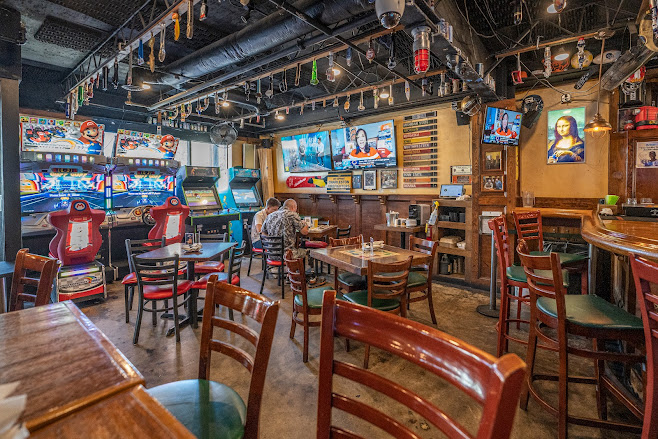
Mac’s Place stands apart because it proudly wears its Chicago identity.

Known as South Carolina’s home for Chicago Blackhawks fans and a favorite gathering place for Bears, Cubs, Bulls, and White Sox supporters, Mac’s feels like someone transported an authentic Windy City pub to East Bay Street.

Its Irish pub roots combine with serious sports fandom to create one of downtown’s most unique atmospheres.

Fan favorites include:

  • Irish nachos
  • Guinness stew
  • Wings
  • Pretzels
  • Extensive beer selection

If you’re looking for passionate Chicago sports conversations, this is where you’ll find them.
Mac’s Place

Uptown Social – Sports Meets Nightlife

Uptown Social represents the modern evolution of the sports bar.

By day, it is one of Charleston’s premier game-watching destinations with dozens of televisions spread across two levels and a rooftop.

By night, it transforms into one of Upper King’s busiest nightlife venues.

That combination has made Uptown especially popular among younger professionals who want to watch the game without sacrificing the social scene afterward.

Popular game-day food includes:

  • Double-fried wings
  • Thin-crust pizzas
  • Nachos
  • Chicken tenders
  • Shareable appetizers

During NFL Sundays, the venue routinely fills with fans representing nearly every franchise in the league.

Charleston Beer Works – The Original Heavyweight

Charleston Beer Works remains one of downtown’s original sports bar institutions.

Long before sports bars became trendy, Beer Works built its reputation around wall-to-wall televisions, an impressive beer selection, and dependable pub food.

Today it continues to draw loyal crowds with:

  • More than 40 beers on tap
  • House-ground burgers
  • Scratch-made pub fare
  • Multiple bars
  • Upstairs viewing areas

Its central King Street location keeps it packed during football weekends, and many locals still consider it the benchmark for Charleston sports bars.
Other Great Sports Stops

Downtown’s sports scene extends well beyond the biggest names.

Moe’s Crosstown Tavern delivers one of Charleston’s best old-school neighborhood bar experiences. Slightly removed from the tourism district, it’s beloved for burgers, wings, cold beer, and an authentic local crowd.

King Street Dispensary blends gastropub dining with sports viewing, trivia, and live entertainment, making it a versatile stop for game day.

Blind Tiger Pub combines historic Charleston charm with a lively courtyard where fans can catch major sporting events in one of downtown’s oldest tavern settings.

Lamar’s Sporting Club offers perhaps the city’s most upscale sports-watching experience, pairing craft cocktails, elevated cuisine, and designer interiors with plenty of screens for major sporting events.

More Than Just Watching the Game

Charleston’s sports bars have become community gathering places.

They’re where newcomers meet lifelong friends.

Where alumni reconnect with fellow graduates.

Where tourists stumble into unforgettable football Saturdays.

Where hometown rivalries are renewed over baskets of wings and pitchers of beer.

In a city celebrated for history and hospitality, the sports bar scene has quietly created another Charleston tradition—one where every fan can find a seat, every game finds a screen, and every touchdown is celebrated like a hometown victory.

Whether your loyalty belongs to Clemson or Carolina, the Steelers or the Saints, the Cubs or the Braves, downtown Charleston has a bar that feels like home.

Stay connected and subscribe to Charleston Daily.
If Charleston’s Rooftop Bars Were TV Shows, Which One Would They Be?

By Mark A. Leon

From polished luxury and waterfront romance to rooftop party anthems, Charleston’s rooftop bars each have a personality of their own. We matched the Holy City’s elevated drinking spots with the TV shows and streaming series that best capture their vibe. Some comparisons are obvious. Others might surprise you.

There are plenty of ways to choose a rooftop bar in Charleston. You can go for the view, the cocktails, the food, the crowd, or simply whichever place has an open seat when you arrive.

But what if choosing a rooftop bar were more like choosing what to watch on Netflix?

Every rooftop has its own personality. Some are sophisticated and effortlessly cool. Others are loud, social, a little unpredictable, or convinced they’re the main character. And just like television, there’s a rooftop for practically every mood.

We took a look at Charleston’s rooftop scene and paired each destination with the TV show or streaming series that best captures its personality.

Consider this your unofficial casting call for a night out in Charleston.


1. Citrus Club at The Dewberry: Mad Men

The personality: Sophisticated, stylish, confident, and just a little exclusive.

If Charleston had a rooftop that belonged in the world of Mad Men, it would be Citrus Club.

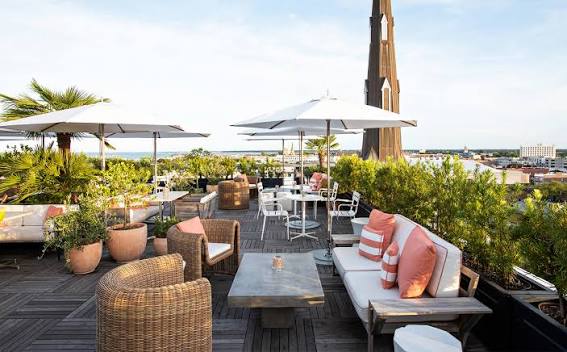
Perched on the eighth floor of The Dewberry, Citrus Club has the mid-century aesthetic, carefully curated atmosphere, and effortlessly polished personality that would make Don Draper feel right at home.

This is not necessarily the place where you show up in whatever you wore to brunch. Citrus Club is where the outfit is intentional, the cocktails are thoughtfully crafted, and the conversation might last longer than the original dinner reservation.

Its citrus-forward cocktails, sophisticated surroundings, and panoramic views make it one of Charleston’s signature rooftop experiences.

Like Mad Men, Citrus Club feels timeless, exclusive, and very aware of its own appeal.

The perfect guest: Someone who appreciates a well-made cocktail, a beautiful setting, and the occasional opportunity to be seen.

The order of the night: A signature cocktail and a seat with a view.

2. Fiat Lux at Hotel Bennett: The White Lotus

The personality: Luxury, beautiful surroundings, impeccable presentation, and a little drama.

If The White Lotus had a Charleston season, Hotel Bennett’s Fiat Lux would be a natural filming location.

Situated on the ninth floor of Hotel Bennett, Fiat Lux delivers the kind of upscale atmosphere that makes you feel like you’ve temporarily checked out of ordinary life.

There’s a beautiful setting, a sophisticated crowd, impressive views, and the unmistakable feeling that everyone has somewhere important to be.

It’s glamorous without needing to shout about it.

And, much like The White Lotus, there’s something entertaining about watching the room. The people-watching is part of the experience, the surroundings are almost as important as the drinks, and you wouldn’t be surprised if a few interesting stories unfolded before the evening was over.

The perfect guest: The luxury traveler, the special-occasion celebrator, and anyone who appreciates a little five-star energy.

The order of the night: A beautifully presented cocktail and a leisurely evening above King Street.

Fiat Lux

3. The Rooftop at The Vendue: Friends

The personality: Welcoming, social, lively, and always ready for another round.

Some rooftop bars are about exclusivity. The Vendue is about getting everyone together.

Charleston’s original rooftop bar has the kind of personality that makes you want to invite another couple, text a few friends, and turn one drink into an entire evening.

With its French Quarter location, multiple seating areas, harbor views, and energetic atmosphere, The Vendue feels like the rooftop equivalent of Central Perk from Friends.

It’s familiar, fun, and built around the idea that the people you’re with matter just as much as the place you’re sitting.

You might arrive for a quick cocktail and end up staying because the conversation is too good to interrupt.

The perfect guest: The social butterfly who knows someone everywhere and believes every good night needs a group photo.

The order of the night: Cocktails, conversation, and absolutely no rush to leave.

4. The Watch Rooftop Kitchen & Spirits: Succession

The personality: Ambitious, polished, business-minded, and accustomed to the finer things.

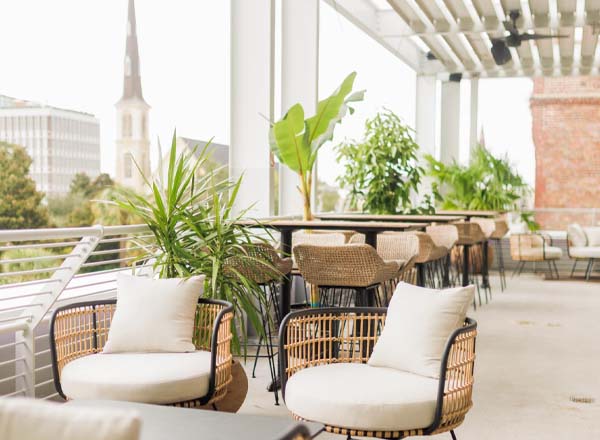
The Watch has a distinctly sophisticated personality. Located atop The Restoration, this rooftop pairs elevated dining with a polished cocktail experience and impressive views of downtown Charleston.

It’s easy to imagine the characters from Succession having an important meeting here, preferably with a cocktail in hand and a panoramic view behind them.

The Watch feels like the place where business conversations turn into dinner plans, dinner plans turn into another round, and everyone looks like they have somewhere important to be the following morning.

Its restaurant component also gives it an advantage over rooftops that are primarily focused on drinks.

This is a rooftop with a little more substance behind the scenery.

The perfect guest: The ambitious professional, the well-dressed date-night couple, or the person who enjoys a rooftop that feels like an occasion.

The order of the night: A cocktail followed by dinner with a view.

5. Arden Room Rooftop Bar & Dining at Hotel Operis: Only Murders in the Building

The personality: Artistic, theatrical, sophisticated, and full of creative character.

Formerly known as the Grand Bohemian, Hotel Operis, Autograph Collection, began its new chapter in Charleston on October 1, 2026. And its rooftop has a personality worth getting to know.

Meet Arden Room Rooftop Bar & Dining.

Inspired by Shakespeare’s Forest of Arden from As You Like It, this fourth-floor rooftop has been refreshed with garden-inspired design, lounge seating, cocktails, and an elevated dining experience.

The best television comparison? Only Murders in the Building.

Think artistic surroundings, theatrical details, clever personalities, and just enough mystery to make the setting interesting. The hotel’s new identity embraces Charleston’s arts and theater scene, giving the rooftop a creative personality that feels different from the city’s more traditional luxury hotel bars.

The comparison isn’t about solving an actual murder, of course. It’s about the show’s combination of sophisticated style, artistic sensibility, and a setting that feels like it has a story to tell.

Arden Room is a rooftop for people who appreciate atmosphere as much as what’s in their glass.

The perfect guest: The creative type, the theater enthusiast, the design lover, and anyone who enjoys a rooftop with a little personality and a story behind it.

The order of the night: A garden-inspired cocktail, a few shareable bites, and an evening that unfolds at its own pace.

6. Ritual Rooftop Restaurant & Lounge: Euphoria

The personality: Bold, energetic, fashionable, and definitely not ready to call it a night.

If one Charleston rooftop understands that the evening can have several acts, it’s Ritual.

With its tropical-inspired design, social atmosphere, cocktails, and late-night DJ energy, Ritual has the personality of Euphoria.

This is not necessarily where you go when you’re looking for a quiet conversation and an early bedtime.

Ritual is about the atmosphere. The music gets louder, the crowd gets more animated, and the rooftop begins to feel less like a restaurant and more like the destination itself.

It’s the kind of place where the original dinner plans can quickly become a much bigger night out.

The perfect guest: The nightlife enthusiast, the trendsetter, and the friend who always convinces everyone to stay for one more song.

The order of the night: Cocktails, music, and an evening without a strict itinerary.

Ritual Rooftop

7. Stars & Satellite Bar: Saturday Night Live

The personality: Entertaining, unpredictable, energetic, and never particularly interested in being boring.

Stars and its rooftop Satellite Bar have a personality that feels made for live entertainment.

There’s a social, playful atmosphere, a mix of people, and the kind of setting where the evening can take on a life of its own.

That makes Saturday Night Live a fitting comparison.

Like the show, Stars is built around entertainment and the possibility that something unexpected might happen. It’s a place for groups, celebrations, and people who would rather be part of the action than watch from the sidelines.

The rooftop setting adds another dimension, making it a particularly appealing stop for people exploring Upper King Street.

The perfect guest: The outgoing friend who loves a lively crowd and never turns down a spontaneous night out.

The order of the night: A round of drinks and an open invitation for the evening to surprise you.

8. Rosemary Rose at The Nickel: Emily in Paris

The personality: Fashionable, European-inspired, romantic, and aesthetically ambitious.

If Emily Cooper were visiting Charleston and wanted a rooftop that felt a little like the French Riviera, Rosemary Rose would be a strong contender.

Located above The Nickel on King Street, Rosemary Rose brings Mediterranean-inspired design, olive trees, fire-pit seating, and a cocktail-forward atmosphere to the Charleston rooftop scene.

The comparison to Emily in Paris is almost too easy.

It’s stylish, photogenic, and designed for people who appreciate the little details. The atmosphere feels like an escape from everyday life, even if you’re only a few blocks from your usual King Street routine.

It’s a place where the setting deserves almost as much attention as the drink in your hand.

The perfect guest: The fashion lover, the romantic, and the person who takes a few minutes to find the perfect photo angle.

The order of the night: A Mediterranean-inspired cocktail and an evening that feels like a mini vacation.

Rosemary Rose at The Nickel

9. Pavilion Bar at Market Pavilion Hotel: Gossip Girl

The personality: Classic luxury, fashionable crowds, beautiful views, and a little social intrigue.

You know the rooftop. You know the hotel. You know the kind of place where the surroundings practically demand a dress-up occasion.

Pavilion Bar feels like Charleston’s answer to the Upper East Side in Gossip Girl.

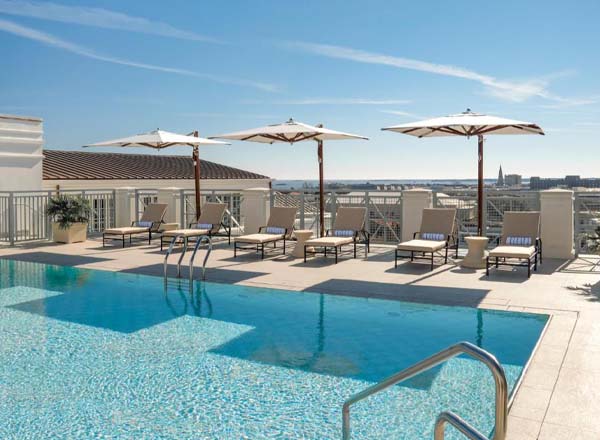
With its rooftop pool, upscale hotel atmosphere, and views of the harbor and historic downtown, Pavilion Bar has a traditional luxury personality.

It’s a natural destination for visitors who want the quintessential Charleston rooftop experience, but it also works for locals celebrating something special.

The appeal is not just having a drink. It’s being somewhere that feels like an event.

And, much like Gossip Girl, the people-watching is part of the entertainment.

The perfect guest: The stylish socialite, the luxury-minded traveler, and anyone who enjoys a little old-school glamour.

The order of the night: A classic cocktail with a view of the Charleston skyline.

10. Pour Taproom: The Office

The personality: Casual, approachable, interactive, and refreshingly unconcerned with being fancy.

Not every rooftop needs a dress code and a $20 cocktail.

Pour Taproom brings a more relaxed personality to Charleston’s rooftop scene, with its self-pour beverage system and casual atmosphere.

The comparison to The Office works because this is the rooftop where things feel a little less formal and a lot more comfortable.

You can explore different drinks, pour your own selections, and spend time with friends without feeling like you’re participating in an upscale social performance.

It’s approachable, slightly quirky, and more about having a good time than making an impression.

The perfect guest: The casual drinker, the beer enthusiast, and the person who wants a rooftop experience without the rooftop attitude.

The order of the night: Sample a few different pours and find a new favorite.

11. The Peacock: The Great Gatsby

The personality: Art Deco glamour, dramatic interiors, stylish gatherings, and a little extravagance.

The Peacock feels like it could have been transported from the pages of The Great Gatsby.

Its Art Deco-inspired design, multi-level layout, and rooftop atmosphere give it a personality that is more theatrical than your average downtown bar.

There’s a sense of occasion here. It’s the kind of place where a group celebration can turn into a full evening, with different spaces offering different moods.

The rooftop adds another layer to the experience, while the overall aesthetic gives it a distinctive identity in the French Quarter.

If you’re looking for a rooftop that feels a little more dressed up and a little less predictable, The Peacock makes a compelling case.

The perfect guest: The entertainer, the celebration planner, and anyone who appreciates a little vintage glamour.

The order of the night: Gather the group, dress for the occasion, and make an evening of it.

The Peacock Rooftop

12. Uptown Social: How I Met Your Mother

The personality: Big groups, big personalities, spontaneous plans, and plenty of social energy.

If Charleston had its own version of MacLaren’s Pub, Uptown Social would be a pretty convincing candidate.

With its rooftop, multiple bar areas, sports-focused atmosphere, and lively King Street location, Uptown Social is designed for people who enjoy being around other people.

It’s less about a quiet cocktail and more about the shared experience.

Think How I Met Your Mother: friends meeting up, watching a game, making plans, changing those plans, and somehow turning a regular night into a memorable one.

It’s a particularly good fit for groups that can’t agree on what kind of evening they want because there’s usually something happening for everyone.

The perfect guest: The group organizer, sports fan, and friend who believes the best nights are the ones that weren’t planned too carefully.

The order of the night: A round for the group, a game on the screen, and plenty of conversation.

13. Henry’s on the Market: Cheers

The personality: Historic, familiar, lively, and full of character.

Some places don’t need to reinvent themselves to remain part of a city’s nightlife identity.

Henry’s on the Market has been a Charleston institution for years, and its multi-level layout, rooftop, music, and entertainment give it a personality that feels perfectly suited to Cheers.

It’s a place where the experience is about more than the drinks. There’s a sense of familiarity, a little history, and the possibility of running into someone you know.

The rooftop offers another reason to stop, but the overall appeal is the combination of different experiences under one roof.

Like Cheers, Henry’s has the kind of personality that makes you want to come back.

The perfect guest: The longtime Charleston regular, the live-music lover, and anyone who prefers a little character over a perfectly curated atmosphere.

The order of the night: A cold drink, some music, and a little time soaking up downtown Charleston.

14. The Terrace at Mills House: Gilmore Girls

The personality: Charming, relaxed, picturesque, and effortlessly inviting.

Not every rooftop needs to be the center of the party.

The Terrace at Mills House has a softer personality. With its historic hotel setting, poolside atmosphere, and relaxed outdoor experience, it feels like the Charleston equivalent of Stars Hollow from Gilmore Girls.

It’s charming without being overly formal, and it has the kind of atmosphere that makes a casual afternoon feel special.

This is a particularly appealing spot for an afternoon cocktail, a leisurely catch-up with a friend, or a break from exploring downtown.

One important distinction: this is more of an afternoon destination than a late-night rooftop. The Terrace operates through sunset, making it a natural choice for an early drink rather than the final stop of the evening.

The perfect guest: The relaxed traveler, the afternoon cocktail enthusiast, and the person who values good conversation over a crowded dance floor.

The order of the night: An afternoon cocktail and a little time enjoying the slower side of Charleston.

The Terrace at The Mills House


So, Which Charleston Rooftop Matches Your Personality?

The fun part about Charleston’s rooftop scene is that there isn’t one personality that dominates.

Want sophistication? Citrus Club is your Mad Men moment.

Looking for luxury and a little intrigue? Fiat Lux brings The White Lotus energy.

Want to gather your friends? The Vendue is your Friends rooftop.

Looking for something artistic and theatrical? Arden Room at Hotel Operis has Only Murders in the Building written all over it.

Want the night to turn into an event? Ritual is ready for its Euphoria moment.

And if you’d rather keep things casual, Pour Taproom and Uptown Social offer two very different versions of an easygoing night out.

Ultimately, the best rooftop in Charleston depends on what kind of evening you’re trying to have.

The good news? You don’t have to pick just one.

Our recommendation: Make it a Charleston rooftop tour. Start with a sophisticated afternoon cocktail, find somewhere lively for dinner, and finish the evening somewhere with music and a little energy. After all, every great TV series needs more than one setting.

Editor’s note: Rooftop concepts, branding, access policies, and hours can change. Check directly with each venue before visiting, particularly during private events or seasonal weather changes.

Related: Beyond the Spotlight: Five Intimate Charleston Restaurants Worth Finding

Related: Six Downtown Charleston Spots for Wine, Small Bites and Sweet Moments Without the Big Bill

Related: 7 Shopping Experiences Couples Can Do Together in Charleston, South Carolina

Stay connected and subscribe to Charleston Daily.
Charleston’s Hospitality Groups Are Changing the Way the City Eats, Drinks and Experiences the Lowcountry

By Mark A Leon | Charleston Daily

From neighborhood restaurants and historic Southern institutions to rooftop nightlife and nationally recognized dining destinations, a new generation of hospitality groups is reshaping Charleston’s restaurant industry. But what does that mean for independent restaurants, local identity and the future of the city’s dining scene?

By Mark A. Leon | Charleston Daily

Charleston has always taken its food seriously. From generations-old family restaurants and neighborhood seafood establishments to award-winning chefs, innovative newcomers and nationally recognized dining destinations, the city’s culinary identity is deeply woven into its culture.

But something significant has happened over the past decade.

Charleston’s restaurant scene is no longer defined exclusively by individual restaurateurs opening a single neighborhood restaurant and building a following. Increasingly, some of the most recognizable names in local dining are part of larger hospitality organizations operating multiple restaurants, bars, entertainment venues, event spaces and, in some cases, hotels.

These hospitality groups have become powerful forces in the Charleston market. They influence where visitors dine, where locals gather, where people celebrate special occasions and, increasingly, what Charleston’s restaurant experience looks like to the outside world.

Their growth raises an interesting question: Is Charleston becoming a city of restaurant brands, or are these groups helping elevate an already exceptional culinary destination?

The answer is probably a little of both.

The Rise of Charleston’s Hospitality Groups

The growth of restaurant groups is not unique to Charleston. Across the country, restaurant operators have recognized the advantages of building multiple concepts under one organizational umbrella.

Shared management, marketing, purchasing, recruiting, training and event operations can create efficiencies that are difficult for independent restaurants to achieve.

In Charleston, however, the growth has been particularly visible because of the city’s combination of tourism, affluent visitors, a growing residential population, an active nightlife economy and an internationally recognized food culture.

Several hospitality groups have emerged as influential players, each bringing a different philosophy and business model to the market.

1. Uptown Hospitality: Changing the Face of Charleston Nightlife

Few groups have made a more visible impact on Charleston’s modern nightlife than Uptown Hospitality.

Beginning with Uptown Social in 2018, the organization recognized an opportunity to bring a more energetic, big-city nightlife experience to downtown Charleston. The concept combined food, drinks, sports, music and rooftop entertainment in a way that appealed to both locals and visitors.

The portfolio expanded to include Share House, Bodega, By The Way and other concepts and event offerings.

Uptown’s success demonstrates that Charleston’s restaurant industry is no longer just about the food. Atmosphere, social experiences, entertainment and the ability to turn a restaurant into a destination have become equally important.

The group has also demonstrated how effective branding and social media can be in building a recognizable hospitality identity.

The bigger impact: Uptown has helped redefine the Upper King Street nightlife experience and attract a demographic looking for more than a traditional dinner reservation.

Website: https://www.uptownhospitality.com/

2. The Indigo Road Hospitality Group: Taking Charleston Hospitality National

Perhaps no organization better represents the evolution of Charleston hospitality into a regional and national business than The Indigo Road Hospitality Group.

Founded by Steve Palmer, the Charleston-based company has developed an extensive portfolio of restaurants, bars, boutique hotels and event venues throughout the Southeast and beyond.

Its Charleston-area concepts include Oak Steakhouse, O-Ku, Indaco, The Cocktail Club, Brasserie La Banque, The Kingstide, Edmund’s Original, Mercantile & Mash, Post House and others.

The group’s influence extends beyond the Lowcountry. Several of its restaurant brands have expanded into other markets, introducing Charleston-developed hospitality concepts to diners throughout the country.

One particularly interesting development was the 2025 addition of Edmund’s Oast restaurant to the Indigo Road organization. The move illustrated another emerging trend: established independent restaurants partnering with larger hospitality organizations to gain operational support while preserving their identity. Edmund’s Oast Brewing Company remained independent.

The bigger impact: Indigo Road has helped put Charleston on the map as a place that doesn’t simply attract talented chefs and restaurateurs but produces hospitality concepts capable of succeeding nationally.

Website: https://www.theindigoroad.com/

3. Halls Hospitality: Southern Hospitality as a Business Model

The Hall family has built something particularly recognizable in the Charleston market.

Halls Chophouse opened in downtown Charleston in 2009, establishing a reputation for premium steaks, an extensive wine program and an exceptionally personal approach to customer service.

But the family did not stop with one successful restaurant.

Hall Management Group operates Halls Chophouse locations in Charleston, Greenville, Columbia, Nexton and Nashville, along with several other established Lowcountry dining destinations.

Its portfolio includes High Cotton, Slightly North of Broad (SNOB), Rita’s Seaside Grille and Halls Signature Events.

What makes this group particularly interesting is its ability to maintain different restaurant identities while operating under a shared hospitality philosophy.

A night at Halls Chophouse is a very different experience from a casual meal at Rita’s Seaside Grille or a dinner at SNOB. Yet the emphasis on service and hospitality connects the brands.

The bigger impact: Halls has helped establish a recognizable standard for upscale Southern hospitality while demonstrating that a Charleston-born restaurant brand can successfully expand beyond the peninsula.

Website: https://www.hallsmanagementgroup.com/

4. Neighborhood Dining Group: Protecting Charleston’s Culinary Reputation

While the name is sometimes shortened to Neighborhood Hospitality, its official name is Neighborhood Dining Group.

Founded by David Howard, the organization has played an important role in Charleston’s evolution as a serious culinary destination.

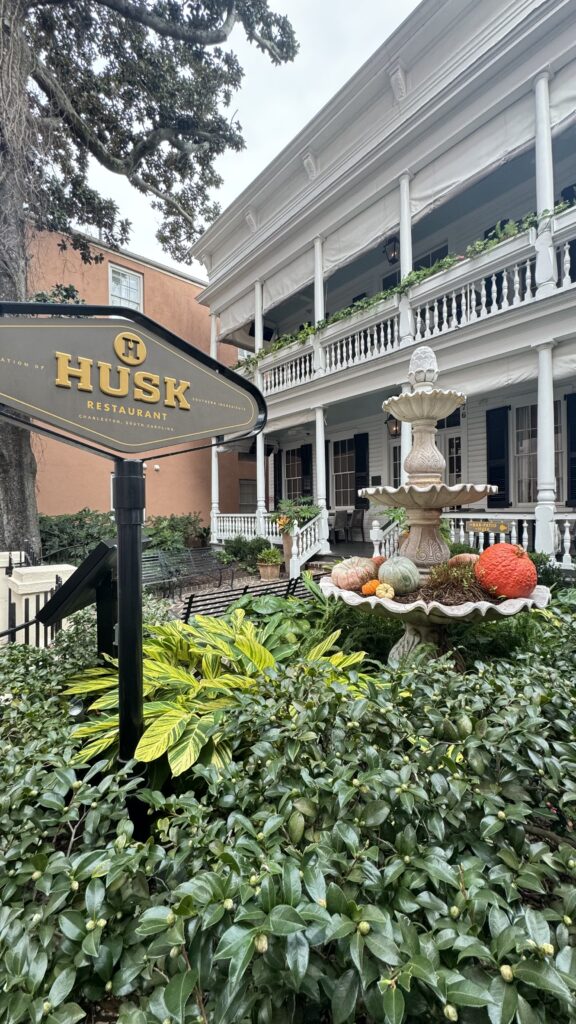
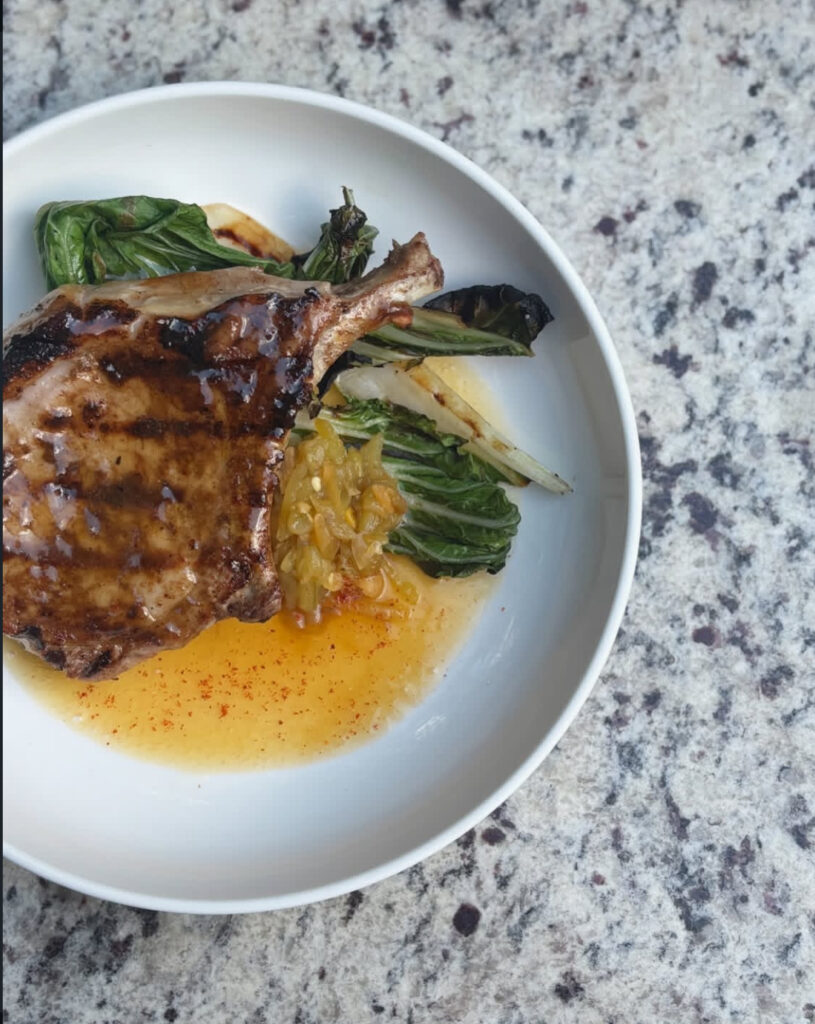
Its portfolio includes Husk, Marbled & Fin, Delaney Oyster House, Minero, Cheeky and The James American Grill.

Husk, in particular, became an important part of Charleston’s national culinary identity by emphasizing regional ingredients, Southern food traditions and relationships with local farmers and producers.

The group’s approach is interesting because it demonstrates that expansion does not necessarily mean abandoning culinary identity.

Each restaurant has its own personality, menu and audience. At the same time, the organization provides the infrastructure, leadership and resources necessary to operate multiple restaurants.

The bigger impact: Neighborhood Dining Group has helped reinforce Charleston’s reputation as a serious food city, where culinary creativity, regional ingredients and Southern traditions can coexist.

Website: https://neighborhooddininggroup.com/

5. Charleston Hospitality Group: Building a Portfolio for Every Occasion

Charleston Hospitality Group, founded in 2005 and led by CEO Sam Mustafa, has taken a diversified approach to the local restaurant and entertainment market.

Rather than concentrating on one particular dining demographic, the company has developed a collection of concepts that appeal to different audiences.

Its brands include Eli’s Table, Toast! All Day, John King Grill and Dueling Piano Bar, HonkyTonk Saloon, Toasted Crust, Queology and Cachita’s Kitchen, among other concepts.

The strategy is straightforward: offer something for just about everyone.

Visitors looking for brunch, families seeking a casual meal, tourists interested in Southern cuisine and groups looking for an evening of entertainment can all find something within the company’s portfolio.

The organization has also expanded beyond Charleston, including locations in Savannah, and has developed franchising opportunities for Toast! All Day.

The bigger impact: Charleston Hospitality Group demonstrates the commercial opportunities available when restaurant operators build recognizable brands that can serve different markets and dining occasions.

Website: https://charlestonhospitalitygroup.com/

6. Poogan’s Hospitality Group: Turning a Charleston Institution Into a Hospitality Brand

Some hospitality groups build their identities around contemporary concepts. Others build upon something that already belongs to Charleston.

Poogan’s Hospitality Group falls into the latter category.

Poogan’s Porch opened in 1976 on Queen Street and became one of Charleston’s best-known Southern restaurants. Named after a neighborhood dog that made the restaurant’s porch his home, the establishment developed a following among residents and visitors alike.

Over time, the brand expanded.

Poogan’s Smokehouse opened in 2015, followed by Poogan’s Courtyard, a private event venue. The group subsequently expanded into Nexton in Summerville, where its former Poogan’s Southern Kitchen location has since become another Poogan’s Smokehouse.

In 2026, Poogan’s celebrates 50 years in Charleston.

There is something particularly important about this business model. Rather than abandoning a recognizable historic identity to chase the next restaurant trend, the group has used an established local institution as the foundation for additional hospitality offerings.

The bigger impact: Poogan’s demonstrates how a locally established restaurant can evolve into a larger hospitality operation without losing the story that made it recognizable in the first place.

Website: https://www.pooganshospitality.com/

7. 5th Street Group: Design, Culinary Ambition and Destination Dining

5th Street Group has carved out a distinctive position in Charleston’s upscale dining market.

Headquartered in Charleston, the organization was created in 2012 by Patrick Whalen, Alejandro Torio and Top Chef alum Jamie Lynch.

Its Charleston portfolio includes Church and Union and Tempest, both downtown destinations that combine distinctive architecture, thoughtful interior design and ambitious menus.

Church and Union occupies a historic property on Market Street, while Tempest brings a contemporary approach to coastal seafood.

The company has also expanded into Charlotte and Nashville, demonstrating that its restaurant concepts can travel beyond their original market.

5th Street Group is particularly interesting because its approach places considerable emphasis on the entire dining experience. The setting, design, culinary direction and atmosphere all contribute to the identity of each restaurant.

The bigger impact: 5th Street Group reinforces Charleston’s position as a destination for sophisticated dining experiences while bringing a nationally competitive approach to restaurant design and branding.

Website: https://www.the5thstreetgroup.com/

8. Republic Hospitality: Redefining King Street Dining and Nightlife

Republic Hospitality has become a significant player in Charleston’s restaurant, entertainment and nightlife scene, building a portfolio of distinctive venues along the King Street corridor.

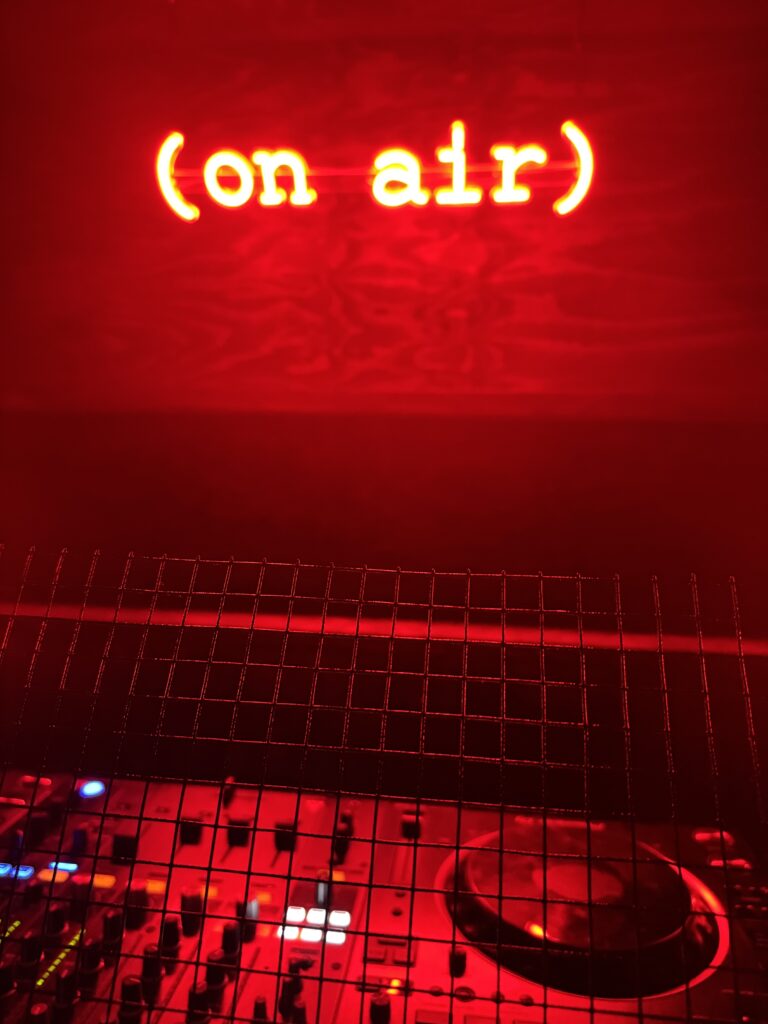
The organization operates six Charleston venues, each with its own personality and target audience: Republic Garden & Lounge, Bourbon N’ Bubbles, MESU, Lamar’s Sporting Club, Zachary’s Daiquiris and On Air.

Its approach is centered on creating destinations that extend beyond traditional dining. From upscale cocktails and dinner to sporting events, live entertainment, celebrations and late-night experiences, Republic Hospitality has developed a portfolio designed to capture multiple segments of Charleston’s social scene.

Republic Garden & Lounge has long been associated with Charleston nightlife, while Bourbon N’ Bubbles brings an upscale lounge atmosphere to King Street. MESU combines Mexican cuisine and sushi, offering a distinctive dining concept. Lamar’s Sporting Club caters to guests seeking a more intimate, sophisticated sports lounge experience. Zachary’s Daiquiris and On Air add additional options to the group’s entertainment and social offerings.

The company also emphasizes private events, group dining and celebrations, creating opportunities to serve corporate gatherings, special occasions and visitors looking for more than a conventional restaurant experience.

With a reported team of more than 200 employees across its venues, Republic Hospitality represents the operational scale that increasingly characterizes Charleston’s hospitality industry.

The bigger impact: Republic Hospitality has helped shape the modern King Street experience by combining restaurants, lounges, nightlife and entertainment under one organizational umbrella. Its portfolio illustrates how hospitality groups can become influential not just in where people eat, but in how an entire downtown district socializes and spends its evenings.

Website: https://republichospitality.com/

What Does the Growth of These Groups Mean for Charleston?

The rise of these organizations is changing the local restaurant industry in several important ways.

1. More Investment and More Sophisticated Operations

Operating a successful restaurant has become increasingly complicated.

Labor costs, insurance, food prices, commercial rents, marketing and regulatory requirements create enormous challenges for independent operators.

Larger hospitality organizations can spread some of these expenses across multiple locations and concepts.

They can also invest in professional management, recruiting, training, technology and marketing departments.

That creates advantages that a single-location restaurant may struggle to match.

2. Charleston Is Becoming a Restaurant Brand Incubator

Charleston is no longer simply a place where national restaurant brands open locations.

It is increasingly a place where restaurant concepts are developed, tested and expanded into other markets.

Indigo Road, Halls Management Group and 5th Street Group are examples of organizations that have taken concepts associated with Charleston and expanded their reach.

This helps strengthen the city’s culinary reputation nationally.

3. More Choices for Residents and Visitors

The growth of hospitality groups has created a broader range of dining and entertainment options.

From brunch and casual dining to steakhouses, sushi, seafood, rooftop bars, live entertainment and private events, the choices are extensive.

For visitors, this makes Charleston an even more attractive destination.

For residents, it provides more opportunities to enjoy the city’s hospitality industry without having to travel far.

4. Career Opportunities and Professional Development

Larger organizations can offer employees opportunities to move between restaurants, develop management skills and build careers within the same company.

A server, chef, bartender or manager may have opportunities to advance without leaving the organization.

That can be an important advantage in an industry historically associated with high employee turnover.

Of course, the quality of those opportunities ultimately depends on each organization’s workplace culture and management practices.

5. Increased Competition for Independent Restaurants

This is where the conversation becomes more complicated.

An independent restaurant is often competing against organizations with greater marketing budgets, established customer databases, purchasing power and professional management teams.

That doesn’t mean independent restaurants cannot succeed. Charleston’s dining identity depends heavily on creative independent operators.

But the competitive landscape is changing.

An independent chef opening a restaurant today may face a very different set of challenges than someone who opened one 20 years ago.

6. The Danger of Losing What Makes Charleston Different

There is another consideration that deserves attention.

Charleston’s restaurant identity was not built exclusively by restaurant groups.

It was built by family-owned establishments, independent chefs, neighborhood restaurants, seafood houses, small businesses and generations of people who understood the importance of hospitality.

The city’s appeal comes partly from its individuality.

If every new restaurant begins to look, feel and operate like a professionally marketed national concept, Charleston risks losing some of the character that makes it special.

The challenge for hospitality groups is to grow without making the city feel increasingly interchangeable with every other major American dining destination.

The Bigger Question: Can Charleston Have Both?

Absolutely.

In fact, Charleston’s restaurant industry is strongest when established hospitality organizations and independent operators complement one another.

The groups discussed here bring investment, employment opportunities, operational expertise, culinary ambition and national visibility.

Independent restaurants bring experimentation, individuality, neighborhood character and the entrepreneurial spirit that keeps a dining scene interesting.

Neither model is inherently better.

The important thing is maintaining an environment where both can thrive.

Charleston should welcome investment and recognize the contributions of its larger hospitality organizations. At the same time, the city should remain committed to protecting the small-business ecosystem that helped establish its culinary reputation.

That means supporting local restaurateurs, encouraging responsible development, maintaining a diverse commercial environment and recognizing that a restaurant’s value to Charleston cannot always be measured by revenue, locations or the number of guests served.

Sometimes it is the small neighborhood restaurant, the family-owned seafood establishment or the independent chef taking a chance on a new idea that makes the biggest difference.

Charleston’s Hospitality Future

The seven organizations highlighted here represent different approaches to building a successful hospitality business.

Some focus on nightlife and entertainment. Others emphasize culinary excellence, Southern traditions, historic identity, upscale dining or multi-market expansion.

Together, they illustrate just how much Charleston’s restaurant industry has evolved.

The city is now home to hospitality organizations with the resources and ambition to compete in major markets across the country.

That is something worth celebrating.

But as Charleston continues to grow, one thing should remain nonnegotiable: the city’s hospitality industry must never lose its sense of place.

Visitors don’t come to Charleston simply to experience another restaurant, another rooftop bar or another beautifully designed dining room.

They come for Charleston.

And the best hospitality groups will be the ones that understand that distinction.

The future of Charleston dining should be bigger, more innovative and more successful, but it should always feel unmistakably Charleston.

Charleston Daily Perspective: The growth of restaurant hospitality groups is an important part of Charleston’s economic and cultural evolution. This editorial recognizes their contributions while raising questions about competition, independent businesses and preserving the character of the Lowcountry.

Explore the Hospitality Groups

  • Uptown Hospitality: https://www.uptownhospitality.com/
  • The Indigo Road Hospitality Group: https://www.theindigoroad.com/
  • Hall Management Group: https://www.hallsmanagementgroup.com/
  • Neighborhood Dining Group: https://neighborhooddininggroup.com/
  • Charleston Hospitality Group: https://charlestonhospitalitygroup.com/
  • Poogan’s Hospitality Group: https://www.pooganshospitality.com/
  • 5th Street Group: https://www.the5thstreetgroup.com/

Stay connected and subscribe to Charleston Daily

University of South Carolina mourns first Black alumna, civil rights trailblazer Henrie Monteith Treadwell

By Rebekah Friedman, rebekahb@mailbox.sc.edu

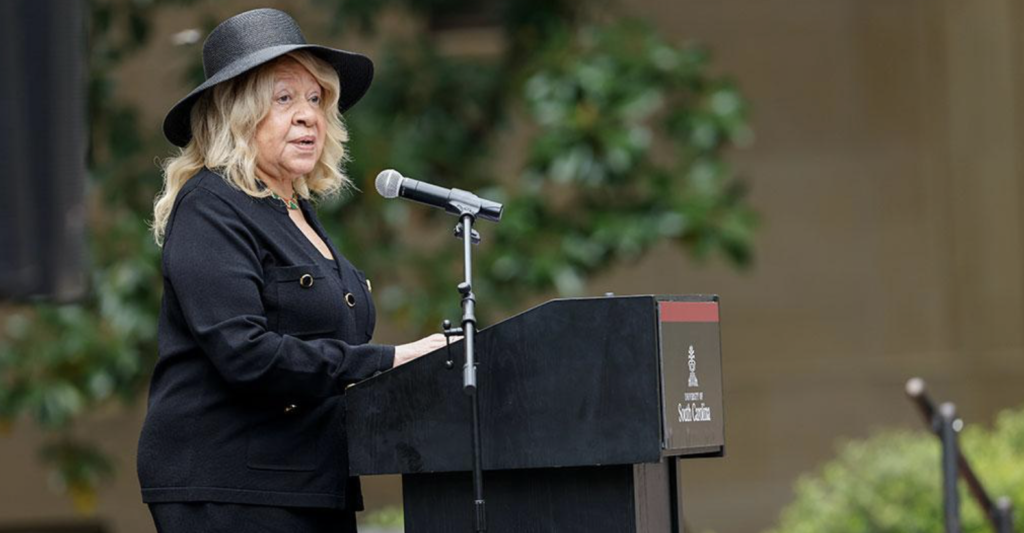
Henrie Monteith Treadwell, a public health champion whose enrollment more than 60 years ago marked the University of South Carolina’s desegregation, died Tuesday, Oct. 27, 2026.

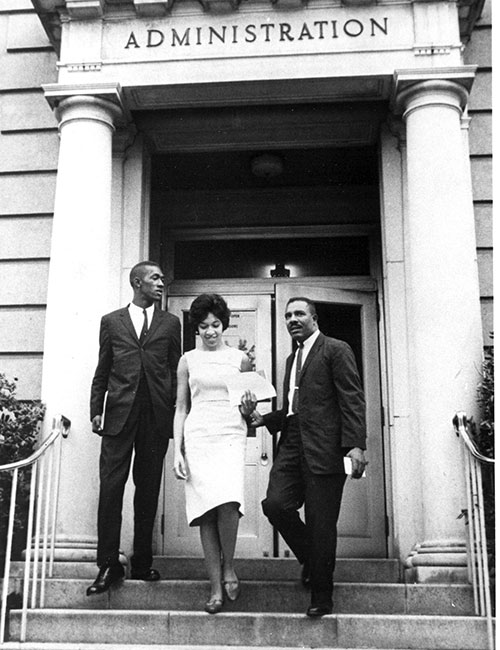
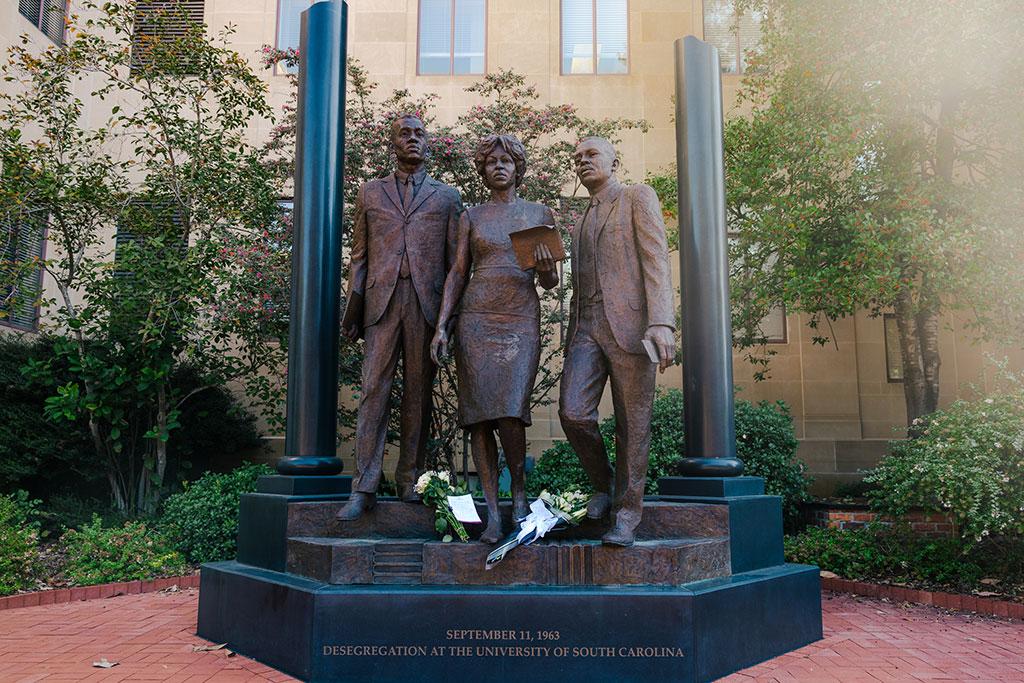
Treadwell, along with the late Robert Anderson and James Solomon Jr., registered for classes on Sept. 11, 1963. They became the first Black students admitted since Reconstruction. In 2024, the university unveiled a 12-foot bronze monument, commissioned by the Board of Trustees and located on the Horseshoe, to honor the three students and commemorate their role in USC’s history. 

Teenage Henrie Monteith crosses campus flanked by fellow incoming students Robert Anderson (left) and James Solomon Jr. on her way to register for classes, Sept. 11, 1963
Teenage Henrie Monteith crosses campus flanked by fellow incoming students Robert Anderson (left) and James Solomon Jr. on her way to register for classes, Sept. 11, 1963. Courtesy of University Archives

“With the passing of Henrie Monteith Treadwell, the last of USC’s three brave desegregation pioneers, we acknowledge the profound role she played in defining our values as an institution,” said university President Michael Amiridis.

“Henrie made clear that she broke racial barriers at USC not in a spirit of fear, but with great determination and hope, knowing that she was leading a path that others must and would follow. She lived a monumental and inspiring life, and we are forever grateful for her immeasurable contributions to our university, our state and our nation.”

It was Treadwell’s lawsuit, filed when she was 16, that led to the university’s integration. Her subsequent enrollment wasn’t her only “first” while at USC: In 1965, she also became the university’s first Black graduate since Reconstruction when she earned her degree in biochemistry.

“It is with profound sadness that we mourn the passing of Dr. Henrie Monteith Treadwell, a trailblazer whose courage changed the University of South Carolina, the state of South Carolina, and the lives of countless people who followed her path,” said Bobby Donaldson, executive director of USC’s Center for Civil Rights History and Research and associate professor of history. “Her steady determination, unwavering dignity and courage transformed a personal pursuit of education into a defining chapter in the long struggle for civil rights in South Carolina.”

Treadwell’s educational pursuits continued after she graduated from USC. She went on to earn a master’s from Boston University and a Ph.D. from Atlanta University, both in biochemistry, followed by postdoctoral work in public health at Harvard University.

“Taking the walk into the university was just an example of what I’ve continued to do throughout my career.”

Henrie Monteith Treadwell

Her pivotal role in USC’s integration earned her a permanent place in university history, but when asked by Carolinian magazine in 2025 to reflect on her achievements, she noted that her undergraduate experiences prepared her to transform lives far beyond South Carolina: Her long career with the W.K. Kellogg Foundation took her to other countries in search of solutions to pressing public health issues.

In her later years, Treadwell served as founding executive director of the Community Voices project at Morehouse School of Medicine in Atlanta, where she conducted and published research centered on strengthening marginalized communities.

“I have been, over these past 60 years, around the world, working in ways that really mimic what I did at the university,” she said. “It’s a way of opening doors for people who do not themselves have the key to that door. Taking the walk into the university was just an example of what I’ve continued to do throughout my career.”

  • A photo of flowers at the base of the desegregation monument.Image 1 of 4 – The university’s board of trustees honored Treadwell with flowers at the desegregation monument Friday morning. The bronze statue, which is located near McKissick Museum, was unveiled in April 2024.

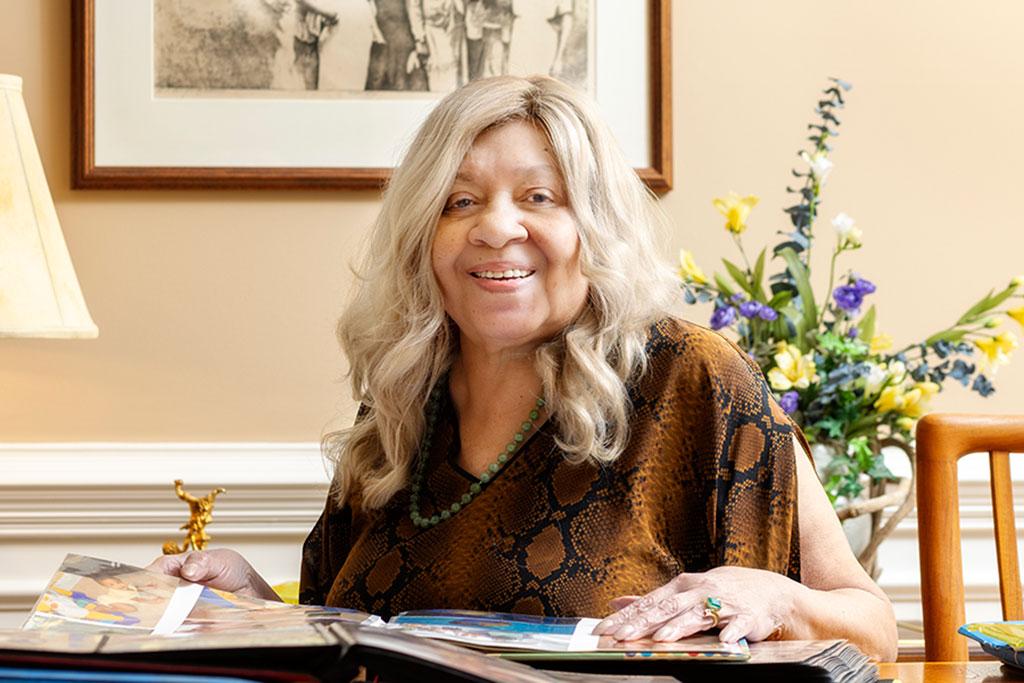
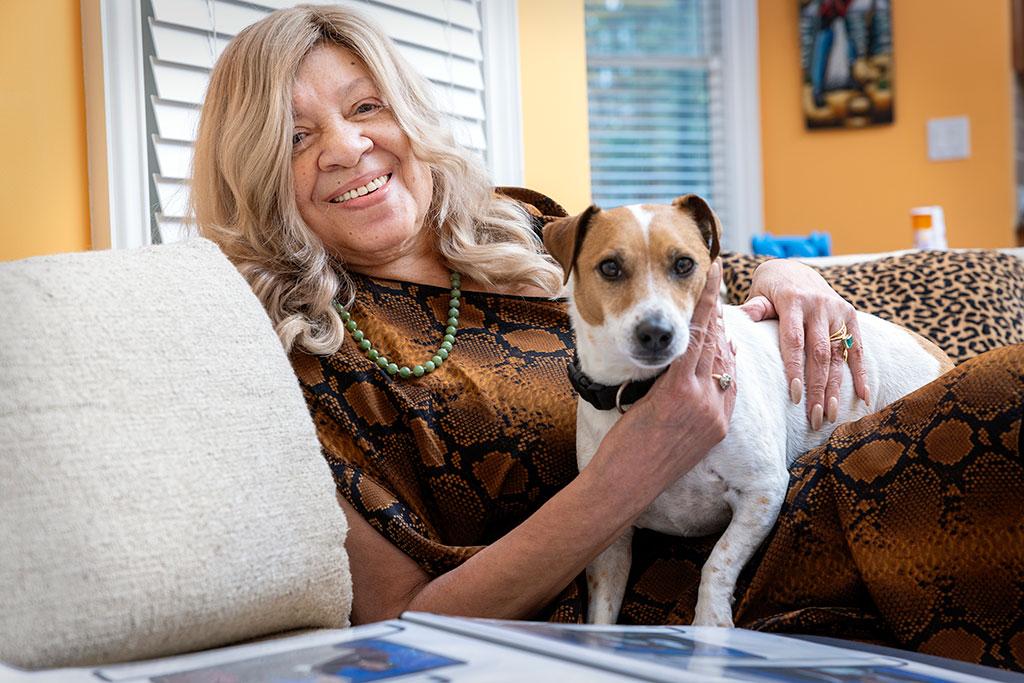
  • Treadwell looks up from a table of photo albums and smiles.Image 1 of 4 – In 2025, USC’s Carolinian magazine staffers visited with Treadwell in her Atlanta home for a feature on her life and career after desegregation.

  • Treadwell holds her Jack Russell terrier on her sofa.Image 1 of 4 – Treadwell owned several Jack Russell terriers over the course of her life. Rascal, above, kept a watchful eye on Carolinian staffers during their 2025 visit with Treadwell.

Photo and Article Credit: University of South Carolina

Stay connected and subscribe to Charleston Daily.
10 of the Worst Things About Living in Charleston, South Carolina

By Mark A Leon

The charm is real, but so are the headaches. A little Southern honesty about life in the Lowcountry.

Charleston, South Carolina, is one of America’s most beautiful places to live. The historic architecture, incredible restaurants, beautiful beaches, warm weather, rich history and unmistakable Lowcountry charm make it easy to understand why people move here from all over the country.

But let’s be honest: Living in Charleston isn’t always sipping sweet tea on a historic porch, watching sailboats glide across the harbor or enjoying a sunset over the marsh.

Behind the postcard-perfect scenery are some genuine frustrations that locals know all too well. From traffic that can test your patience to flooding that turns familiar streets into waterways, Charleston has a few drawbacks that don’t always make it into the relocation brochures.

Here are ten of the worst things about living in Charleston, SC. Consider this a little friendly reality check for anyone thinking about making the Lowcountry home.

1. The Traffic Is Absolutely Frustrating

Charleston’s roads were never designed for the population and traffic volume the region experiences today. Historic streets are narrow, major arteries become congested, and getting between downtown, Mount Pleasant, West Ashley, James Island and North Charleston can be an exercise in patience.

The Ravenel Bridge is beautiful, but it can become a parking lot during rush hour. Highway 17, I-26, Savannah Highway and major intersections throughout the region regularly test commuters.

And forget about assuming that a destination five miles away will take ten minutes. In Charleston, distance and travel time are two entirely different things.

2. Flooding Is Part of Everyday Life

Few things frustrate Charleston residents more than flooding.

It doesn’t always take a hurricane or major tropical storm. A heavy afternoon thunderstorm, an unusually high tide or a coastal weather system can put water on streets that were perfectly dry just hours earlier.

Downtown Charleston, particularly areas with lower elevations, can experience tidal flooding even when the weather is beautiful. Some neighborhoods also face drainage problems that make ordinary rainstorms an inconvenience.

Residents learn which streets to avoid, where not to park and how quickly conditions can change. For newcomers, discovering that your daily commute depends on the tide schedule can be quite an introduction to Lowcountry living.

3. The Cost of Living Isn’t What It Used to Be

Charleston once had a reputation as a relatively affordable Southern city. Those days are increasingly difficult to find.

Housing prices, rents, insurance, utilities, property taxes and everyday expenses have put pressure on residents, particularly people working in hospitality, retail, education and other service industries.

The popularity of the region has created tremendous demand for housing, and finding an affordable home close to downtown, the beaches or major employment centers can be challenging.

You can still find a wonderful life here, but the price of admission has increased considerably.

4. The Heat and Humidity Can Be Brutal

Charleston summers are not for the faint of heart.

Temperatures regularly climb into the 90s, but the humidity is what really gets you. Walking a few blocks downtown in July can feel like stepping into a sauna.

Your clothes stick to you, your sunglasses fog up when you leave an air-conditioned building, and getting into a car that has been sitting in the sun feels like opening an oven.

Outdoor activities become early-morning or evening events, and even longtime residents sometimes wonder why they chose a place where sweating can become a full-time occupation.

5. Tourists Can Make Everyday Life Difficult

Tourism is an important part of Charleston’s economy, and visitors are a big reason the city remains vibrant.

But living in a destination that millions of people want to experience comes with a price.

Spring, summer, holiday weekends and major events bring crowded sidewalks, packed restaurants, limited parking and increased traffic. Downtown residents sometimes have to navigate tour groups, horse-drawn carriages, pedicabs, delivery vehicles and visitors stopping in the middle of sidewalks to take photographs.

There’s nothing wrong with sharing Charleston. But occasionally, locals would appreciate being able to run a quick errand without feeling like they’re participating in a walking tour.

6. The Mosquitoes, No-See-Ums and Other Bugs

Charleston’s beautiful marshes, waterways and warm climate create an ideal environment for some very unwelcome residents.

Mosquitoes can make an evening outside miserable, while no-see-ums are practically invisible little villains that leave itchy reminders of their presence.

Palmetto bugs are another Lowcountry institution. Despite the reassuring name, nobody is particularly excited to encounter one flying through the living room.

Add termites, ants, spiders and other insects to the mix, and pest control becomes less of an occasional expense and more of a regular part of homeownership.

7. Hurricane Season and Severe Weather Anxiety

Living along the South Carolina coast means accepting that hurricane season is part of the deal.

From June through November, residents keep an eye on tropical forecasts, monitor evacuation zones and occasionally find themselves shopping for batteries, bottled water and plywood.

Even when a storm doesn’t make direct landfall, coastal residents can experience heavy rain, strong winds, storm surge, power outages and flooding.

The uncertainty can be exhausting, particularly for people who have experienced a major storm or evacuation. And when a hurricane does approach, the entire region seems to have the same idea about getting gas and supplies.

8. Parking Is a Nightmare in the Wrong Places

Parking in historic downtown Charleston can be expensive, inconvenient and downright aggravating.

Street parking is limited, parking garages fill up during busy periods, and finding a space near popular restaurants, shopping districts or special events can take longer than the actual drive.

Some older homes and residential properties have little or no off-street parking. For people who live downtown, visitors, deliveries and everyday errands can become logistical challenges.

And if you accidentally park somewhere that floods during a high tide, you may have a much bigger problem than a parking ticket.

9. Infrastructure Has Trouble Keeping Up With Growth

Charleston and the surrounding communities continue to attract new residents, businesses and development.

Growth brings opportunity, but it also puts pressure on roads, schools, drainage systems, utilities and public services.

Residents frequently debate whether infrastructure improvements are keeping pace with development. Construction projects, road closures, aging drainage systems and increasing traffic can make daily life more complicated.

The challenge is particularly noticeable when a growing population must share transportation networks and infrastructure that were not necessarily designed for today’s demands.

10. Leaving Charleston Can Be Surprisingly Difficult

This one might sound strange, but getting out of Charleston can be an adventure.

Charleston International Airport offers convenient service to many destinations, but travelers sometimes find themselves connecting through larger airports to reach certain cities.

Driving out of town can also mean dealing with congestion on I-26, particularly during holidays and peak travel periods.

And if you’re heading to the mountains, Charlotte, Savannah or anywhere farther away, you quickly discover that Charleston isn’t exactly centrally located.

For a city that feels like a world of its own, getting somewhere else can take a little planning.

So, Is Charleston Still Worth It?

Absolutely. At least for many of us.

There is something special about Charleston that is difficult to quantify. It’s the beauty of the live oaks, the sound of church bells downtown, the smell of salt air, the restaurants, the beaches, the history and the people who make this community unique.

It’s the ability to spend a morning walking along the Battery, an afternoon at the beach and an evening enjoying dinner with friends.

But loving Charleston doesn’t mean pretending it’s perfect.

Every city has its challenges, and Charleston has more than its share. The key is understanding what you’re signing up for before making the move.

The traffic may drive you crazy. The humidity may ruin your hair. The mosquitoes may win a few battles. And sooner or later, you will probably get caught in a flood.

But then you’ll catch a sunset over the harbor, stroll down a beautiful historic street or discover a little local restaurant that reminds you why you came here in the first place.

Charleston isn’t perfect. But for many of us, it’s still pretty close to paradise.

Charleston Daily — Celebrating the good, acknowledging the bad and telling the stories that make the Lowcountry home.

Stay connected and subscribe to Charleston Daily.
The End of an Era: Theatre 99 and The Bicycle Shoppe Say Goodbye as 280 Meeting Street Begins a New Chapter in Charleston, SC

By Mark A. Leon

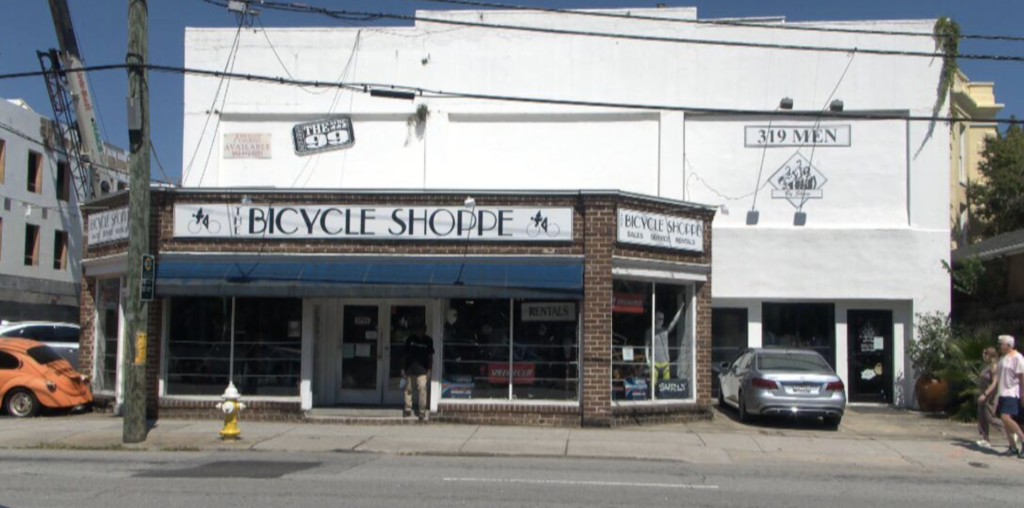
For more than two decades, the building at 280 Meeting Street wasn’t just another address in downtown Charleston—it was a gathering place. It was where thousands of Charlestonians laughed until they cried during improv comedy shows, where generations of cyclists bought their first bike or had a flat tire repaired, and where local businesses gave the historic corridor a personality that couldn’t be replicated.

Now, one of Charleston’s most recognizable commercial buildings is entering a new chapter.

With Theatre 99 taking its final bow and The Bicycle Shoppe closing its doors, the corner that has long celebrated creativity, community and entrepreneurship is making way for a luxury residential redevelopment that aims to preserve the building’s history while adapting it for the city’s future.

A Home for Charleston’s Funniest Nights

Since moving into 280 Meeting Street in 2005, Theatre 99 became synonymous with Charleston’s comedy scene.

Founded by Greg Tavares, Brandy Sullivan and Timmy Finch, the improv theater built a loyal following through unscripted performances, festivals and classes that introduced thousands of locals to improvisational comedy. Over its 21 years at the Meeting Street location, the troupe staged more than 4,000 performances, making the intimate theater one of Charleston’s most beloved cultural institutions.

The move wasn’t voluntary.

After the property was sold, Theatre 99 searched throughout the Charleston region—including downtown, West Ashley, North Charleston and Park Circle—before ultimately finding a new home at The Venue MTP in Mount Pleasant. While the address has changed, the performers insist the spirit of Theatre 99 remains intact.

“Theatre 99 isn’t a place; it’s people,” co-founder Brandy Sullivan said as the company prepared for its next chapter.

A Charleston Cycling Institution

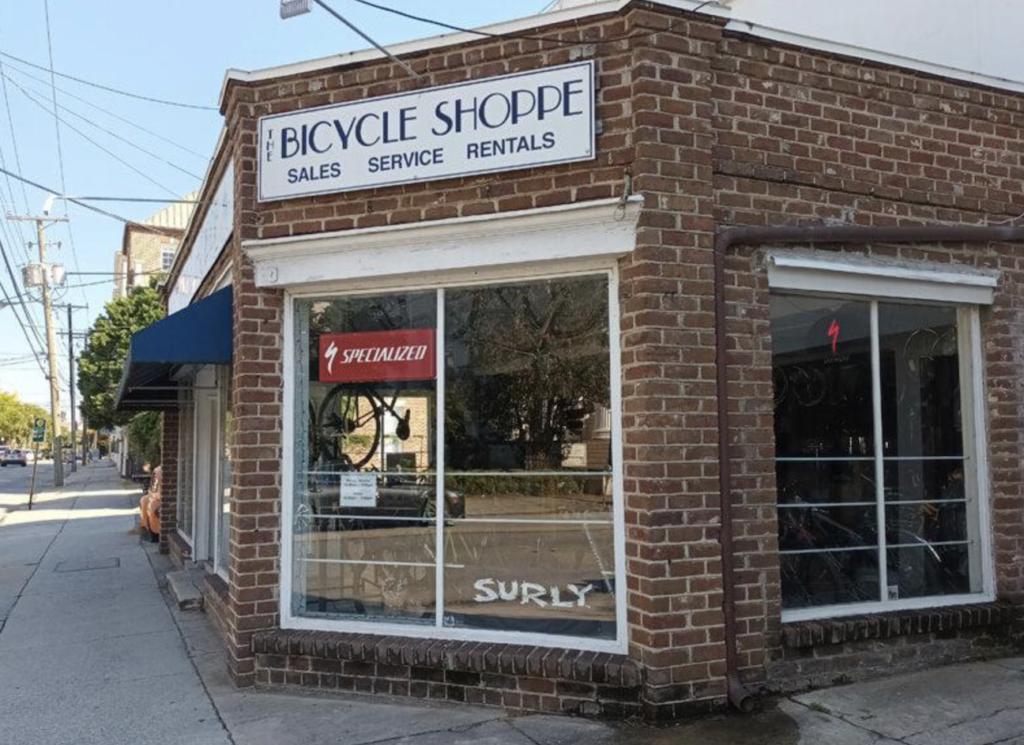
Sharing the building was another longtime local favorite: The Bicycle Shoppe.

For decades, it served everyone from recreational riders and beach cruisers to serious cyclists, becoming a trusted destination for repairs, fittings and advice. Families often returned generation after generation, making the shop one of downtown’s enduring small businesses.

Its closing marked the end of another chapter for Meeting Street and highlighted the changing economics of operating independent businesses on the Charleston peninsula.

A Building Worth Saving

The future of 280 Meeting Street was anything but certain.

In 2025, a proposal sought to demolish much of the early-20th-century industrial building, prompting widespread public opposition. Preservation advocates, residents and supporters argued the property represented far more than bricks and mortar—it was a home for local arts, small business and Charleston’s evolving architectural history. Hundreds of public comments urged the city to protect the building.

Ultimately, preservation prevailed.

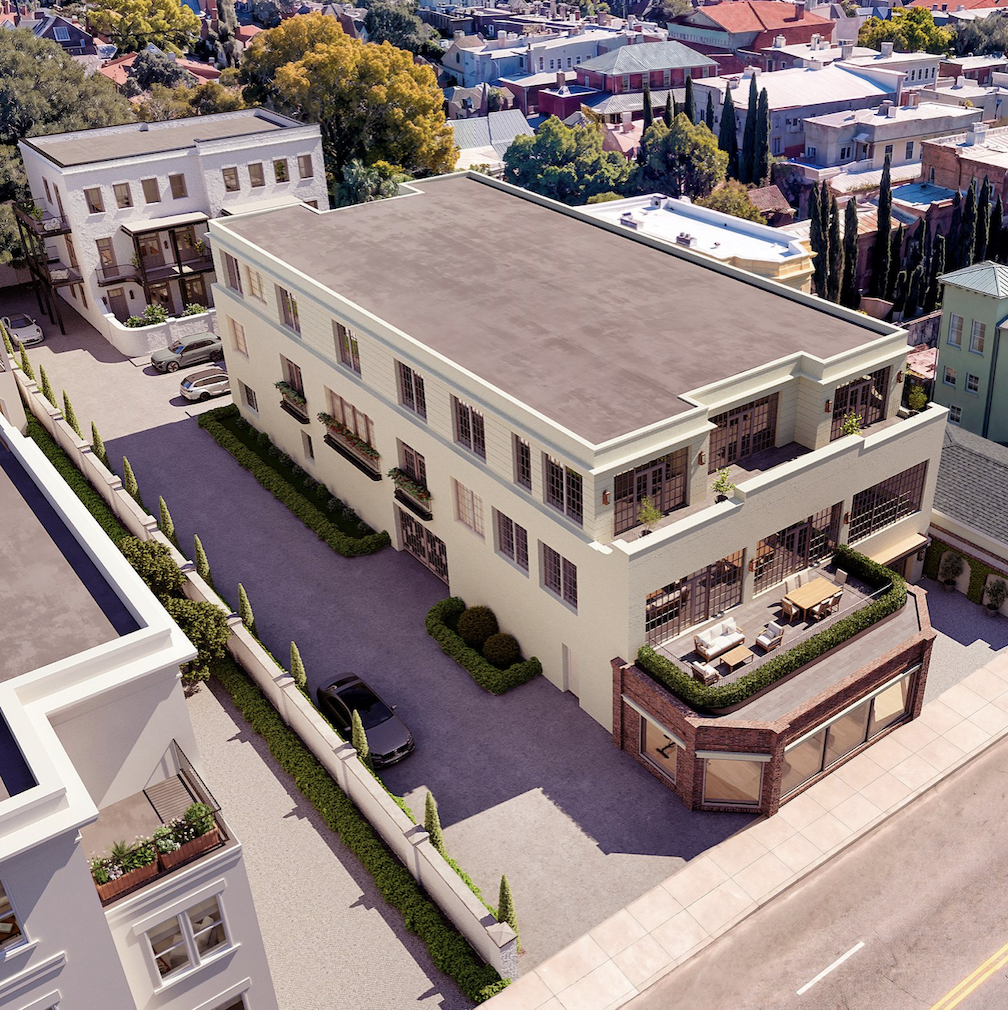
Rather than being razed, the building will be adaptively reused, preserving its historic character while introducing new residential uses. The Charleston Board of Architectural Review approved plans that retain much of the original structure and its recognizable mid-century storefront.

The Future: 280 Meeting Street Residences

The property’s new owner, New Vintage Capital, plans to transform the site into 280 Meeting Street Residences, an upscale development featuring five luxury condominiums and two townhomes.

The residences will range from approximately 2,400 to nearly 4,000 square feet, with prices beginning around $3.1 million and reaching nearly $5 million. Even before construction begins, demand has proven strong, with one residence already under contract.

The redevelopment includes:

  • Preservation of the historic front building
  • Addition of a third story designed to complement the original architecture
  • A fitness center and sauna within the former Bicycle Shoppe space
  • A landscaped courtyard with a fireplace and swimming pool
  • Private outdoor living areas for each residence
  • Two dedicated parking spaces per home

The rear warehouse will be removed, while the building’s industrial roots—including its history as an automobile showroom—will continue to influence the architectural design through high ceilings and expansive windows. Construction is expected to conclude in spring 2028.

Charleston’s Constant Evolution

The story of 280 Meeting Street reflects a broader conversation happening throughout Charleston.

As the peninsula continues to attract investment and new residents, the city faces the challenge of balancing growth with preservation. Historic buildings increasingly find new life through adaptive reuse rather than demolition, but rising property values also make it more difficult for arts organizations and independent retailers to remain downtown.

The departure of Theatre 99 and The Bicycle Shoppe is bittersweet. Charleston loses two beloved institutions from one of its most recognizable corners, but it also retains a piece of its architectural history through a project that chose restoration over the wrecking ball.

For longtime Charlestonians, the memories created inside 280 Meeting Street won’t disappear with the renovations. They’ll simply become another chapter in a building that has continually reinvented itself for more than a century.

When the doors reopen in 2028, the laughter from the improv stage and the sound of bicycle wheels may be gone, but the building that housed them will still stand—a reminder that preserving history sometimes means allowing it to evolve.

Stay connected and subscribe to Charleston Daily.
The Great Charleston Burger Crawl: Five Downtown Stops Worth Every Bite

By Mark A. Leon | Charleston Daily

Charleston, South Carolina, is famous for its shrimp and grits, she-crab soup, fresh seafood, and Lowcountry cuisine. But there’s another side to the city’s food scene that deserves some attention: its burgers.

From old-school tavern cheeseburgers to crispy-edged smashburgers and upscale steakhouse creations, downtown Charleston has a burger scene worth exploring.

So why not turn lunch into an adventure?

Welcome to the Downtown Charleston Burger Crawl: five stops, five different approaches to the American hamburger, and plenty of reasons to loosen your belt.

This isn’t simply a ranking of the biggest burgers or the fanciest restaurants. Each stop earns its place because it brings something different to the table.

The plan is simple: walk, eat, enjoy a little Charleston atmosphere, and discover which burger deserves the crown.

STOP 1: CURRENTBURGER – THE WATERFRONT SMASHBURGER

138 Concord Street

Let’s start near the water, where Charleston’s historic waterfront provides a fitting backdrop for the first burger.

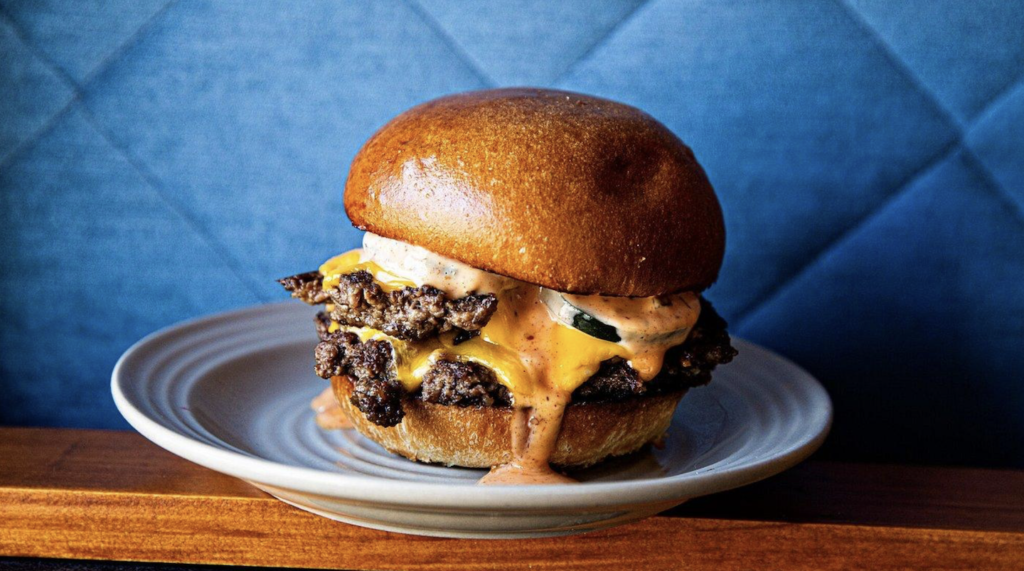
CurrentBurger, located at The Cooper, is a casual burger restaurant offering several patty choices, including beef smash, turkey, falafel, and fried chicken.

What to order: The Applewood Smash Burger

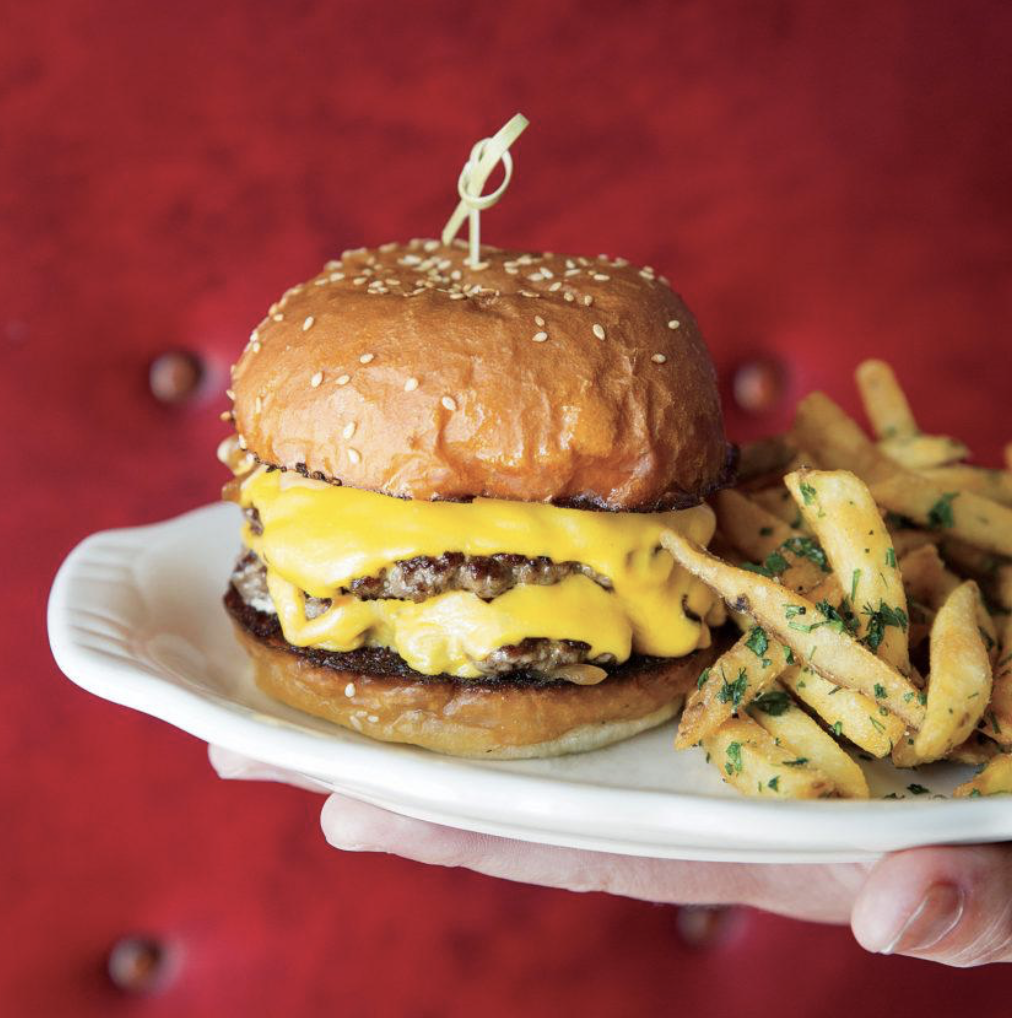
This is the one I’d put at the top of the tasting list. It combines a beef smash patty with applewood-smoked bacon, American cheese, aioli, and pickles.

It’s a familiar American cheeseburger combination, but the smoky bacon and creamy aioli give it a little extra personality.

Why it makes the list: Every good burger crawl needs a proper smashburger. The thin patty, griddled edges, melted cheese, and salty bacon provide a great introduction to the different burger styles Charleston has to offer.

It’s also a relaxed first stop, with Waterfront Park and the surrounding historic district nearby.

STOP 2: THE GRIFFON – THE CLASSIC DOWNTOWN PUB BURGER

18 Vendue Range

Next, head into the French Quarter and find The Griffon.

This place is almost as much about atmosphere as it is about food. The walls are famously covered with dollar bills, and the pub has the kind of personality that makes you want to settle in for another round.

What to order: The Griffon Burger

The house burger is a straightforward pub-style burger with classic toppings. It’s the kind of burger that doesn’t need a complicated ingredient list to make its case.

Think traditional beef patties, classic burger toppings, a soft bun, and a familiar pub-style presentation.

Why it makes the list: A burger crawl shouldn’t consist entirely of chef-driven creations. Sometimes the best burger experience is a straightforward cheeseburger in a proper neighborhood pub.

The Griffon delivers that traditional pub experience, and its French Quarter location makes it a natural stop along the way.

STOP 3: BIG GUN BURGER SHOP & BAR – THE CREATIVE HEAVYWEIGHT

137 Calhoun Street

Now we’re getting into serious burger territory.

Big Gun is a downtown Charleston burger joint with a relaxed, rock-and-roll atmosphere. It has been serving burgers in downtown Charleston since 2011, and its menu offers considerably more personality than the typical burger-and-fries operation.

What to order: The Bungalow Burger

This is my pick for the crawl.

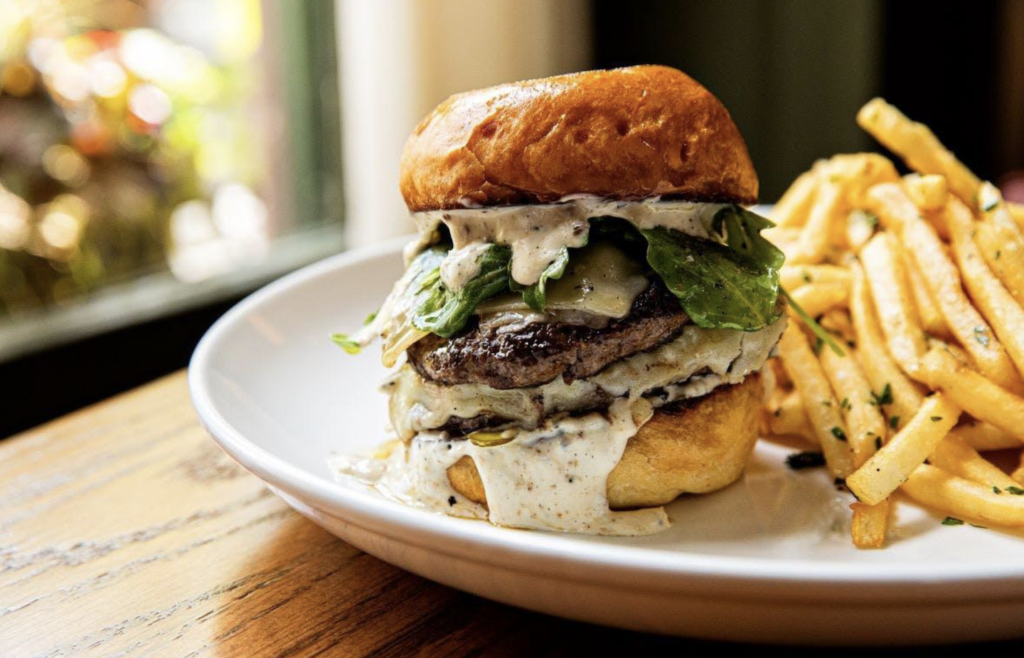
The Bungalow features bacon, caramelized onions, Havarti cheese, tomato, and house-made dill mayonnaise.

There’s a lot to like here.

The bacon brings smokiness, the caramelized onions add sweetness, and Havarti provides a buttery, creamy cheese component. The dill mayonnaise adds a fresh, slightly tangy finish that keeps everything from becoming too heavy.

Another contender is the Thin White Duke, featuring mushrooms, bacon, Swiss cheese, caramelized onions, and horseradish mayonnaise.

Why it makes the list: Big Gun demonstrates how much personality you can put between two buns without losing sight of what makes a burger great.

It’s also a great place to enjoy a beer and soak up a little of Charleston’s less-polished, more local nightlife.

The Bungalow is the burger I’d make a point of trying.

STOP 4: HALLS CHOPHOUSE – THE UPSCALE STEAKHOUSE BURGER

434 King Street

A burger crawl through Charleston wouldn’t be complete without a stop at Halls Chophouse.

Halls is known for its prime steaks, polished service, classic steakhouse atmosphere, and lively dining room. But its burger deserves attention, too.

What to order: The Halls Chophouse Cheeseburger

The burger features prime custom-ground beef, lettuce, tomato, onion, cheese, Halls burger sauce, and a pickle. It’s served with Parmesan-truffle fries.

The prime custom-ground beef is the attraction here. At a steakhouse, the quality and preparation of the beef are central to the experience, and that makes this burger a particularly interesting comparison with the smashburger stops.

The Parmesan-truffle fries are a welcome bonus.

Why it makes the list: This is the upscale interpretation of the American cheeseburger. Rather than relying on toppings or novelty, the appeal is the beef itself, paired with a steakhouse approach to preparation.

It also provides a change of scenery. After casual pubs and burger bars, Halls brings a little old-school Charleston dining-room glamour to the crawl.

One planning note: check the current bar-menu service hours before visiting. The burger is listed on the bar menu, and Halls is not a casual all-day burger counter.

STOP 5: LITTLE JACK’S TAVERN – THE GRAND FINALE

710 King Street

Let’s finish on King Street at Little Jack’s Tavern.

Little Jack’s has the atmosphere of an old-fashioned American neighborhood tavern. Think checkerboard tablecloths, classic cocktails, comfort food, and a dining room that feels inviting rather than pretentious.

The restaurant has earned considerable recognition for its burgers, including a Burger Bash win in 2017.

What to order: The Tavern Burger

The classic Tavern Burger features a beef patty, American cheese, tavern sauce, and griddled onions. You can also order a Double Tavern Burger, which doubles the meat and cheese.

This is a burger that understands the importance of balance. American cheese melts beautifully, griddled onions bring sweetness, and the tavern sauce adds richness and flavor without turning the burger into an overloaded production.

Why it makes the list: Little Jack’s is one of the strongest representatives of Charleston’s classic tavern-burger tradition. Its reputation, focused menu, and old-school atmosphere make it a fitting place to end the adventure.

If I were saving one burger for the final stop, this would be a very strong candidate.

THE FINAL VERDICT: WHICH BURGER WINS?

Every stop brings something different, so I’d avoid declaring one universal winner. Here’s how I’d categorize the contenders:

  • Best Smashburger: CurrentBurger. Crispy-edged beef, bacon, and cheese.
  • Best Pub Experience: The Griffon. Classic burger and plenty of character.
  • Most Creative: Big Gun Burger Shop & Bar. The Bungalow’s flavor combination.
  • Best Upscale Burger: Halls Chophouse. Prime custom-ground beef and steakhouse execution.
  • Best Traditional Tavern Burger: Little Jack’s Tavern. Cheese, onions, and tavern sauce.

A FEW TIPS FOR PLANNING THE CRAWL

Best day: Saturday. You’ll have a better opportunity to enjoy the downtown atmosphere and make an afternoon of it.

Best approach: Start around lunchtime. Allow roughly 30–45 minutes per stop, with time to walk between locations.

How to order:

  • Split one burger between two people at each stop.
  • Skip the fries at most locations.
  • Try different burger styles rather than ordering five similar cheeseburgers.
  • Save room for a cocktail or local beer along the way.

The five restaurants are geographically walkable, but they aren’t all next door to one another. Expect to spend a good portion of the afternoon walking.

Restaurant menus and service hours can change, so confirm that the featured burger is available before setting out.

THE FINAL THOUGHT

The beauty of this crawl is that it showcases five different personalities of Charleston.

You have the waterfront smashburger, the old-fashioned pub, the rock-and-roll burger joint, the elegant steakhouse, and the neighborhood tavern.

And that’s what makes a great burger crawl: not necessarily finding five versions of the same perfect cheeseburger, but discovering five restaurants that each have their own interpretation of what a great burger should be.

If I had to pick just one must-try burger from the entire route, I’d put my money on the Bungalow at Big Gun. Bacon, caramelized onions, Havarti, tomato, and dill mayo make for a combination that’s hard to ignore.

But I’d still make room for Little Jack’s.

After all, you can’t have a proper Charleston burger crawl without ending at a great tavern.

Five stops. Five burgers. One very good afternoon in Charleston.

Stay connected and subscribe to Charleston Daily.
10 Reasons to Shop Look Up Charleston This Black Friday and Holiday Weekend

By Mark A Leon

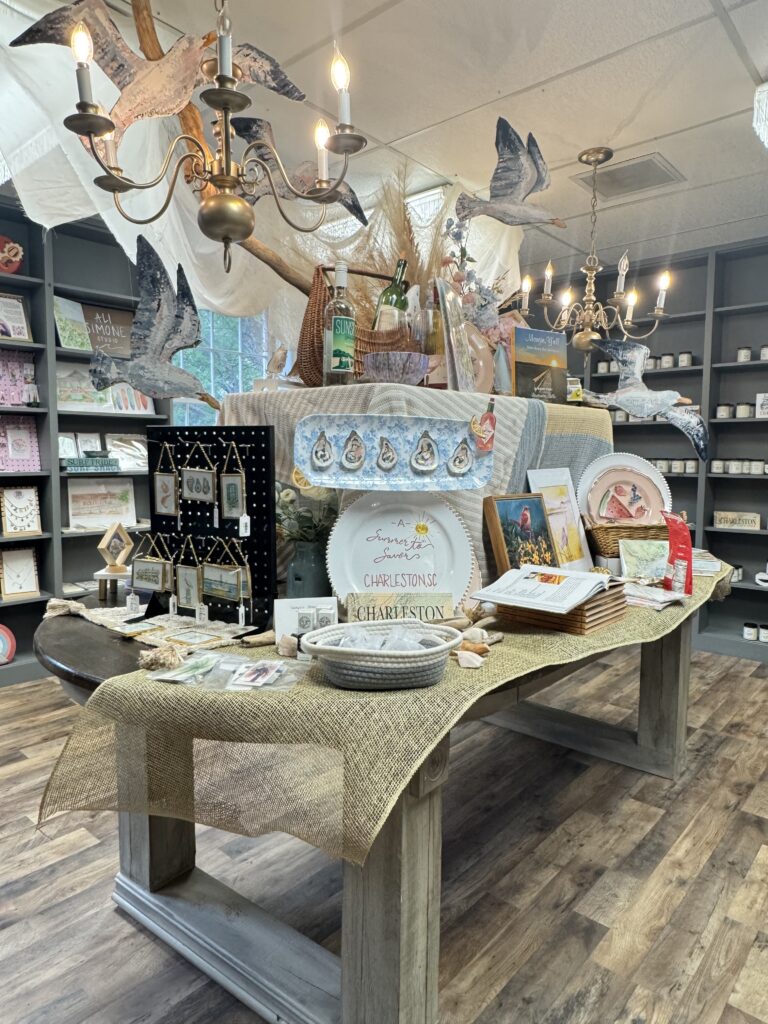
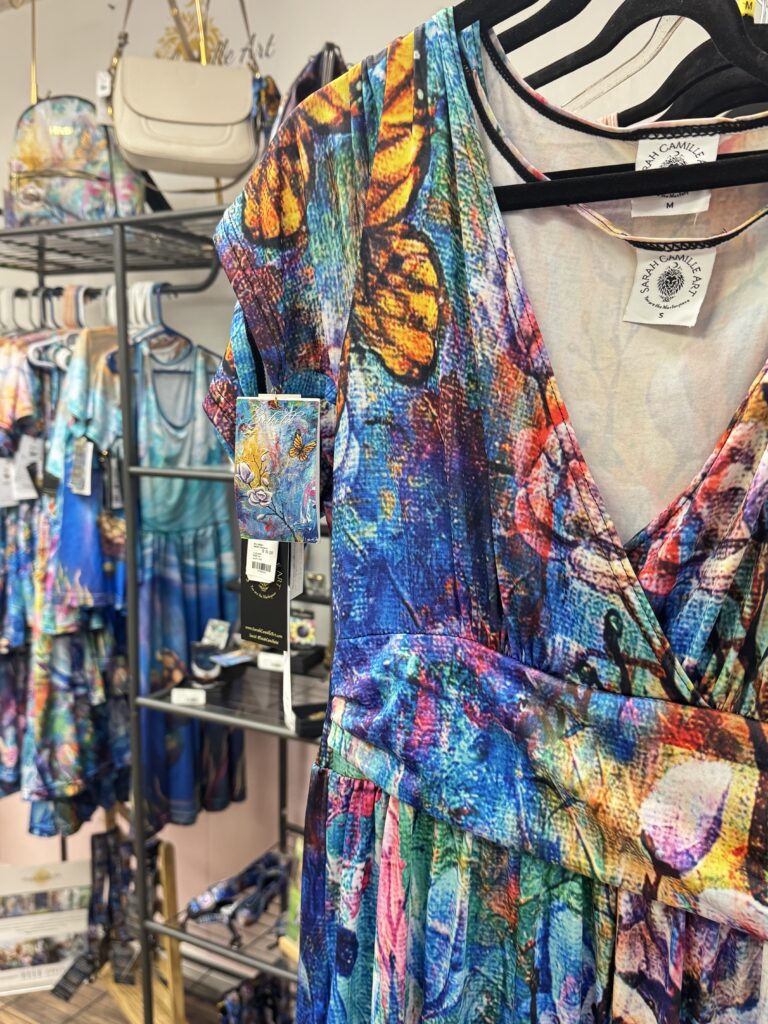
Looking for a different kind of Black Friday shopping experience? Skip the big-box stores and discover one of downtown Charleston’s most unique shopping destinations. Located upstairs at 128 Meeting Street, Look Up Charleston brings together local artists, artisans, fashion designers and creative entrepreneurs under one roof.

Black Friday and Small Business Saturday are traditionally among the busiest shopping days of the year. While national retailers compete for attention with doorbuster deals and big promotions, there is another way to approach holiday shopping: support local businesses, discover original gifts and invest in the creative community that makes Charleston special.

Look Up Charleston offers all three. Whether you’re shopping for family, friends, coworkers or yourself, here are 10 reasons to make it part of your holiday weekend.

1. Every Purchase Supports a Local Business

Shopping at Look Up Charleston means supporting independent Charleston-area artists, artisans, designers and entrepreneurs. Rather than sending your holiday dollars to a national chain, you’re helping local creative businesses grow and thrive.

2. Discover Gifts You Won’t Find Everywhere Else

Forget mass-produced merchandise. Look Up Charleston features hundreds of distinctive, locally created products. From handmade jewelry and original illustrations to home accessories and Charleston-inspired gifts, there’s always something unexpected to discover.

3. More Than 40 Local Creatives Under One Roof

Look Up Charleston brings together more than 39 local artisans, artists and fashion designers. It’s an opportunity to explore the work of an entire creative community without having to visit dozens of individual studios and shops.

4. Original Art for Your Home or Office

Looking for something beyond the traditional holiday gift? Explore original fine art, photography, prints and other creative works by local artists. Whether you’re furnishing a new home or searching for a meaningful present, you’ll find pieces with personality and a distinctly Lowcountry connection.

5. Fashion That Stands Out

Discover locally designed clothing, accessories, jewelry and shoes. Look Up Charleston celebrates independent fashion and designers who bring their own perspective, creativity and personality to what they make.

6. Create a Personalized Gift at the Charm Bar

Looking for a gift with a personal touch? Stop by the charm bar and create something meaningful. It’s a fun way to put together a customized piece of jewelry and give someone a gift that feels uniquely theirs.

7. Something for Everyone on Your Holiday List

From handmade jewelry, handbags and clothing to candles, illustrations, photography, home décor, vinyl records and Charleston-themed treasures, the variety makes holiday shopping easier. Whether you’re buying for someone who has everything or searching for a small stocking stuffer, there are plenty of possibilities.

8. Every Visit Offers Something New

With hundreds of unique products and a constantly evolving collection of local creations, Look Up Charleston is a place worth exploring. New discoveries, different artistic perspectives and unexpected treasures make browsing part of the experience.

9. Help Keep Charleston’s Creative Community Thriving

Independent artists and small businesses are an important part of Charleston’s character. Supporting them helps sustain local talent, encourage entrepreneurship and preserve the individuality that makes this city special. Every purchase makes a difference.

10. It’s More Than a Gift Shop

Look Up Charleston describes itself as a gift emporium and art gallery, but the experience goes beyond traditional retail. It’s a creative collective, a gathering place and a showcase for the people who make Charleston interesting. With artist studios, fashion, original artwork and locally made merchandise, it’s a shopping experience with a distinctly local identity.

P.S. – The Holiday ornament selection is enormous.

Make Look Up Charleston Part of Your Holiday Weekend

This Black Friday and Small Business Saturday, consider giving your holiday shopping a local twist. Explore downtown Charleston, enjoy the historic surroundings and make a stop at a business that celebrates the people and creativity of the Lowcountry.

Look Up Charleston

128 Meeting Street, Upstairs
Historic Downtown Charleston, South Carolina

Discover local gifts, fashion, photography, fine art, handmade treasures and the charm bar.

All local; all the time.

Check out their Instagram.

This holiday season, don’t just shop Charleston. Support the people who make Charleston special.

It’s time to Look Up Charleston!

Stay connected and subscribe to Charleston Daily

Getting Around Historic Charleston: A Visitor’s Guide to Every Way to Explore the Holy City

By Mark A Leon

From free downtown shuttles and bicycle rickshaws to water taxis, bicycles, rideshares and traditional cabs, Charleston offers plenty of ways to explore its historic streets without spending your vacation looking for a parking space.

CHARLESTON, SC – One of the best ways to experience Charleston is to get out of the car. The city’s historic peninsula is filled with narrow streets, centuries-old homes, hidden gardens, waterfront parks, restaurants and independent shops, many of which are best discovered at a slower pace.

Fortunately, visitors have plenty of transportation options. Whether you’re staying downtown, visiting the Battery, heading to the Charleston City Market, exploring King Street or venturing across the harbor to Mount Pleasant, there is a transportation option for nearly every budget and travel style.

Here is a guide to getting around historic Charleston, including transportation options, estimated costs and useful links.

1. Walking: The Best Way to Experience Historic Charleston

Before booking a ride, consider walking. Charleston’s historic district is remarkably walkable, and many of its most popular attractions are within a short distance of one another.

Visitors can walk from the Charleston City Market to Waterfront Park, Rainbow Row, the French Quarter, the Battery and many of the city’s most recognizable historic landmarks.

  • Cost: Free.
  • Best for: Sightseeing, shopping, dining and exploring residential neighborhoods.
  • Keep in mind: Charleston’s summer heat, uneven sidewalks, cobblestones and occasional flooding can make longer walks challenging. Comfortable shoes are essential.

2. DASH: Charleston’s Free Downtown Shuttle

One of Charleston’s best transportation options for ofirst-time visitors is DASH, the Downtown Area Shuttle operated by CARTA.

DASH provides free transportation throughout much of the historic peninsula, connecting visitors with major attractions, shopping districts, hotels and cultural destinations.

There are three primary routes:

  • Orange Line (210): Connects the College of Charleston, South Carolina Aquarium and Visitor Center.
  • Green Line (211): Serves Meeting Street, King Street, Waterfront Park, City Market and the historic shopping district.
  • Purple Line (213): Connects the Visitor Center with Lockwood Drive, Calhoun Street and portions of the upper peninsula.

Cost: FREE.

Website and schedules: https://www.ridecarta.com/services/dash/

DASH is particularly helpful for visitors staying at downtown hotels who want to move between attractions without repeatedly walking the same routes.

3. CARTA Public Transportation Buses

Beyond the free DASH system, CARTA operates a regional bus network serving Charleston, North Charleston, Mount Pleasant, West Ashley, James Island and other surrounding communities.

Unlike DASH, these buses travel beyond the historic district and can be useful for visitors heading to destinations outside the downtown peninsula.

Published standard fares include:

  • Regular one-way fare: $2.
  • Express one-way fare: $3.50.
  • Passes: Available for visitors who plan to use the system regularly.
  • Transfers: Check current transfer policies and eligibility.

Website: https://www.ridecarta.com/

Fares and passes: https://www.ridecarta.com/fares-passes/

Route planning: https://www.ridecarta.com/services/

For visitors staying downtown, DASH will generally be more convenient. CARTA’s regional routes become more useful when traveling beyond the historic peninsula.

4. Bicycles and Electric Bikes: Explore Charleston on Two Wheels

Bicycles are a great way to cover more ground while still enjoying Charleston’s architecture and historic neighborhoods.

Visitors have two primary options: shared bicycles and traditional bicycle rentals.

Lime Electric Bikes

Charleston has a shared electric-bike program operated by Lime. Riders can locate and unlock available bikes using the Lime mobile app.

Traditional Bicycle Rentals

Several local businesses offer bicycle rentals and cycling services.

Rental prices vary depending on the bicycle, rental duration and delivery requirements. Check individual providers for current daily and weekly rates.

A word of caution: Charleston’s streets are not always bicycle-friendly. Watch for pedestrians, parked cars, uneven pavement and narrow streets. Always follow posted bicycle regulations.

5. Pedicabs and Rickshaws: A Charleston Favorite

If there is one transportation option that feels particularly suited to Charleston, it is the bicycle-powered pedicab.

Often called rickshaws or bike taxis, these open-air vehicles are powered by a driver pedaling passengers around the historic district. They are especially popular for short trips between restaurants, hotels, shopping districts and nightlife destinations.

They also provide something a traditional taxi cannot: an opportunity to enjoy the sights and sounds of Charleston while someone else does the navigating.

Some drivers offer local history, recommendations and informal sightseeing along the way.

Charleston Pedicab

Website: https://www.charlestonpedicab.com/

Phone: (843) 577-7088

Published rate: Approximately $10 per passenger for the first 10 minutes, followed by additional per-minute charges. Confirm current pricing with the operator.

Charleston Bike Taxi

Website: https://biketaxi.net/

Phone: (843) 532-8663

Pricing: Rates vary by passenger count and trip duration. Confirm current rates before booking.

Charleston Rickshaw

Website: https://www.charlestonrickshaw.com/

Pricing: Contact the operator for current rates.

Pedicabs are particularly useful for visitors who want to avoid walking several blocks after dinner or who simply want a memorable Charleston experience.

6. Charleston Water Taxi: Take the Scenic Route

Charleston is a waterfront city, so why limit your transportation to land?

The Charleston Water Taxi offers a scenic connection between downtown Charleston and Mount Pleasant, with stops at Waterfront Park, Charleston Maritime Center/Aquarium Wharf, Patriots Point and Charleston Harbor Resort and Marina.

The service is especially convenient for visitors planning to explore the USS Yorktown, Patriots Point Naval & Maritime Museum or the Mount Pleasant waterfront.

The ride also provides beautiful views of the Ravenel Bridge, Charleston Harbor and, occasionally, dolphins.

  • Cost: Approximately $17 for an all-day pass.
  • Route: Downtown Charleston to Patriots Point and Charleston Harbor Resort and Marina.
  • Best for: Sightseeing, waterfront dining and crossing the harbor without driving.

Website: https://charlestonwatertaxi.com/

Schedule: https://charlestonwatertaxi.com/schedule/

The boats operate on a scheduled route, with departure times varying by stop and season. Check the schedule before planning your trip. Parking fees may apply at certain Mount Pleasant boarding locations.

7. Uber: Convenient Transportation on Demand

Uber is widely available throughout the Charleston area and is one of the easiest ways to get between downtown, the beaches, restaurants and surrounding communities.

Visitors can request standard rides, larger vehicles for groups and premium transportation through the app.

Uber is particularly helpful for:

  • Transportation to and from Charleston International Airport.
  • Trips to Folly Beach, Sullivan’s Island and Isle of Palms.
  • Evening dining and entertainment.
  • Trips to plantations and attractions outside the historic district.

Cost: Variable. Pricing depends on distance, demand, time of day and vehicle selection.

Website: https://www.uber.com/

Airport transportation: https://www.uber.com/global/en/r/airports/chs/pickup/

One tip: Check the fare before confirming your ride. Prices can increase significantly during busy weekends, festivals, rainstorms and major events.

8. Lyft: Another Rideshare Option

Lyft provides an alternative to Uber and is another convenient option for visitors exploring Charleston.

The two services operate similarly, allowing passengers to request rides through their mobile applications and compare available vehicle options.

Lyft can be particularly useful when leaving busy restaurants, hotels or entertainment venues where one rideshare service may have longer wait times or higher prices.

  • Cost: Variable, based on distance, demand and vehicle selection.
  • Best for: Airport transportation, beach trips, restaurant outings and nighttime transportation.

Website: https://www.lyft.com/

A good strategy is to check both Uber and Lyft before booking. The difference in price can sometimes be substantial.

Important for Upper King Street visitors: Charleston has designated rideshare pickup and drop-off zones in the Upper King area. Between 6 p.m. and 3 a.m., seven days a week, drivers must use designated locations rather than stopping wherever passengers request. The apps can help direct riders to the appropriate pickup locations.

9. Traditional Taxis: Still a Reliable Option

Although rideshare services have changed the transportation landscape, traditional taxis remain an important part of Charleston’s transportation network.

Taxis can be especially useful for airport arrivals, visitors who prefer calling a dispatcher and travelers who don’t want to rely on a smartphone application.

At Charleston International Airport, taxis are available outside baggage claim, with a transportation attendant providing destination-based fare information.

Published airport taxi pricing includes:

  • Minimum airport fare: $17.
  • Metered rate: $3 per mile, including up to two passengers.
  • Additional passengers: $7 per passenger.

The airport publishes sample fares, including approximately $37 to Charleston Place and $40 to the King and Broad Street area. These are estimates, not guaranteed quotes.

Local taxi providers include:

For airport transportation, always confirm the fare before departing.

10. Hotel Shuttles and Private Transportation Services

Many Charleston hotels offer complimentary or scheduled transportation to and from the airport, downtown attractions or nearby destinations.

Before booking a hotel, ask whether transportation is included. This can be a significant savings, particularly for families and visitors staying outside the historic district.

For larger groups, weddings, corporate outings and private excursions, several local companies offer chauffeured transportation.

Some options include:

Cost: Varies by vehicle, number of passengers, distance and duration. Most private transportation providers require advance reservations and individual quotes.

For visitors traveling with several people, splitting the cost of a private shuttle can sometimes be more economical than booking multiple rideshares.

11. Horse-Drawn Carriages: Transportation Meets Charleston History

Although horse-drawn carriages are primarily sightseeing experiences rather than practical transportation, they deserve a place in any guide to getting around Charleston.

Carriage tours offer visitors a narrated journey through historic neighborhoods, past antebellum architecture, churches, gardens and some of the city’s most recognizable landmarks.

Several licensed carriage operators provide tours departing from the downtown historic district.

  • Cost: Generally expect approximately $40–$50 per adult, with pricing varying by operator, tour and age.
  • Best for: First-time visitors, families and history enthusiasts.
  • Information: https://www.charlestoncvb.com/

Carriages are not a point-to-point taxi service. They operate as regulated sightseeing tours, with routes and departures determined by city regulations and operating conditions.

12. Airport Transportation: Getting from CHS to Downtown

For many visitors, the first transportation decision happens at Charleston International Airport (CHS), located in North Charleston, approximately 12 miles from downtown.

Here are the primary options:

  • Uber and Lyft: Variable pricing; check the apps.
  • Traditional taxi: $17 minimum airport fare.
  • CARTA bus: Approximately $2 for a regular one-way fare.
  • Hotel shuttle: Often complimentary, depending on the hotel.
  • Private shuttle: Advance quote required.

Uber and Lyft have designated pickup areas outside baggage claim. Traditional taxis are available through the airport’s ground transportation booth.

CARTA also provides scheduled service between the airport and surrounding areas.

Airport transportation information: https://iflychs.com/passengers/ground-transportation/

Which Transportation Option Should You Choose?

Here’s a quick comparison for visitors deciding how to get around:

| Transportation | Best Use | Estimated Cost |
| Walking | Historic district | Free |
| DASH | Downtown attractions | Free |
| CARTA | Regional destinations | From $2 |
| Lime bikes | Exploring downtown | App pricing |
| Bicycle rental | Independent sightseeing | Varies |
| Pedicab | Short downtown trips | Varies |
| Water Taxi | Harbor crossing | Approximately $17/day |
| Uber | Convenient point-to-point | Variable |
| Lyft | Convenient point-to-point | Variable |
| Taxi | Airport and local trips | $17 airport minimum |
| Hotel shuttle | Airport and hotel travel | Often free |
| Private shuttle | Groups and events | Quote required |
| Horse carriage | Historic sightseeing | Approximately $40–$50/adult |

A Few Things Visitors Should Know Before Getting Around Charleston

1. You probably don’t need a rental car if you’re staying downtown.

Many of Charleston’s most popular attractions, restaurants, shops and historic sites are within walking distance. A combination of walking, DASH and occasional rideshares can make a rental car unnecessary.

2. Don’t underestimate Charleston’s weather.

Summer heat, afternoon thunderstorms and coastal flooding can change your transportation plans. Pedicabs, bicycles and walking aren’t always practical during inclement weather.

3. Plan transportation for evenings.

King Street, Upper King, the Market and the entertainment districts can become particularly busy on weekends. Give yourself extra time when arranging rides.

4. Consider the beaches separately.

Folly Beach, Sullivan’s Island and Isle of Palms are outside the immediate historic district. Uber, Lyft, taxis and rental cars are generally more practical for these destinations than downtown shuttle services.

5. Check prices before booking.

Rideshare prices fluctuate, bicycle rental rates vary, and private transportation requires individual quotes. Prices in this guide are published rates or planning estimates, not guaranteed quotes.

The Bottom Line: Charleston Is Best Explored at Your Own Pace

Charleston is a city that rewards visitors who slow down and take the time to explore.

You might walk down Church Street in the morning, hop aboard a free DASH shuttle to the Aquarium, rent a bicycle in the afternoon, take a water taxi across the harbor and finish the evening with a pedicab ride to dinner.

There is no single right way to experience the Holy City.

Whether you choose a free shuttle, a traditional taxi, an electric bicycle or a horse-drawn carriage, getting around is part of the Charleston experience.

A little planning can save money, reduce parking headaches and leave more time for what really matters: enjoying Charleston.

USEFUL TRANSPORTATION LINKS

Editorial note: Fares and service availability should be confirmed directly with transportation providers before traveling. Prices, schedules and operating conditions may change.

Stay connected and subscribe to Charleston Daily.
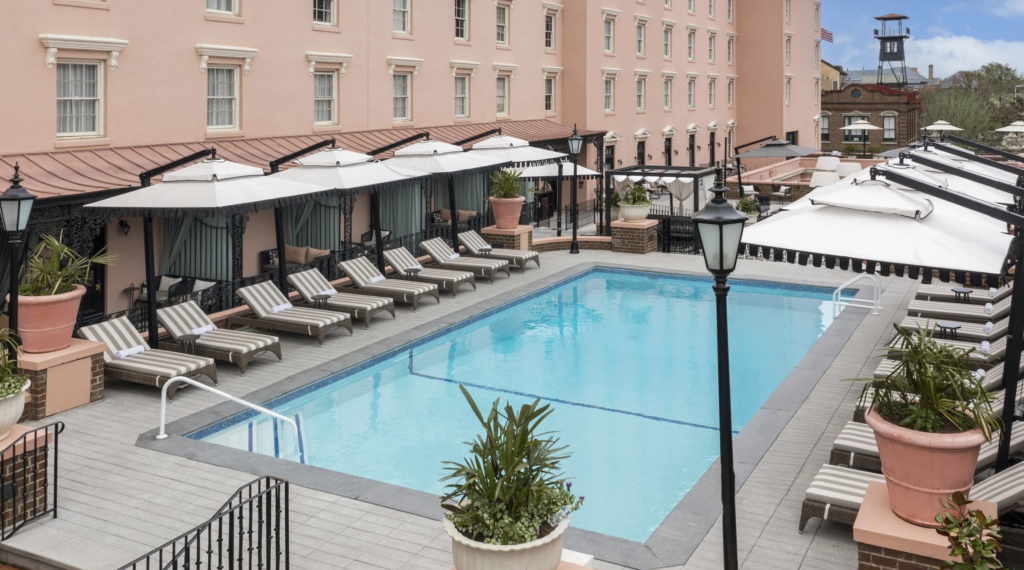
New to South Carolina? Here’s Everything You Need to Do—and When You Need to Do It

South Carolina continues to be one of the fastest-growing states in the country, with thousands of new residents relocating every year for its beaches, historic cities, lower cost of living, and thriving economy. Whether you’ve settled in Charleston, Greenville, Columbia, Myrtle Beach, or one of the state’s charming small towns, there are several important tasks you’ll need to complete after establishing residency.

Here’s a simple guide to help you stay on schedule.


Within 45 Days: Get Your South Carolina Driver’s License

If you’ve moved to South Carolina permanently, state law requires you to obtain a South Carolina driver’s license within 45 days of becoming a resident.

You’ll need:

  • Your current out-of-state driver’s license
  • Proof of identity (passport or certified birth certificate)
  • Social Security number
  • Proof of your South Carolina address
  • Name change documents (if applicable)

If you’re applying for a REAL ID, you’ll need additional proof of residency.

Helpful Links:


Within 45 Days: Register and Title Your Vehicle

If you brought your vehicle with you, it must also be titled and registered in South Carolina within 45 days.

Before visiting the DMV, you’ll need to:

  1. Update your auto insurance with a company licensed in South Carolina.
  2. Contact your County Auditor’s Office to create your vehicle property tax bill.
  3. Pay that bill through your County Treasurer.
  4. Take your paid tax receipt, title or registration, proof of insurance, and identification to the DMV.

For most passenger vehicles, new residents can expect to pay:

  • $250 Infrastructure Maintenance Fee (one-time)
  • $15 Title Fee
  • $40 Registration/License Plate Fee

Vehicle property taxes are paid separately and vary by county and vehicle value.

Helpful Links:


Don’t Forget: Pay Vehicle Property Taxes First

One thing that surprises many newcomers is that South Carolina requires vehicle property taxes to be paid before your vehicle can be registered.

The process generally works like this:

  • County Auditor creates your tax bill.
  • County Treasurer collects payment.
  • DMV issues your South Carolina registration and license plate.

Once your vehicle is registered, future tax bills are due annually.

To locate your county offices, visit:

Helpful Link:


Register to Vote

Once you’ve established residency, you can register to vote.

There is no waiting period after moving into South Carolina, but you must register at least 30 days before an election in order to vote.

You can register:

  • Online (if you have a South Carolina driver’s license or DMV ID)
  • In person at your County Voter Registration Office
  • At many DMV offices
  • By mail

If you’re registering online, be sure to update your DMV address first.

Helpful Links:


Homeowners: Apply for the 4% Legal Residence Property Tax Rate

If you’ve purchased a home that will be your primary residence, don’t overlook one of the state’s best tax savings opportunities.

South Carolina offers a 4% Legal Residence Assessment Ratio for owner-occupied primary homes instead of the standard 6% assessment rate. This can save homeowners hundreds—or even thousands—of dollars annually.

Applications are processed through your county Assessor’s Office.

Helpful Link:


Other Important Items to Update

While you’re getting settled, don’t forget to:

  • Update your mailing address with the U.S. Postal Service
  • Notify your bank and credit card companies
  • Update your insurance policies
  • Transfer any professional licenses
  • Update payroll records with your employer
  • Enroll children in school
  • Register pets if required by your local municipality

New South Carolina Resident Checklist

Within 45 Days

✅ Obtain your South Carolina driver’s license

✅ Register and title your vehicle

✅ Pay county vehicle property taxes

Before the Next Election

✅ Register to vote (at least 30 days before Election Day)

If You Purchased a Home

✅ Apply for the 4% Legal Residence property tax assessment


Welcome Home

Relocating to South Carolina is an exciting new chapter. While there are a few important administrative tasks to complete, getting your driver’s license, registering your vehicle, paying property taxes, and registering to vote will ensure you’re fully established as a South Carolina resident.

For a complete list of services available to new residents, visit the State of South Carolina’s official Moving to South Carolina portal:

Official State Resource:

Moving to South Carolina – SC.gov

Welcome to the Palmetto State!

Stay connected and subscribe to Charleston Daily.